
 IN
Plastic Recycling Machinery
46 products available
What are Plastic Recycling Machinery?
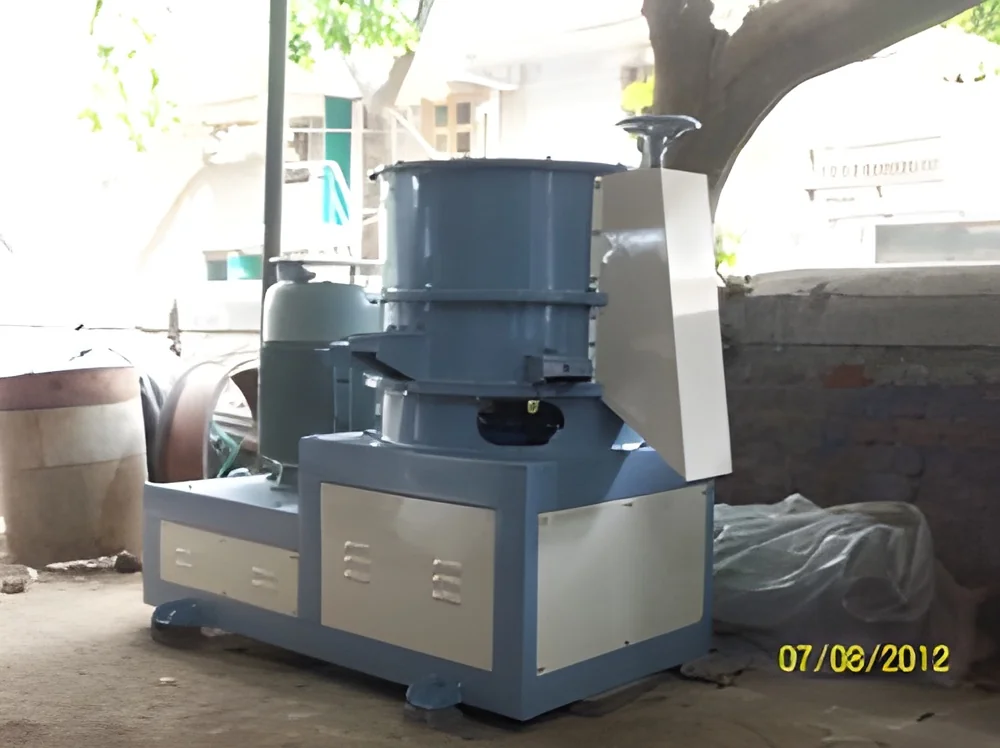
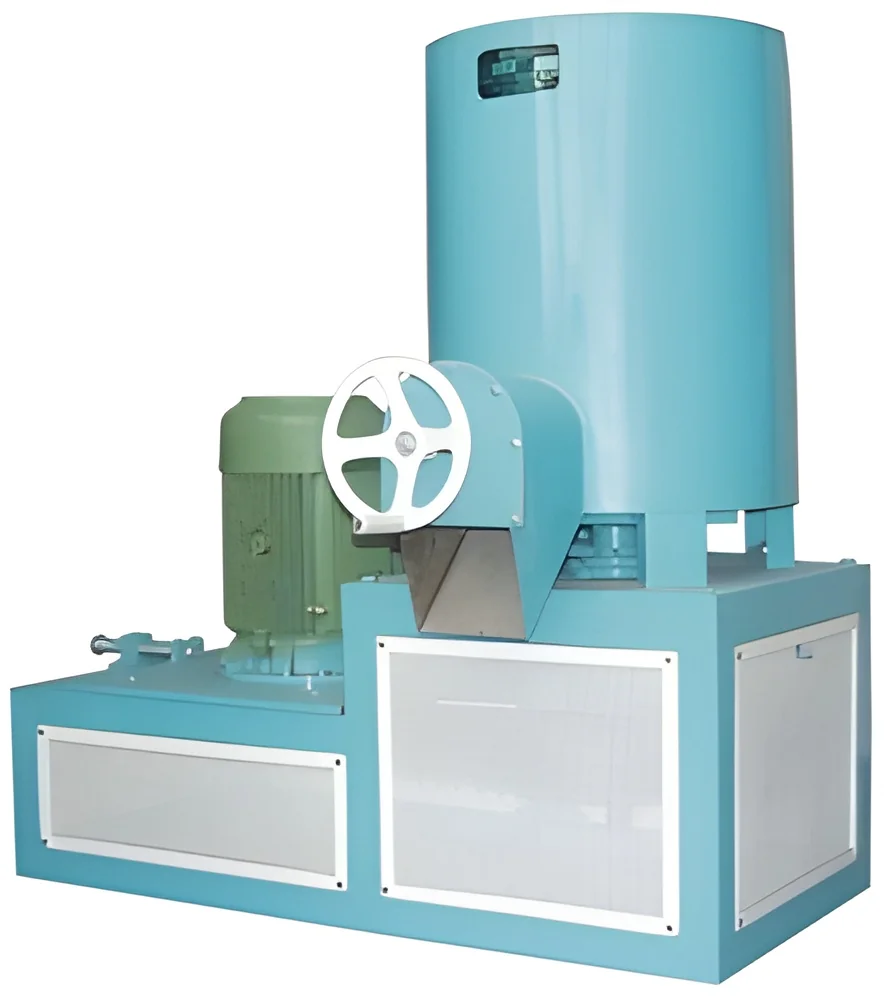
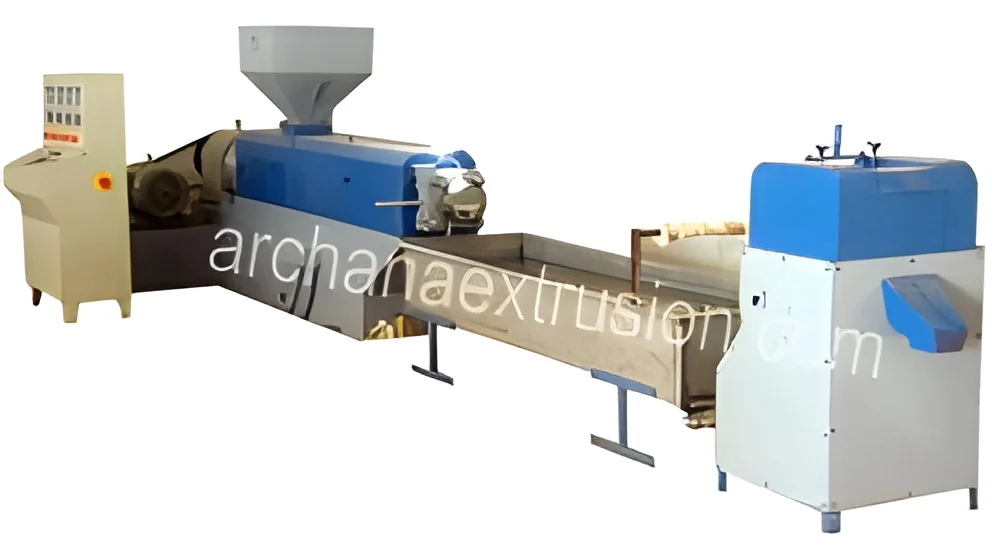
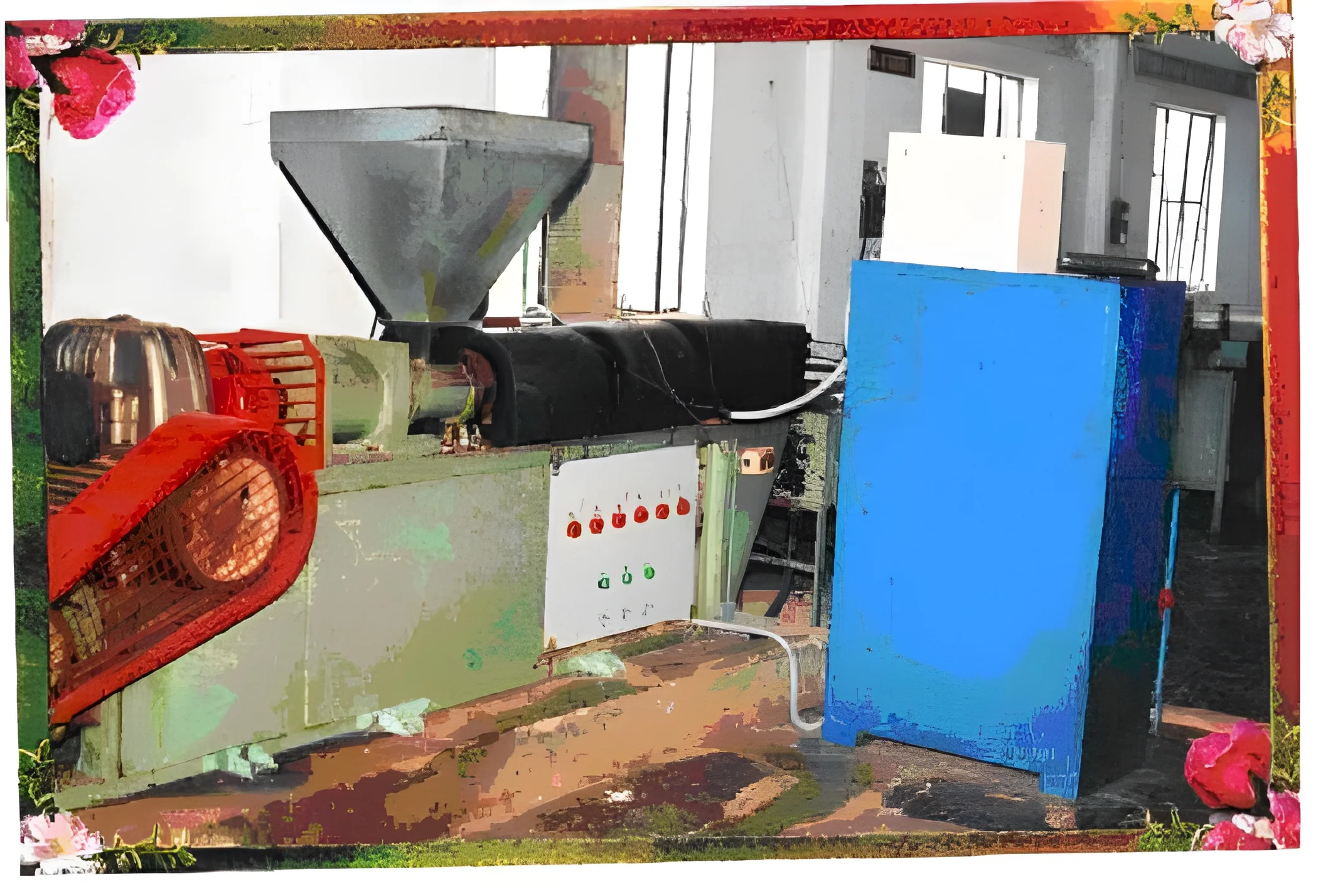
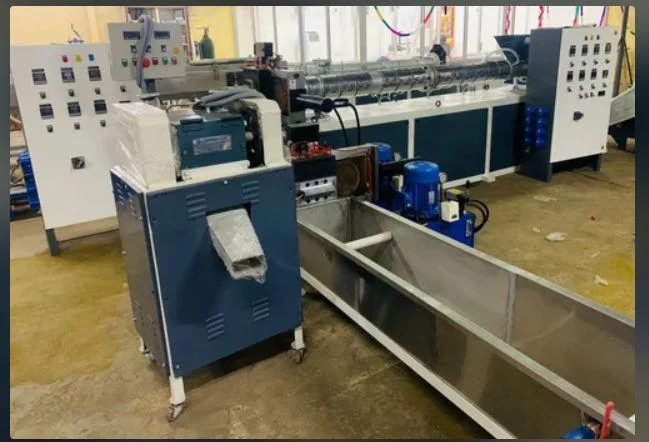
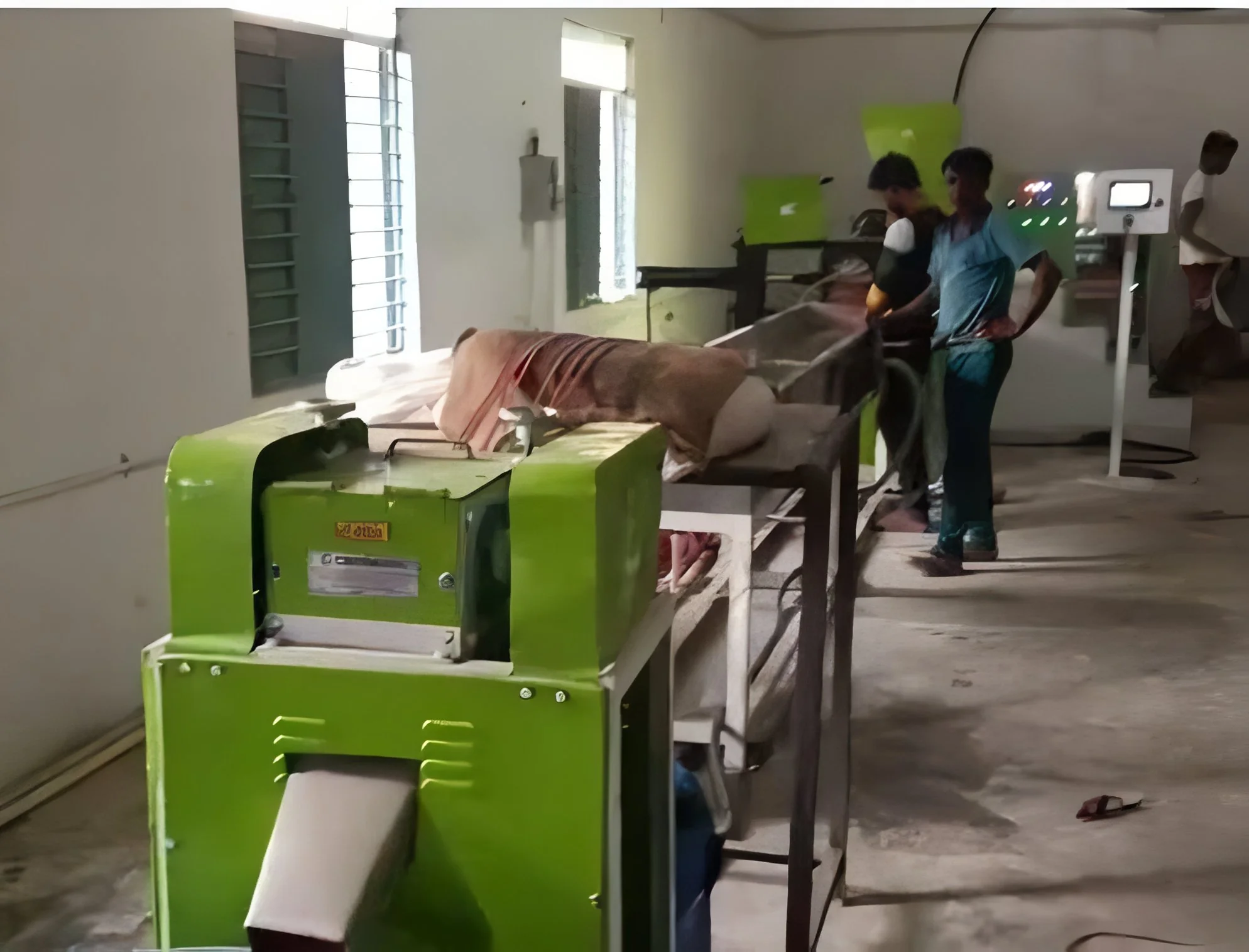
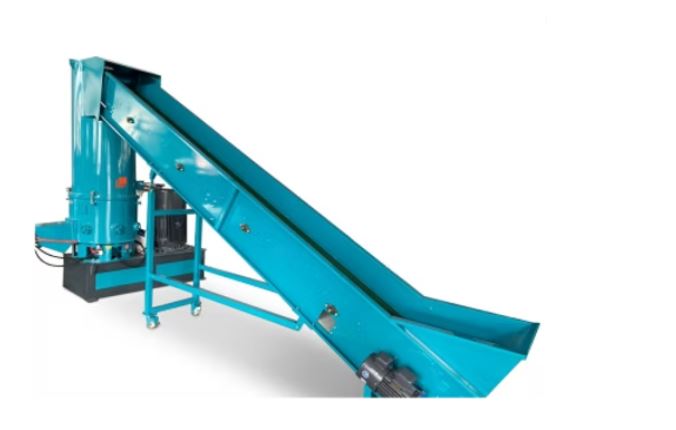
Plastic recycling machinery refers to a range of equipment designed to process and recycle plastic waste into reusable materials. These machines play a crucial role in the circular economy by converting discarded plastics into pellets or flakes that can be used to manufacture new products. Various types of machinery are involved in this process, including shredders, granulators, extruders, and washing systems.
The primary uses of plastic recycling machinery span multiple industries, including packaging, automotive, and consumer goods. Businesses leverage these machines to reduce waste and meet sustainability goals while also tapping into cost savings by reusing materials. As demand for recycled plastics continues to grow, the machinery's efficiency and reliability become increasingly critical for manufacturers aiming to stay competitive in the market.
In the context of industry relevance, plastic recycling machinery is positioned at the intersection of environmental responsibility and economic opportunity. With increasing regulations on plastic waste and a global push for sustainable practices, the market for these machines is expanding. Companies that invest in effective recycling machinery not only comply with regulations but also enhance their brand reputation by promoting eco-friendly practices.
Key Features and Specifications
Plastic recycling machinery comes equipped with various features designed to enhance functionality and efficiency. When selecting machinery, it is essential to consider specifications that align with operational needs.
Key specifications include:
1. Capacity
- Refers to the amount of plastic waste processed per hour
- Common ranges are from 100 kg/h to over 1000 kg/h
2. Size Reduction Technology
- Includes shredding, granulating, or milling processes
- Different technologies may impact material size and quality
3. Power Consumption
- Indicates the energy required for operation
- Typically measured in kilowatts, with variations based on size and capacity
4. Automation Level
- Refers to the degree of automated features for operation
- Options range from manual systems to fully automated setups
5. Material Compatibility
- Specifies the types of plastics that can be processed
- Common types include PET, HDPE, and LDPE
6. Control Systems
- Features for monitoring and controlling machinery operations
- May include digital interfaces or programmable logic controllers
7. Maintenance Requirements
- Outlines the frequency and type of maintenance needed
- Essential for ensuring long-term reliability and performance
8. Safety Features
- Includes emergency stop buttons and protective guards
- Critical for ensuring operator safety during operation
In summary, understanding the key features and specifications of plastic recycling machinery is vital for making informed purchasing decisions that align with operational requirements.
Common Applications and Use Cases
Plastic recycling machinery serves various industries where plastic waste is prevalent and needs processing.
1. Packaging: In the packaging industry, machinery is used to recycle plastic films and containers, turning them back into usable materials for new packaging solutions.
2. Automotive: The automotive sector utilizes recycling machinery to handle plastic parts and components from old vehicles, contributing to sustainable manufacturing practices.
3. Consumer Goods: Manufacturers of consumer products use recycled plastics to create new items, promoting environmental sustainability and reducing raw material costs.
4. Construction: In the construction industry, recycled plastics can be transformed into durable building materials, reducing the reliance on virgin resources.
5. Electronics: The electronics industry incorporates recycled plastics in the production of various devices, helping to minimize waste and environmental impact.
6. Agriculture: Plastic recycling machinery helps manage agricultural plastics, such as mulch films, by converting them into reusable materials for new applications.
7. Textiles: The textile industry increasingly uses recycled plastics to create fibers for clothing and other textile products, supporting sustainability initiatives.
Product Variants and Subcategories
Plastic recycling machinery comes in various forms, allowing businesses to choose equipment that best fits their specific needs.
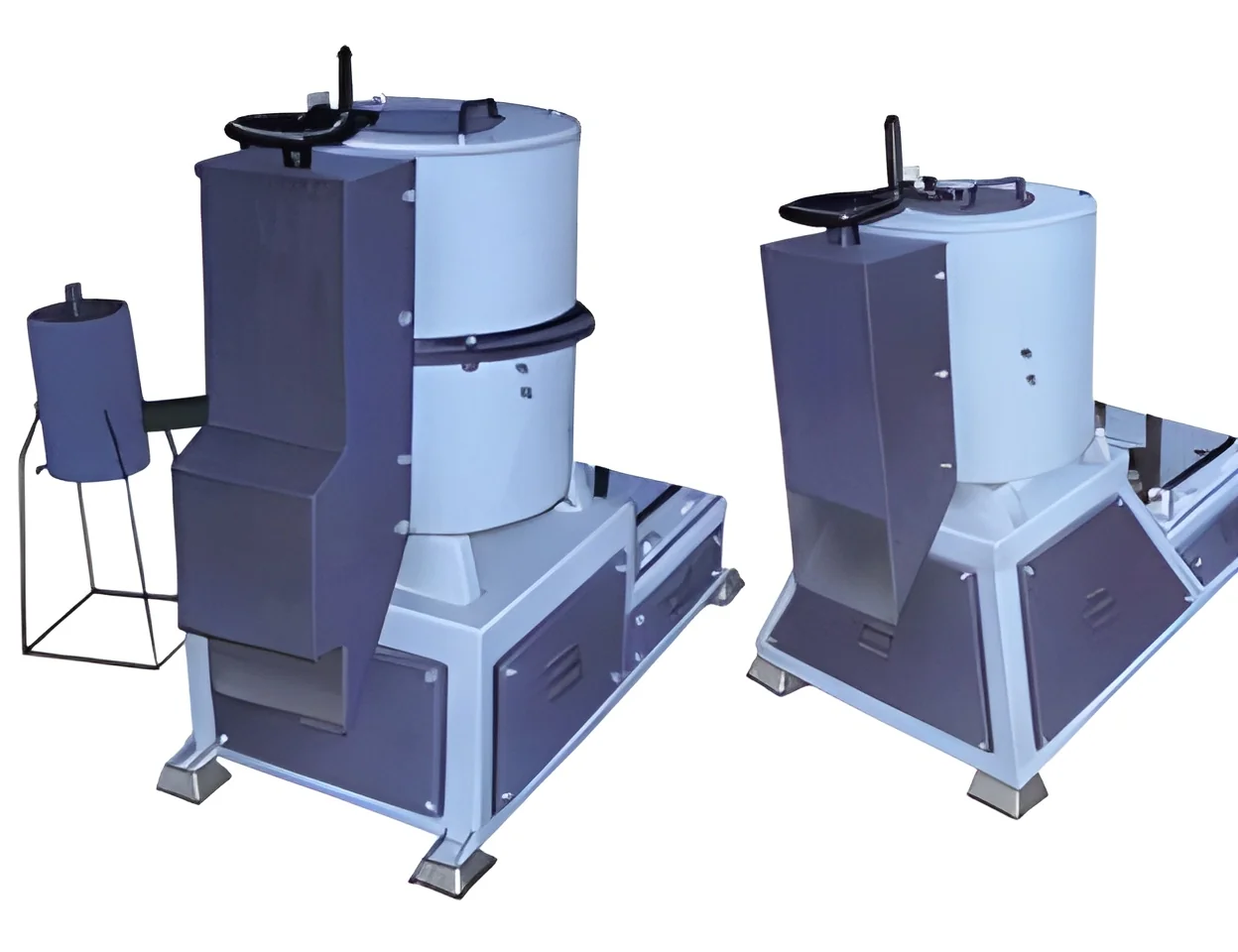
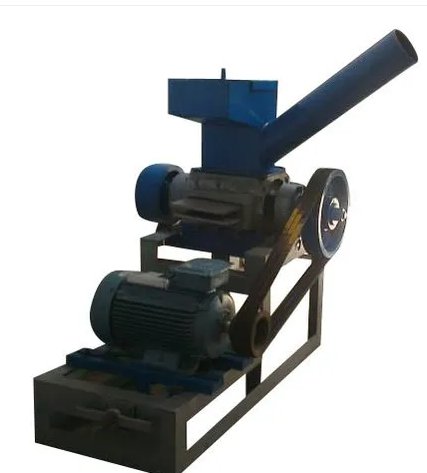
Shredders
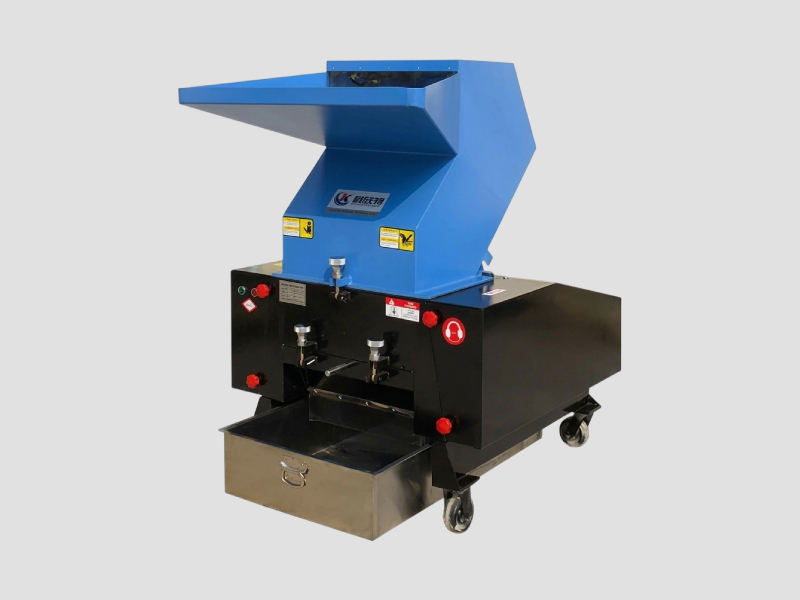
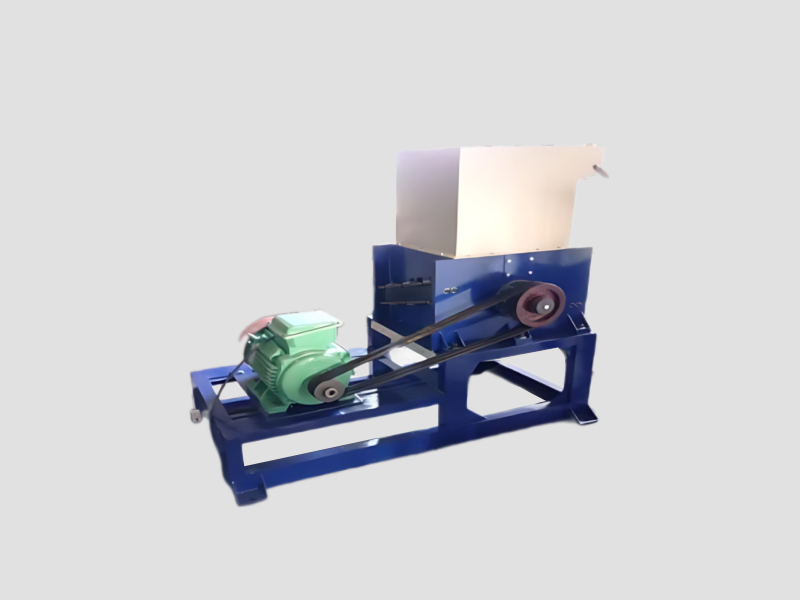
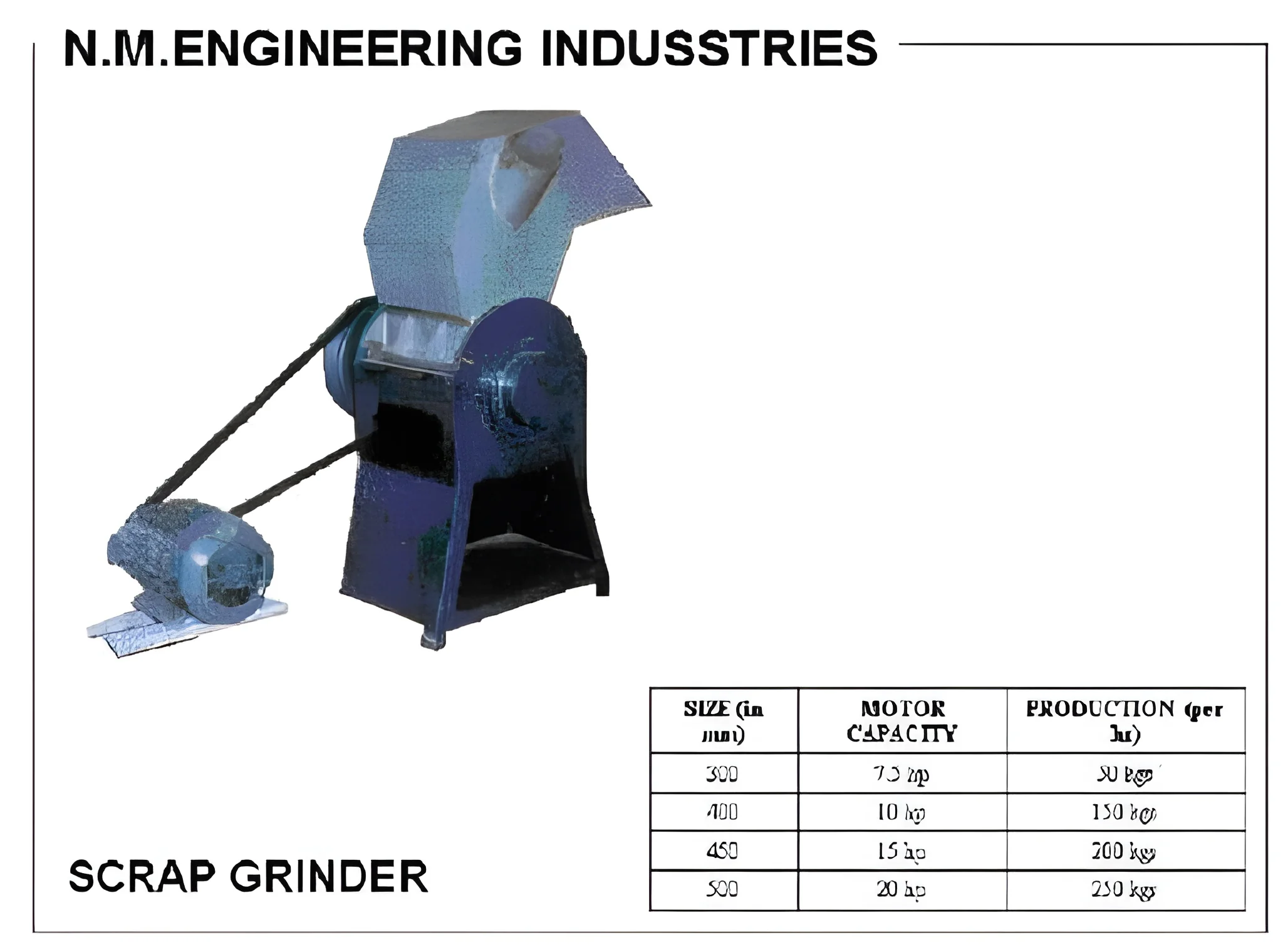
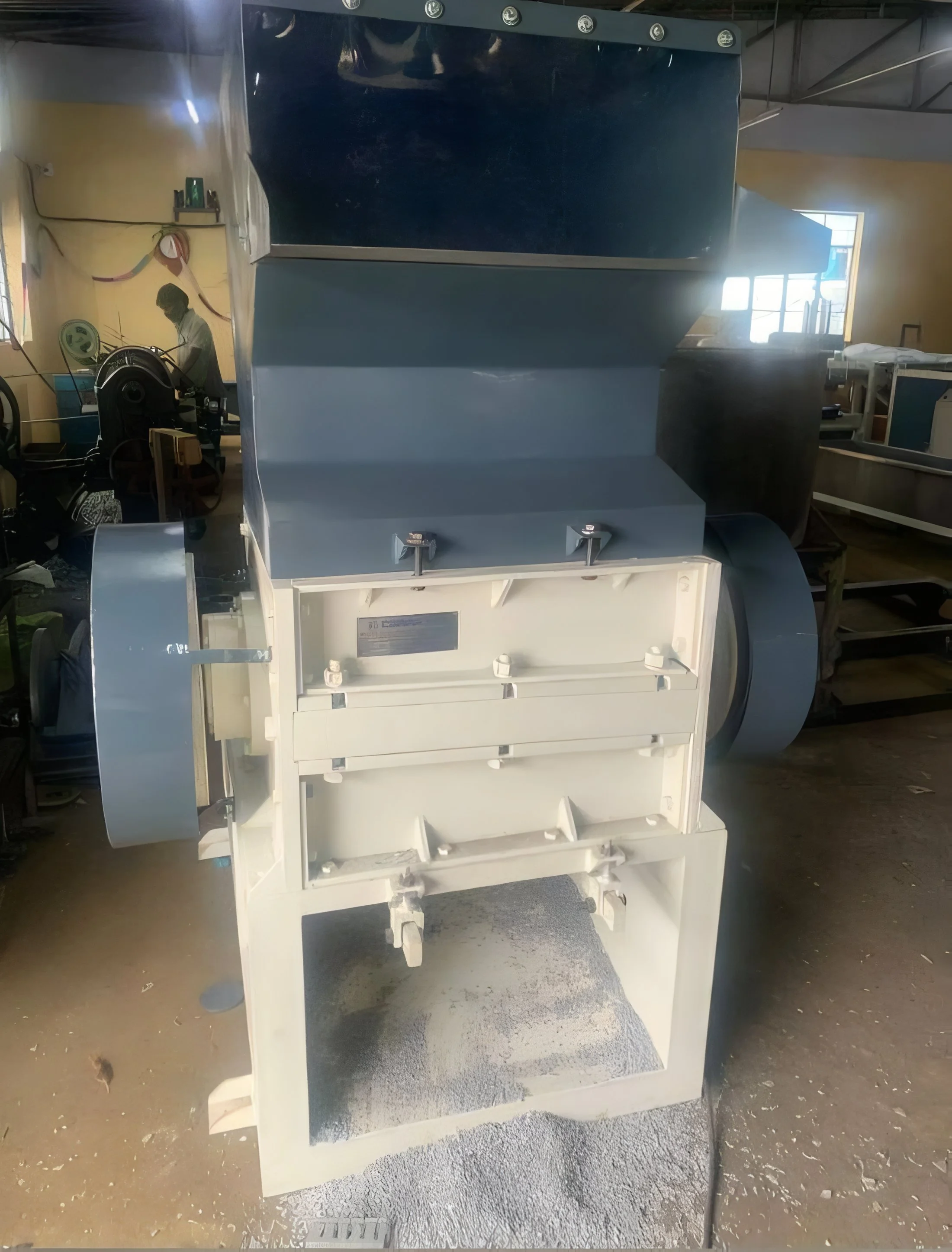
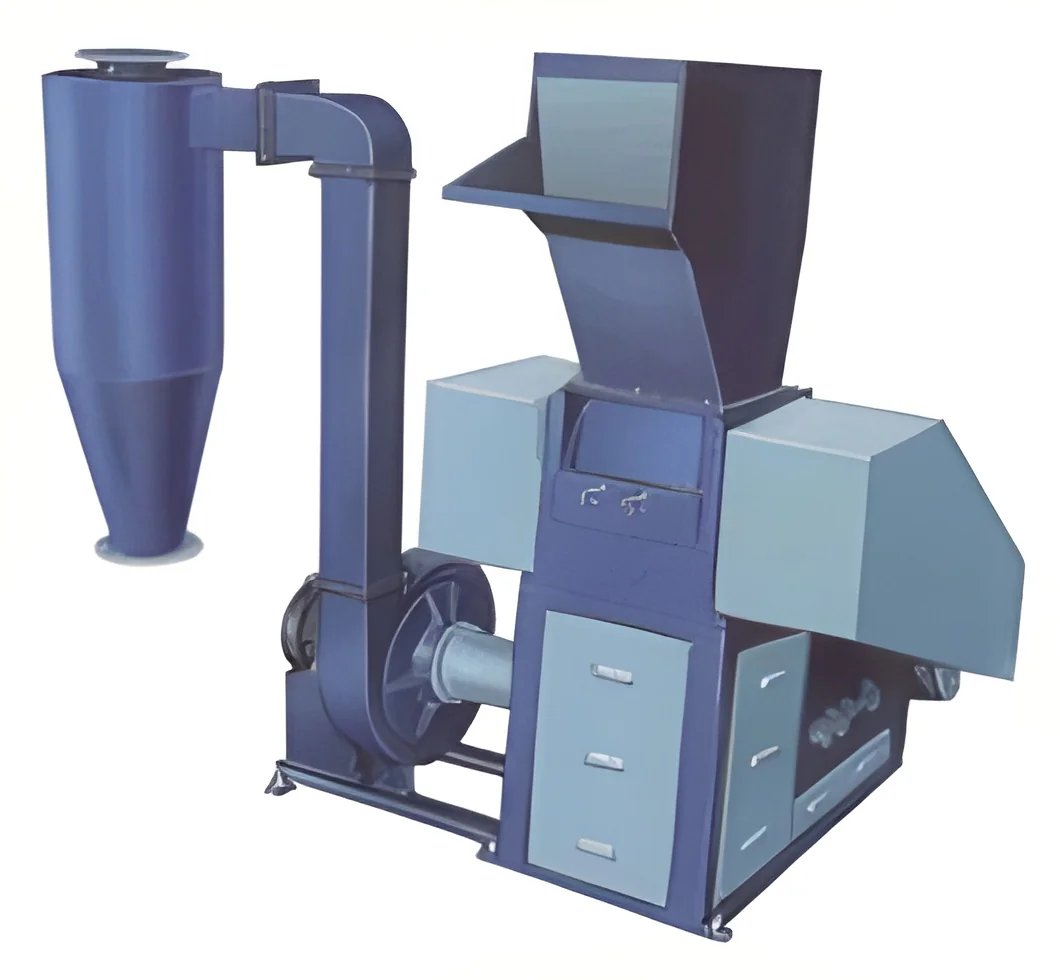
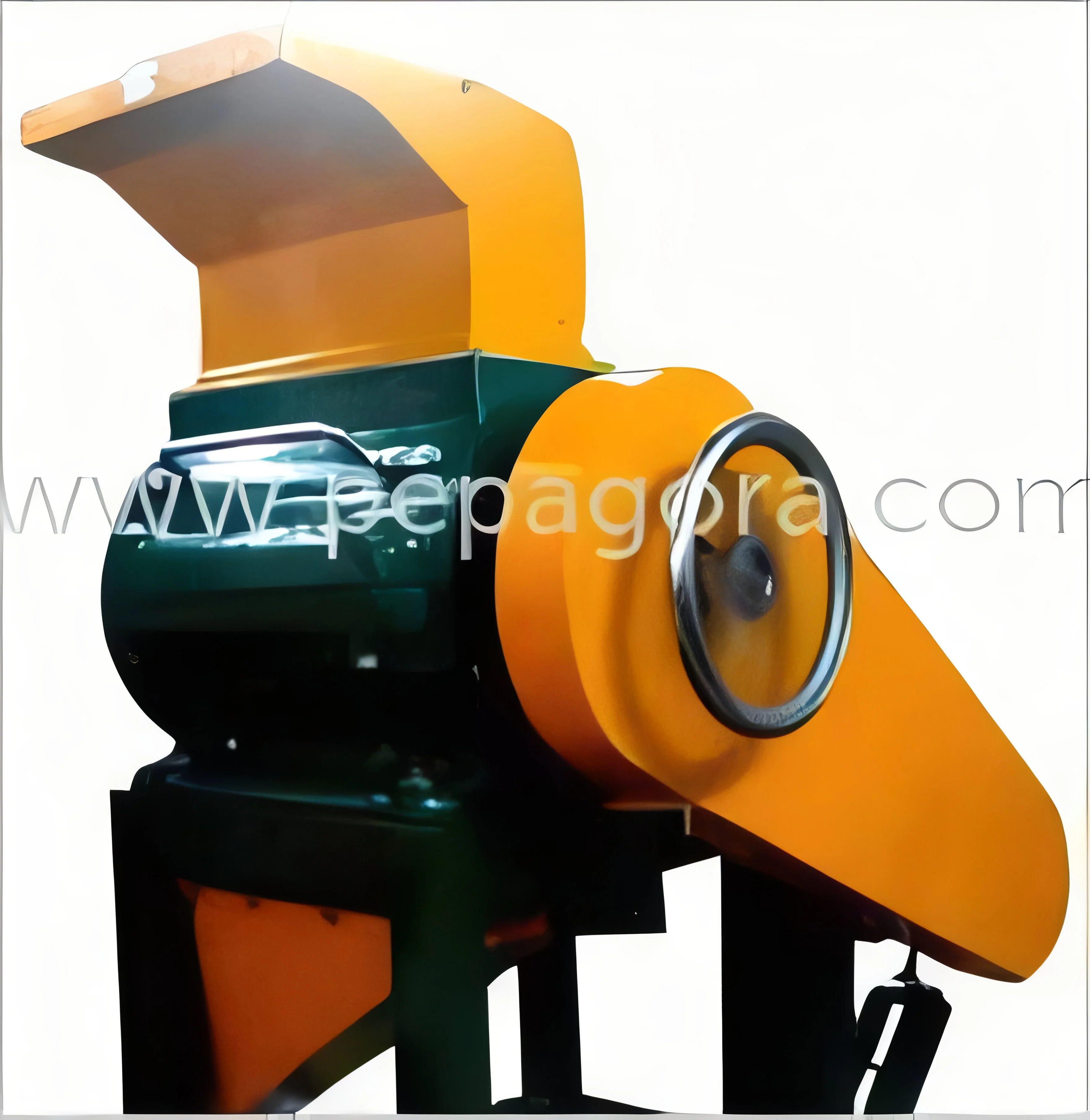
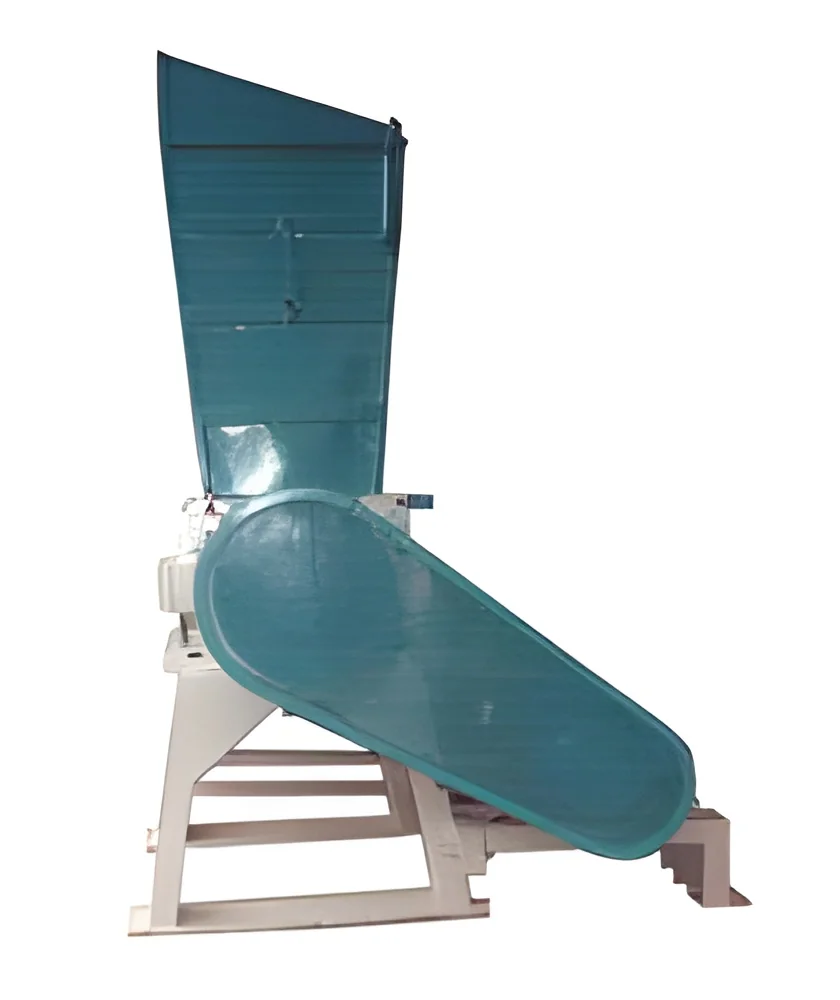
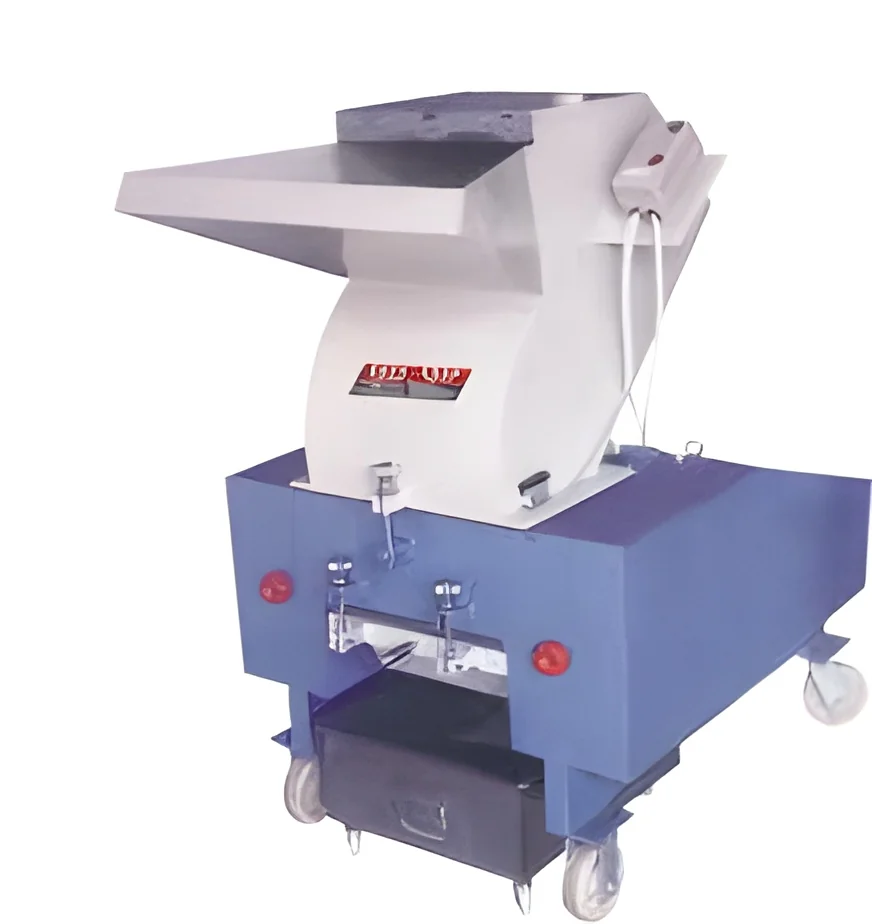
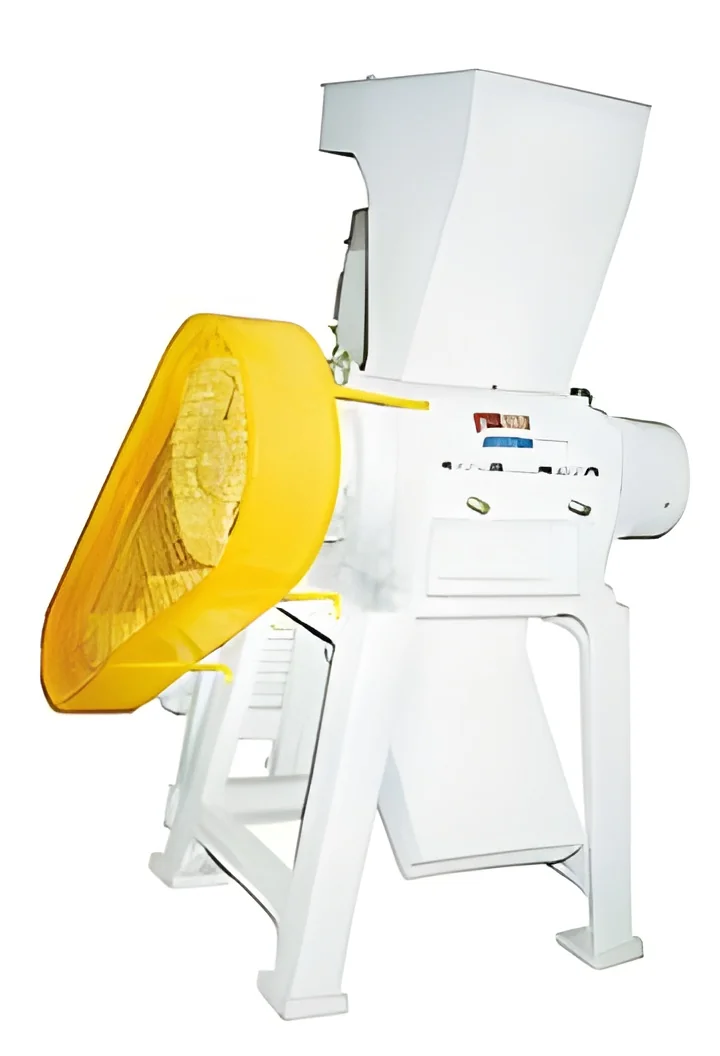
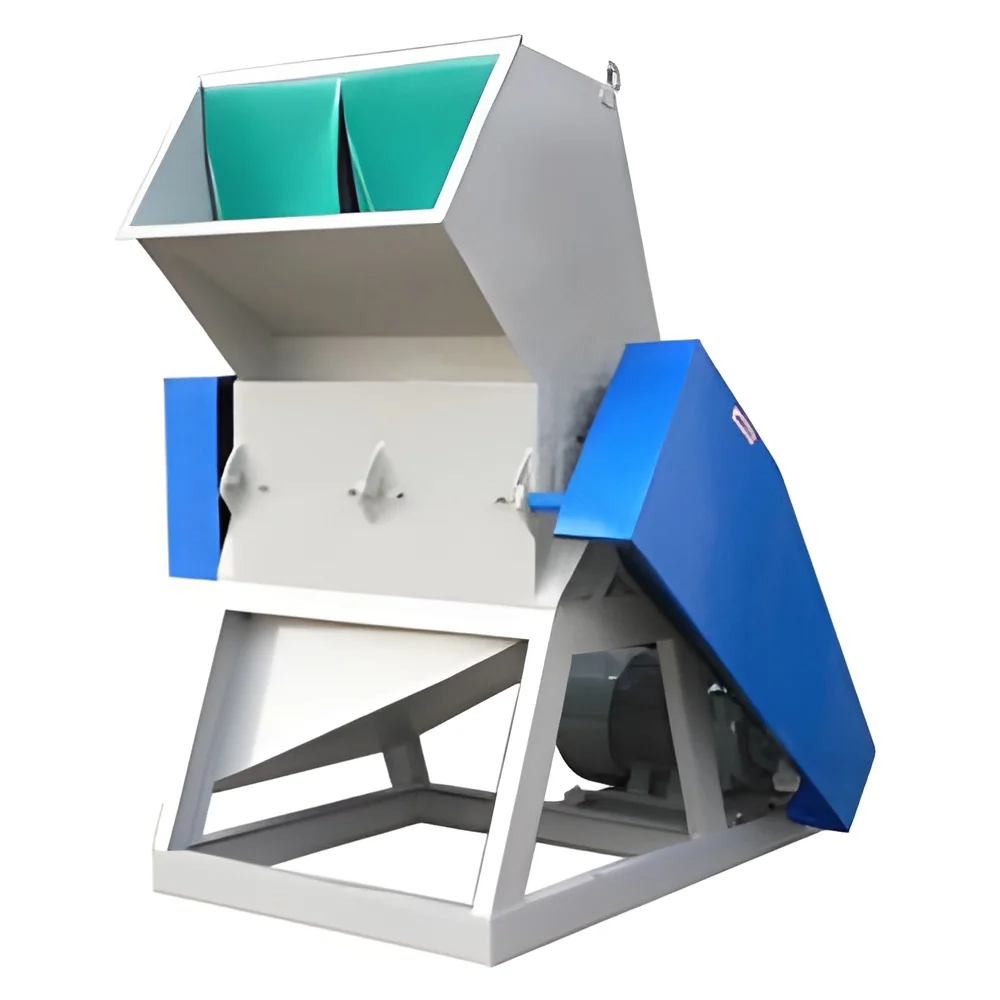
Shredders are designed to break down large plastic waste into smaller pieces, making it easier to process further. They are essential for initial size reduction and can handle various types of plastics.
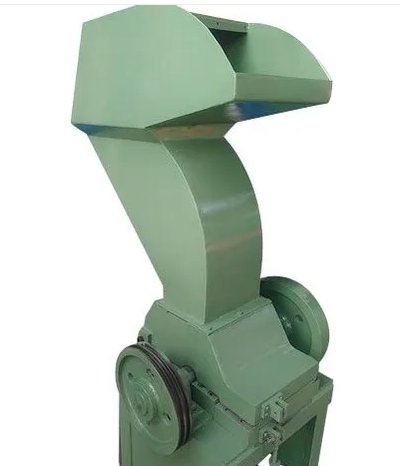
Granulators
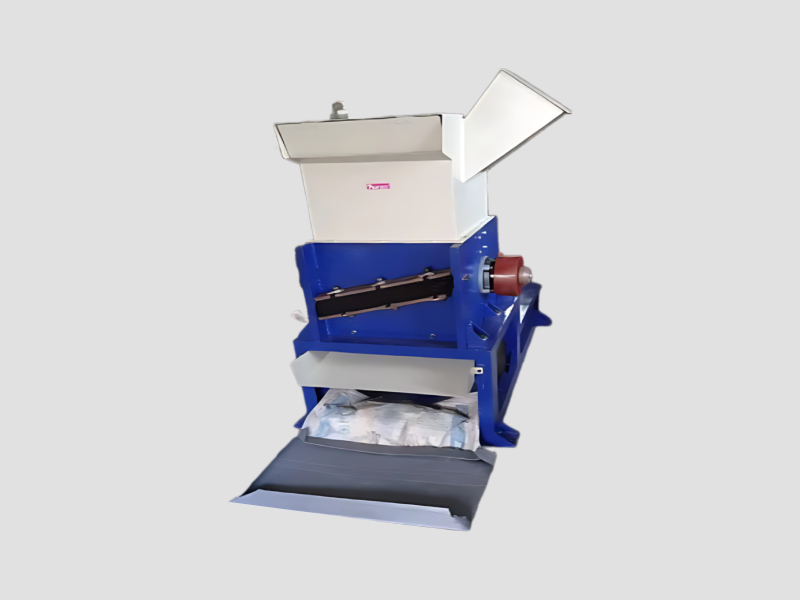
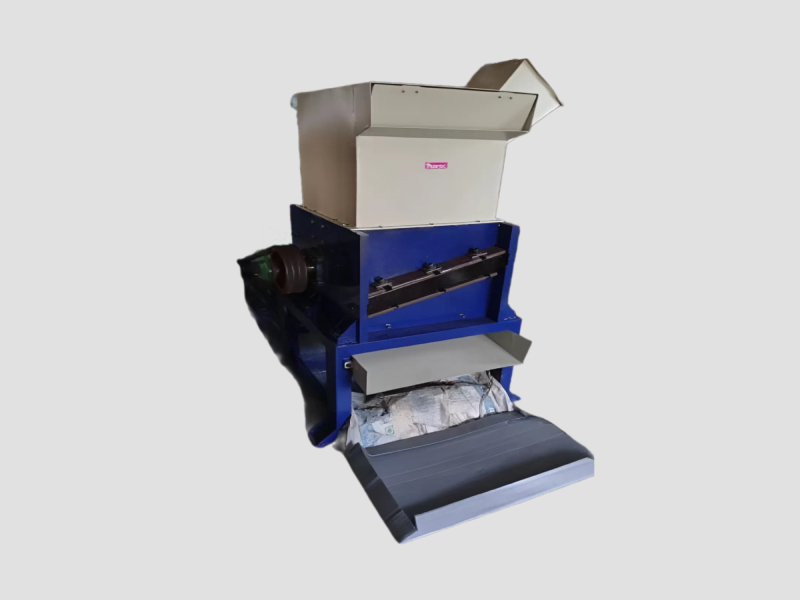
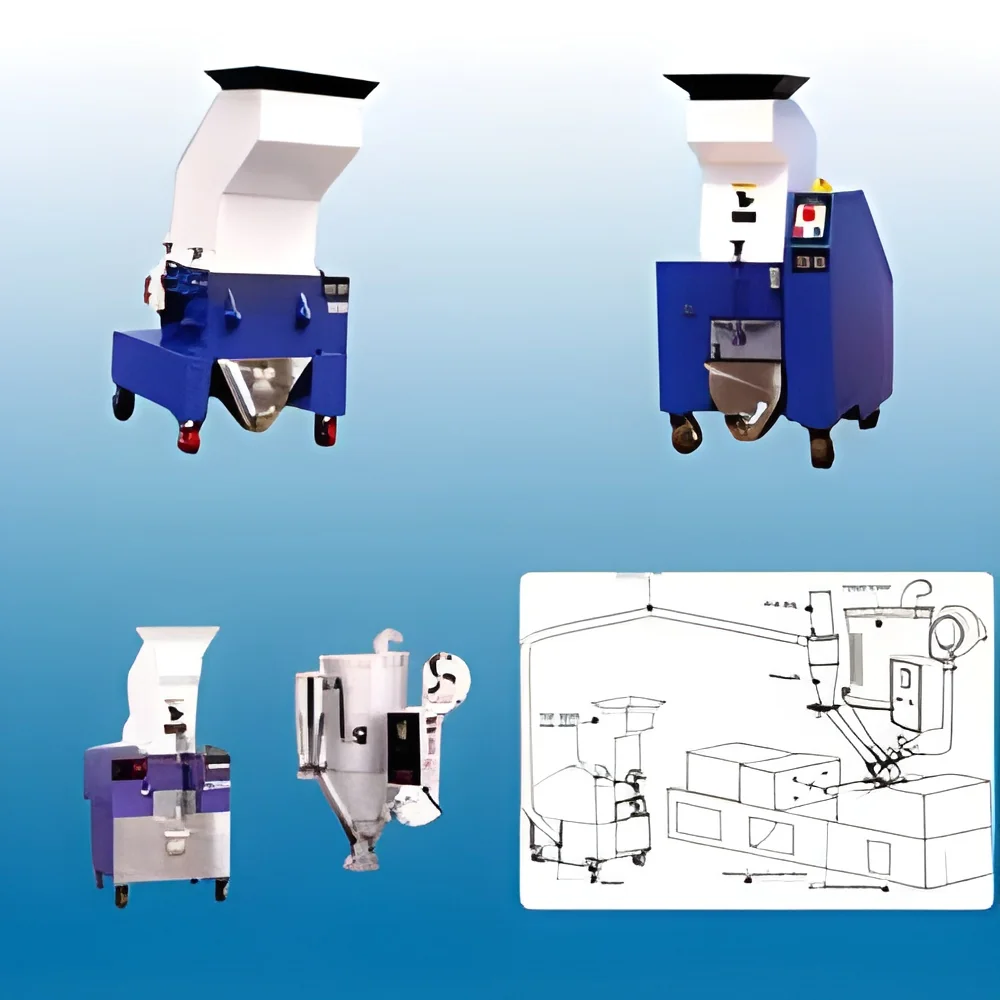
Granulators are used to process shredded plastic into uniform granules. This machinery is crucial for producing high-quality raw materials that can be used in manufacturing new products.
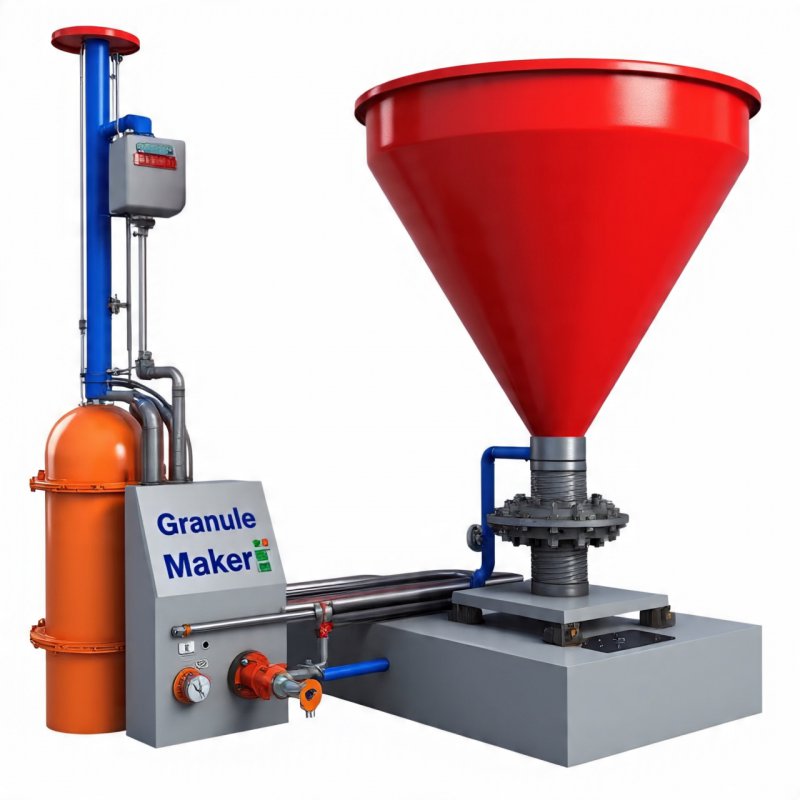
Extruders
Extruders convert plastic pellets into sheets, films, or other shapes through a continuous process. This machinery plays a significant role in creating products from recycled materials.
Benefits and Advantages
Investing in plastic recycling machinery offers numerous benefits that can enhance operational efficiency and sustainability.
Key benefits include:
1. Cost Savings: By recycling plastic waste, companies can reduce raw material costs and minimize waste disposal expenses.
2. Environmental Compliance: Utilizing recycling machinery helps businesses meet regulatory requirements and contribute to environmental initiatives.
3. Improved Brand Image: Companies that prioritize recycling can enhance their reputation as environmentally responsible organizations.
4. Resource Sustainability: Recycling machinery supports the conservation of natural resources by reducing the need for virgin plastics.
5. Versatile Applications: These machines can process various types of plastics, making them suitable for diverse industries.
6. Innovation Potential: Investing in advanced recycling technology can lead to new product developments and market opportunities.
Buying Guide for B2B Buyers
When sourcing plastic recycling machinery, it is essential to consider several key factors to ensure a successful investment.
1. Quality Assessment: Evaluate the machinery's build quality and performance history. Look for reputable manufacturers with proven track records in the industry.
2. Supplier Verification: Conduct thorough research on potential suppliers. Ensure they have the necessary certifications and a strong reputation in the market.
3. Pricing and MOQ: Understand the pricing structure and minimum order quantities. Compare costs across suppliers to ensure competitive pricing.
4. Delivery and Lead Times: Discuss logistics with suppliers to confirm delivery schedules and lead times. Timely delivery is crucial for project planning.
5. Compliance Requirements: Ensure that the machinery complies with relevant regulations and industry standards. This may include safety, environmental, and operational certifications.
Compliance and Certifications
Plastic recycling machinery must comply with various quality standards and certifications to ensure safety and reliability. Key standards include ISO 9001, which focuses on quality management systems, ensuring that manufacturers maintain high-quality production processes.
Additionally, CE certification indicates that machinery meets European safety and environmental protection requirements. This certification is crucial for businesses looking to enter the European market.
Safety and testing requirements are paramount in the design and operation of recycling machinery. Manufacturers should adhere to safety guidelines to prevent accidents and ensure operator safety.
Regional compliance considerations may vary depending on local regulations. Buyers should be aware of specific compliance requirements in their operating regions to avoid potential legal issues.
Why Source Plastic Recycling Machinery from Pepagora?
Pepagora provides a trusted platform for sourcing plastic recycling machinery, offering several key advantages for B2B buyers.
Verified Supplier Network: Pepagora connects buyers with a network of verified suppliers. This ensures that buyers can trust the quality and reliability of the machinery they obtain.
Streamlined RFQ Process: The platform features a user-friendly request for quotation (RFQ) system. This allows buyers to easily compare offers from multiple suppliers, simplifying the procurement process.
Trade Assurance and Support: Pepagora offers trade assurance to protect buyers during transactions. This includes support services to address any concerns or issues that may arise.
Regional Coverage: With a strong presence in India, the GCC, and Southeast Asia, Pepagora offers extensive regional coverage. This geographic reach enables buyers to access local suppliers and services efficiently.


 India

 India
 India
 India
 India
 India
 India
 India
 India
 India
 India
 India
 India
 India
 India
 India
 India
 India
 India

 India
 India
 India
 India
 India
 India
Frequently Asked Questions
What are Plastic Recycling Machinery?
Plastic Recycling Machinery refers to the equipment and systems used to process and recycle plastic materials. These machines are designed to break down plastic waste into reusable materials, enabling the production of new plastic products while reducing environmental impact.
What are the different types of Plastic Recycling Machinery?
There are several types of Plastic Recycling Machinery, including granulators, shredders, extruders, and washing lines. Each type serves a specific purpose in the recycling process, such as size reduction, material separation, and pelletizing of recycled plastics.
How do I choose the right Plastic Recycling Machinery?
Choosing the right Plastic Recycling Machinery involves assessing your specific recycling needs, including the type of plastic materials you will process and your production capacity. It is also important to consider factors such as machine efficiency, maintenance requirements, and available space.
What are the standard specifications for Plastic Recycling Machinery?
Standard specifications for Plastic Recycling Machinery vary by type and manufacturer, but they typically include processing capacity (kg/hour), power consumption, and dimensions. Additionally, factors like noise levels, operational speed, and safety features should also be considered.
What is the price range for Plastic Recycling Machinery?
The price range for Plastic Recycling Machinery can vary significantly based on the machine type, brand, and specifications. Generally, prices can start from a few lakhs for basic models and can go up to several crores for advanced, high-capacity systems.
What quality standards apply to Plastic Recycling Machinery?
Plastic Recycling Machinery must adhere to various quality standards, including ISO certifications, safety regulations, and environmental compliance. These standards help ensure that the machines operate efficiently and safely while minimizing environmental impact.
Where can I find Plastic Recycling Machinery suppliers in India?
You can find Plastic Recycling Machinery suppliers in India through online B2B marketplaces, industry trade shows, and local business directories. Websites like Pepagora.com can help connect you with reputable manufacturers and suppliers in the plastic recycling sector.
Can Plastic Recycling Machinery be customized?
Yes, Plastic Recycling Machinery can often be customized to meet specific processing needs or production requirements. Customizations may include modifications in size, capacity, or additional features tailored to particular applications.
What is the typical minimum order quantity for Plastic Recycling Machinery?
The typical minimum order quantity (MOQ) for Plastic Recycling Machinery can vary by supplier and machine type. Generally, MOQs may range from one unit for standard models to multiple units for custom or high-capacity systems.
What is the typical lead time for Plastic Recycling Machinery?
The typical lead time for Plastic Recycling Machinery varies based on the manufacturer's production capacity and the complexity of the order. Generally, lead times can range from a few weeks to several months, particularly if customization is involved.
Why Businesses Trust Pepagora
Thousands of companies trust Pepagora to source smarter and sell faster
Expand Your Sales Globally

Source Smarter,Grow Faster
