IN
IN₹
Description
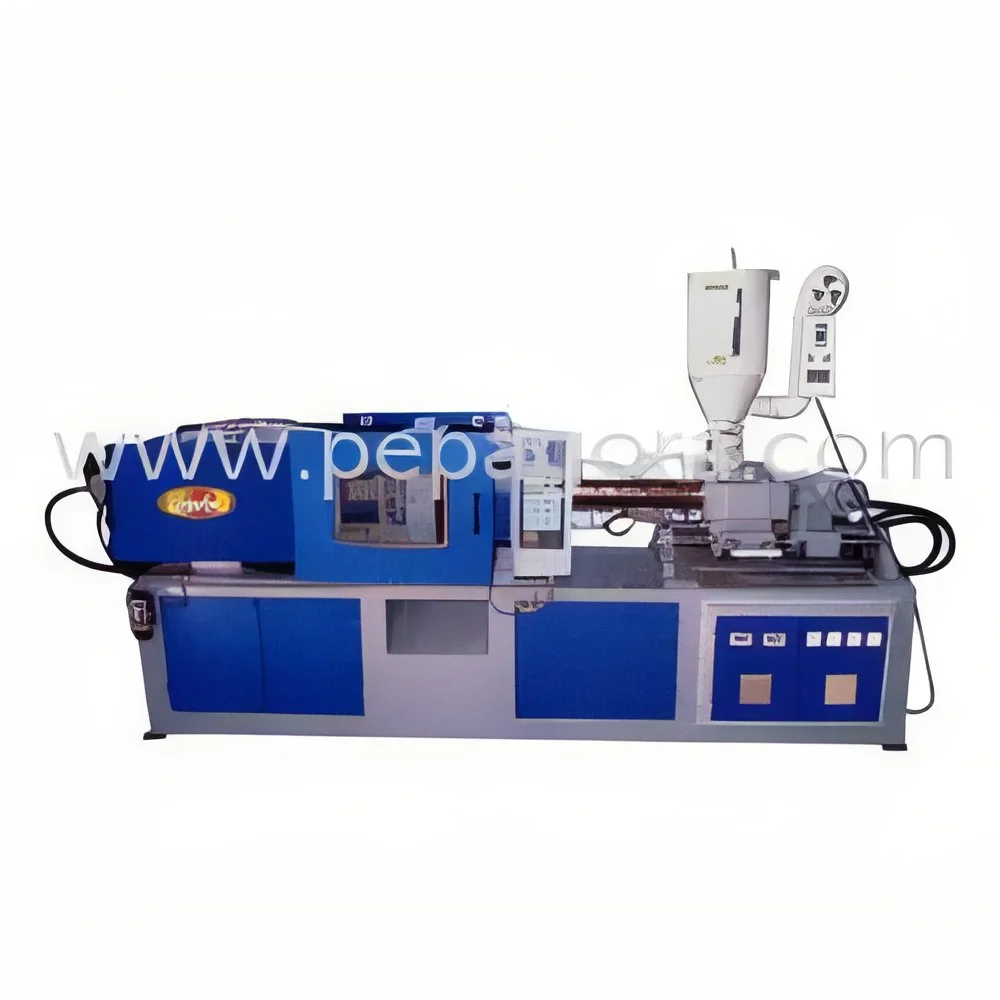
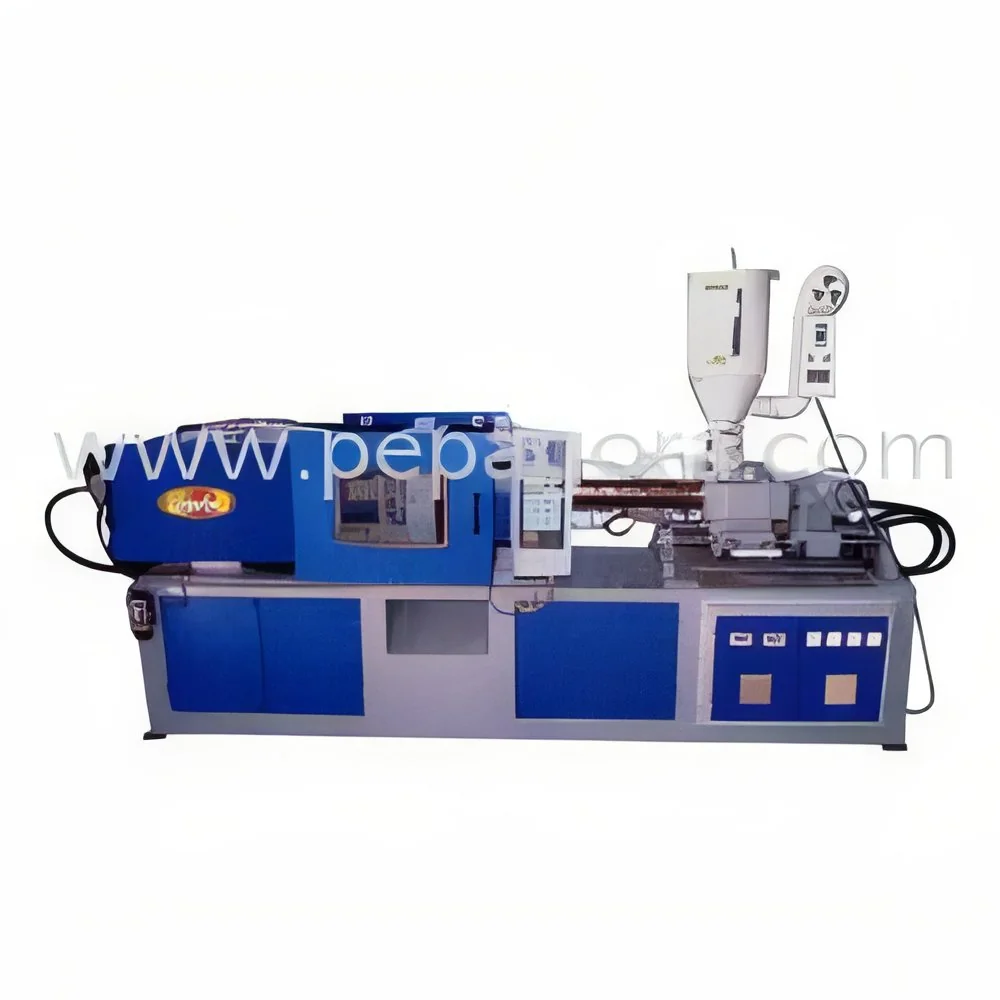
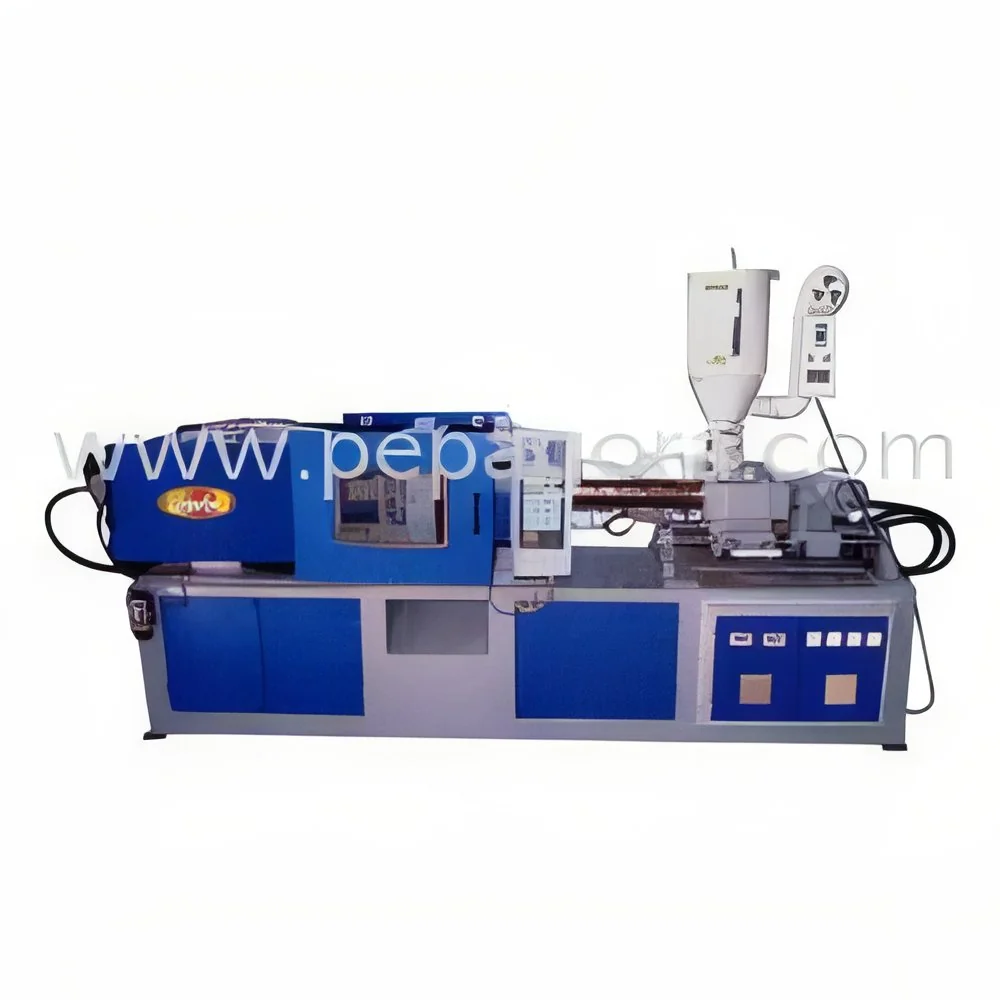
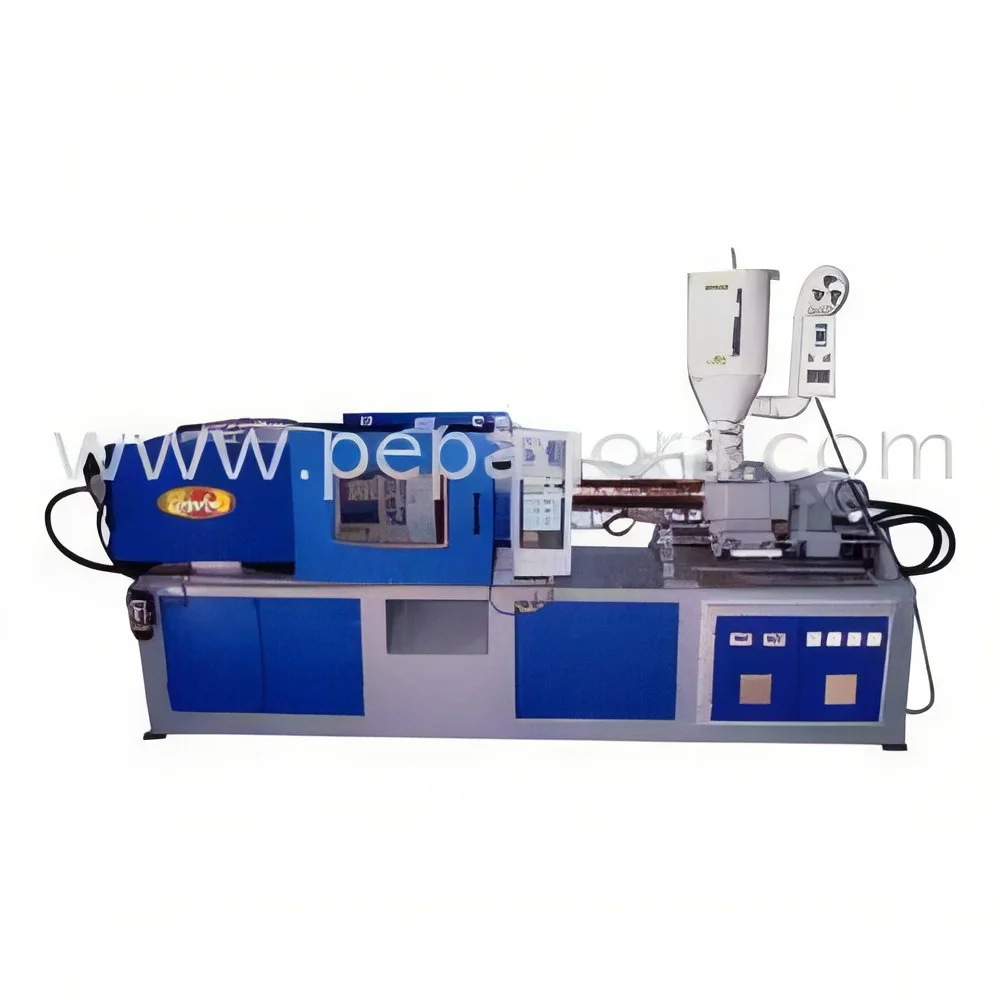
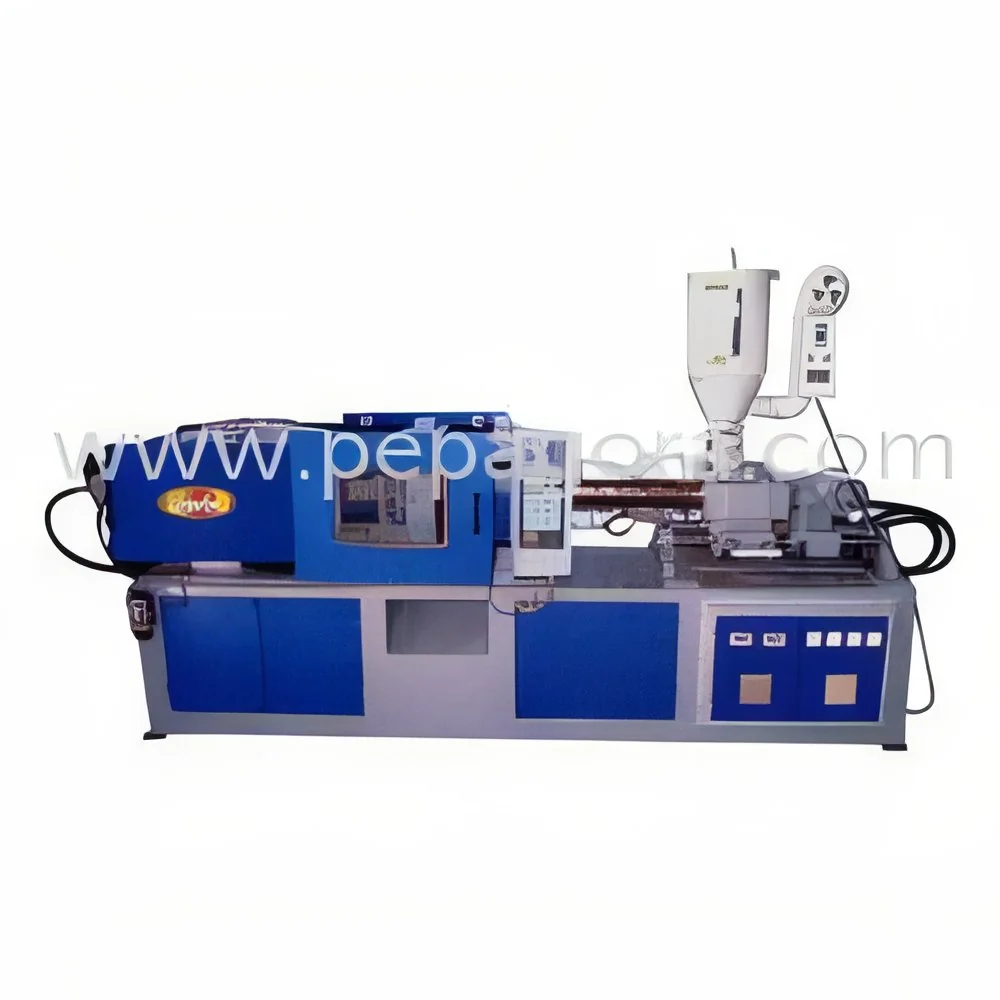
The Industrial A220 Plastic Injection Moulding Machine represents advanced manufacturing technology designed specifically for high-volume production environments. Engineered with precision control systems and robust mechanical components, this machine ensures consistent output quality while minimizing cycle times and material waste. Its durable construction withstands continuous operation demands, supporting various thermoplastic materials with reliable performance. The intuitive operating interface allows for straightforward setup and monitoring, while the machine's design prioritizes operational efficiency and long-term reliability. This injection moulding solution meets the rigorous demands of industrial manufacturing where consistent quality and production throughput are essential for business success.

Multiple industries leverage the A220's capabilities for their manufacturing requirements. Automotive manufacturers utilize the machine for producing interior and exterior component...
The Industrial A220 Plastic Injection Moulding Machine represents advanced manufacturing technology designed specifically for high-volume production environments. Engineered with precision control systems and robust mechanical components, this machine ensures consistent output quality while minimizing cycle times and material waste. Its durable construction withstands continuous operation demands, supporting various thermoplastic materials with reliable performance. The intuitive operating interface allows for straightforward setup and monitoring, while the machine's design prioritizes operational efficiency and long-term reliability. This injection moulding solution meets the rigorous demands of industrial manufacturing where consistent quality and production throughput are essential for business success.

Multiple industries leverage the A220's capabilities for their manufacturing requirements. Automotive manufacturers utilize the machine for producing interior and exterior components including dashboard elements, light housings, and functional connectors. Packaging companies depend on it for creating containers, closures, and custom packaging solutions with precise dimensional accuracy. Consumer goods manufacturers employ the A220 for producing durable household items, toys, and appliances requiring consistent structural integrity. The electronics industry benefits from its ability to fabricate intricate device casings, electrical connectors, and insulating components. Medical device manufacturers rely on the machine for producing sterile, high-precision components such as syringe bodies and diagnostic equipment parts, where quality consistency is paramount.

Businesses investing in the A220 gain substantial operational advantages through enhanced production efficiency and reduced manufacturing costs. The machine's reliability significantly minimizes unplanned downtime, ensuring continuous production cycles and faster return on investment. Energy-efficient operation contributes to lower power consumption, supporting both cost reduction and sustainability objectives. The machine's precision engineering ensures consistent product quality, reducing rejection rates and material waste. With straightforward maintenance requirements and dependable performance, the A220 provides long-term manufacturing reliability that serious buyers can count on for their production needs, making it a valuable asset for businesses focused on quality and operational excellence.

Key Features:
- Precision injection control system for consistent high-quality output
- User-friendly control interface with automated operation features
- Heavy-duty construction designed for continuous industrial use
- Compatibility with wide range of thermoplastic materials
- Energy-efficient hydraulic system reducing operational costs

Benefits:
- Consistent product quality with minimal variation between production cycles
- Reduced operational complexity through automated systems and intuitive controls
- Long service life with minimal maintenance requirements in demanding environments
- Production flexibility across different material types and product designs
- Lower energy consumption contributing to reduced manufacturing costs
Specifications
| Additional Information | |
|---|---|
| Country of Origin | India |
Application
The A220 Injection Moulding Machine excels in high-performance manufacturing environments where precision and repeatability are critical. Its robust construction and advanced control systems enable production of detailed, high-tolerance plastic components across multiple material types. The machine's automated features and user-friendly interface simplify operations while maintaining consistent quality output, making it suitable for both large-scale production facilities and specialized manufacturing units.
This versatile equipment serves numerous industrial sectors requiring mass production capabilities. Industries including automotive, packaging, consumer goods, electronics, and medical devices benefit from its adaptability in manufacturing both small intricate parts and larger components. The machine's precision engineering ensures reduced material waste while maintaining strict quality standards, providing manufacturers with reliable production solutions for diverse application requirements.
- Automotive components: interior trim parts, dashboard elements, connector housings, and functional assemblies
- Packaging solutions: containers, caps, lids, and thin-walled packaging items requiring high precision
- Consumer products: household items, toys, appliances, and durable goods with consistent finish quality
- Electronics manufacturing: device casings, electrical connectors, insulating components, and protective housings
- Medical equipment: syringe bodies, diagnostic device parts, disposable components, and precision medical instruments
Trade Details
| Available Stock | In Stock |
| Sample Availability | No |
Payment Terms
| Payment Terms |
|
Company Profile
Harsadhi Engineers, Gujarat
 Gujarat, India
Gujarat, IndiaManufacturer•Retailer
Factory Details
Factory SizeBelow 1000 sqm
Annual Production Capacity0
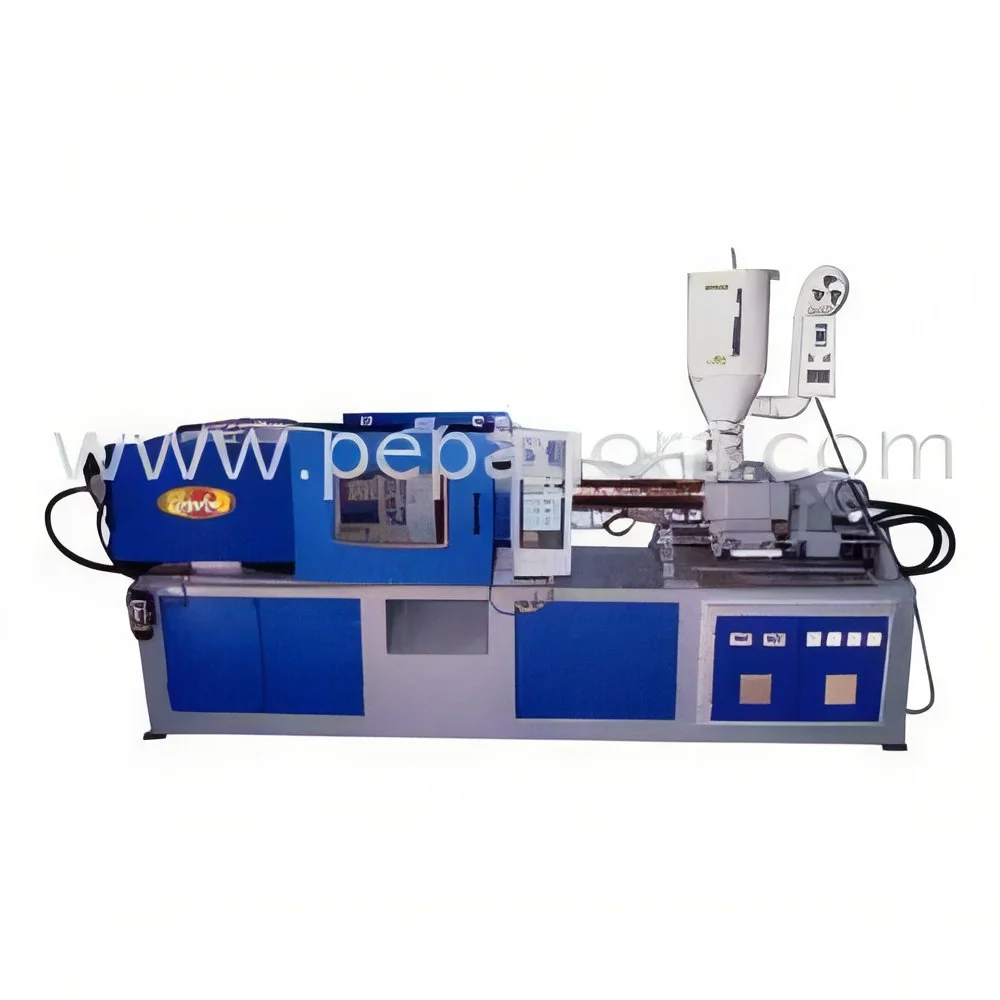
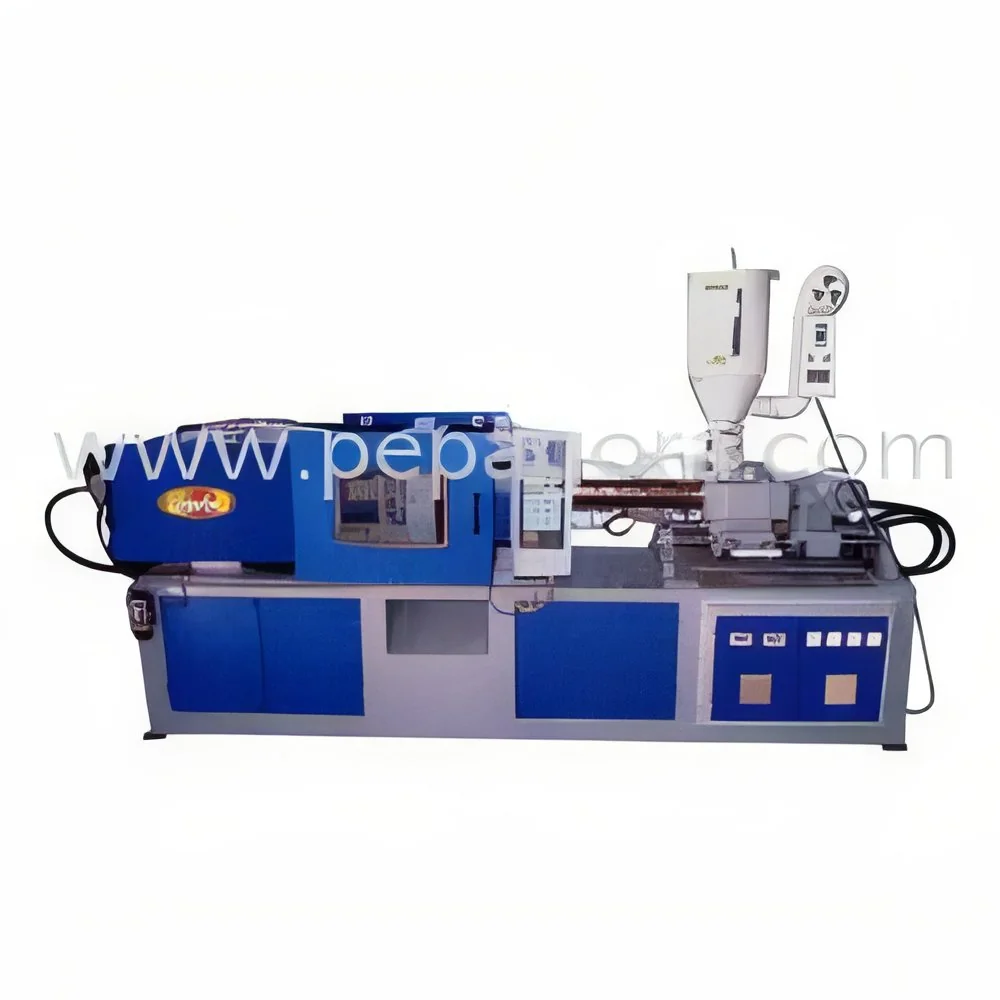
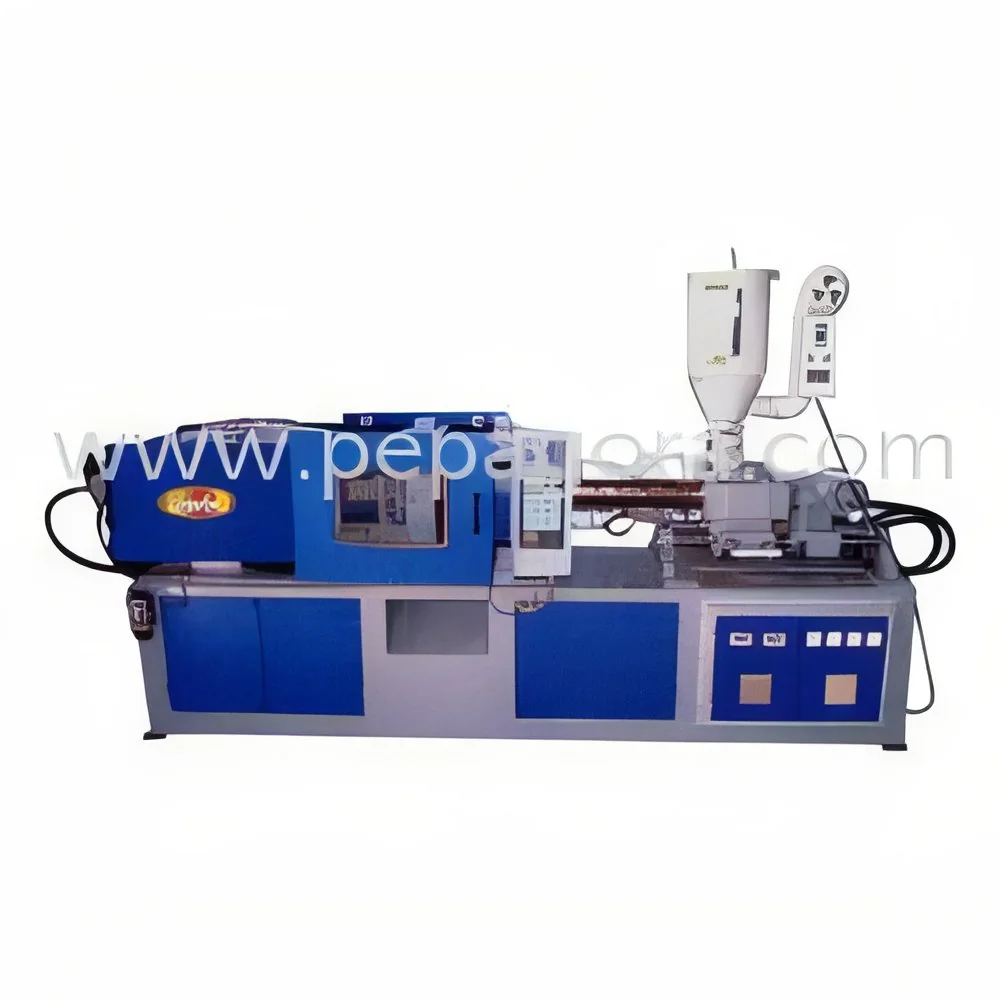
Industrial A220 Plastic Injection Moulding Machine For High Volume Production
The A220 Plastic Injection Moulding Machine delivers precision engineering for high-volume production, supporting various polymers with reliable performance for industrial manufacturing applications requiring consistent output.
Min. Order Quantity: 1 unit
Shipping
Shipping fee and delivery date to be negotiated. Contact supplier now for more details.
Harsadhi Engineers
 Gujarat, India
Gujarat, IndiaManufacturer