IN
IN₹
Apparel & Fashion
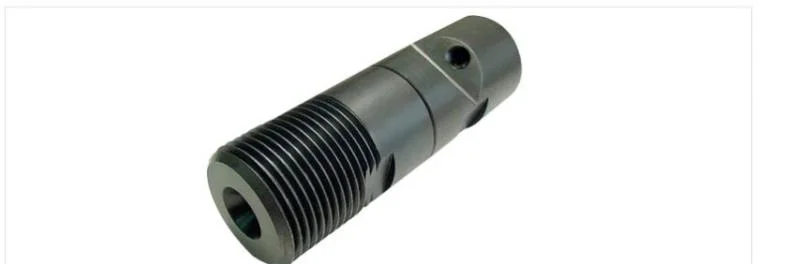
Description
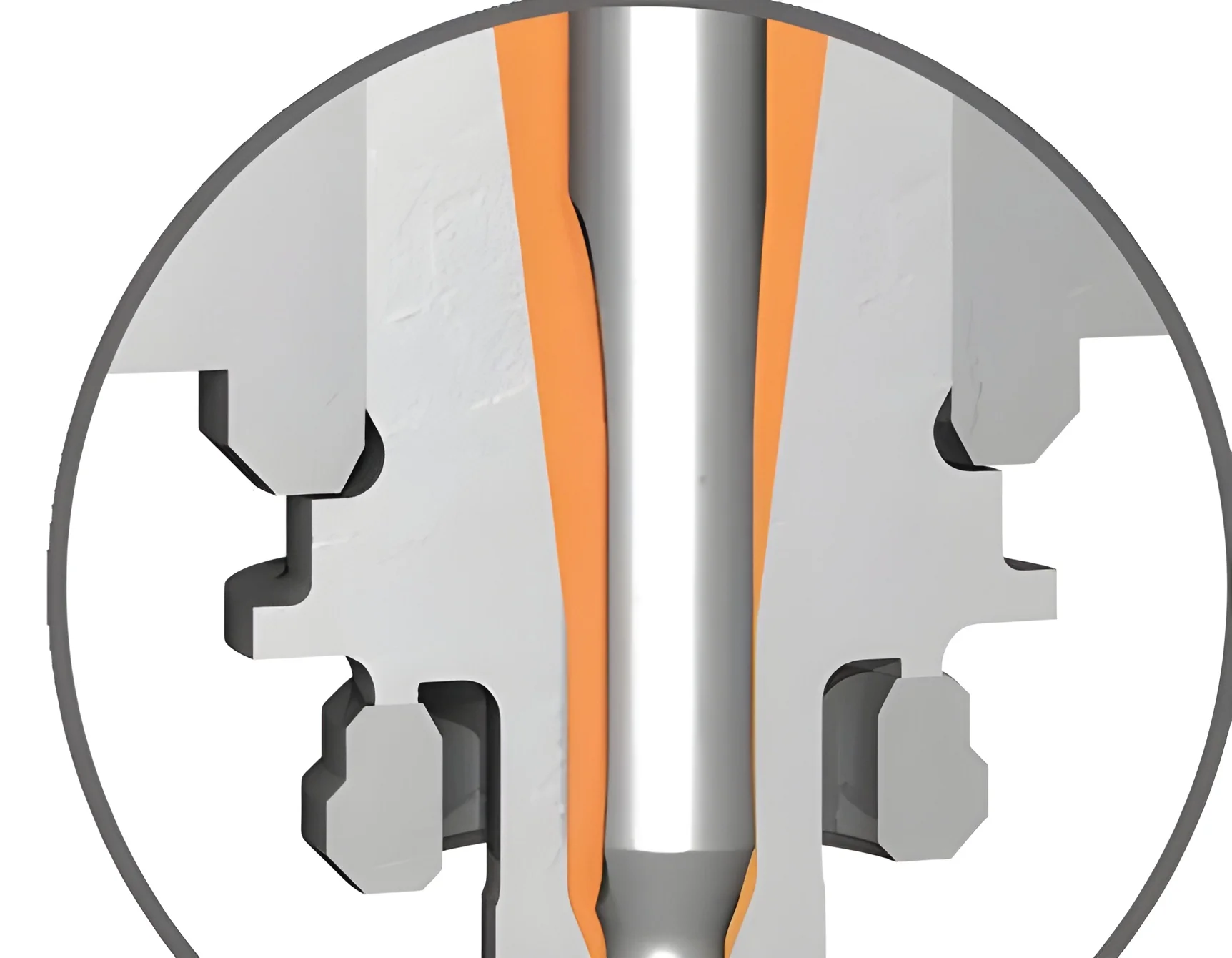
Gas assist injection molding is a sophisticated manufacturing technique where inert gas is introduced into the molten plastic during the injection cycle. This process forms hollow sections within the molded part, enabling the creation of components with substantial wall thickness and complex geometries while maintaining exceptional structural strength. It directly addresses key challenges in plastic manufacturing by eliminating sink marks, reducing internal stresses, and minimizing part warpage. The result is superior surface quality, precise dimensional accuracy, and enhanced design freedom, allowing for the production of parts that are often impossible or cost-prohibitive with conventional solid injection molding methods.

This technology is extensively utilized across industries that prioritize lightweight, durable, and high-performance plastic components. Automotive manufacturers rely on it for robust interior and under-hood parts that meet strict weight reduction and safety standa...
Gas assist injection molding is a sophisticated manufacturing technique where inert gas is introduced into the molten plastic during the injection cycle. This process forms hollow sections within the molded part, enabling the creation of components with substantial wall thickness and complex geometries while maintaining exceptional structural strength. It directly addresses key challenges in plastic manufacturing by eliminating sink marks, reducing internal stresses, and minimizing part warpage. The result is superior surface quality, precise dimensional accuracy, and enhanced design freedom, allowing for the production of parts that are often impossible or cost-prohibitive with conventional solid injection molding methods.

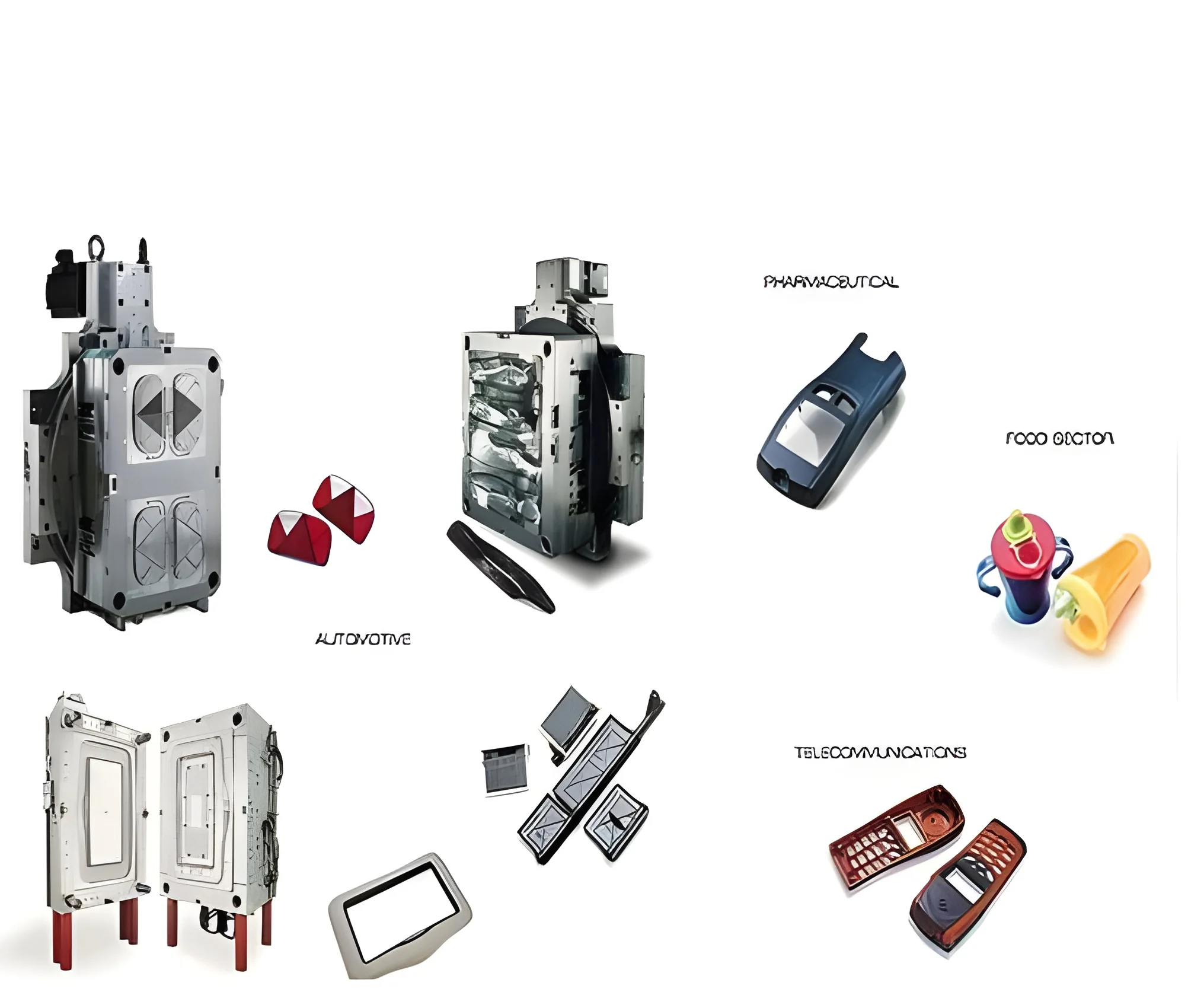
This technology is extensively utilized across industries that prioritize lightweight, durable, and high-performance plastic components. Automotive manufacturers rely on it for robust interior and under-hood parts that meet strict weight reduction and safety standards. Furniture producers use it to create strong, aesthetically pleasing structural elements. Appliance makers benefit from producing large, smooth housing components, while the medical sector values it for precise, ergonomic equipment parts. Industrial applications include machinery components that require an optimal strength-to-weight ratio and consistent performance under rigorous operating conditions.

Adopting gas assist injection molding delivers substantial business value through improved manufacturing efficiency and superior product quality. The process can reduce raw material usage significantly compared to solid molding, lowering direct production costs and material waste. Manufacturers achieve faster cycle times due to reduced cooling requirements and lower clamping forces, increasing production throughput. The technology ensures consistent part quality with minimal defects, leading to higher yield rates and reduced rework. It provides a competitive edge by enabling innovative product designs and differentiation, while the enhanced mechanical properties of the components often contribute to longer product lifecycles and increased customer satisfaction.

Key Features:
- Injects inert gas to create hollow internal channels, reducing material weight and usage.
- Eliminates sink marks and surface defects for a superior, ready-to-use finish.
- Enables production of complex parts with varying and thick wall sections.
- Reduces required machine clamping force significantly compared to solid molding.
- Maintains high structural rigidity and strength while minimizing overall part weight.

Benefits:
- Lowers material consumption and production costs through efficient hollow-core design.
- Delivers high-quality parts with excellent surface finish and dimensional accuracy.
- Increases design flexibility for creating complex, integrated components.
- Improves production efficiency with faster cycle times and lower energy use.
- Produces lightweight yet strong parts ideal for performance-critical applications.
Specifications
| Additional Information | |
|---|---|
| Country of Origin | India |
Application
Gas assist injection molding is an advanced manufacturing process that injects inert gas into molten plastic to create hollow internal channels. This allows for the production of thicker-walled, complex components without compromising structural integrity, resulting in parts with superior surface finish and excellent dimensional stability.
This technology delivers significant production advantages, including reduced material consumption, lower injection pressures, and faster cycle times. It effectively eliminates common defects like sink marks and warpage, ensuring consistent, high-quality output with robust mechanical properties across large production runs for demanding applications.
- Automotive interior components like dashboard supports, door handles, and center consoles requiring strength and aesthetics.
- Structural furniture parts such as table bases, chair frames, and load-bearing legs that need to be both strong and lightweight.
- Large appliance housings for refrigerators, washing machines, and air conditioners with smooth, defect-free surfaces.
- Ergonomic handles, enclosures, and housings for medical and laboratory equipment demanding precision and durability.
- Industrial machine components, covers, and panels where weight reduction is critical without sacrificing rigidity or performance.
Trade Details
| Available Stock | In Stock |
| Sample Availability | No |
Payment Terms
| Payment Terms |
|
Company Profile
Allied Solutions India Private Limited, Tamil Nadu
 Tamil Nadu, India
Tamil Nadu, IndiaIndustrial Equipment & Machinery•Manufacturer•Distributor / Wholesaler
Factory Details
Factory SizeBelow 1000 sqm
Annual Production Capacity0
Gas Assist Injection Molding For Automotive Furniture Appliance Manufacturing
Gas assist injection molding technology produces thick, rigid plastic parts with zero sink marks for automotive, furniture, and appliance manufacturing, offering lightweight, high-strength components with reduced clamping force.
Min. Order Quantity: 1 unit
Shipping
Shipping fee and delivery date to be negotiated. Contact supplier now for more details.
Allied Solutions India Private Limited
 Tamil Nadu, India
Tamil Nadu, IndiaIndustrial Equipment & MachineryManufacturer