
 IN
Paddy Weeders
6 products available
What are Paddy Weeders?
Paddy weeders are specialized agricultural tools designed to remove unwanted plants, or weeds, from rice paddies. These tools can be manual or mechanized and are essential for maintaining healthy crop growth. By effectively controlling weeds, paddy weeders help to ensure that rice plants receive adequate nutrients, sunlight, and water, ultimately leading to improved yields. The design and functionality of paddy weeders vary, catering to different farming practices and scales of operation.
In practical applications, paddy weeders are employed primarily in the cultivation of rice, where the presence of weeds can significantly impact crop health and productivity. Farmers utilize these tools to enhance their land management practices, reduce competition for resources, and promote a more sustainable farming approach. With the global demand for rice continuing to rise, the importance of efficient weed management cannot be overstated. Thus, paddy weeders play a crucial role in the agricultural industry, supporting farmers in their quest for higher productivity and sustainability.
Key Features and Specifications
Paddy weeders come with a range of features that enhance their efficiency and usability. Understanding these specifications is essential for making an informed purchasing decision. Below are some key specifications of paddy weeders that potential buyers should consider.
1. Type of Weeder
- Manual or mechanized options available
- Suitable for different farming scales
2. Weeding Width
- Varies between models
- Typically ranges from 15 to 30 inches
3. Weight
- Ranges from lightweight models for manual use to heavier mechanized versions
- Important for ease of handling and operation
4. Material Composition
- Constructed from durable materials like steel or high-grade plastic
- Ensures longevity and resistance to wear and tear
5. Adjustable Depth Control
- Allows users to set the weeding depth according to soil conditions
- Enhances effectiveness in weed removal
6. Ergonomic Design
- Features like padded handles for manual models
- Reduces user fatigue during extended use
7. Maintenance Requirements
- Low maintenance for some mechanized models
- Simple cleaning and storage solutions
8. Compatibility with Other Equipment
- Some models may integrate with existing farming machinery
- Increases versatility in farming operations
These specifications highlight the diversity and functionality of paddy weeders, allowing users to select the most appropriate model for their needs.
Common Applications and Use Cases
Paddy weeders are versatile tools applicable across various industries and farming practices. Their primary focus on rice cultivation makes them a staple in agricultural settings.
1. Agriculture: Farmers use paddy weeders to maintain healthy rice crops by efficiently removing weeds and minimizing competition for resources.
2. Organic Farming: In organic rice production, paddy weeders play a vital role in adhering to organic standards by eliminating weeds without the use of chemical herbicides.
3. Research Institutions: Agricultural researchers and institutions utilize paddy weeders in studies focused on crop management and sustainable farming practices.
4. Cooperative Farming: In cooperative farming settings, paddy weeders enhance productivity by allowing multiple farmers to streamline their land management practices.
5. Smallholder Farms: Smallholder farmers benefit from both manual and mechanized paddy weeders to improve crop yields and reduce labor costs.
6. Agricultural Training Programs: Training initiatives often incorporate the use of paddy weeders to educate farmers on effective weed management techniques.
7. Export and Import Businesses: Companies involved in the agricultural machinery sector can leverage paddy weeders as key products for international trade.
Product Variants and Subcategories
Paddy weeders come in various forms, catering to different farming needs and preferences. Each variant offers unique features and functionalities.
Manual Paddy Weeders
These are lightweight tools designed for individual use. They are ideal for small farms and provide farmers with a cost-effective solution for weed management. Manual weeders are easy to handle and require no fuel or electricity.
Mechanical Paddy Weeders
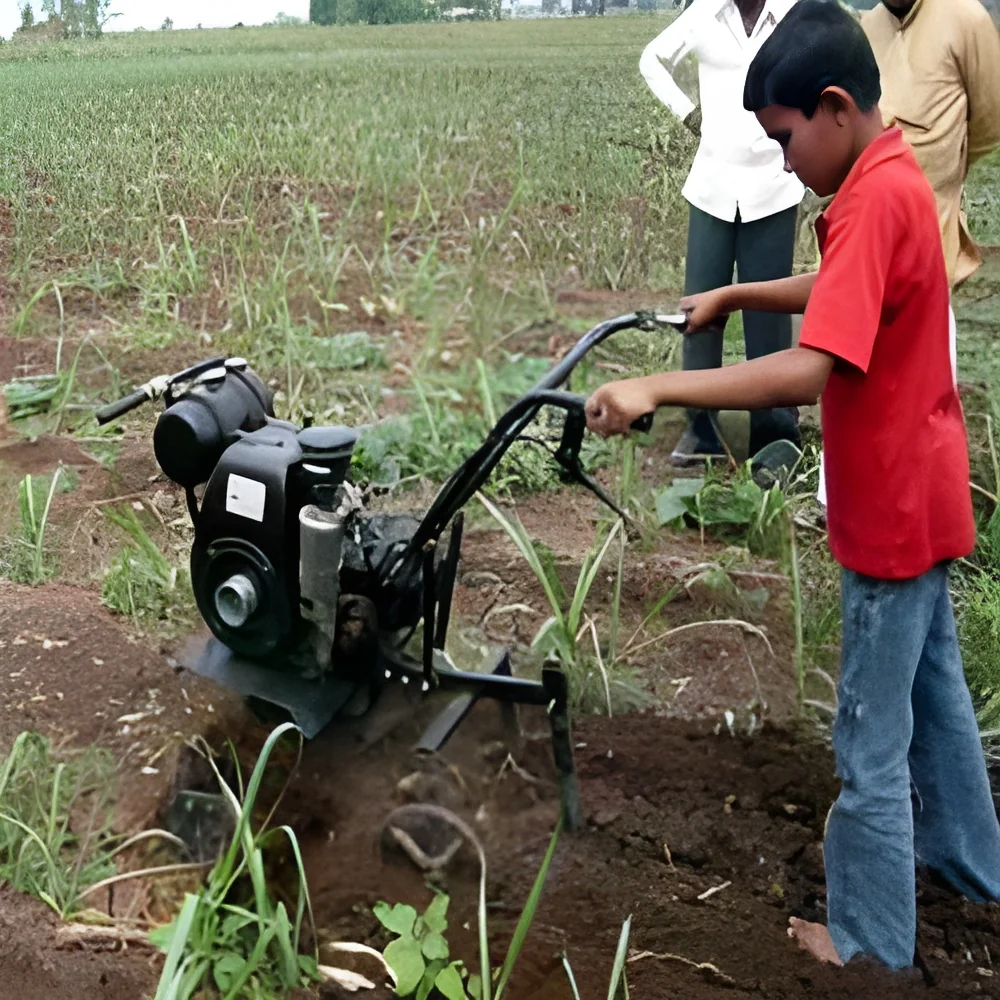
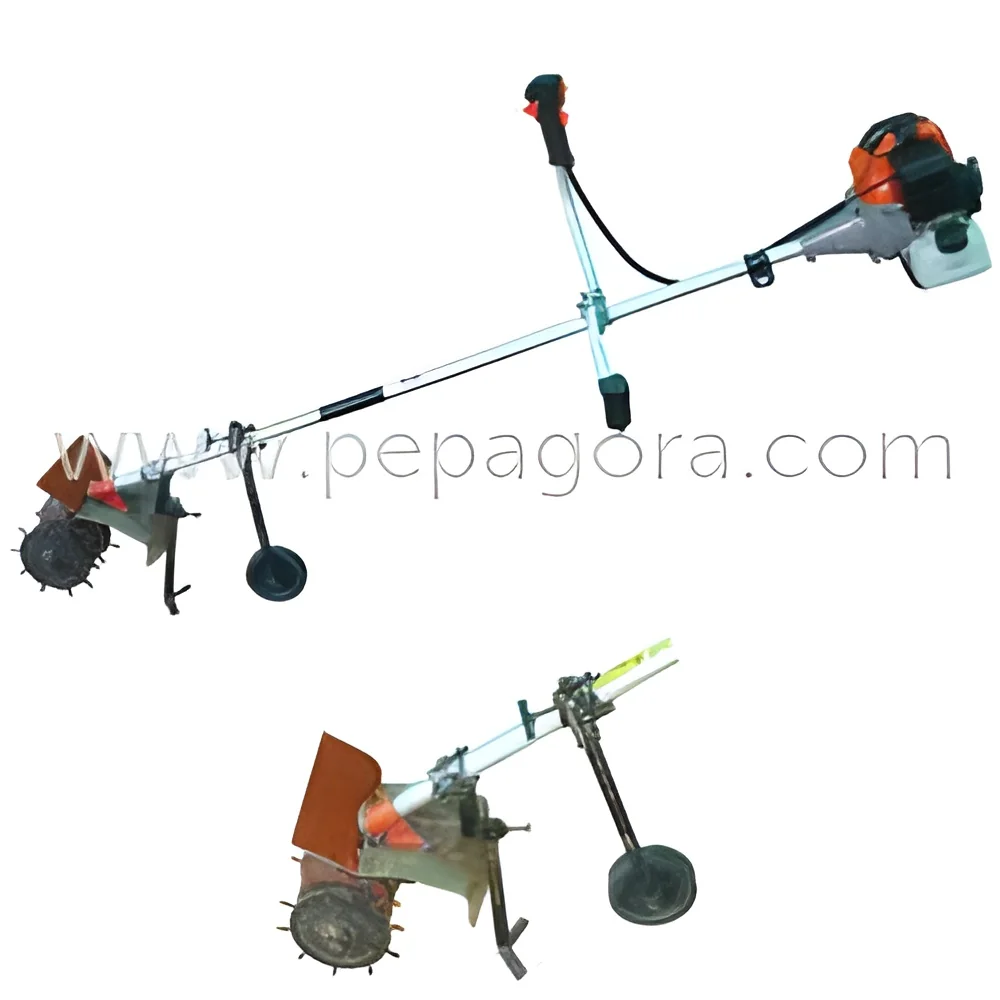
These variants are powered by engines and designed for larger farming operations. They offer higher efficiency in weed removal and are suitable for extensive rice fields. Mechanical weeders can save significant time and labor compared to manual options.
Battery-Operated Paddy Weeders
These weeders utilize battery power for operation, providing a more environmentally friendly alternative to traditional mechanical models. They are ideal for farmers looking to reduce their carbon footprint while maintaining productivity.
Benefits and Advantages
Utilizing paddy weeders offers numerous benefits that can significantly impact agricultural productivity and sustainability.
1. Enhanced Crop Yields: By effectively removing weeds, paddy weeders allow rice plants to thrive, leading to increased crop yields.
2. Labor Efficiency: Mechanized models reduce the time and effort required for weed control, freeing up labor for other essential farming tasks.
3. Environmental Sustainability: Manual and battery-operated weeders minimize the need for chemical herbicides, promoting environmentally friendly farming practices.
4. Improved Soil Health: By reducing weed competition, paddy weeders help maintain soil fertility and structure, supporting long-term agricultural health.
5. Cost-Effectiveness: Investing in paddy weeders can lead to lower overall farming costs by enhancing efficiency and reducing the need for chemical inputs.
6. Versatility: Many paddy weeders can be adapted for various farming conditions, making them suitable for different types of rice cultivation.
Buying Guide for B2B Buyers
When sourcing paddy weeders, several factors should be considered to ensure a successful purchase.
1. Quality Assessment: Evaluate the build quality and materials of the weeder. Look for durable components that can withstand the rigors of agricultural use.
2. Supplier Verification: Vet suppliers by checking their industry reputation and customer reviews. A reliable supplier should provide adequate support and product quality guarantees.
3. Pricing and MOQ: Consider the pricing structure and minimum order quantity. Competitive pricing is essential, but ensure it aligns with the quality offered.
4. Delivery and Lead Times: Check the supplier's ability to meet your delivery requirements. Timely delivery is crucial for maintaining farm operations.
5. Compliance Requirements: Ensure that the paddy weeders meet local agricultural regulations and safety standards for use in your region.
Compliance and Certifications
Paddy weeders must adhere to specific quality and safety standards to ensure their effectiveness and reliability in agricultural applications. Relevant certifications include ISO 9001, which ensures quality management systems are in place, and CE certification, indicating compliance with European safety standards.
Safety and testing requirements are critical for ensuring that the equipment used in farming is safe for the user and the environment. Buyers should also consider regional compliance, as agricultural regulations may vary significantly based on location. Awareness of these standards is essential for sourcing equipment that meets legal and operational requirements.
Why Source Paddy Weeders from Pepagora?
Pepagora offers a trusted platform for sourcing paddy weeders, providing several key advantages for B2B buyers.
Verified Supplier Network: Pepagora's extensive network includes verified suppliers who meet stringent quality and reliability standards. This helps buyers connect with reputable manufacturers and ensures product authenticity.
Streamlined RFQ Process: The platform simplifies the request for quotation process, allowing buyers to receive and compare quotes easily. This efficiency supports informed decision-making and fosters competitive pricing.
Trade Assurance and Support: Pepagora offers trade assurance to protect buyers throughout the purchasing process. This includes support for addressing any issues that may arise post-purchase, enhancing buyer confidence.
Regional Coverage: With a strong presence across India, the GCC, and Southeast Asia, Pepagora provides a broad geographic reach. This allows for effective sourcing and delivery of paddy weeders to various markets, ensuring timely access to essential agricultural tools.

 India
 India

 India


Frequently Asked Questions
What are Paddy Weeders?
Paddy Weeders are agricultural tools or machines designed to remove unwanted weeds from paddy fields. They help in minimizing competition for nutrients, water, and sunlight, thereby promoting healthier rice crop growth.
What are the different types of Paddy Weeders?
There are mainly two types of Paddy Weeders: manual and mechanical. Manual weeders are operated by hand and are suitable for small-scale farming, while mechanical weeders are machine-operated and are used for larger fields to increase efficiency.
How do I choose the right Paddy Weeders?
Choosing the right Paddy Weeders involves considering factors such as field size, weed density, and the type of paddy being cultivated. It's also important to evaluate the durability, ease of use, and maintenance requirements of the weeder.
What are the standard specifications for Paddy Weeders?
Standard specifications for Paddy Weeders often include dimensions, weight, and the type of materials used in construction. Additionally, the working width and depth, as well as the required power source, are also key specifications to consider.
What is the price range for Paddy Weeders?
The price range for Paddy Weeders varies widely based on type, brand, and specifications. Manual weeders can cost between INR 500 to INR 3,000, while mechanical weeders may range from INR 15,000 to upwards of INR 1,00,000.
What quality standards apply to Paddy Weeders?
Quality standards for Paddy Weeders generally include durability, efficiency, and safety features. Manufacturers often follow specific agricultural equipment standards to ensure that their products meet the necessary performance and safety requirements.
Where can I find Paddy Weeders suppliers in India?
You can find Paddy Weeders suppliers in India through various online B2B marketplaces, agricultural trade shows, and local agricultural equipment dealers. Websites like Pepagora.com provide a platform to connect with reliable suppliers and manufacturers.
Can Paddy Weeders be customized?
Yes, many manufacturers offer customization options for Paddy Weeders to meet specific agricultural needs. Customizations may include modifications in size, design, and features to enhance performance for particular farming conditions.
What is the typical minimum order quantity for Paddy Weeders?
The typical minimum order quantity (MOQ) for Paddy Weeders can vary by supplier and product type. Generally, for bulk purchases, the MOQ may range from 10 to 50 units depending on the manufacturer.
What is the typical lead time for Paddy Weeders?
The typical lead time for Paddy Weeders can vary based on the supplier and the type of weeder ordered. Generally, it ranges from a few days to several weeks, especially if customization is involved.
Why Businesses Trust Pepagora
Thousands of companies trust Pepagora to source smarter and sell faster
Expand Your Sales Globally

Source Smarter,Grow Faster
