IN
IN₹
Apparel & Fashion
Loading subcategories...
View More
Description
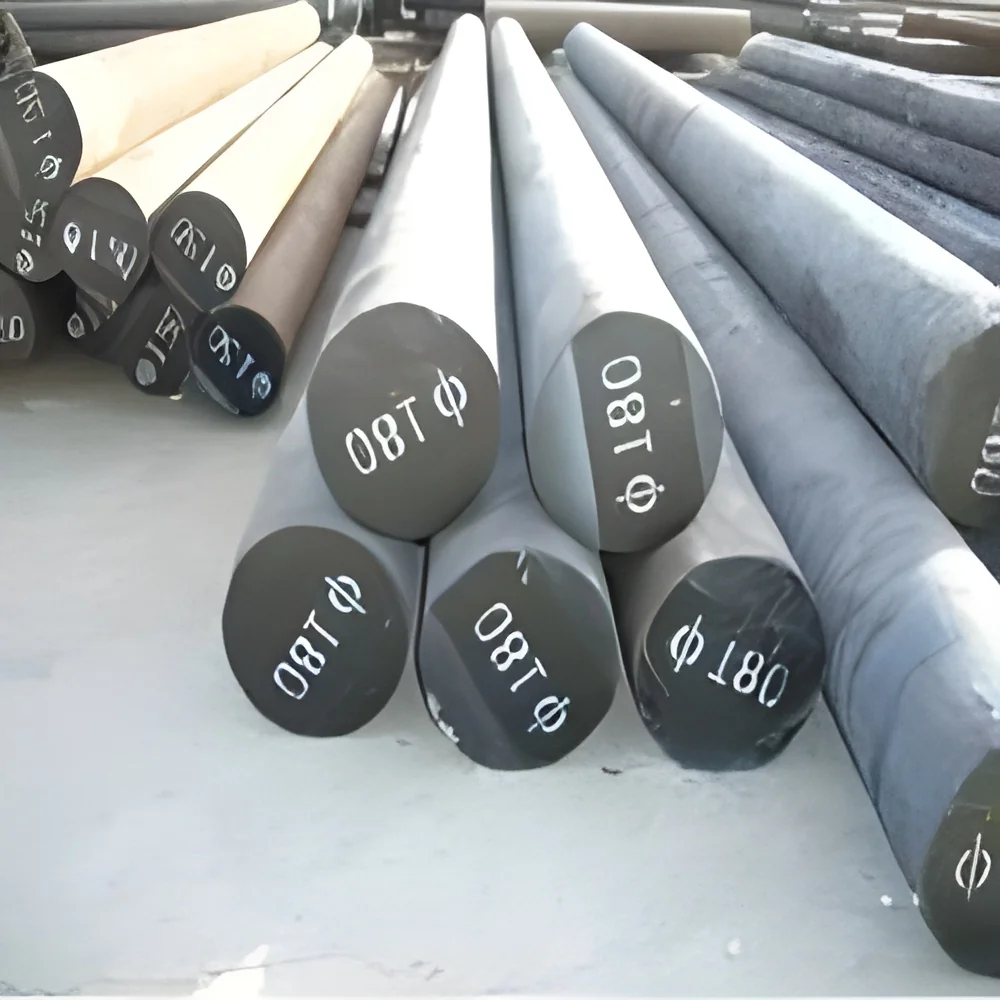
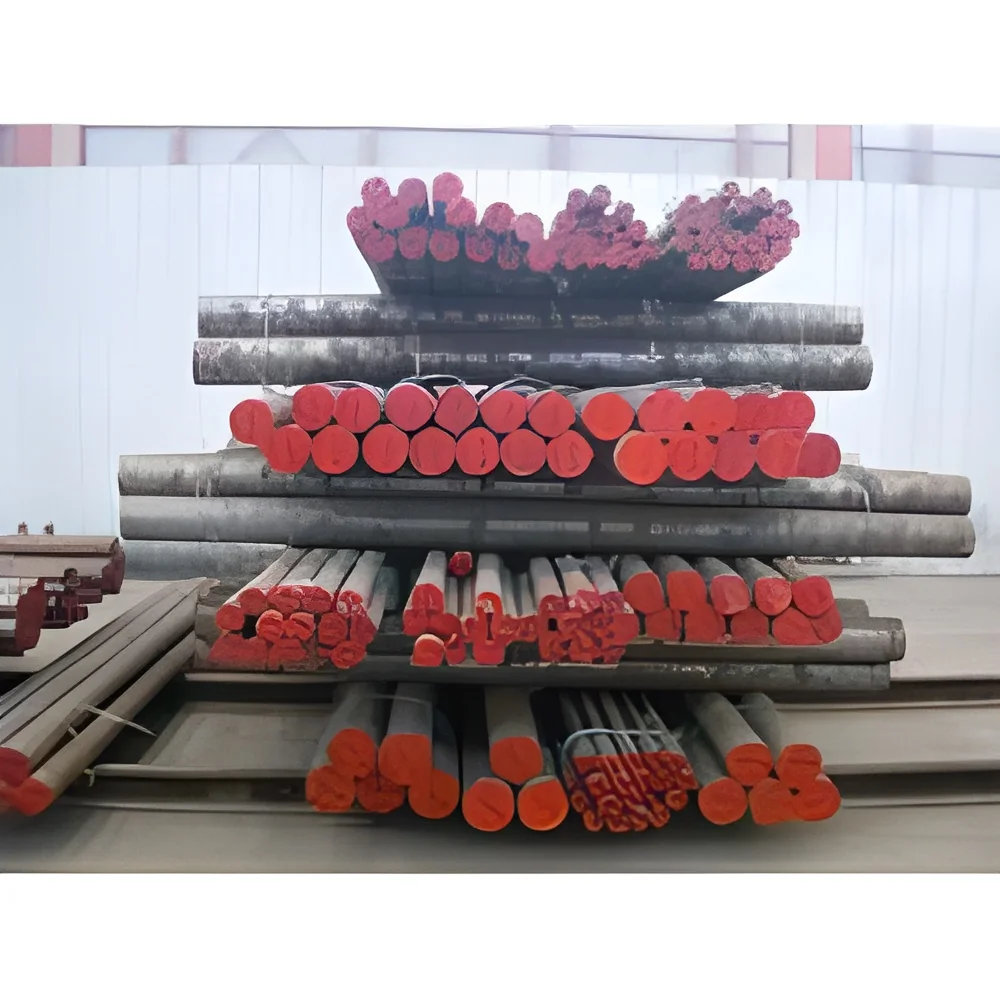
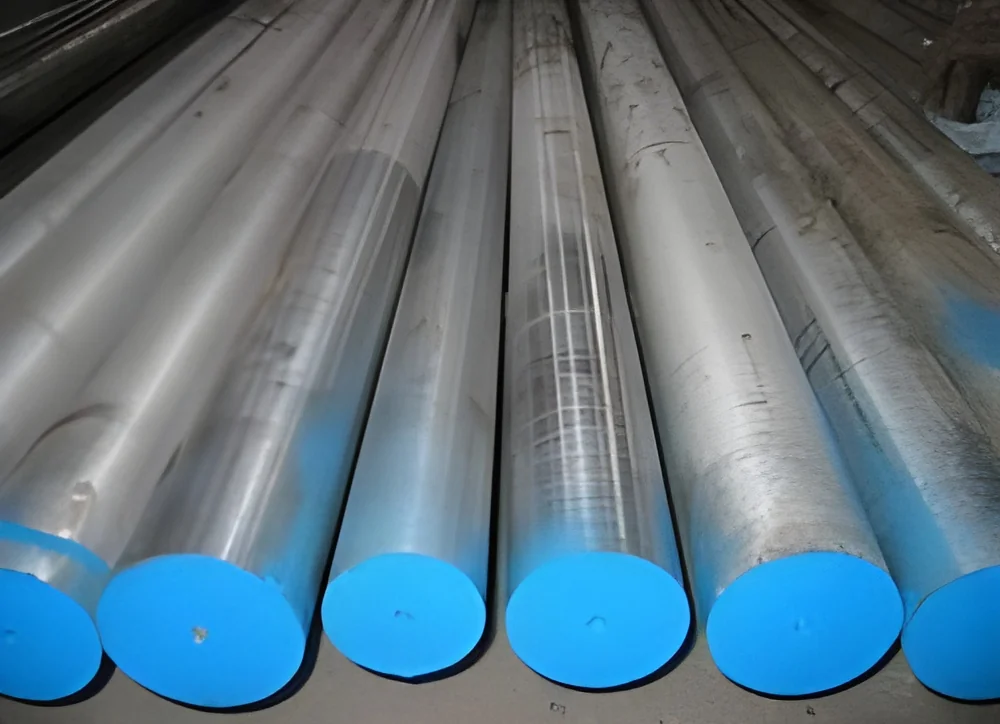
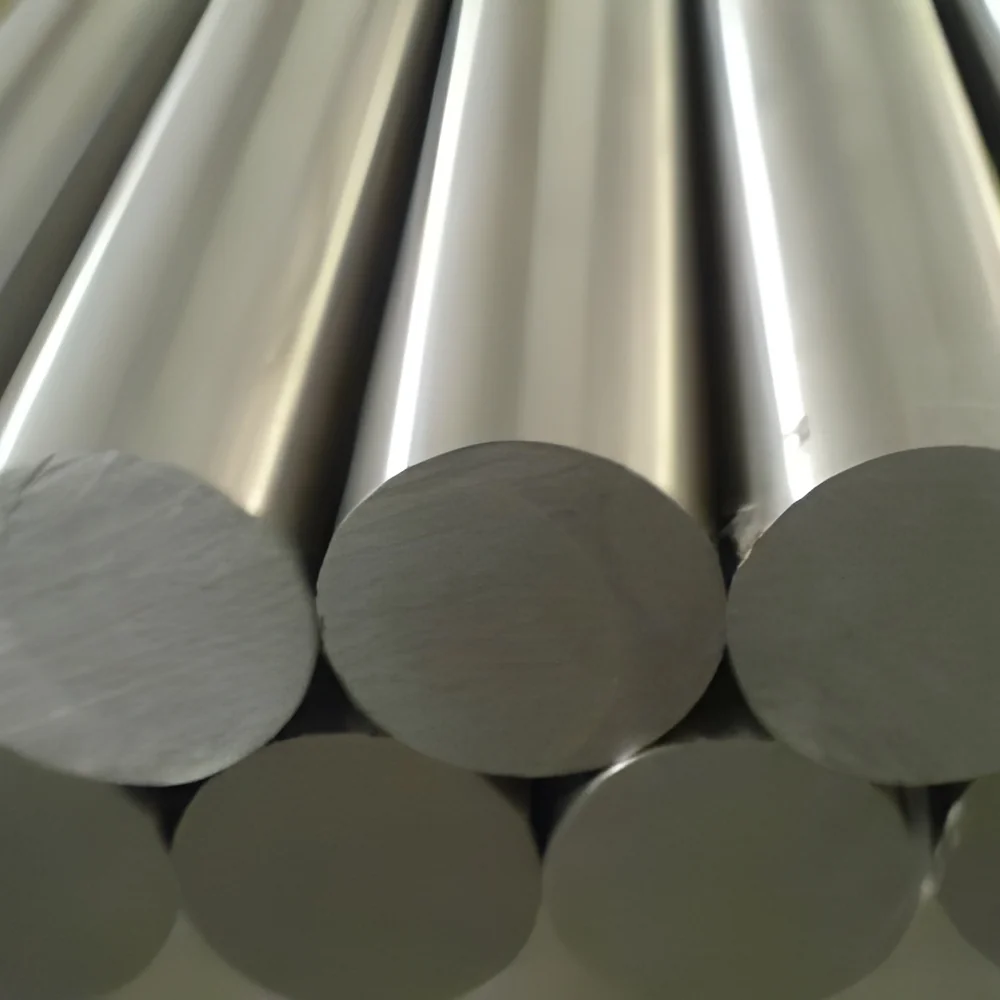
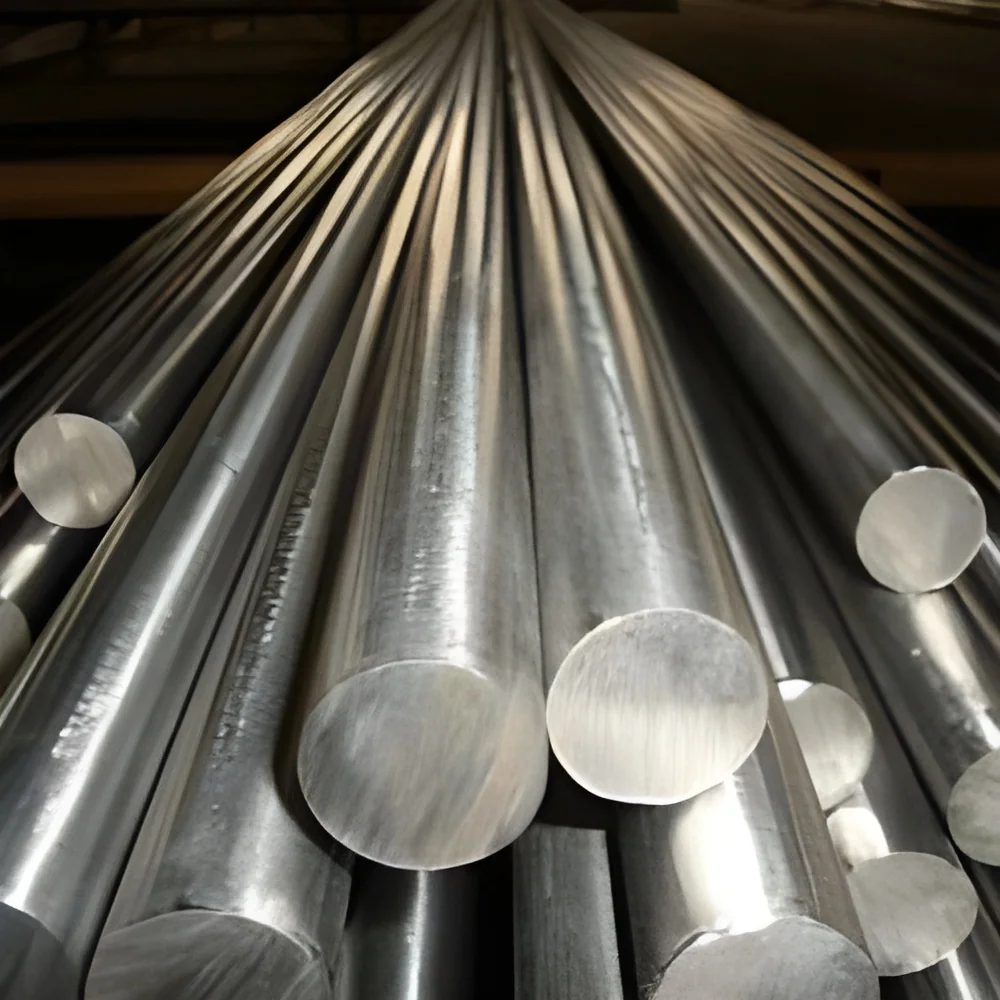
Our premium plastic mould steel represents the pinnacle of metallurgical engineering for industrial tooling applications. Fabricated using advanced technology and strict quality controls, this specialised steel offers exceptional performance characteristics that meet and exceed international industry standards. The material is available in pre-hardened condition with hardness ranging between 280-325 HB, ensuring immediate usability without additional heat treatment. With enhanced nickel content improving through-hardenability and superior polishability characteristics, this steel provides mould makers with a reliable foundation for creating precision tools that withstand the rigors of high-volume production environments. The corrosion-resistant properties make it particularly valuable for processing plastics with corrosive additives or operating in challenging industrial conditions.

This mould steel serves critical applications across multiple industries where precision tooling determ...
Our premium plastic mould steel represents the pinnacle of metallurgical engineering for industrial tooling applications. Fabricated using advanced technology and strict quality controls, this specialised steel offers exceptional performance characteristics that meet and exceed international industry standards. The material is available in pre-hardened condition with hardness ranging between 280-325 HB, ensuring immediate usability without additional heat treatment. With enhanced nickel content improving through-hardenability and superior polishability characteristics, this steel provides mould makers with a reliable foundation for creating precision tools that withstand the rigors of high-volume production environments. The corrosion-resistant properties make it particularly valuable for processing plastics with corrosive additives or operating in challenging industrial conditions.

This mould steel serves critical applications across multiple industries where precision tooling determines manufacturing success. The petrochemical and chemical industries utilize it for equipment components and processing moulds that resist corrosive degradation. Automotive manufacturers employ this steel for injection moulds producing interior and exterior vehicle parts requiring consistent quality and dimensional stability. Packaging companies rely on it for high-volume production moulds creating containers, caps, and packaging solutions. The consumer goods sector uses it for manufacturing moulds that produce electronic housings, appliance components, and various plastic products demanding excellent surface finish and structural integrity. Medical device manufacturers value this steel for creating precision moulds that meet strict hygiene and quality standards.

The business value of this plastic mould steel lies in its ability to reduce total production costs while improving output quality and tool longevity. Its pre-hardened condition eliminates the need for additional heat treatment, reducing processing time and energy costs while minimizing dimensional changes during manufacturing. The superior machinability characteristics allow for faster processing speeds and reduced tool wear during machining operations. Enhanced polishability ensures moulds achieve mirror-like finishes with less labor investment, while the improved corrosion resistance extends tool life even when processing abrasive or chemically aggressive materials. These combined attributes translate to lower per-part production costs, reduced downtime for tool maintenance, and consistent product quality throughout the mould's operational lifespan.

Key Features:
- Pre-hardened condition with 280-325 HB hardness for immediate use
- Enhanced nickel content for improved through-hardenability
- Superior corrosion resistance compared to standard mould steels
- Excellent polishability for high-gloss surface finishes
- Good machinability reducing processing time and tool wear

Benefits:
- Reduced manufacturing time with pre-hardened ready-to-use material
- Extended tool life through superior corrosion resistance
- Lower production costs with excellent machinability
- High-quality surface finishes with superior polishability
- Consistent performance across high-volume production runs
Specifications
| Additional Information | |
|---|---|
| Country of Origin | India |
| Customisable | No |
Application
Our plastic mould steel is engineered for demanding industrial applications where precision, durability, and corrosion resistance are critical. It is specifically designed for manufacturing moulds and tooling components that require high polishability, consistent hardness, and reliable performance under continuous operation. This steel maintains structural integrity even when processing abrasive or corrosive plastics, making it a top choice for professional mould makers and industrial manufacturers.
Industries such as petrochemical, chemical processing, automotive, packaging, and consumer goods rely on this specialised mould steel for producing high-volume plastic components. Its pre-hardened properties reduce machining time and heat treatment costs, while the enhanced nickel content ensures superior through-hardenability for extended tool life. This steel is suitable for texturing, polishing, and intricate mould designs that demand tight tolerances and repeatable results.
- Injection moulds for automotive parts like dashboards, bumpers, and interior components
- Moulds for manufacturing medical devices and laboratory equipment housings
- Tooling for consumer electronics casings, connectors, and structural parts
- Production moulds for packaging containers, bottles, and caps in the FMCG sector
- Industrial components for chemical processing equipment requiring corrosion resistance
Trade Details
| Available Stock | In Stock |
| Sample Availability | No |
Payment Terms
| Payment Terms |
|
Company Profile

Bharat Metal, Maharashtra
 Maharashtra, India
Maharashtra, IndiaConstruction•Trading Company•Distributor / Wholesaler
Factory Details
Factory SizeBelow 1000 sqm
Annual Production Capacity0
Premium Plastic Mould Steel For Industrial Tooling And Manufacturing
Premium plastic mould steel for industrial tooling and manufacturing. High-quality pre-hardened steel with excellent machinability, corrosion resistance, and polishability. Ideal for petrochemical, chemical, and plastic processing industries.
Min. Order Quantity: 1 unit
Shipping
Shipping fee and delivery date to be negotiated. Contact supplier now for more details.
Bharat Metal
 Maharashtra, India
Maharashtra, IndiaConstructionTrading Company