IN
IN₹
Apparel & Fashion
Loading subcategories...
View More
Description
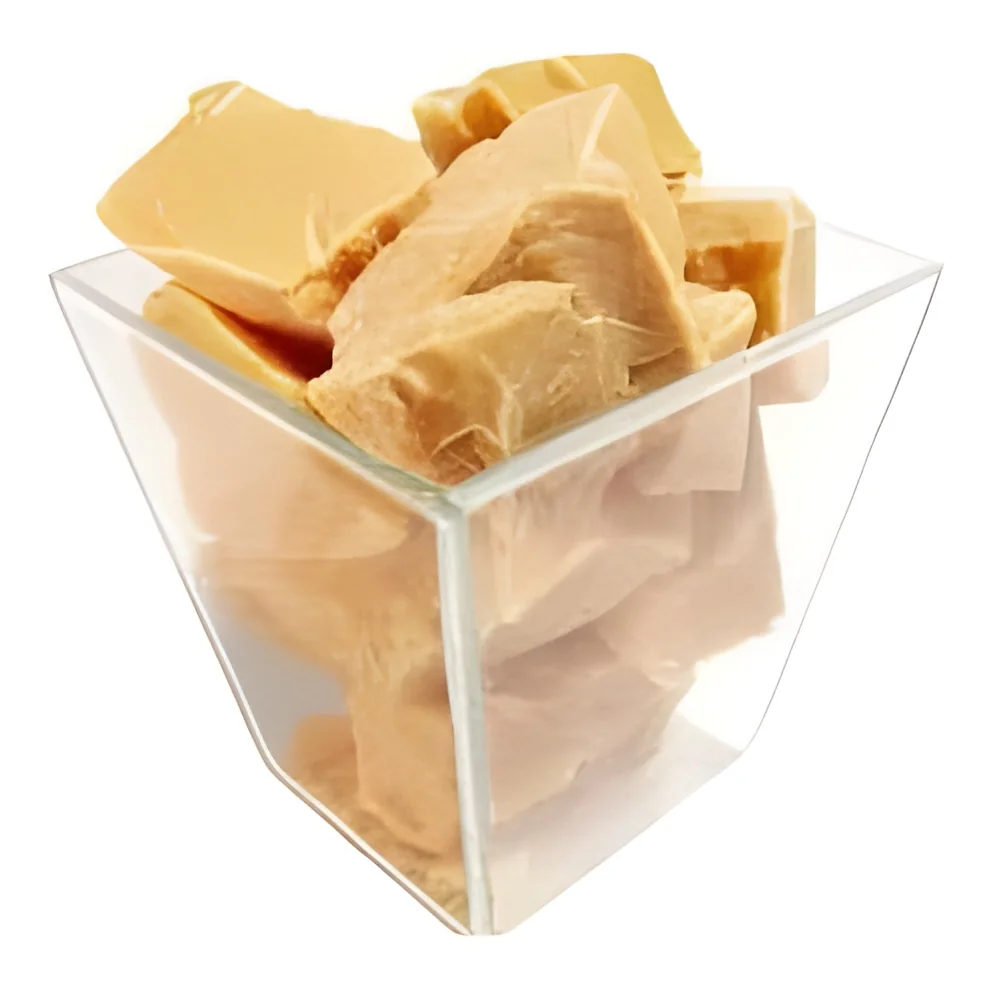
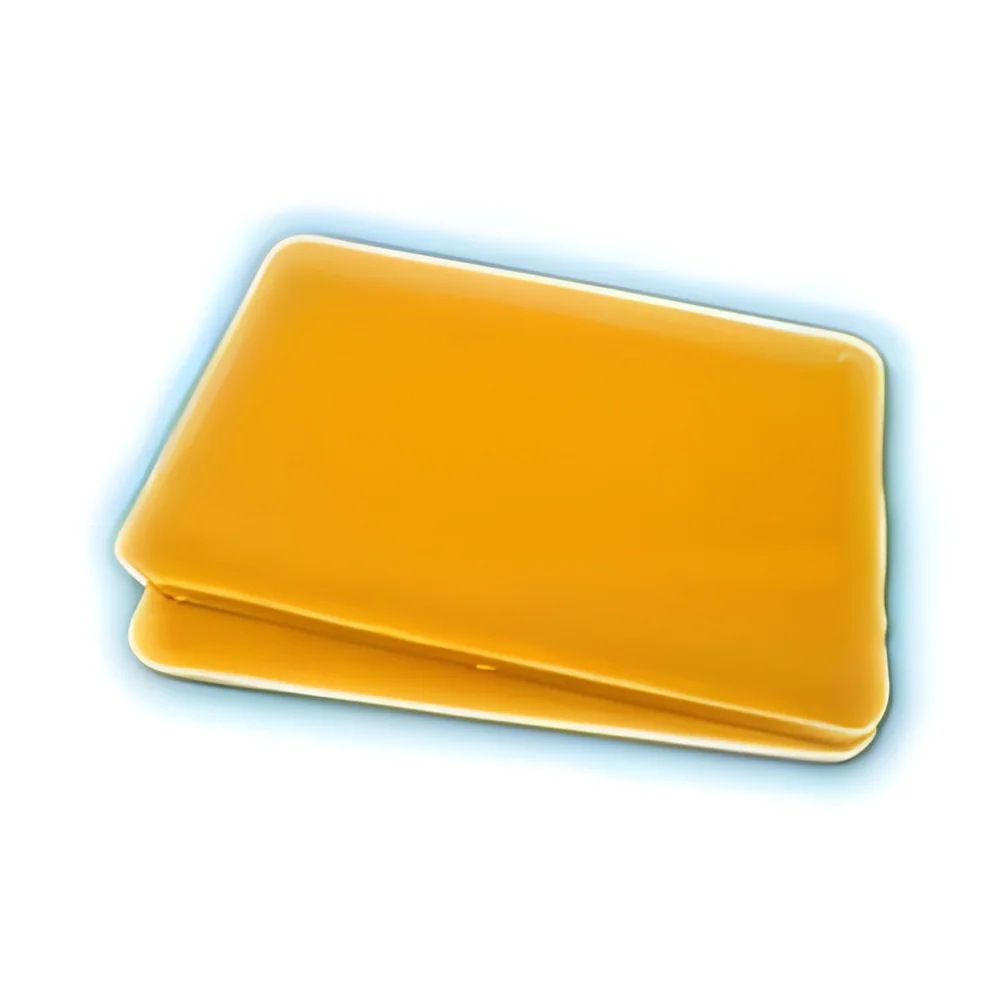
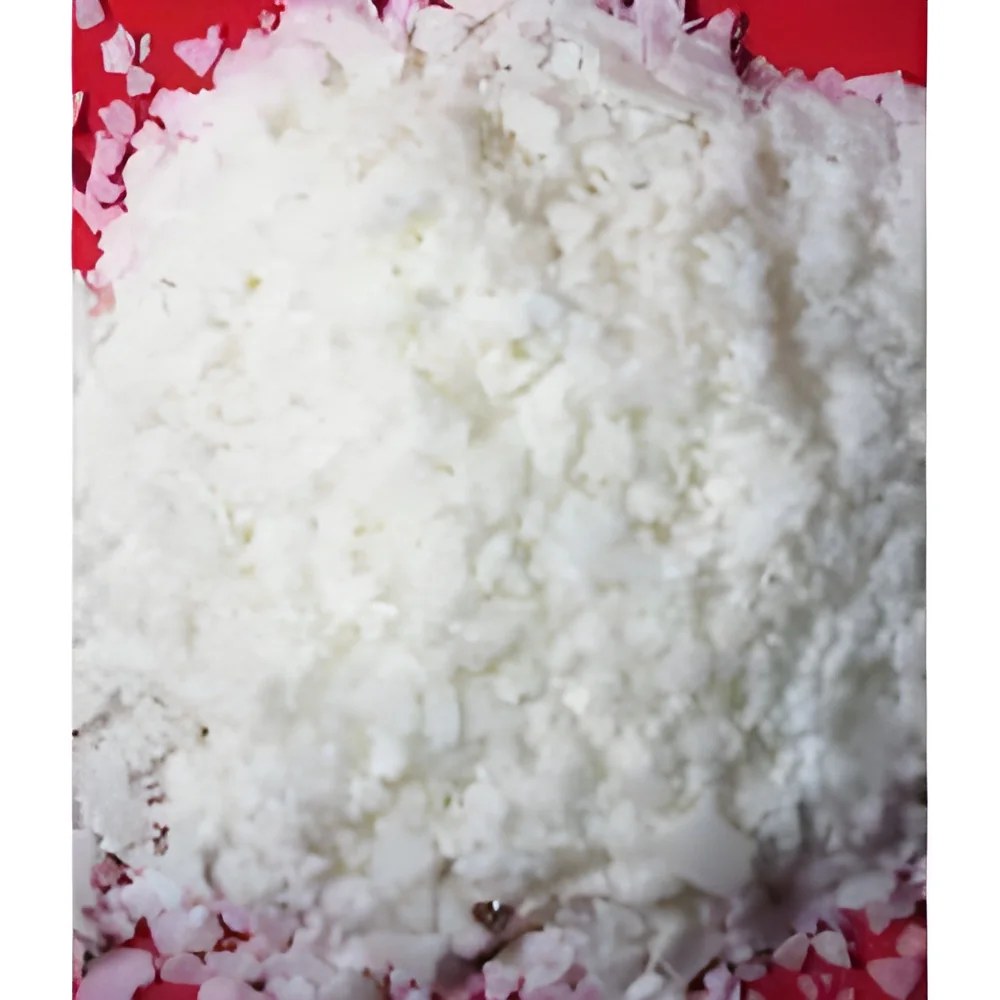
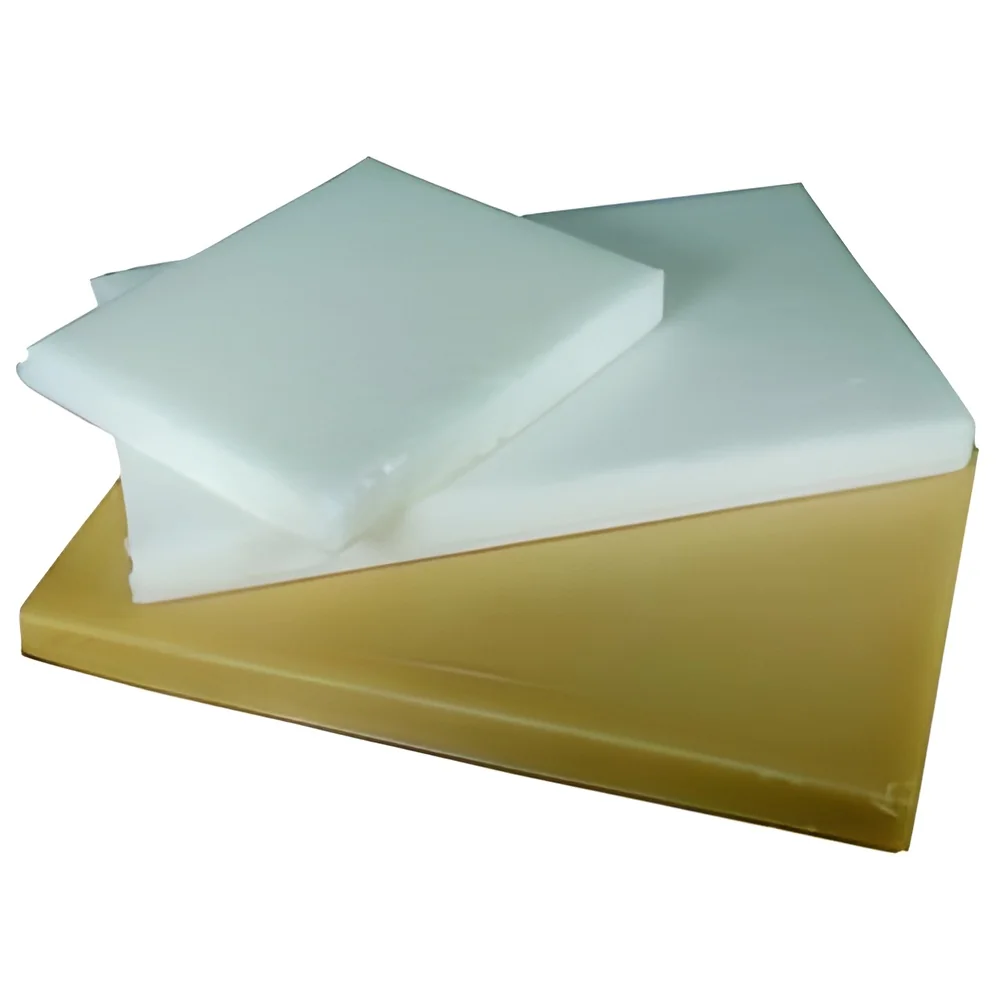
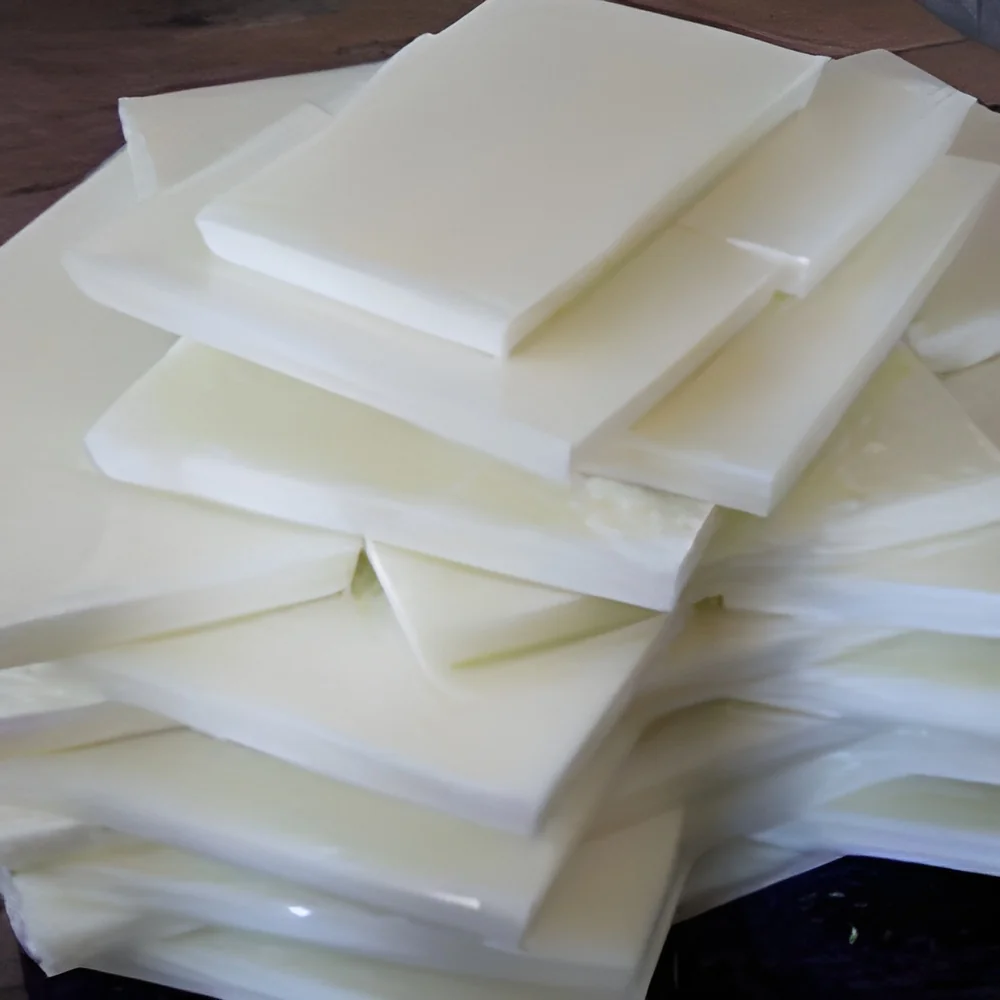
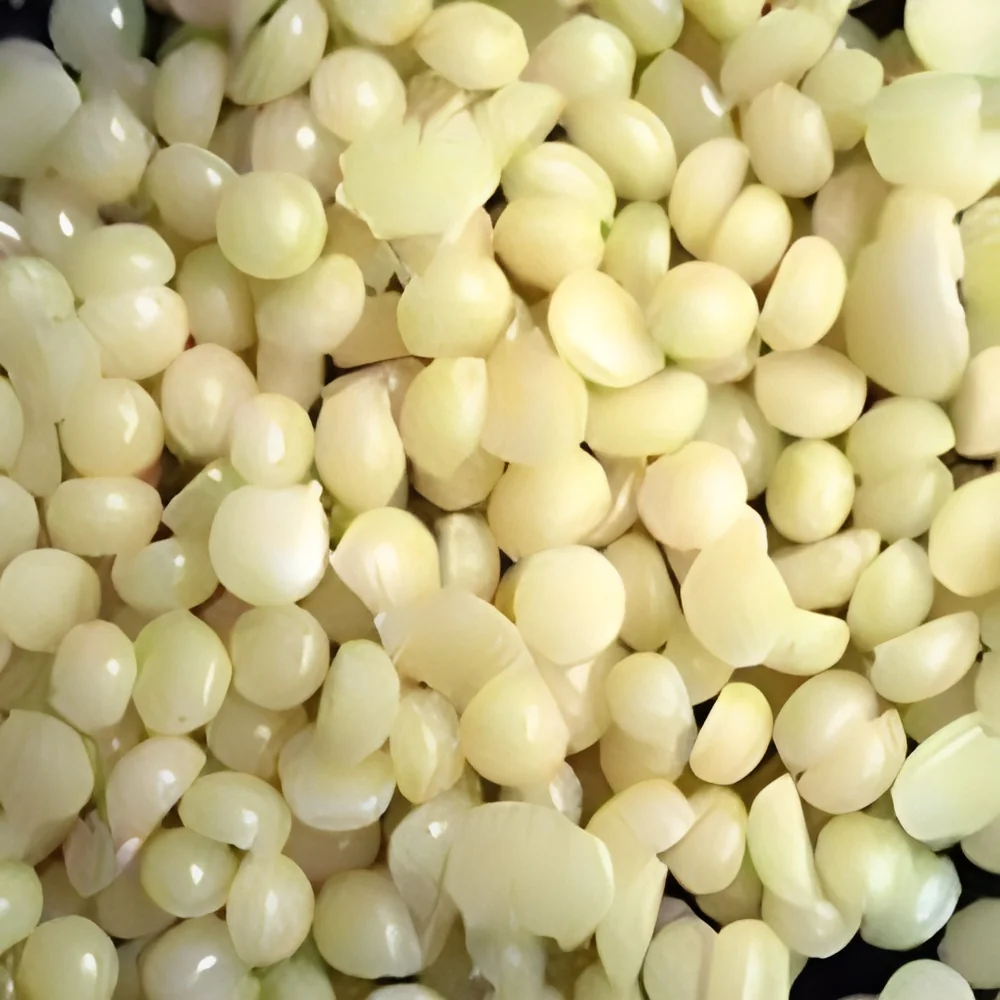
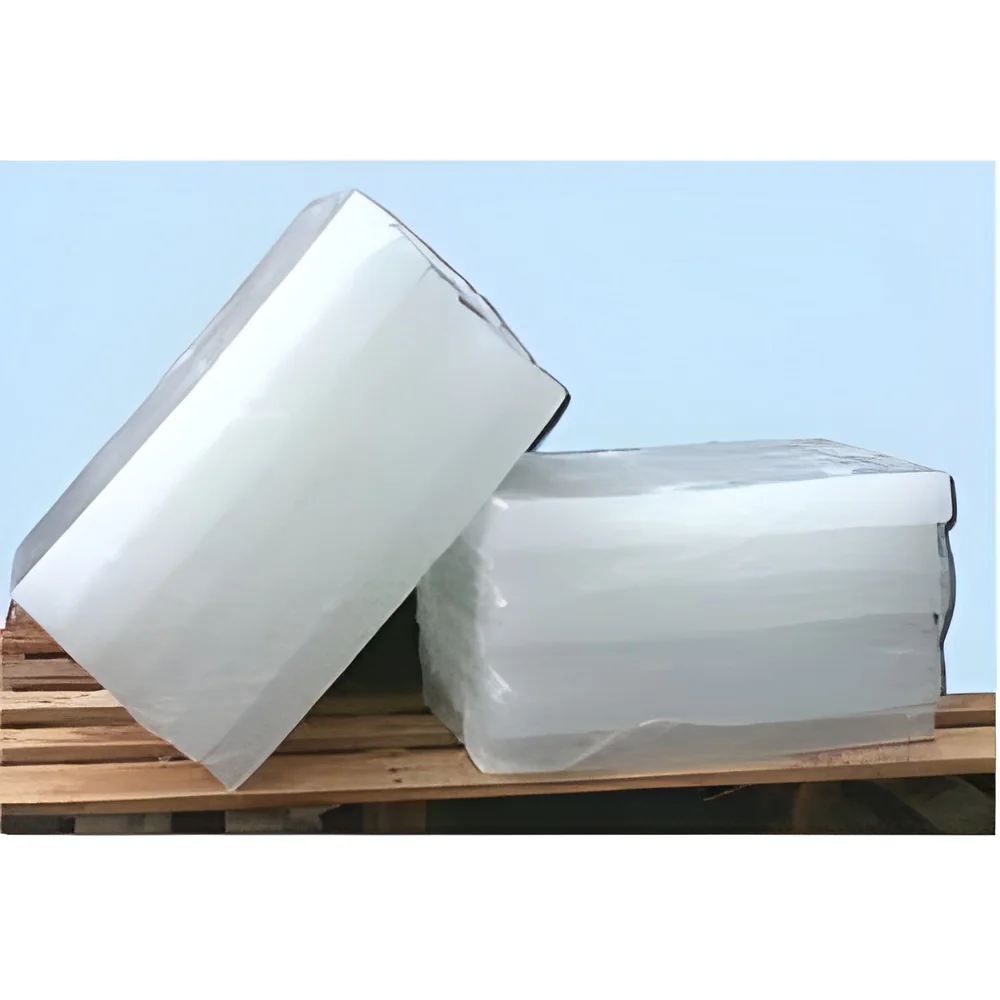
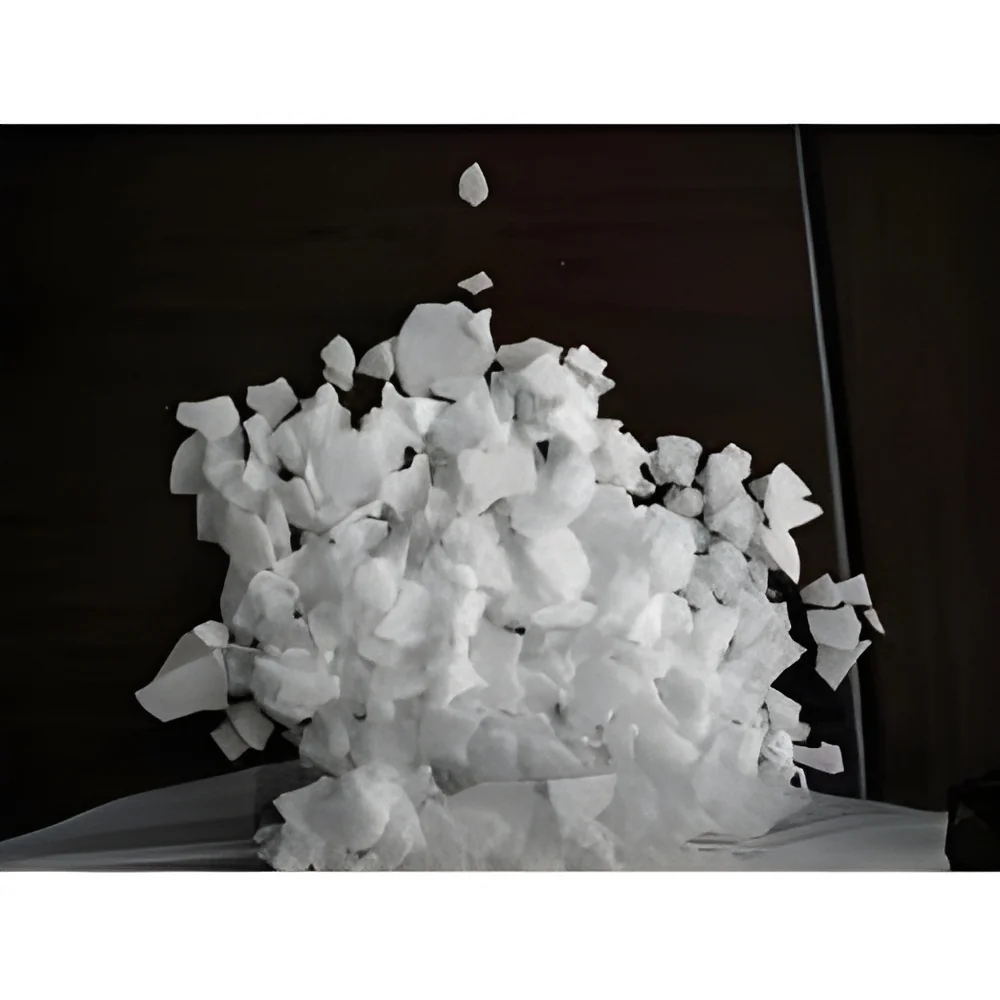
Industrial polyethylene wax represents a high-performance synthetic polymer additive manufactured through controlled polymerization processes to deliver consistent quality and reliable characteristics. This low molecular weight wax offers superior performance compared to natural alternatives, featuring precise melting points, controlled hardness, and optimized viscosity properties. The product appears as white granules or flakes with excellent thermal stability and chemical resistance, making it ideally suited for demanding industrial applications where consistency and performance are paramount. Manufacturers choose polyethylene wax for its versatility in enhancing both processing efficiency and final product quality across multiple production environments.

This specialized wax finds extensive application in plastics processing, where it functions as both internal and external lubricant in PVC, polyolefins, and engineering plastics formulations. The coatings industry utilizes polyethy...
Industrial polyethylene wax represents a high-performance synthetic polymer additive manufactured through controlled polymerization processes to deliver consistent quality and reliable characteristics. This low molecular weight wax offers superior performance compared to natural alternatives, featuring precise melting points, controlled hardness, and optimized viscosity properties. The product appears as white granules or flakes with excellent thermal stability and chemical resistance, making it ideally suited for demanding industrial applications where consistency and performance are paramount. Manufacturers choose polyethylene wax for its versatility in enhancing both processing efficiency and final product quality across multiple production environments.

This specialized wax finds extensive application in plastics processing, where it functions as both internal and external lubricant in PVC, polyolefins, and engineering plastics formulations. The coatings industry utilizes polyethylene wax to improve scratch resistance, enhance gloss levels, and provide water repellency in various paint and varnish products. Ink manufacturers incorporate it to achieve superior rub resistance and improved printing quality characteristics. The rubber industry benefits from its processing aid properties, while adhesive manufacturers use it to modify viscosity and enhance bonding performance. Additional applications include textiles, cosmetics, and packaging sectors, demonstrating remarkable versatility across diverse industrial segments.

For industrial buyers, polyethylene wax delivers substantial business value through improved production efficiency, reduced energy consumption during processing, and enhanced end-product performance characteristics. Its batch-to-batch consistency ensures reliable processing results, minimizing production interruptions and quality variations. The wax's superior dispersion properties enable reduced additive usage while maintaining product quality, leading to significant material cost savings. The product's proven performance in challenging manufacturing environments establishes it as a trusted solution for companies seeking to optimize their production processes and enhance their final product offerings in competitive markets.

Key Features:
- Low molecular weight polyethylene with consistent polymer structure and properties
- Excellent thermal stability and high melting point suitable for demanding processes
- Superior lubricating properties that reduce friction and improve material flow
- Enhanced dispersion characteristics for uniform pigment and additive distribution
- Reliable performance across various industrial applications and formulations

Benefits:
- Improved processing efficiency through reduced friction and better flow properties
- Enhanced end-product quality with better surface finish and mechanical properties
- Consistent batch-to-batch performance ensuring reliable manufacturing results
- Cost-effective solutions through reduced energy consumption and material usage
- Versatile application across multiple industries and manufacturing processes
Specifications
| Additional Information | |
|---|---|
| Country of Origin | India |
| Customisable | No |
Application
Industrial polyethylene wax serves as a critical additive across manufacturing sectors due to its exceptional lubricating and dispersing capabilities. It significantly improves processing efficiency and end-product quality by reducing friction during production while enhancing surface finish characteristics. This versatile synthetic wax demonstrates excellent compatibility with various polymers and formulations, making it a preferred choice for manufacturers requiring consistent performance and cost-effective processing solutions.
Multiple industries depend on polyethylene wax for its ability to provide scratch resistance, water repellency, and improved mechanical properties in finished products. It is extensively utilized in masterbatch production, PVC processing, rubber manufacturing, and coating applications. The wax's thermal stability and controlled viscosity make it suitable for high-temperature industrial processes, ensuring dependable performance even in the most demanding manufacturing environments and applications.
- As an external lubricant in PVC pipe and profile extrusion to improve material flow and prevent sticking
- In plastic masterbatches to enhance pigment dispersion uniformity and processing efficiency
- For coating applications to provide scratch resistance and improved surface gloss properties
- In printing inks to deliver superior rub resistance and enhanced print quality
- As a processing aid in rubber manufacturing to reduce viscosity and facilitate molding operations
Trade Details
| Available Stock | In Stock |
| Sample Availability | No |
Payment Terms
| Payment Terms |
|
Company Profile
Delhi Wax Refinery, New Delhi
 New Delhi, India
New Delhi, IndiaRaw Materials & Chemicals•Trading Company•Importer / Exporter
Factory Details
Factory SizeBelow 1000 sqm
Annual Production Capacity0
Main Markets
South Asia
Industrial Polyethylene Wax For Plastics Coatings Inks Adhesives
Industrial polyethylene wax delivers superior lubrication, dispersion and durability for plastics processing, coatings formulations, ink production and adhesive manufacturing. This reliable synthetic wax enhances processing efficiency and final product quality across industrial applications.
Min. Order Quantity: 1 unit
Shipping
Shipping fee and delivery date to be negotiated. Contact supplier now for more details.
Delhi Wax Refinery
 New Delhi, India
New Delhi, IndiaRaw Materials & ChemicalsTrading Company