IN
IN₹
Apparel & Fashion
Loading subcategories...
View More

Description
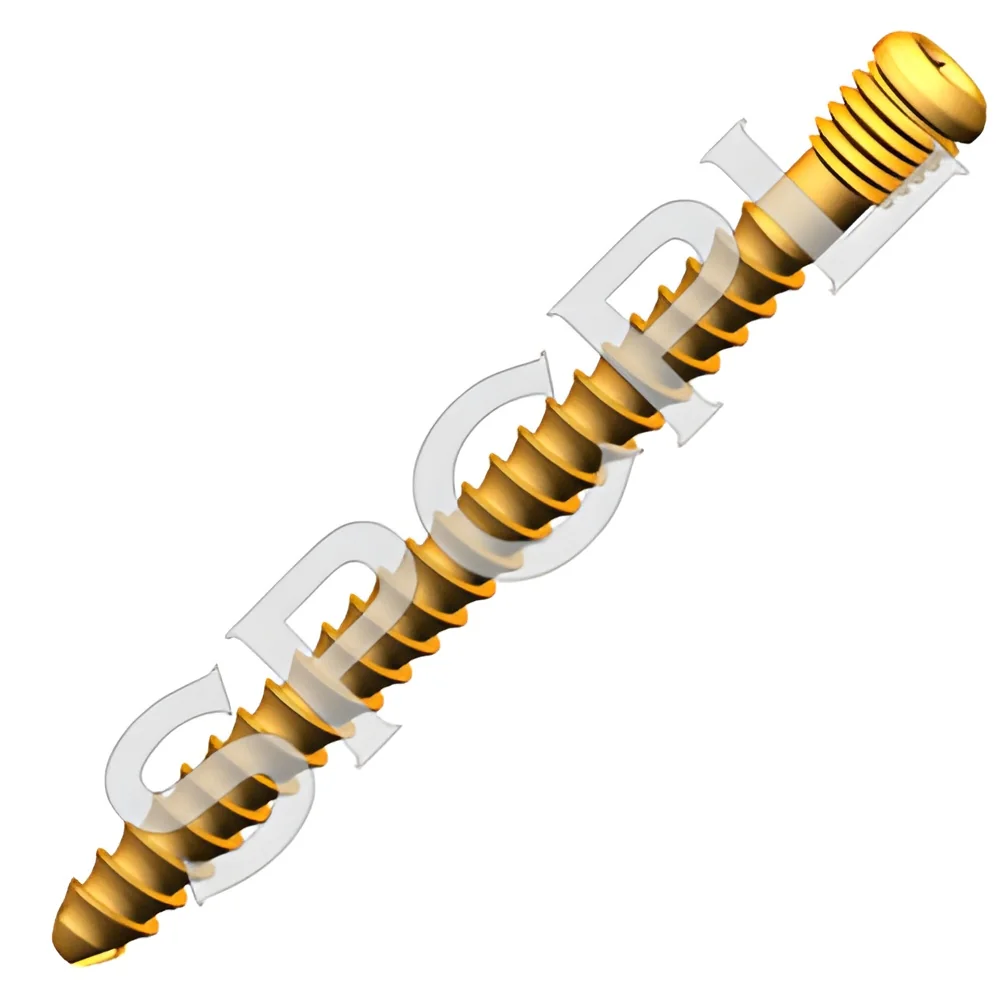
The D-Type Calcanium Locked Plate represents advanced orthopedic implant technology designed specifically for calcaneal fracture stabilization. Crafted from medical-grade stainless steel or titanium, this implant offers surgeons a reliable solution for managing complex heel fractures. Available in three comprehensive sizes—small, medium, and large—the plate accommodates varied patient anatomies and fracture patterns. Its specialized D-shaped configuration provides optimal contouring to the calcaneus bone, ensuring anatomical fit and minimizing soft tissue irritation. The locking screw technology creates a fixed-angle construct that enhances stability, promotes proper fracture healing, and reduces postoperative complication risks. This implant system withstands substantial mechanical loads borne by the calcaneus, making it indispensable in modern orthopedic trauma surgery.

Orthopedic departments across hospitals, trauma centers, and specialized surgical facilities utilize the D-Type Ca...
The D-Type Calcanium Locked Plate represents advanced orthopedic implant technology designed specifically for calcaneal fracture stabilization. Crafted from medical-grade stainless steel or titanium, this implant offers surgeons a reliable solution for managing complex heel fractures. Available in three comprehensive sizes—small, medium, and large—the plate accommodates varied patient anatomies and fracture patterns. Its specialized D-shaped configuration provides optimal contouring to the calcaneus bone, ensuring anatomical fit and minimizing soft tissue irritation. The locking screw technology creates a fixed-angle construct that enhances stability, promotes proper fracture healing, and reduces postoperative complication risks. This implant system withstands substantial mechanical loads borne by the calcaneus, making it indispensable in modern orthopedic trauma surgery.

Orthopedic departments across hospitals, trauma centers, and specialized surgical facilities utilize the D-Type Calcanium Locked Plate for managing calcaneal fractures from high-impact injuries including falls from height, motor vehicle accidents, and sports-related trauma. The healthcare industry values this implant for consistent performance in both elective and emergency surgical settings. Medical device distributors supply these plates to surgical centers and orthopedic practices worldwide, while importers and wholesalers ensure global availability to meet surgical demand. The product serves orthopedic surgeons, podiatrists, and trauma specialists requiring reliable fixation devices for complex lower extremity fractures, particularly where conventional methods prove insufficient for adequate stabilization.

The business value of the D-Type Calcanium Locked Plate lies in proven reliability and surgical effectiveness, translating to reduced operative times and improved patient outcomes. Medical facilities benefit from the implant's compatibility with standard instrumentation and surgical techniques, minimizing learning curves for surgical teams. Distributors and wholesalers confidently market this product knowing it meets stringent quality standards and regulatory requirements for orthopedic implants. Availability in both stainless steel and titanium materials provides flexibility in addressing patient-specific needs, including MRI compatibility considerations. The product's reputation for durability and consistent performance makes it a trusted choice for healthcare providers seeking reliable fracture management solutions.

Key Features:
- Manufactured from medical-grade stainless steel or titanium for biocompatibility and strength
- Available in three size options: small, medium, and large to accommodate varying patient anatomies
- Specialized D-shaped design for optimal calcaneal bone contouring and anatomical fit
- Locking screw technology providing fixed-angle stability for enhanced fracture fixation
- Engineered to withstand significant mechanical loads in weight-bearing applications

Benefits:
- Promotes proper bone healing through stable fixation and reduced micromovement
- Minimizes soft tissue irritation through anatomical contouring and low-profile design
- Reduces operative time with intuitive placement and standard instrumentation compatibility
- Enhances surgical outcomes with reliable performance in complex fracture cases
- Provides flexibility with material choices addressing different patient needs and imaging requirements
Specifications
| Additional Information | |
|---|---|
| Country of Origin | India |
| Customisable | No |
Application
The D-Type Calcanium Locked Plate is engineered for surgical management of calcaneus fractures, providing critical stabilization during healing. Its design ensures precise anatomical fitting, reducing operative time and improving accuracy for orthopedic professionals. This implant is essential for restoring foot function in complex fracture cases.
Hospitals, trauma centers, and specialized orthopedic clinics rely on these plates for both elective and emergency procedures. Availability in multiple sizes and two material options allows surgeons to select ideal implants based on patient anatomy and clinical requirements. Compatibility with locking screw technology enhances construct stability for osteoporotic bone and high-stress applications.
- Open reduction and internal fixation of displaced intra-articular calcaneal fractures
- Treatment of calcaneal fractures from high-impact trauma like falls or accidents
- Revision surgery for previously failed calcaneal fracture fixations
- Complex foot reconstruction procedures involving the hindfoot
- Orthopedic trauma surgery in emergency departments and specialized clinics
Trade Details
| Available Stock | In Stock |
| Sample Availability | No |
Payment Terms
| Payment Terms |
|
Company Profile

Bharucha Associates, Gujarat
 Gujarat, India
Gujarat, IndiaHealth & Personal Care•Distributor / Wholesaler•Retailer•Importer / Exporter
Factory Details
Factory SizeBelow 1000 sqm
Annual Production Capacity0
Orthopedic Surgery D Type Calcanium Locked Plate Stainless Steel Titanium
D-Type Calcanium Locked Plate for calcaneal fracture fixation, available in stainless steel or titanium, sizes small, medium, large. Trusted by orthopedic surgeons for superior stability and reliable patient outcomes.
Min. Order Quantity: 1 unit
Shipping
Shipping fee and delivery date to be negotiated. Contact supplier now for more details.
Bharucha Associates
 Gujarat, India
Gujarat, IndiaHealth & Personal CareDistributor / Wholesaler