IN
IN₹
Apparel & Fashion
Loading subcategories...
View More
Description
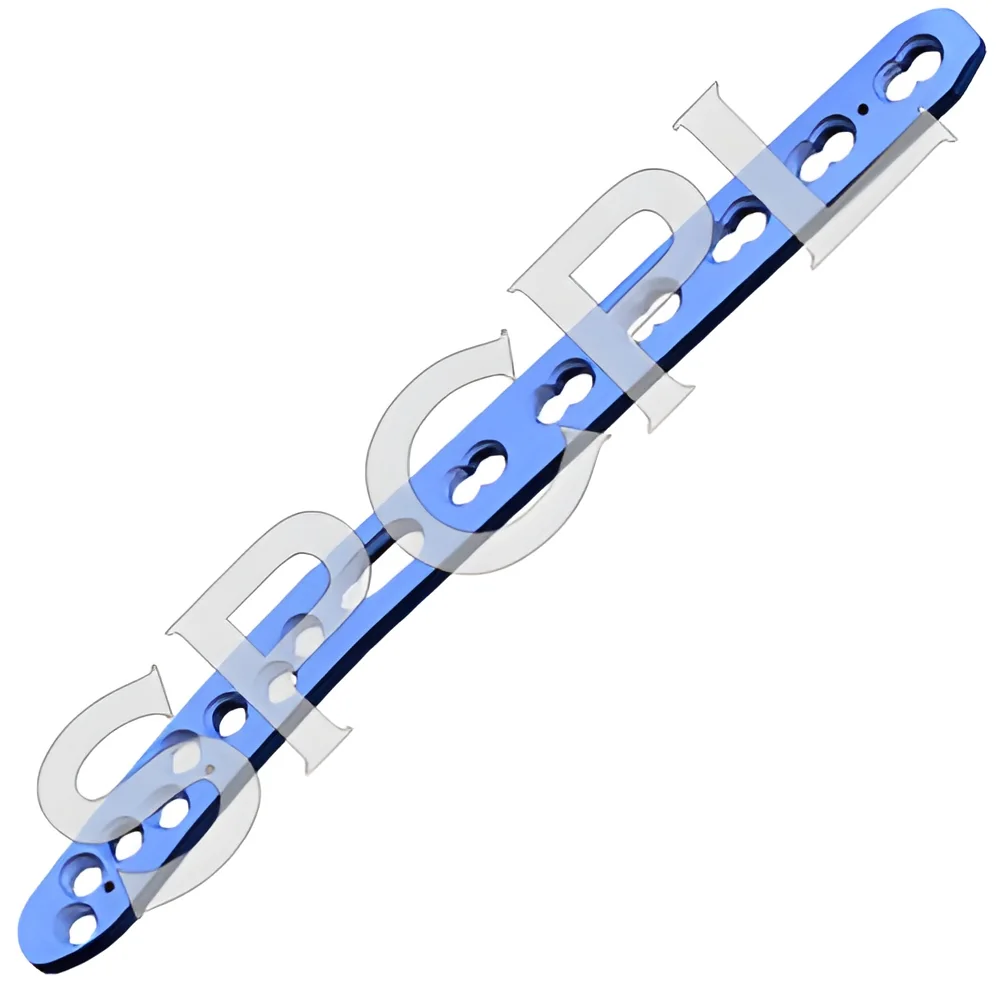
The Fibula Posterolateral Locked Plate L-R represents advanced orthopedic implant technology specifically engineered for distal fibula fracture management. This specialized locking plate system provides surgeons with a reliable solution for achieving anatomical reduction and stable fixation in challenging fracture patterns. Manufactured from medical-grade stainless steel or titanium, the implant offers excellent biocompatibility and strength characteristics essential for successful fracture healing. The plate features multiple hole configurations ranging from 3 to 12 holes, allowing for customized screw placement based on fracture complexity and surgical requirements. Its anatomical design contours perfectly to the distal fibula, reducing the need for extensive intraoperative bending and saving valuable surgical time while ensuring optimal bone contact and stability.

This specialized orthopedic implant serves multiple healthcare settings including trauma centers, orthopedic specialty ...
The Fibula Posterolateral Locked Plate L-R represents advanced orthopedic implant technology specifically engineered for distal fibula fracture management. This specialized locking plate system provides surgeons with a reliable solution for achieving anatomical reduction and stable fixation in challenging fracture patterns. Manufactured from medical-grade stainless steel or titanium, the implant offers excellent biocompatibility and strength characteristics essential for successful fracture healing. The plate features multiple hole configurations ranging from 3 to 12 holes, allowing for customized screw placement based on fracture complexity and surgical requirements. Its anatomical design contours perfectly to the distal fibula, reducing the need for extensive intraoperative bending and saving valuable surgical time while ensuring optimal bone contact and stability.

This specialized orthopedic implant serves multiple healthcare settings including trauma centers, orthopedic specialty hospitals, and surgical facilities worldwide. Orthopedic surgeons and trauma specialists utilize the Fibula Posterolateral Locked Plate system for managing various distal fibula fractures, including Weber classification fractures, pilon fractures, and complex ankle injuries. The device proves particularly valuable in teaching hospitals where surgical residents benefit from its user-friendly design and consistent performance. Medical device distributors supply this implant to both public healthcare institutions and private orthopedic practices, making advanced fracture care accessible to diverse patient populations. The plate's compatibility with minimally invasive surgical techniques also makes it suitable for outpatient surgical centers focusing on advanced orthopedic procedures.

For medical device distributors and healthcare procurement professionals, the Fibula Posterolateral Locked Plate L-R delivers significant value through proven reliability and clinical effectiveness. The implant's robust construction and precision manufacturing ensure consistent performance case after case, reducing implant-related complications and revision surgeries. Hospitals benefit from the plate's versatility across multiple fracture patterns, potentially reducing inventory requirements for similar devices. The availability in both stainless steel and titanium materials allows procurement teams to meet different budgetary and surgical preference requirements within their institutions. Furthermore, the manufacturer's commitment to quality assurance and regulatory compliance ensures every plate meets international medical device standards, providing confidence for healthcare providers and their patients.

Key Features:
- Medical-grade stainless steel and titanium material options available
- Multiple hole configurations from 3 to 12 holes for surgical flexibility
- Anatomical design contours perfectly to distal fibula bone structure
- Locking plate technology provides angular stability and reduces complications
- Compatible with minimally invasive surgical techniques and approaches

Benefits:
- Enhanced surgical precision through anatomical contouring and multiple hole options
- Reduced risk of complications with locking plate technology and stable fixation
- Versatile application across various fracture patterns and patient anatomies
- Time-saving during surgery with minimal need for intraoperative bending
- Proven reliability and consistent performance for predictable patient outcomes
Specifications
| Additional Information | |
|---|---|
| Country of Origin | India |
| Customisable | No |
Application
The Fibula Posterolateral Locked Plate L-R delivers stable fixation for distal fibula fractures in orthopedic trauma surgery. Its anatomical design contours perfectly to bone structure, enabling accurate reduction and alignment maintenance throughout healing. This system proves particularly valuable for complex fractures where conventional plating lacks sufficient stability or minimally invasive techniques are preferred.
Medical professionals select this implant for its versatility across various fracture patterns and patient anatomies. Available in stainless steel and titanium materials, it accommodates different surgical preferences and clinical requirements. The multiple hole options (3-12 holes) allow surgeons to choose optimal configurations for each case, ensuring precise screw placement and compression where needed for both simple and complex adult fractures.
- Open reduction and internal fixation of distal fibula fractures in trauma surgery
- Revision procedures where previous fixation methods failed or complications occurred
- Complex ankle fractures involving lateral malleolus requiring stable fixation
- Orthopedic operations in hospital operating rooms and specialized trauma centers
- Sports injury treatments for athletes with fibula fractures from high-impact activities
Trade Details
| Available Stock | In Stock |
| Sample Availability | No |
Payment Terms
| Payment Terms |
|
Company Profile

Bharucha Associates, Gujarat
 Gujarat, India
Gujarat, IndiaHealth & Personal Care•Distributor / Wholesaler•Retailer•Importer / Exporter
Factory Details
Factory SizeBelow 1000 sqm
Annual Production Capacity0
Fibula Posterolateral Locked Plate L R for Distal Fibula Fracture Repair
Fibula Posterolateral Locked Plate L-R for distal fibula fracture repair. Medical-grade stainless steel or titanium with 3-12 hole configurations ensures precise surgical fixation and optimal patient outcomes.
Min. Order Quantity: 1 unit
Shipping
Shipping fee and delivery date to be negotiated. Contact supplier now for more details.
Bharucha Associates
 Gujarat, India
Gujarat, IndiaHealth & Personal CareDistributor / Wholesaler