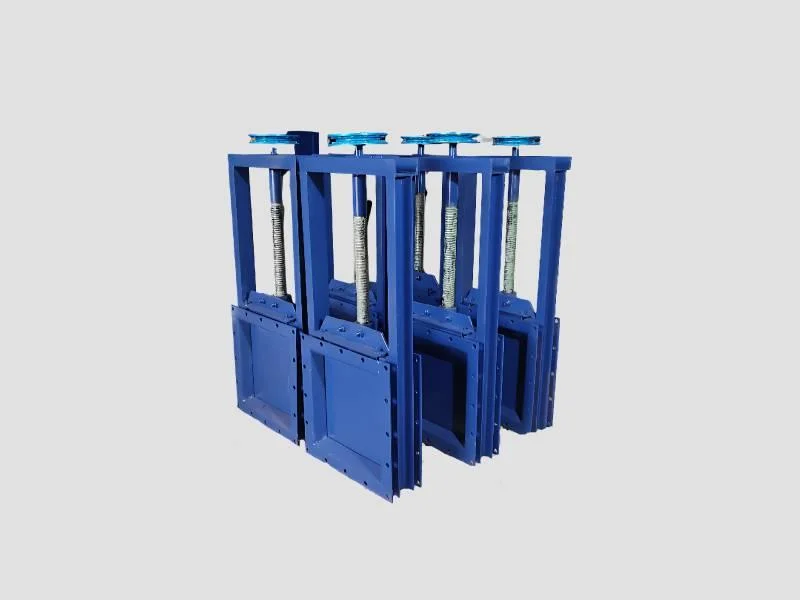
What are Ball Valves & Gate Valves?
Ball valves and gate valves are essential components in fluid control systems. A ball valve uses a spherical disc to control flow, allowing for quick shut-off capabilities. When the valve is open, the ball is rotated out of the flow path, enabling smooth liquid or gas passage. Gate valves, on the other hand, utilize a sliding gate to regulate flow. They are designed to be fully open or fully closed, making them suitable for applications where flow needs to be stopped completely.
Both types of valves are widely used in various industries, including oil and gas, water treatment, and manufacturing. Ball valves are favored for their ability to provide a tight seal and quick operation, while gate valves are preferred for their low-pressure drop and ability to handle high flow rates. Understanding the distinct characteristics of these valves helps businesses select the right type for their specific applications.
In the current market, the demand for efficient fluid control solutions is rising. With increasing industrialization and the need for reliable infrastructure, ball valves and gate valves play a critical role in maintaining operational efficiency across various sectors. Their adaptability and reliability make them key components in modern industrial systems.
Key Features and Specifications
Ball valves and gate valves come with several key features that enhance their functionality and performance. Understanding these specifications is crucial for selecting the right valve for specific applications.
Key specifications include:
1. Valve Type
- Ball valves provide quick shut-off and are suitable for high-pressure applications.
- Gate valves are ideal for on/off control with minimal flow restriction.
2. Material Construction
- Common materials include stainless steel, brass, and PVC, each suited for different environments and fluids.
3. Pressure Rating
- Valves are rated for various pressure classes, typically ranging from 150 to 2500 psi, depending on the application.
4. Size Range
- Available in a variety of sizes, from small 1/4 inch to large 12 inches or greater for industrial applications.
5. Temperature Range
- Designed to operate within specific temperature ranges, which can vary based on material and design.
6. End Connections
- Various connection types are available, including threaded, flanged, and welded, to suit different piping systems.
7. Actuation Options
- Valves can be manually operated or automated with electric, pneumatic, or hydraulic actuators.
8. Certifications
- Many valves comply with industry standards and certifications, such as CE, ensuring safety and reliability.
In summary, understanding these specifications allows businesses to select the appropriate ball or gate valve that meets their operational requirements and industry standards.
Common Applications and Use Cases
Ball valves and gate valves serve a wide range of industries and applications. Their versatility makes them essential in many operational environments.
1. Oil and Gas: Ball valves are commonly used in pipeline systems for quick shut-off and flow control, while gate valves are used in upstream and downstream applications.
2. Water Treatment: Both valve types are essential in water distribution systems, controlling flow and ensuring system integrity.
3. Chemical Processing: Ball valves provide reliable sealing for corrosive fluids, while gate valves are used to handle large volumes of liquids.
4. HVAC Systems: Gate valves are used for regulating water flow in heating and cooling applications, while ball valves are preferred for their quick response in shutting off flow.
5. Food and Beverage: Stainless steel ball valves ensure sanitary conditions for fluid transport in food processing, while gate valves manage flow in bulk handling systems.
6. Pharmaceuticals: Both valve types are utilized in strict environments where contamination must be avoided, ensuring product purity.
7. Power Generation: Ball valves are integral in cooling systems, while gate valves are used in steam and water systems within power plants.
Product Variants and Subcategories
The diversity of ball valves and gate valves allows businesses to choose from several variants tailored to specific applications.
Standard Ball Valve
This common variant features a simple design with a spherical disc, ideal for quick shut-off in various applications, including gas and liquid control.
Trunnion Mounted Ball Valve
Designed for high-pressure applications, this variant has a trunnion that supports the ball, providing stability and reducing wear in extreme conditions.
Wedge Gate Valve
This variant utilizes a wedge-shaped gate that ensures a tight seal and is often used in high-flow applications, such as water and wastewater management.
Parallel Gate Valve
This design features two parallel seats and is used primarily in applications requiring minimal flow resistance, such as in cooling systems.
Benefits and Advantages
Choosing ball valves and gate valves offers several advantages for industrial applications. Understanding these benefits helps businesses make informed decisions.
1. Efficient Flow Control: Both valves provide effective control of fluid flow, ensuring processes run smoothly.
2. Durability: Made from robust materials, these valves can withstand harsh conditions, leading to a longer service life.
3. Low Maintenance: Their simple design and reliable operation reduce the need for frequent maintenance, saving time and cost.
4. Versatility: Suitable for a wide range of applications, these valves can handle different types of fluids and gases.
5. Safety: Compliance with industry standards and certifications ensures that these valves meet safety requirements, minimizing the risk of failures.
6. Quick Operation: Ball valves, in particular, offer rapid open and close capabilities, which is essential for emergency situations.
Buying Guide for B2B Buyers
When sourcing ball valves and gate valves, it is vital for B2B buyers to consider several key factors to ensure an optimal purchasing decision.
1. Quality Assessment: Evaluate the materials and manufacturing processes to ensure high-quality valves that meet operational needs.
2. Supplier Verification: Vet potential suppliers for reliability and industry reputation to guarantee a consistent supply of quality products.
3. Pricing and MOQ: Consider the cost of valves and the minimum order quantity to align with budget constraints and project requirements.
4. Delivery and Lead Times: Assess logistics and delivery times to ensure timely procurement that fits project schedules.
5. Compliance Requirements: Ensure that the valves meet relevant industry regulations and standards to avoid compliance issues.
Compliance and Certifications
Compliance with industry standards is essential for ball valves and gate valves. Key quality standards include ISO 9001, which ensures a robust quality management system is in place. Other industry-specific certifications, such as CE, indicate that valves meet European safety and environmental standards.
Safety and testing requirements are critical to ensure that valves function correctly under specified conditions. Regular testing for pressure and leak integrity helps verify performance reliability.
Regional compliance considerations may vary, requiring an understanding of local regulations and industry standards to ensure that all products meet necessary requirements for operation in specific markets.
Why Source Ball Valves & Gate Valves from Pepagora?
Pepagora offers a trusted platform for sourcing ball valves and gate valves, providing several key advantages that benefit B2B buyers.
Verified Supplier Network: Pepagora's extensive network of verified suppliers ensures that buyers can access quality products from reputable manufacturers. This verification process helps minimize risks associated with sourcing.
Streamlined RFQ Process: The platform features a user-friendly request for quotation (RFQ) system, enabling buyers to easily request quotes from multiple suppliers. This simplifies the procurement process and enhances efficiency.
Trade Assurance and Support: Pepagora prioritizes buyer protection through trade assurance policies. This support provides confidence in transactions, ensuring that buyers receive the products as specified.
Regional Coverage: With a strong presence in India, the GCC, and Southeast Asia, Pepagora effectively connects buyers with suppliers across these regions, facilitating efficient sourcing and logistics.

 IN
IN