
 IN
Methanol
4 products available
What are Methanol?
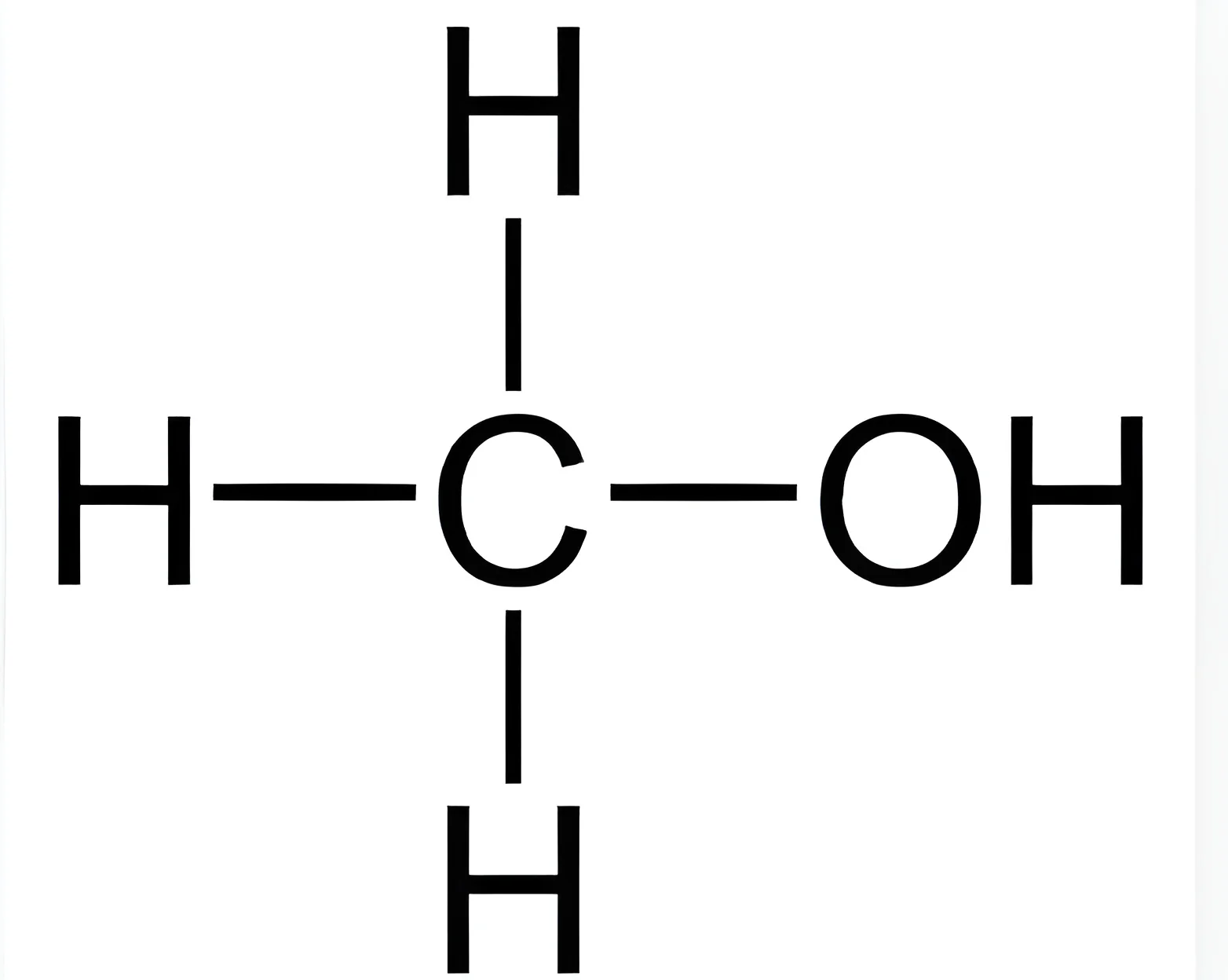
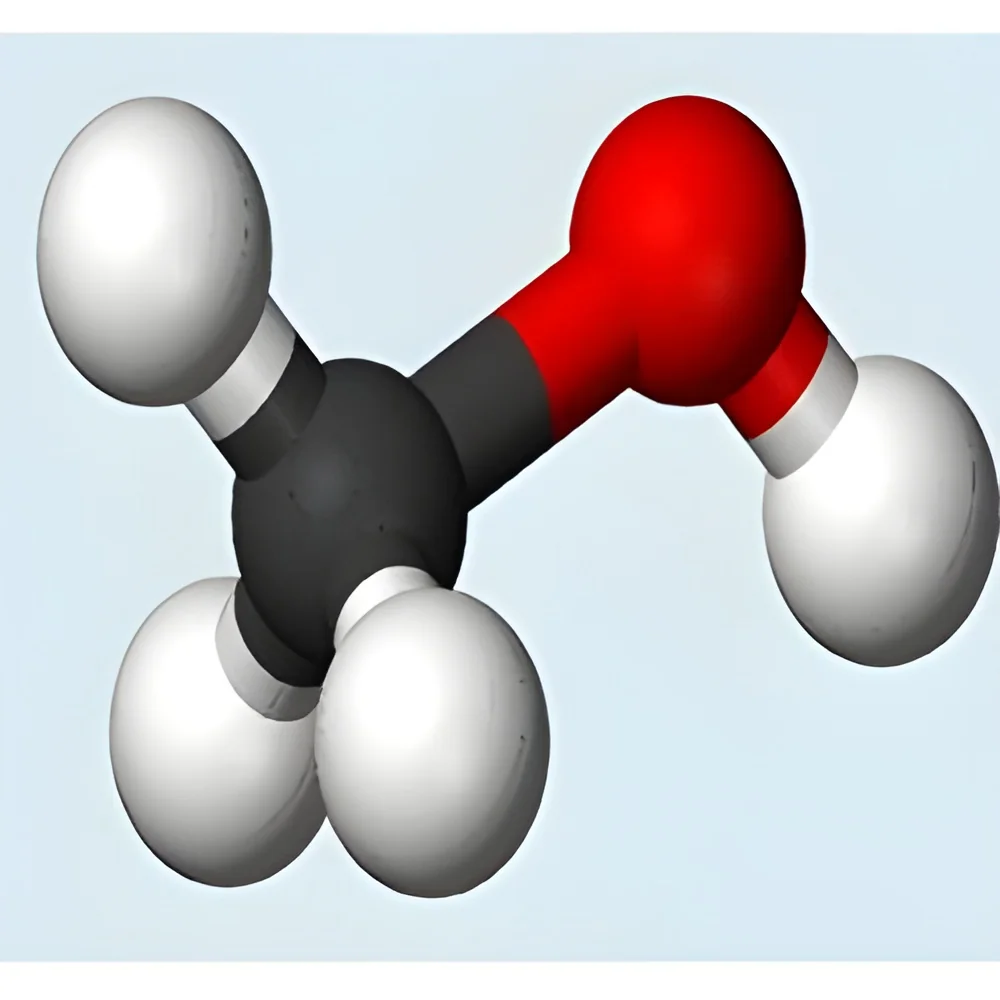
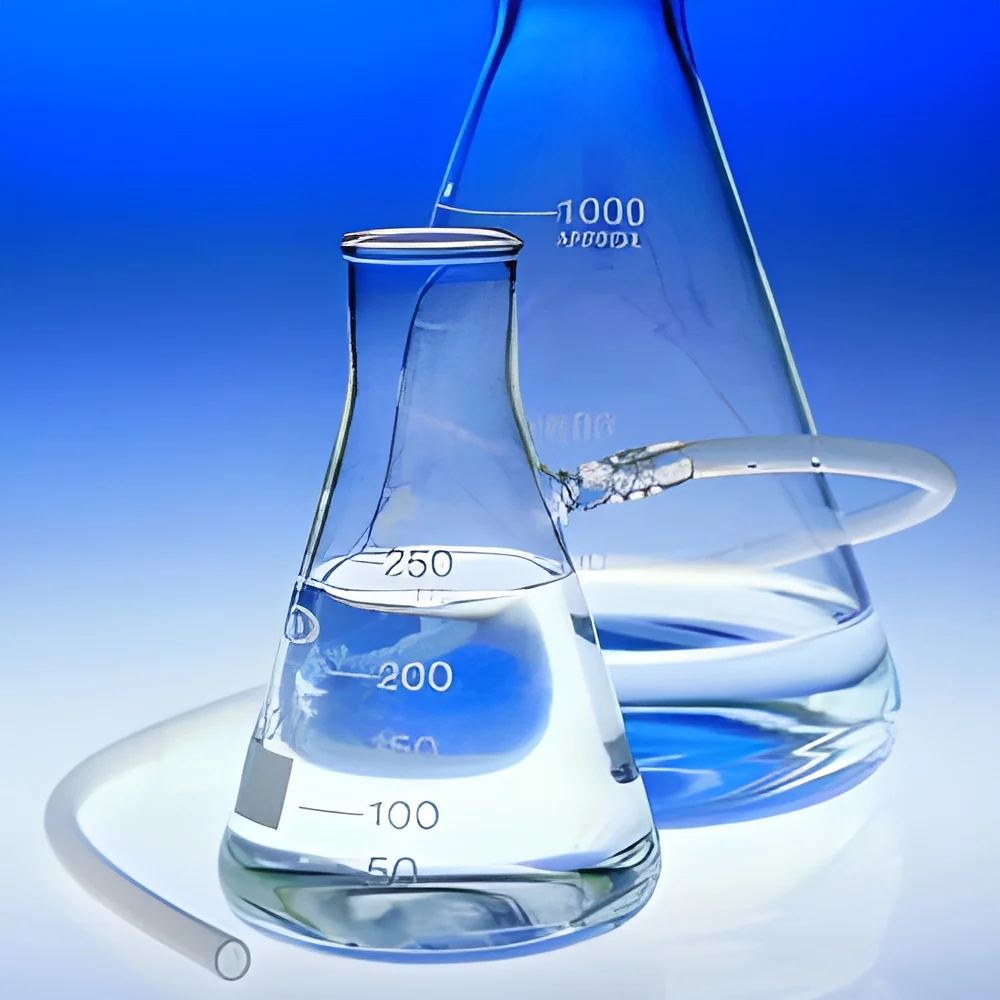
Methanol, also known as wood alcohol, is a simple alcohol with the chemical formula CH3OH. It is a colorless, volatile liquid that is used as a solvent, fuel, and antifreeze. Methanol is produced through a process that involves the catalytic conversion of natural gas or biomass. Its properties make it a versatile chemical that serves as a building block for various chemical products.
In the industrial sector, methanol has numerous applications, including its use in the production of formaldehyde, acetic acid, and other chemicals. It is also utilized as a fuel for internal combustion engines, particularly in motorsports and some types of power generation. The significance of methanol in the chemical industry is underscored by its growing demand globally, driven by its role in producing renewable energy and its potential as a clean fuel alternative.
Key Features and Specifications
Methanol is recognized for its unique properties and specifications that cater to diverse industrial applications. Understanding these features is essential for businesses looking to incorporate methanol into their operations.
Key specifications include:
1. Purity Level
- Methanol typically has a high purity level, often above 99.9%, which is crucial for many chemical processes.
2. Boiling Point
- The boiling point of methanol is approximately 64.7 degrees Celsius, making it suitable for various temperature-sensitive applications.
3. Flash Point
- Methanol has a flash point of 11.8 degrees Celsius, indicating its flammability and the need for careful handling.
4. Density
- The density of methanol is about 0.7918 g/cm³, with implications for storage and transport.
5. Solubility
- Methanol is completely miscible with water, which enhances its utility in chemical reactions and formulations.
6. Chemical Stability
- Methanol is chemically stable under normal conditions, ensuring its reliability in industrial applications.
7. Environmental Impact
- Methanol can be produced from renewable resources, contributing to lower carbon emissions when used as a fuel.
8. Regulatory Compliance
- Methanol must meet various regulatory requirements, including those set by environmental authorities.
These specifications highlight methanol's versatility and importance across multiple industries.
Common Applications and Use Cases
Methanol is widely utilized in several industries, demonstrating its versatility and essential role in various processes.
1. Chemical Manufacturing: Methanol is a key ingredient in producing formaldehyde, which is used in resins, plastics, and adhesives.
2. Energy Sector: Methanol is used as a fuel in internal combustion engines and as a feedstock for producing hydrogen.
3. Pharmaceuticals: Methanol serves as a solvent in pharmaceutical formulations and is involved in synthesizing various medicinal compounds.
4. Agriculture: In agriculture, methanol is used in the production of pesticides and herbicides.
5. Automotive: Methanol is being explored as an alternative fuel for vehicles, particularly in the form of methanol fuel cells.
6. Textile Industry: Methanol is used in dyeing and finishing processes within the textile sector.
7. Food Industry: It is utilized in food processing as a solvent and preservative.
Product Variants and Subcategories
Methanol is a single chemical product, but it can be categorized based on purity levels and intended applications.
Technical Grade Methanol
This variant is primarily used in industrial applications where high purity is required for chemical reactions and manufacturing processes.
Fuel Grade Methanol
This variant is designed for use as a fuel in engines and power generation, typically with specific additives to enhance performance.
Benefits and Advantages
The use of methanol offers several advantages to businesses and industries.
1. Cost-Effectiveness: Methanol is often less expensive to produce compared to other fuels, making it an economical choice for businesses.
2. Versatility: Its wide range of applications across various industries highlights methanol's adaptability.
3. Renewable Potential: Methanol can be produced from renewable resources, contributing to a more sustainable energy future.
4. Low Emissions: When used as a fuel, methanol can result in lower emissions compared to traditional fossil fuels.
5. Easy Storage: Methanol can be stored and transported safely under controlled conditions, providing logistical advantages.
6. High Purity: The availability of high-purity methanol is critical for industries requiring stringent specifications.
Buying Guide for B2B Buyers
When sourcing methanol, B2B buyers should consider several critical factors to ensure they make informed purchasing decisions.
1. Quality Assessment: It is essential to evaluate the purity and chemical properties of the methanol being sourced to meet specific industrial requirements.
2. Supplier Verification: Buyers should conduct thorough due diligence on suppliers to ensure they can provide reliable and consistent quality.
3. Pricing and MOQ: Understanding the pricing structure and minimum order quantities is crucial for budgeting and inventory management.
4. Delivery and Lead Times: Buyers should inquire about delivery schedules and lead times to ensure timely availability for production needs.
5. Compliance Requirements: It is vital to ensure that the methanol meets regulatory and safety standards applicable in the buyer's region.
Compliance and Certifications
Methanol is subject to various quality standards and certifications to ensure safety and consistency in its production and application.
Relevant quality standards include ISO 9001, which demonstrates a commitment to quality management systems. Compliance with HACCP (Hazard Analysis Critical Control Point) is essential for industries that require safe handling and processing of chemicals.
In Europe, methanol suppliers often obtain CE certification, indicating that their products meet stringent safety and environmental standards.
Safety and testing requirements are also critical, ensuring that methanol is handled properly to mitigate risks associated with its flammability and toxicity.
Regional compliance considerations vary, with different countries enforcing specific regulations governing the production, distribution, and use of methanol.
Why Source Methanol from Pepagora?
Pepagora offers a reliable platform for sourcing methanol, providing several advantages for B2B buyers.
Verified Supplier Network: Pepagora has a rigorous supplier verification process, ensuring that buyers have access to trustworthy suppliers who meet industry standards.
Streamlined RFQ Process: The request for quotation system simplifies the procurement process, allowing buyers to receive competitive quotes efficiently.
Trade Assurance and Support: Pepagora offers buyer protection through trade assurance, ensuring that transactions are secure and that buyers receive the quality they expect.
Regional Coverage: With a strong presence in India, the GCC, and Southeast Asia, Pepagora facilitates connections between buyers and suppliers across these regions, enhancing accessibility to high-quality methanol.

 India
 India
 India
Frequently Asked Questions
What are Methanol?
Methanol, also known as wood alcohol, is a colorless, volatile liquid with a distinctive odor. It is primarily used as a solvent, antifreeze, fuel, and as a feedstock for the production of chemicals such as formaldehyde and acetic acid.
What are the different types of Methanol?
Methanol can be classified into two main types: industrial-grade methanol and fuel-grade methanol. Industrial-grade methanol is used for chemical manufacturing, while fuel-grade methanol is used as an alternative fuel in internal combustion engines.
How do I choose the right Methanol?
When choosing the right Methanol, consider the intended application, required purity level, and any specific regulatory compliance. It is also important to evaluate the supplier's reputation and quality assurance practices.
What are the standard specifications for Methanol?
Standard specifications for Methanol often include parameters such as purity (typically 99.85% or higher), water content (less than 0.1%), and the presence of impurities. These specifications can vary depending on the intended use of the Methanol.
What is the price range for Methanol?
The price of Methanol can vary widely based on factors such as purity, quantity, and market conditions. Generally, prices can range from $300 to $600 per metric ton, but it's recommended to check with suppliers for current market pricing.
What quality standards apply to Methanol?
Methanol quality is often governed by international standards such as ASTM D1152 and other industry-specific guidelines. These standards ensure that the Methanol meets safety and performance requirements for its intended applications.
Where can I find Methanol suppliers in India?
You can find Methanol suppliers in India through various channels including online B2B marketplaces like Pepagora, industry trade shows, and chemical supplier directories. It's advisable to compare multiple suppliers to assess quality and pricing.
Can Methanol be customized?
Yes, Methanol can be customized to meet specific requirements such as different purity levels or packaging options. However, customization options may depend on the supplier and the intended application of the Methanol.
What is the typical minimum order quantity for Methanol?
The typical minimum order quantity (MOQ) for Methanol can vary by supplier but generally ranges from 1,000 liters to several metric tons. It's important to check with individual suppliers for their specific MOQs.
What is the typical lead time for Methanol?
The typical lead time for Methanol orders can vary based on supplier capacity and location, but it usually ranges from 1 to 4 weeks. Factors such as order size and shipping logistics can also influence lead times.
Why Businesses Trust Pepagora
Thousands of companies trust Pepagora to source smarter and sell faster
Expand Your Sales Globally

Source Smarter,Grow Faster
