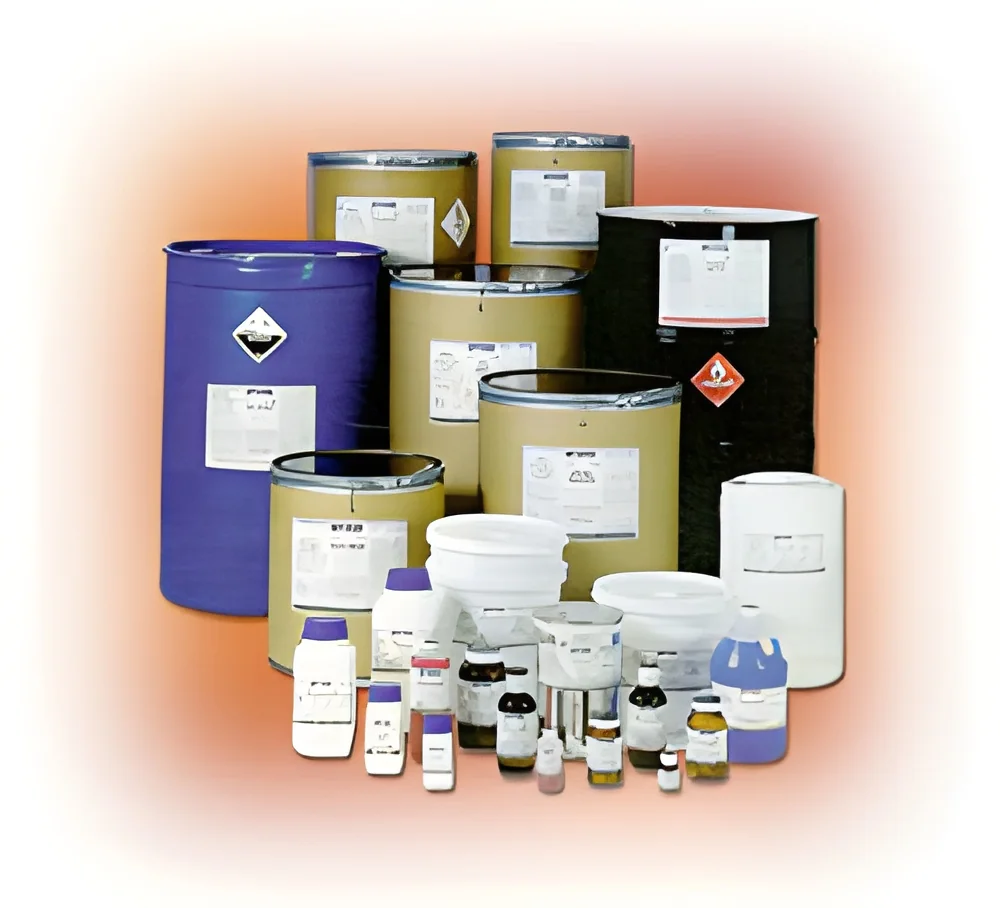
What are Hydrochloric Acid?
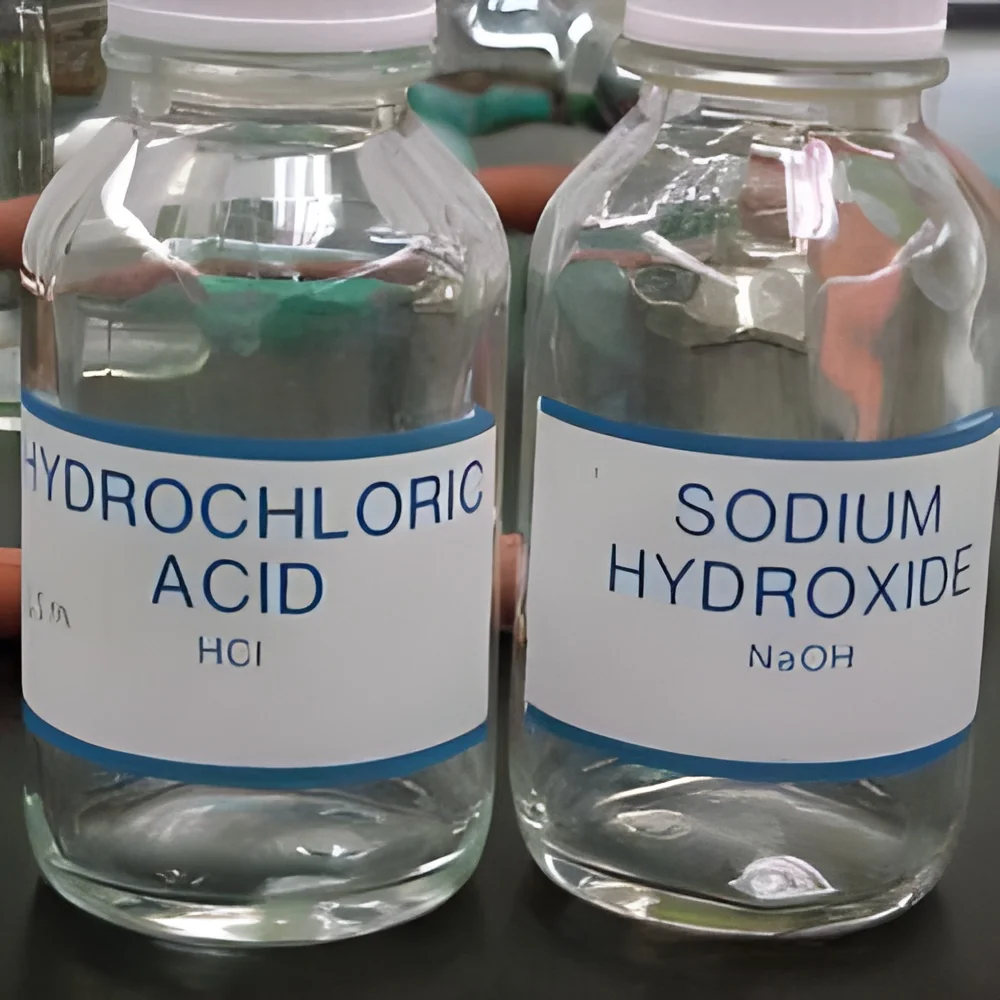
Hydrochloric acid is a strong, corrosive acid that is widely used in various industrial processes. It is a clear, colorless solution of hydrogen chloride gas in water, characterized by its pungent smell and high acidity. Hydrochloric acid is produced through the combination of hydrochloric gas with water and is known for its ability to dissolve metals and other compounds. Due to its highly reactive nature, it is essential to handle this chemical with care, following appropriate safety protocols.
In terms of business applications, hydrochloric acid plays a pivotal role in several industries. It is commonly used in metal processing, where it aids in cleaning and pickling metals to remove rust and scale. Additionally, this acid is utilized in the production of various chemicals, including fertilizers and dyes. Its role in food processing, particularly in controlling pH levels and as a food additive, further highlights its versatility. As industries continue to grow, the demand for hydrochloric acid remains significant, making it a key player in the chemical manufacturing market.
Key Features and Specifications
Hydrochloric acid is defined by several critical features and specifications that make it suitable for various applications. Understanding these specifications is essential for businesses looking to incorporate hydrochloric acid into their operations.
Key specifications include:
1. Purity Level
- Typically available in concentrations ranging from 30% to 38%
- Higher purity levels indicate fewer impurities, suitable for sensitive applications
2. Density
- Commonly has a density of around 1.18 g/cm³
- Density can vary slightly based on concentration
3. pH Level
- Strongly acidic with a pH of less than 1
- Essential for applications requiring precise pH control
4. Boiling Point
- Boils at approximately 110 degrees Celsius
- Important for processes involving heating
5. Freezing Point
- Freezes at around -27 degrees Celsius
- Critical for storage and handling conditions
6. Appearance
- Clear, colorless liquid
- Odor of hydrogen chloride gas, which is pungent
7. Safety Data
- Classified as a corrosive substance
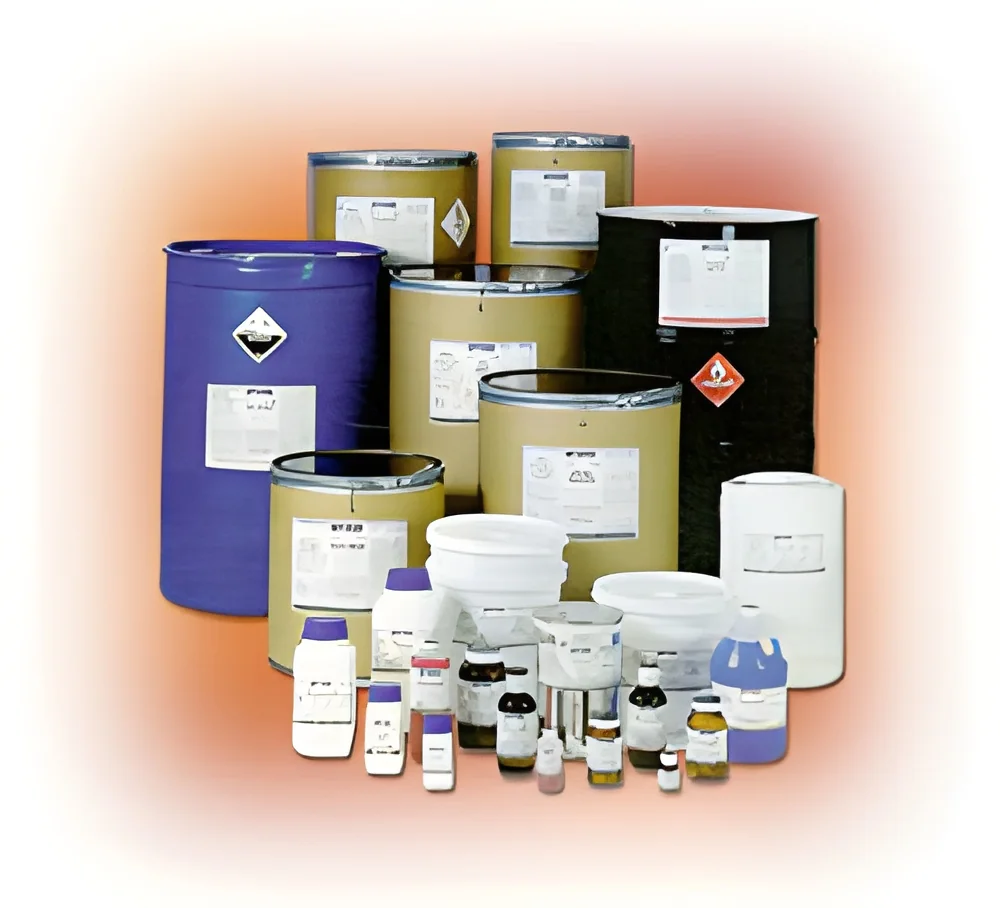
- Requires appropriate safety measures for handling and storage
8. Storage Requirements
- Should be stored in a cool, ventilated area in compatible containers
- Must be kept away from incompatible materials
In summary, understanding the key features and specifications of hydrochloric acid is crucial for ensuring its effective and safe use across various industries.
Common Applications and Use Cases
Hydrochloric acid is utilized in a wide range of industries, each with specific applications that highlight its importance.
1. Metal Processing: Used for pickling and cleaning metals to remove rust and scale, thus preparing surfaces for further processing.
2. Chemical Production: Acts as a key ingredient in the manufacturing of various chemicals, including fertilizers, dyes, and plastics.
3. Food Industry: Employed in food processing to regulate pH levels and as a food additive, ensuring product stability and safety.
4. Water Treatment: Used to adjust pH levels in water treatment facilities, helping to ensure water quality and safety.
5. Oil and Gas: Plays a role in the extraction of oil and gas, particularly in the stimulation of oil wells.
6. Pharmaceuticals: Utilized in the production of certain medications, where precise pH control is necessary.
7. Textile Industry: Applied in the dyeing process to adjust dye solutions and improve fabric quality.
Product Variants and Subcategories
Hydrochloric acid comes in several forms to meet various industrial needs. While specific variants might not be available, the main product is typically differentiated by concentration levels and applications.
Industrial Grade Hydrochloric Acid
This variant is commonly used in manufacturing and industrial applications. It typically has a concentration of 30% to 38%, making it suitable for metal cleaning and chemical production.
Food Grade Hydrochloric Acid
Designed specifically for use in the food industry, this variant adheres to stringent purity standards. It is often used to regulate acidity levels in food processing.
Technical Grade Hydrochloric Acid
This variant is tailored for laboratory and research applications. It offers a higher degree of purity and is used in analytical procedures and experiments.
Benefits and Advantages
Hydrochloric acid provides numerous benefits that make it an essential chemical in various industries. Understanding these advantages can help businesses make informed decisions.
Key benefits include:
1. Versatility: Hydrochloric acid can be used in a wide range of applications across multiple industries, enhancing its utility.
2. Cost-Effective: Its wide availability and relatively low cost make it an economical choice for businesses.
3. Efficiency: Hydrochloric acid effectively cleans and prepares surfaces, improving production efficiency in metal processing.
4. pH Control: Its strong acidity allows for precise pH adjustments in various chemical processes and treatments.
5. High Purity Options: Availability of high-purity variants ensures suitability for sensitive applications, such as pharmaceuticals and food processing.
6. Regulatory Compliance: Many suppliers offer hydrochloric acid that meets industry standards and safety regulations, ensuring safe use.
Buying Guide for B2B Buyers
When sourcing hydrochloric acid for industrial use, buyers should consider several important factors to ensure they make a well-informed decision.
1. Quality Assessment: Evaluate the purity levels and specifications of hydrochloric acid. High-quality acid is crucial for sensitive applications, so verify supplier claims.
2. Supplier Verification: Conduct thorough research to vet suppliers. Look for certifications, reviews, and their history in supplying hydrochloric acid to ensure reliability.
3. Pricing and MOQ: Understand the pricing structure and minimum order quantities (MOQ). Ensure that costs align with your budget while also considering the supplier's terms.
4. Delivery and Lead Times: Clarify delivery options and lead times. Timely delivery is essential for maintaining production schedules, so confirm availability.
5. Compliance Requirements: Ensure that the hydrochloric acid meets all regulatory and safety standards relevant to your industry, including regional compliance considerations.
Compliance and Certifications
Hydrochloric acid is subject to various quality standards and certifications that ensure safety and reliability. Adherence to regulations is crucial for businesses utilizing this chemical in their operations.
Relevant quality standards include ISO 9001, which pertains to quality management systems, ensuring that suppliers maintain consistent product quality. Additionally, HACCP (Hazard Analysis and Critical Control Points) standards are essential for food-grade hydrochloric acid, focusing on food safety.
Industry certifications such as CE mark indicate compliance with European safety, health, and environmental protection standards. Moreover, safety and testing requirements must be met to ensure the safe handling and use of hydrochloric acid, including proper labeling and safety data sheets.
Regional compliance considerations may vary, so it's important to stay informed about local regulations that apply to hydrochloric acid in your specific market.
Why Source Hydrochloric Acid from Pepagora?
Pepagora offers a reliable platform for sourcing hydrochloric acid, providing several key advantages for B2B buyers.
Verified Supplier Network: Pepagora connects buyers with a network of verified suppliers, ensuring that you can source hydrochloric acid from trusted manufacturers. This verification process helps mitigate risks associated with supplier reliability.
Streamlined RFQ Process: The request for quotation (RFQ) system simplifies the sourcing process. Buyers can easily compare prices and specifications from multiple suppliers, making it easier to find the best deal.
Trade Assurance and Support: Pepagora provides buyer protection through trade assurance, ensuring that transactions are secure. Additionally, the platform offers support throughout the purchasing process, helping buyers navigate any challenges that may arise.
Regional Coverage: With a broad geographic reach that includes India, the GCC, and Southeast Asia, Pepagora ensures that businesses can source hydrochloric acid from suppliers within their region, facilitating faster delivery and reduced shipping costs.

 IN
IN