What are Potassium Hydroxide?
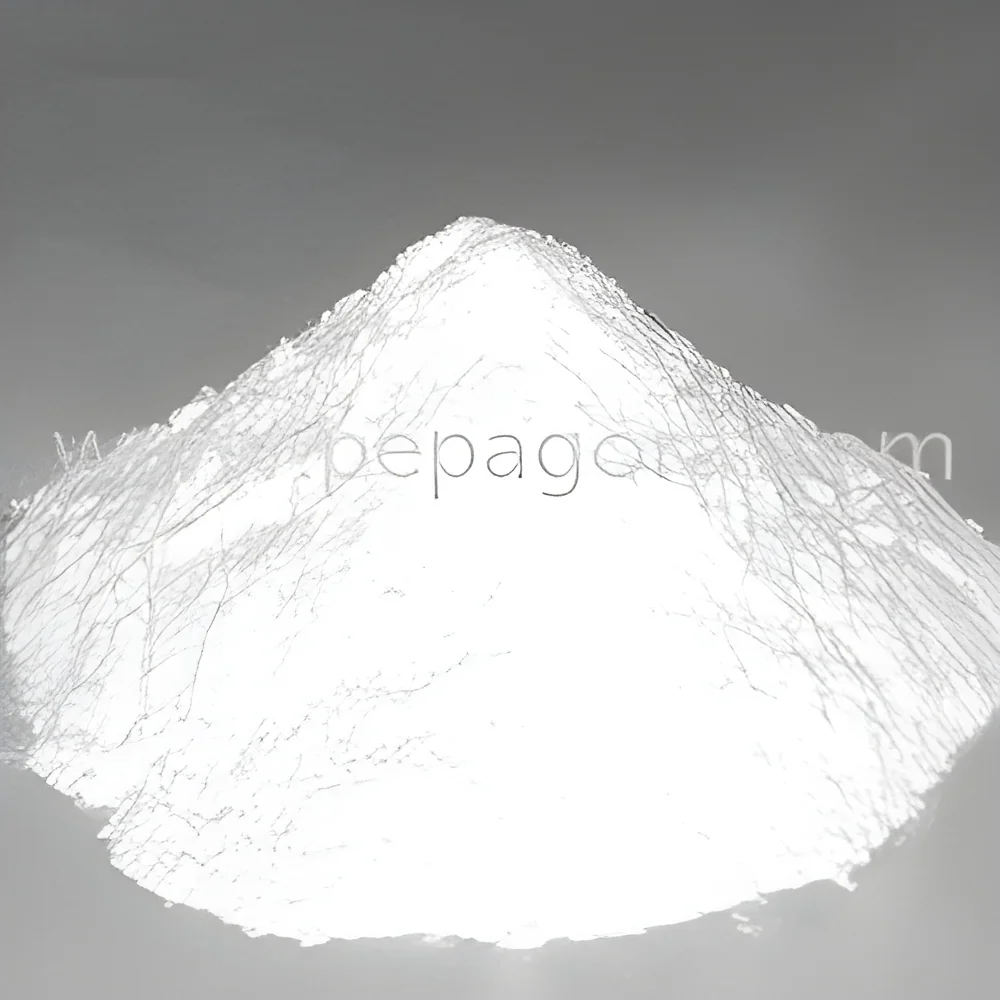
Potassium Hydroxide, commonly known as caustic potash, is an inorganic compound with the chemical formula KOH. It is a white, hygroscopic solid that is highly soluble in water, producing a strongly alkaline solution. This compound is classified as a strong base and is known for its effectiveness in various chemical reactions, including saponification and neutralization. Its ability to absorb moisture makes it valuable in applications that require moisture control.
In the industrial sector, Potassium Hydroxide is widely used in several applications, such as the production of fertilizers, the manufacture of biodiesel, and in the food industry for pH regulation. It is also used in the production of cleaning agents and as a catalyst in various chemical processes. As industries continue to seek effective and efficient solutions, the demand for Potassium Hydroxide has grown significantly, highlighting its relevance in today’s market.
Key Features and Specifications
Potassium Hydroxide offers a range of features that make it suitable for various industrial applications. Its strong alkaline properties and high solubility are critical for many chemical processes. Additionally, it is available in various grades to meet specific industry requirements.
Key specifications include:
1. Purity Level
- Typically available in high purity grades of 85% or higher
- Essential for applications in food and pharmaceuticals
2. Form
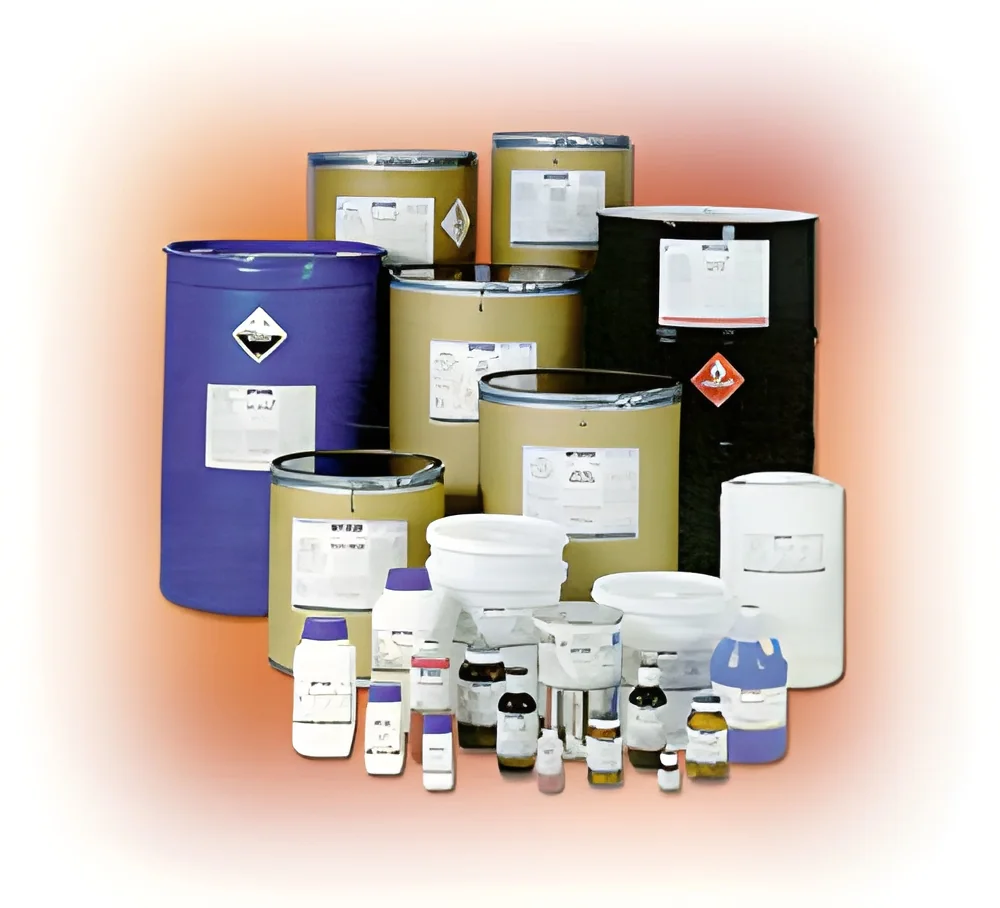
- Available as flakes, pellets, or solutions
- Different forms cater to specific handling and application needs
3. Solubility
- Highly soluble in water
- Rapid dissolution enhances its effectiveness in applications
4. Reactivity
- Strongly alkaline and can react with acids to neutralize pH
- Important for chemical manufacturing processes
5. Storage
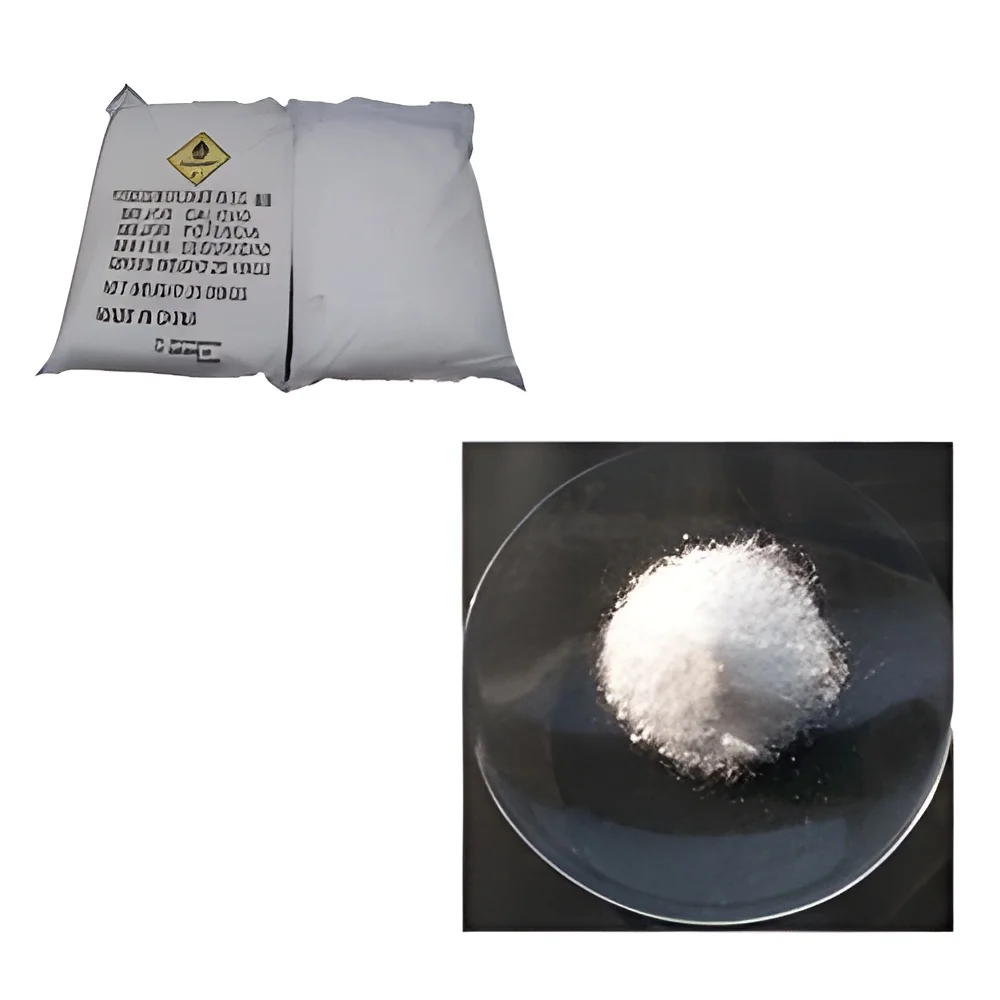
- Should be kept in airtight containers to prevent moisture absorption
- Requires proper labeling due to its caustic nature
6. Safety
- Must comply with safety standards as it can cause burns
- Requires appropriate handling and storage procedures
In summary, the key specifications of Potassium Hydroxide emphasize its versatility and importance in various industrial applications.
Common Applications and Use Cases
Potassium Hydroxide is utilized across numerous industries due to its strong alkaline properties and effectiveness in various processes.
1. Agriculture: Used in the production of potassium-based fertilizers, enhancing crop yield and soil health.
2. Food Industry: Employed for pH regulation in food processing, ensuring safety and product stability.
3. Chemical Manufacturing: Acts as a strong base in the production of soaps and detergents, facilitating saponification.
4. Biodiesel Production: Serves as a catalyst in the transesterification process, converting oils into biodiesel.
5. Pharmaceuticals: Utilized in the synthesis of active ingredients, ensuring high purity and effectiveness.
6. Battery Manufacturing: Used in the production of potassium-based batteries, enhancing efficiency and performance.
7. Water Treatment: Helps in adjusting the pH of water, making it suitable for various applications.
Product Variants and Subcategories
While there are no specific product variants available for Potassium Hydroxide, it can be classified based on its form and purity levels to meet diverse industrial needs.
Flake Potassium Hydroxide
This variant is a solid form that is easy to handle and store. It is commonly used in industrial applications where controlled dissolution is required.
Liquid Potassium Hydroxide
This variant is often used in processes that require immediate solubility and is found in various concentrations. It is ideal for applications in the food and chemical industries where precise pH control is necessary.
Benefits and Advantages
Potassium Hydroxide provides several advantages that make it a preferred choice for various applications.
1. Versatility: Its wide range of applications across different industries makes it an essential chemical compound.
2. High Reactivity: Its strong alkaline nature allows for effective neutralization and pH adjustment.
3. Cost-Effectiveness: Potassium Hydroxide is often more economical than other alkaline substances, offering a viable solution for industrial processes.
4. Purity Options: Available in high purity grades, making it suitable for sensitive applications such as food and pharmaceuticals.
5. Ease of Handling: Available in multiple forms, it can be easily integrated into existing processes.
6. Regulatory Compliance: Adheres to industry standards, ensuring safety and quality in applications.
Buying Guide for B2B Buyers
When sourcing Potassium Hydroxide, it is essential to consider several factors to ensure a reliable supply.
1. Quality Assessment: Evaluate suppliers based on the purity and formulation of Potassium Hydroxide. High-quality standards are critical for applications in food and pharmaceuticals.
2. Supplier Verification: Conduct thorough research to verify suppliers' credentials and reputation in the market. Look for certifications and customer reviews.
3. Pricing and MOQ: Analyze pricing structures and minimum order quantities to find the best value. Ensure that costs align with budget constraints.
4. Delivery and Lead Times: Discuss logistics and estimated delivery dates with suppliers to ensure timely availability of products for production needs.
5. Compliance Requirements: Confirm that the Potassium Hydroxide meets local and international regulatory standards pertinent to your industry, such as safety and environmental regulations.
Compliance and Certifications
Compliance with industry standards is crucial for the safe use of Potassium Hydroxide. It is essential for manufacturers to adhere to relevant quality standards, including ISO 9001, which ensures consistent quality management systems. Certifications such as CE indicate that the product meets safety and health requirements within the European market.
In addition to quality and safety certifications, Potassium Hydroxide must comply with regulatory requirements concerning handling and storage. This includes guidelines for packaging, labeling, and safety data sheets to inform users of potential hazards.
Regional compliance considerations may vary, so it is important for businesses to stay informed about local regulations governing the use of chemicals. Adhering to these standards not only ensures safety but also enhances the credibility of the product in the marketplace.
Why Source Potassium Hydroxide from Pepagora?
Pepagora offers a reliable platform for sourcing Potassium Hydroxide, catering to various industrial needs.
Verified Supplier Network: Pepagora ensures that all suppliers are thoroughly vetted for quality and reliability. This reduces the risk of sourcing from unverified sources and enhances buyer confidence.
Streamlined RFQ Process: The platform provides an efficient request for quotation system, allowing buyers to quickly obtain competitive pricing and terms from multiple suppliers.
Trade Assurance and Support: Buyers can benefit from trade assurance programs that protect their purchases, ensuring that suppliers fulfill their commitments. This adds an additional layer of security for buyers.
Regional Coverage: Pepagora has a strong presence in regions such as India, the GCC, and Southeast Asia, facilitating easy access to Potassium Hydroxide and other industrial products. This geographic reach enables efficient sourcing and supply chain management.

 IN
IN