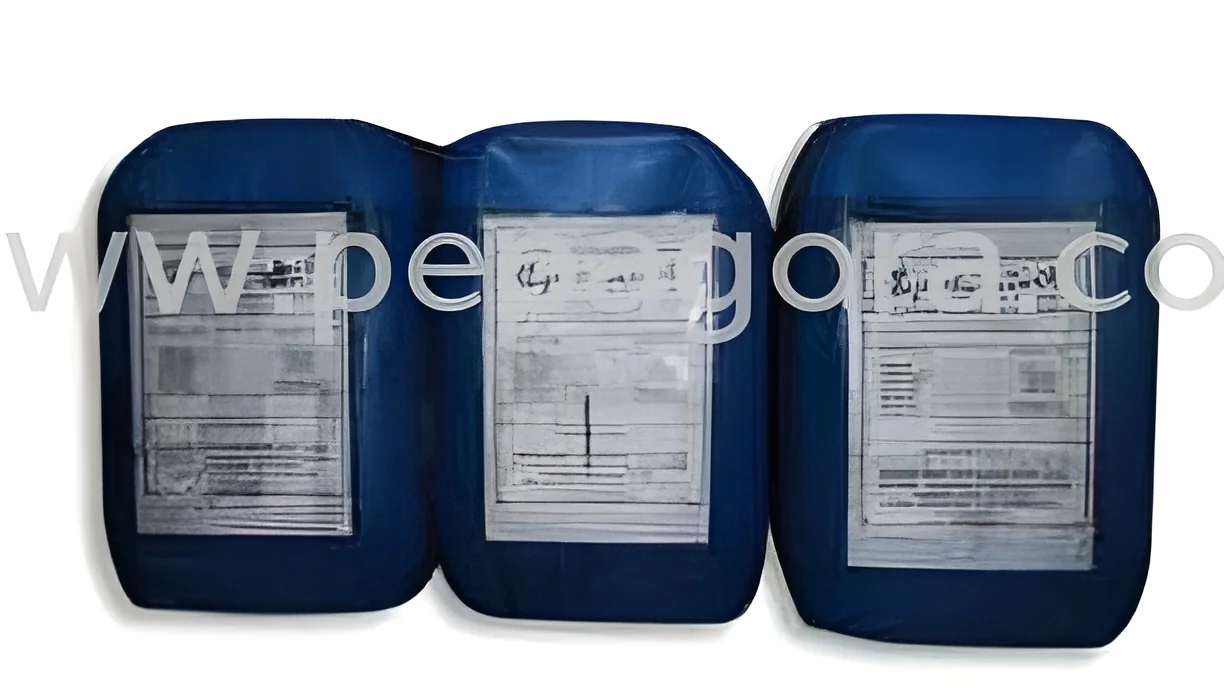
What are Xylene?
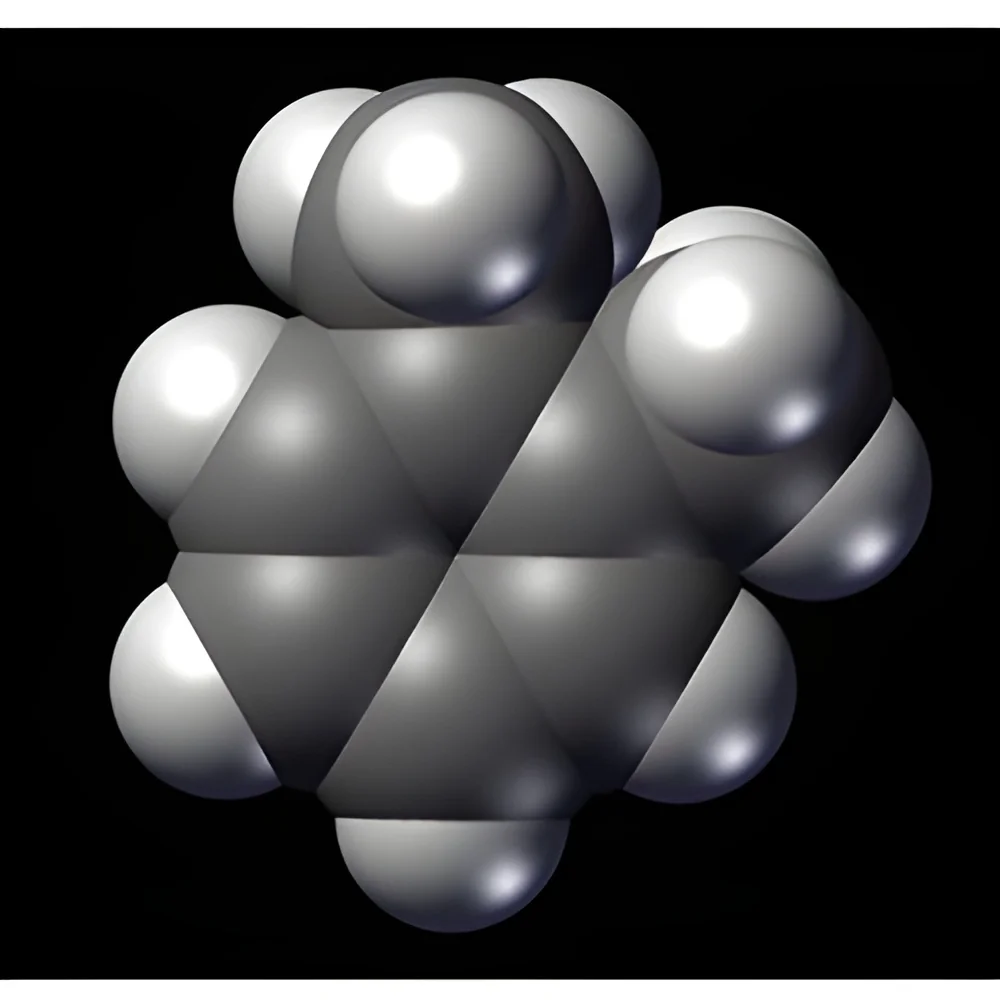
Xylene is a colorless, flammable liquid that is derived from petroleum. It is an aromatic hydrocarbon consisting of three isomers: ortho-xylene, meta-xylene, and para-xylene. These isomers vary slightly in their molecular structure, which impacts their physical and chemical properties. Xylene is known for its ability to dissolve a wide range of organic compounds, making it a valuable solvent in various industrial applications.
In terms of business applications, xylene is primarily used in the production of plastics, synthetic fibers, and rubber. It serves as a solvent in paints, varnishes, and coatings, allowing for proper application and finish. Additionally, xylene is utilized in the manufacturing of chemicals such as toluene and phenol. Its relevance spans multiple industries, including automotive, pharmaceuticals, and petrochemicals, where it plays a critical role in manufacturing processes and product formulations.
Key Features and Specifications
Xylene is characterized by several key features that make it suitable for industrial applications. Understanding these specifications is essential for businesses looking to procure this solvent effectively.
Key specifications include:
1. Chemical Composition
- Comprised of three isomers: ortho, meta, and para
- Each isomer has distinct physical and chemical properties
2. Boiling Point
- Approximate boiling point ranges from 138 to 144 degrees Celsius
- Varies slightly depending on the specific isomer
3. Density
- Typical density is around 0.86 g/cm3 at 20 degrees Celsius
- Density may differ slightly among the isomers
4. Solubility
- Soluble in organic solvents like alcohol and ether
- Limited solubility in water
5. Flash Point
- Flash point is around 25 degrees Celsius
- Indicates flammability and necessary safety precautions
6. Vapor Pressure
- Vapor pressure is approximately 7 mmHg at 20 degrees Celsius
- Important for handling and storage considerations
7. Color and Odor
- Colorless liquid with a sweet, aromatic odor
- Notable for its strong solvent characteristics
8. Usage Concentration
- Typically used in concentrations ranging from 50% to 100%
- Concentration depends on specific application requirements
In summary, understanding the features and specifications of xylene is crucial for businesses that rely on its properties for manufacturing and industrial processes.
Common Applications and Use Cases
Xylene serves various industries due to its versatile characteristics and properties.
1. Automotive Industry: Xylene is used as a solvent in paint formulations, aiding in the application and finish of automotive coatings. It also serves as a cleaning agent for equipment and parts.
2. Pharmaceutical Industry: In pharmaceuticals, xylene acts as a solvent for active ingredients in drug formulations. Its ability to dissolve various compounds makes it valuable in the manufacturing process.
3. Petrochemical Industry: Xylene is a key feedstock in producing chemicals such as toluene and phenol. It plays a significant role in the synthesis of various plastic products.
4. Paint and Coatings: Xylene is widely used in the production of paints, varnishes, and coatings, enhancing the properties of these materials and improving application processes.
5. Adhesives and Sealants: It is utilized as a solvent in the formulation of adhesives and sealants, providing necessary viscosity and application characteristics.
6. Textile Industry: Xylene is used in dyeing processes, helping to dissolve dyes and promote even application on fabrics.
7. Laboratory Applications: In laboratory settings, xylene is often used as a solvent for histology and tissue processing, aiding in sample preparation for analysis.
Product Variants and Subcategories
While xylene is primarily known in its isomeric forms, variations are often based on purity levels and applications.
Ortho-Xylene: This variant is often used in the production of phthalic anhydride, which is a precursor for plastics and resins. It has unique properties that make it suitable for specific industrial applications.
Meta-Xylene: Frequently used in the synthesis of isophthalic acid, meta-xylene serves as an essential component in the manufacturing of high-performance plastics.
Para-Xylene: This variant is crucial in the production of terephthalic acid, a key raw material for polyester production. It is valued for its high purity levels and specific application in textiles.
Benefits and Advantages
Xylene offers several key benefits for businesses in various industries.
1. Versatility: Xylene serves multiple purposes, functioning as a solvent, feedstock, and cleaning agent across different applications.
2. High Solvency Power: Its ability to dissolve a wide range of organic compounds makes xylene an effective choice for formulations requiring specific solvent characteristics.
3. Cost-Effectiveness: Xylene is often more affordable compared to other solvents, making it an economical option for businesses requiring large quantities.
4. Wide Availability: Xylene is produced in significant volumes globally, ensuring that it is readily available for industrial use.
5. Compatibility: It can be combined with other solvents and chemicals, allowing for the customization of formulations to meet specific needs.
6. Established Industry Usage: Xylene has a long history of use in numerous industries, providing reliability and performance that businesses can trust.
Buying Guide for B2B Buyers
When sourcing xylene, companies should consider several factors to ensure they make informed purchasing decisions.
1. Quality Assessment: Buyers should evaluate the purity and composition of xylene. High-quality products will meet industry standards and specific application requirements.
2. Supplier Verification: It is important to vet suppliers for reliability and reputation. Companies should look for suppliers with a proven track record in delivering quality chemicals.
3. Pricing and MOQ: Understanding the pricing structure and minimum order quantities (MOQ) is crucial for budgeting and inventory management. Buyers should compare costs from multiple suppliers.
4. Delivery and Lead Times: Logistics play a significant role in sourcing. Buyers should inquire about delivery schedules and lead times to avoid disruptions in their supply chain.
5. Compliance Requirements: Companies must ensure that their suppliers adhere to regulatory standards and quality certifications relevant to their industry.
Compliance and Certifications
Xylene is subject to various quality standards and certifications, ensuring safety and efficacy in its applications.
ISO 9001 is a relevant standard that focuses on quality management systems. Companies dealing with xylene should ensure that their suppliers comply with this standard to guarantee product quality.
CE certification is crucial for products sold in European markets. It indicates compliance with safety, health, and environmental protection standards.
Safety and testing requirements are imperative when handling xylene. Businesses must ensure that their suppliers provide safety data sheets (SDS) and comply with local regulations regarding hazardous materials.
Regional compliance considerations may vary. Buyers should be aware of specific regulations in their region or industry to ensure that xylene sourcing aligns with legal requirements.
Why Source Xylene from Pepagora?
Pepagora provides a trusted platform for sourcing xylene, offering several key advantages for businesses.
Verified Supplier Network: Pepagora connects buyers with a network of verified suppliers, ensuring that companies can source high-quality xylene with confidence. Supplier verification processes help mitigate risks associated with procurement.
Streamlined RFQ Process: The request for quotation (RFQ) system on Pepagora simplifies the procurement process. Buyers can easily request quotes from multiple suppliers, enabling them to compare options efficiently.
Trade Assurance and Support: Pepagora offers trade assurance, providing buyers with protection throughout the purchasing process. This support helps ensure that transactions are secure and satisfactory.
Regional Coverage: With a broad geographic reach, Pepagora serves buyers in India, the Gulf Cooperation Council (GCC), and Southeast Asia. This regional coverage facilitates sourcing for businesses operating in diverse markets.

 IN
IN