Key Features and Specifications
Isopropyl Alcohol is known for its effective properties and wide range of applications. The following specifications highlight its significance in various industries.
Key specifications include:
1. Purity
- Typically available in concentrations of 70% and 99%
- Higher purity levels provide better cleaning efficacy
2. Boiling Point
- Generally around 82.6 degrees Celsius
- Important for applications involving heat exposure
3. Flash Point
- Approximately 11.7 degrees Celsius
- Indicates flammability and handling precautions
4. Density
- About 0.785 g/cm³ at 20 degrees Celsius
- Influences mixing and application in formulations
5. Solubility
- Completely miscible with water
- Enhances versatility in various formulations
6. Shelf Life
- Typically stable for up to 2 years if stored properly
- Important for inventory and supply chain management
7. Viscosity
- Low viscosity enhances ease of application
- Crucial for processes requiring precise control
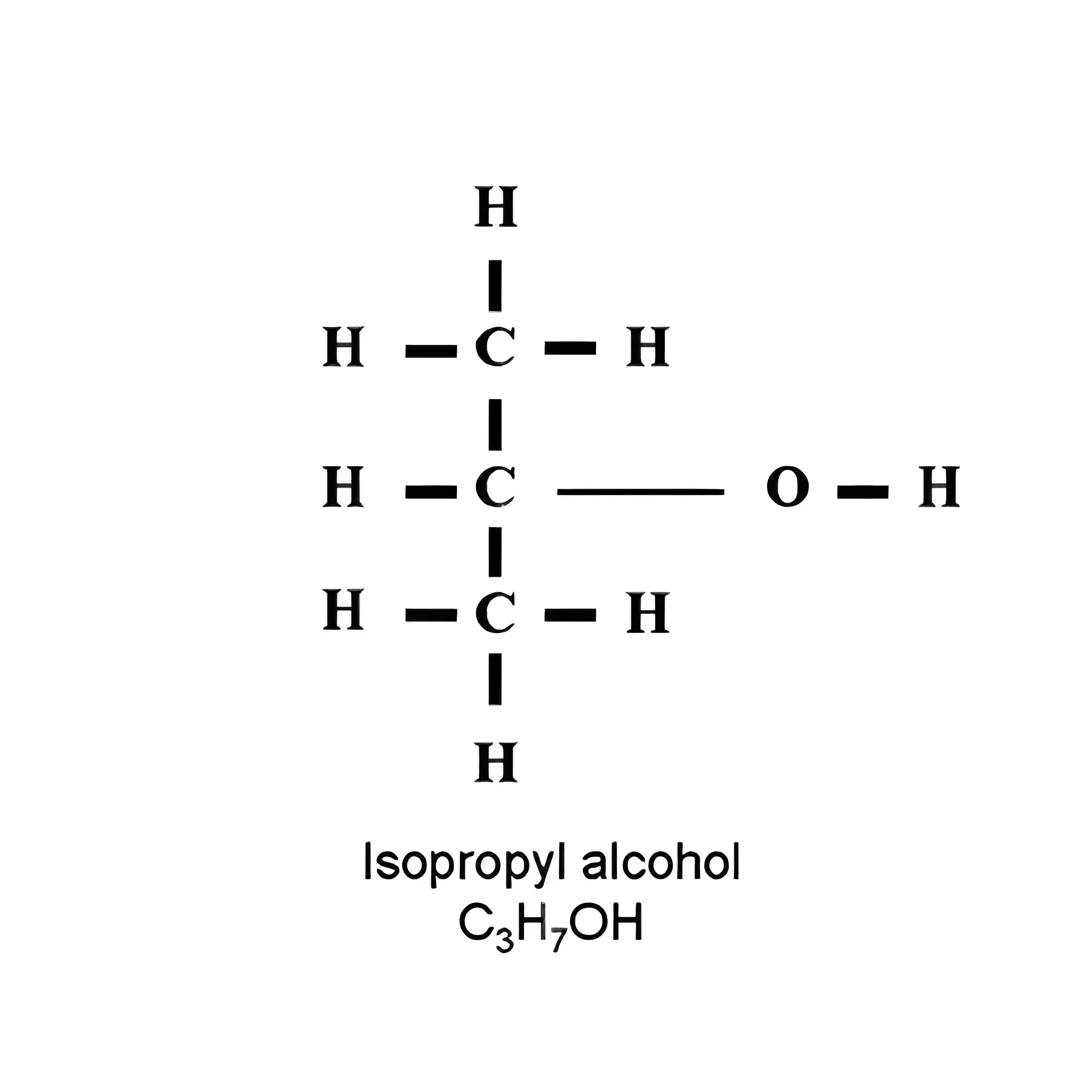
8. Chemical Structure
- C3H8O, with a hydroxyl group (-OH) that contributes to its solvent properties
- Key for understanding reactivity and compatibility with other substances
Isopropyl Alcohol's diverse features and specifications contribute to its widespread use in industrial applications.
Common Applications and Use Cases
Isopropyl Alcohol serves various industries with its unique properties and effectiveness.
1. Healthcare: IPA is widely used for disinfecting medical instruments and surfaces in hospitals. Its antimicrobial properties make it essential for maintaining hygiene.
2. Electronics: In the electronics industry, IPA is used for cleaning circuit boards and electronic components. It effectively removes dust, oils, and other contaminants.
3. Automotive: IPA is utilized in the automotive industry for cleaning and degreasing parts. It is also used in paint preparation and removal.
4. Pharmaceuticals: In pharmaceutical manufacturing, IPA is used as a solvent for drug formulations and a disinfectant for production areas.
5. Cosmetics: Many cosmetic products contain IPA as a solvent and preservative. It helps to ensure product stability and efficacy.
6. Food Industry: IPA is sometimes used in food processing for equipment cleaning and sanitation, adhering to safety regulations.
7. Laboratory: In laboratories, IPA is a common solvent used for preparing samples and cleaning glassware.
Product Variants and Subcategories
Isopropyl Alcohol comes in various forms to suit different industrial needs.
IPA 70%
This variant contains 70% isopropyl alcohol and is often used for disinfection purposes. It is effective against a broad spectrum of bacteria and viruses, making it ideal for healthcare applications.
IPA 99%
This higher concentration variant is utilized when stronger solvent properties are required. It is commonly used in industrial cleaning and in laboratories for precise applications.
IPA Wipes
Pre-soaked wipes containing isopropyl alcohol offer convenience for on-the-go cleaning. These wipes are ideal for sanitizing surfaces in healthcare and food service environments.
Benefits and Advantages
Isopropyl Alcohol offers several key benefits that make it a preferred choice for many industries.
1. Effective Disinfectant: IPA is known for its ability to kill bacteria and viruses, making it essential in sanitization processes.
2. Versatility: Its solvent properties allow it to be used across various applications, from cleaning to formulation.
3. Quick Evaporation: IPA evaporates quickly, leaving no residue, which is advantageous in electronics and laboratory settings.
4. Cost-Effective: Compared to other cleaning agents, IPA is generally more affordable, providing significant value for businesses.
5. Easy to Use: Available in various forms, including liquids and wipes, IPA is user-friendly and convenient for different applications.
6. Safe Handling: When used according to guidelines, IPA poses minimal risks, making it a safe choice for industrial use.
Buying Guide for B2B Buyers
When sourcing Isopropyl Alcohol (IPA), several factors should be considered to ensure quality and reliability.
1. Quality Assessment: Look for suppliers that provide detailed product specifications and quality control measures. Ensure the IPA meets industry standards for purity.
2. Supplier Verification: Vet potential suppliers by checking their credentials, reviews, and certifications. A verified supplier network can enhance trust and reliability.
3. Pricing and MOQ: Evaluate pricing structures and minimum order quantities to find a supplier that fits your budget and needs. Competitive pricing can impact overall project costs.
4. Delivery and Lead Times: Understand the supplier's logistics capabilities, including delivery times and shipping options. Timely delivery is crucial for maintaining production schedules.
5. Compliance Requirements: Ensure that the IPA meets relevant regulatory standards for your industry. Familiarize yourself with safety and environmental regulations that apply.
Compliance and Certifications
Isopropyl Alcohol is subject to various quality standards and compliance requirements that ensure safety and effectiveness in its applications.
Relevant quality standards such as ISO 9001 help maintain consistent quality and manufacturing processes. These standards ensure that products meet customer and regulatory requirements.
Industry certifications like CE indicate that Isopropyl Alcohol complies with European health, safety, and environmental protection standards. This certification is important for market access in Europe.
Safety and testing requirements are also critical. Isopropyl Alcohol must undergo rigorous testing to assess its suitability for specific applications, especially in healthcare and food industries.
Regional compliance considerations may vary. Businesses should be aware of local regulations and certifications needed for importing and using Isopropyl Alcohol in their respective regions.
Why Source Isopropyl Alcohol (IPA) from Pepagora?
Pepagora provides a trusted platform for sourcing Isopropyl Alcohol (IPA) with several key advantages.
Verified Supplier Network: Pepagora ensures that all suppliers in its network are thoroughly vetted for quality and reliability. This guarantees that buyers have access to reputable sources for their IPA needs.
Streamlined RFQ Process: The platform offers a user-friendly request for quotation (RFQ) system, allowing buyers to easily compare options and obtain competitive pricing from multiple suppliers.
Trade Assurance and Support: Pepagora provides buyer protection through trade assurance programs, ensuring that transactions are secure and that buyers receive the products as promised.
Regional Coverage: With a strong presence in India, the GCC, and Southeast Asia, Pepagora facilitates access to Isopropyl Alcohol across diverse markets. This wide reach enables businesses to meet their sourcing needs effectively and efficiently.

 IN
IN