What are Chromic Acid?
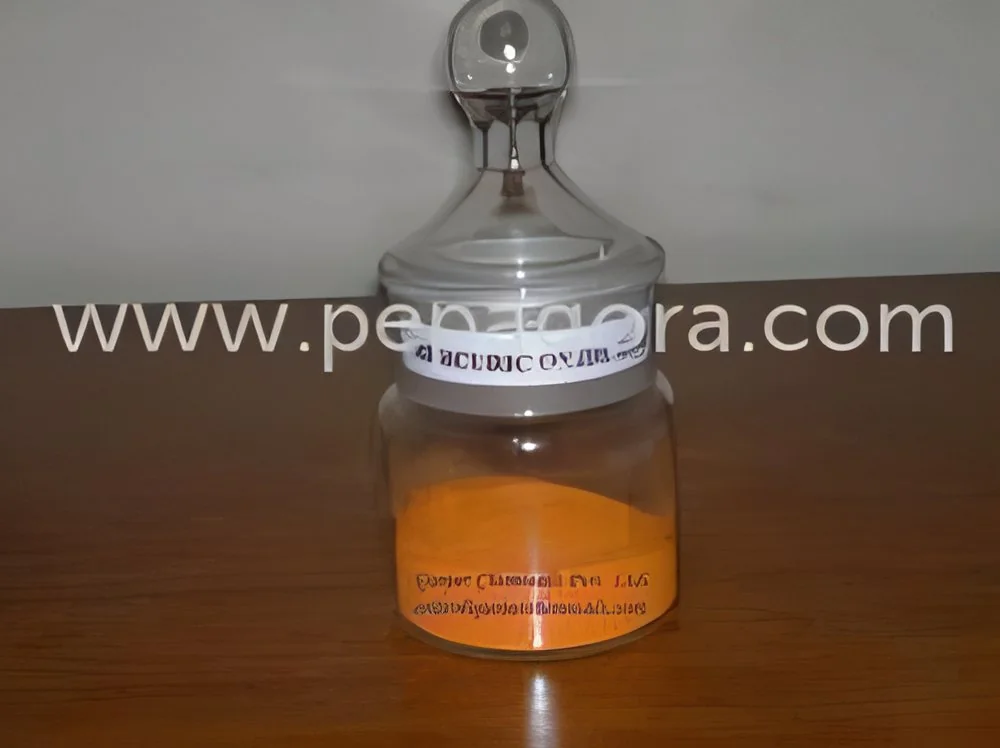
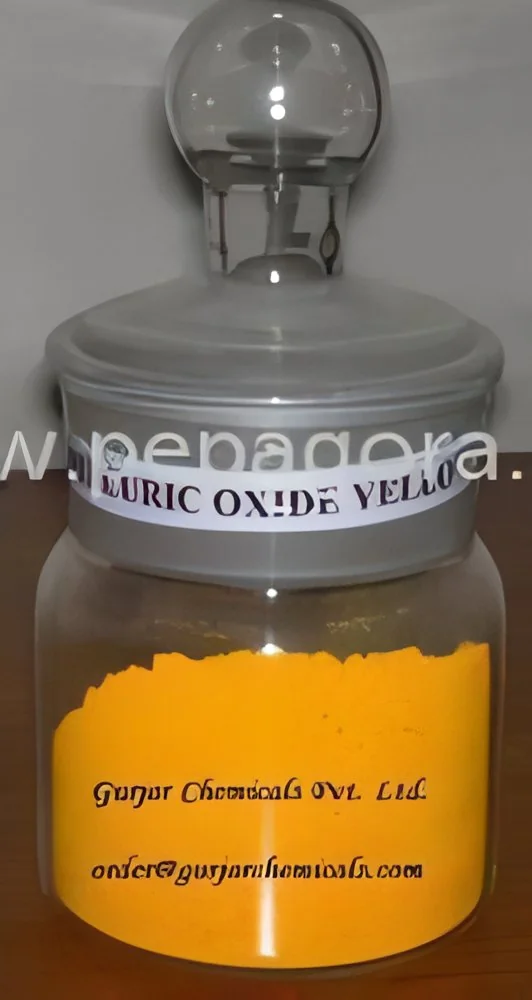
Chromic acid is a strong oxidizing agent and a powerful corrosive substance, primarily composed of chromium trioxide dissolved in water. This chemical compound is known for its bright yellow color and its high solubility in water, which makes it a versatile compound in various industrial applications. Chromic acid is often utilized in the preparation of other chromium compounds and as a catalyst in chemical reactions.
The primary uses of chromic acid span several industries, including metal finishing, electroplating, and textile processing. In metal finishing, it is employed for anodizing aluminum and for the passivation of stainless steel. Additionally, chromic acid is used in the production of pigments and dyes, as well as in the treatment of wood and leather. The compound's ability to act as a powerful oxidizer makes it essential for many manufacturing processes, ensuring its continued relevance in the industrial market.
Key Features and Specifications
Chromic acid possesses several key features that make it suitable for various industrial applications. Understanding its specifications is crucial for businesses seeking to utilize this compound effectively.
Key specifications include:
1. Chemical Composition
- Primarily composed of chromium trioxide (CrO3)
- High solubility in water
2. Oxidizing Strength
- Strong oxidizing agent
- Effective in various chemical reactions
3. Corrosiveness
- Highly corrosive to metals and organic materials
- Requires careful handling and storage
4. pH Level
- Typically acidic with a pH of less than 1
- Important for applications requiring acidic environments
5. Physical State
- Appears as a bright yellow crystalline solid when dry
- Usually used in liquid form when dissolved in water
6. Density
- Density of chromic acid solution can vary based on concentration
- Typically ranges from 1.4 to 2.0 g/cm³
7. Boiling Point
- Boiling point of chromic acid solution is around 200 degrees Celsius
- Important for applications involving heat
Chromic acid's specifications highlight its utility in various sectors, making it a valuable compound for industrial use.
Common Applications and Use Cases
Chromic acid serves various industries due to its strong oxidizing properties and versatility.
1. Metal Finishing: Chromic acid is widely used in anodizing processes, enhancing corrosion resistance and wear properties of aluminum. It also plays a role in passivation of stainless steel, improving its longevity.
2. Electroplating: In electroplating, chromic acid is essential for depositing a protective and decorative chromium layer on metal surfaces. This process enhances the appearance and durability of various products.
3. Textile Processing: The compound is utilized in dyeing and finishing textiles, providing vibrant colors and improved fabric properties.
4. Wood Treatment: Chromic acid is used in wood preservation to protect against pests and decay, extending the life of wooden products.
5. Leather Tanning: In leather processing, chromic acid helps in tanning hides, improving durability and flexibility.
6. Chemical Manufacturing: Chromic acid serves as a critical reagent in the production of other chromium-based chemicals, indicating its importance in chemical synthesis.
Product Variants and Subcategories
Chromic acid is available in various forms, tailored to meet specific industrial needs.
Concentrated Chromic Acid
This variant contains a higher percentage of chromium trioxide, making it suitable for applications requiring strong oxidizing properties. It is often used in electroplating and metal finishing.
Dilute Chromic Acid
Diluted forms of chromic acid are used in applications where a less aggressive oxidizer is required. This variant is common in textile processing and wood treatment.
Benefits and Advantages
Utilizing chromic acid comes with several benefits that can enhance industrial processes.
1. High Efficiency: Chromic acid acts quickly in oxidizing reactions, leading to faster production cycles.
2. Versatile Applications: Its wide range of uses across different industries makes it a valuable chemical for various manufacturing processes.
3. Enhanced Durability: Products treated with chromic acid tend to exhibit improved durability and resistance to corrosion.
4. Cost-Effective: The efficiency of chromic acid in industrial applications can lead to cost savings in production.
5. Quality Improvement: Chromic acid enhances the quality of finishes in metal and textile products, ensuring superior performance.
Buying Guide for B2B Buyers
When sourcing chromic acid, several factors should be considered to ensure the best procurement decisions.
1. Quality Assessment: Evaluate the quality of chromic acid based on purity levels and consistency. High-quality standards are crucial for effective application in industrial processes.
2. Supplier Verification: Thoroughly vet suppliers to ensure they meet industry standards and can provide reliable products. Check for certifications and customer reviews.
3. Pricing and MOQ: Understand the pricing structure and minimum order quantities. This information is vital for budgeting and inventory management.
4. Delivery and Lead Times: Consider logistics, including delivery timeframes and shipping options, to ensure timely procurement.
5. Compliance Requirements: Be aware of regulatory standards and safety requirements associated with chromic acid. This includes understanding local and international compliance guidelines.
Compliance and Certifications
Compliance with quality standards is essential when dealing with chromic acid. Relevant standards may include ISO 9001, which ensures quality management systems in manufacturing processes. Additionally, CE certification indicates that the product meets European safety standards.
Safety and testing requirements are also crucial, as chromic acid is a hazardous material. It is important for buyers to ensure that suppliers provide necessary safety data sheets and handling guidelines.
Regional compliance considerations are necessary as different countries may have specific regulations governing the use and sale of chromic acid. Understanding these regulations ensures that businesses remain compliant and avoid legal issues.
Why Source Chromic Acid from Pepagora?
Pepagora provides a trusted platform for sourcing chromic acid with several key advantages.
Verified Supplier Network: Pepagora connects buyers with a network of verified suppliers, ensuring that they receive high-quality products. This verification process builds trust and reliability in sourcing.
Streamlined RFQ Process: The platform offers an efficient request for quotation (RFQ) process, allowing buyers to receive competitive quotes from multiple suppliers quickly. This feature saves time and helps in making informed purchasing decisions.
Trade Assurance and Support: Pepagora offers trade assurance, providing buyers with protection during transactions. This support fosters confidence in sourcing activities and ensures a secure purchasing experience.
Regional Coverage: With a strong presence in India, the GCC, and Southeast Asia, Pepagora allows businesses to access suppliers across these regions. This geographic reach enhances sourcing capabilities and provides flexibility in procurement strategies.

 IN
IN