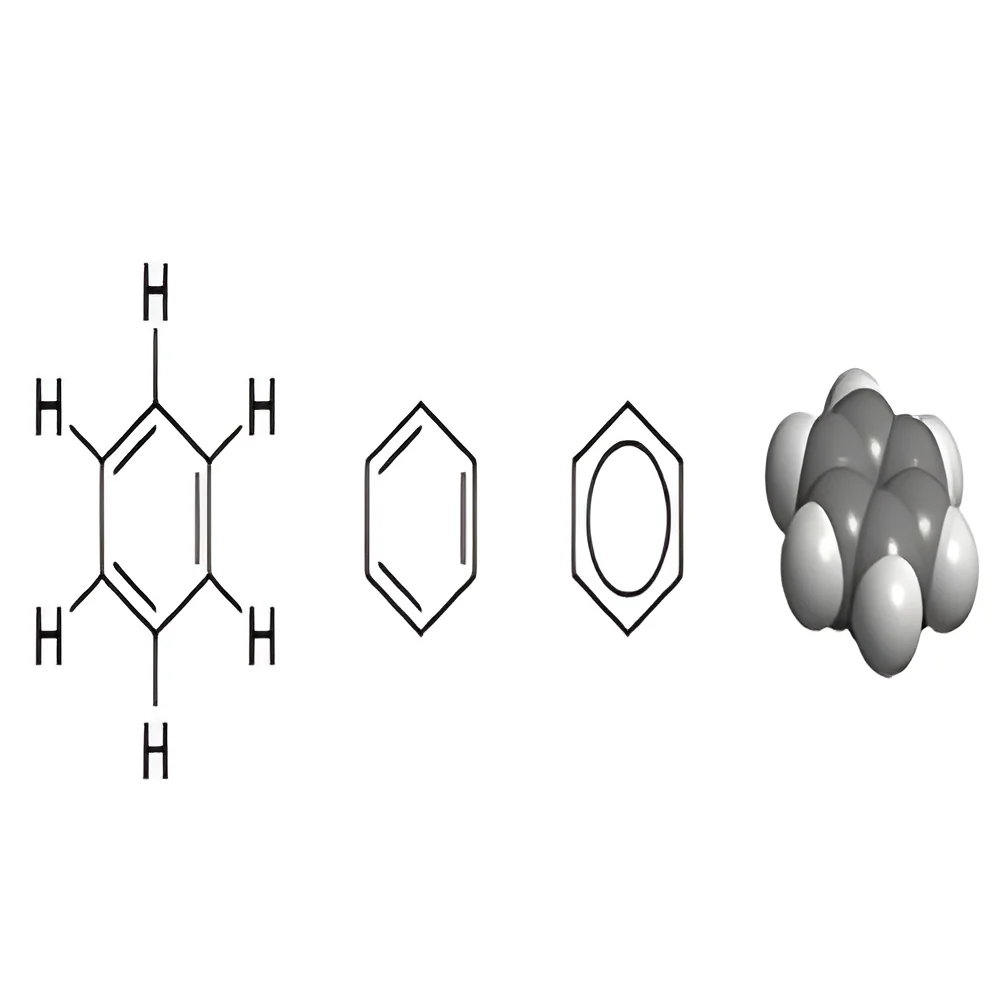
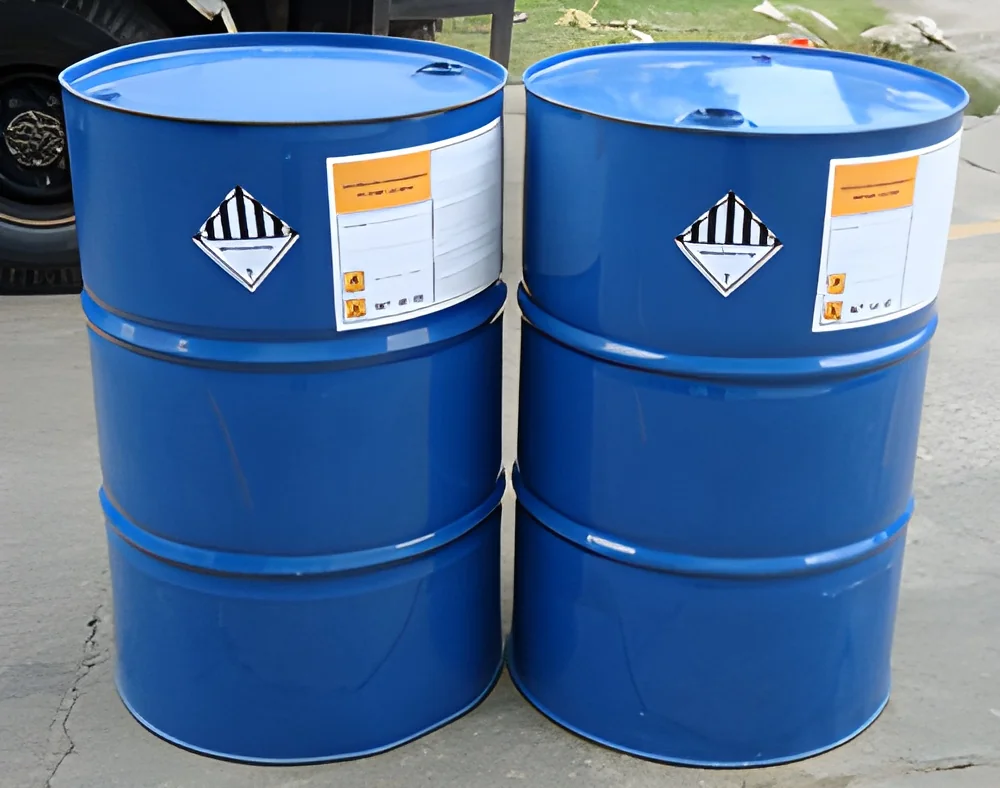
What are Benzene?
Benzene is a colorless, flammable liquid with a sweet odor. It is a cyclic hydrocarbon consisting of six carbon atoms arranged in a ring, with alternating double bonds. This structure gives benzene its unique chemical properties, making it an essential building block in organic chemistry. It is classified as an aromatic hydrocarbon and is known for its stability and reactivity, serving as a fundamental compound in various chemical processes.
Benzene is primarily used in the production of various chemicals and materials. Its derivatives are crucial in manufacturing plastics, resins, synthetic fibers, rubber, and dyes. Additionally, it is used as a solvent and in the formulation of certain types of fuels. The industrial relevance of benzene is significant, as it is a fundamental component in the petrochemical industry and serves as a precursor for many chemical compounds. The global market for benzene has seen fluctuations in demand, driven by developments in the automotive, construction, and consumer goods sectors.
Key Features and Specifications
Benzene boasts several key features that make it valuable across multiple industries. Understanding its specifications is essential for businesses looking to utilize this compound effectively.
Key specifications include:
1. Purity Level
- Typically over 99%
- Ensures suitability for industrial applications
2. Boiling Point
- Approximately 80.1 degrees Celsius
- Critical for processes requiring specific temperature controls
3. Density
- About 0.8765 grams per cubic centimeter
- Important for transportation and storage considerations
4. Flash Point
- Approximately 4 degrees Celsius
- Highlights its flammability and safety measures needed
5. Solubility
- Insoluble in water, soluble in organic solvents
- Affects how it can be used in different chemical processes
6. Molecular Weight
- 78.11 grams per mole
- Important for stoichiometric calculations in chemical reactions
7. Appearance
- Clear, colorless liquid
- Indicates quality and purity for end users
8. Odor
- Sweet, aromatic smell
- Recognizable feature that aids in safety monitoring
In summary, these specifications underline the essential characteristics of benzene that influence its applications and handling in various industrial contexts.
Common Applications and Use Cases
Benzene is utilized in a wide range of industries due to its versatile chemical properties.
1. Petrochemical Industry: Benzene is a precursor for the production of styrene, phenol, and cyclohexane, which are essential in making plastics and synthetic fibers.
2. Pharmaceutical Industry: Used as a solvent for drug formulations and in the synthesis of various pharmaceutical compounds, contributing to medication production.
3. Agriculture: Benzene derivatives are involved in the production of pesticides and herbicides, enhancing agricultural productivity.
4. Automotive Industry: Used in the formulation of fuels and lubricants, improving performance and efficiency.
5. Rubber Industry: Plays a crucial role in the production of synthetic rubber, vital for tire manufacturing.
6. Consumer Goods: Utilized in the production of dyes, detergents, and personal care products, impacting everyday consumer items.
7. Electronics: Involved in manufacturing components such as circuit boards, highlighting its technological applications.
Product Variants and Subcategories
While there are no specific variants available for benzene, its diverse applications lead to different formulations and uses across industries. Customization may occur based on purity levels or specific chemical compositions required for particular applications.
Benefits and Advantages
Benzene offers several advantages that make it a preferred choice in various industrial applications.
1. Versatility: Benzene's chemical structure allows for numerous derivatives, making it suitable for diverse applications in multiple sectors.
2. High Purity Options: Available in high purity levels, ensuring effectiveness in critical industrial processes.
3. Cost-Effectiveness: Benzene is often more economical compared to alternative solvents and chemicals, providing cost savings for manufacturers.
4. Established Supply Chain: A well-developed global market ensures reliable sourcing and availability for businesses.
5. Performance: Its unique properties contribute to enhanced performance in applications like fuel and rubber production.
6. Innovation Driver: As a fundamental chemical, benzene plays a crucial role in research and development across various industries.
Buying Guide for B2B Buyers
When sourcing benzene, several factors should be considered to ensure a successful procurement process.
1. Quality Assessment: Buyers should evaluate the purity and quality standards of benzene to meet specific application requirements, ensuring compliance with industry standards.
2. Supplier Verification: It is essential to vet suppliers for their reliability, quality control processes, and industry reputation to avoid potential issues in sourcing.
3. Pricing and MOQ: Understanding market prices and minimum order quantities can help businesses make informed purchasing decisions and manage budgets effectively.
4. Delivery and Lead Times: Buyers should inquire about delivery schedules and lead times to ensure timely availability for production needs.
5. Compliance Requirements: Familiarity with regulatory compliance and safety standards is crucial, as benzene is subject to stringent regulations in many regions.
Compliance and Certifications
Benzene is subject to various compliance and certification standards that ensure its safe and effective use in industrial applications.
Relevant quality standards, such as ISO 9001, emphasize the importance of quality management systems in the production and distribution of chemicals. Additionally, certifications like CE indicate that benzene products meet safety and environmental standards required in the European market.
Safety and testing requirements are critical, given benzene's flammable nature. Compliance with regional regulations, such as those set by environmental agencies, is necessary to ensure safe handling, storage, and transportation of benzene.
Understanding these compliance and certification requirements is essential for businesses to mitigate risks and ensure the safe use of benzene in their operations.
Why Source Benzene from Pepagora?
Pepagora offers a trusted platform for sourcing benzene with several key advantages that cater to the needs of B2B buyers.
Verified Supplier Network: Pepagora connects buyers with a network of verified suppliers, ensuring reliability and quality in sourcing benzene. This helps mitigate risks associated with procurement.
Streamlined RFQ Process: The platform provides an efficient Request for Quotation (RFQ) system, enabling buyers to receive competitive quotes from multiple suppliers quickly, facilitating better purchasing decisions.
Trade Assurance and Support: Pepagora prioritizes buyer protection, offering trade assurance and dedicated support to resolve any issues during the procurement process. This fosters trust and confidence in transactions.
Regional Coverage: With a broad geographic reach across India, the GCC, and Southeast Asia, Pepagora ensures that buyers can access benzene products tailored to their specific regional needs, enhancing convenience and efficiency in sourcing.

 IN
IN