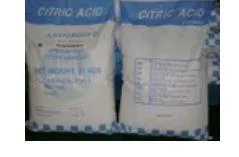
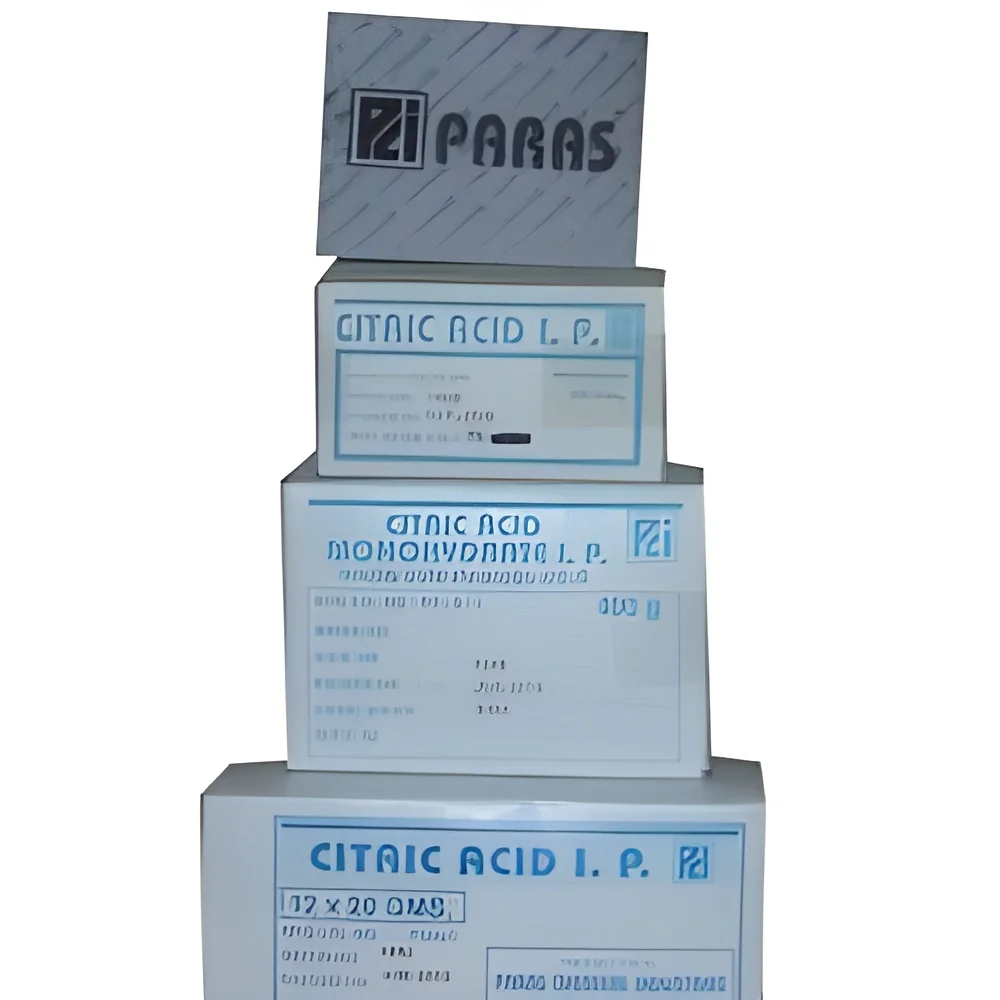
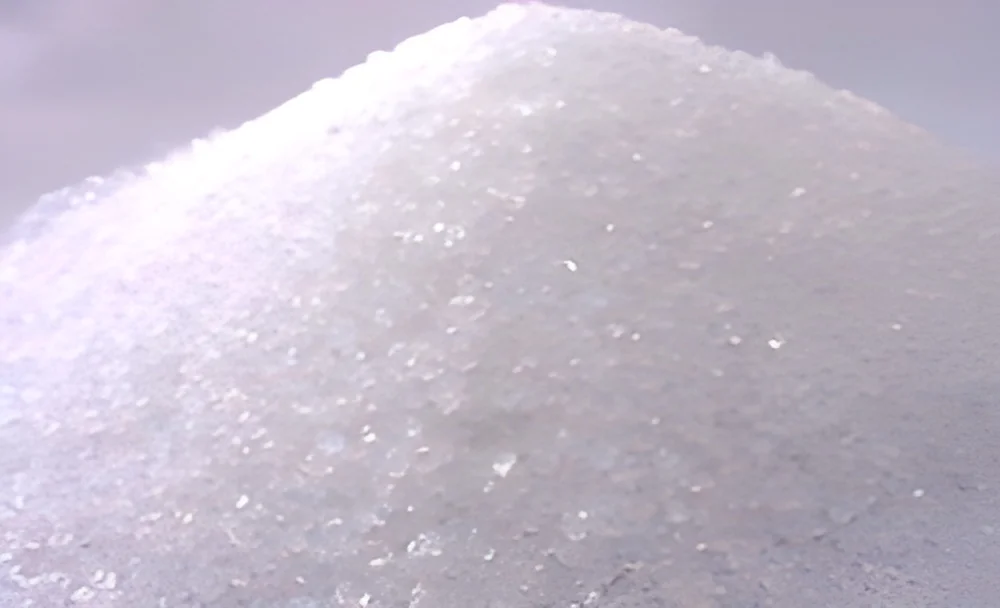
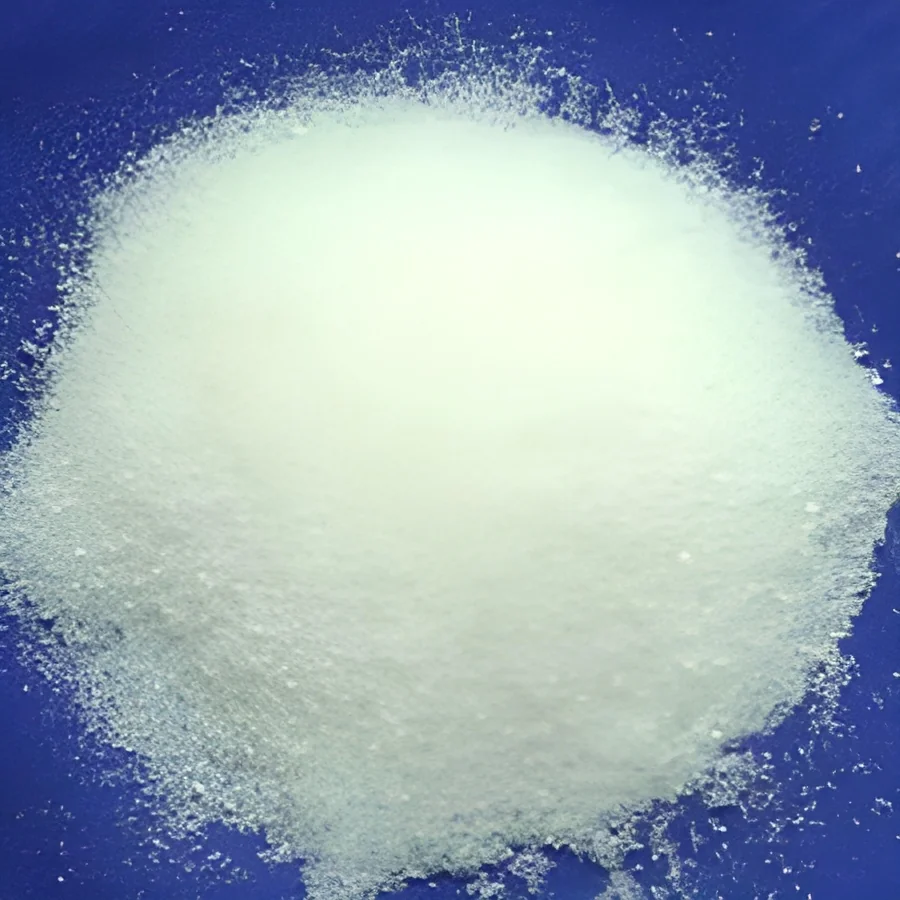
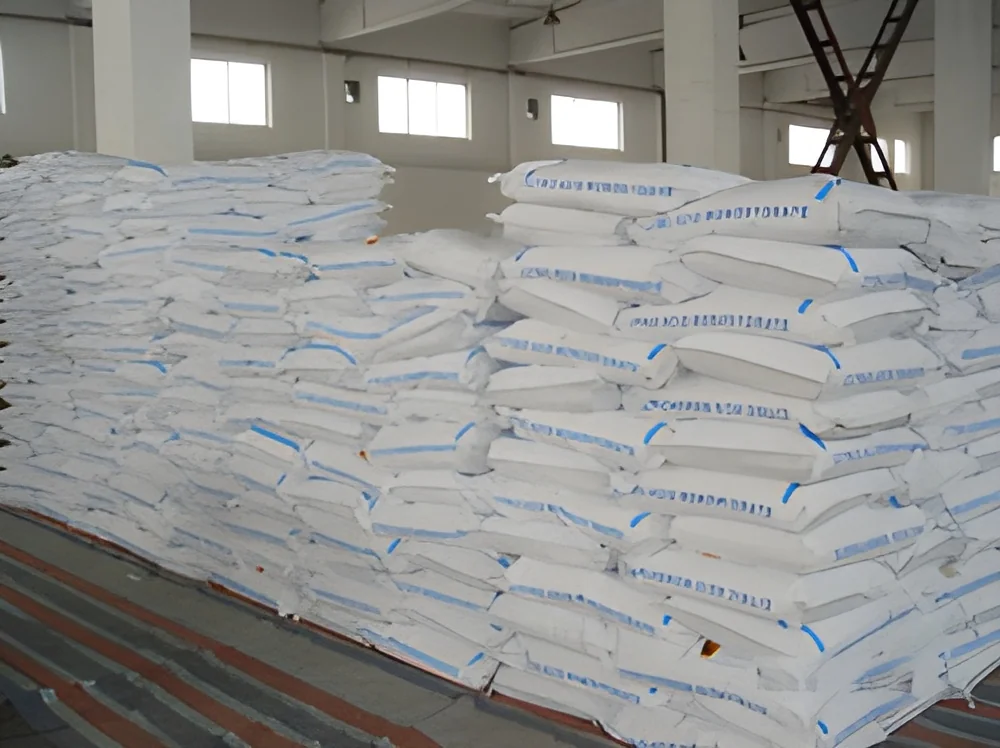
What are Citric Acid?
Citric acid is a natural organic acid, commonly found in citrus fruits like lemons and limes. It is a weak acid that has a sour taste and is an important intermediate in the citric acid cycle, which is crucial for cellular respiration in living organisms. Citric acid is widely used in food and beverage industries as a preservative, flavoring agent, and acidulant due to its ability to enhance the flavor and prolong shelf life.
In addition to its use in food, citric acid has various applications in pharmaceuticals, cosmetics, and cleaning products. It serves as a pH regulator and is employed in formulations for its chelating properties, which enable it to bind metals and improve effectiveness. The industrial relevance of citric acid is significant, with a growing market driven by increased demand for natural ingredients and sustainable products across multiple sectors.
Key Features and Specifications
Citric acid is characterized by its versatility and effectiveness in various applications. It is available in anhydrous and monohydrate forms, which are used differently based on the intended application. The following are key specifications of citric acid:
1. Purity Levels
- Typically available in 99% purity or higher
- Meets food-grade and pharmaceutical standards
2. Form
- Available in granular, powder, or liquid forms
- Each form has specific usage applications
3. Solubility
- Highly soluble in water
- Solubility varies based on temperature, generally increasing with heat
4. pH Range
- Provides a pH range of 2.0 to 3.5 in solution
- Effective for acidifying products
5. Molecular Weight
- Molecular weight of 192.13 g/mol
- Important for calculating concentrations in formulations
6. Storage Conditions
- Should be stored in a cool, dry place
- Packaging should be moisture-proof to maintain quality
7. Shelf Life
- Generally has a shelf life of 2 to 3 years
- Dependent on storage conditions and packaging integrity
Citric acid’s characteristics make it suitable for various industrial applications, enhancing its market appeal.
Common Applications and Use Cases
Citric acid finds extensive use across multiple industries, showcasing its versatility and effectiveness.
1. Food and Beverage Industry: Citric acid is extensively used as a preservative and flavor enhancer in products such as soft drinks, candies, and canned foods.
2. Pharmaceutical Industry: It acts as an excipient in drug formulations, helping to stabilize active ingredients and improve solubility.
3. Cosmetic Industry: Citric acid is used in skincare products for its exfoliating properties and as a pH adjuster in formulations.
4. Cleaning Products: It serves as a natural cleaning agent and descaler, effective in removing mineral deposits and stains.
5. Agriculture: Citric acid is used as a chelating agent in fertilizers to enhance nutrient availability to plants.
6. Biochemical Research: It is utilized in laboratory settings for various biochemical analyses and experiments.
7. Industrial Applications: Citric acid is employed in metal finishing and as a component in certain manufacturing processes.
Product Variants and Subcategories
Citric acid is available in several forms, catering to diverse industry needs.
Anhydrous Citric Acid
This variant is a water-free form of citric acid, commonly used in dry formulations. It is preferred in applications where moisture control is crucial.
Citric Acid Monohydrate
This variant contains one molecule of water per molecule of citric acid. It is often used in food products and supplements due to its stability and ease of handling.
Benefits and Advantages
Citric acid offers numerous advantages, making it a valuable ingredient across industries.
1. Natural Ingredient: It is derived from natural sources, appealing to consumers seeking clean label products.
2. Multifunctional: Citric acid serves multiple roles, from flavoring to preservation, reducing the need for several additives.
3. Cost-Effective: Its availability in bulk and versatile applications make it a cost-effective choice for manufacturers.
4. Environmentally Friendly: Being biodegradable, citric acid poses minimal environmental risks compared to synthetic alternatives.
5. Effective pH Control: It efficiently adjusts the pH in formulations, enhancing product stability and effectiveness.
6. Safety: Citric acid is recognized as safe for consumption and use in various applications, supported by extensive regulatory approvals.
Buying Guide for B2B Buyers
When sourcing citric acid, it is essential to consider various factors to ensure quality and reliability.
1. Quality Assessment: Evaluate the purity level and consistency of the product. Look for suppliers who provide certificates of analysis to verify quality standards.
2. Supplier Verification: Research potential suppliers to ensure they have a good reputation and appropriate certifications. References from other clients can provide insights into reliability.
3. Pricing and MOQ: Compare pricing structures among suppliers while considering minimum order quantities. Negotiating bulk deals can lead to cost savings.
4. Delivery and Lead Times: Confirm delivery schedules and lead times to ensure timely availability for your production needs.
5. Compliance Requirements: Verify that the supplier meets relevant regulatory standards for citric acid, including food safety and quality certifications.
Compliance and Certifications
Compliance with regulatory standards and certifications is crucial for citric acid suppliers.
Citric acid generally adheres to quality standards such as ISO 9001, which ensures consistent quality management practices. The Hazard Analysis Critical Control Point (HACCP) certification is vital in the food industry to ensure safety from production to consumption. Additionally, compliance with Good Distribution Practice (GDP) regulations is necessary for maintaining product integrity during transport.
Furthermore, citric acid suppliers should hold certifications like CE to validate their products' safety and compliance with European standards. Safety testing and compliance with regional regulations are essential for market acceptance, as they assure buyers of the product's safety and efficacy.
Why Source Citric Acid from Pepagora?
Pepagora stands out as a trusted platform for sourcing citric acid, offering several advantages to B2B buyers.
Verified Supplier Network: Pepagora connects buyers with a network of verified suppliers, ensuring reliability and quality. Each supplier undergoes thorough vetting, providing peace of mind for procurement.
Streamlined RFQ Process: The platform features a user-friendly Request for Quotation (RFQ) process that simplifies sourcing. Buyers can easily compare offers from multiple suppliers, facilitating informed decision-making.
Trade Assurance and Support: Pepagora provides trade assurance to protect buyers throughout the procurement process. Dedicated support teams are available to resolve any issues, ensuring a smooth transaction experience.
Regional Coverage: With a strong presence in India, GCC, and Southeast Asia, Pepagora enables buyers to source citric acid locally, reducing shipping times and costs while supporting regional economies.

 IN
IN