
 IN
Toluene
10 products available
What are Toluene?
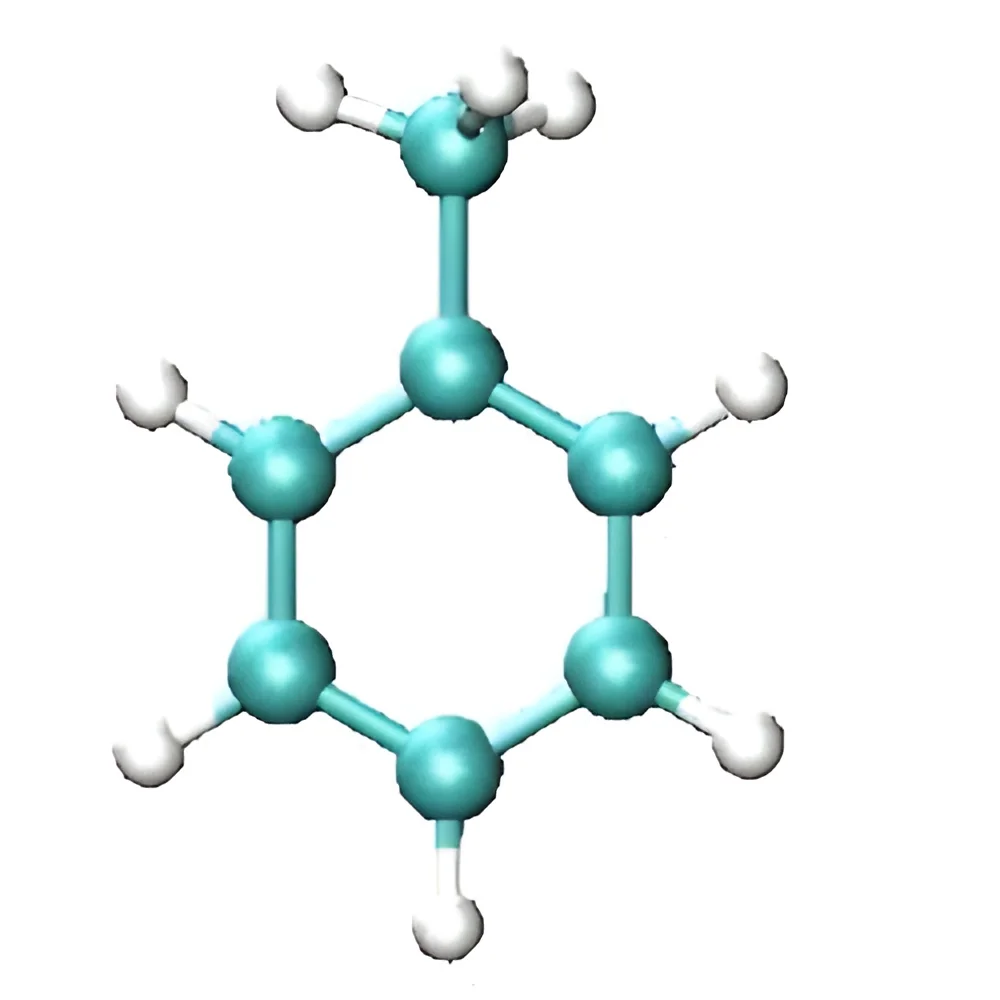
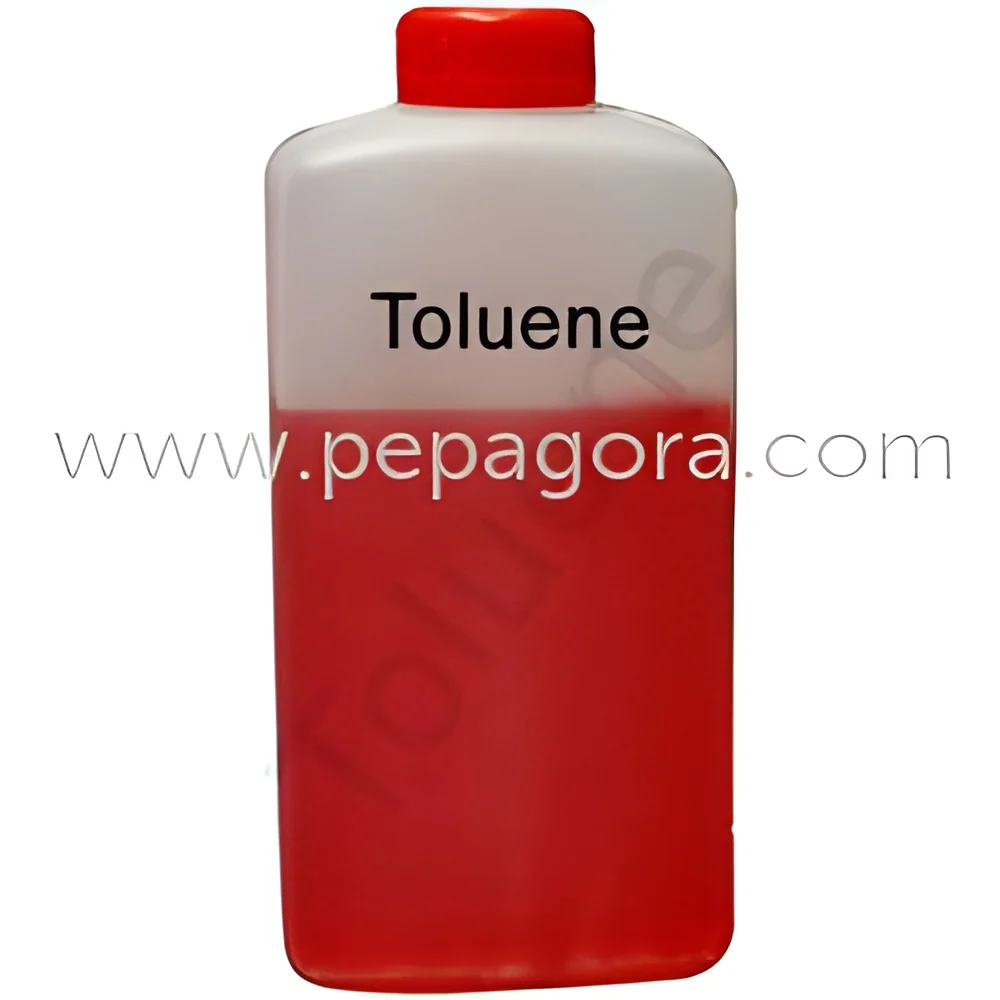
Toluene is a clear, colorless liquid that is widely used as an industrial solvent. It is a mono-substituted aromatic hydrocarbon with a chemical formula of C7H8. Toluene is known for its distinctive smell and is produced from petroleum during the refining process. It has a relatively low boiling point and evaporates quickly, making it useful in various applications.
The primary uses of toluene span multiple industries, including paint thinners, adhesives, coatings, and pharmaceuticals. It serves as a solvent for organic compounds and is also utilized in the production of chemicals and fuels. In the automotive sector, toluene is often found in fuel formulations and as an octane booster. Its versatility makes it a critical component in many industrial processes, highlighting its importance in the global market.
As a vital industrial chemical, toluene plays a significant role in various manufacturing sectors. The demand for toluene is closely tied to the overall health of the chemical and manufacturing industries. Market trends indicate steady growth in the use of toluene, driven by its application in emerging technologies and increased demand for solvents and chemical intermediates.
Key Features and Specifications
Toluene possesses several key features that make it suitable for various industrial applications. Understanding its specifications is essential for businesses looking to utilize this chemical effectively.
Key specifications include:
1. Purity Level
- Toluene is typically available in various purity levels, often ranging from 95% to 99.9%.
- Higher purity levels are essential for applications in pharmaceuticals and specialty chemicals.
2. Density
- The density of toluene is approximately 0.866 g/cm3 at 20 degrees Celsius.
- This property influences its behavior in mixtures and solutions.
3. Boiling Point
- Toluene has a boiling point of about 110.6 degrees Celsius.
- This characteristic is important for processes involving distillation and evaporation.
4. Flash Point
- The flash point of toluene is 4 degrees Celsius.
- This low flash point indicates the need for careful handling and storage.
5. Solubility
- Toluene is soluble in organic solvents but only slightly soluble in water.
- Its solubility profile makes it effective for dissolving a range of compounds.
6. Vapor Pressure
- The vapor pressure of toluene is approximately 28 mmHg at 20 degrees Celsius.
- This property affects its volatility and emission controls.
7. Chemical Stability
- Toluene is chemically stable under normal conditions but can react with strong oxidizers.
- Understanding its stability is crucial for safe storage and transportation.
8. Regulatory Compliance
- Toluene must comply with relevant safety and environmental regulations.
- Businesses should ensure their suppliers provide compliant products.
In summary, the features and specifications of toluene are critical for its effective use in industrial applications. Businesses must consider these specifications when sourcing toluene to meet their specific needs.
Common Applications and Use Cases
Toluene is a versatile chemical that serves various industries, each with specific applications.
1. Paint and Coatings: Toluene is used as a solvent in paints and coatings, enhancing their application properties and drying times.
2. Adhesives: The adhesive industry utilizes toluene for its solvent properties, allowing for effective bonding in various materials.
3. Pharmaceuticals: In the pharmaceutical sector, toluene acts as a solvent for drug formulations and as a chemical precursor in the synthesis of active pharmaceutical ingredients.
4. Automotive: Toluene is commonly found in fuel formulations and is used as an octane booster, improving engine performance.
5. Chemical Manufacturing: Toluene serves as a feedstock for producing other chemicals, such as benzene and xylene, which are essential for various industrial processes.
6. Printing Inks: The printing industry uses toluene as a solvent in ink formulations, enabling better flow and adhesion on surfaces.
7. Laboratory Use: In laboratories, toluene is employed as a solvent for chemical reactions and extractions due to its efficacy in dissolving organic compounds.
Product Variants and Subcategories
Toluene is available in various forms to cater to different industrial needs. While specific subcategories are not available, the diversity in purity and applications makes it adaptable for various uses.
Industrial Grade Toluene
This variant is suitable for general industrial applications, including solvents for paints and coatings. It typically has a purity level of around 95%.
Pharmaceutical Grade Toluene
This variant meets higher purity standards, often exceeding 99%. It is specifically designed for applications in the pharmaceutical industry, ensuring compliance with stringent regulations.
Technical Grade Toluene
This grade is used in chemical manufacturing and research applications. It may contain additives for specific functions.
Benefits and Advantages
Sourcing toluene offers numerous advantages for businesses across various sectors.
1. Versatility: Toluene is highly versatile, making it suitable for a wide range of applications, including solvents, chemical intermediates, and fuel additives.
2. High Solvency Power: Its excellent solvency properties enable effective dissolution of a variety of organic materials, enhancing product performance.
3. Cost-Effectiveness: Toluene is generally cost-effective compared to other solvents, making it a preferred choice for many industries.
4. Efficiency in Applications: Its low boiling point and rapid evaporation rates facilitate quick drying times in coatings and adhesives.
5. Compatibility: Toluene can be used in various formulations with other chemicals, adding to its versatility in manufacturing processes.
6. Established Supply Chain: Toluene has a well-established supply chain, providing reliability for businesses in terms of availability and delivery.
Buying Guide for B2B Buyers
When sourcing toluene, businesses should consider several key factors to ensure they select the right product and supplier.
1. Quality Assessment: It is essential to evaluate the purity and specifications of toluene to match the application requirements. A reliable supplier will provide detailed product information and certificates of analysis.
2. Supplier Verification: Vetting suppliers is crucial to ensuring they meet industry standards and can provide consistent quality. Look for suppliers with a proven track record and positive reviews in the market.
3. Pricing and MOQ: Understanding the pricing structure and minimum order quantities is vital for budgeting. Businesses should compare quotes from different suppliers to secure competitive pricing.
4. Delivery and Lead Times: Assessing logistics capabilities is important to ensure timely delivery. Suppliers should provide clear information on lead times and shipping options.
5. Compliance Requirements: Ensure that the toluene sourced complies with local regulations and safety standards. Suppliers should be able to provide documentation regarding compliance and safety practices.
Compliance and Certifications
Toluene must meet various compliance and certification standards to ensure safety and quality.
Relevant quality standards include ISO 9001, which ensures consistent quality management systems. Compliance with HACCP (Hazard Analysis Critical Control Point) and GDP (Good Distribution Practices) is also critical for industries like food and pharmaceuticals.
Toluene manufacturers often hold industry certifications such as CE, which indicates that the product meets European safety and environmental standards.
Safety and testing requirements are paramount, particularly in industries where toluene is used in sensitive applications. Regular testing for purity and contaminants is essential to maintain product integrity.
Regional compliance considerations may vary, so businesses sourcing toluene should be aware of local regulations that govern its use and distribution.
Why Source Toluene from Pepagora?
Pepagora offers a trusted platform for sourcing toluene, providing several key advantages for businesses.
Verified Supplier Network: Pepagora connects buyers with a network of verified suppliers. Each supplier undergoes rigorous vetting to ensure they meet industry standards and quality requirements.
Streamlined RFQ Process: The platform features an efficient request for quotation (RFQ) system that allows businesses to request quotes from multiple suppliers quickly. This process simplifies sourcing and helps buyers find the best deals.
Trade Assurance and Support: Pepagora provides trade assurance, ensuring that buyers are protected throughout the purchasing process. This support includes assistance with disputes and quality assurance.
Regional Coverage: With a strong presence in India, the GCC, and Southeast Asia, Pepagora offers extensive regional coverage. This geographic reach ensures that businesses can access toluene suppliers close to their operations, reducing logistics costs and delivery times.

Frequently Asked Questions
What are Toluene?
Toluene is an aromatic hydrocarbon that is commonly used as an industrial solvent and as a precursor in the production of various chemicals. It is a colorless liquid with a distinctive smell, often used in paint thinners, adhesives, and coatings.
What are the different types of Toluene?
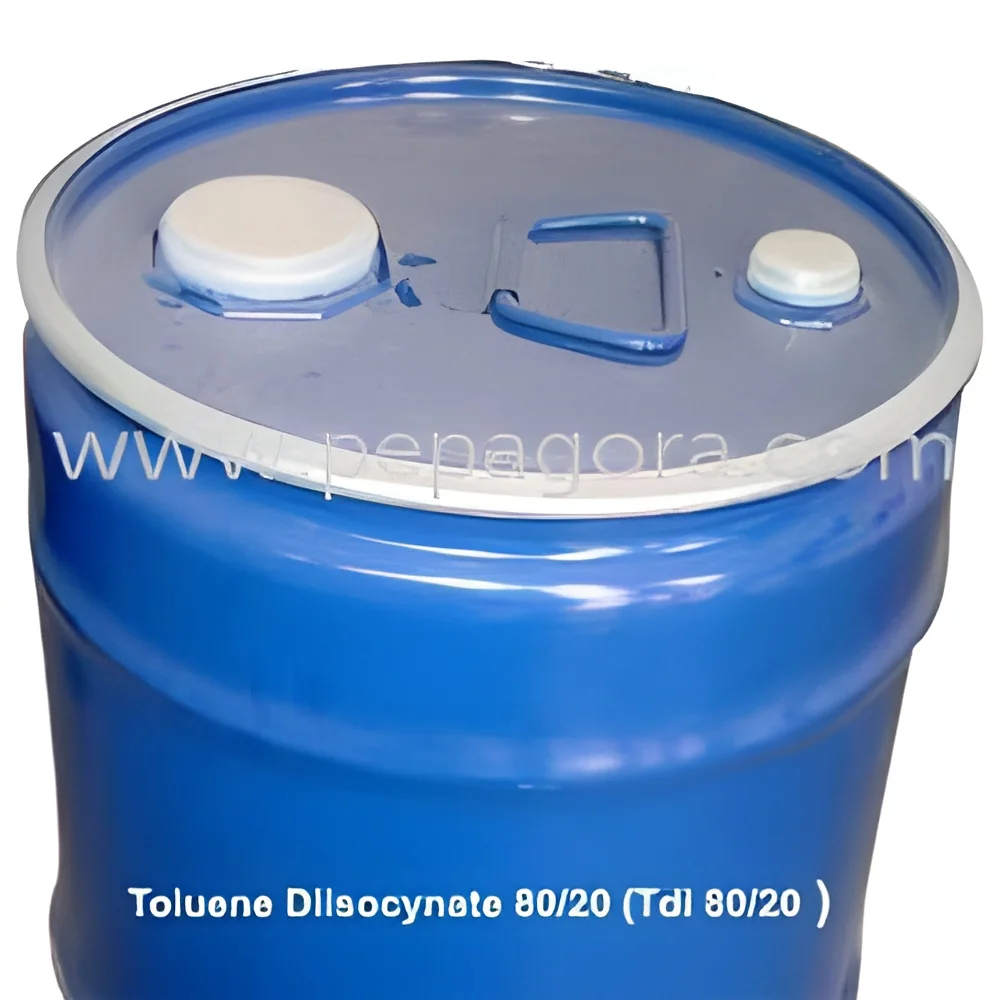
Toluene can be classified based on its purity and formulation, including technical grade toluene, which is used for industrial applications, and reagent grade toluene, which meets higher purity standards for laboratory use. Additionally, toluene derivatives exist, such as toluene diisocyanate (TDI) used in polyurethane production.
How do I choose the right Toluene?
Choosing the right toluene depends on the intended application and required purity level. Consider factors such as the specific industry standards, regulatory requirements, and whether you need technical grade or reagent grade toluene for your operations.
What are the standard specifications for Toluene?
Standard specifications for toluene typically include parameters such as purity (usually above 99%), boiling point, density, and the presence of contaminants. Relevant industry standards may include ASTM D842 for industrial applications and other specific guidelines for laboratory use.
What is the price range for Toluene?
The price of toluene can vary based on factors such as purity, quantity, and market conditions. Generally, the price range for toluene in India can be between INR 60 to INR 120 per liter, though this can fluctuate based on supply and demand.
What quality standards apply to Toluene?
Quality standards for toluene are often governed by organizations such as ASTM and ISO. These standards ensure that toluene meets specific purity and safety criteria, which are essential for its use in various industrial applications.
Where can I find Toluene suppliers in India?
You can find toluene suppliers in India through online B2B marketplaces like Pepagora, where manufacturers and distributors list their products. Additionally, industry trade shows and chemical supply networks can provide leads on reputable suppliers.
Can Toluene be customized?
Toluene itself is a chemical compound and cannot be customized in its basic form. However, suppliers can offer different grades or blends of toluene tailored to specific industrial needs or applications.
What is the typical minimum order quantity for Toluene?
The typical minimum order quantity (MOQ) for toluene can vary by supplier, but it often ranges from 100 liters to 1000 liters. It is advisable to check with specific manufacturers to understand their MOQ policies.
What is the typical lead time for Toluene?
The typical lead time for toluene orders can range from a few days to several weeks, depending on the supplier's inventory and production capabilities. It's best to consult with suppliers for precise lead times based on your order size and location.
Why Businesses Trust Pepagora
Thousands of companies trust Pepagora to source smarter and sell faster
Expand Your Sales Globally

Source Smarter,Grow Faster
