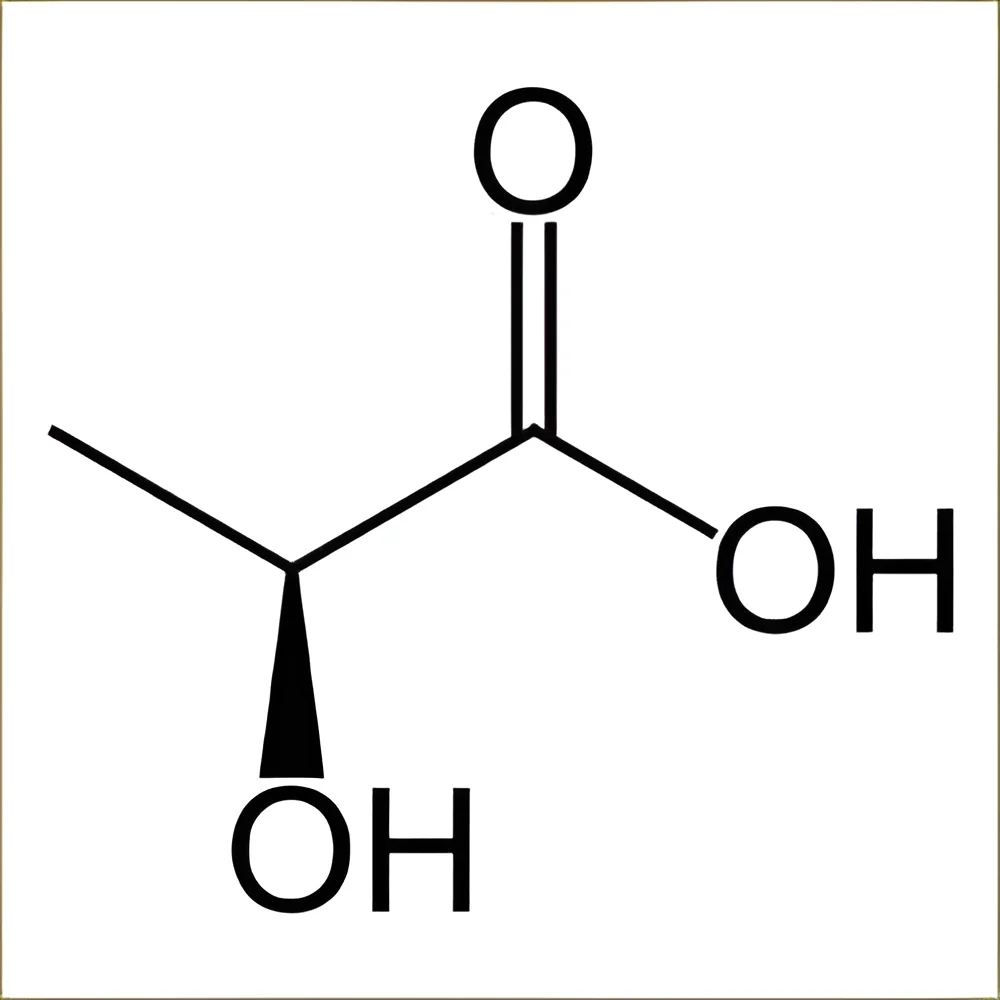
What are Lactic Acid?
Lactic acid is an organic compound that plays a significant role in various biological processes. It is a colorless and odorless liquid that can be produced through fermentation or synthesized chemically. Lactic acid is classified as an alpha-hydroxy acid and is known for its ability to act as an acidulant, preservative, and pH regulator in various applications.
The primary uses of lactic acid span across multiple industries, including food and beverages, pharmaceuticals, and cosmetics. In the food industry, it serves as a preservative and enhances the flavor of products such as yogurt, pickles, and fermented foods. In pharmaceuticals, lactic acid is used in drug formulations, while in cosmetics, it functions as an exfoliant and moisturizer. The increasing demand for natural and organic products has further solidified lactic acid's relevance in the market, as it is often derived from renewable resources.
As the market for lactic acid continues to grow, its importance is underscored by the rising consumer preference for sustainable and eco-friendly products. The compound's versatility and effectiveness across various applications make it a crucial component in numerous industrial processes. Companies are increasingly looking to source lactic acid to meet these demands and stay competitive in their respective markets.
Key Features and Specifications
Lactic acid is characterized by a range of features and specifications that cater to various industrial needs. Understanding these specifications is essential for businesses looking to integrate lactic acid into their operations.
Key specifications include:
1. Purity Level
- Typically available in concentrations ranging from 80% to 90%.
- High purity levels are essential for pharmaceutical and cosmetic applications.
2. pH Level
- Standard pH levels range from 3.0 to 5.5.
- A suitable pH is crucial for food preservation and product stability.
3. Molecular Weight
- The molecular weight of lactic acid is approximately 90.08 g/mol.
- This is important for formulation calculations in various applications.
4. Solubility
- Lactic acid is highly soluble in water and alcohol.
- Its solubility enhances its effectiveness as a preservative and flavor enhancer.
5. Appearance
- Typically appears as a clear, colorless liquid.
- Aesthetic quality is important for cosmetic applications.
6. Shelf Life
- Generally, lactic acid has a shelf life of 12 to 24 months.
- Proper storage conditions can extend its usability.
7. Compliance Standards
- Must adhere to safety and quality standards in food and pharmaceuticals.
- Compliance ensures product reliability and safety for consumers.
8. Origin
- Can be derived from both natural fermentation processes and synthetic methods.
- Natural variants are increasingly preferred for organic products.
These specifications highlight the diverse nature of lactic acid and its adaptability across various industry applications.
Common Applications and Use Cases
Lactic acid serves various industries with its multifaceted applications.
1. Food and Beverage Industry: Lactic acid is widely used as a preservative in products such as yogurt, pickles, and cheese. It enhances flavor and helps maintain product freshness.
2. Pharmaceutical Industry: In pharmaceuticals, lactic acid is used in drug formulations and as an excipient. Its properties enhance the stability and effectiveness of medications.
3. Cosmetic Industry: Lactic acid is a common ingredient in skincare products, serving as an exfoliant and humectant. It helps improve skin texture and hydration.
4. Agriculture: Lactic acid can be used in silage and animal feed to promote fermentation and preserve nutritional quality.
5. Bioplastics: Increasingly, lactic acid is being used in the production of biodegradable plastics, contributing to sustainable packaging solutions.
6. Textile Industry: It is utilized in dyeing and finishing processes to improve fabric quality and color retention.
7. Cleaning Products: Lactic acid is often included in formulations for household and industrial cleaners due to its antibacterial properties.
Product Variants and Subcategories
Lactic acid is available in various forms, catering to specific industry requirements and applications.
Food Grade Lactic Acid
This variant is specifically formulated for the food industry. It meets stringent safety standards and is used as a preservative and flavor enhancer in various food products.
Pharmaceutical Grade Lactic Acid
Designed for use in pharmaceutical applications, this variant meets high purity standards and is used in drug formulations and medical devices.
Cosmetic Grade Lactic Acid
This variant is tailored for cosmetic applications, offering exfoliating properties and skin hydration benefits. It is often found in serums and creams.
Benefits and Advantages
Lactic acid offers numerous benefits across its applications, making it a valuable ingredient for businesses.
1. Natural Preservative: Lactic acid provides effective preservation without synthetic additives, appealing to health-conscious consumers.
2. Versatile Applications: Its multifunctional properties allow for use in various industries, from food to cosmetics and pharmaceuticals.
3. Eco-Friendly: Derived from renewable resources, lactic acid supports sustainability initiatives and meets the demand for green products.
4. Skin Benefits: In cosmetics, lactic acid promotes exfoliation and hydration, improving overall skin health and appearance.
5. Enhanced Product Stability: Its ability to regulate pH levels helps maintain product integrity and prolong shelf life.
6. Biodegradable Options: Lactic acid is a key ingredient in the production of biodegradable plastics, supporting environmental sustainability.
Buying Guide for B2B Buyers
When sourcing lactic acid, businesses should consider several critical factors to ensure they make informed purchasing decisions.
1. Quality Assessment: Evaluate the purity levels and composition of lactic acid to ensure it meets the specific requirements of your application. Look for suppliers that provide detailed product specifications and certificates of analysis.
2. Supplier Verification: Conduct thorough research on potential suppliers. Verify their credentials, production processes, and compliance with industry standards to ensure reliability and quality.
3. Pricing and MOQ: Understand the pricing structure and minimum order quantities (MOQ) offered by suppliers. Compare quotes from different sources to find the best value without compromising on quality.
4. Delivery and Lead Times: Inquire about the supplier's delivery capabilities and lead times. Timely delivery is crucial for maintaining production schedules and meeting customer demands.
5. Compliance Requirements: Ensure that the lactic acid sourced complies with relevant regulations and safety standards. This is particularly important for food, pharmaceutical, and cosmetic applications.
Compliance and Certifications
Lactic acid must adhere to various industry standards and certifications to ensure safety and quality.
Relevant quality standards such as ISO 9001 and HACCP are essential for manufacturers producing lactic acid for food and pharmaceutical applications. These standards help ensure consistent quality and safety in production processes.
Industry certifications, such as CE, indicate compliance with European safety directives, which is crucial for products sold within the European market. This certification assures buyers of the product's reliability and safety.
Safety and testing requirements are also critical. Manufacturers must conduct rigorous testing to confirm the purity, stability, and efficacy of lactic acid. This includes assessments for contaminants and compliance with health regulations.
Additionally, regional compliance considerations vary by market. Buyers should be aware of local regulations governing the use of lactic acid in food, pharmaceuticals, and cosmetic products to ensure compliance.
Why Source Lactic Acid from Pepagora?
Pepagora provides a trusted platform for sourcing lactic acid with several key advantages.
First, the verified supplier network ensures that buyers can access high-quality lactic acid from reputable manufacturers. Each supplier undergoes a thorough vetting process to guarantee reliability and product integrity.
Next, the streamlined RFQ process simplifies the quotation system, allowing buyers to easily request and compare prices from multiple suppliers. This efficiency helps businesses make informed decisions quickly.
Trade assurance and support are additional benefits offered by Pepagora. This feature provides buyers with protection against potential disputes and ensures that transactions are secure and transparent.
Finally, Pepagora's regional coverage extends across India, the GCC, and Southeast Asia. This geographic reach allows buyers to source lactic acid conveniently and efficiently, catering to their specific market needs.
By choosing Pepagora, businesses can confidently source high-quality lactic acid while benefiting from a supportive and efficient platform.

 IN
IN