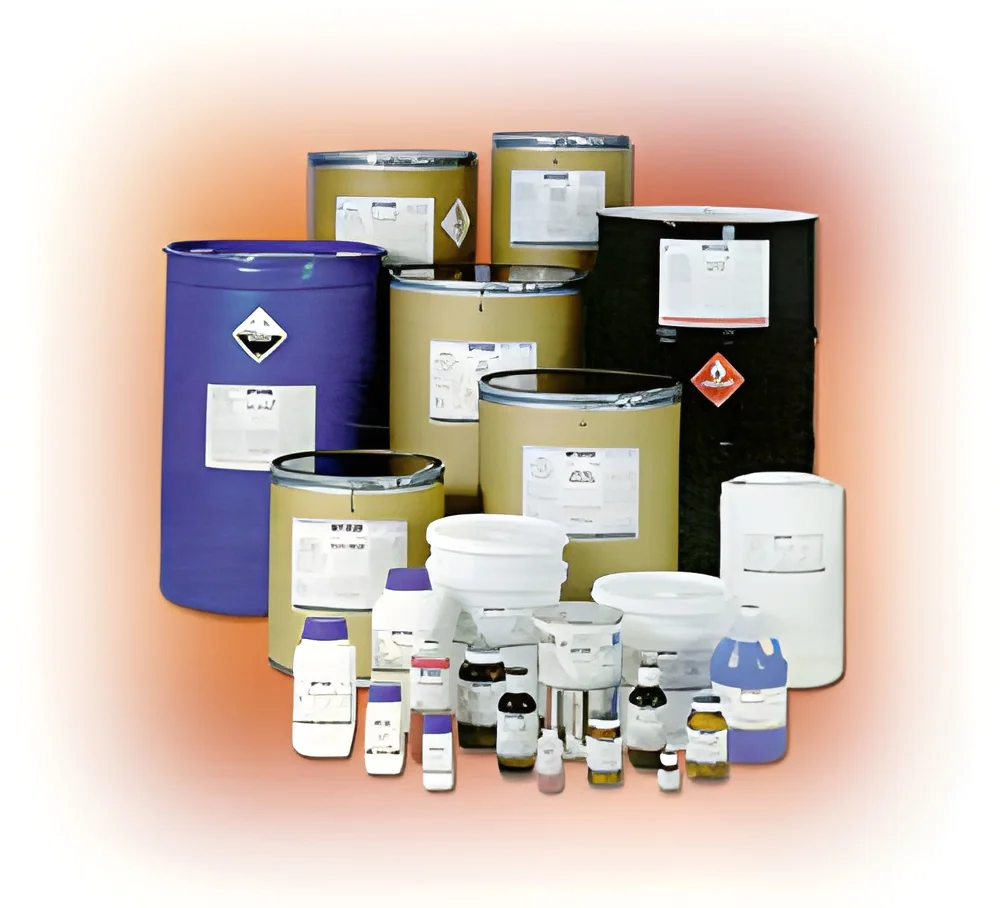
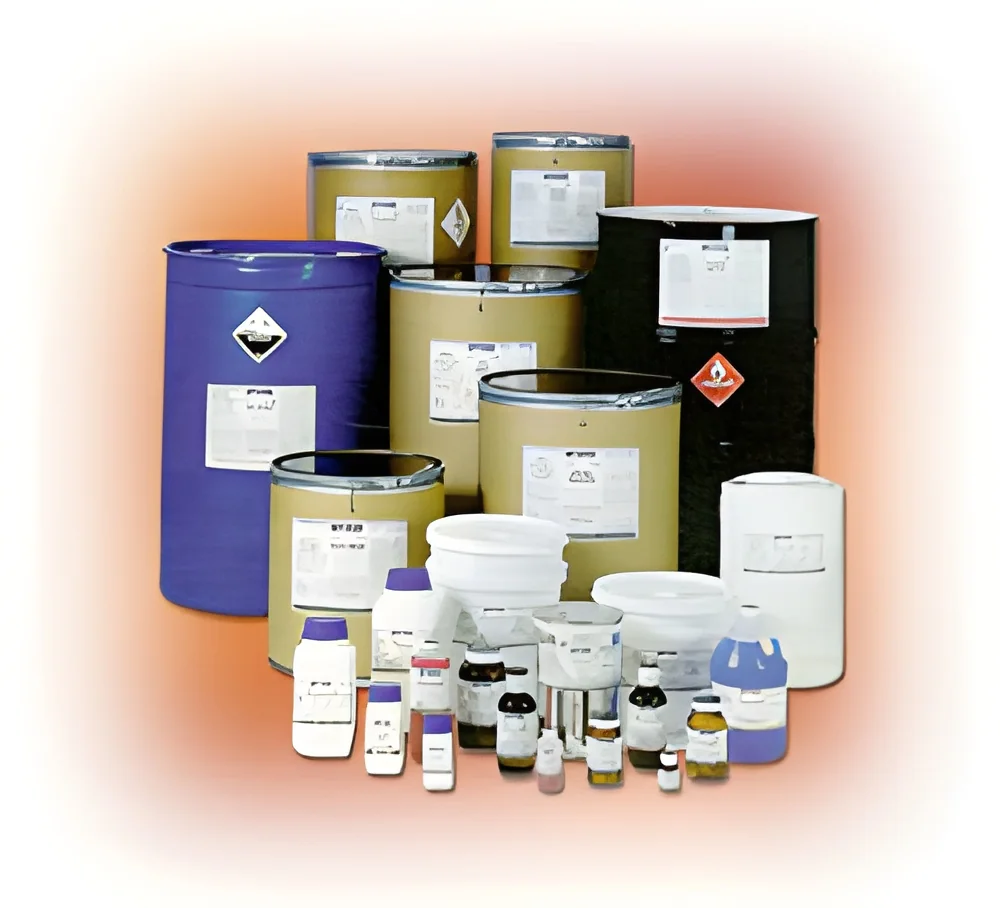
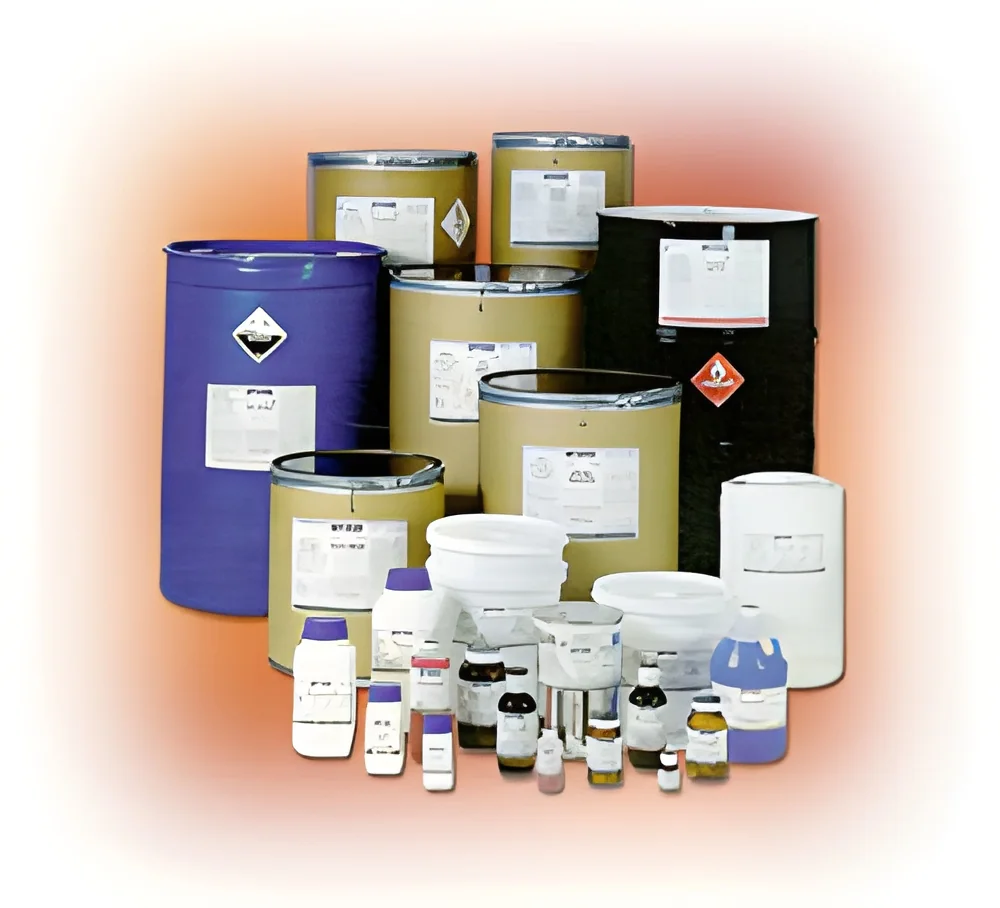
Key Features and Specifications
Laboratory grade ethanol is characterized by its high purity and versatility in various applications. Understanding its specifications is crucial for effective use in laboratory environments.
Key specifications include:
1. Purity Level
- Typically, laboratory grade ethanol has a purity level of 99.5% or higher.
- This ensures minimal impurities that could affect experimental results.
2. Chemical Composition
- Composed primarily of ethanol (C2H5OH).
- Free from significant levels of water or other solvents.
3. Boiling Point
- The boiling point is approximately 78.37 degrees Celsius.
- This property is important for applications involving distillation.
4. Density
- Density is around 0.789 g/cm³ at 20 degrees Celsius.
- This characteristic aids in calculations for precise formulations.
5. Flash Point
- The flash point is approximately 13 degrees Celsius.
- This indicates the flammability risk during handling.
6. Solubility
- Highly soluble in water, making it useful for a range of applications.
- Also miscible with many organic solvents.
7. Storage Conditions
- Should be stored in a cool, well-ventilated area away from ignition sources.
- Recommended containers include glass or specific plastics.
In summary, these specifications highlight the importance of selecting high-quality laboratory grade ethanol for reliable and accurate results in various experiments and applications.
Common Applications and Use Cases
Ethanol (Laboratory Grade) is widely applicable across multiple industries. Its versatility allows it to fulfill various roles depending on the specific needs of each field.
1. Pharmaceutical Industry: Ethanol is used as a solvent in drug formulation and as a disinfectant in pharmaceutical manufacturing. Its purity is critical for ensuring the safety and efficacy of medications.
2. Biotechnology: In biotechnology laboratories, ethanol is often used in DNA extraction and purification processes. Its role as a preservative helps maintain the integrity of biological samples.
3. Environmental Testing: Ethanol serves as a solvent in the analysis of environmental samples, such as soil and water. It facilitates the extraction of pollutants for testing.
4. Chemical Research: In chemical laboratories, ethanol is utilized as a solvent for reactions and a reagent in synthetic processes. Its high purity ensures accurate results in experimental setups.
5. Food and Beverage Industry: Ethanol is employed in food testing and quality control, where it acts as a solvent for extracting flavors and aromas.
6. Cosmetic Industry: In cosmetics, ethanol is used as a solvent for active ingredients and as a preservative in formulations.
7. Academic Research: Laboratories in educational institutions use ethanol for various experiments, including microbiology and organic chemistry.
Product Variants and Subcategories
While there are no widely recognized subcategories for laboratory grade ethanol, the product can be differentiated based on concentration and purity levels.
Ethyl Alcohol 99.9%
This variant is known for its ultra-high purity, making it suitable for sensitive applications, such as analytical chemistry and specialized biological research. It minimizes contamination risks and is ideal for precise analytical work.
Denatured Ethanol
This variant contains additives that make it unfit for human consumption, often used in laboratory settings to prevent misuse. It serves as an effective solvent in various chemical processes while providing the necessary safety measures.
Benefits and Advantages
Choosing laboratory grade ethanol brings several advantages that enhance its usability and effectiveness in various applications.
1. High Purity: The high purity level reduces contamination risks, ensuring reliable and reproducible results in experiments.
2. Versatility: Ethanol can be used across multiple applications, making it a cost-effective choice for laboratories with diverse needs.
3. Effective Solvent: Its ability to dissolve a wide range of substances enhances its utility in chemical reactions and extractions.
4. Safe Handling: When used responsibly, ethanol poses manageable risks, especially when proper storage and handling protocols are observed.
5. Disinfectant Properties: Ethanol's effectiveness as a disinfectant makes it ideal for sterilization and sanitation in laboratory environments.
6. Regulatory Compliance: Laboratory grade ethanol often meets or exceeds industry standards, ensuring it is suitable for regulated environments.
Buying Guide for B2B Buyers
When sourcing Ethanol (Laboratory Grade), several critical factors should be taken into account to ensure quality and reliability.
1. Quality Assessment: Review the purity levels and chemical composition provided by suppliers. Ensure that the ethanol meets industry standards for laboratory use.
2. Supplier Verification: Conduct thorough research to verify the credentials of suppliers. Look for certifications and customer reviews that confirm their reliability and reputation in the market.
3. Pricing and MOQ: Compare pricing structures among different suppliers while considering the minimum order quantities. Ensure that the pricing aligns with your budget and purchasing needs.
4. Delivery and Lead Times: Discuss delivery options and lead times with suppliers. Timely delivery is essential for maintaining laboratory operations and project timelines.
5. Compliance Requirements: Ensure that the product meets all relevant regulatory requirements, including safety and quality certifications necessary for your specific application.
Compliance and Certifications
Ethanol (Laboratory Grade) must adhere to several quality standards and certifications to ensure its safety and effectiveness in laboratory applications.
Relevant quality standards include ISO 9001, which outlines effective quality management systems, ensuring consistent product quality. Additionally, Hazard Analysis and Critical Control Points (HACCP) guidelines help in identifying potential hazards in the laboratory environment, ensuring safe handling practices.
Industry certifications, such as CE marking, indicate that the product complies with European health, safety, and environmental protection standards. This is particularly important for laboratories operating within the European market.
Safety and testing requirements are critical, as ethanol is flammable and can pose health risks if mishandled. Regular testing for quality assurance and compliance with regional safety standards is essential for all suppliers.
Regional compliance considerations may vary, but it is crucial to stay updated on local regulations regarding the handling and storage of laboratory chemicals, including ethanol.
Why Source Ethanol (Laboratory Grade) from Pepagora?
Pepagora provides a trusted platform for sourcing Ethanol (Laboratory Grade) with several key advantages that ensure a smooth purchasing experience.
Verified Supplier Network: Pepagora offers access to a network of verified suppliers, ensuring that users can source high-quality ethanol from reputable manufacturers. This verification process enhances buyer confidence.
Streamlined RFQ Process: The request for quotation (RFQ) process on Pepagora is designed to be user-friendly, allowing buyers to easily request quotes from multiple suppliers. This saves time and simplifies the decision-making process.
Trade Assurance and Support: Pepagora prioritizes buyer protection through trade assurance, which safeguards transactions and provides support throughout the purchasing journey. This assurance fosters a secure trading environment.
Regional Coverage: With a strong presence in regions such as India, the GCC, and Southeast Asia, Pepagora ensures that buyers can access laboratory grade ethanol regardless of their geographic location. This broad coverage helps meet diverse market needs.

 IN
IN