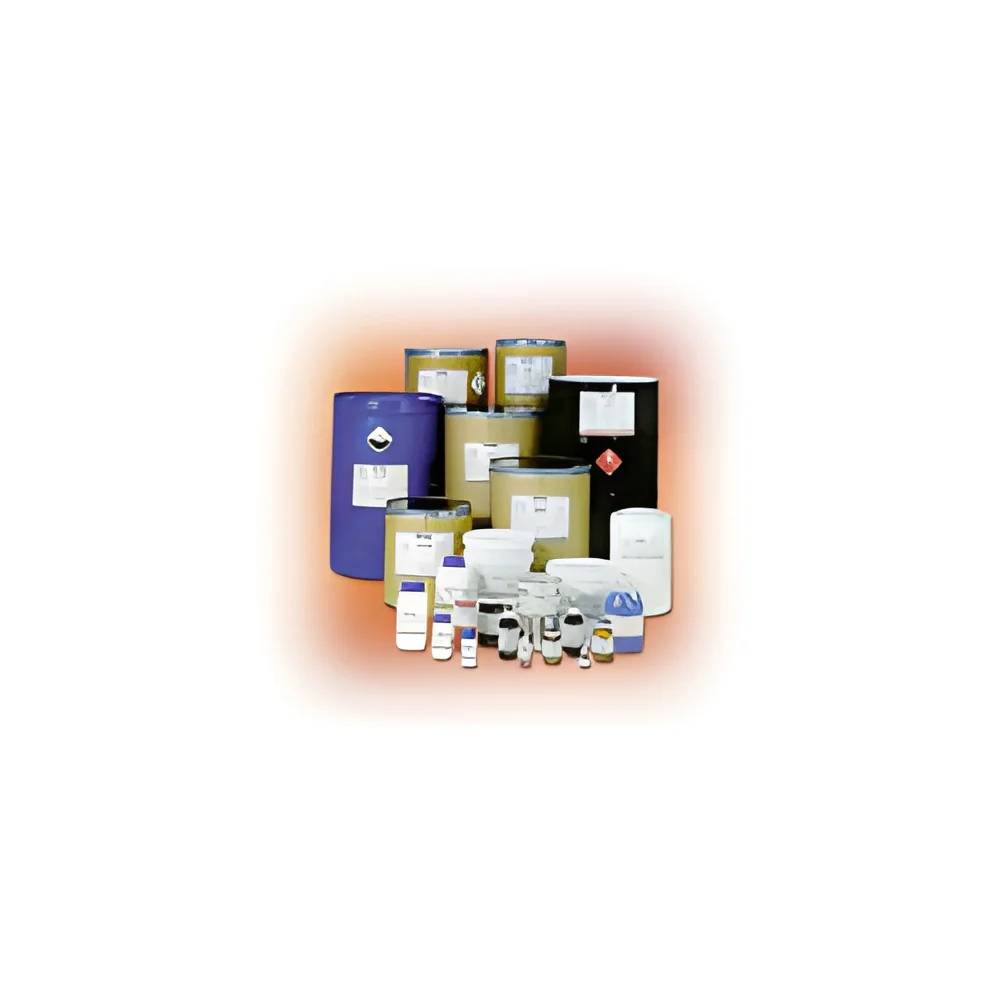
What are Acetone?
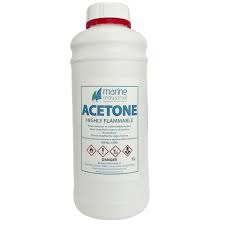
Acetone is a colorless, volatile organic compound known for its distinctive sweet odor. It is the simplest ketone and serves as a solvent in many industrial applications. Due to its ability to dissolve a wide range of substances, acetone is a crucial chemical in various manufacturing processes.
This compound is primarily used in the production of plastics, fibers, and pharmaceuticals. It is also employed as a solvent for cleaning and degreasing purposes. In addition, acetone plays a significant role in laboratory settings for analytical procedures. Given its versatility, acetone is relevant across multiple industries, including automotive, aerospace, and cosmetics.
The market for acetone continues to expand, driven by demand in sectors that require effective solvents and intermediates. As industries seek to improve efficiency and reduce costs, acetone remains a key ingredient. Understanding its properties and applications is essential for businesses that rely on chemical processes.
Key Features and Specifications
Acetone's unique characteristics make it suitable for various applications. It is important to understand its specifications to ensure optimal usage.
Key specifications include:
1. Purity Level
- Typically above 99.5% for industrial applications
- Ensures minimal impurities for effective performance
2. Boiling Point
- Approximately 56 °C (132.8 °F)
- Critical for applications requiring precise temperature control
3. Density
- Approximately 0.784 g/cm³
- Important for calculations in formulation and mixing
4. Flash Point
- Approximately -20 °C (-4 °F)
- Indicates flammability and safety measures required during handling
5. Solubility
- Miscible with water, ethanol, and ether
- Enables diverse applications in formulations
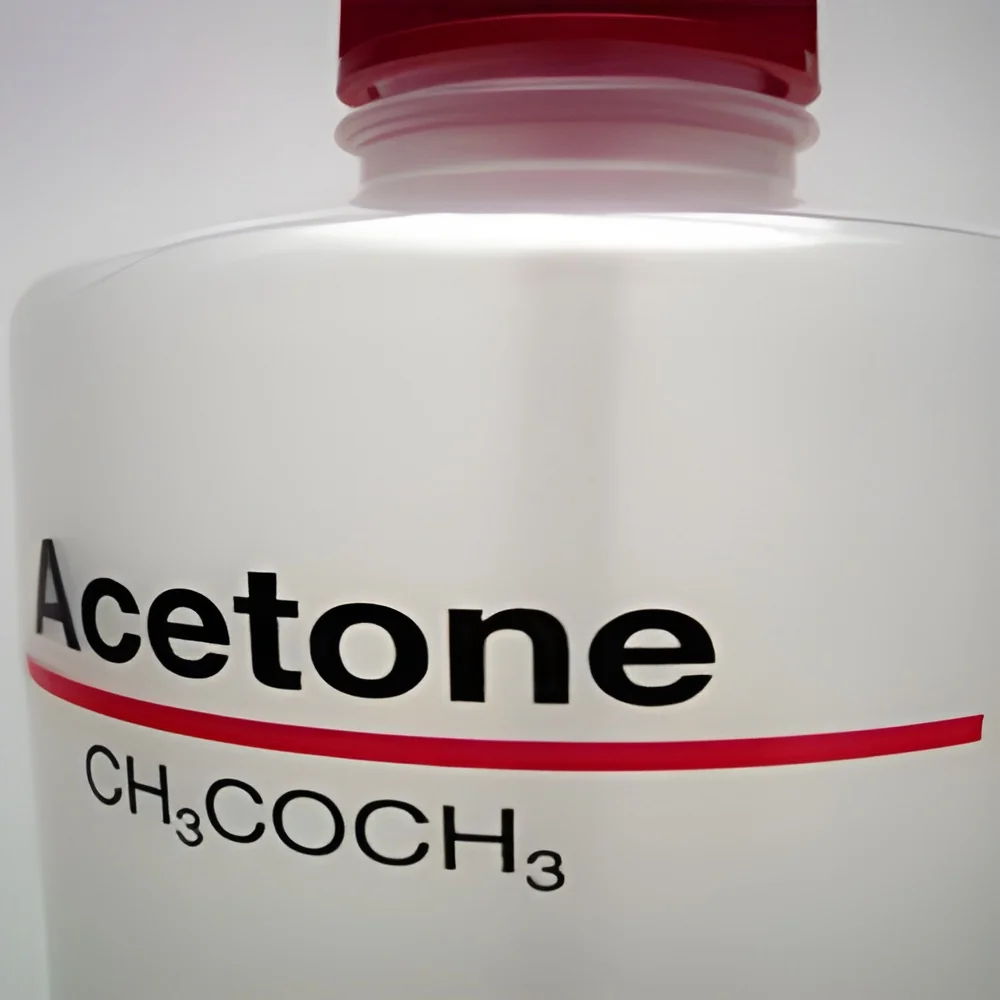
6. Chemical Formula
- C3H6O
- Provides a basis for understanding its reactivity and compatibility
7. Molecular Weight
- Approximately 58.08 g/mol
- Important for stoichiometric calculations
8. CAS Number
- 67-64-1
- Used for regulatory and identification purposes
Understanding these specifications is critical for businesses to effectively utilize acetone in their processes.
Common Applications and Use Cases
Acetone serves various industries due to its solvent properties and versatility.
1. Automotive: Acetone is used for cleaning parts and surfaces before painting or coating, ensuring better adhesion and finish.
2. Pharmaceutical: It acts as a solvent in the formulation of medications and is used in the extraction of compounds.
3. Cosmetics: Many nail polish removers contain acetone for its ability to dissolve nail polish quickly.
4. Electronics: Acetone is utilized in the production of circuit boards and for cleaning electronic components.
5. Paint and Coatings: It is commonly used as a solvent in paint formulations, helping to achieve the desired consistency and drying time.
6. Textile: Acetone is involved in the production of synthetic fibers and as a cleaning agent in textile manufacturing.
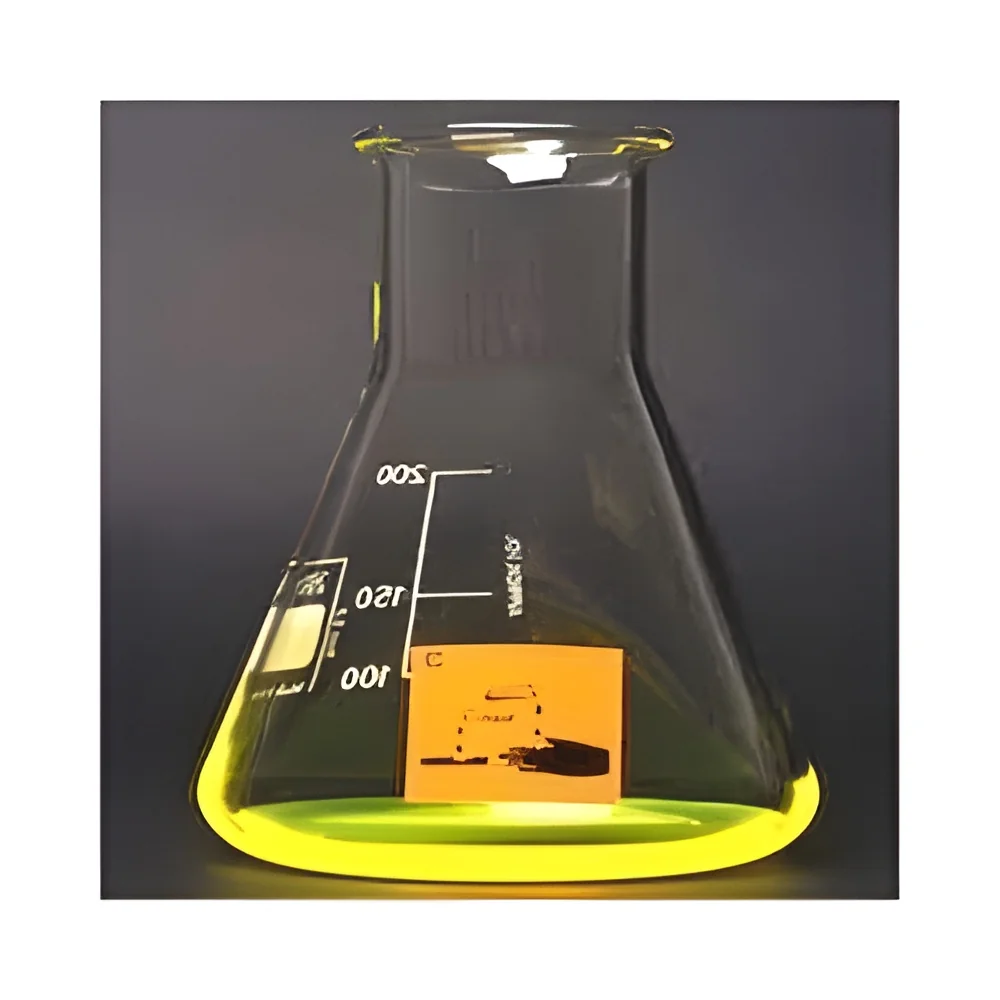
7. Laboratory: Acetone is frequently used in laboratories for various analytical and purification processes.
Product Variants and Subcategories
Acetone is widely available in different forms to meet industry needs. While specific subcategories may not be available, acetone can be tailored to meet various requirements.
Industrial Grade Acetone
This variant is designed for manufacturing and industrial applications. It typically features higher purity levels and is used in large-scale processes such as plastics and solvents.
Laboratory Grade Acetone
This variant is suitable for research and lab environments. It is often produced with stringent quality controls to ensure minimal impurities and consistent performance in analytical procedures.
Benefits and Advantages
Acetone offers numerous benefits that make it a preferred choice in various applications.
1. High Solvency Power: Acetone effectively dissolves a wide range of substances, making it ideal for cleaning and formulation tasks.
2. Rapid Evaporation: Its quick evaporation rate reduces drying times, increasing efficiency in manufacturing processes.
3. Cost-Effectiveness: Acetone is relatively inexpensive compared to other solvents, offering a budget-friendly option for businesses.
4. Compatibility: It is compatible with many materials, enhancing its utility across multiple applications.
5. Environmentally Friendly: Acetone is a less toxic solvent compared to alternatives, aligning with environmental regulations.
6. Versatility: Its diverse applications make it essential in various industries, from automotive to pharmaceuticals.
Buying Guide for B2B Buyers
When sourcing acetone, several factors should be considered to ensure the best quality and service.
1. Quality Assessment: Look for suppliers that provide acetone with high purity levels and meet relevant industrial standards. Verify specifications to ensure it suits your needs.
2. Supplier Verification: Vet potential suppliers by checking their reputation, certifications, and past performance. Reliable suppliers should have a proven track record in the industry.
3. Pricing and MOQ: Understand the pricing structure and minimum order quantities (MOQ) required by suppliers. This helps in budgeting and planning your procurement strategy.
4. Delivery and Lead Times: Inquire about logistics and expected lead times. Timely delivery is crucial for maintaining production schedules.
5. Compliance Requirements: Ensure that the acetone meets all regulatory and safety standards applicable in your region. This includes certifications like CE.
Compliance and Certifications
Acetone must adhere to several compliance standards and certifications to ensure safety and quality.
Relevant quality standards include ISO 9001, which focuses on quality management systems, ensuring consistent product quality. Compliance with HACCP (Hazard Analysis Critical Control Point) is also essential in industries like food and pharmaceuticals, where safety is paramount.
Additionally, acetone is certified with CE marking, indicating conformity with European health, safety, and environmental protection standards. This certification assures buyers that the product meets regulatory requirements.
Safety and testing requirements must be met to ensure safe handling and usage. This includes proper labeling and safety data sheets (SDS) that provide information on handling, storage, and emergency measures.
Regional compliance considerations may vary, so it is critical to understand local regulations governing the use and transportation of acetone.
Why Source Acetone from Pepagora?
Pepagora provides a trusted platform for sourcing acetone with several key advantages.
Verified Supplier Network: Pepagora connects buyers with a network of verified suppliers. This enhances trust and reduces risks associated with procurement.
Streamlined RFQ Process: The request for quotation (RFQ) process is designed to be efficient and user-friendly. Buyers can easily submit their requirements and receive competitive quotes quickly.
Trade Assurance and Support: Pepagora offers trade assurance, providing buyers with protection throughout the purchasing process. This support helps mitigate concerns regarding quality and delivery.
Regional Coverage: Pepagora's geographic reach includes India, the GCC, and Southeast Asia, facilitating access to local and international suppliers. This broad coverage ensures businesses can find the right acetone solutions tailored to their needs.

 IN
IN