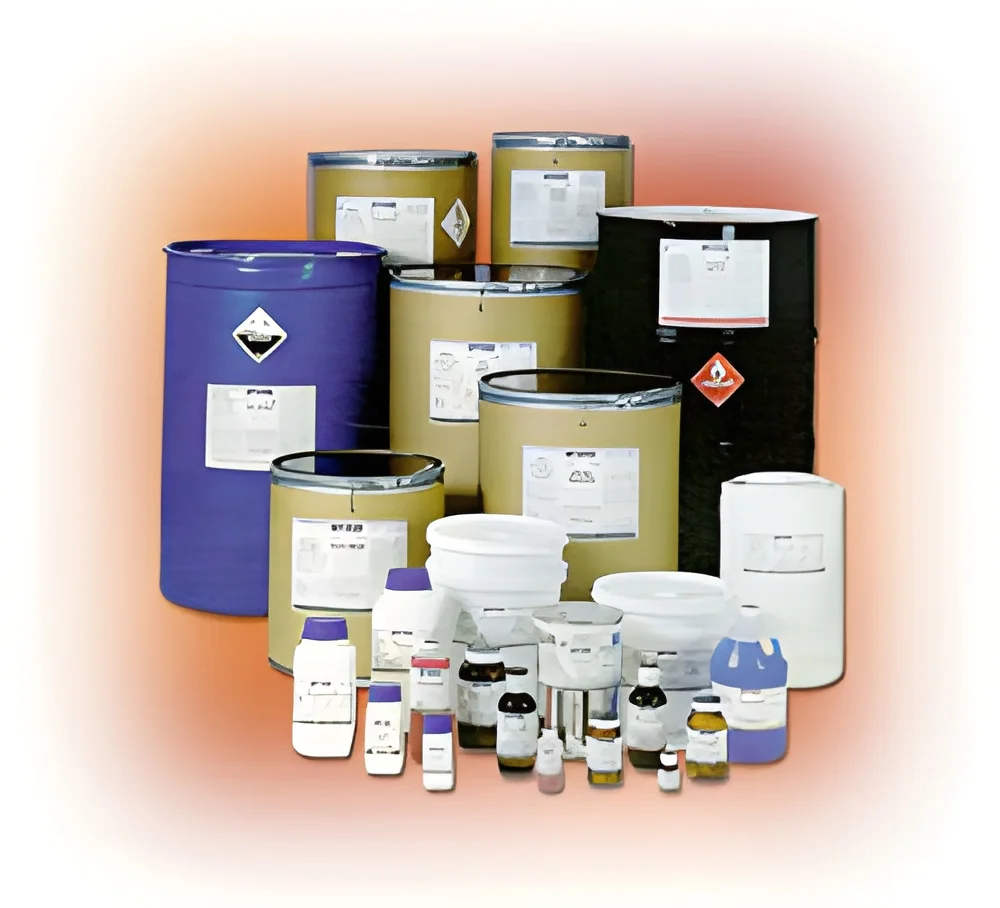
What are Oxalic Acid?
Oxalic acid is a colorless, crystalline organic compound with the chemical formula C2H2O4. It is classified as a dicarboxylic acid, meaning it has two carboxyl functional groups. This compound is naturally found in many plants, including rhubarb and spinach, and can also be synthesized in labs for various industrial applications. It is known for its acidity and is soluble in water, making it useful in a variety of chemical processes.
In industrial settings, oxalic acid is used as a reducing agent and a cleaning agent. Its primary applications include metal cleaning, wood bleaching, and as a precursor for the production of other chemicals. Oxalic acid is particularly relevant in the textile, leather, and pharmaceutical industries, where it plays a vital role in dyeing processes and rust removal. The growing demand for sustainable and eco-friendly products has further increased the interest in oxalic acid, making it a significant player in the global market.
Key Features and Specifications
Oxalic acid is characterized by several key features that make it suitable for various industrial applications. It is essential for businesses to understand these specifications when sourcing oxalic acid for their operations.
Key specifications include:
1. Purity Level
- Oxalic acid typically has a purity level of 99% or higher.
- High purity is critical for applications in pharmaceuticals and food processing.
2. Physical State
- Oxalic acid is available in solid crystalline form.
- It is also available as a dihydrate, which contains two water molecules.
3. Melting Point
- The melting point of oxalic acid is around 189 degrees Celsius.
- This property is important for determining its stability in various applications.
4. Solubility
- Oxalic acid is highly soluble in water, with a solubility of approximately 30 grams per 100 milliliters at room temperature.
- This solubility facilitates its use in cleaning and bleaching solutions.
5. pH Level
- Oxalic acid has a pH level of around 1.3 in solution.
- This acidic nature is beneficial in applications requiring pH adjustment.
6. Storage Conditions
- Oxalic acid should be stored in a cool, dry place away from direct sunlight.
- Proper storage helps maintain its stability and effectiveness.
In summary, understanding these specifications is crucial for businesses to ensure that they select the right type of oxalic acid for their specific applications.
Common Applications and Use Cases
Oxalic acid serves various industries, each with its unique applications.
1. Textile Industry: Oxalic acid is commonly used in textile processing, particularly in dyeing and cleaning fabrics. It helps in removing impurities and enhances the brightness of dyes.
2. Leather Industry: In leather tanning, oxalic acid is utilized for its ability to remove rust stains and improve the overall quality of leather products.
3. Metal Cleaning: Oxalic acid is effective in rust removal and metal cleaning applications. It is often used to clean stainless steel and other metals before further processing or plating.
4. Wood Treatment: It is used in wood bleaching to remove stains and discoloration, giving wood a more uniform appearance.
5. Pharmaceutical Industry: In the pharmaceutical sector, oxalic acid is employed as a reagent in various chemical syntheses and as an acidity regulator.
6. Agriculture: Oxalic acid can be used to control the growth of certain pests and pathogens in agricultural settings, contributing to crop health.
7. Battery Manufacturing: It is utilized in the production of certain types of batteries, particularly those requiring acidic solutions.
Product Variants and Subcategories
Oxalic acid comes in various forms and grades, tailored for different industrial needs.
Technical Grade Oxalic Acid: This variant is designed for industrial applications, including metal cleaning and textile processing. It is often used without extensive purification.
Reagent Grade Oxalic Acid: This grade is highly purified and suitable for laboratory use. It is ideal for chemical analyses and research applications.
Dihydrate Oxalic Acid: This form contains two water molecules and is commonly used in applications requiring a slower release of oxalic acid.
Anhydrous Oxalic Acid: This variant is free from water and is used in applications where moisture control is critical.
Benefits and Advantages
Sourcing oxalic acid offers numerous benefits for businesses across various sectors.
1. Effective Cleaning Agent: Oxalic acid is highly effective at removing rust and stains, making it ideal for metal cleaning applications.
2. Versatile Applications: Its diverse applications across industries such as textiles, leather, and pharmaceuticals provide businesses with flexible usage options.
3. Eco-Friendly Option: As a naturally occurring compound, oxalic acid is often seen as a more environmentally friendly alternative to synthetic chemicals.
4. Cost-Effective: Oxalic acid is relatively inexpensive compared to other cleaning and bleaching agents, making it a cost-effective choice for businesses.
5. High Purity Options: The availability of high-purity grades ensures that businesses can find suitable oxalic acid for sensitive applications.
6. Easy to Source: With a wide network of suppliers, sourcing oxalic acid is straightforward, allowing businesses to maintain consistent supply chains.
Buying Guide for B2B Buyers
When sourcing oxalic acid, businesses should consider several critical factors to ensure they make informed purchasing decisions.
1. Quality Assessment: Verify the purity levels of oxalic acid offered by suppliers. High purity is essential for applications in pharmaceuticals and food processing.
2. Supplier Verification: Conduct thorough checks on potential suppliers to ensure they have a reputable background and meet industry standards.
3. Pricing and MOQ: Understand the pricing structure and the minimum order quantity (MOQ) requirements. This information is crucial for budgeting and inventory management.
4. Delivery and Lead Times: Inquire about the expected delivery times and logistics to ensure timely availability of oxalic acid for production needs.
5. Compliance Requirements: Confirm that the supplier complies with relevant regulations and safety standards in your region, such as CE certification.
Compliance and Certifications
Compliance and certification are vital aspects of sourcing oxalic acid. Businesses should ensure that their suppliers adhere to recognized quality standards.
The International Organization for Standardization (ISO) provides guidelines, such as ISO 9001, which focuses on quality management systems. Compliance with these standards ensures that products meet customer and regulatory requirements.
Additionally, the Hazard Analysis Critical Control Point (HACCP) certification is essential for businesses in food and pharmaceutical sectors, ensuring that the oxalic acid meets safety and quality guidelines.
Safety and testing requirements must also be considered, as oxalic acid can pose health risks if mishandled. Suppliers should provide safety data sheets (SDS) and comply with local safety regulations.
Regional compliance considerations are essential, especially when sourcing from different countries. Understanding the specific regulations in regions like India, GCC, and Southeast Asia is crucial for ensuring lawful import and use of oxalic acid.
Why Source Oxalic Acid from Pepagora?
Pepagora offers a trusted platform for sourcing oxalic acid, providing several key advantages that benefit B2B buyers.
Verified Supplier Network: Pepagora has established a robust network of verified suppliers. This network ensures that buyers can source high-quality oxalic acid from reputable manufacturers, minimizing risks associated with low-quality products.
Streamlined RFQ Process: The platform features an efficient request for quotation (RFQ) system that simplifies the procurement process. Buyers can easily compare quotes and select the best options that meet their needs.
Trade Assurance and Support: Pepagora provides trade assurance and buyer protection, ensuring that transactions are secure. This support builds confidence in sourcing decisions and helps mitigate potential risks.
Regional Coverage: With a presence in India, the GCC, and Southeast Asia, Pepagora offers extensive geographic reach. This regional coverage enables businesses to access oxalic acid suppliers that are locally available, reducing shipping times and costs.
In summary, Pepagora stands out as a reliable source for oxalic acid, offering a combination of verified suppliers, streamlined processes, and regional support to meet the diverse needs of B2B buyers.

 IN
IN