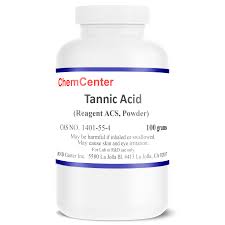
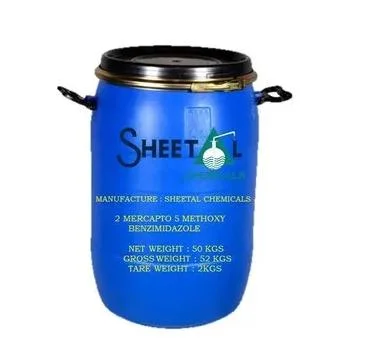
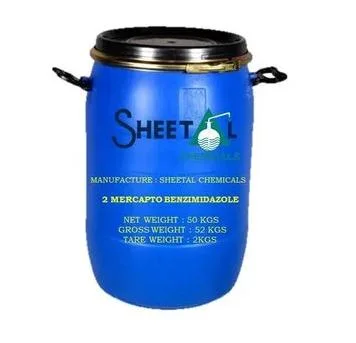
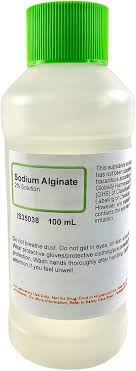
𝗪𝗵𝗮𝘁 𝗮𝗿𝗲 𝗔𝗰𝗶𝗱𝘀, 𝗦𝗼𝗹𝘃𝗲𝗻𝘁𝘀 & 𝗥𝗲𝗮𝗴𝗲𝗻𝘁𝘀?
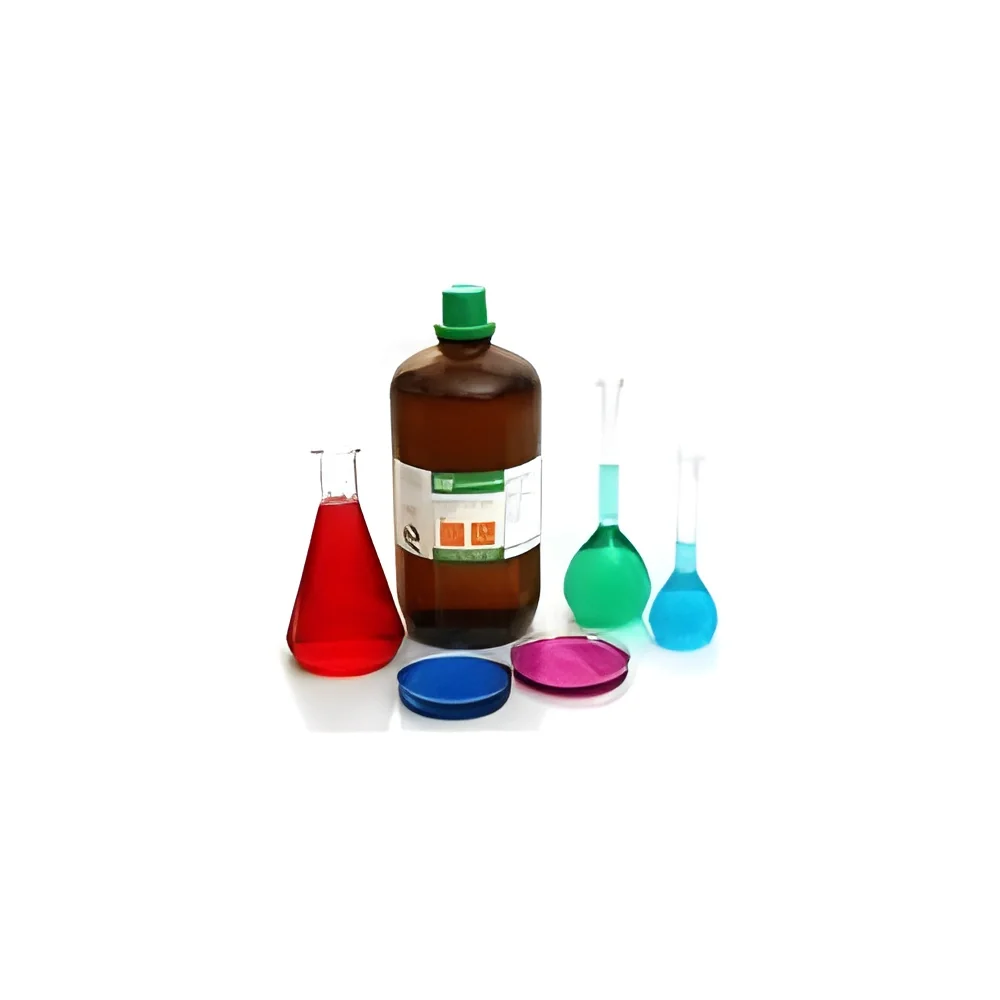
Acids, solvents, and reagents are essential chemicals used in various industrial applications. Acids are substances that can donate protons or hydrogen ions in a chemical reaction, often altering the properties of other compounds. Solvents are liquids capable of dissolving a solute, resulting in a solution, and are crucial in processes like extraction and purification. Reagents are substances or compounds added to a system to cause a chemical reaction, often used in laboratories for analysis and experimentation.
These products play a significant role across multiple sectors, including pharmaceuticals, chemicals, and manufacturing. Businesses utilize acids for processes such as pH adjustment, etching, and cleaning. Solvents are used in the formulation of paints, coatings, and adhesives, while reagents are vital in analytical testing and quality control. The demand for these chemicals is closely tied to industrial growth and advancements in technology, making them integral to modern manufacturing and research.
In today's market, the supply of acids, solvents, and reagents is influenced by various factors, including regulatory standards, environmental considerations, and technological innovations. Companies must navigate a complex landscape to ensure they source high-quality products that meet their operational needs.
𝗞𝗲𝘆 𝗙𝗲𝗮𝘁𝘂𝗿𝗲𝘀 𝗮𝗻𝗱 𝗦𝗽𝗲𝗰𝗶𝗳𝗶𝗰𝗮𝘁𝗶𝗼𝗻𝘀
Acids, solvents, and reagents come with specific features and specifications that define their suitability for various applications. Understanding these specifications is crucial for businesses to select the right products for their needs.
Key specifications include:
1. Purity Levels
- High purity is essential for most applications, particularly in pharmaceuticals and research.
- Purity levels typically range from 95% to 99.9%.
2. Boiling Points
- The boiling point affects the solvent's volatility and usability in different processes.
- Common solvents may have boiling points from 30°C to over 200°C.
3. Density
- Density impacts how substances interact and can influence formulation processes.
- Typical densities vary widely, from 0.5 g/cm³ to over 1.5 g/cm³.
4. pH Level
- The pH level is critical for acids and affects their reactivity and compatibility with other substances.
- pH levels can range from highly acidic (around 0) to neutral (7).
5. Flash Point
- The flash point indicates the temperature at which a solvent can vaporize to form an ignitable mixture.
- Flash points can vary from below room temperature to above 100°C.
6. Viscosity
- Viscosity affects how a liquid flows and its application in processes.
- Measurement units typically include centipoise (cP), with common values ranging from 1 to 1000 cP.
7. Solubility
- Solubility defines how well a solute dissolves in a solvent at a given temperature.
- Solubility ranges can be from low (less than 1 g/L) to high (greater than 1000 g/L).
8. Storage Conditions
- Proper storage conditions are vital to maintain chemical stability and safety.
- Recommended storage conditions may include temperature control and humidity management.
In summary, understanding key features and specifications will help businesses select the right acids, solvents, and reagents for their specific applications.
𝗖𝗼𝗺𝗺𝗼𝗻 𝗔𝗽𝗽𝗹𝗶𝗰𝗮𝘁𝗶𝗼𝗻𝘀 𝗮𝗻𝗱 𝗨𝘀𝗲 𝗖𝗮𝘀𝗲𝘀
Acids, solvents, and reagents serve a wide array of industries, each with unique applications that leverage their chemical properties.
1. Pharmaceutical Industry: Acids and solvents are used in drug formulation, extraction, and purification processes. Reagents play a critical role in analytical testing to ensure product quality and safety.
2. Chemical Manufacturing: Acids are essential for synthesizing various chemicals, while solvents are used to dissolve reactants and facilitate chemical reactions. Reagents are crucial for process controls and quality assurance.
3. Food and Beverage: Acids are commonly used in food preservation and flavor enhancement. Solvents may be utilized in extraction processes for natural flavors and fragrances.
4. Agriculture: Acids and solvents are used in the production of fertilizers, pesticides, and herbicides. Reagents assist in soil testing and crop analysis.
5. Environmental Testing: Solvents and reagents are vital for sample preparation and analysis in environmental testing laboratories. They help in detecting contaminants and assessing environmental health.
6. Electronics: Acids are used in etching processes for circuit boards, while solvents are employed in cleaning components. Reagents are used in testing materials for quality assurance.
7. Cosmetics: Acids are often used in formulations for pH adjustment and skin benefits. Solvents assist in dissolving active ingredients in cosmetic products.
𝗣𝗿𝗼𝗱𝘂𝗰𝘁 𝗩𝗮𝗿𝗶𝗮𝗻𝘁𝘀 𝗮𝗻𝗱 𝗦𝘂𝗯𝗰𝗮𝘁𝗲𝗴𝗼𝗿𝗶𝗲𝘀
Acids, solvents, and reagents encompass a diverse range of products designed for specific applications and industries. Each variant offers unique properties that cater to different needs.
Acetic Acid
Acetic acid is a versatile organic compound used in food preservation and as a solvent in various chemical processes. It is known for its pungent smell and is commonly utilized in the production of vinegar.
Sulfuric Acid
Sulfuric acid is a strong mineral acid widely used in chemical manufacturing, battery production, and metal processing. Its high reactivity makes it a critical component in various industrial applications.
Ethanol
Ethanol is a common solvent used in pharmaceuticals, personal care products, and as a fuel additive. Its ability to dissolve both polar and non-polar compounds makes it valuable in many formulations.
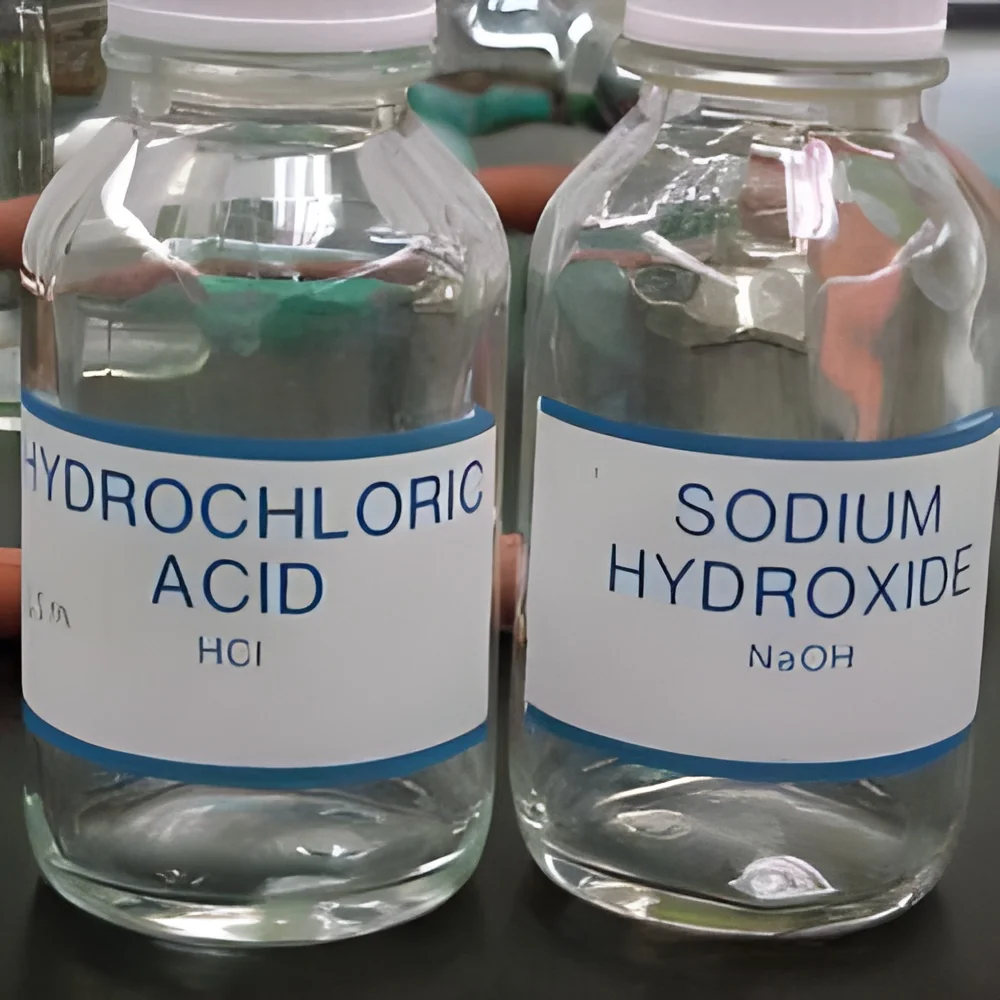
Hydrochloric Acid
Hydrochloric acid is utilized in metal cleaning, pH control, and food processing. Its strong acidic nature makes it effective for various industrial applications.
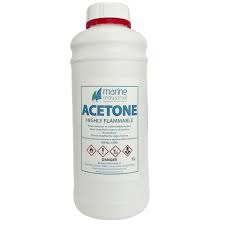
Acetone
Acetone is a widely used solvent in the production of plastics, fibers, and pharmaceuticals. It is known for its ability to dissolve a wide range of substances, making it ideal for cleaning and extraction processes.
𝗕𝗲𝗻𝗲𝗳𝗶𝘁𝘀 𝗮𝗻𝗱 𝗔𝗱𝘃𝗮𝗻𝘁𝗮𝗴𝗲𝘀
Sourcing high-quality acids, solvents, and reagents provides several advantages for businesses across industries.
Key benefits include:
1. Enhanced Efficiency: Using the right chemicals can streamline processes and improve overall efficiency in production.
2. Quality Assurance: High-purity products ensure that end products meet regulatory standards and consumer expectations.
3. Cost-Effective Solutions: Selecting the appropriate reagents and solvents can help reduce waste and lower costs in manufacturing.
4. Versatility: Many acids and solvents can serve multiple applications, providing flexibility for businesses.
5. Regulatory Compliance: Sourcing from certified suppliers ensures that products meet necessary safety and environmental regulations.
6. Innovation Support: Access to a diverse range of chemicals can foster innovation in product development and formulation.
𝗕𝘂𝘆𝗶𝗻𝗴 𝗚𝘂𝗶𝗱𝗲 𝗳𝗼𝗿 𝗕𝟮𝗕 𝗕𝘂𝘆𝗲𝗿𝘀
When sourcing acids, solvents, and reagents, businesses should consider several key factors to ensure they make informed purchasing decisions.
1. Quality Assessment: Evaluate the purity and specifications of the chemicals to ensure they meet operational requirements. Look for certifications that verify quality.
2. Supplier Verification: Vet suppliers to confirm their reliability and reputation in the market. Consider their experience and customer reviews.
3. Pricing and MOQ: Analyze pricing structures and minimum order quantities to ensure they align with budgetary constraints and needs.
4. Delivery and Lead Times: Assess the supplier's logistics capabilities to ensure timely delivery of products. Understand their lead times and shipping options.
5. Compliance Requirements: Ensure that the products sourced comply with relevant regulatory standards, such as safety and environmental regulations.
𝗖𝗼𝗺𝗽𝗹𝗶𝗮𝗻𝗰𝗲 𝗮𝗻𝗱 𝗖𝗲𝗿𝘁𝗶𝗳𝗶𝗰𝗮𝘁𝗶𝗼𝗻𝘀
Compliance and certifications are critical aspects of sourcing acids, solvents, and reagents. Businesses must adhere to various quality standards to ensure product safety and efficacy.
Relevant quality standards include ISO 9001, which outlines requirements for a quality management system, ensuring consistent quality in products and services. Additionally, HACCP (Hazard Analysis Critical Control Point) provides a systematic approach to food safety management, essential for products used in food applications.
Industry certifications, such as CE marking, indicate that products meet European safety, health, and environmental protection requirements. This certification is crucial for businesses operating in or exporting to European markets.
Safety and testing requirements are also paramount. Suppliers should provide safety data sheets (SDS) that outline the hazards, handling, and storage of chemicals. These documents help businesses comply with health and safety regulations.
Regional compliance considerations may vary based on local regulations and market needs. It is essential for businesses to be aware of regional requirements when sourcing chemicals to avoid legal issues and ensure safe usage.
𝗪𝗵𝘆 𝗦𝗼𝘂𝗿𝗰𝗲 𝗔𝗰𝗶𝗱𝘀, 𝗦𝗼𝗹𝘃𝗲𝗻𝘁𝘀 & 𝗥𝗲𝗮𝗴𝗲𝗻𝘁𝘀 𝗳𝗿𝗼𝗺 𝗣𝗲𝗽𝗮𝗴𝗼𝗿𝗮?
Pepagora provides a trusted platform for sourcing acids, solvents, and reagents with several key advantages that benefit B2B buyers.
Verified Supplier Network: Pepagora has established a network of verified suppliers, ensuring that businesses can source high-quality products from reputable companies. This verification process helps buyers avoid risks associated with unreliable suppliers.
Streamlined RFQ Process: The platform offers a streamlined request for quotation (RFQ) process, allowing buyers to easily compare prices and specifications from multiple suppliers. This efficiency helps businesses make informed purchasing decisions quickly.
Trade Assurance and Support: Pepagora offers trade assurance and buyer protection, ensuring that transactions are secure. Buyers can feel confident that they will receive the products as promised, with recourse available in case of disputes.
Regional Coverage: With a focus on geographic reach, Pepagora serves customers in India, the GCC, and Southeast Asia. This extensive coverage allows businesses in these regions to access a wide range of acids, solvents, and reagents tailored to their specific needs.

 IN
IN