What are Dimethyl Sulfoxide (DMSO)?
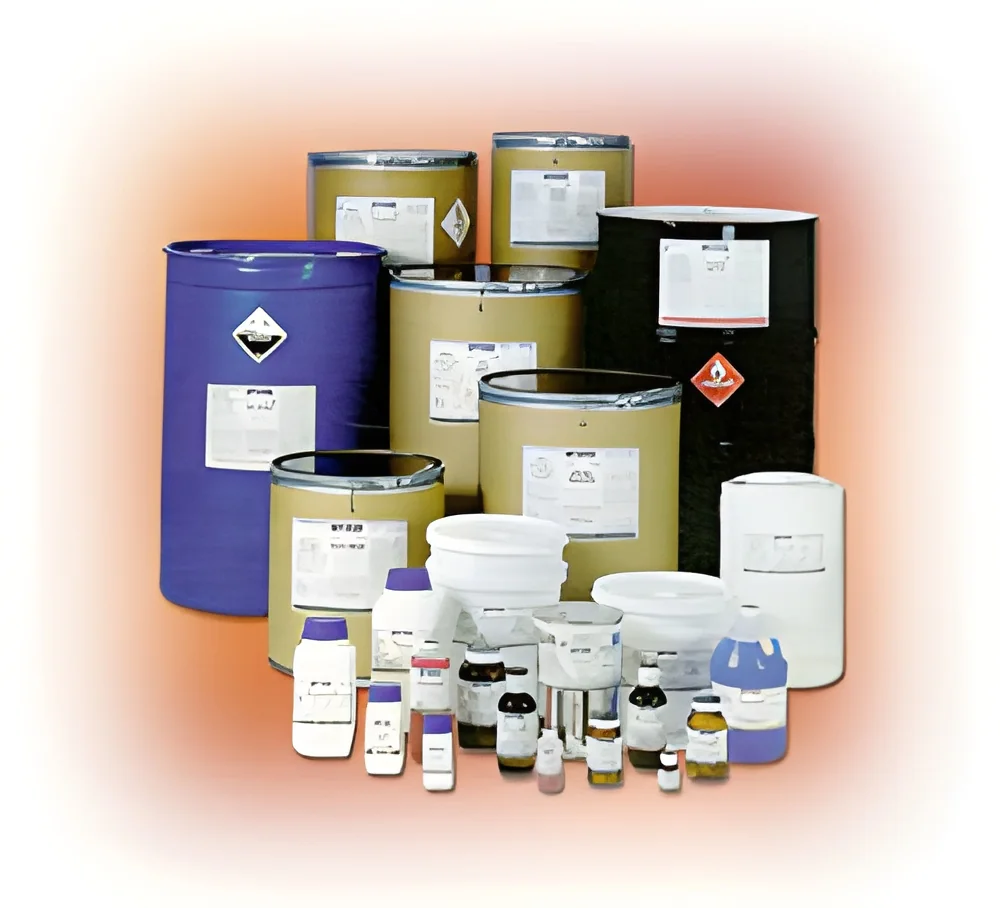
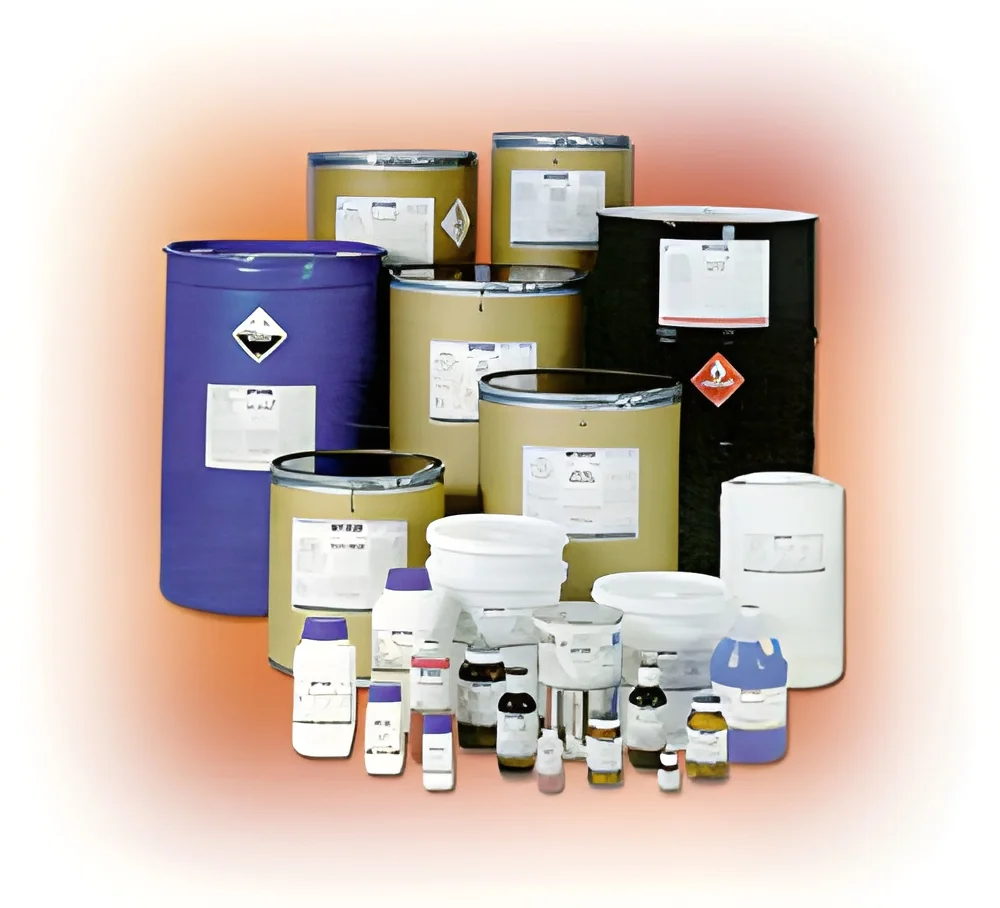
Dimethyl Sulfoxide, commonly known as DMSO, is a colorless, odorless organic solvent with a unique ability to penetrate biological membranes. It is derived from lignin and is recognized for its polar aprotic characteristics, making it an effective solvent for a wide range of chemical compounds. DMSO has a high boiling point and exhibits excellent solvent properties, which allow it to dissolve both polar and non-polar substances.
DMSO is widely used across various industries, including pharmaceuticals, agriculture, and chemical manufacturing. In the pharmaceutical sector, it acts as a solvent for drug formulations and enhances the absorption of medications through the skin. In agriculture, it is utilized as a carrier for pesticides and fertilizers, while in chemical manufacturing, it serves as an intermediate for producing various chemicals. The versatility of DMSO has led to its growing demand in multiple applications, driving a substantial market presence.
As industries increasingly seek effective solvents and carriers, DMSO continues to gain relevance. Its unique properties and applications position it as a critical component in many formulations. The market for DMSO is expected to expand, driven by advancements in technology and the continuous need for efficient chemical processes.
๐๐ฒ๐ ๐๐ฒ๐ฎ๐๐๐ฟ๐ฒ๐ ๐ฎ๐ป๐ฑ ๐ฆ๐ฝ๐ฒ๐ฐ๐ถ๐ณ๐ถ๐ฐ๐ฎ๐๐ถ๐ผ๐ป๐
DMSO offers a range of key features that make it suitable for various applications. Its high solubility, low toxicity, and ability to penetrate biological membranes are among its most notable characteristics. Additionally, DMSO has a relatively high boiling point, allowing it to be used in processes requiring elevated temperatures.
Key specifications include:
1. Purity Level
- Typically available in purity levels of 99% or higher.
- Ensures minimal impurities for sensitive applications.
2. Density
- Standard density of approximately 1.09 g/cmยณ at 20ยฐC.
- Important for calculating concentrations in formulations.
3. Solubility
- Soluble in water and many organic solvents.
- Offers flexibility for use in diverse chemical processes.
4. Boiling Point
- Boiling point around 189ยฐC (372ยฐF).
- Suitable for high-temperature reactions.
5. Freezing Point
- Freezing point of approximately 18.5ยฐC (65.3ยฐF).
- Important for storage and handling considerations.
6. Viscosity
- Low viscosity of about 1.99 mPa.s at 25ยฐC.
- Facilitates easy mixing and application in formulations.
7. Flash Point
- Flash point of approximately 89ยฐC (192ยฐF).
- Indicates safety during storage and handling.
In summary, DMSO's specifications highlight its versatility and efficiency as a solvent and carrier in various industries.
๐๐ผ๐บ๐บ๐ผ๐ป ๐๐ฝ๐ฝ๐น๐ถ๐ฐ๐ฎ๐๐ถ๐ผ๐ป๐ ๐ฎ๐ป๐ฑ ๐จ๐๐ฒ ๐๐ฎ๐๐ฒ๐
DMSO serves numerous industries due to its solvent properties and biological compatibility. Its applications are diverse and impactful.
1. Pharmaceuticals: DMSO is used as a solvent in drug formulations and enhances transdermal drug delivery, improving the efficacy of medications.
2. Agriculture: In the agricultural sector, DMSO acts as a carrier for pesticides and fertilizers, increasing their absorption and effectiveness.
3. Chemical Manufacturing: DMSO is employed as a solvent in chemical reactions and as an intermediate in the synthesis of various organic compounds.
4. Biotechnology: DMSO is often used in cryopreservation and cell culture applications due to its ability to protect cells during freezing.
5. Cosmetics: The cosmetic industry utilizes DMSO for its skin-penetrating properties, enhancing the delivery of active ingredients in topical formulations.
6. Veterinary Medicine: DMSO is used in veterinary practices for its anti-inflammatory properties and as a transport medium for medications.
7. Research: DMSO is a common solvent in laboratory research, facilitating various chemical and biological experiments.
๐ฃ๐ฟ๐ผ๐ฑ๐๐ฐ๐ ๐ฉ๐ฎ๐ฟ๐ถ๐ฎ๐ป๐๐ ๐ฎ๐ป๐ฑ ๐ฆ๐๐ฏ๐ฐ๐ฎ๐๐ฒ๐ด๐ผ๐ฟ๐ถ๐ฒ๐
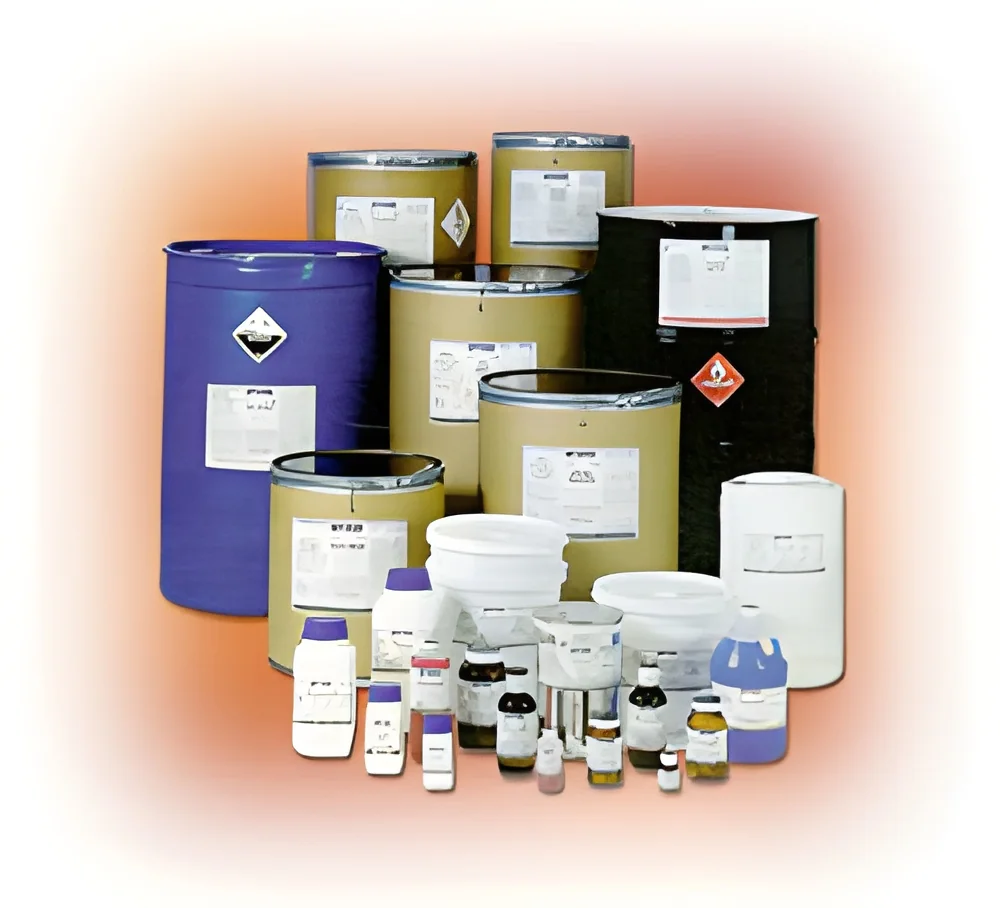
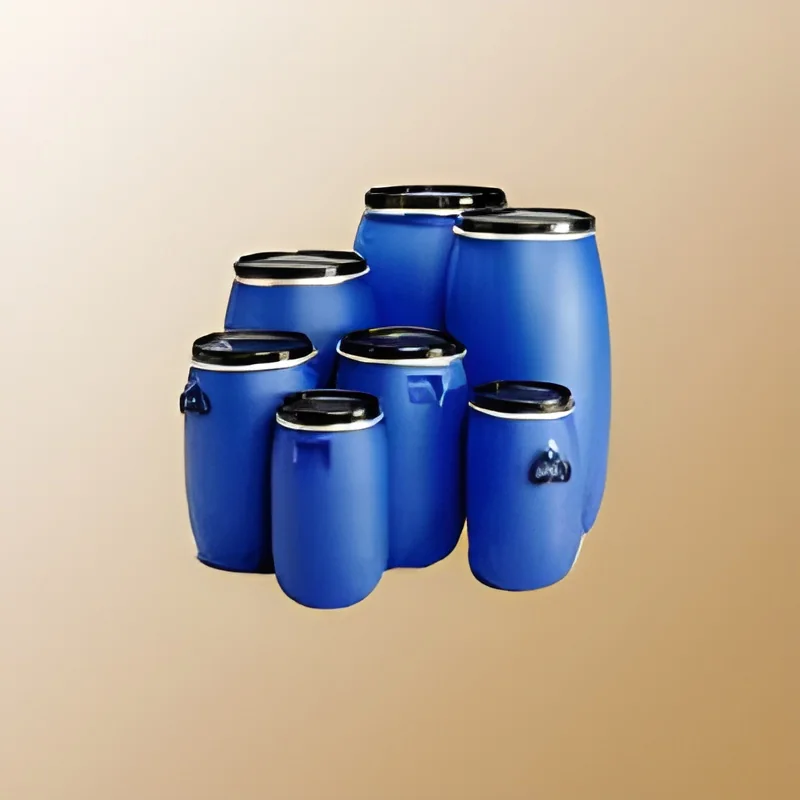
DMSO is available in various forms to meet specific needs across different applications.
DMSO Liquid
This is the most common form, used mainly for pharmaceutical and industrial applications. Its high purity and solubility make it ideal for numerous chemical processes.
DMSO Gel
DMSO gel formulations are used primarily in topical applications, providing a convenient method for delivering active ingredients through the skin.
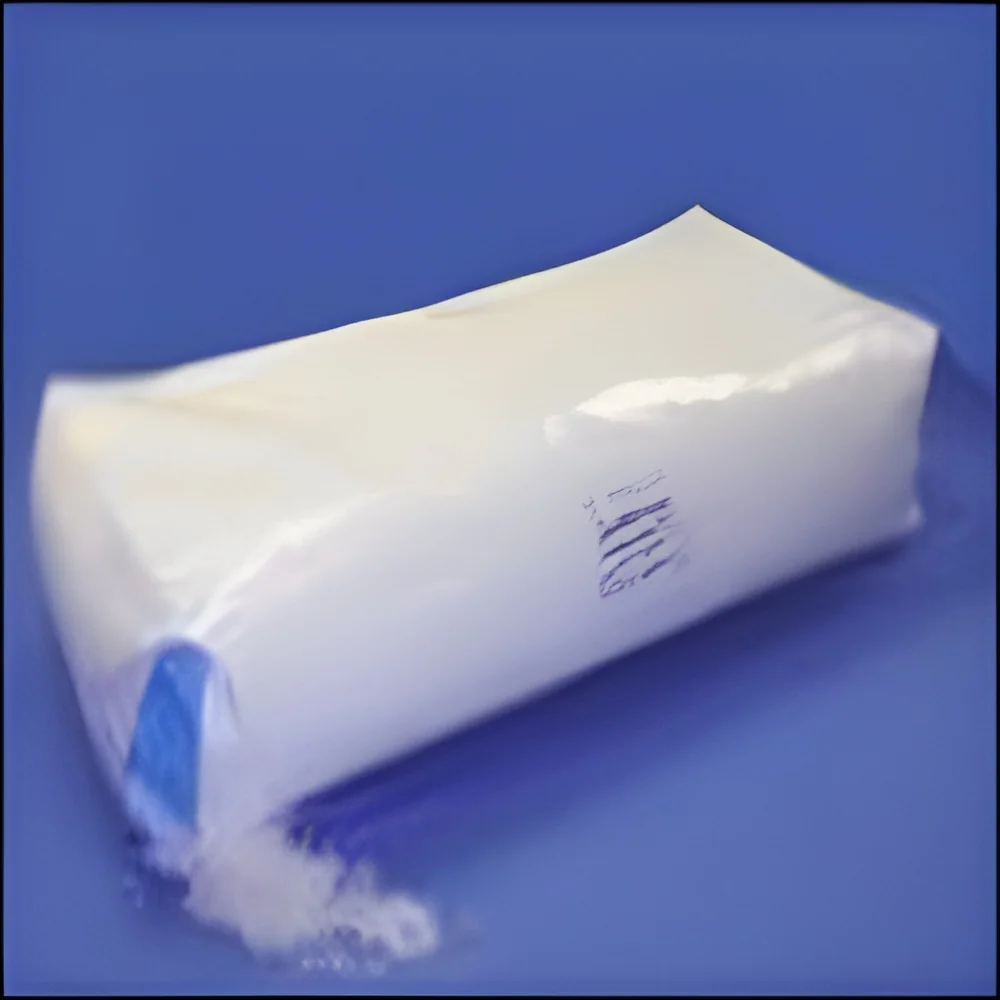
DMSO Powder
While less common, DMSO can also be produced in powder form for specific industrial applications. This variant is particularly utilized in situations where liquid handling may be challenging.
๐๐ฒ๐ป๐ฒ๐ณ๐ถ๐๐ ๐ฎ๐ป๐ฑ ๐๐ฑ๐๐ฎ๐ป๐๐ฎ๐ด๐ฒ๐
DMSO offers numerous benefits that make it a preferred choice for many industries.
1. Versatility: DMSO can dissolve a wide range of substances, making it suitable for various applications in different sectors.
2. High Solubility: Its ability to solubilize both polar and non-polar compounds enhances its utility in chemical formulations.
3. Biological Compatibility: DMSO's low toxicity and ability to penetrate biological membranes allow for effective drug delivery systems.
4. Enhanced Efficacy: The use of DMSO in formulations can improve the effectiveness of active ingredients, particularly in pharmaceuticals and agriculture.
5. Cost-Effectiveness: DMSO's multifunctionality can reduce the need for multiple solvents, leading to cost savings in production processes.
6. Environmental Considerations: DMSO is considered to have a relatively low environmental impact compared to other organic solvents, aligning with sustainability goals.
๐๐๐๐ถ๐ป๐ด ๐๐๐ถ๐ฑ๐ฒ ๐ณ๐ผ๐ฟ ๐๐ฎ๐ ๐๐๐๐ฒ๐ฟ๐
When sourcing Dimethyl Sulfoxide (DMSO), there are several key factors to consider to ensure quality and reliability.
1. Quality Assessment: It is crucial to evaluate the purity and stability of DMSO. Buyers should request certificates of analysis to confirm quality standards.
2. Supplier Verification: Vetting suppliers for their reputation and reliability is essential. Look for suppliers with a proven track record in delivering high-quality chemical products.
3. Pricing and MOQ: Consider the pricing structures and minimum order quantities (MOQ). Competitive pricing can be important but should not compromise quality.
4. Delivery and Lead Times: Assess logistics capabilities, including delivery times and shipping methods. Timely delivery can be critical for business operations.
5. Compliance Requirements: Ensure that the DMSO meets relevant regulatory standards and certifications. Understanding compliance requirements can prevent potential legal issues.
๐๐ผ๐บ๐ฝ๐น๐ถ๐ฎ๐ป๐ฐ๐ฒ ๐ฎ๐ป๐ฑ ๐๐ฒ๐ฟ๐๐ถ๐ณ๐ถ๐ฐ๐ฎ๐๐ถ๐ผ๐ป๐
Dimethyl Sulfoxide (DMSO) must meet several industry standards and certifications to ensure safety and efficacy.
Quality standards such as ISO 9001 are often relevant, indicating a commitment to consistent quality management systems. Additionally, certifications like UL and CE provide assurance that the product meets specific safety and performance requirements.
DMSO is subject to safety and testing requirements, particularly in pharmaceuticals and agriculture, where it is essential to ensure that the product is free from contaminants.
Regional compliance considerations may vary, with specific regulations in different geographical areas affecting production, transportation, and usage. Understanding these regulations is crucial for businesses operating in multiple regions.
Why Source Dimethyl Sulfoxide (DMSO) from Pepagora?
Pepagora provides a trusted platform for sourcing Dimethyl Sulfoxide (DMSO) with several key advantages.
The verified supplier network ensures that buyers have access to reliable sources of high-quality DMSO. Each supplier undergoes thorough vetting to confirm their credibility and track record.
The streamlined RFQ process simplifies obtaining quotations from multiple suppliers, allowing businesses to compare offers quickly and efficiently. This transparency helps buyers make informed decisions.
Trade assurance and support mechanisms are in place to protect buyers throughout their purchasing process. This added layer of security fosters confidence in sourcing activities.
Pepagora's regional coverage spans key markets, including India, the GCC, and Southeast Asia. This broad geographic reach ensures that businesses can find suppliers that meet their specific needs, regardless of location.