What are Phosphoric Acid?
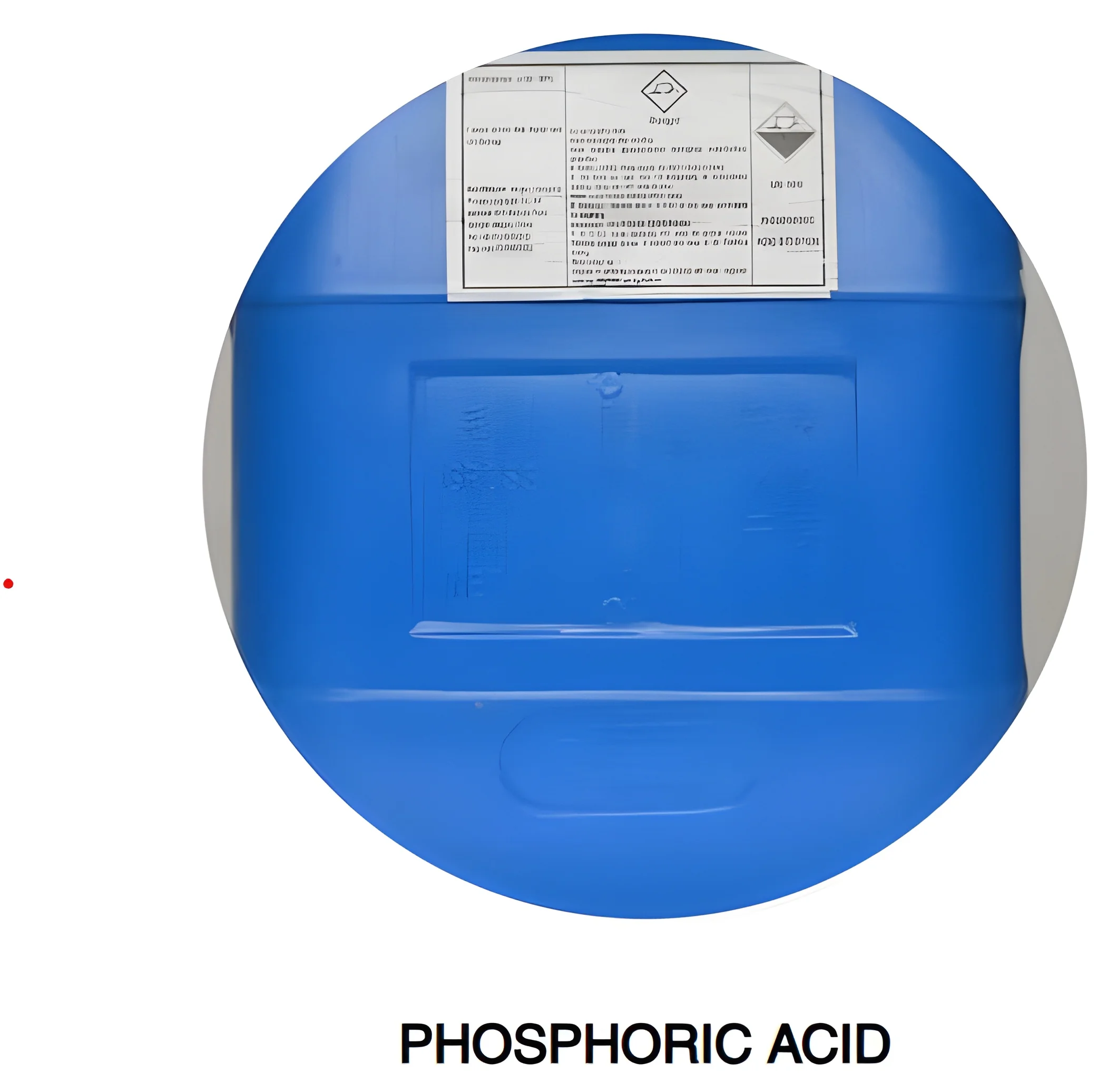
Phosphoric Acid is a clear, colorless, and odorless liquid that is commonly used in various industrial applications. It is a mineral acid made from phosphorus, oxygen, and hydrogen, and is characterized by its chemical formula H3PO4. This acid is a key component in many chemical reactions and processes, making it an essential product in multiple industries.
The primary uses of Phosphoric Acid include its application in the production of fertilizers, food and beverage processing, and as a rust remover in metal treatments. In the agricultural sector, it is vital for the synthesis of phosphate fertilizers, which are crucial for plant growth. Additionally, it acts as an acidity regulator in food and beverages, enhancing flavor and stability. The growing demand for agricultural productivity and increasing food processing activities contribute to the relevance of Phosphoric Acid in the market.
Phosphoric Acid is widely recognized across various industries for its versatility and effectiveness. Its importance in agriculture, food production, and industrial applications positions it as a critical chemical in the global market. As industries continue to evolve, the demand for high-quality Phosphoric Acid is expected to remain strong, reflecting its essential role in enhancing productivity and efficiency.
Key Features and Specifications
Phosphoric Acid offers a range of features and specifications that make it suitable for diverse applications. Understanding these specifications is essential for businesses looking to utilize this chemical effectively.
Key specifications include:
1. Purity Level
- Typically, Phosphoric Acid is available in different purity levels, such as food grade and technical grade.
- Purity levels can range from 75% to 85% for industrial applications.
2. Concentration
- The concentration of Phosphoric Acid can vary, affecting its reactivity and suitability for various applications.
- Common concentrations include 75%, 85%, and 95%.
3. pH Level
- Phosphoric Acid exhibits a pH level that can range from 1 to 2, indicating its strong acidic nature.
- This property is critical for its effectiveness in food preservation and cleaning applications.
4. Viscosity
- The viscosity of Phosphoric Acid can impact its handling and mixing processes.
- It typically has a low viscosity, facilitating easy application.
5. Boiling Point
- The boiling point of Phosphoric Acid is approximately 158 degrees Celsius.
- This temperature is important for applications involving heating or evaporation.
6. Density
- The density of Phosphoric Acid is around 1.88 g/cm3.
- This property influences storage and transportation considerations.
7. Solubility
- Phosphoric Acid is highly soluble in water, making it easy to dilute for various uses.
- Its solubility enhances its effectiveness in agricultural and industrial processes.
8. Reactivity
- Phosphoric Acid is reactive with bases and certain metals, which is crucial for understanding safety and handling procedures.
- Proper safety measures should be in place to manage its reactive nature.
In summary, the specifications of Phosphoric Acid highlight its versatility and adaptability across multiple industrial applications. Understanding these features enables businesses to select the right product for their specific needs.
Common Applications and Use Cases
Phosphoric Acid serves a wide range of industries, each benefiting from its unique properties and applications.
1. Agriculture: Phosphoric Acid is primarily used in the formulation of phosphate fertilizers, which are essential for enhancing crop yield and quality.
2. Food and Beverage: It acts as an acidity regulator and flavor enhancer in various food products, ensuring taste consistency and preservation.
3. Metal Treatment: Phosphoric Acid is employed as a rust remover and cleaner for metal surfaces, aiding in surface preparation for further processing.
4. Pharmaceuticals: It is used in the production of various pharmaceutical products, particularly in the synthesis of active ingredients.
5. Water Treatment: Phosphoric Acid plays a role in water treatment processes, helping to control pH levels and prevent corrosion in pipelines.
6. Electronics: In the electronics industry, it is used in the manufacturing of semiconductors and circuit boards due to its etching properties.
7. Cleaning Products: Phosphoric Acid is a common ingredient in many cleaning formulations, effectively removing mineral deposits and stains.
Product Variants and Subcategories
Phosphoric Acid is available in various forms, catering to different industrial needs. While specific subcategories are not available, the following variants represent the common uses of Phosphoric Acid.
Food Grade Phosphoric Acid: This variant is specifically designed for use in food and beverage applications. It meets stringent safety and quality standards, ensuring it is safe for consumption.
Technical Grade Phosphoric Acid: This variant is intended for industrial applications, such as fertilizer production and metal treatment. It may contain impurities that are acceptable for non-food uses.
Benefits and Advantages
Phosphoric Acid provides several key benefits that make it a valuable asset in multiple industries.
1. Enhanced Crop Yield: Its role in phosphate fertilizers significantly boosts agricultural productivity, leading to higher crop yields.
2. Versatile Applications: Phosphoric Acid is applicable in diverse sectors, including food processing, cleaning, and pharmaceuticals, making it a multifunctional chemical.
3. Effective Cleaning Agent: Its strong acidic nature allows for the efficient removal of rust and mineral deposits, making it ideal for metal treatment processes.
4. Safe for Food Use: Food grade variants ensure safety in food applications, complying with health regulations.
5. pH Regulation: Phosphoric Acid effectively regulates pH levels in various formulations, enhancing stability and effectiveness.
6. Economic Efficiency: Its widespread use in multiple industries contributes to cost-effectiveness, as it can serve various functions in production processes.
Buying Guide for B2B Buyers
When sourcing Phosphoric Acid, businesses should consider several essential factors to ensure they meet their specific needs.
1. Quality Assessment: It is crucial to evaluate the purity and grade of Phosphoric Acid to ensure it meets industry standards and application requirements. High-quality products can significantly affect performance and safety.
2. Supplier Verification: Vetting suppliers is essential to ensure they have a reliable track record and comply with necessary regulations. This process may include checking certifications and customer reviews.
3. Pricing and MOQ: Understanding the pricing structure and minimum order quantities is vital for budget planning. Negotiating favorable terms can lead to cost savings.
4. Delivery and Lead Times: Businesses should assess the logistics involved in sourcing Phosphoric Acid, including delivery schedules and lead times, to ensure timely availability.
5. Compliance Requirements: It is essential to be aware of regulatory requirements regarding Phosphoric Acid, including safety standards and environmental considerations, to ensure compliance in all operations.
Compliance and Certifications
Phosphoric Acid must comply with various quality standards and certifications to meet industry requirements and ensure safety.
Relevant quality standards include ISO 9001, which ensures consistent quality management systems, and HACCP, which focuses on food safety. Compliance with these standards assures buyers of the product's reliability and safety.
Additionally, Phosphoric Acid is often certified by industry certifications such as CE, indicating compliance with European safety standards. This certification is particularly important for products used in the food and pharmaceutical sectors.
Safety and testing requirements are paramount, given the acidic nature of Phosphoric Acid. Regular testing ensures that the product meets established safety criteria, which is essential for both compliance and consumer protection.
Regional compliance considerations may vary based on local regulations. It is important for businesses to be aware of these differences when sourcing Phosphoric Acid to ensure full compliance in their respective markets.
Why Source Phosphoric Acid from Pepagora?
Pepagora provides a trusted platform for sourcing Phosphoric Acid, offering several key advantages for businesses.
Verified Supplier Network: Pepagora ensures that all suppliers in its network undergo rigorous verification processes. This helps buyers select reliable partners who adhere to industry standards and quality requirements.
Streamlined RFQ Process: The platform simplifies the request for quotation (RFQ) process, allowing buyers to easily obtain competitive pricing and product options. This efficiency enhances the sourcing experience for all parties involved.
Trade Assurance and Support: Pepagora offers trade assurance and support, providing buyers with protection throughout the purchasing process. This commitment to buyer safety fosters confidence in transactions.
Regional Coverage: With a geographic reach that includes India, the Gulf Cooperation Council (GCC), and Southeast Asia, Pepagora facilitates access to a broad market. This coverage ensures that businesses can find suitable suppliers to meet their regional needs.
In conclusion, Pepagora stands out as an effective solution for sourcing Phosphoric Acid, combining quality assurance, streamlined processes, and regional accessibility.

 IN
IN