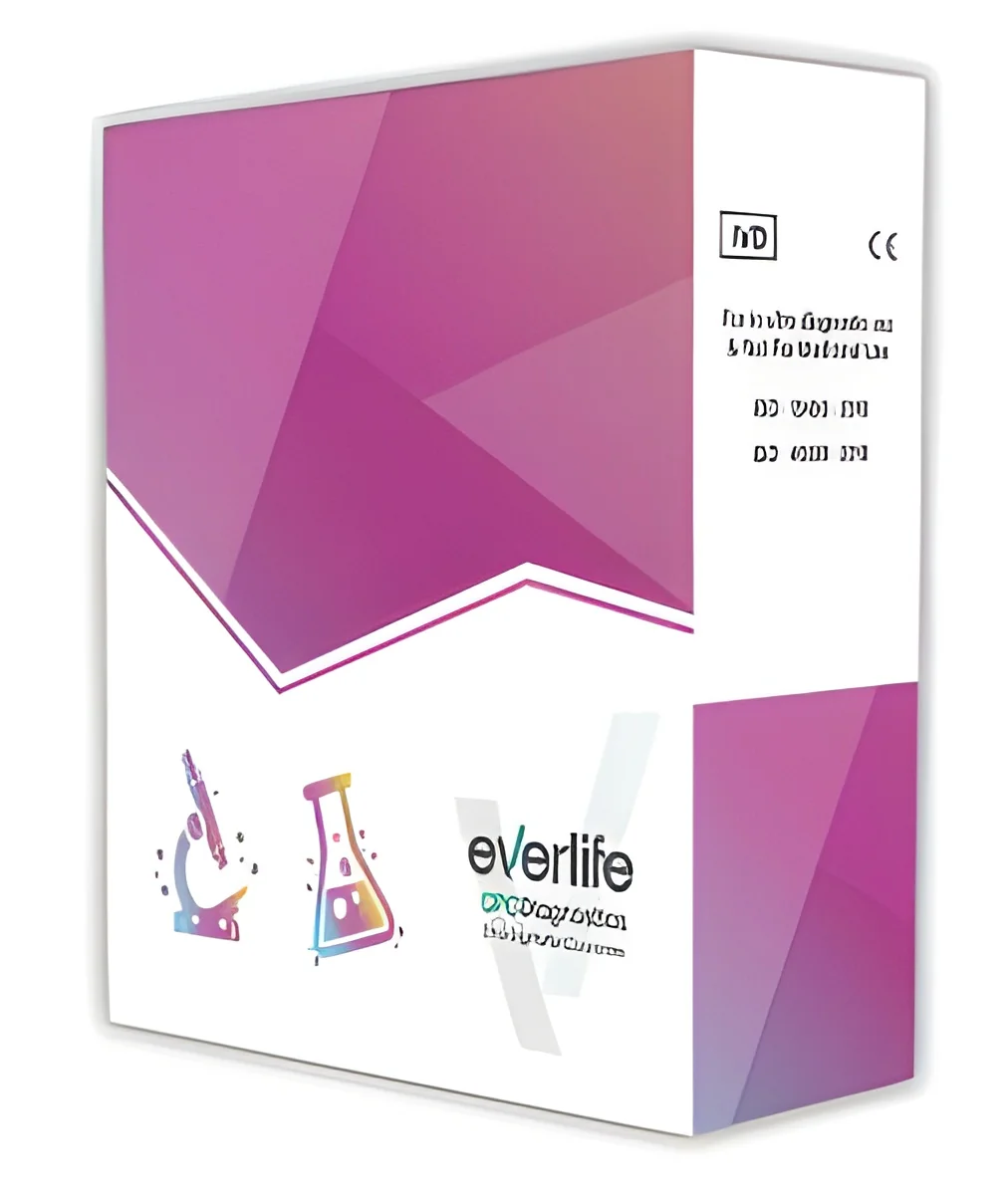
What are Biochemical Reagents?
Biochemical reagents are substances or compounds used in biochemical reactions to detect, measure, or produce biological molecules. They play a critical role in various laboratory applications, including research, diagnostics, and quality control processes. These reagents may consist of enzymes, substrates, antibodies, and other biological materials that facilitate chemical reactions and biochemical analyses.
The primary uses of biochemical reagents span across several fields, including pharmaceuticals, biotechnology, and environmental testing. In laboratories, they are essential for conducting assays, performing experiments, and analyzing biological samples. Businesses rely on these reagents to ensure the accuracy and reliability of their research outcomes, product testing, and regulatory compliance. As the demand for precise analytical tools grows, the relevance of biochemical reagents within the marketplace continues to expand.
In recent years, the market for biochemical reagents has seen significant growth driven by advancements in research and development. Industries are increasingly investing in high-quality reagents to support their innovative projects. This trend highlights the importance of selecting reliable suppliers and maintaining compliance with industry standards to ensure the quality of results obtained through these reagents.
Key Features and Specifications
Biochemical reagents are characterized by several key features and specifications that determine their effectiveness and suitability for various applications. Understanding these specifications is crucial for businesses when selecting the right reagents for their needs.
Key specifications include:
1. Purity Level
- High purity levels are essential for accurate results.
- Typical purity ranges from 95% to 99.9%, depending on the reagent type.
2. Storage Conditions
- Proper storage conditions are vital to maintain reagent stability.
- Most reagents require refrigeration or controlled room temperature.
3. pH Range
- The pH level can affect the reaction and stability of biochemical reagents.
- Common pH ranges vary from 6.0 to 8.0 for optimal performance.
4. Shelf Life
- The shelf life indicates how long reagents remain effective.
- Generally ranges from 12 months to several years depending on the reagent.
5. Solubility
- Solubility in specific solvents is necessary for effective use.
- Common solvents include water, ethanol, and dimethyl sulfoxide.
6. Concentration
- Concentration levels are specified for accurate usage in reactions.
- Common concentrations include 1M, 10M, or as required by the application.
7. Batch Number and Expiry Date
- These identifiers ensure traceability and safety.
- Important for quality control in laboratories.
8. Regulatory Compliance
- Compliance with safety regulations and industry standards is crucial.
- Many reagents adhere to standards such as CE marking.
In summary, understanding the key features and specifications of biochemical reagents is essential for ensuring quality and effectiveness in laboratory applications.
Common Applications and Use Cases
Biochemical reagents serve a wide range of industries, each with distinct applications that leverage their unique properties.
1. Pharmaceutical Industry: Biochemical reagents are used in drug discovery and development, including assays to evaluate drug efficacy and safety.
2. Biotechnology: In biotech, these reagents facilitate genetic testing, protein analysis, and the development of biopharmaceuticals.
3. Clinical Diagnostics: They play a crucial role in medical testing, enabling the detection of diseases through various assays and diagnostic kits.
4. Environmental Testing: Biochemical reagents are employed to analyze environmental samples, helping to detect pollutants and assess ecosystem health.
5. Food and Beverage: These reagents assist in quality control processes, including testing for contaminants and ensuring food safety.
6. Academic Research: Researchers utilize biochemical reagents for experiments in molecular biology, biochemistry, and related fields to advance scientific knowledge.
7. Nutraceuticals: In the nutraceutical sector, these reagents support the development of health supplements by analyzing active ingredients.
Product Variants and Subcategories
Biochemical reagents are diverse and come in various forms to cater to specific laboratory needs.
Enzymes
Enzymes are biological catalysts that accelerate chemical reactions. They are used in a range of applications, including molecular biology techniques and industrial processes.
Antibodies
These proteins identify and bind to specific antigens. Antibodies are crucial in immunoassays, research, and diagnostic applications.
Substrates
Substrates are the reactants upon which enzymes act. They are vital in enzyme assays and biochemical reactions.
Standards
Standards are used for calibration and validation of assays. They help ensure consistency and reliability in experimental results.
Benefits and Advantages
Biochemical reagents offer numerous benefits to businesses and laboratories.
1. High Accuracy: They provide precise measurements and results essential for research and diagnostics.
2. Versatility: Different types of reagents can be used across various applications, enhancing laboratory capabilities.
3. Reliability: High-quality reagents ensure consistent performance, critical for obtaining reproducible results.
4. Time Efficiency: Utilizing biochemical reagents can streamline processes, reducing time spent on experiments.
5. Cost-Effectiveness: Investing in quality reagents can minimize the need for repeat testing, saving resources in the long run.
6. Compliance with Standards: Quality reagents support adherence to regulatory requirements, ensuring laboratory credibility.
Buying Guide for B2B Buyers
When sourcing biochemical reagents, it is important for businesses to consider several key factors to ensure they select the right products.
1. Quality Assessment: Evaluate the purity and reliability of the reagents. Look for certifications and quality control measures that guarantee product integrity.
2. Supplier Verification: Vet potential suppliers thoroughly. Check their reputation, compliance with industry standards, and customer reviews.
3. Pricing and MOQ: Consider pricing structures and minimum order quantities. Balance cost with quality to ensure value for money.
4. Delivery and Lead Times: Assess logistics and delivery timelines. Ensure that suppliers can meet your operational requirements for timely access to reagents.
5. Compliance Requirements: Understand the regulatory landscape for your specific industry. Ensure that the reagents comply with applicable safety and quality standards.
Compliance and Certifications
Compliance and certifications are critical considerations in the procurement of biochemical reagents. Many products must adhere to relevant quality standards to ensure their safety and effectiveness.
ISO 9001 is a widely recognized standard that reflects a commitment to quality management systems. Compliance with this standard ensures that manufacturers maintain consistent quality in their products.
HACCP (Hazard Analysis and Critical Control Points) is vital for reagents used in food and beverage applications. It ensures that safety measures are in place to prevent contamination.
CE marking indicates that products conform to health, safety, and environmental protection standards. This certification is particularly relevant for reagents used in clinical diagnostics and other regulated environments.
Safety and testing requirements are also paramount. Biochemical reagents must undergo rigorous testing to ensure they are safe for use in laboratories and do not pose risks to health.
Regional compliance considerations vary by market. Understanding local regulations is crucial for ensuring that products meet specific legal requirements in different geographic areas.
Why Source Biochemical Reagents from Pepagora?
Pepagora provides a trusted platform for sourcing biochemical reagents with several key advantages that benefit businesses.
Verified Supplier Network: Pepagora connects buyers with a network of verified suppliers, ensuring access to high-quality reagents. This verification process helps mitigate risks associated with sourcing.
Streamlined RFQ Process: The request for quotation (RFQ) system is designed for efficiency, allowing buyers to receive competitive quotes quickly. This feature facilitates informed purchasing decisions.
Trade Assurance and Support: Buyers benefit from trade assurance programs that protect their purchases and ensure reliable transactions. This support builds confidence in sourcing processes.
Regional Coverage: Pepagora offers extensive geographic reach, serving markets in India, the GCC, and Southeast Asia. This regional focus helps businesses access localized suppliers and services efficiently.

 IN
IN