What are Indicators & Stains?
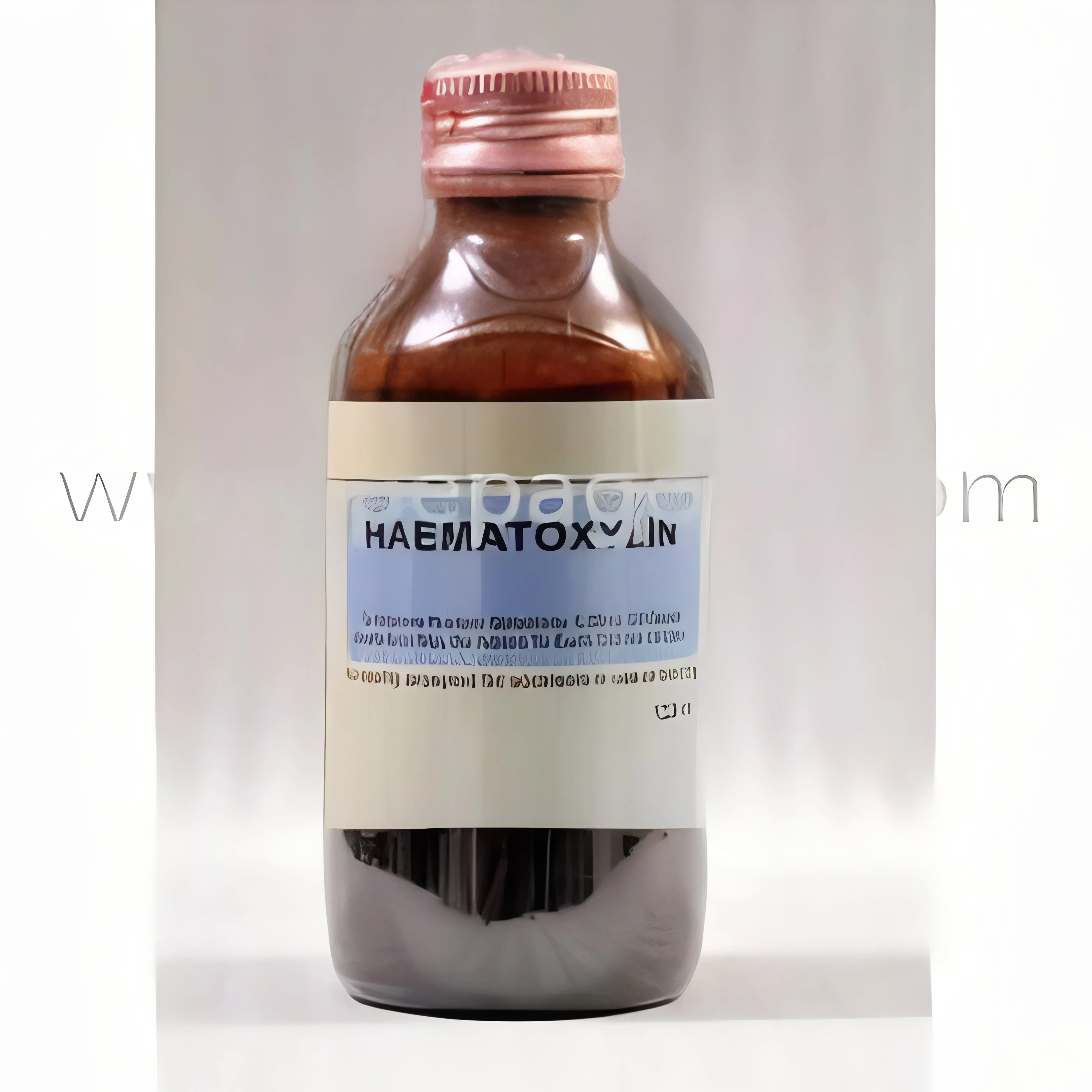
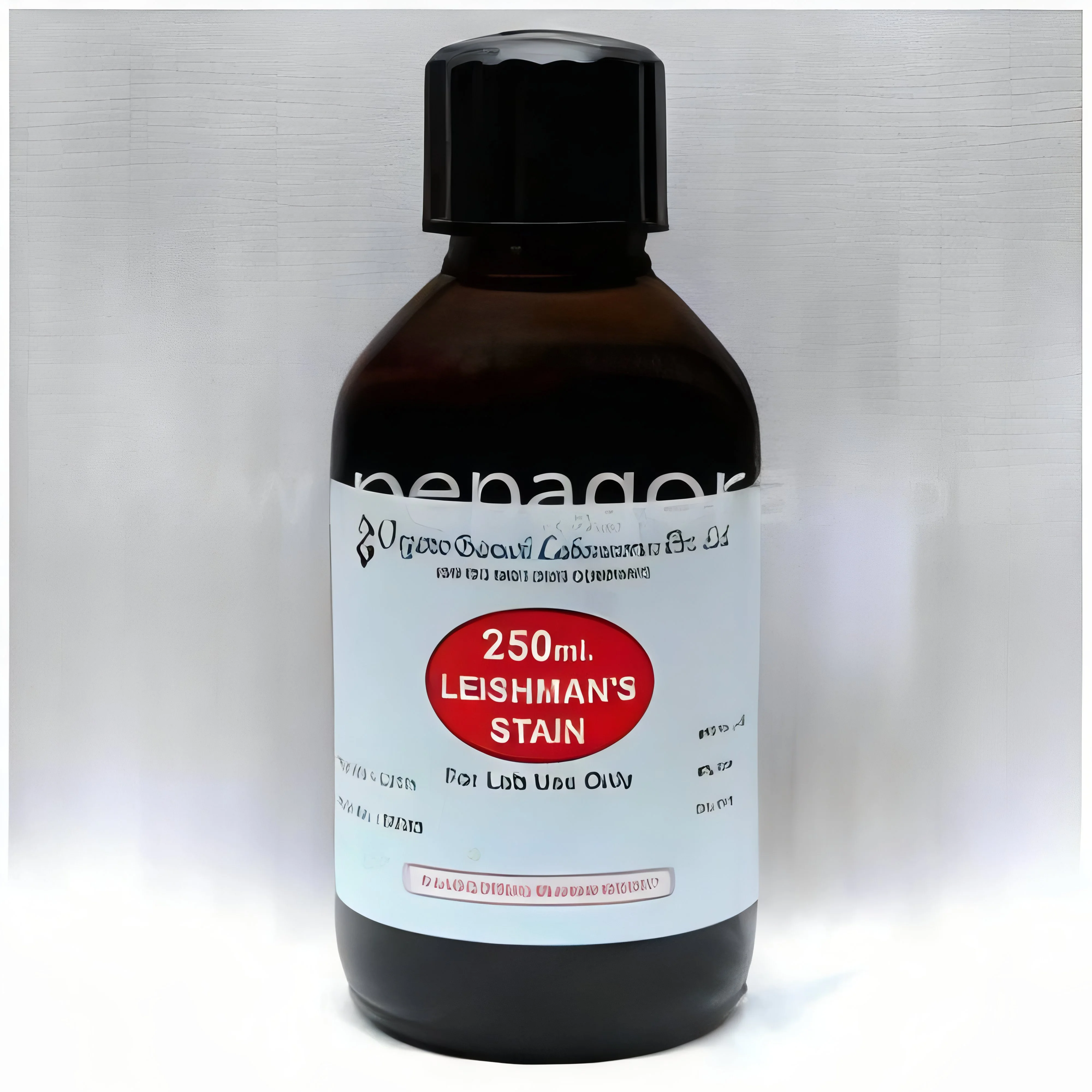
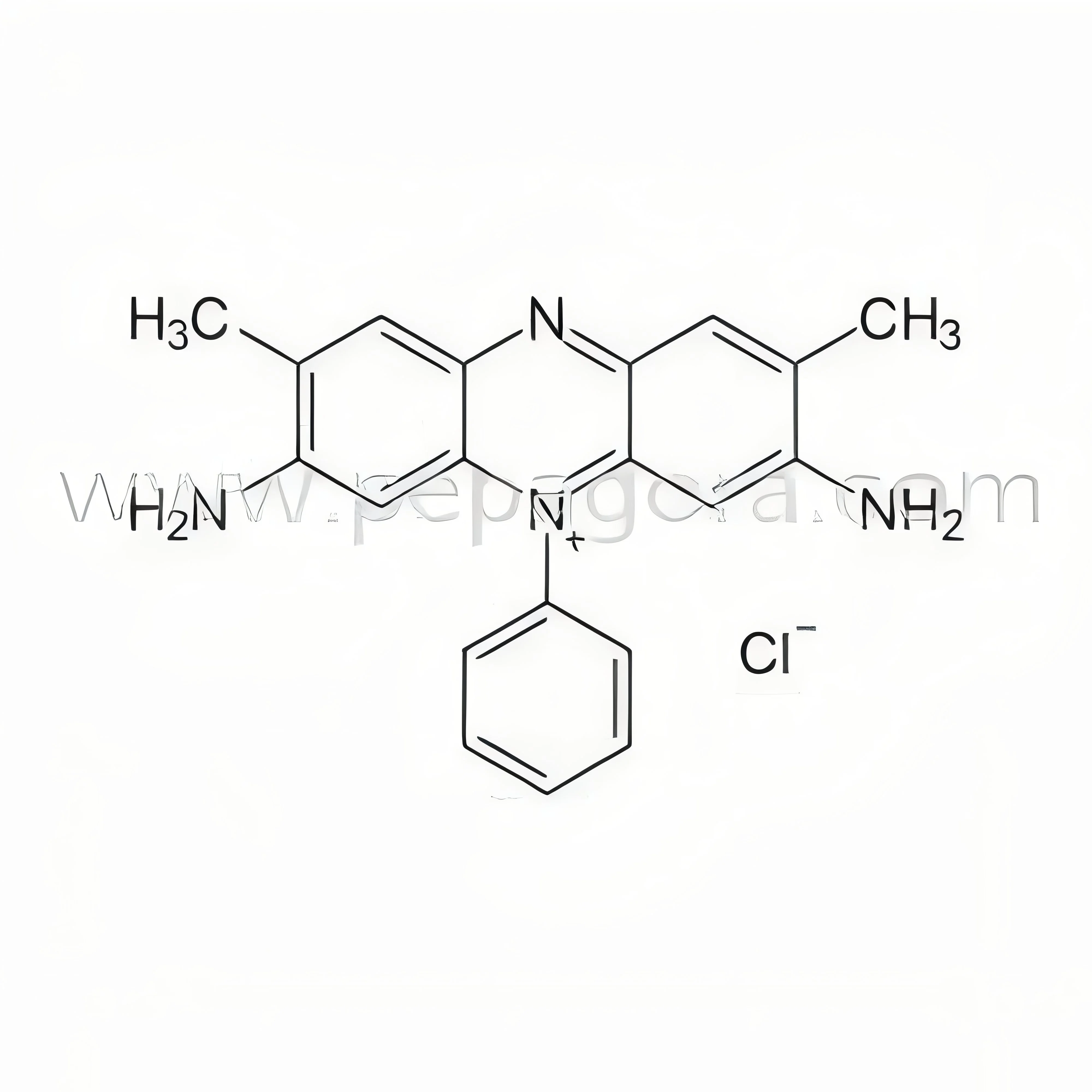
Indicators and stains are essential tools used in various industries to monitor and assess specific conditions. Indicators are substances that change color or appearance in response to certain chemical or physical changes, making them valuable for testing purposes. Stains, on the other hand, are used to enhance the visibility of structures in samples, particularly in microbiology and histology. Together, these products facilitate the analysis and interpretation of materials, ensuring quality and compliance.
The primary uses of indicators and stains span across multiple sectors, including pharmaceuticals, food and beverage, and environmental monitoring. In laboratories, they are crucial for quality control processes, ensuring the accuracy of tests and experiments. Additionally, industries such as healthcare and agriculture utilize these products for their ability to provide immediate visual feedback on processes and conditions that require monitoring.
In a market context, the demand for indicators and stains is driven by the increasing need for quality assurance and regulatory compliance in various manufacturing processes. As industries evolve, the emphasis on precision and reliability has made these products indispensable. Companies are constantly seeking advanced solutions that not only meet their operational needs but also comply with international standards.
Key Features and Specifications
Indicators and stains come with a variety of features and specifications that cater to specific industry requirements. Understanding these specifications is crucial for selecting the right products for your business needs.
Key specifications include:
1. Color Change Range
- Indicates the spectrum of color change under specific conditions.
- Typically ranges from pH 1 to 14 for pH indicators.
2. Application Method
- Describes how the indicator or stain can be applied, such as liquid, powder, or gel form.
- Allows for compatibility with various testing methods.
3. Concentration Levels
- Specifies the effective concentration for optimal results.
- Common concentrations range from 0.1% to 5%.
4. Shelf Life
- Indicates the duration the product remains effective when stored properly.
- Generally varies from one year to three years.
5. Storage Conditions
- Details the ideal storage environment, including temperature and humidity factors.
- Often recommended to be stored in a cool, dry place.
6. Compatibility
- Outlines the types of materials or substrates that the indicators or stains can be used on.
- Ensures that the product does not react negatively with the test samples.
7. Safety Information
- Provides details on handling, usage precautions, and potential hazards.
- Important for maintaining workplace safety.
8. Certification
- Indicates compliance with industry standards, such as CE certification.
- Essential for regulatory approvals in various markets.
In summary, the specifications of indicators and stains are critical in determining their effectiveness and suitability for various applications. Understanding these features helps businesses make informed decisions when selecting products.
Common Applications and Use Cases
Indicators and stains find utility in many industries, each with unique applications that enhance operational efficiency.
1. Pharmaceutical Industry: Indicators are used in drug formulation to ensure pH levels are maintained, while stains assist in identifying specific cell types during research.
2. Food and Beverage: Indicators help in monitoring pH levels in food processing, and stains are utilized for microbial testing to ensure product safety.
3. Environmental Monitoring: Indicators are essential for assessing water quality, with specific stains used to identify pollutants or contaminants in samples.
4. Healthcare: Stains are crucial in laboratory settings for visualizing cells and tissues, aiding in diagnostics and research.
5. Chemical Manufacturing: Indicators are employed to monitor reactions during chemical processes, ensuring safety and compliance with regulations.
6. Agriculture: Indicators help in soil testing to determine nutrient levels, and stains are used to analyze plant health and disease presence.
7. Textile Industry: Indicators are used to determine dye effectiveness and colorfastness, while stains assist in quality control during production.
Product Variants and Subcategories
Indicators and stains are available in a range of variants, each tailored for specific applications and industries.
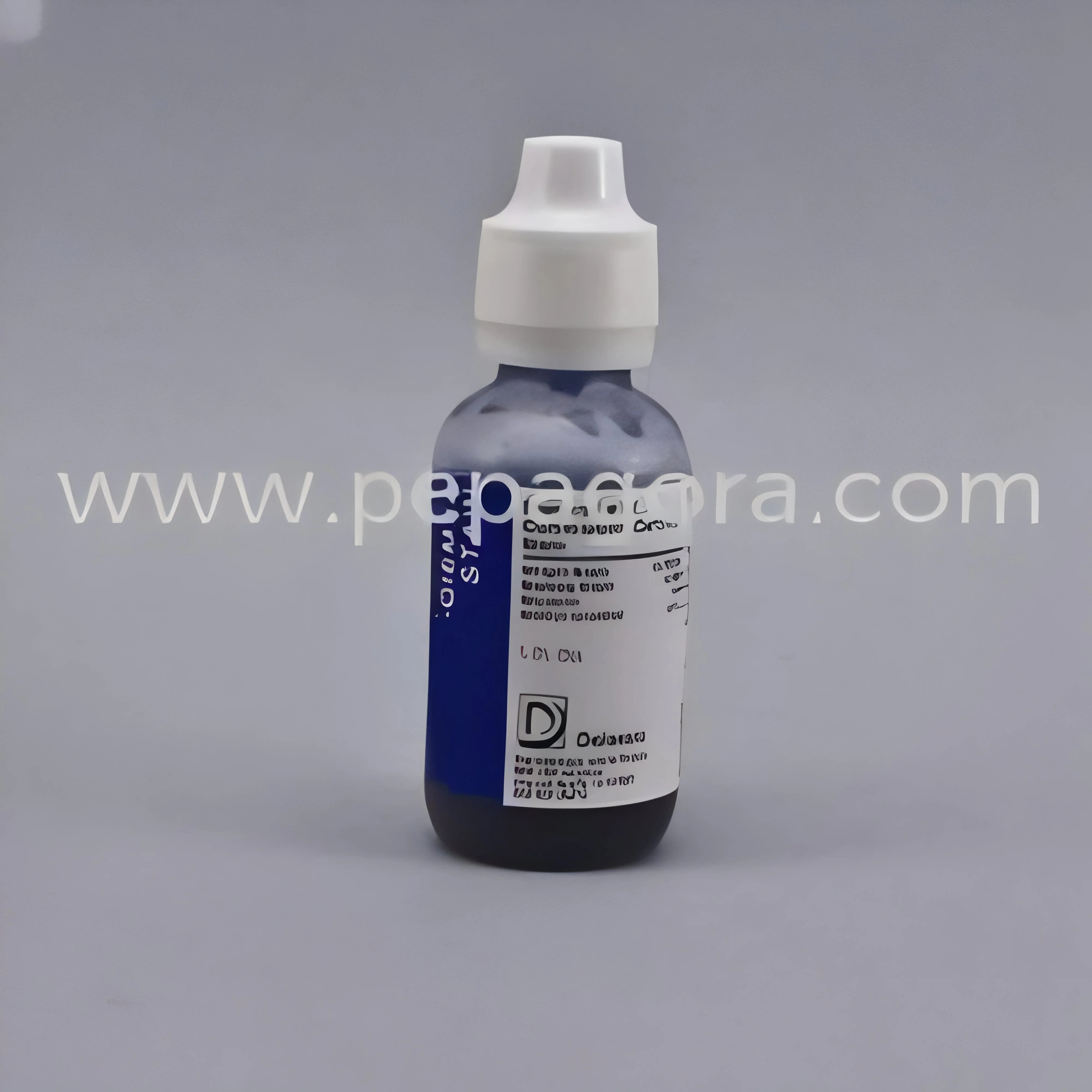
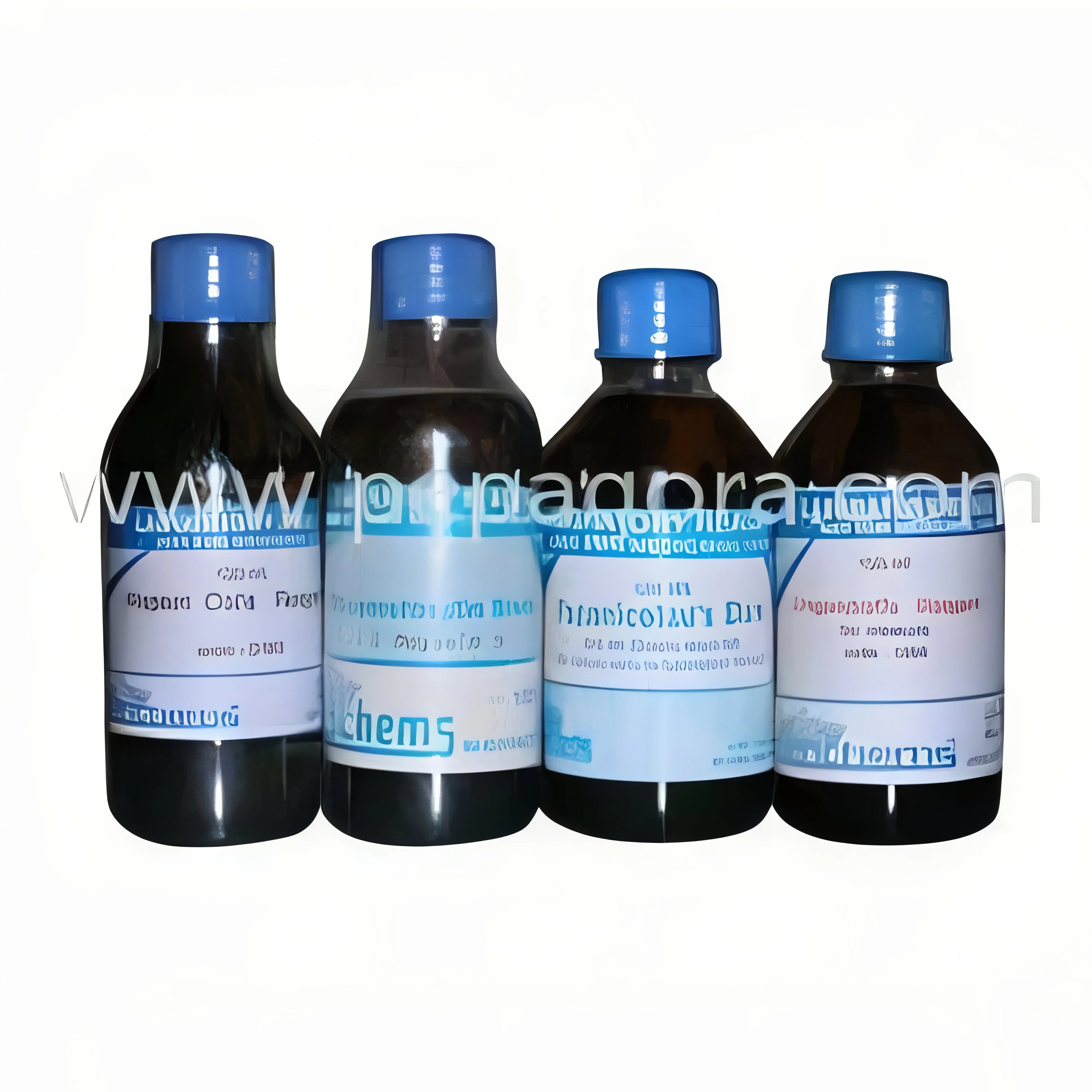
Liquid Indicators: These are versatile solutions that can be easily applied in various testing scenarios. They are often used in laboratory settings for quick pH assessments.
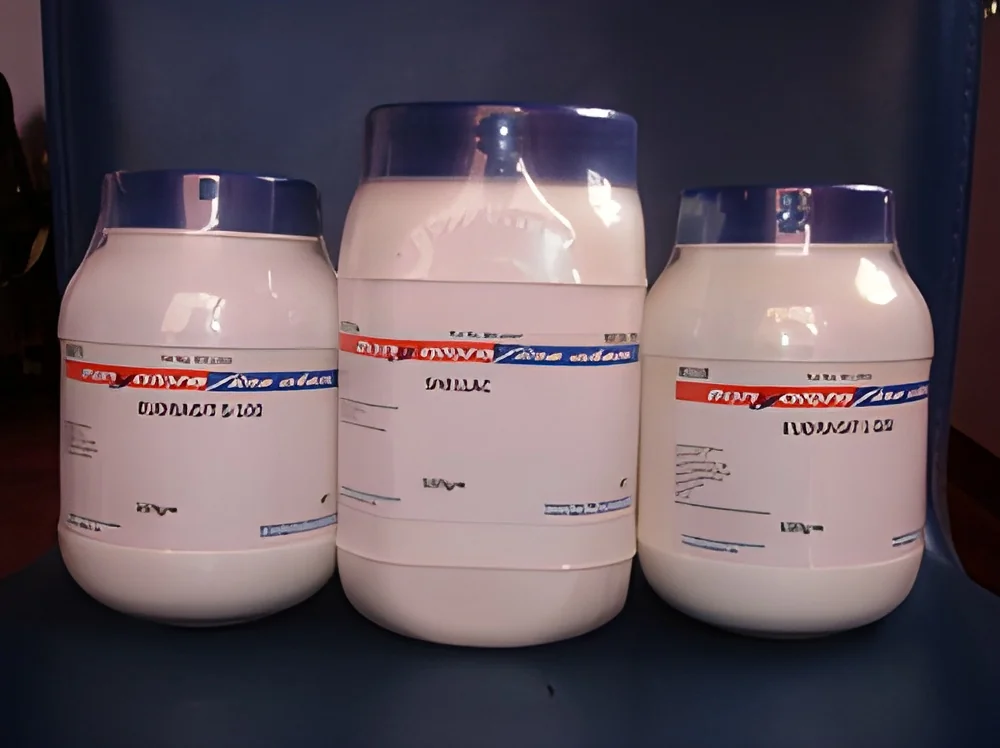
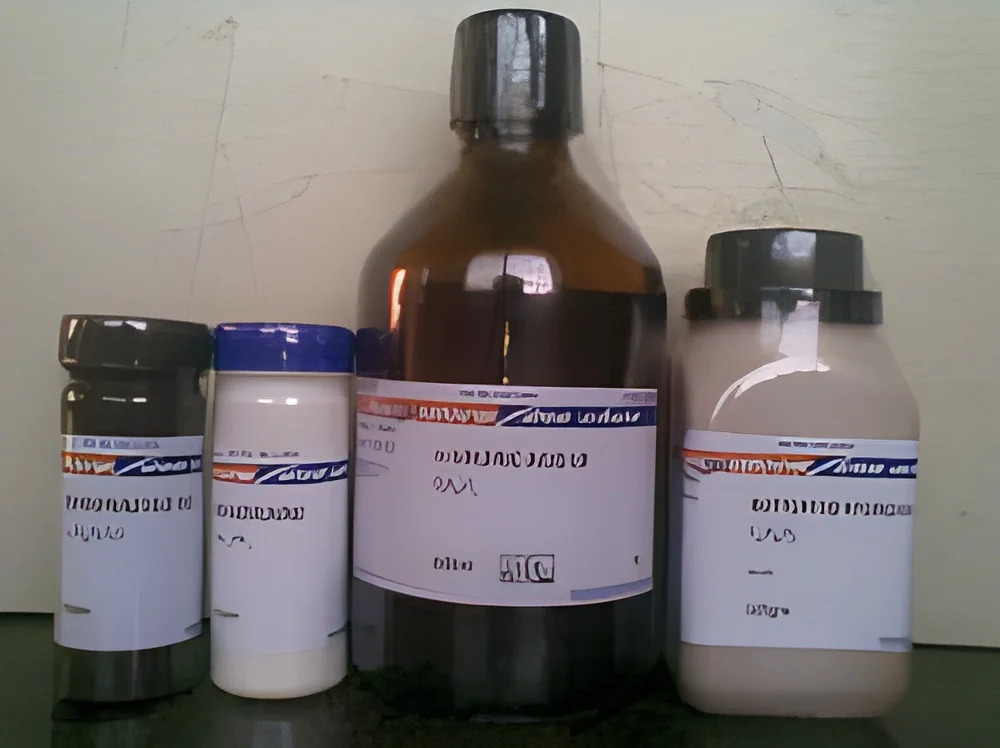
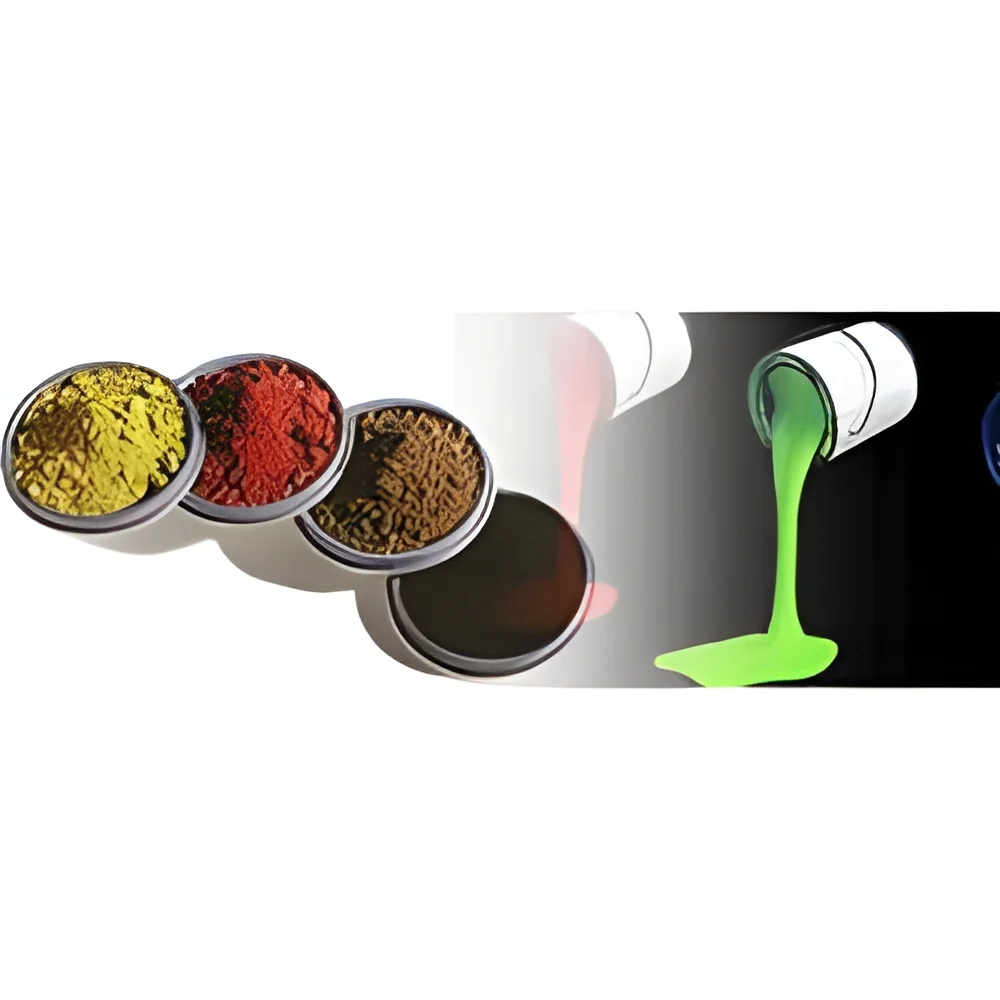
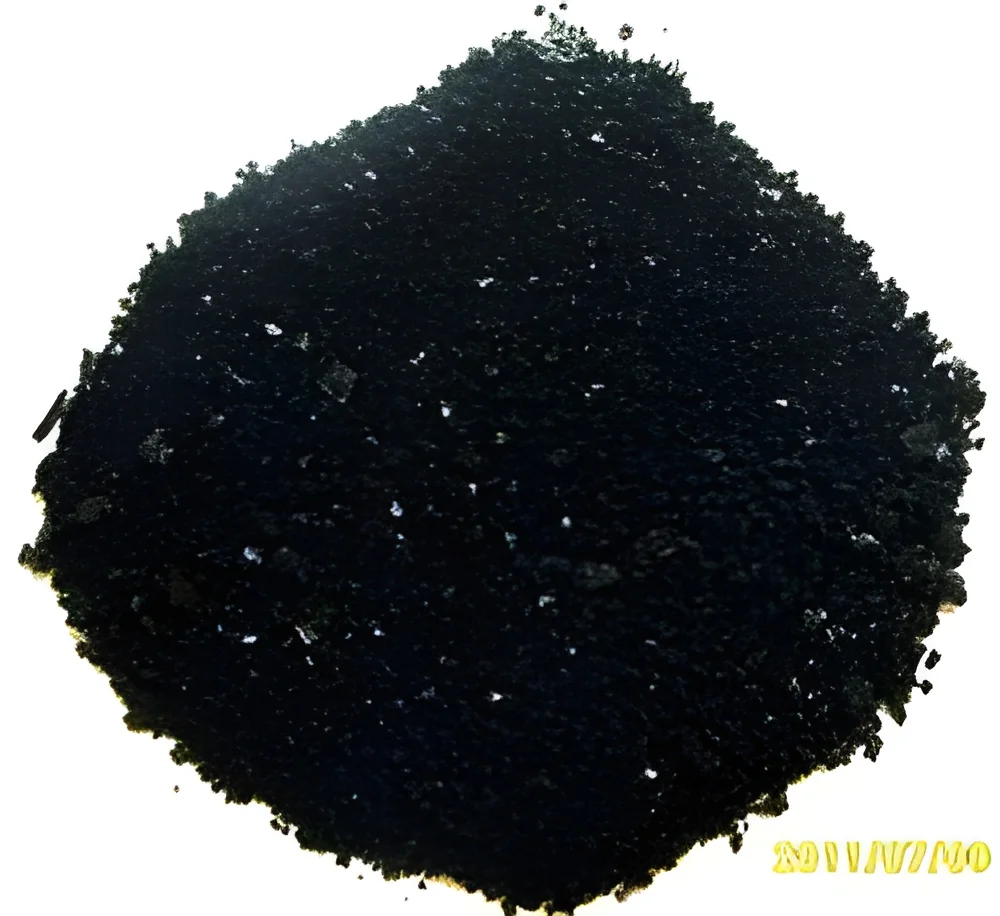
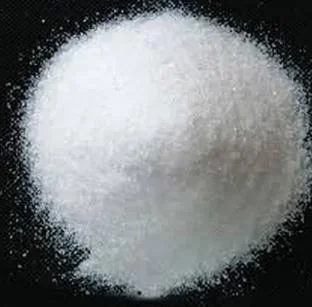
Powdered Stains: Typically used in microbiology, powdered stains require dilution before application. They are favored for their long shelf life and ease of use.
Gel Indicators: Gel formulations provide a controlled application method, making them suitable for specific laboratory procedures where precision is key.
Strip Indicators: These are pre-measured strips that change color based on the pH of a solution. They are commonly used in field tests for convenience and ease of interpretation.
Benefits and Advantages
Sourcing indicators and stains comes with numerous benefits that enhance operational capabilities.
1. Enhanced Accuracy: These products provide reliable results, ensuring that tests and analyses are precise and trustworthy.
2. Time Efficiency: Quick visual feedback allows for faster decision-making in critical processes.
3. Regulatory Compliance: Many indicators and stains meet international quality standards, helping businesses adhere to safety regulations.
4. Versatility: The wide range of applications across industries makes these products adaptable to various business needs.
5. Improved Quality Control: Regular use of indicators and stains enhances quality assurance processes, reducing the risk of errors.
6. Cost-Effectiveness: Investing in reliable indicators and stains can lead to long-term savings by preventing costly compliance failures.
Buying Guide for B2B Buyers
When sourcing indicators and stains, several factors must be considered to ensure you select the right products for your business.
1. Quality Assessment: Look for products that meet relevant quality standards. Ensure they have undergone rigorous testing and are certified for safety and efficacy.
2. Supplier Verification: Vet potential suppliers by checking their reputation, customer reviews, and certifications. A reliable supplier ensures consistent quality and timely delivery.
3. Pricing and MOQ: Understand the pricing structure and minimum order quantities. This helps in budgeting and planning inventory.
4. Delivery and Lead Times: Confirm the expected delivery times to avoid disruptions in operations. Good suppliers provide clear timelines for shipping.
5. Compliance Requirements: Ensure that the products comply with any regulatory requirements specific to your industry. This may include safety certifications or environmental standards.
Compliance and Certifications
Indicators and stains must adhere to various compliance and certification standards to ensure safety and efficacy.
Relevant quality standards such as ISO 9001 and HACCP play a crucial role in guaranteeing product quality and safety. These standards outline the necessary processes for maintaining high manufacturing practices.
Industry certifications like CE are essential for indicating compliance with European safety standards. Products bearing this mark are recognized for their quality and reliability in the market.
Safety and testing requirements are also critical, as they ensure that the products are safe for use in different environments. Regular testing helps uphold the integrity and performance of indicators and stains.
Regional compliance considerations must be taken into account, as different countries may have specific regulations governing the use of chemical products. Understanding these requirements is vital for businesses operating in multiple regions.
Why Source Indicators & Stains from Pepagora?
Pepagora provides a trusted platform for sourcing indicators and stains, offering several key advantages for B2B buyers.
Verified Supplier Network: Pepagora rigorously verifies suppliers to ensure they meet high-quality standards. This gives buyers confidence in their purchasing decisions.
Streamlined RFQ Process: The platform offers an efficient request for quotation system, allowing buyers to easily compare offers and select the best options.
Trade Assurance and Support: Pepagora provides buyer protection through trade assurance, ensuring that transactions are secure and disputes are managed effectively.
Regional Coverage: With extensive reach across India, GCC, and Southeast Asia, Pepagora connects buyers with suppliers in key markets, facilitating seamless procurement processes.

 IN
IN