What are Hexane?
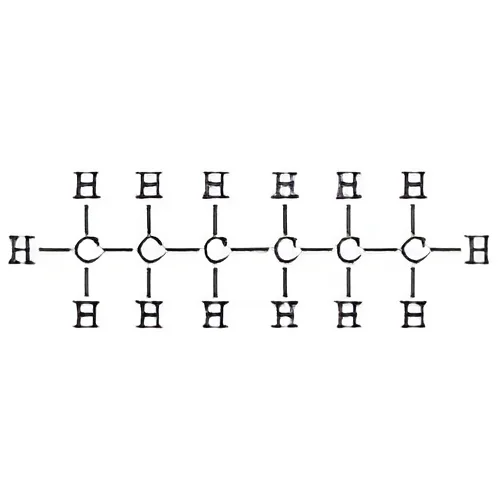
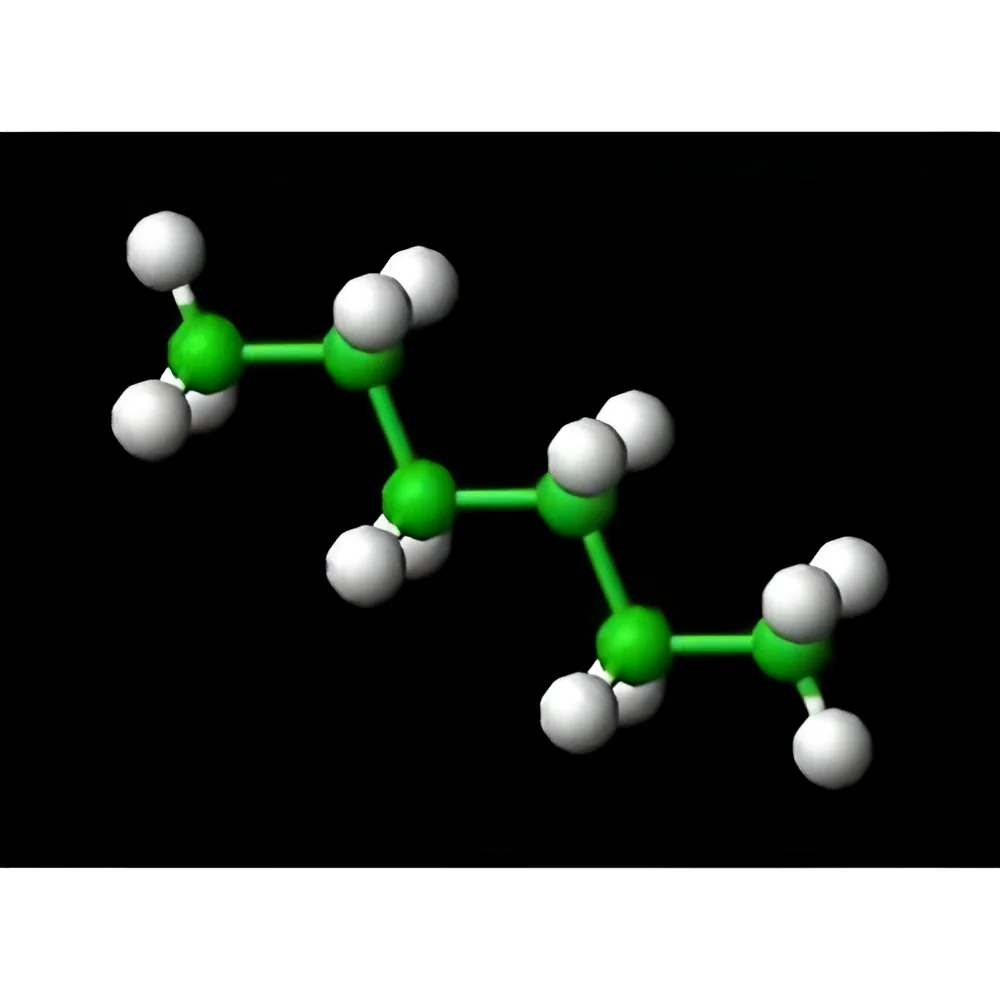
Hexane is a colorless, flammable liquid hydrocarbon that is part of the alkane family. It consists of six carbon atoms and is commonly derived from petroleum. Hexane is primarily known for its low boiling point and high volatility, making it an essential solvent in various industrial applications. Its chemical formula is C6H14, and it is often used in laboratories and manufacturing processes due to its effectiveness in dissolving oils and fats.
In the business context, hexane is widely used in extraction processes, particularly in the food industry for oil extraction from seeds and vegetables. Its ability to dissolve organic compounds makes it valuable for producing edible oils, as well as in the formulation of glues, detergents, and coatings. The relevance of hexane spans numerous industries, including pharmaceuticals, agriculture, and petrochemicals, with a growing market driven by advancements in extraction technologies and demand for natural products.
Key Features and Specifications
Hexane offers several features that make it suitable for various industrial applications. Its chemical properties and specifications are vital for businesses considering its use.
Key specifications include:
1. Purity Level
- High purity levels are essential for effective extraction and solvent applications.
- Typically, hexane purity ranges from 95% to 99%.
2. Boiling Point
- The boiling point of hexane is crucial for processes that require solvent evaporation.
- It is approximately 68.7 degrees Celsius.
3. Flash Point
- Hexane has a flash point of around -22 degrees Celsius.
- This low flash point indicates a high flammability risk.
4. Density
- The density of hexane is about 0.6548 g/cm³ at 20 degrees Celsius.
- This property is important for calculating the weight of hexane in various applications.
5. Solubility
- Hexane is soluble in organic solvents but not in water.
- This characteristic is essential for its effectiveness as a solvent.
6. Chemical Stability
- Hexane is chemically stable under normal conditions but can react with strong oxidizing agents.
- Understanding its stability is important for storage and handling.
7. Environmental Impact
- Hexane should be handled with care due to its potential environmental impact.
- It is classified as a volatile organic compound (VOC).
In summary, hexane's key features and specifications highlight its utility in various industrial applications, making it a critical component in sectors that require effective solvents and extraction methods.
Common Applications and Use Cases
Hexane serves various industries due to its solvent properties and effectiveness in extraction processes.
1. Food Industry: Hexane is extensively used to extract vegetable oils from seeds, such as soybeans and canola, ensuring efficient oil recovery.
2. Pharmaceutical Industry: It is used as a solvent in drug formulation and purification processes, providing a non-polar medium for extracting active ingredients.
3. Petrochemical Industry: Hexane is utilized in refining processes to separate hydrocarbons and in the production of gasoline and other fuels.
4. Adhesives and Sealants: Hexane acts as a solvent in the formulation of adhesives and sealants, ensuring proper consistency and application.
5. Chemical Manufacturing: It is involved in producing various chemicals, including fatty acids and surfactants, by serving as a reaction medium.
6. Laboratory Applications: Hexane is frequently used in laboratories for chromatography and other analytical techniques requiring non-polar solvents.
7. Cleaning Agents: Its solvent properties make hexane effective in producing industrial cleaning agents used for degreasing and cleaning machinery.
Product Variants and Subcategories
Hexane comes in various forms tailored to specific industrial needs. While there are no distinct subcategories available, different grades of hexane may be offered based on purity and application.
High-Purity Hexane
This variant is designed for applications requiring minimal impurities, such as food extraction and pharmaceuticals. It ensures that no unwanted compounds interfere with the final product.
Technical Grade Hexane
Often used in laboratory and industrial applications, this grade may contain higher impurity levels suitable for non-food-related processes. It is ideal for use in adhesives and coatings.
Benefits and Advantages
Hexane provides numerous benefits that make it a preferred choice for many industries.
1. High Efficiency: Hexane's ability to dissolve a wide range of organic compounds makes it highly effective for extraction processes.
2. Cost-Effective: Compared to other solvents, hexane is generally more affordable, offering cost savings for large-scale applications.
3. Low Boiling Point: Its low boiling point allows for easier evaporation, which is beneficial in extraction and cleaning processes.
4. Versatility: Hexane can be used in various applications across multiple industries, making it a versatile chemical.
5. Quick Solubility: Hexane dissolves quickly, speeding up processes like oil extraction and chemical reactions.
6. High Purity Options: The availability of high-purity hexane ensures that it meets industry standards, particularly in food and pharmaceutical applications.
Buying Guide for B2B Buyers
When sourcing hexane, B2B buyers should consider several critical factors to ensure they make informed purchasing decisions.
1. Quality Assessment: It is essential to evaluate the purity and chemical composition of hexane to ensure it meets the required standards for specific applications.
2. Supplier Verification: Vetting suppliers is crucial to ensure they provide high-quality products and comply with industry regulations. Look for certifications and customer reviews.
3. Pricing and MOQ: Understand the pricing structure and minimum order quantities (MOQ) offered by suppliers to assess budget compatibility.
4. Delivery and Lead Times: Consider the logistics involved in sourcing hexane, including delivery times and transportation methods to ensure timely availability.
5. Compliance Requirements: Ensure that the product meets regional and industry-specific compliance standards, including safety regulations and environmental guidelines.
Compliance and Certifications
Hexane is subject to various quality standards and certifications that ensure its safe and effective use in industrial applications. Compliance with ISO 9001 standards guarantees quality management systems, indicating that manufacturers adhere to strict quality control measures.
Additionally, hexane may be certified under CE regulations, ensuring that it meets European safety and environmental standards. Compliance with safety and testing requirements is vital, as hexane is flammable and poses health risks if mishandled.
Regional compliance considerations may vary, so it is essential for buyers to understand local regulations regarding the storage, handling, and transportation of hexane and ensure suppliers meet these requirements.
Why Source Hexane from Pepagora?
Pepagora offers a reliable platform for sourcing hexane, providing several key advantages for businesses.
Verified Supplier Network: Pepagora connects buyers with a network of verified suppliers, ensuring that they receive high-quality products from reputable sources.
Streamlined RFQ Process: The platform simplifies the request for quotation (RFQ) process, allowing buyers to easily compare prices and specifications from multiple suppliers.
Trade Assurance and Support: Pepagora provides buyer protection through trade assurance, ensuring that transactions are secure and that buyers receive the products as promised.
Regional Coverage: With a focus on regions such as India, the GCC, and Southeast Asia, Pepagora facilitates access to hexane suppliers across a diverse market, enhancing sourcing opportunities for businesses in various industries.

 IN
IN