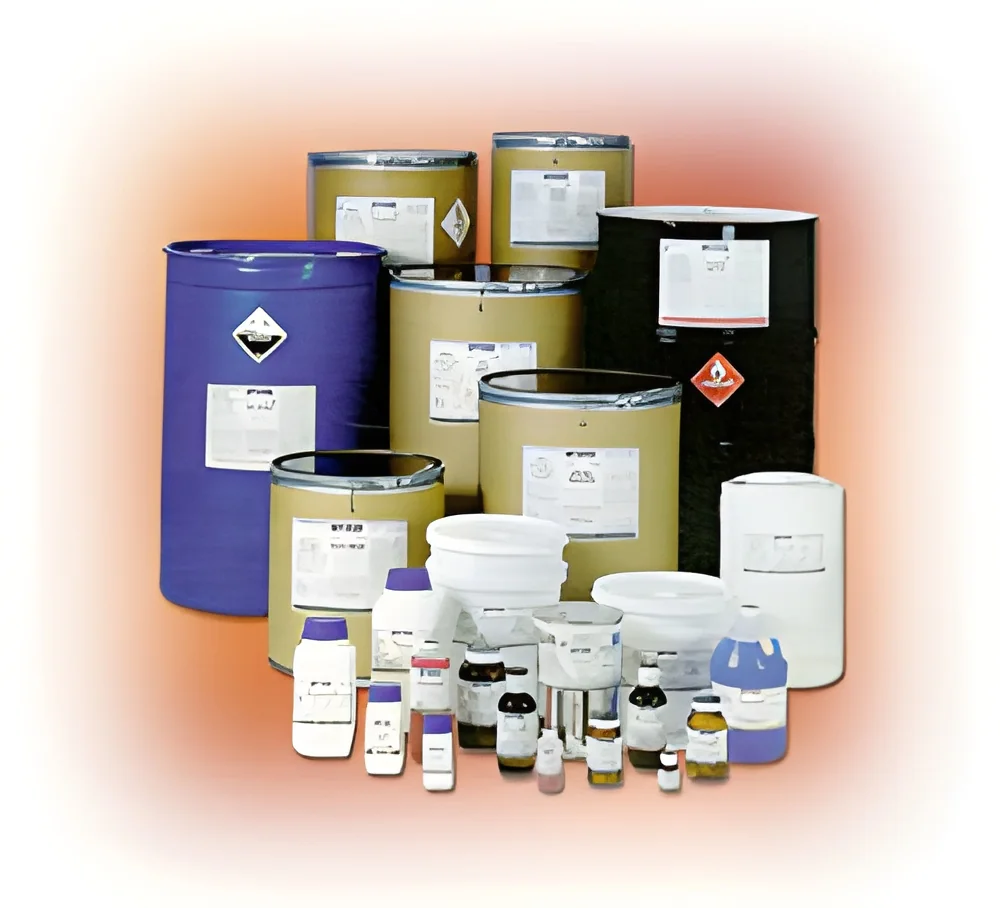
What are Butanol?
Butanol, also known as butyl alcohol, is a colorless, flammable liquid with a characteristic alcohol odor. It is an organic compound with the chemical formula C4H10O and belongs to the family of alcohols. Butanol is primarily used as a solvent, fuel additive, and intermediate in the production of various chemicals. Its unique properties, such as its ability to mix with both water and oils, make it a versatile substance in numerous industrial applications.
The primary uses of butanol span across several industries. It is widely utilized in the production of plastics, paints, and coatings, where it serves as a solvent and a building block for other chemical compounds. Additionally, butanol is used in the manufacture of pharmaceuticals, detergents, and as a fuel additive to enhance gasoline performance. With the growth of industries focusing on sustainable practices, the relevance of butanol has increased, particularly in biofuel applications. The market for butanol is expanding as industries seek eco-friendly alternatives while maintaining high performance.
Key Features and Specifications
Butanol possesses several key features that make it suitable for a variety of applications. It is important for businesses to understand its specifications to ensure it meets their specific needs.
Key specifications include:
1. Purity Level
- High purity levels are essential for industrial applications.
- Typically exceeds 99% purity for most applications.
2. Boiling Point
- The boiling point of butanol is approximately 117.7 degrees Celsius.
- Important for applications requiring specific thermal properties.
3. Flash Point
- The flash point of butanol is around 35 degrees Celsius.
- Critical for safety and handling procedures.
4. Density
- The density of butanol is approximately 0.810 g/cm³.
- This affects how it interacts with other substances in formulations.
5. Solubility
- Butanol is miscible with water and many organic solvents.
- Enhances its utility in various chemical processes.
6. Viscosity
- The viscosity of butanol is about 3.3 mPa·s at 20 degrees Celsius.
- Important for formulations where flow characteristics matter.
7. Chemical Stability
- Butanol is stable under normal conditions but can react with strong oxidizing agents.
- Stability is crucial for safe storage and handling.
8. Regulatory Compliance
- Must comply with relevant safety and environmental regulations.
- Certification such as CE is often required.
Understanding these specifications helps businesses select the right type of butanol for their manufacturing processes.
Common Applications and Use Cases
Butanol serves various industries due to its versatile properties and applications.
1. Chemical Manufacturing: Butanol is an essential solvent and intermediate in the production of various chemicals, including plastics and synthetic rubber.
2. Paints and Coatings: It is widely used as a solvent in the formulation of paints, varnishes, and coatings, aiding in the application and drying processes.
3. Pharmaceuticals: Butanol is utilized in the pharmaceutical industry for drug formulation and as a solvent for active ingredients.
4. Automotive: The compound is used as a fuel additive, enhancing the performance and efficiency of gasoline.
5. Personal Care Products: Butanol is present in products like lotions and perfumes, serving as a solvent and stabilizer.
6. Adhesives: It plays a crucial role in the formulation of adhesives, improving bonding properties.
7. Agriculture: Butanol is used in the production of agricultural chemicals, including pesticides and herbicides.
Product Variants and Subcategories
Butanol is available in various forms to cater to different industrial needs.
n-Butanol
This is the most common form of butanol, used extensively in chemical synthesis and as a solvent in various applications. It is known for its effectiveness in dissolving a wide range of substances.
Isobutanol
Isobutanol is another variant characterized by its branched structure. It is often used in the production of specialty chemicals and as a solvent in coatings and inks.
Secondary Butanol
This variant is less common but is utilized in specific applications requiring unique solvent properties.
Benefits and Advantages
Butanol offers multiple benefits that make it an attractive choice for businesses.
1. Versatility: Butanol can be used in a wide array of applications across different industries, enhancing its market appeal.
2. Excellent Solvent Properties: Its ability to dissolve both polar and non-polar substances makes it ideal for formulations in paints, coatings, and pharmaceuticals.
3. Improved Energy Efficiency: When used as a fuel additive, butanol can enhance fuel efficiency and reduce emissions.
4. Biodegradable Option: Butanol derived from renewable resources provides a more sustainable alternative to traditional fossil fuels.
5. Enhanced Performance: Products formulated with butanol often exhibit improved physical and chemical properties, enhancing end-user satisfaction.
6. Cost-Effective: Butanol is relatively affordable compared to other solvents and chemical intermediates, making it a cost-effective choice for manufacturers.
Buying Guide for B2B Buyers
When sourcing butanol, there are several critical factors to consider to ensure a successful procurement process.
1. Quality Assessment: Buyers should evaluate the purity and composition of butanol to ensure it meets their specifications for industrial applications.
2. Supplier Verification: It is essential to vet suppliers thoroughly to confirm their reliability, manufacturing standards, and compliance with safety regulations.
3. Pricing and MOQ: Understanding market pricing and minimum order quantities is crucial for budgeting and supply chain management.
4. Delivery and Lead Times: Buyers should inquire about logistics, including delivery schedules and lead times, to ensure timely production processes.
5. Compliance Requirements: It is important to verify that the butanol sourced complies with relevant industry regulations and standards to avoid potential legal issues.
Compliance and Certifications
Compliance and certifications are critical in the procurement of butanol.
Manufacturers must adhere to relevant quality standards, such as ISO 9001, which ensures consistent quality management practices. This certification is essential for businesses looking to maintain quality across their operations.
Industry certifications, such as CE, indicate that the product meets specific safety and environmental requirements. This is particularly important for industries like pharmaceuticals and automotive, where regulatory compliance is paramount.
Safety and testing requirements must be met to ensure that butanol can be safely handled and used in various applications. This includes proper labeling, safety data sheets, and storage requirements to minimize risks.
Additionally, regional compliance considerations may apply depending on the market. Buyers must be aware of local regulations regarding the use and transport of butanol to ensure they remain compliant throughout the procurement process.
Why Source Butanol from Pepagora?
Pepagora provides a trusted platform for sourcing butanol with several key advantages that cater to B2B buyers.
Verified Supplier Network: Pepagora connects buyers with a vetted network of suppliers, ensuring that all partners meet high standards of quality and reliability. This reduces the risk associated with procurement and enhances the overall purchasing experience.
Streamlined RFQ Process: The request for quotation process on Pepagora is designed to be efficient, allowing buyers to quickly compare prices and specifications from multiple suppliers. This saves time and facilitates informed decision-making.
Trade Assurance and Support: Pepagora offers trade assurance, providing buyers with protection against potential disputes and ensuring that transactions are secure. This support fosters trust and confidence in the sourcing process.
Regional Coverage: With a wide geographic reach across India, the GCC, and Southeast Asia, Pepagora ensures that buyers can source butanol from reliable suppliers within their region. This local presence also helps in addressing specific market needs effectively.

 IN
IN