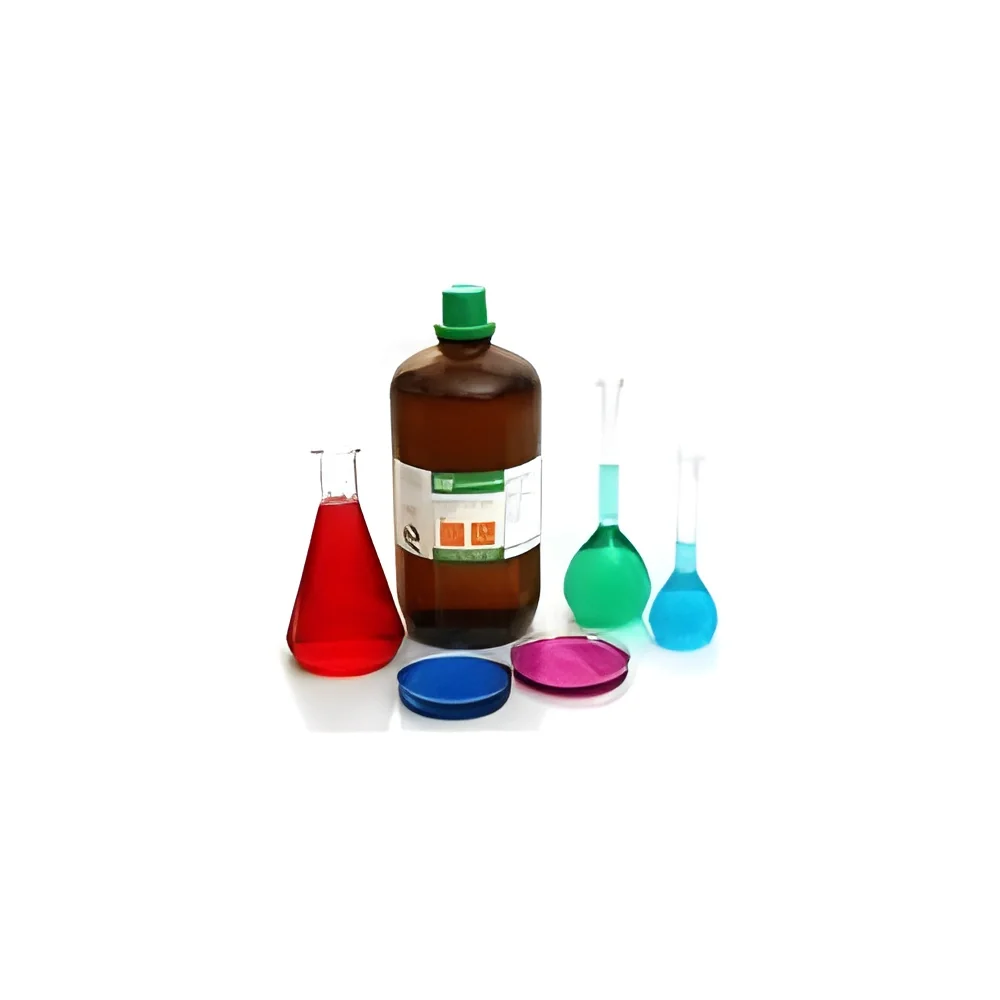
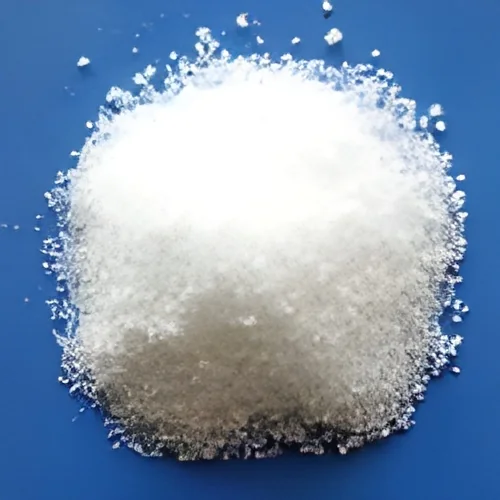
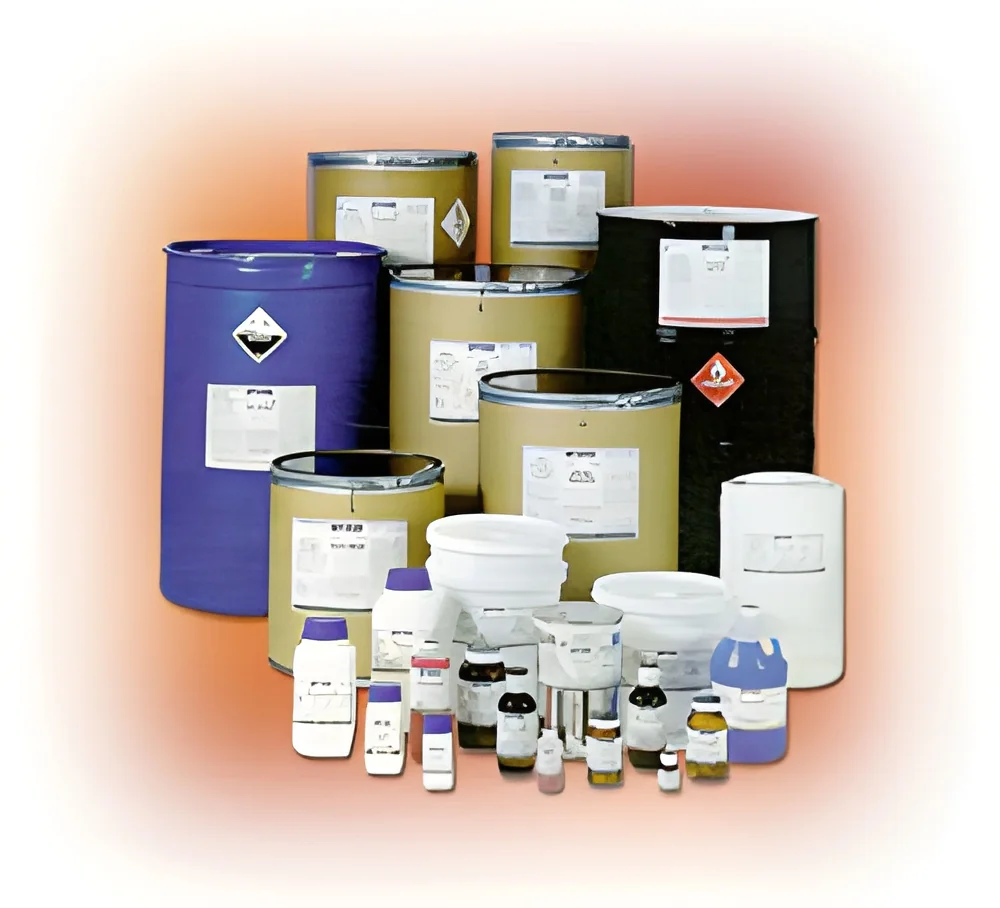
𝗪𝗵𝗮𝘁 𝗮𝗿𝗲 𝗗𝗿𝘆 𝗦𝗼𝗹𝘃𝗲𝗻𝘁𝘀 & 𝗔𝗻𝗵𝘆𝗱𝗿𝗼𝘂𝘀 𝗖𝗵𝗲𝗺𝗶𝗰𝗮𝗹𝘀?
Dry solvents and anhydrous chemicals are specialized chemical products characterized by their low moisture content. These solvents are designed to dissolve a variety of substrates without introducing water into chemical processes. Anhydrous chemicals, on the other hand, refer to substances that contain no water molecules. Together, these products play a crucial role in various industrial applications where moisture can compromise the integrity and effectiveness of formulations.
The primary uses of dry solvents and anhydrous chemicals range from chemical synthesis and extraction processes to cleaning and degreasing applications. Industries such as pharmaceuticals, electronics, and coatings often rely on these products to ensure precision and quality in their operations. The absence of water in these chemicals is essential for processes that require strict control over chemical reactions and the stability of compounds.
In today's market, the demand for dry solvents and anhydrous chemicals is growing as industries focus on improving product quality and performance. The relevance of these chemicals is highlighted by their role in advancing technologies and manufacturing processes, where moisture-sensitive components and formulations are prevalent.
𝗞𝗲𝘆 𝗙𝗲𝗮𝘁𝘂𝗿𝗲𝘀 𝗮𝗻𝗱 𝗦𝗽𝗲𝗰𝗶𝗳𝗶𝗰𝗮𝘁𝗶𝗼𝗻𝘀
Dry solvents and anhydrous chemicals possess several features that make them suitable for various industrial applications. These features include high purity levels, low volatility, and compatibility with a wide range of materials. Understanding the specifications is essential for selecting the right product for your needs.
Key specifications include:
1. Purity Level
- Typically above 99%
- Critical for applications in pharmaceuticals and electronics
2. Boiling Point Range
- Varies based on solvent type, generally between 60°C to 200°C
- Important for determining evaporation rates during processes
3. Flash Point
- Minimum flash points typically above 40°C
- Indicates safety and handling requirements
4. Density
- Ranges from 0.7 g/cm³ to 1.2 g/cm³
- Affects mixing and application processes
5. Solubility
- Solvent-specific solubility in various substrates
- Essential for effective formulation in chemical applications
6. Chemical Stability
- Long shelf life and resistance to degradation
- Important for storage and operational efficiency
7. Environmental Considerations
- Low environmental impact and compliance with regulations
- Important for sustainable practices in industries
In summary, the key features and specifications of dry solvents and anhydrous chemicals are crucial for ensuring they meet the rigorous demands of industrial applications.
𝗖𝗼𝗺𝗺𝗼𝗻 𝗔𝗽𝗽𝗹𝗶𝗰𝗮𝘁𝗶𝗼𝗻𝘀 𝗮𝗻𝗱 𝗨𝘀𝗲 𝗖𝗮𝘀𝗲𝘀
Dry solvents and anhydrous chemicals are utilized across various industries due to their unique properties and advantages.
1. Pharmaceuticals: Used in the production of active pharmaceutical ingredients (APIs) where moisture control is critical to maintain stability and efficacy.
2. Electronics: Employed in the manufacturing of electronic components, including circuit boards, where water can cause short circuits or corrosion.
3. Coatings: Utilized in paint and coating formulations to ensure high-quality finishes that are resistant to moisture.
4. Adhesives: Essential in the formulation of adhesives that require precise drying conditions to bond effectively.
5. Cleaning Agents: Applied in industrial cleaning processes to remove contaminants without introducing moisture.
6. Petrochemicals: Important in refining processes where anhydrous conditions enhance the quality of derived products.
7. Food and Beverage: Used in certain processes where water content must be minimized to prevent spoilage or degradation of ingredients.
𝗣𝗿𝗼𝗱𝘂𝗰𝘁 𝗩𝗮𝗿𝗶𝗮𝗻𝘁𝘀 𝗮𝗻𝗱 𝗦𝘂𝗯𝗰𝗮𝘁𝗲𝗴𝗼𝗿𝗶𝗲𝘀
The diversity of dry solvents and anhydrous chemicals allows for various product variants tailored to specific applications.
Ethyl Acetate
This solvent is widely used in the coatings industry for its ability to dissolve a variety of resins and polymers. Ethyl acetate offers a favorable balance of evaporation rate and solvency power, making it ideal for paints and lacquers.
Acetone
Known for its powerful solvent properties, acetone is commonly used in laboratories and industrial cleaning. It evaporates quickly and leaves no residue, making it suitable for applications requiring high cleanliness.
Toluene
Toluene is utilized in the manufacturing of paints, coatings, and adhesives. Its effectiveness as a solvent is complemented by its ability to dissolve a range of substances, making it a versatile choice in industrial formulations.
Hexane
This solvent is often used in extraction processes, particularly in the food industry for oil extraction. Hexane's low boiling point and non-polar characteristics make it ideal for separating compounds.
𝗕𝗲𝗻𝗲𝗳𝗶𝘁𝘀 𝗮𝗻𝗱 𝗔𝗱𝘃𝗮𝗻𝘁𝗮𝗴𝗲𝘀
The use of dry solvents and anhydrous chemicals offers several advantages for businesses.
1. Enhanced Product Quality: These chemicals ensure high purity and stability in formulations, leading to better overall product performance.
2. Moisture Control: Their low moisture content prevents unwanted reactions, maintaining the integrity of sensitive compounds.
3. Versatility: Dry solvents can be used across a wide range of applications, making them suitable for various industries.
4. Cost-Effectiveness: Efficient use of these chemicals can reduce waste and enhance process efficiency, leading to lower operational costs.
5. Improved Safety: With appropriate handling, these solvents present fewer risks compared to more volatile or moisture-sensitive substances.
6. Compliance: Sourcing from reputable suppliers ensures adherence to industry standards and regulations, supporting safer operational practices.
𝗕𝘂𝘆𝗶𝗻𝗴 𝗚𝘂𝗶𝗱𝗲 𝗳𝗼𝗿 𝗕𝟮𝗕 𝗕𝘂𝘆𝗲𝗿𝘀
When sourcing dry solvents and anhydrous chemicals, B2B buyers should consider several key factors to ensure they select the right products for their needs.
1. Quality Assessment: Ensure the products meet high purity standards and undergo rigorous testing for quality assurance.
2. Supplier Verification: Vet suppliers for their reliability and reputation in the market. Look for certifications and customer reviews to gauge their performance.
3. Pricing and MOQ: Consider the cost per unit and minimum order quantities to determine the best value for your business while meeting your supply needs.
4. Delivery and Lead Times: Evaluate suppliers based on their delivery capabilities and lead times to ensure timely availability of products.
5. Compliance Requirements: Ensure the chemicals meet regional regulations and safety standards, including certifications such as CE, to avoid compliance issues.
𝗖𝗼𝗺𝗽𝗹𝗶𝗮𝗻𝗰𝗲 𝗮𝗻𝗱 𝗖𝗲𝗿𝘁𝗶𝗳𝗶𝗰𝗮𝘁𝗶𝗼𝗻𝘀
Compliance with industry standards and certifications is critical when sourcing dry solvents and anhydrous chemicals. Relevant quality standards include ISO 9001, which ensures consistent quality management systems, and HACCP, focusing on food safety in applicable industries.
Safety and testing requirements are vital to guarantee that the products are safe for use and meet regulatory demands. Compliance with regional regulations is also essential, particularly in regions with strict environmental policies. Buyers must ensure that the products sourced align with these regulations to avoid penalties and ensure safe handling practices.
𝗪𝗵𝘆 𝗦𝗼𝘂𝗿𝗰𝗲 𝗗𝗿𝘆 𝗦𝗼𝗹𝘃𝗲𝗻𝘁𝘀 & 𝗔𝗻𝗵𝘆𝗱𝗿𝗼𝘂𝘀 𝗖𝗵𝗲𝗺𝗶𝗰𝗮𝗹𝘀 𝗳𝗿𝗼𝗺 𝗣𝗲𝗽𝗮𝗴𝗼𝗿𝗮?
Pepagora provides a trusted platform for sourcing dry solvents and anhydrous chemicals, offering several key advantages to B2B buyers.
Verified Supplier Network: Pepagora has established a rigorous vetting process for suppliers, ensuring that only verified and reputable manufacturers are featured on the platform. This guarantees buyers access to high-quality products with reliable service.
Streamlined RFQ Process: The platform simplifies the Request for Quotation (RFQ) process, allowing buyers to efficiently compare prices and terms from multiple suppliers. This feature enhances the purchasing experience and helps in making informed decisions.
Trade Assurance and Support: Pepagora offers buyer protection through trade assurance initiatives, providing peace of mind when sourcing chemicals. The platform supports buyers throughout the procurement process, ensuring their needs are met.
Regional Coverage: With a presence in India, the GCC, and Southeast Asia, Pepagora ensures that suppliers and buyers can connect efficiently across these regions. This geographical reach facilitates smoother transactions and improved supply chain dynamics.

 IN
IN