𝗪𝗵𝗮𝘁 𝗮𝗿𝗲 𝗙𝗼𝗿𝗺𝗶𝗰 𝗔𝗰𝗶𝗱?
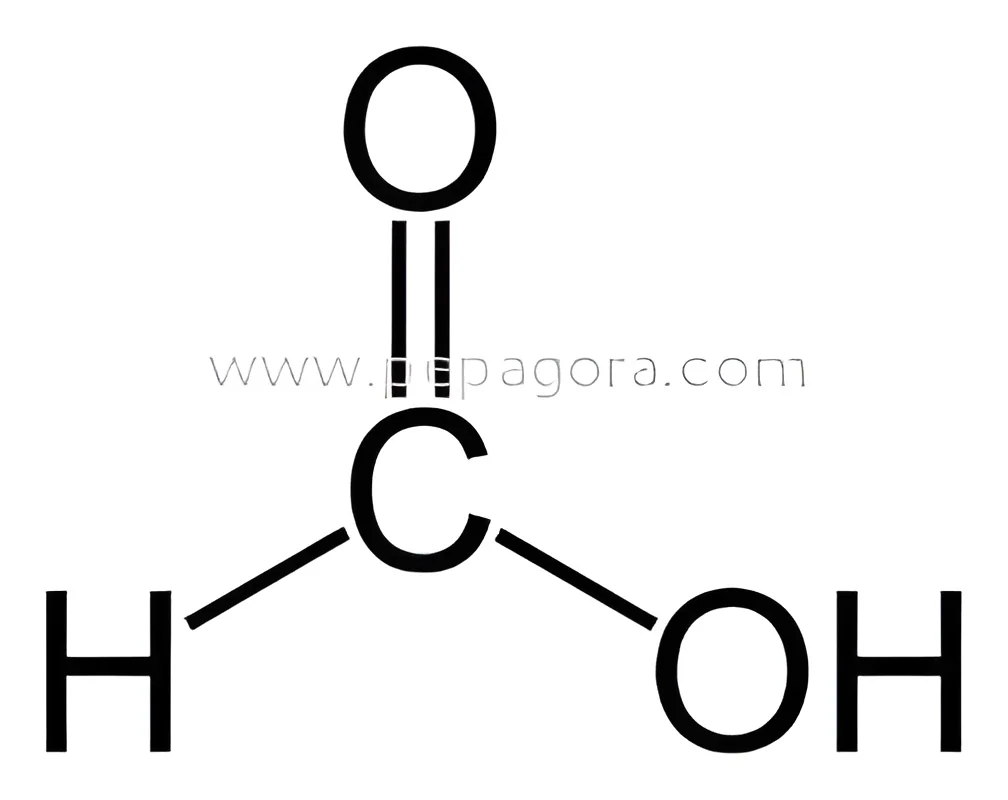
Formic acid, chemically known as methanoic acid, is a colorless liquid with a pungent odor. It is the simplest carboxylic acid and is characterized by its strong acidity and reactivity. Formic acid is produced naturally by some ants and is used in various industrial applications due to its unique properties. It serves as both a preservative and a coagulant in the production of rubber and as a pH regulator in various chemical processes.
The primary uses of formic acid extend across multiple industries. It is commonly utilized in agriculture as a preservative for silage and as a feed additive. In the textile industry, it is employed in dyeing and finishing processes. Additionally, formic acid is used in leather production, as well as in the manufacture of various chemicals, including methanol and esters. The relevance of formic acid in different sectors highlights its importance in industrial applications and its role in enhancing product quality and performance.
𝗞𝗲𝘆 𝗙𝗲𝗮𝘁𝘂𝗿𝗲𝘀 𝗮𝗻𝗱 𝗦𝗽𝗲𝗰𝗶𝗳𝗶𝗰𝗮𝘁𝗶𝗼𝗻𝘀
Formic acid is known for its distinct features and specifications that make it suitable for a variety of uses. Its strong acidity allows for effective pH control in chemical processes. Additionally, its ability to act as a reducing agent enhances its utility in various reactions.
Key specifications include:
1. Purity Level
- Typically available at 85% or higher purity
- Essential for industrial applications requiring high-quality acid
2. Density
- Approximately 1.22 g/cm³ at 20 degrees Celsius
- Important for calculating concentrations in solutions
3. Boiling Point
- Approximately 100.8 degrees Celsius
- Necessary for understanding handling and storage requirements
4. Freezing Point
- Around 8.4 degrees Celsius
- Critical for transport and storage conditions
5. Odor
- Pungent, characteristic smell
- Important for identification and quality control
6. Solubility
- Fully miscible in water and various organic solvents
- Enables versatility in application across industries
7. Safety Data
- Classified as corrosive and requires appropriate handling precautions
- Important for compliance with safety regulations
8. Packaging Options
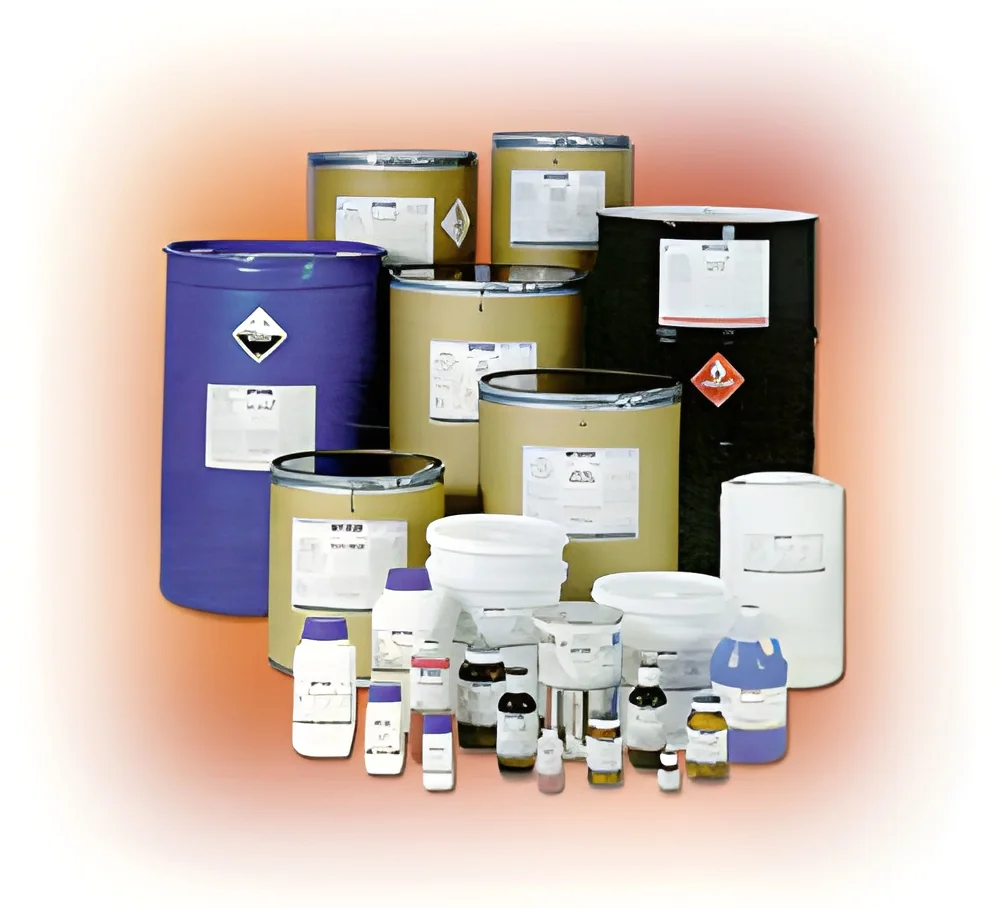
- Available in drums, bulk containers, or customized packaging
- Provides flexibility based on buyer needs
Formic acid's specifications and features contribute to its effectiveness in various applications, making it a valuable chemical in industrial processes.
𝗖𝗼𝗺𝗺𝗼𝗻 𝗔𝗽𝗽𝗹𝗶𝗰𝗮𝘁𝗶𝗼𝗻𝘀 𝗮𝗻𝗱 𝗨𝘀𝗲 𝗖𝗮𝘀𝗲𝘀
Formic acid serves various industries, showcasing its versatility and importance.
1. Agriculture: It is used as a silage preservative, helping to improve the quality of feed for livestock. It also acts as an antibacterial agent.
2. Textile Industry: Formic acid is utilized in dyeing processes, ensuring color fixation and enhancing the quality of finished textiles.
3. Leather Production: It plays a crucial role in tanning processes, improving leather quality and durability.
4. Chemical Manufacturing: Formic acid serves as a key raw material in producing methanol and other chemical compounds, contributing to numerous chemical syntheses.
5. Pharmaceuticals: It is used in various pharmaceutical applications, including the synthesis of active ingredients.
6. Cleaning Products: Formic acid is incorporated into industrial cleaning agents due to its effective solvent properties.
7. Food Industry: It is utilized as a preservative and acidifying agent in food products, ensuring safety and quality.
𝗣𝗿𝗼𝗱𝘂𝗰𝘁 𝗩𝗮𝗿𝗶𝗮𝗻𝘁𝘀 𝗮𝗻𝗱 𝗦𝘂𝗯𝗰𝗮𝘁𝗲𝗴𝗼𝗿𝗶𝗲𝘀
Formic acid is available in different variants to meet specific requirements across industries.
Industrial Grade Formic Acid
This variant is primarily used in chemical manufacturing and industrial applications. It is characterized by high purity levels and is suitable for various chemical reactions.
Agricultural Grade Formic Acid
Tailored for agricultural use, this variant is designed for livestock feed preservation and silage treatments. It adheres to agricultural safety standards.
Food Grade Formic Acid
This variant is specifically produced for applications in the food industry. It meets stringent safety and quality regulations, ensuring it is safe for use in food products.
𝗕𝗲𝗻𝗲𝗳𝗶𝘁𝘀 𝗮𝗻𝗱 𝗔𝗱𝘃𝗮𝗻𝘁𝗮𝗴𝗲𝘀
Formic acid offers numerous benefits that make it a preferred choice for various applications.
1. Strong Preservative Qualities: It effectively inhibits microbial growth, making it ideal for use in agriculture and food preservation.
2. Versatile Chemical Properties: It can act as both an acid and a reducing agent, enhancing its usage in diverse chemical reactions.
3. High Efficacy: Formic acid provides significant results in dyeing and tanning processes, improving product quality.
4. Environmentally Friendly: It is biodegradable and considered less harmful than some synthetic alternatives, aligning with sustainability goals.
5. Cost-Effective Solution: Its wide range of applications allows businesses to benefit from its use in multiple processes, reducing overall costs.
6. Regulatory Compliance: Formic acid can meet various industry standards, ensuring safety and quality in applications.
𝗕𝘂𝘆𝗶𝗻𝗴 𝗚𝘂𝗶𝗱𝗲 𝗳𝗼𝗿 𝗕𝟮𝗕 𝗕𝘂𝘆𝗲𝗿𝘀
When sourcing formic acid, it is essential to consider several factors to ensure a successful purchase.
1. Quality Assessment: Evaluate the purity levels and specifications of formic acid to meet the specific requirements of your applications. Look for suppliers who provide detailed quality certificates.
2. Supplier Verification: Conduct thorough research on potential suppliers, checking their reputation and compliance with industry standards. Look for suppliers with a proven track record in delivering high-quality products.
3. Pricing and MOQ: Understand the pricing structure and minimum order quantities. Compare quotes from different suppliers to find the best value for your needs.
4. Delivery and Lead Times: Discuss logistics and delivery schedules with suppliers. Ensure they can meet your deadlines to avoid disruptions in your operations.
5. Compliance Requirements: Confirm that the product complies with relevant regulatory standards and certifications. This is crucial for safety and legal compliance in your industry.
𝗖𝗼𝗺𝗽𝗹𝗶𝗮𝗻𝗰𝗲 𝗮𝗻𝗱 𝗖𝗲𝗿𝘁𝗶𝗳𝗶𝗰𝗮𝘁𝗶𝗼𝗻𝘀
Formic acid is subject to various quality standards and certifications that ensure its safety and effectiveness in industrial applications. Compliance with ISO 9001 standards is essential for manufacturers, as it guarantees a consistent quality management system. Additionally, food-grade variants must adhere to HACCP guidelines to ensure safety in food applications.
Certifications such as CE provide assurance to buyers regarding the safety and reliability of formic acid products. Furthermore, safety and testing requirements dictate that formic acid must undergo rigorous assessments to ensure it meets industry specifications for handling and usage. Regional compliance considerations may also apply, depending on the specific market and regulatory environment, highlighting the importance of sourcing from reputable suppliers who adhere to these standards.
𝗪𝗵𝘆 𝗦𝗼𝘂𝗿𝗰𝗲 𝗙𝗼𝗿𝗺𝗶𝗰 𝗔𝗰𝗶𝗱 𝗳𝗿𝗼𝗺 𝗣𝗲𝗽𝗮𝗴𝗼𝗿𝗮?
Pepagora provides a trusted platform for sourcing formic acid, offering several key advantages to B2B buyers.
Verified Supplier Network: Pepagora connects buyers with a network of verified suppliers, ensuring that you have access to high-quality formic acid from reputable manufacturers. This verification process mitigates risks associated with sourcing from unknown suppliers.
Streamlined RFQ Process: The request for quotation (RFQ) system simplifies the sourcing process, allowing buyers to request quotes easily. This efficiency helps in comparing prices and securing the best deals promptly.
Trade Assurance and Support: Pepagora offers trade assurance to protect buyers throughout the purchasing process. This support includes assistance with negotiations and resolving any issues that may arise, ensuring a smooth transaction.
Regional Coverage: With a strong presence in India, the GCC, and Southeast Asia, Pepagora serves a broad geographic area. This coverage enables buyers to access formic acid efficiently, regardless of their location, making it a convenient choice for businesses operating in these regions.

 IN
IN