What are Acetic Acid?
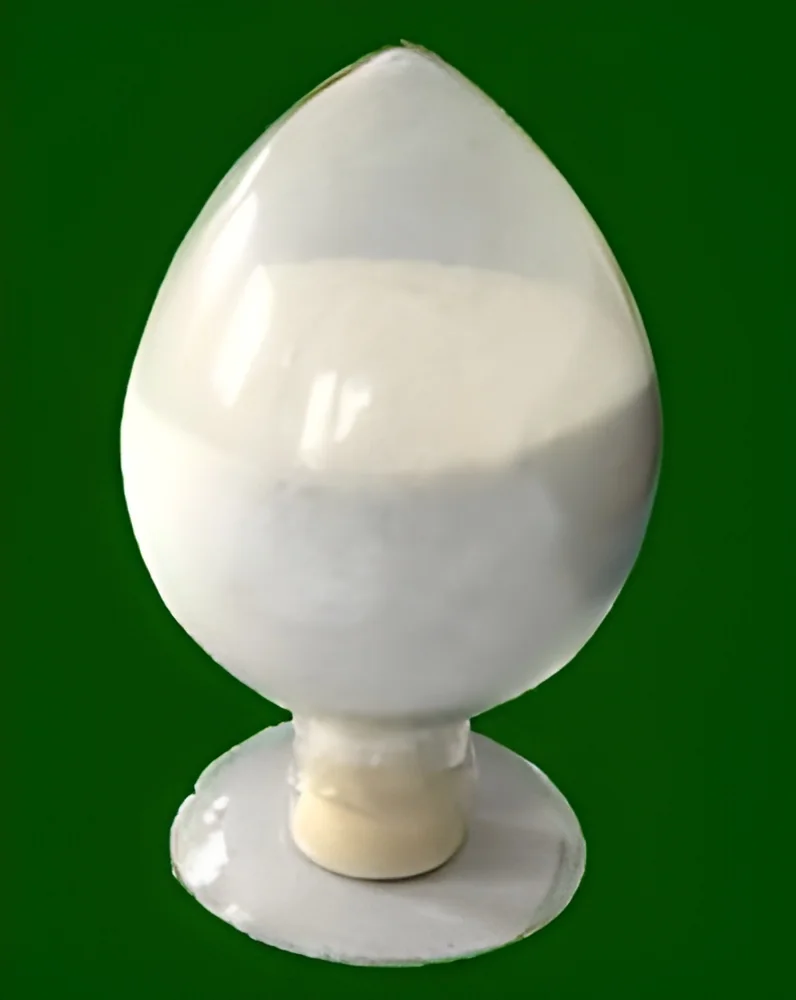
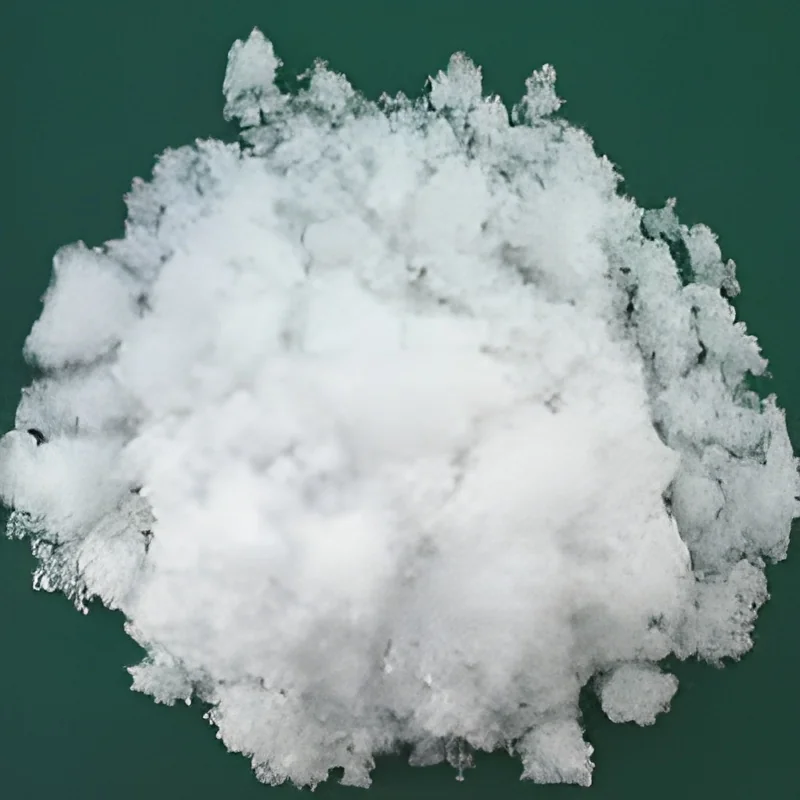
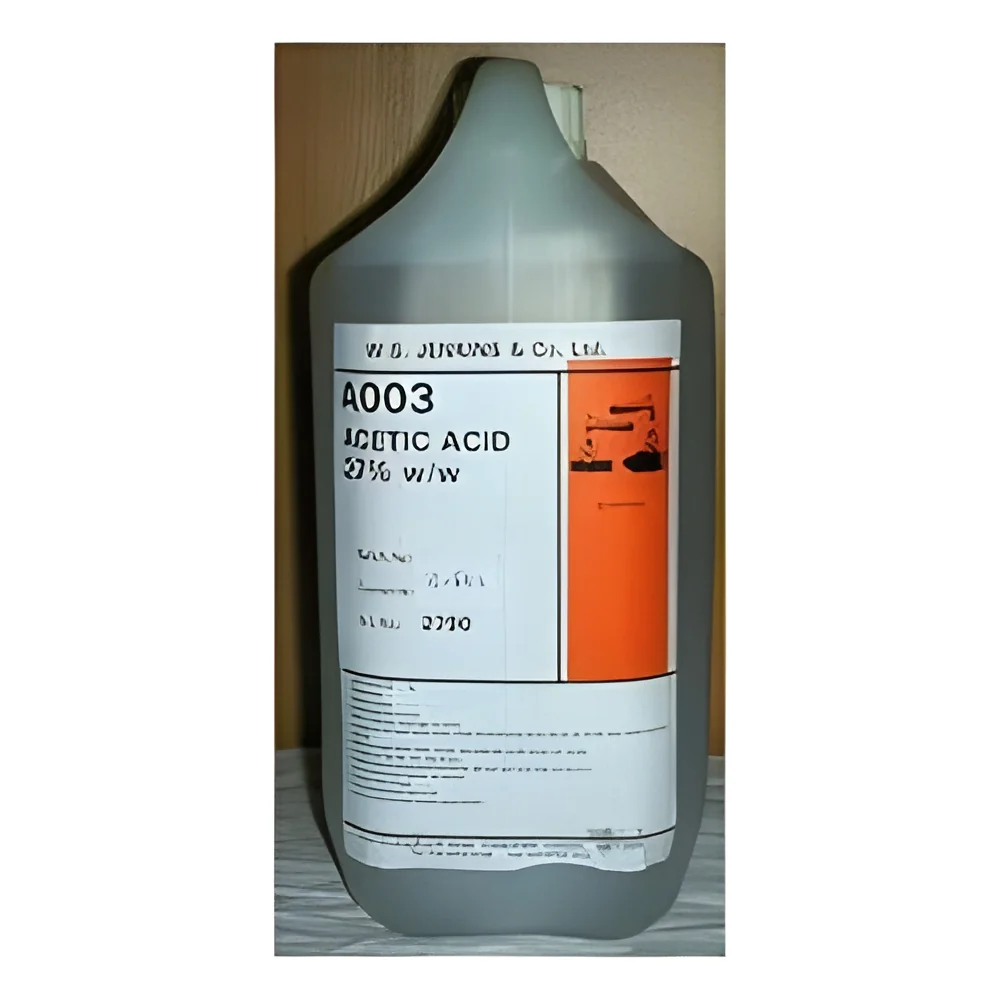
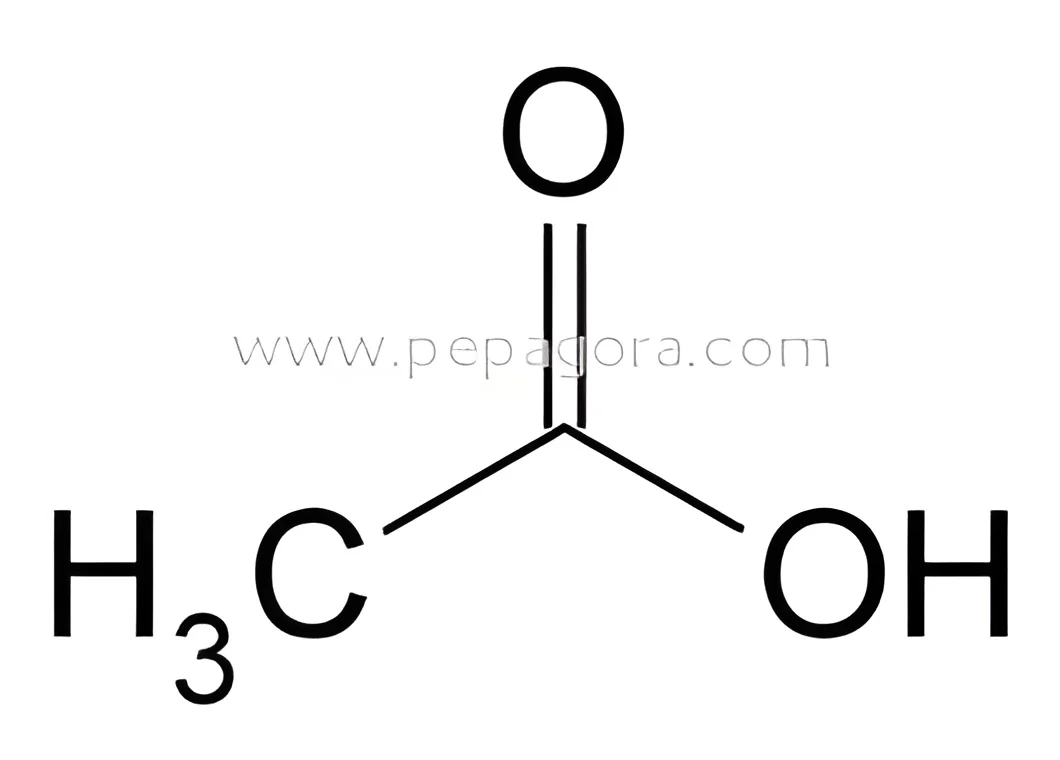
Acetic acid is a colorless organic compound with a distinct sour taste and pungent smell. It is a weak acid that is commonly used in various industrial applications. Chemically, it is represented by the formula CH3COOH. Acetic acid is highly soluble in water and is an important component in the production of various chemicals.
The primary uses of acetic acid span multiple industries, including food processing, pharmaceuticals, and chemical manufacturing. In the food industry, it acts as a preservative and flavoring agent. In pharmaceuticals, it is utilized in the production of various drugs and as a solvent. Additionally, acetic acid is crucial in the production of synthetic fibers, plastics, and other chemicals, making it a vital substance in modern manufacturing processes.
In terms of market context, acetic acid is widely used globally, with a growing demand driven by its applications in various sectors. The increasing focus on sustainable practices and the development of bio-based acetic acid are shaping the industry landscape. As businesses seek efficient solutions, acetic acid remains a relevant and essential compound.
Key Features and Specifications
Acetic acid possesses several key features that make it suitable for diverse applications. Understanding these specifications is crucial for industrial buyers when selecting the right product for their needs.
Key specifications include:
1. Purity
- Typically exceeds 99% for industrial-grade acetic acid.
- High purity ensures effectiveness in chemical reactions and end-use applications.
2. Density
- Ranges between 1.05 to 1.06 g/cm³.
- Density impacts handling and storage requirements.
3. Boiling Point
- Approximately 118°C (244°F).
- Important for processes involving heating.
4. Melting Point
- Around 16.6°C (61.88°F).
- Critical for determining storage conditions.
5. Viscosity
- Viscosity values around 0.89 mPa·s at 25°C.
- Affects flow properties during processing.
6. pH Level
- Typically between 2.4 to 3.0 when in solution.
- Low pH indicates its acidic nature, important in food and chemical applications.
7. Flash Point
- Approximately 39°C (102°F).
- Relevant for safety measures in handling and storage.
8. Solubility
- Completely miscible with water and many organic solvents.
- Enhances its versatility for various formulations.
In summary, understanding the specifications of acetic acid is essential for industries that rely on its properties for manufacturing processes.
Common Applications and Use Cases
Acetic acid is utilized across various industries, each with specific applications that showcase its versatility.
1. Food Industry: Acetic acid is commonly used as a food preservative and flavoring agent. It is a key ingredient in vinegar, enhancing the taste of numerous food products.
2. Pharmaceuticals: In the pharmaceutical sector, acetic acid serves as a solvent and is involved in the synthesis of medications. It is essential for the production of certain active pharmaceutical ingredients.
3. Chemical Manufacturing: Acetic acid is a precursor for manufacturing various chemicals, including acetic anhydride and acetate esters, used in plastics and solvents.
4. Textile Industry: It is used in dyeing and finishing processes, helping to achieve desired colors and fabric properties.
5. Agriculture: Acetic acid is employed in herbicides and other agricultural chemicals, contributing to crop protection and yield improvement.
6. Cleaning Products: The compound is found in various cleaning formulations due to its antibacterial properties, making it effective for household and industrial cleaning.
7. Paints and Coatings: Acetic acid is used in the formulation of paints and coatings, enhancing their properties and performance.
Product Variants and Subcategories
Acetic acid is available in various forms to meet the diverse needs of different industries. Each variant offers specific features and applications.
Glacial Acetic Acid
Glacial acetic acid is highly concentrated and is often used in chemical synthesis and laboratory applications. Its strong acidity makes it ideal for producing acetic anhydride and various acetate esters.
Diluted Acetic Acid
This variant is less concentrated and commonly used in food applications and cleaning products. It offers a milder acidity, making it suitable for direct food contact.
Benefits and Advantages
Sourcing acetic acid provides numerous benefits for businesses across various sectors. Understanding these advantages can aid in making an informed purchasing decision.
Key benefits include:
1. Versatility: Acetic acid's diverse applications make it suitable for various industries, enhancing its utility in different processes.
2. Cost-effective: It is generally available at a competitive price, providing an economical solution for manufacturing needs.
3. High Purity: High-purity acetic acid ensures that it meets industry standards for quality, resulting in reliable performance.
4. Sustainability: As industries move towards greener practices, bio-based acetic acid options are emerging, offering environmentally friendly alternatives.
5. Excellent Solubility: Its complete miscibility with water and organic solvents facilitates ease of use in formulations.
6. Established Supply Chain: A wide network of suppliers ensures consistent availability, making it easier for businesses to source acetic acid as needed.
Buying Guide for B2B Buyers
When sourcing acetic acid, it is important for B2B buyers to consider several key factors to ensure they make the right choice.
1. Quality Assessment: Evaluate the purity and quality specifications of acetic acid. Look for suppliers that provide detailed certificates of analysis to confirm compliance with industry standards.
2. Supplier Verification: Vet suppliers by checking their reputation, customer reviews, and certifications. Ensure they adhere to safety and quality regulations.
3. Pricing and MOQ: Understand the pricing structure and minimum order quantities (MOQ) from suppliers. This will help in budgeting and inventory planning.
4. Delivery and Lead Times: Inquire about delivery schedules and lead times. Timely delivery is crucial for maintaining production schedules.
5. Compliance Requirements: Verify that the acetic acid meets relevant regulatory requirements and safety standards for your industry. Compliance is essential for avoiding legal issues and ensuring product safety.
Compliance and Certifications
Acetic acid is subject to various compliance standards and certifications that ensure its safety and efficacy in industrial applications.
Relevant quality standards include ISO 9001, which outlines requirements for quality management systems. Compliance with these standards ensures that suppliers maintain consistent quality in their production processes.
Additionally, industry certifications like CE signify that the product meets the necessary safety and environmental regulations. This certification is particularly important in regions with stringent regulatory frameworks.
Safety and testing requirements are also crucial for handling acetic acid. Suppliers must adhere to safety data sheet (SDS) guidelines and provide necessary information on handling and emergency procedures.
Regional compliance considerations may vary, so businesses should ensure that their suppliers are aware of and compliant with local regulations regarding chemical safety and environmental impact.
Why Source Acetic Acid from Pepagora?
Pepagora provides a trusted platform for sourcing acetic acid, offering several key advantages for B2B buyers.
Verified Supplier Network: Pepagora has established a network of verified suppliers, ensuring that businesses can source high-quality acetic acid with confidence. This network fosters trust and reliability in procurement processes.
Streamlined RFQ Process: The platform features a user-friendly Request for Quotation (RFQ) system that simplifies the sourcing process. Buyers can easily submit their requirements and receive competitive quotes from multiple suppliers.
Trade Assurance and Support: Pepagora offers trade assurance and support services, providing buyers with protection and assistance throughout the procurement process. This helps mitigate risks associated with sourcing chemicals.
Regional Coverage: With a strong presence in India, the GCC, and Southeast Asia, Pepagora is well-positioned to cater to diverse regional needs. This geographic reach allows businesses to access acetic acid suppliers that meet their specific requirements.

 IN
IN