What are Other Acids, Solvents & Reagents?
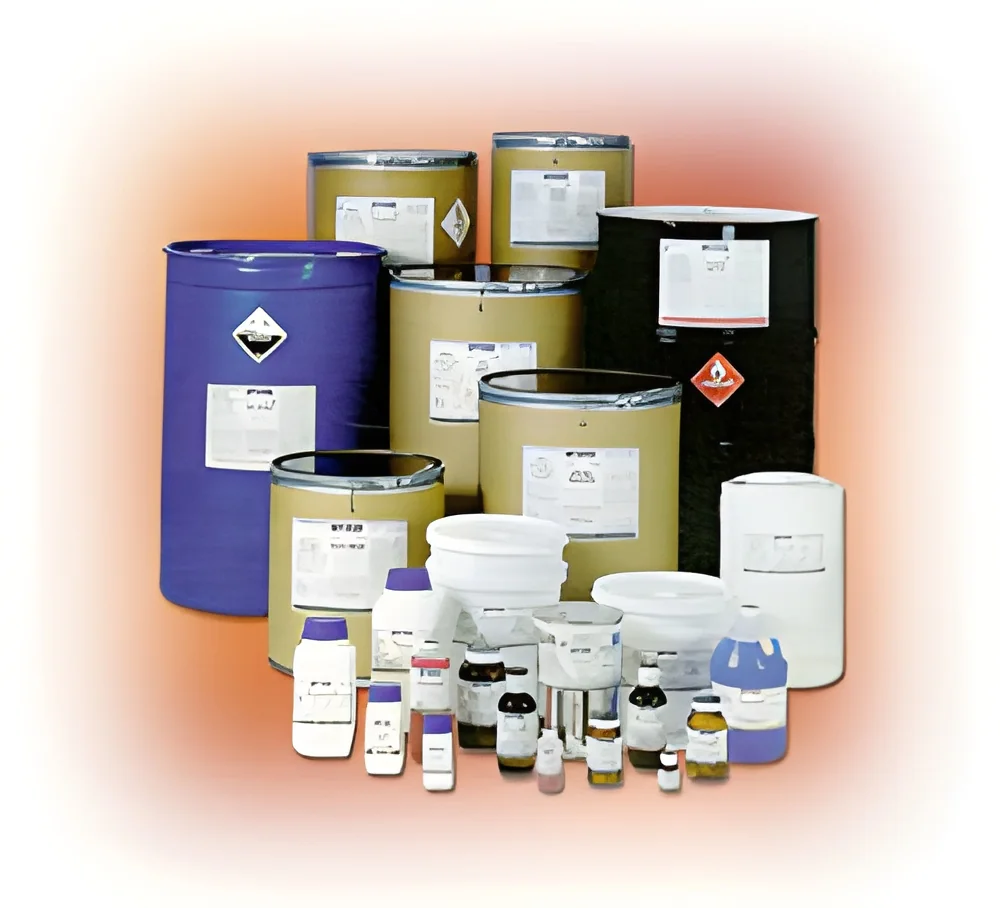
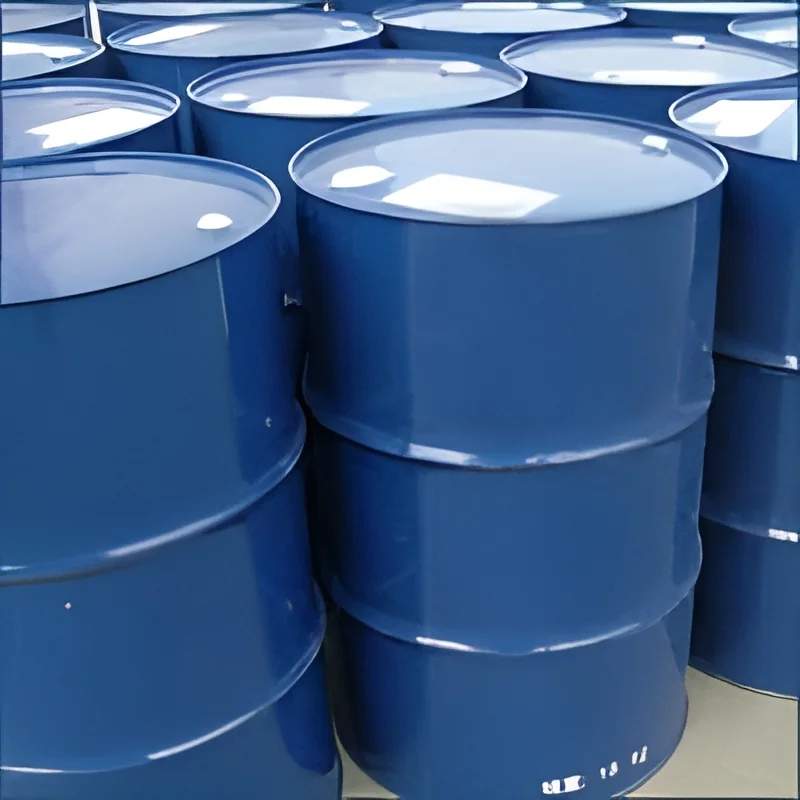
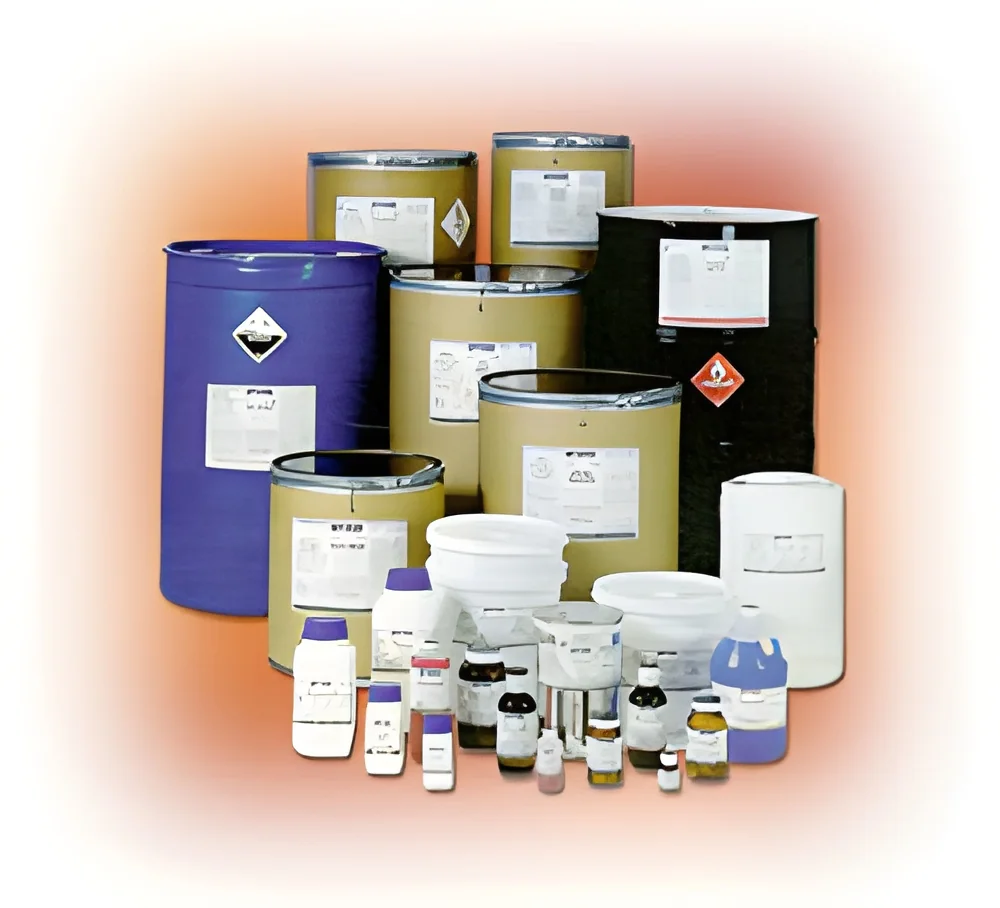
Other Acids, Solvents, and Reagents are essential chemical compounds used across various industries for multiple applications. These substances facilitate chemical reactions, act as solvents for dissolving other materials, and serve as reagents in laboratory and industrial processes. The category encompasses a wide range of products, including organic acids, inorganic acids, and various solvents that can be tailored to specific business needs.
These compounds are widely utilized in sectors such as pharmaceuticals, agriculture, food production, and manufacturing. In pharmaceuticals, they play a crucial role in drug formulation and synthesis. In agriculture, they are used in pesticides and fertilizers. Their versatility ensures they are integral to research and development, quality control, and production processes across many industries. The growing demand for specialized chemicals has made this market increasingly relevant in today's economy.
Key Features and Specifications
When considering Other Acids, Solvents, and Reagents, it is important to understand their key features and specifications. These specifications help businesses select the right products for their needs and ensure compliance with industry standards.
Key specifications include:
1. Purity Levels
- High purity is essential for many applications.
- Typical purity ranges from 95% to 99.9%.
2. Chemical Composition
- Understanding the specific chemical makeup is crucial.
- This includes identifying the main components and any potential contaminants.
3. Physical State
- Products may be available in liquid, solid, or gas forms.
- Each state serves different applications depending on the industry needs.
4. Boiling and Melting Points
- These properties affect handling and storage.
- Boiling points may range from room temperature to over 200 degrees Celsius.
5. Toxicity and Safety Data
- Safety data sheets (SDS) provide critical information on handling and hazards.
- Toxicity levels influence regulatory compliance and workplace safety.
6. Shelf Life
- Products may have varying shelf lives depending on their stability.
- Proper storage can extend the usability of these chemicals.
7. Packaging Options
- Available in various container sizes for convenience.
- Packaging must comply with safety and transportation regulations.
In summary, understanding these specifications is vital for businesses to make informed purchasing decisions and ensure the effective use of Other Acids, Solvents, and Reagents.
Common Applications and Use Cases
Other Acids, Solvents, and Reagents serve diverse industries, each with unique applications that enhance productivity and innovation.
1. Pharmaceutical Industry: These substances are crucial in drug formulation, synthesis, and analysis, ensuring the effectiveness of medications.
2. Agricultural Sector: They are used as active ingredients in pesticides and herbicides, promoting crop protection and yield enhancement.
3. Food and Beverage Industry: Certain acids are used as preservatives or flavor enhancers, ensuring food safety and quality.
4. Chemical Manufacturing: They are employed in the production of various chemicals and materials, facilitating essential reactions.
5. Electronics Industry: Solvents are used in cleaning and etching processes, essential for manufacturing electronic components.
6. Oil and Gas: Acids are often used in drilling and refining processes, enhancing oil recovery and efficiency.
7. Water Treatment: Certain reagents are used to purify water, removing contaminants and ensuring safe consumption.
Product Variants and Subcategories
The diversity of Other Acids, Solvents, and Reagents allows for tailored solutions based on specific needs.
Acetic Acid
Acetic Acid is commonly used in food preservation and as a solvent in chemical synthesis. Its ability to act as a pH regulator makes it valuable in various industrial applications.
Hydrochloric Acid
Hydrochloric Acid is widely used in metal cleaning and processing. Its powerful acidic properties make it effective in removing rust and scale from surfaces.
Ethanol
Ethanol serves as a solvent and is extensively used in the pharmaceutical and cosmetic industries. It is valued for its ability to dissolve various compounds and its use in sanitizers.
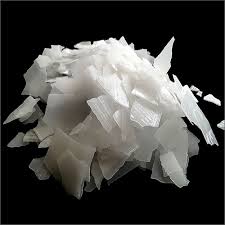
Sodium Hydroxide
Sodium Hydroxide is essential in soap making and chemical manufacturing. Its strong alkaline nature makes it effective in neutralizing acids.
Benefits and Advantages
Sourcing Other Acids, Solvents, and Reagents offers numerous benefits to businesses.
1. High Efficiency: These compounds facilitate faster chemical reactions, improving overall process efficiency.
2. Versatility: A wide range of applications across multiple industries allows for diverse use cases.
3. Quality Control: High purity levels ensure consistent results, critical for sensitive applications.
4. Regulatory Compliance: Many suppliers provide products that meet international safety and quality standards.
5. Cost-Effectiveness: Bulk purchasing options can result in significant savings for businesses.
6. Technical Support: Suppliers often provide technical assistance and resources to help businesses make informed choices.
Buying Guide for B2B Buyers
When sourcing Other Acids, Solvents, and Reagents, buyers should consider several important factors to ensure they select the right products.
1. Quality Assessment: Evaluate the purity and chemical composition of the acids and solvents. Reliable suppliers provide detailed specifications and safety data sheets.
2. Supplier Verification: Vet suppliers to ensure they have a proven track record in quality and reliability. Look for certifications and customer reviews.
3. Pricing and MOQ: Understand the pricing structure and minimum order quantities. Request quotes from multiple suppliers to compare costs.
4. Delivery and Lead Times: Consider logistics and ensure suppliers can meet your delivery timelines. Timely delivery is crucial for maintaining production schedules.
5. Compliance Requirements: Verify that products meet local and international regulations. This includes safety and environmental compliance.
Compliance and Certifications
Compliance with quality standards is essential for Other Acids, Solvents, and Reagents. Relevant standards include ISO 9001, which outlines requirements for a quality management system. This ensures products meet customer and regulatory requirements.
Industry certifications like CE indicate that products comply with European safety standards. These certifications enhance credibility and trust in the marketplace.
Safety and testing requirements are critical to ensure that products are safe for use. This includes toxicological assessments and environmental impact studies.
Additionally, regional compliance considerations may vary. It is important for businesses to stay informed on local regulations governing the use and disposal of chemical substances.
Why Source Other Acids, Solvents & Reagents from Pepagora?
Pepagora offers a reliable platform for sourcing Other Acids, Solvents, and Reagents, providing several key advantages for B2B buyers.
Verified Supplier Network: Pepagora connects buyers with a network of verified suppliers. This ensures that businesses can trust the quality and safety of the products they purchase.
Streamlined RFQ Process: The request for quotation system simplifies the procurement process. Buyers can easily request quotes from multiple suppliers, enabling them to compare offers efficiently.
Trade Assurance and Support: Pepagora provides buyer protection through trade assurance. This ensures that businesses can source products with confidence, knowing they are protected against potential issues.
Regional Coverage: Pepagora has a wide geographic reach, covering markets in India, the GCC region, and Southeast Asia. This allows businesses to find local suppliers and minimize shipping costs and lead times.
In conclusion, Pepagora is an excellent choice for businesses looking to source Other Acids, Solvents, and Reagents, combining quality, reliability, and support in one platform.

 IN
IN