What are Metal Finishing & Coating Services?
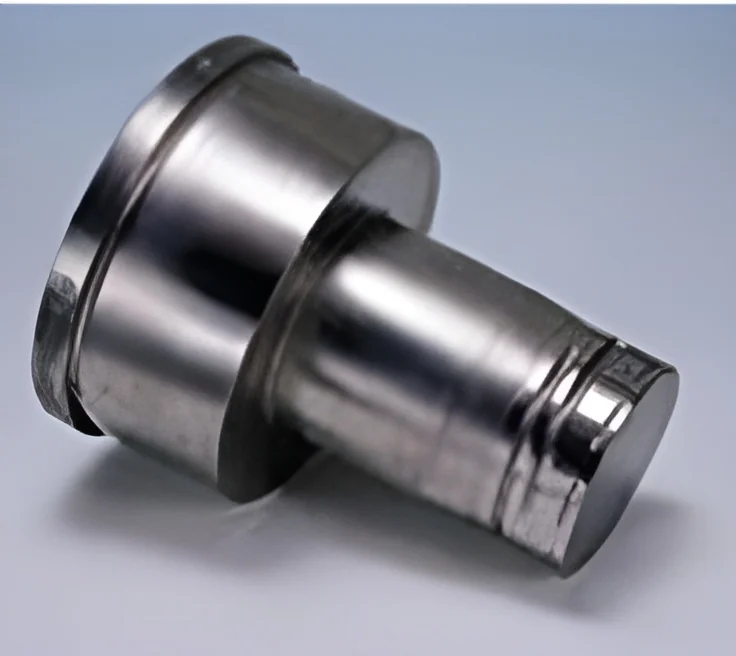
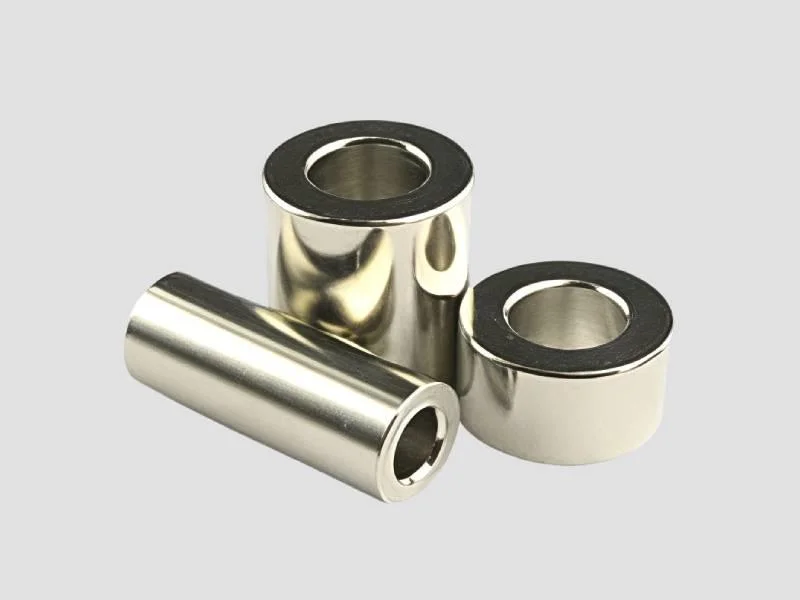
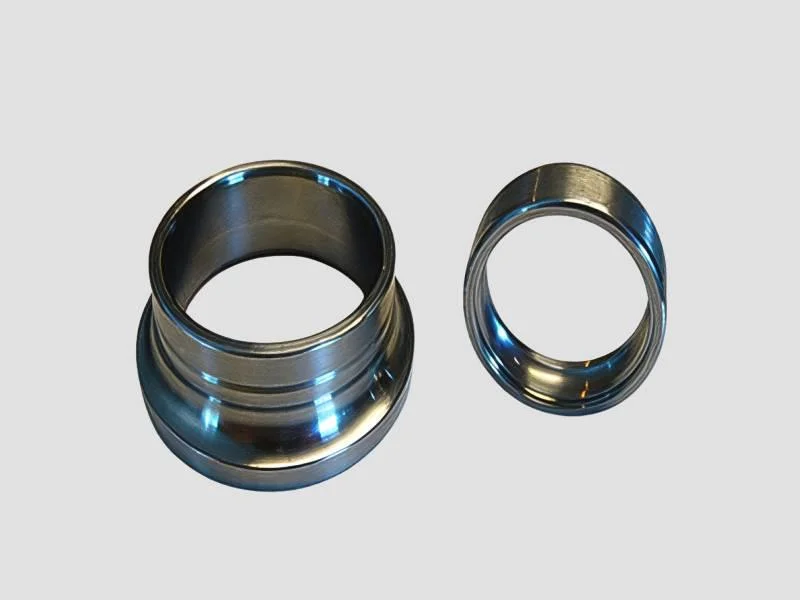
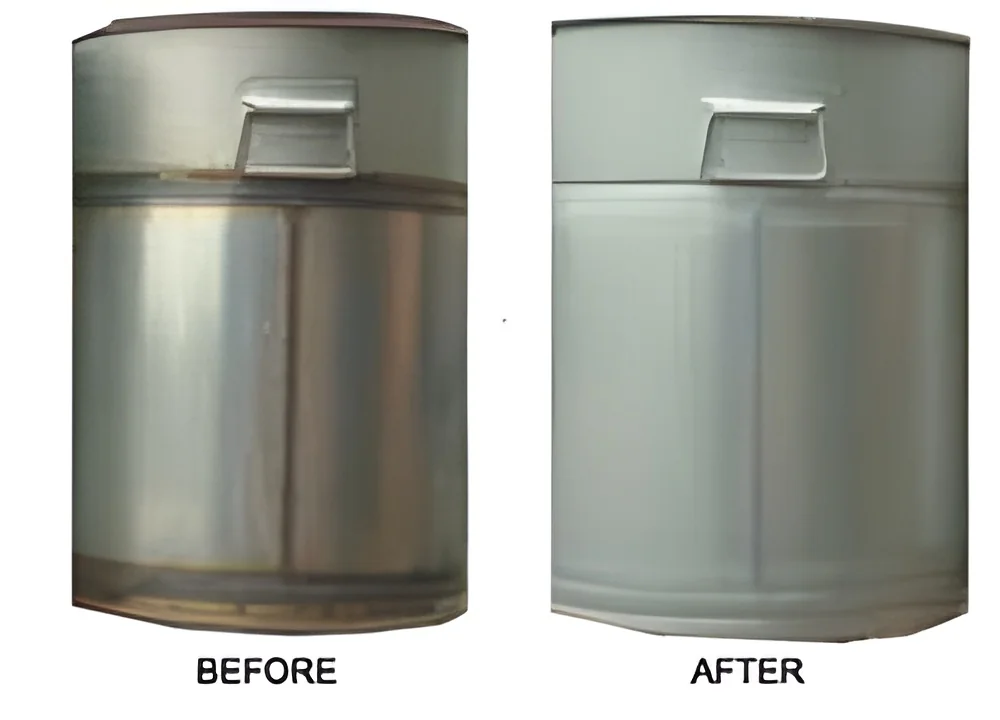
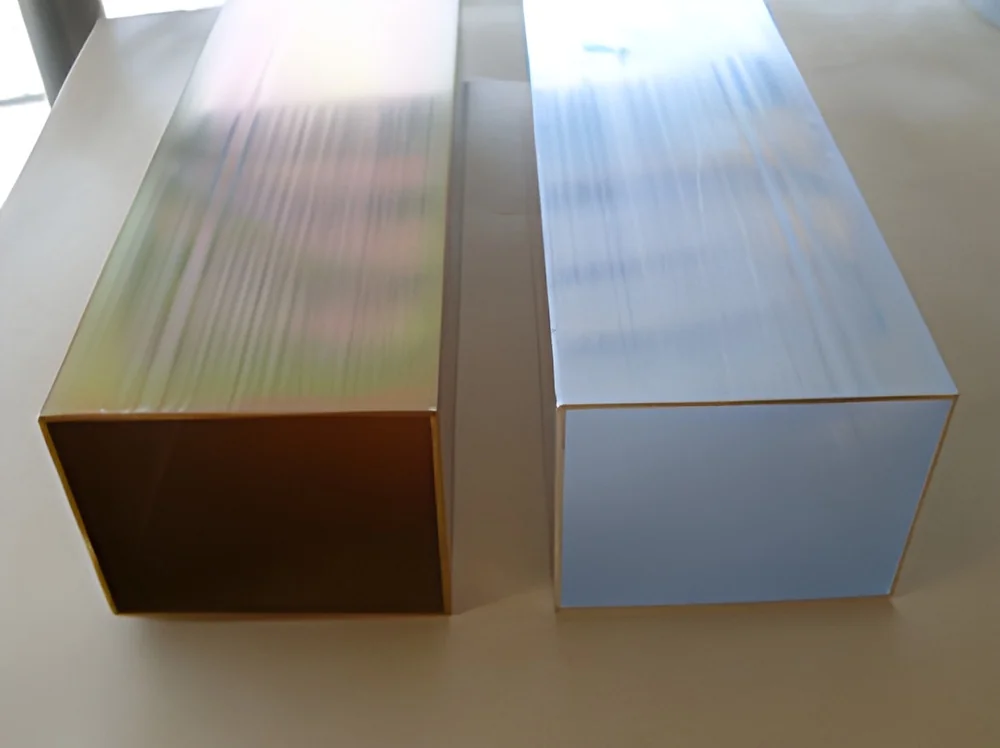
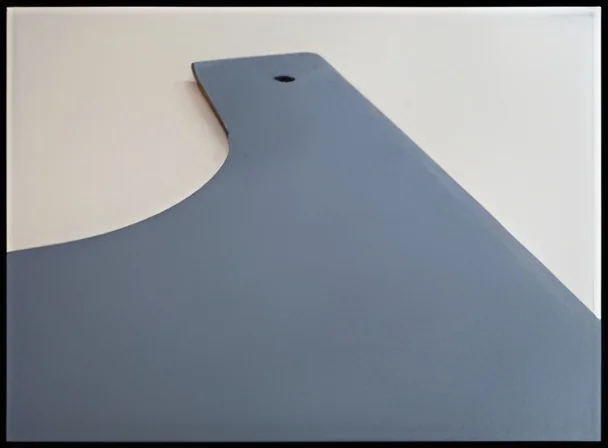
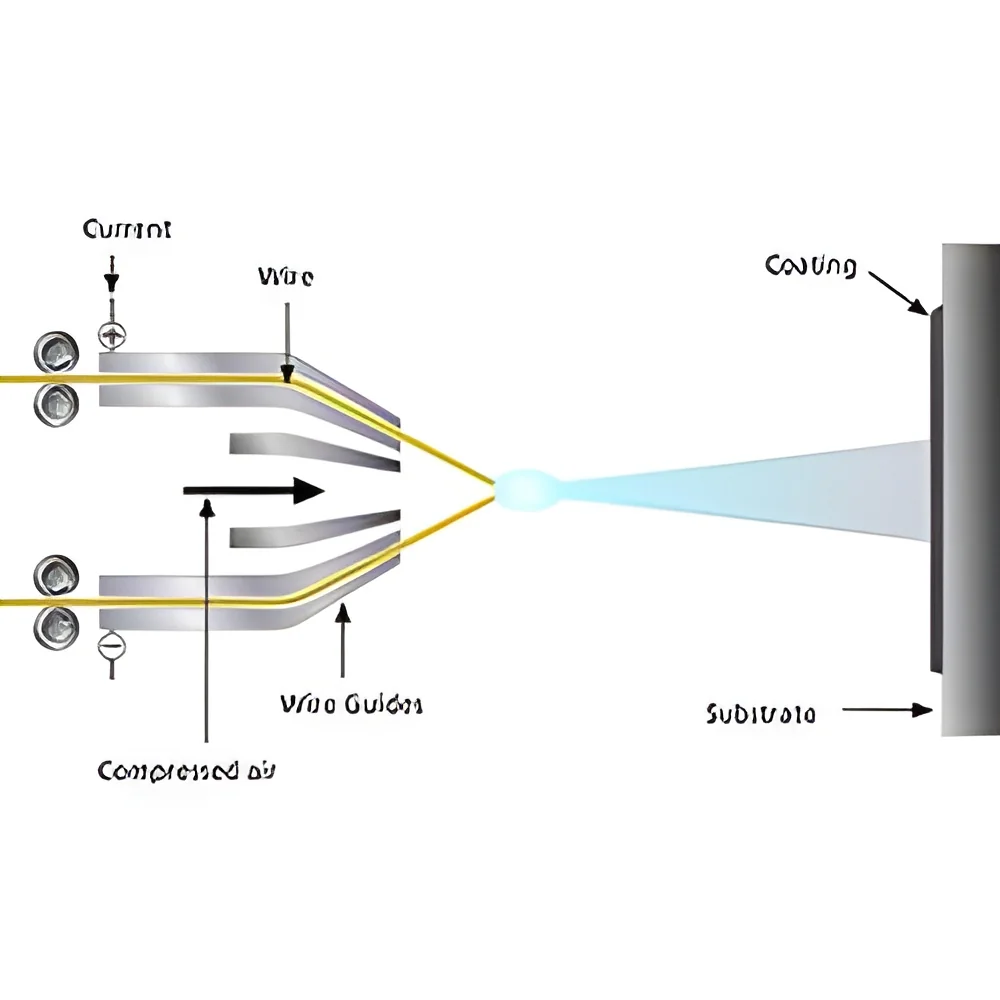
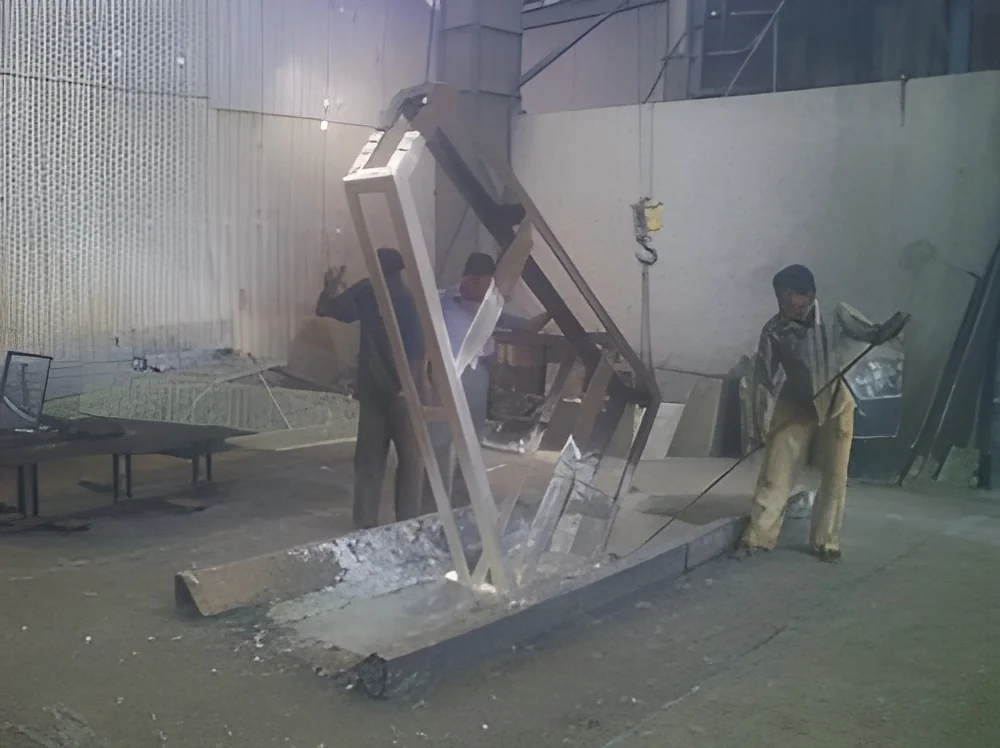
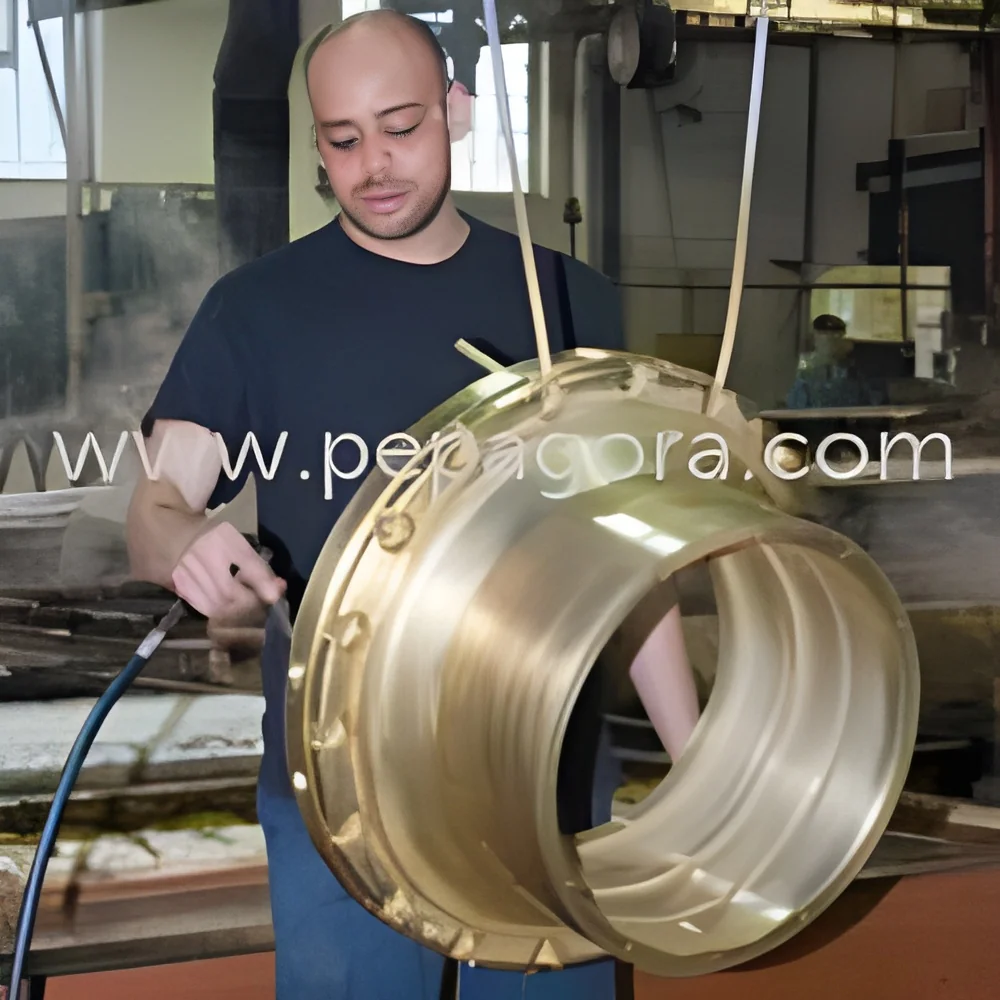
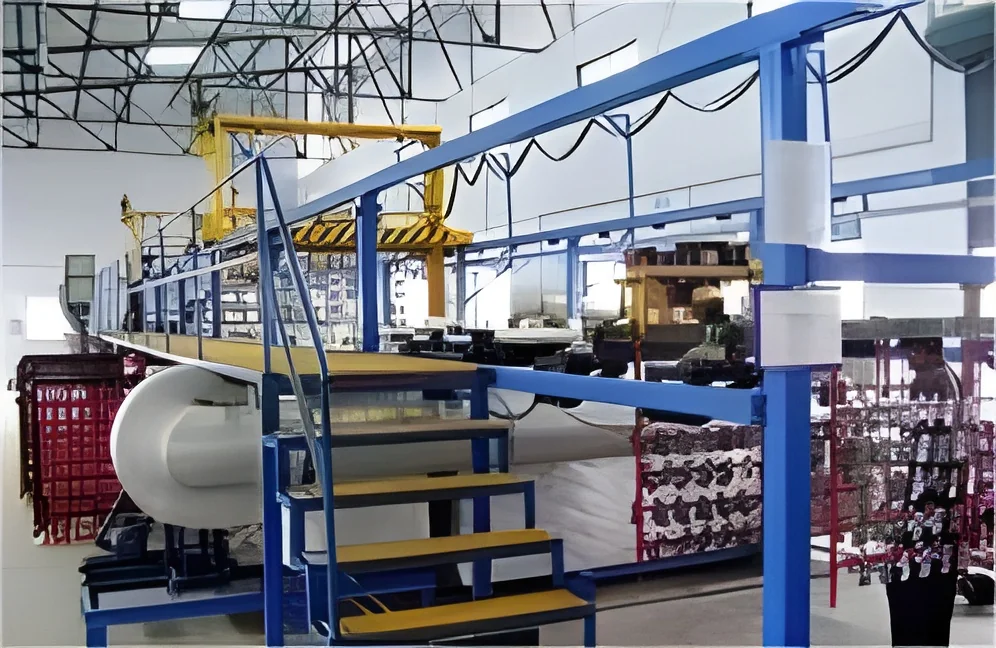
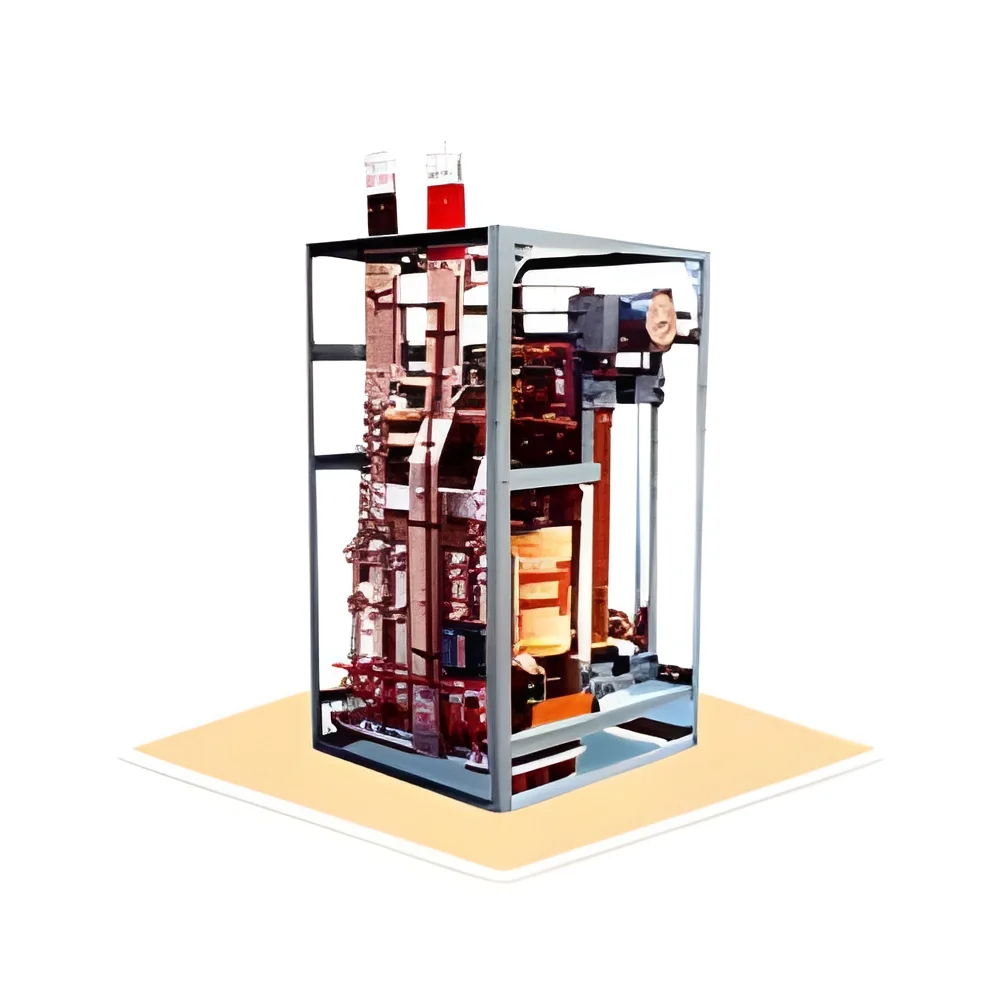
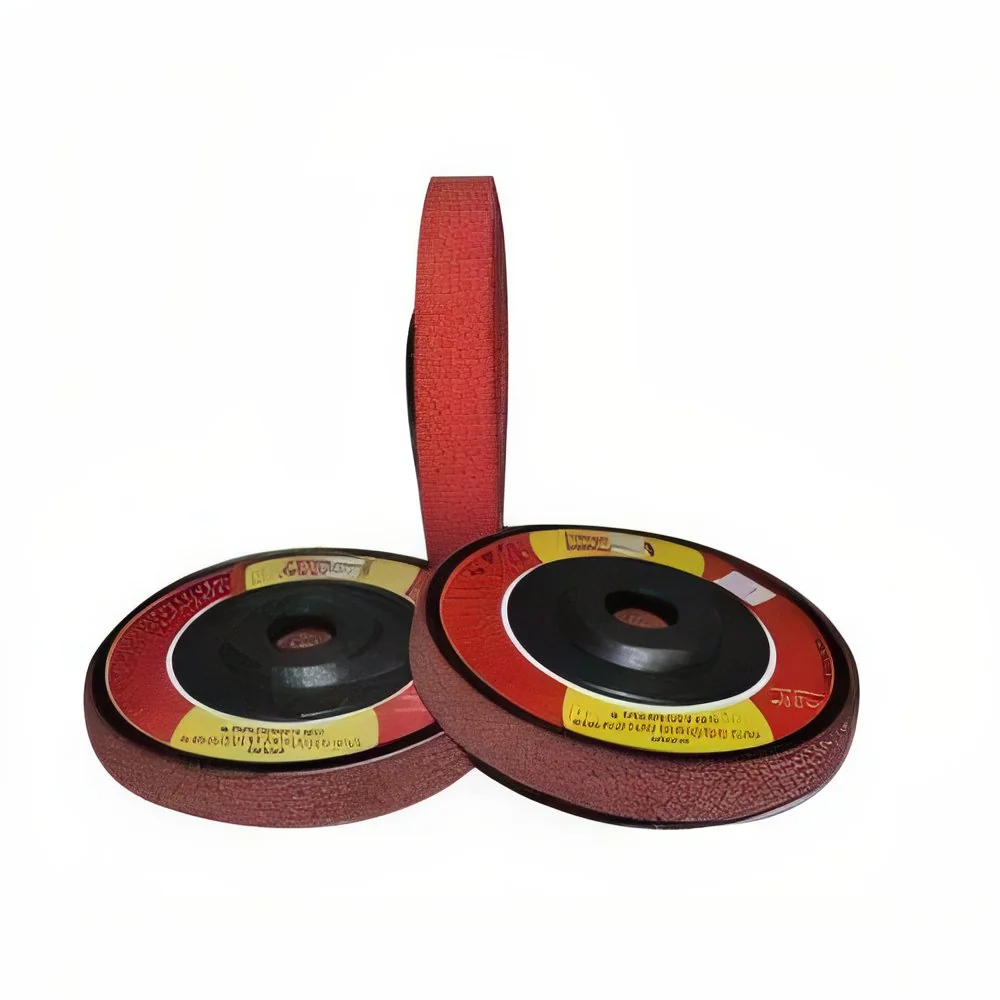
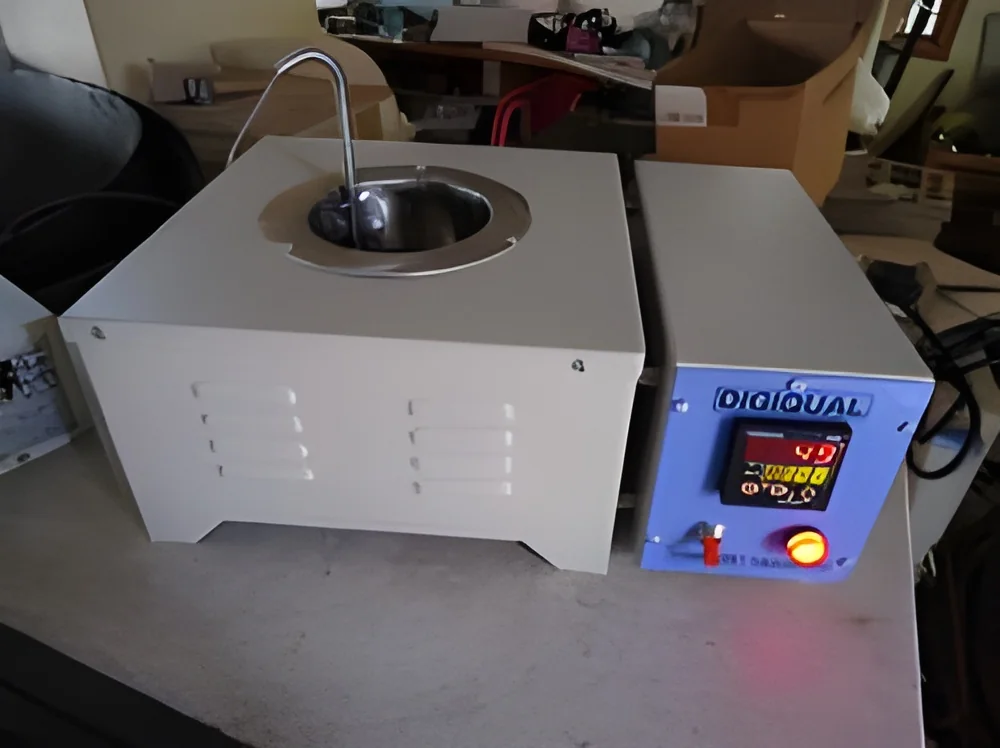
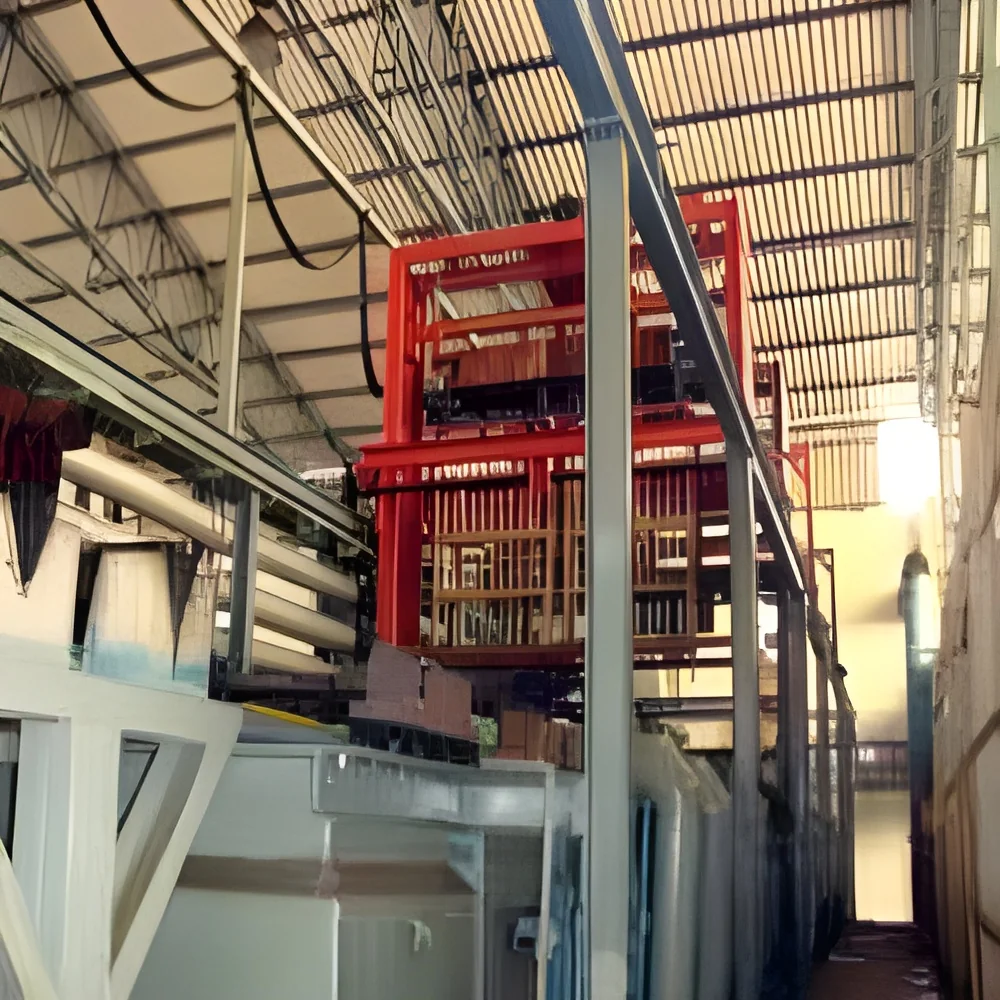
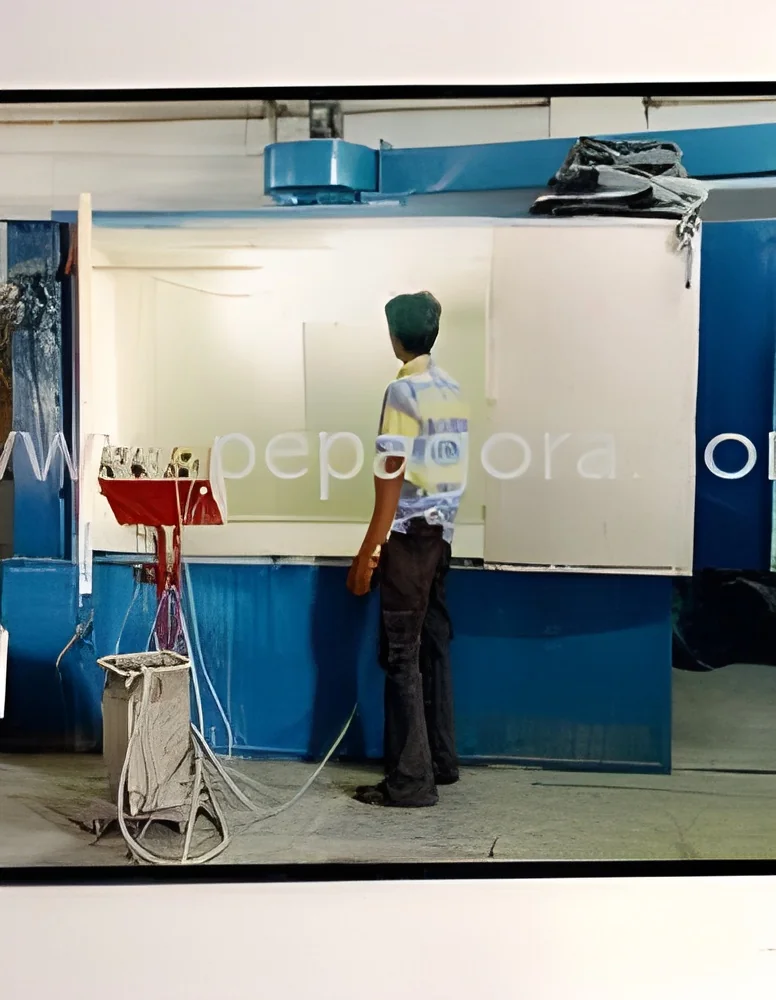
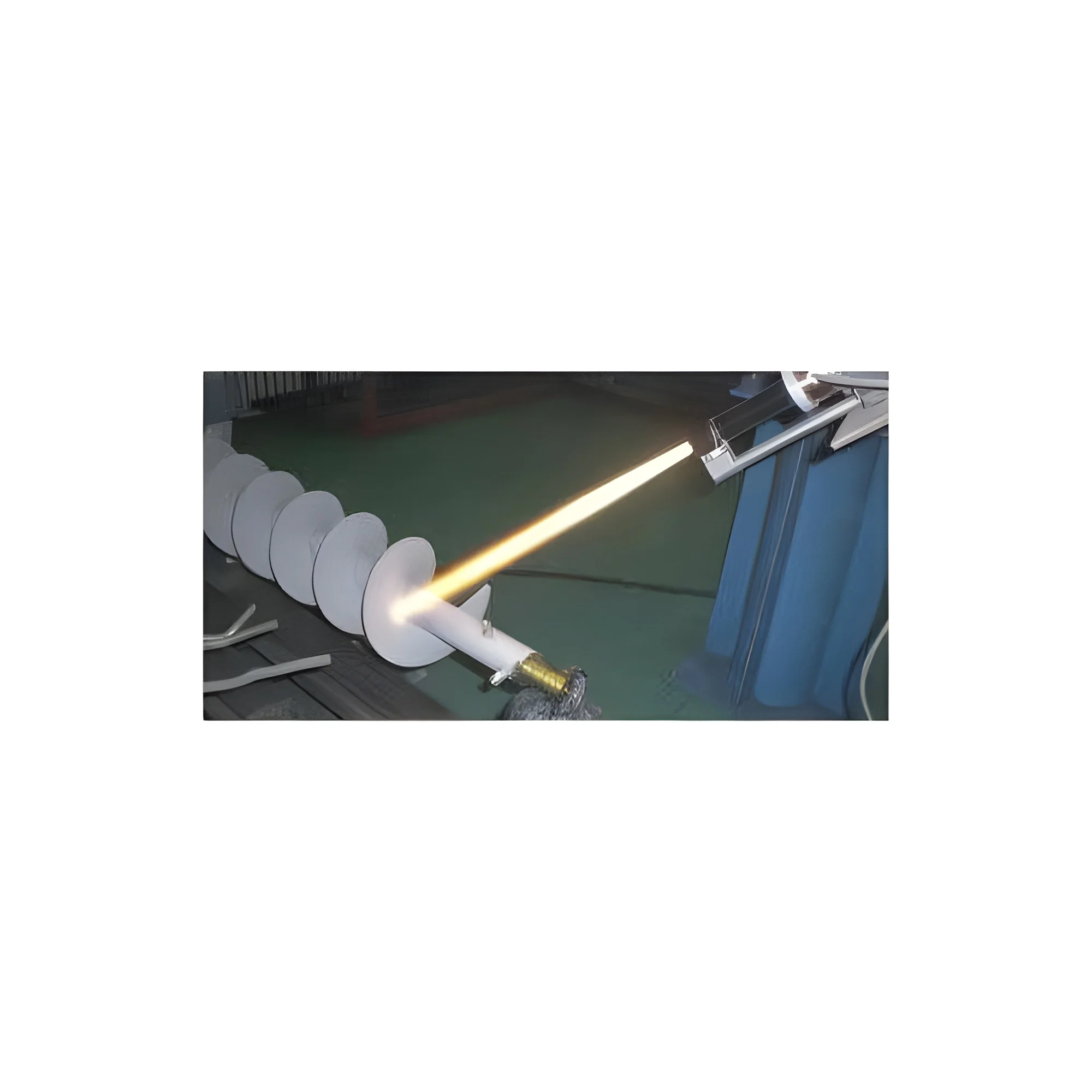
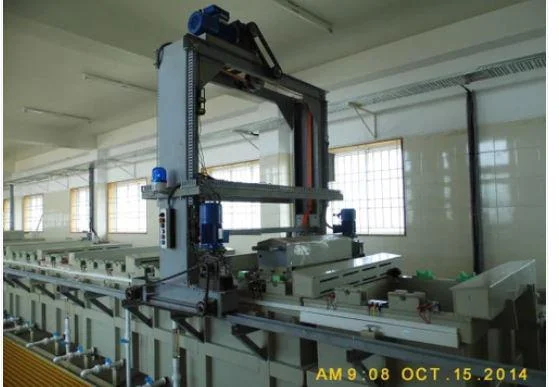
Metal finishing and coating services involve a series of processes applied to metal components to enhance their appearance, durability, and resistance to corrosion and wear. These services typically include techniques such as plating, anodizing, painting, and powder coating. The primary goal is to improve the surface properties of metal products, making them suitable for various applications across multiple industries.
These services find extensive use in sectors such as automotive, aerospace, electronics, and construction. In the automotive industry, for instance, metal finishing ensures that parts are not only visually appealing but also protected against the elements. In electronics, coatings are essential for preventing corrosion and ensuring electrical conductivity. The relevance of these services is significant, as the demand for high-quality, durable metal products continues to rise in competitive markets.
Key Features and Specifications
Metal finishing and coating services come with several key features that cater to the diverse needs of various industries. These specifications ensure that the services meet quality standards and customer expectations.
Key specifications include:
1. Surface Preparation
- Essential for ensuring proper adhesion of coatings
- May include cleaning, sanding, or chemical treatments
2. Coating Thickness
- Varies depending on application requirements
- Typically ranges from microns to several millimeters
3. Adhesion Testing
- Measures how well coatings bond to the substrate
- Common tests include tape and cross-hatch adhesion tests
4. Environmental Resistance
- Coatings designed to withstand specific environmental conditions
- Includes resistance to UV light, humidity, and temperature extremes
5. Finish Type
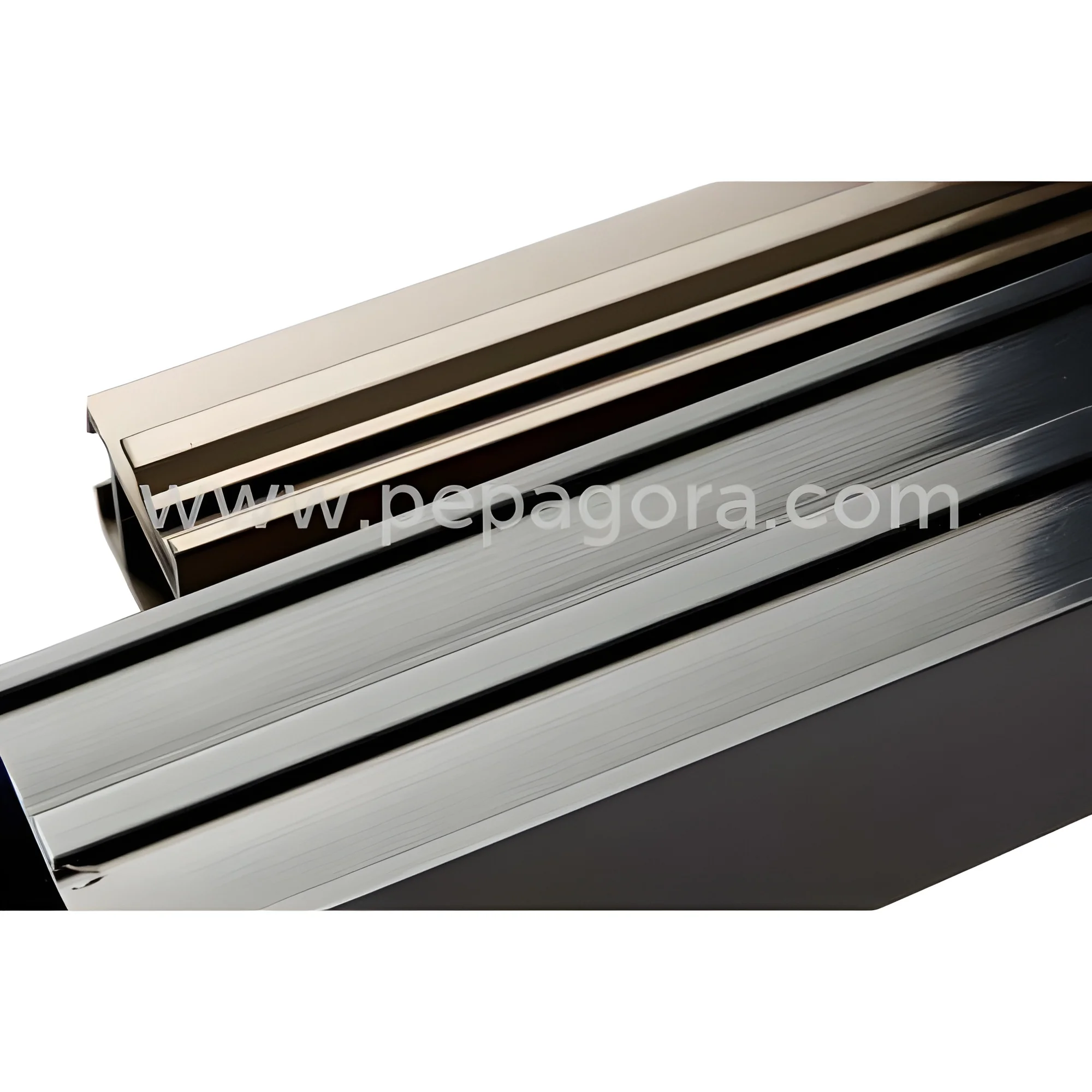
- Options include matte, gloss, or textured finishes
- Selection based on aesthetic and functional requirements
6. Customization Options
- Services can be tailored to meet specific client needs
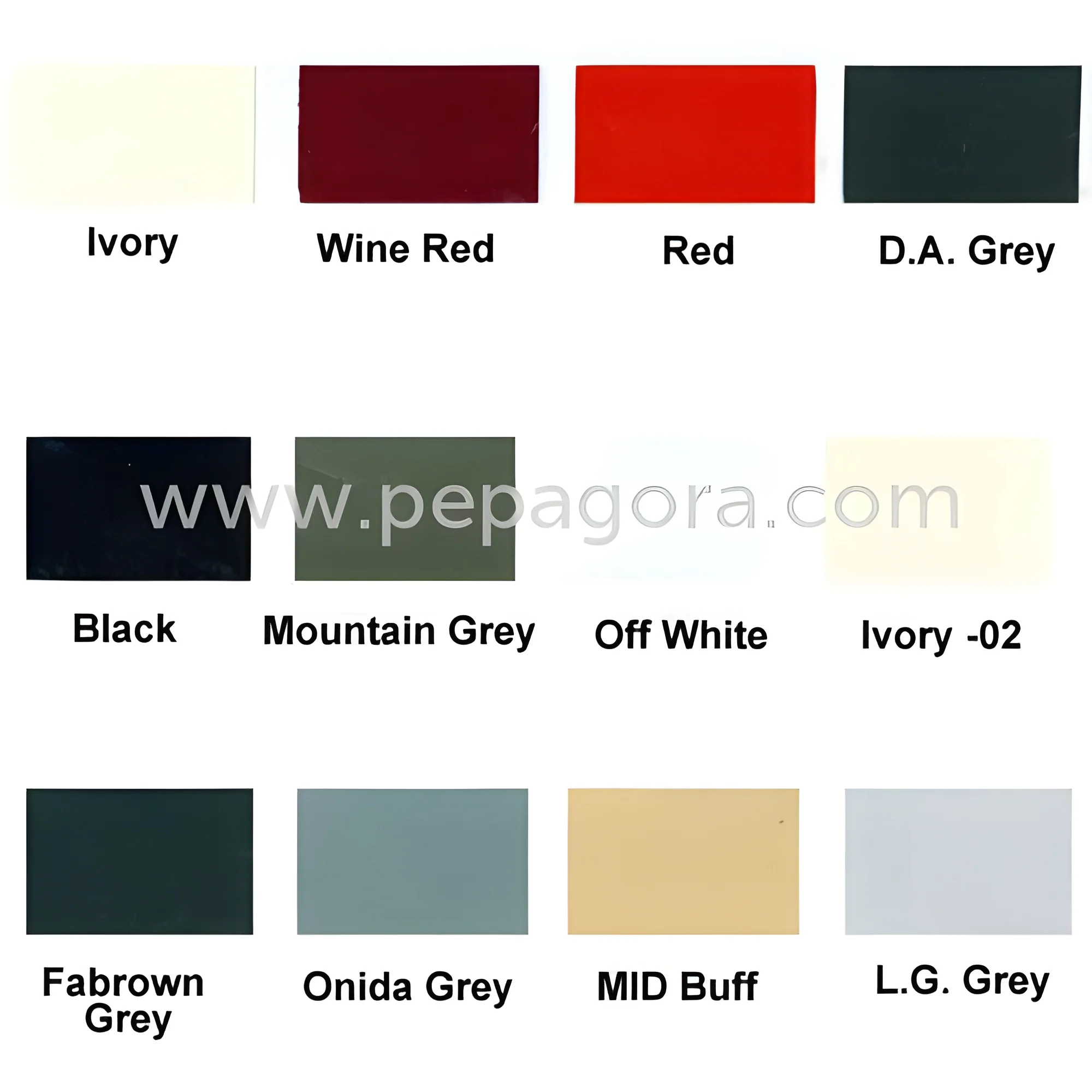
- Includes color matching and unique formulations
7. Quality Control Standards
- Adherence to industry standards for quality assurance
- Regular inspections and testing throughout the process
8. Compliance with Regulations
- Services must meet regional and industry-specific compliance
- Includes environmental regulations and safety standards
In summary, metal finishing and coating services are defined by their ability to enhance the functionality and aesthetics of metal products while meeting various industry specifications.
Common Applications and Use Cases
Metal finishing and coating services are utilized in a wide range of industries, each benefiting from tailored solutions.
1. Automotive: Coatings are applied to automotive parts for corrosion resistance and aesthetic appeal, enhancing vehicle longevity and performance.
2. Aerospace: Metal components undergo finishing processes to ensure they can withstand extreme environmental conditions, improving safety and reliability in flight.
3. Electronics: Coatings protect sensitive electronic components from moisture and corrosion, ensuring optimal performance and longevity.
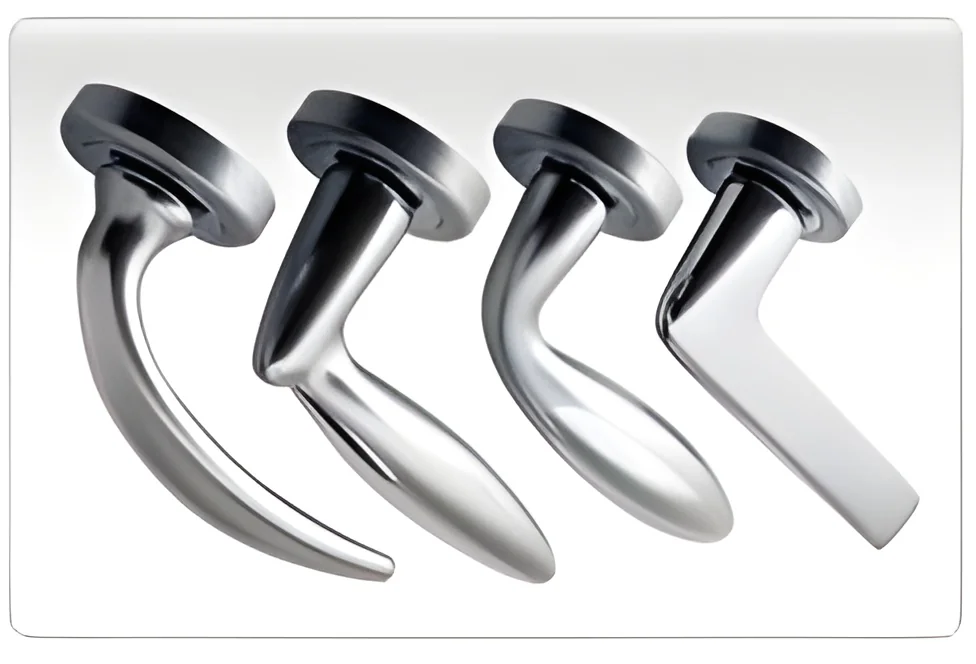
4. Construction: Metal finishing is crucial for architectural elements, providing durability and visual appeal to buildings and structures.
5. Manufacturing: Finished metal parts are essential for machinery and equipment, ensuring they function correctly while resisting wear and tear.
6. Oil and Gas: Coatings protect equipment and pipelines from harsh environmental conditions and corrosive substances, prolonging service life.
7. Medical Devices: Metal finishing ensures that medical components are safe, sterile, and functional, meeting stringent industry standards.
Product Variants and Subcategories
Metal finishing and coating services encompass a diverse range of options tailored to specific needs. This diversity allows businesses to select services that align with their operational requirements.
Electroplating
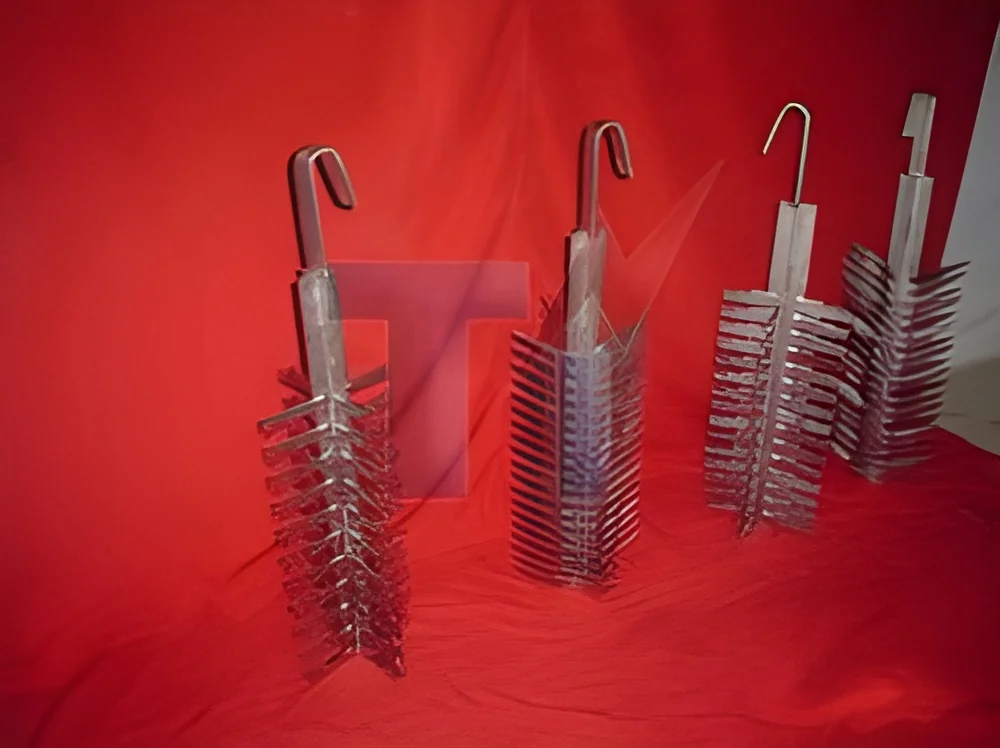
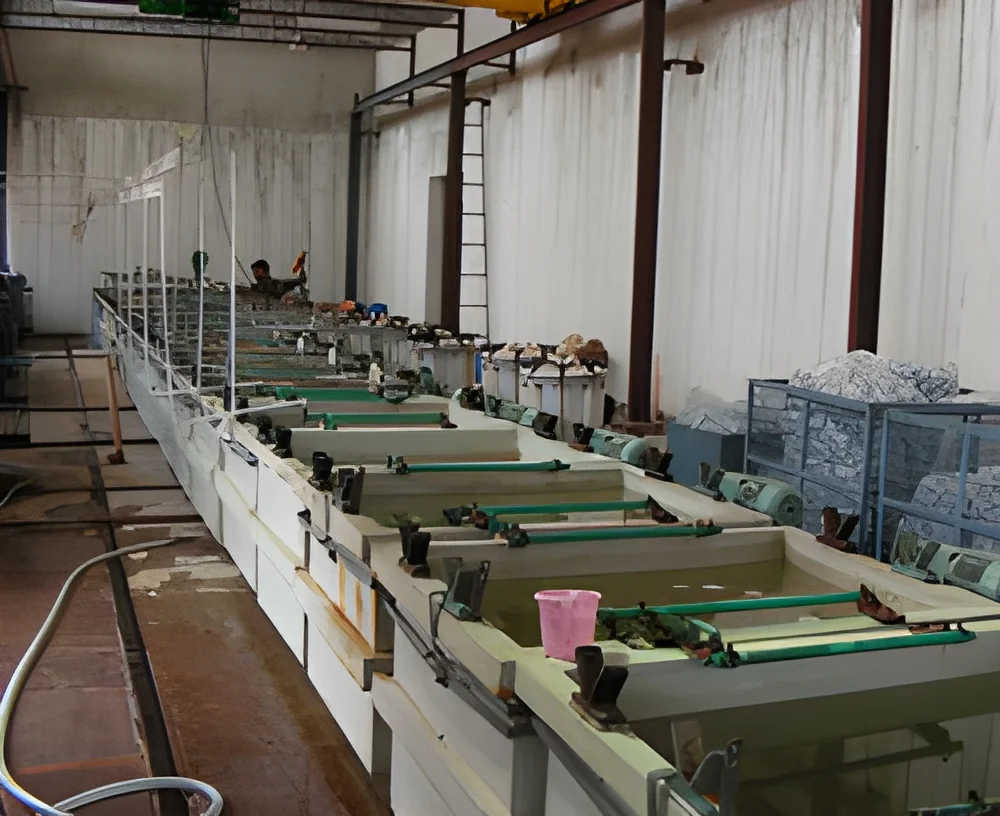
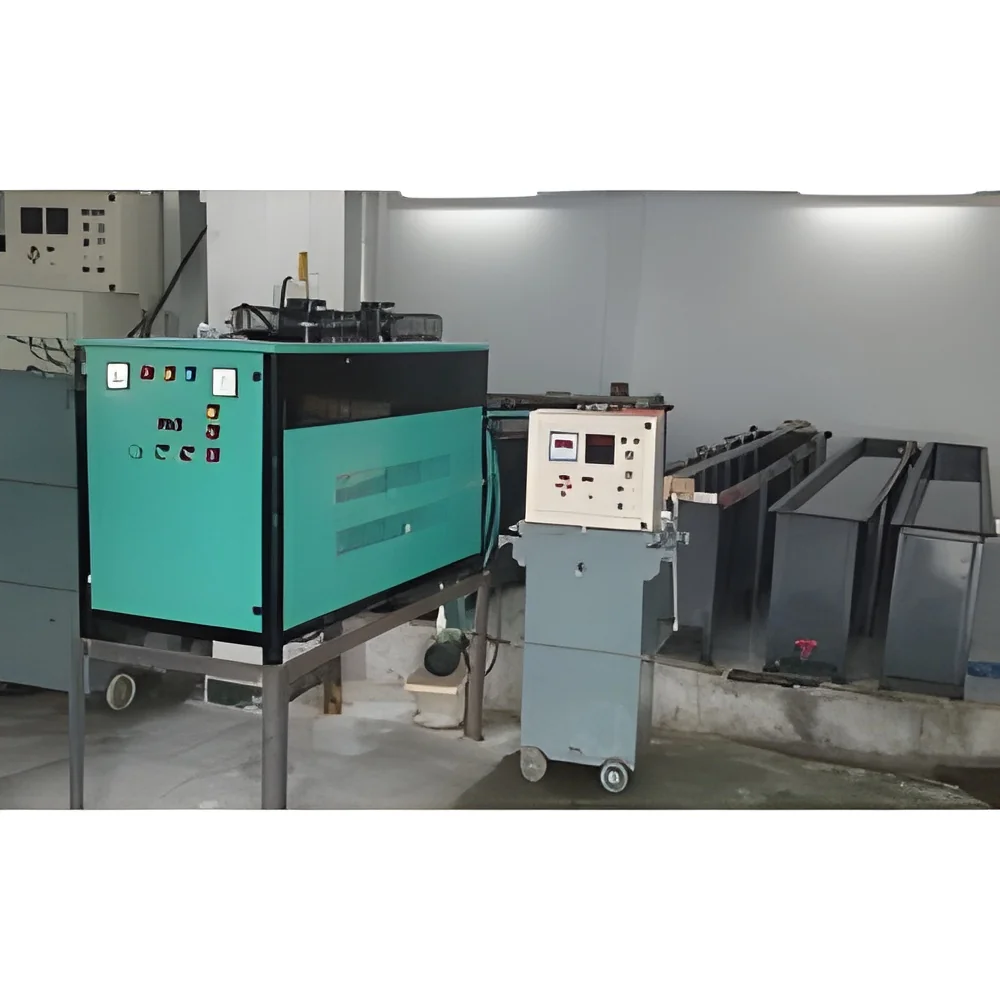
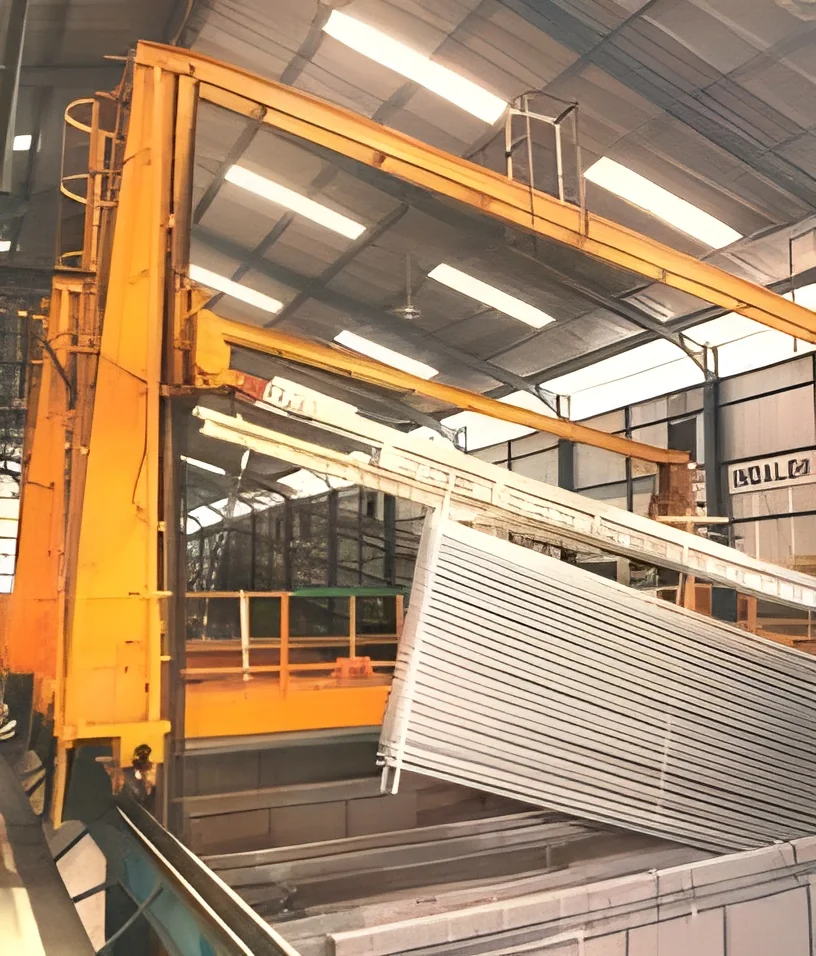
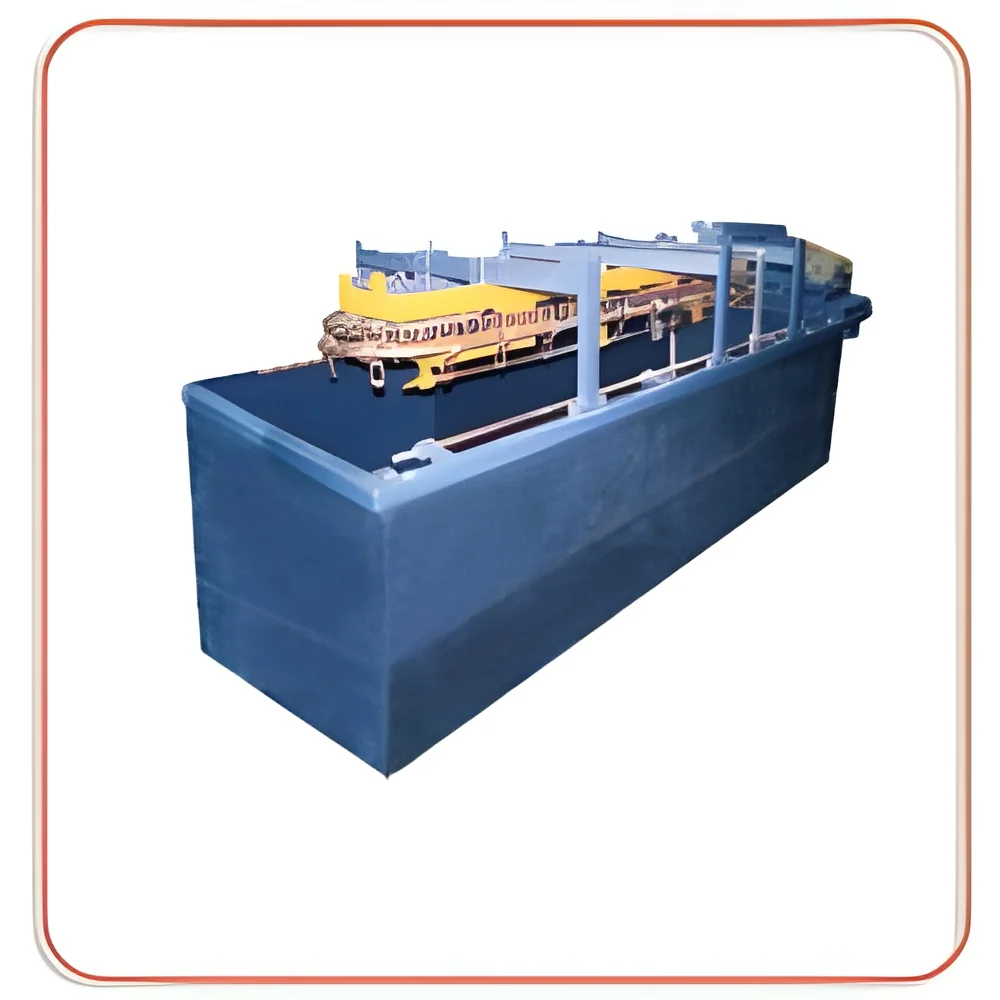
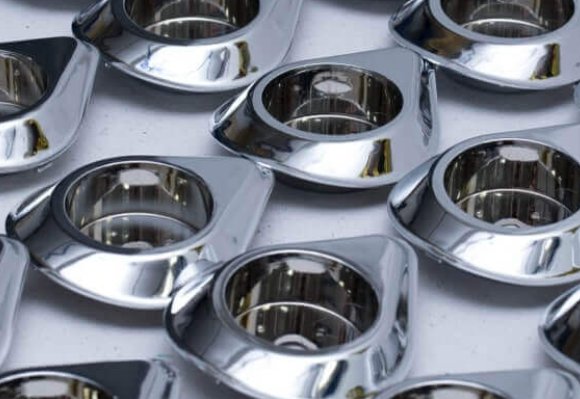
Electroplating involves depositing a layer of metal onto a substrate to enhance appearance, conductivity, and corrosion resistance. It is widely used in the automotive and electronics industries for components such as connectors and decorative trims.
Powder Coating
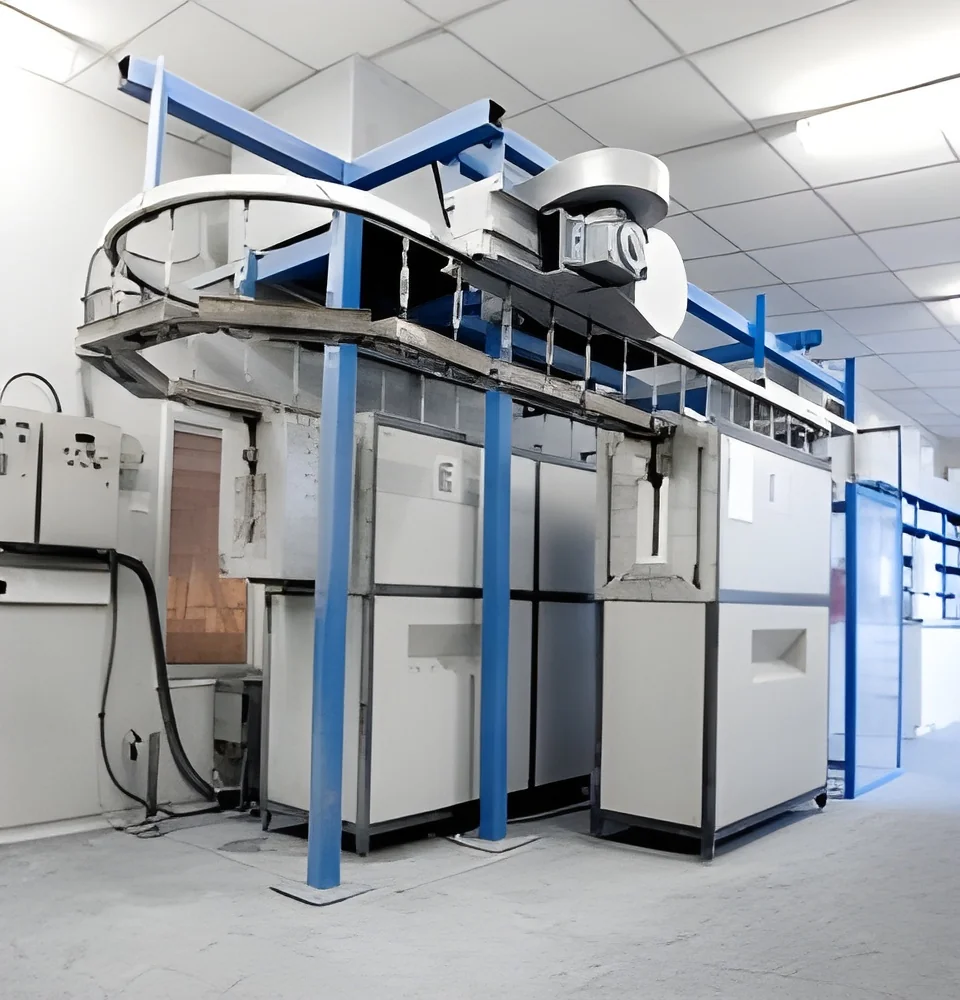
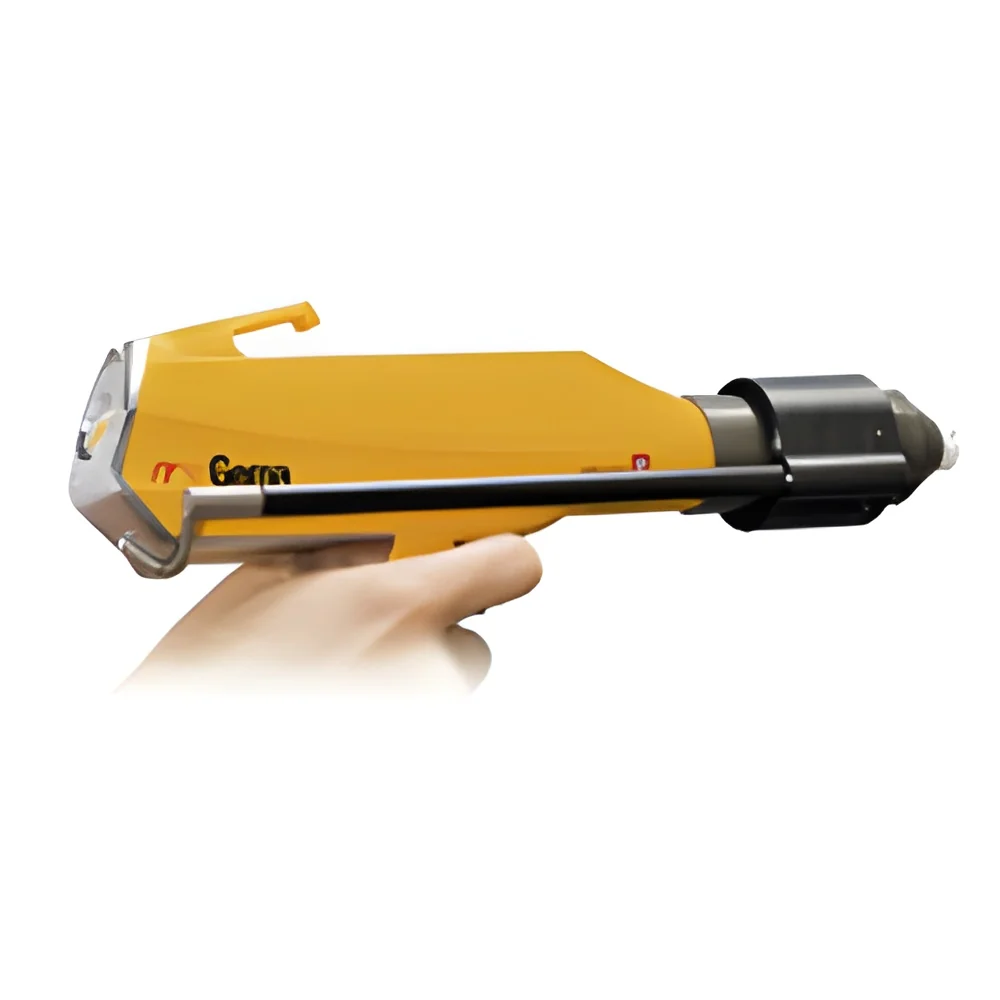
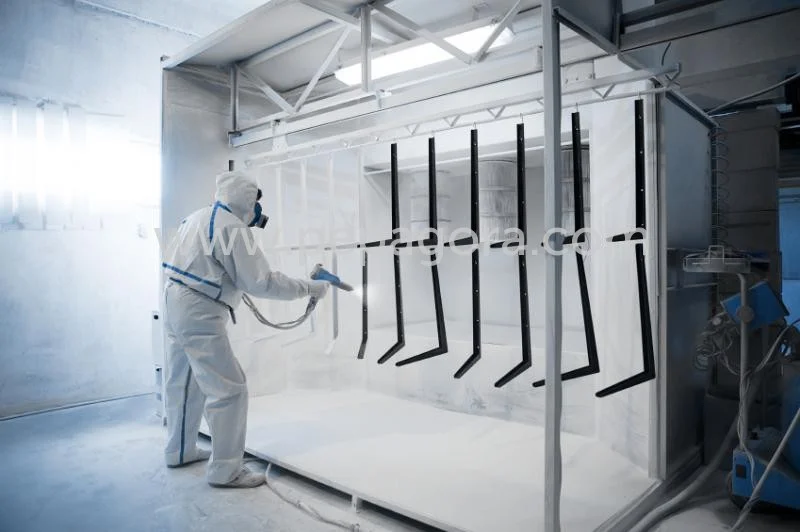
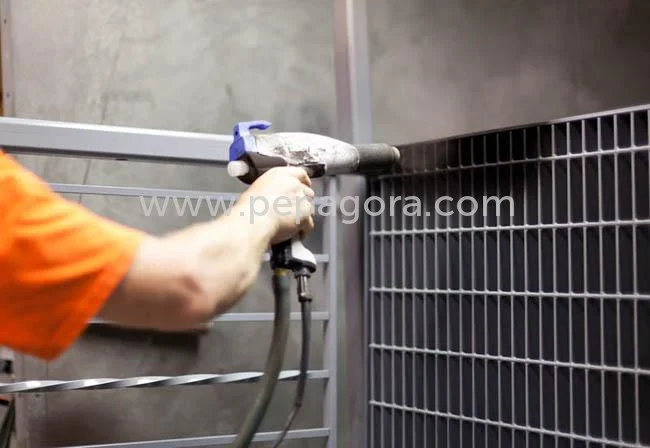
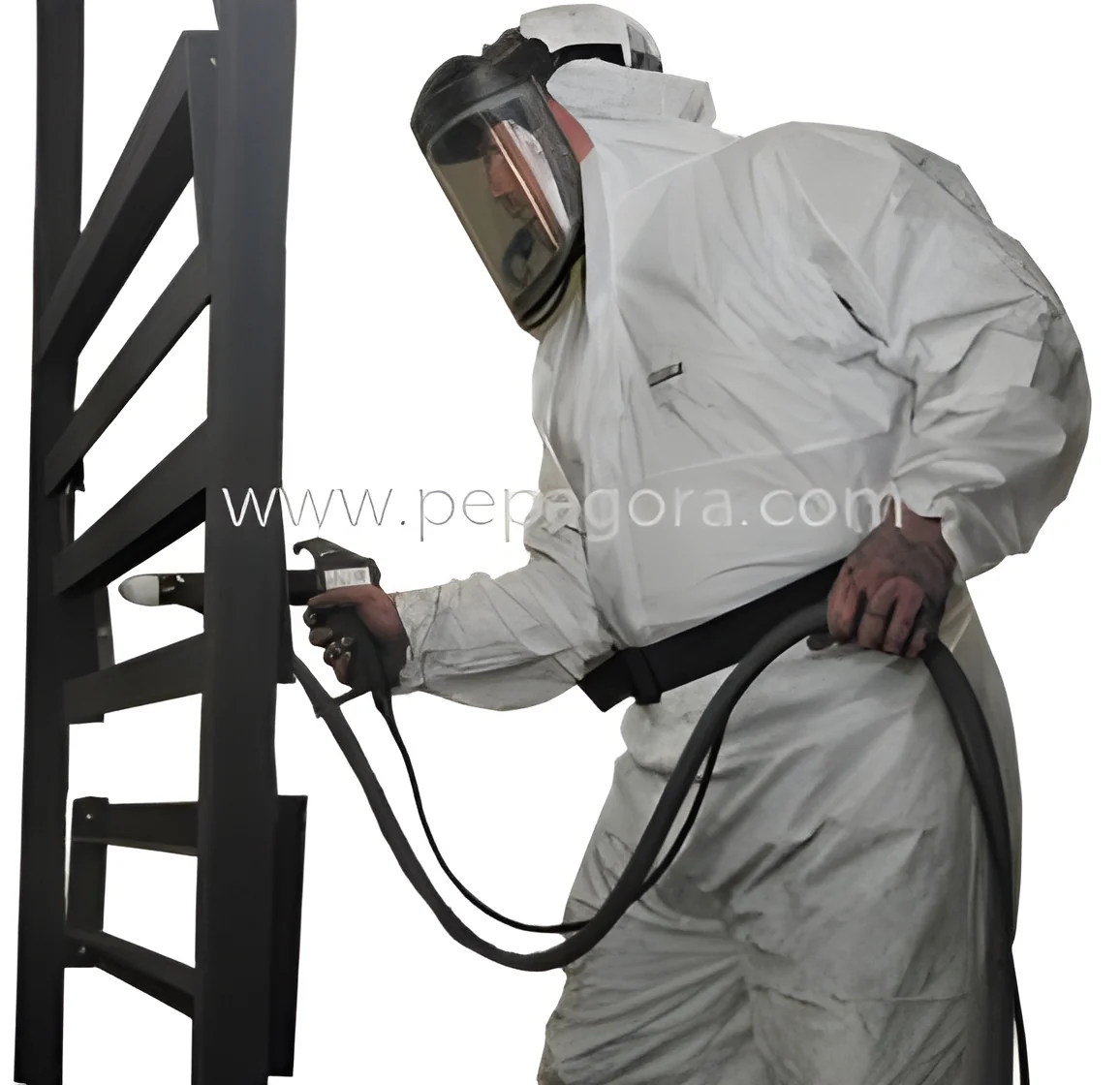
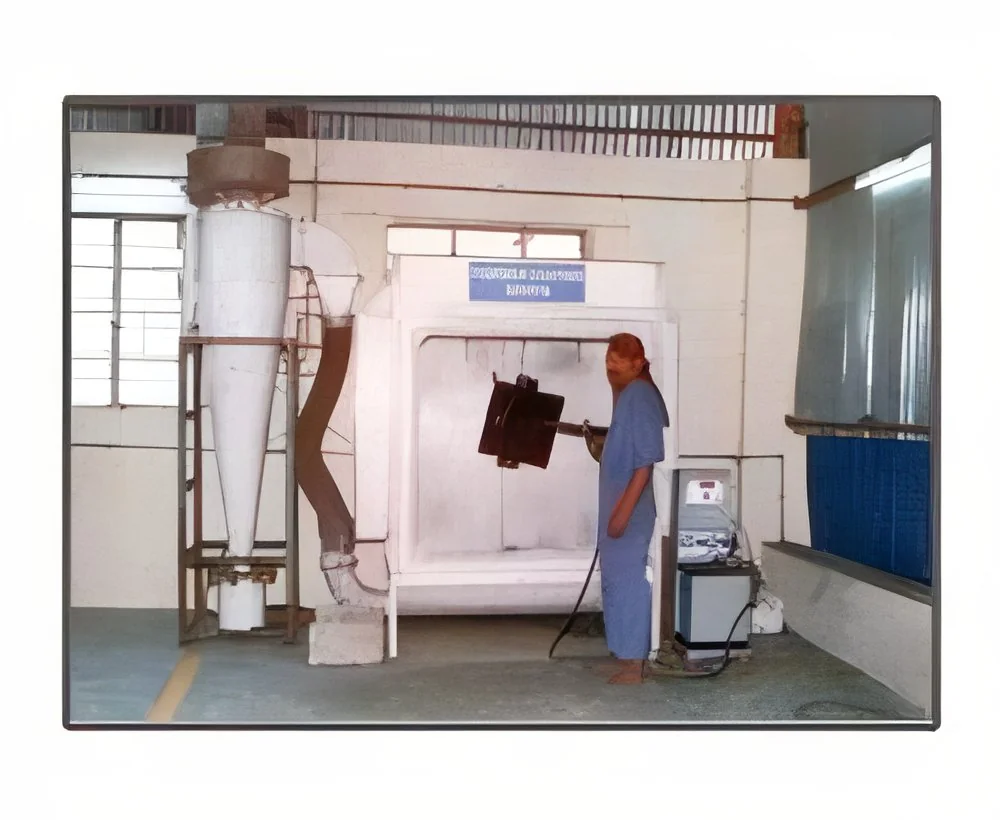
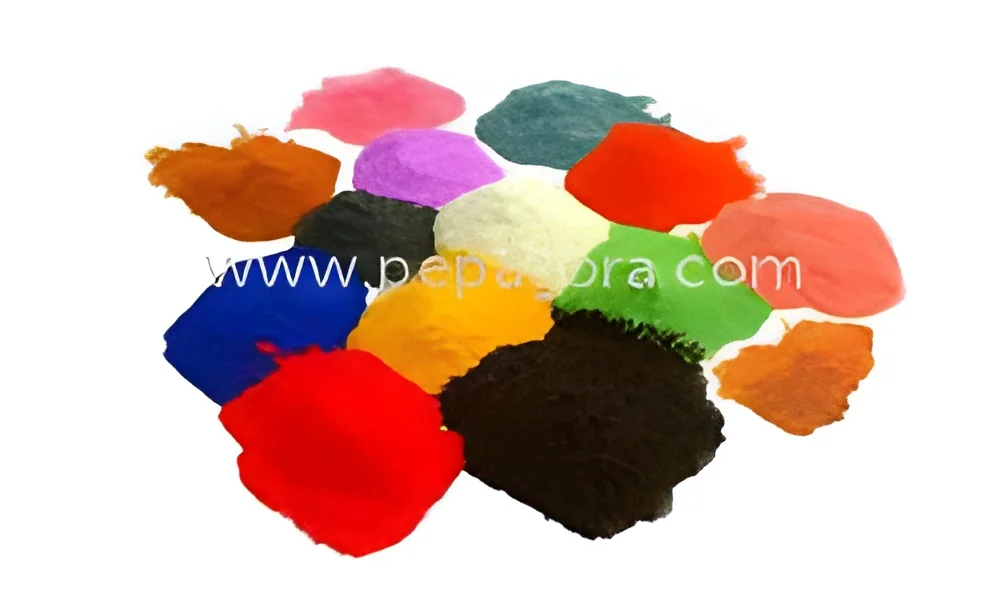
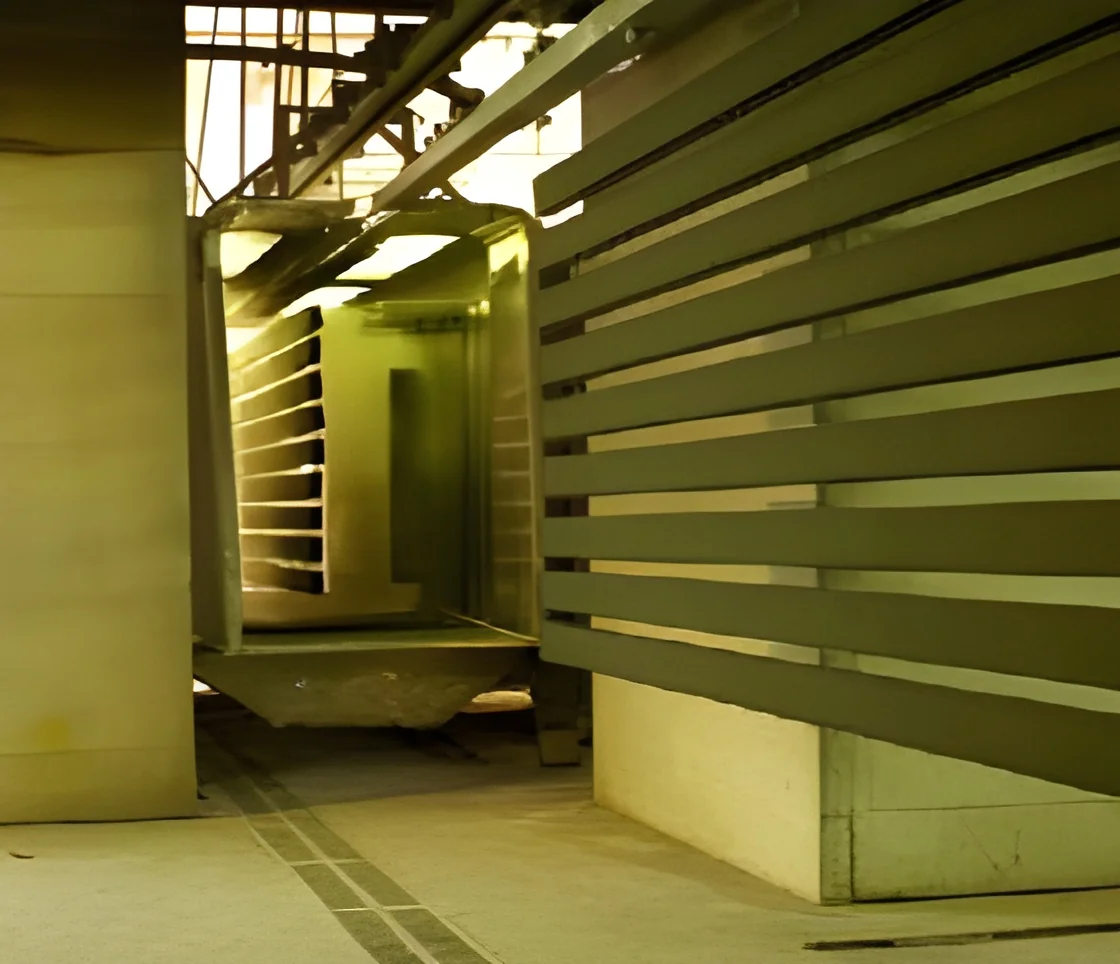
Powder coating provides a durable finish that is applied as a dry powder and cured under heat. It is popular in manufacturing and construction due to its resistance to chipping, scratching, and fading.
Anodizing
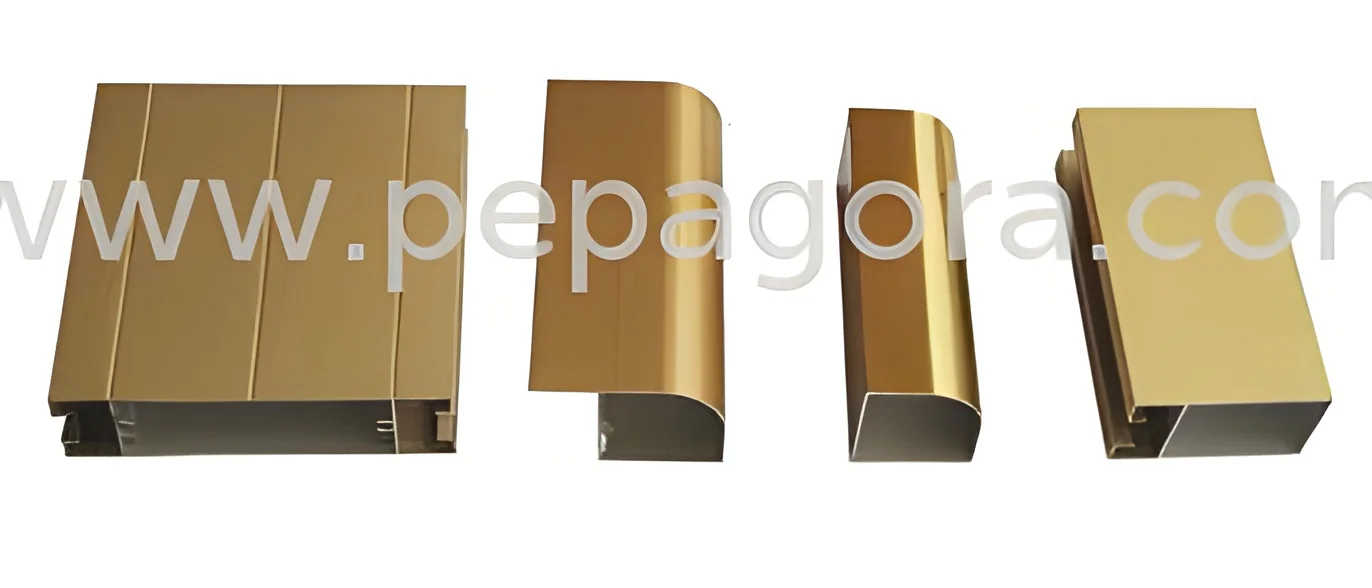
Anodizing is an electrochemical process that thickens the natural oxide layer on metal surfaces, particularly aluminum. This process increases corrosion resistance and allows for dyeing, making it suitable for architectural applications.
Plating
Plating involves coating a metal surface with a thin layer of another metal. It is commonly used for enhancing corrosion resistance and achieving desired aesthetic properties.
Benefits and Advantages
Metal finishing and coating services offer numerous benefits that enhance product quality and operational efficiency.
1. Enhanced Durability: Coatings provide protection against corrosion, wear, and environmental factors, extending the lifespan of metal components.
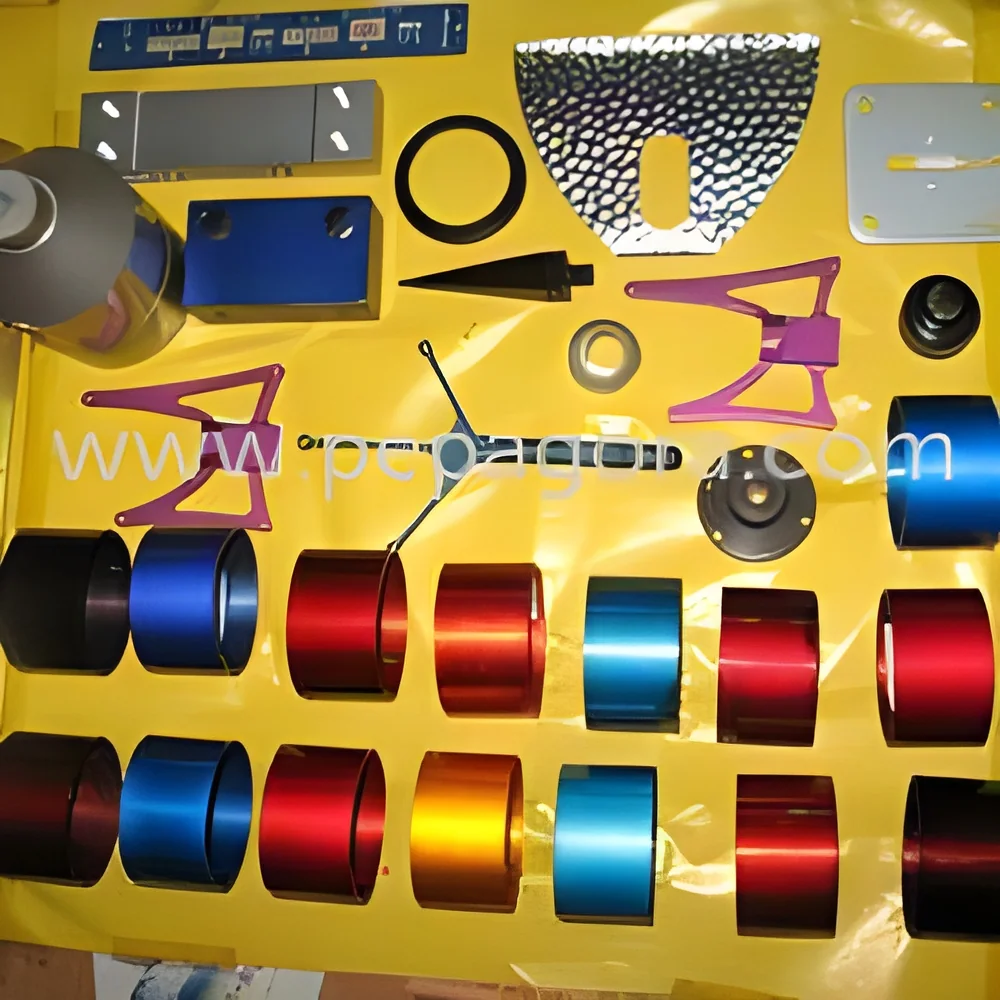
2. Aesthetic Appeal: Finishing processes improve the visual appearance of metal products, making them more attractive to customers.
3. Customization: Services can be tailored to meet specific client requirements, allowing for unique finishes and properties.
4. Improved Performance: Coatings can enhance the functionality of metal components, such as conductivity and heat resistance.
5. Regulatory Compliance: Professional services ensure adherence to industry standards and regulations, minimizing risks for businesses.
6. Cost Efficiency: Investing in metal finishing can reduce maintenance costs and increase the overall value of products through enhanced features.
Buying Guide for B2B Buyers
When sourcing metal finishing and coating services, businesses should consider several key factors to ensure they select the right provider.
1. Quality Assessment: Evaluate the quality control processes of potential suppliers. Look for certifications and past performance records to ensure they meet industry standards.
2. Supplier Verification: Conduct thorough background checks on suppliers, including their reputation, experience, and customer feedback. This helps mitigate risks associated with supplier reliability.
3. Pricing and MOQ: Understand the pricing structure and minimum order quantities (MOQ). Compare quotes from different suppliers to find the best value without compromising quality.
4. Delivery and Lead Times: Assess the supplier's ability to meet deadlines. Reliable lead times are crucial for maintaining production schedules and avoiding delays.
5. Compliance Requirements: Ensure that the services offered meet all relevant regulatory and compliance standards. This is especially important for industries with strict safety and environmental regulations.
Compliance and Certifications
Compliance and certifications play a vital role in ensuring that metal finishing and coating services meet industry standards and customer expectations. Key quality standards include ISO 9001, which emphasizes quality management systems, and HACCP for food safety applications, though not specifically applicable to metal finishing. Additionally, CE marking is essential for products sold in Europe, indicating compliance with safety and environmental protection requirements.
Safety and testing requirements are also critical, as they ensure that coatings are safe for use in various applications, particularly in sensitive industries like food and healthcare. Regular testing for adhesion, durability, and environmental resistance is necessary to maintain high-quality standards.
Regional compliance considerations may vary, as different countries have specific regulations governing manufacturing practices and environmental impact. Businesses should ensure that their chosen metal finishing provider is knowledgeable about these requirements to avoid potential legal issues.
Why Source Metal Finishing & Coating Services from Pepagora?
Pepagora provides a trusted platform for sourcing metal finishing and coating services, offering numerous advantages for businesses seeking reliable solutions.
Verified Supplier Network: Pepagora connects buyers with a network of verified suppliers. This ensures that businesses can find partners who meet strict quality and compliance standards.
Streamlined RFQ Process: The platform simplifies the request for quotation (RFQ) process, enabling buyers to quickly receive competitive quotes from multiple suppliers. This efficiency saves time and ensures better pricing.
Trade Assurance and Support: Pepagora offers trade assurance, providing buyers with protection in transactions. Customer support is also available to address any concerns and assist throughout the sourcing process.
Regional Coverage: With a strong presence in India, the GCC, and Southeast Asia, Pepagora offers extensive geographic reach. This allows businesses to connect with local suppliers while benefiting from a broader market perspective.

 IN
IN
 India
India