Automotive components
Industrial machinery parts
Hydraulic and pneumatic components
Pumps and valves
Gears and shafts
Moulds and dies
Oil and gas equipment
Precision engineering components

 IN
IN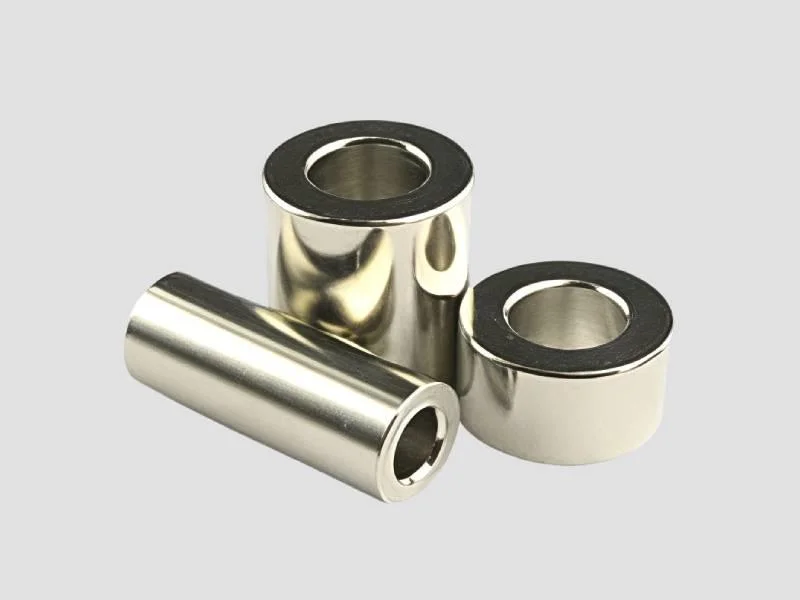
Electroless nickel hardening represents an advanced chemical deposition process that creates uniform, high-performance nickel-phosphorus or nickel-boron coatings on metal surfaces without requiring electrical current. This autocatalytic plating method deposits a consistent layer ranging from 5 to 25 micrometers with exceptional uniformity of ±5 micrometers, achieving surface hardness up to 750 HV. The process operates within precise temperature ranges of 250°C to 400°C under inert or controlled atmosphere conditions, ensuring optimal coating quality and adhesion. Unlike electroplating, this method provides complete coverage even on complex geometries and internal surfaces, maintaining dimensional tolerances within ±0.05 mm while delivering superior corrosion resistance that meets rigorous ASTM standards. This surface treatment technology serves critical roles across multiple industrial sectors where component reliability and longevity are essential.
| Key Attributes | |
|---|---|
| Surface Hardness | Up to 750 HV |
| Corrosion Resistance | High (meets ASTM standards) |
| Coating Uniformity | ±5 µm |
| Layer Thickness | 5–25 µm |
| Dimensional Tolerance | ±0.05 mm |
| Coating Type | Electroless Nickel (Ni-P or Ni-B Alloy) |
| Hardness After Heat Treatment | Up to 1000 HV |
| Temperature Range | 250°C – 400°C |
| Additional Information | |
|---|---|
| Country of Origin | India |
Automotive components
Industrial machinery parts
Hydraulic and pneumatic components
Pumps and valves
Gears and shafts
Moulds and dies
Oil and gas equipment
Precision engineering components
| Available Stock | In Stock |
| Sample Availability | No |
| Payment Terms |
|


 Tamil Nadu, India
No. The coating is deposited through an autocatalytic chemical reaction rather than an external electrical current.
Yes. Suitable electroless nickel coatings can undergo heat treatment to significantly increase hardness and wear resistance.
Steel, stainless steel, aluminium, copper alloys, and other compatible engineering materials can be treated after appropriate surface preparation.
Yes. Its ability to provide relatively uniform coverage makes it suitable for components with holes, recesses, and complex geometries.
Shipping fee and delivery date to be negotiated. Contact supplier now for more details.
 Tamil Nadu, India