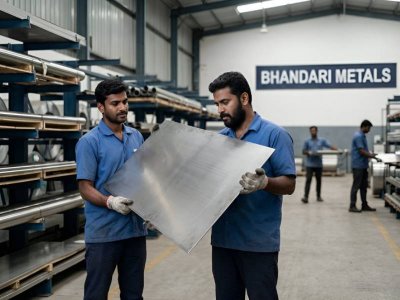
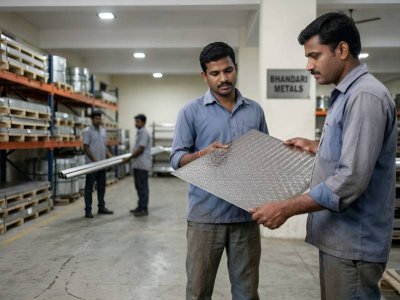
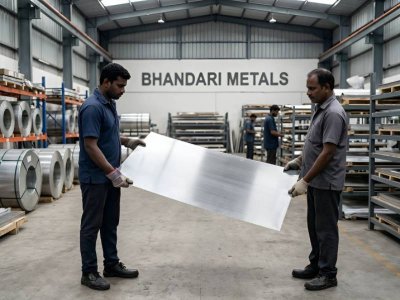
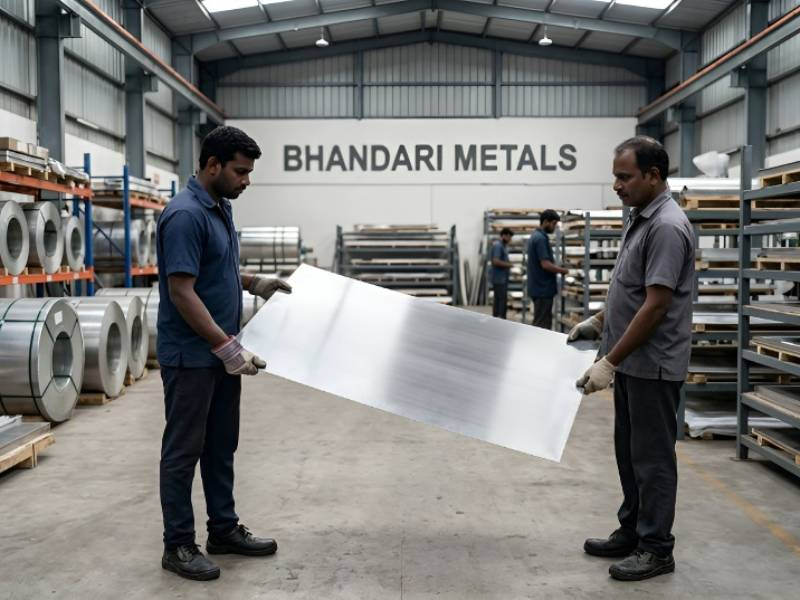
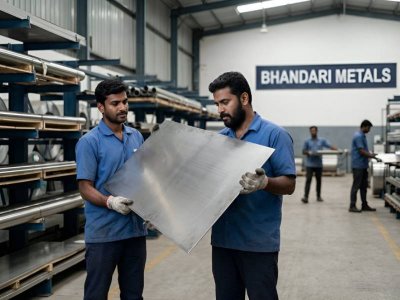
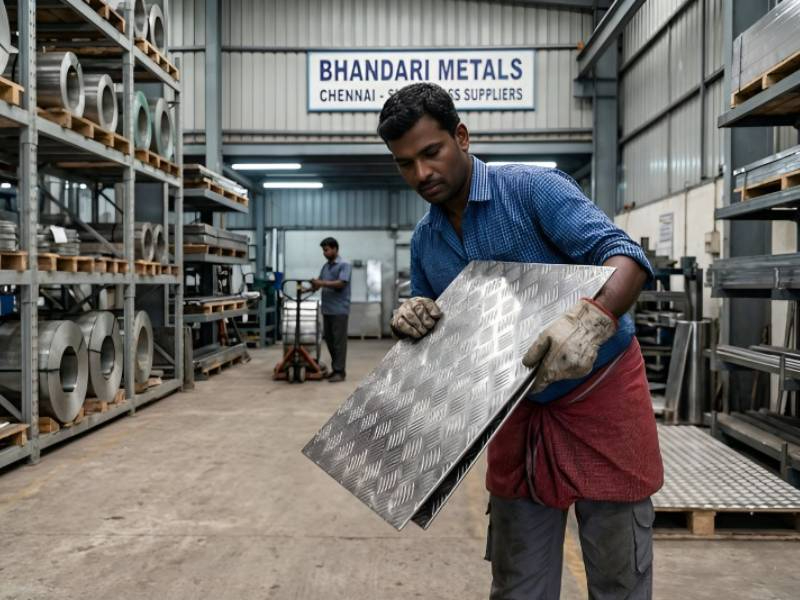
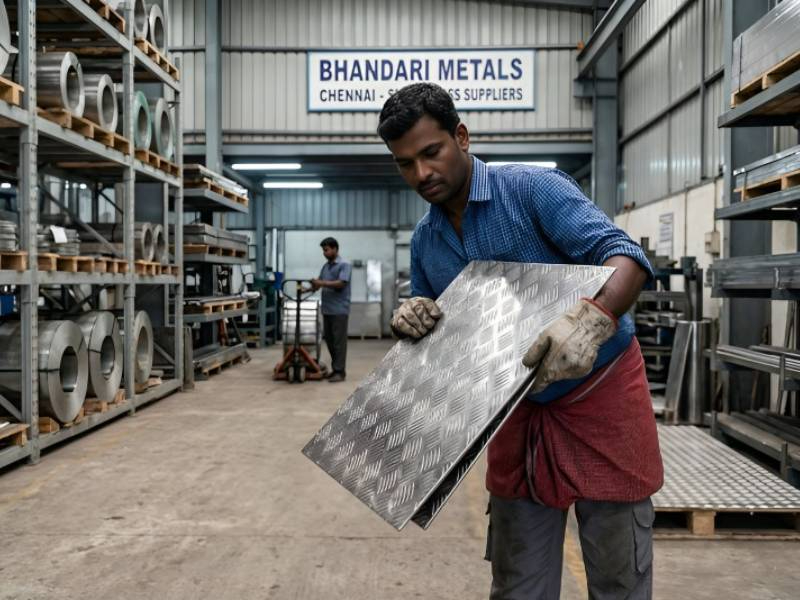
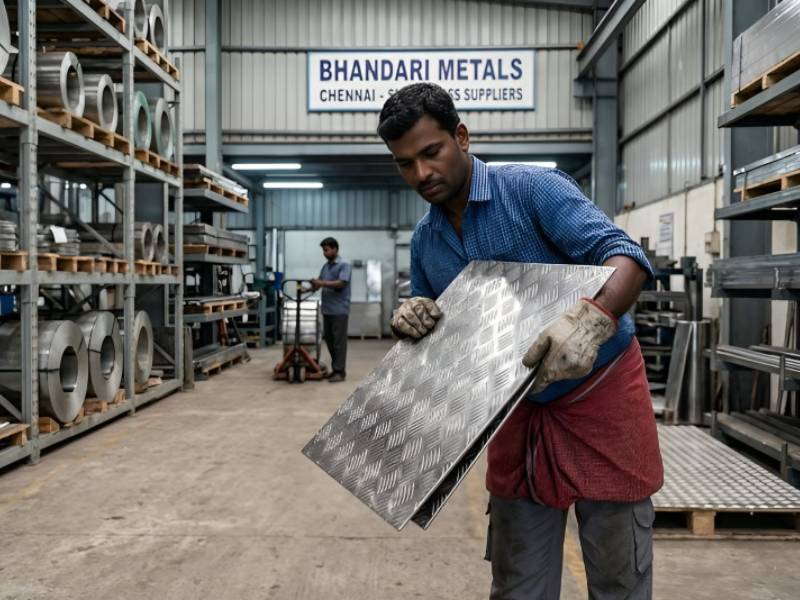
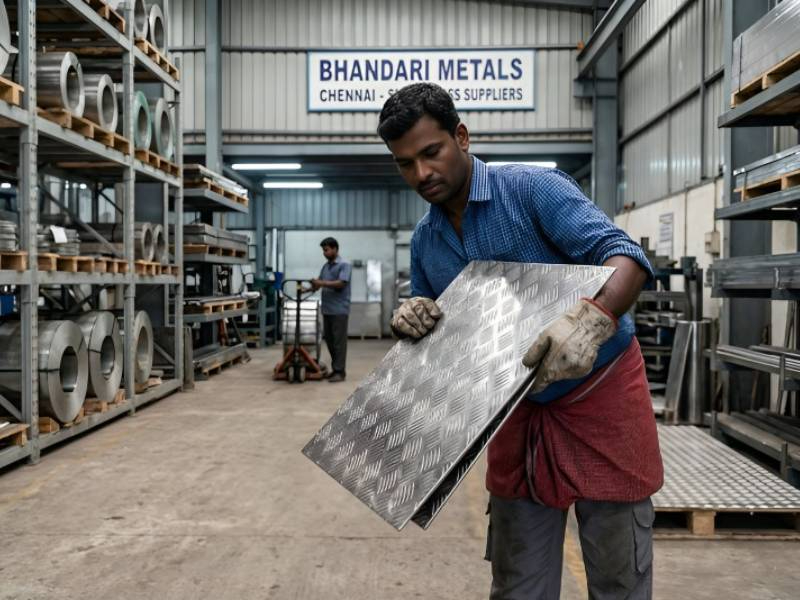
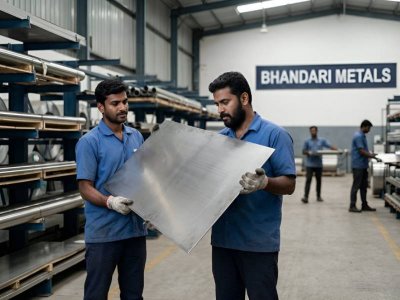
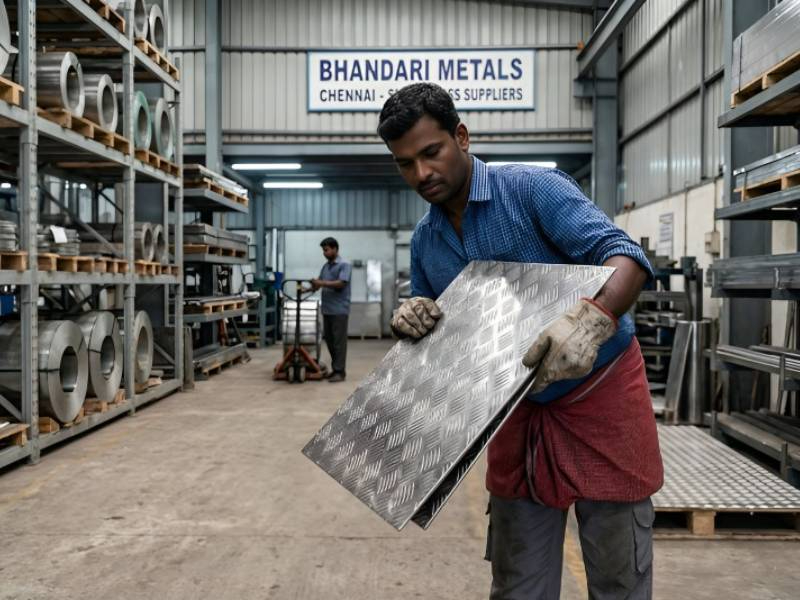
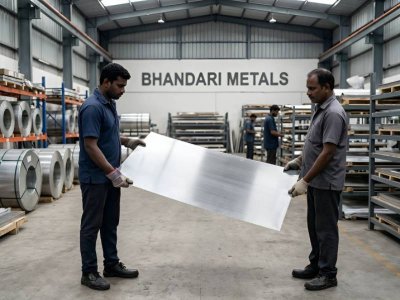
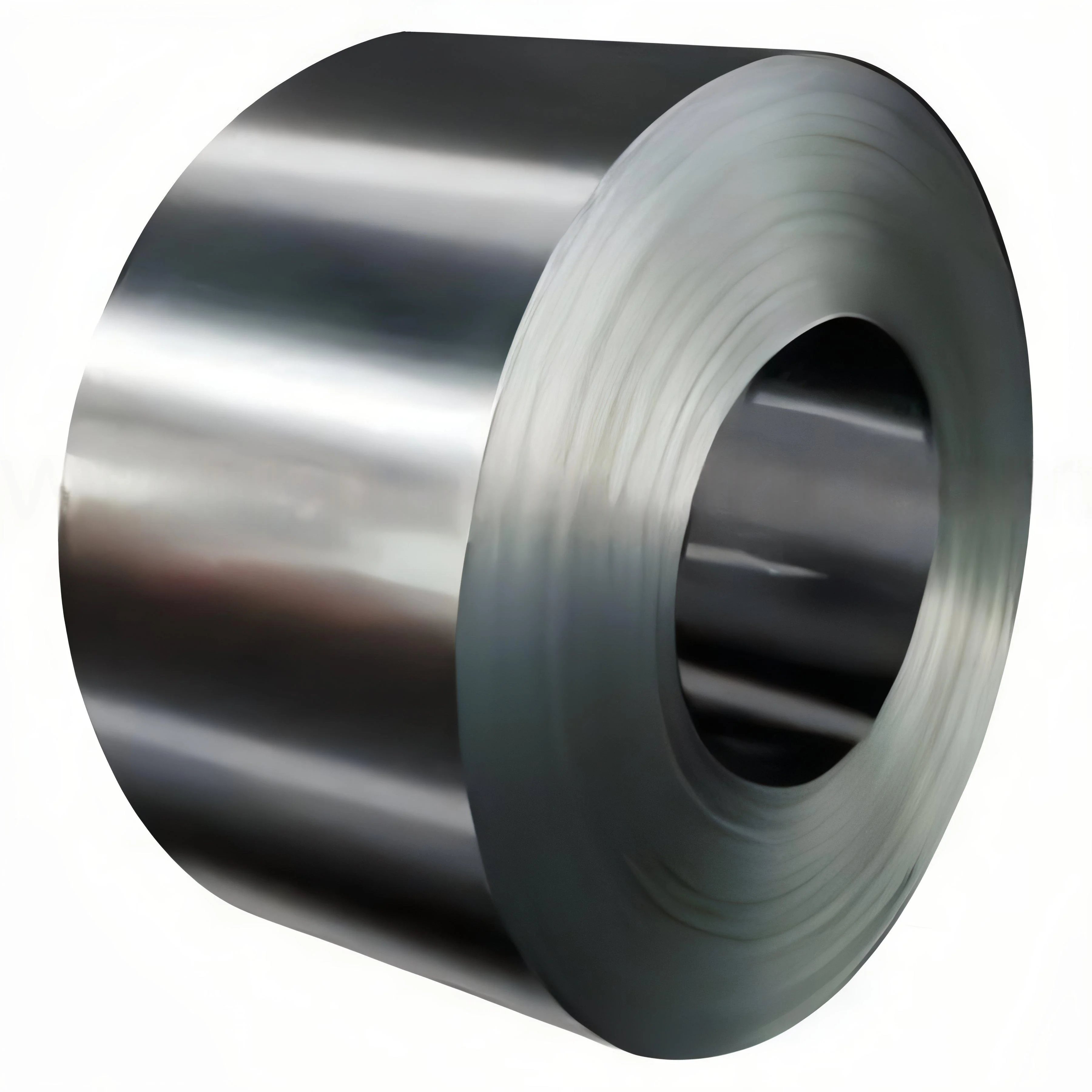
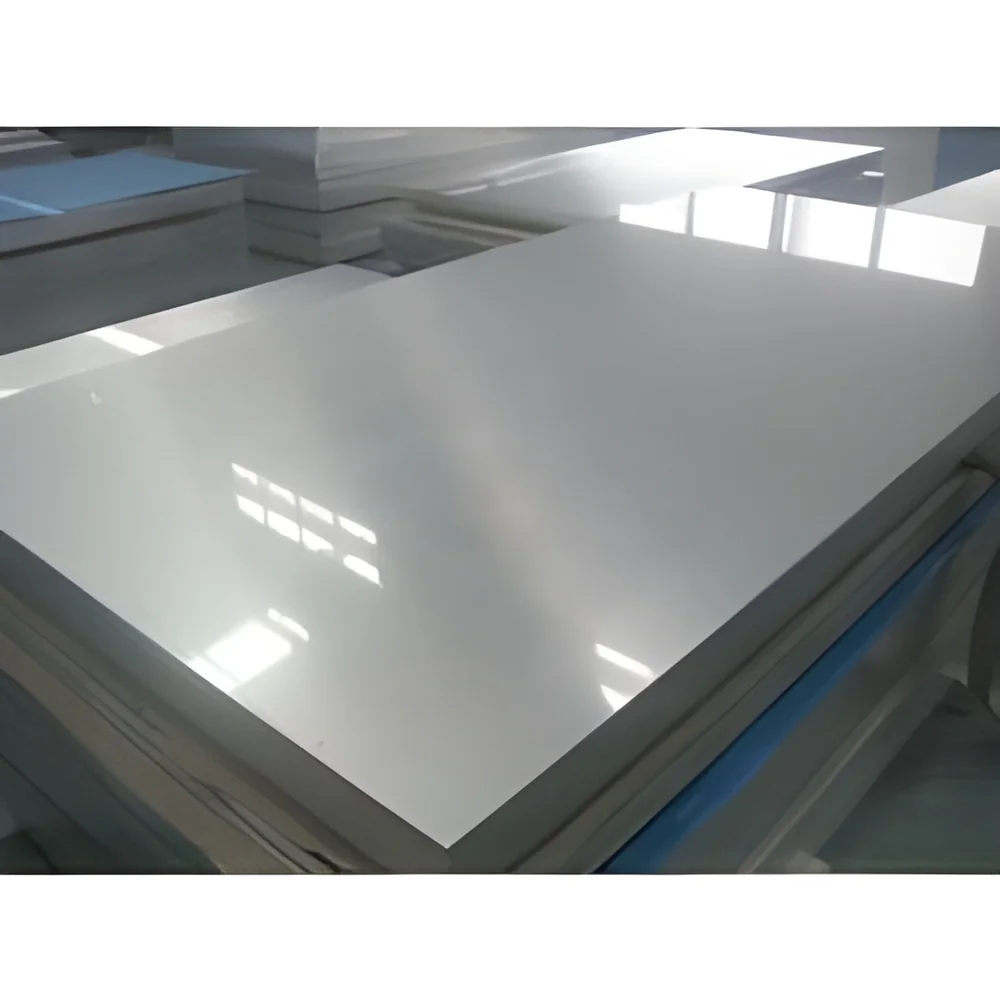
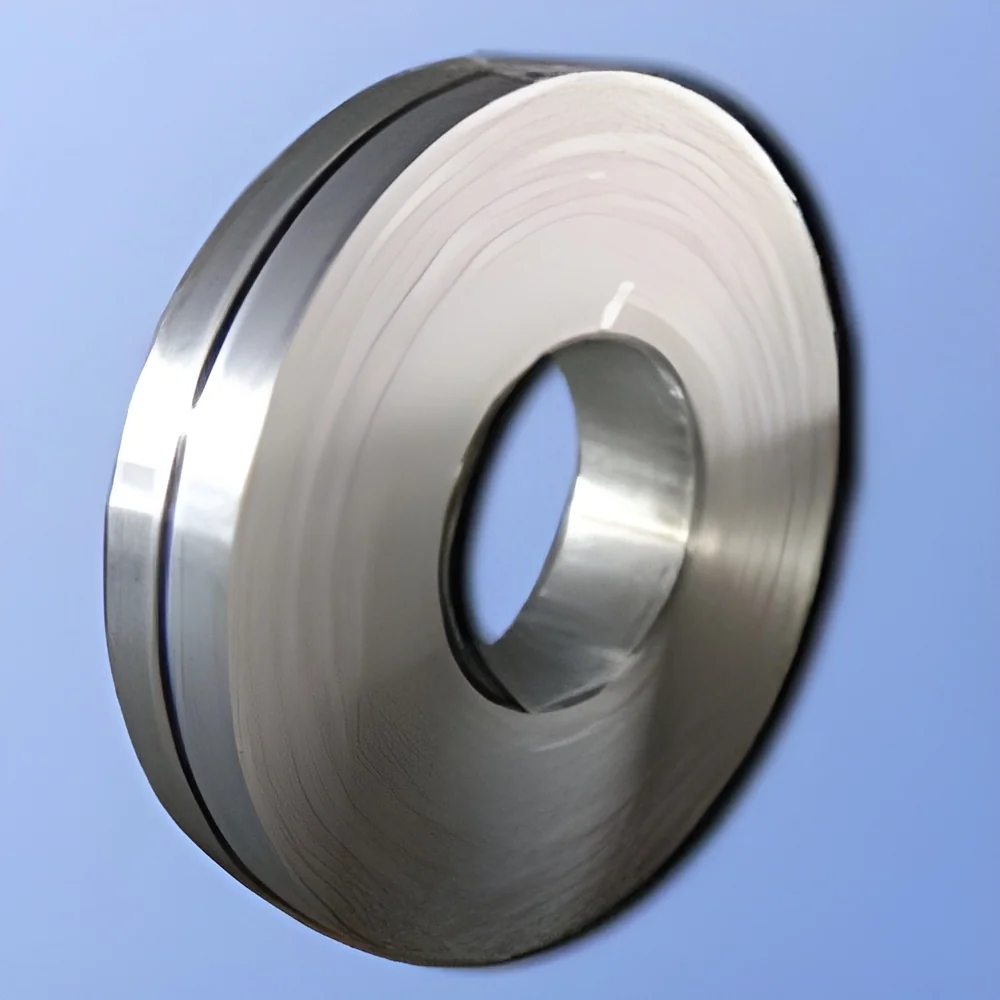
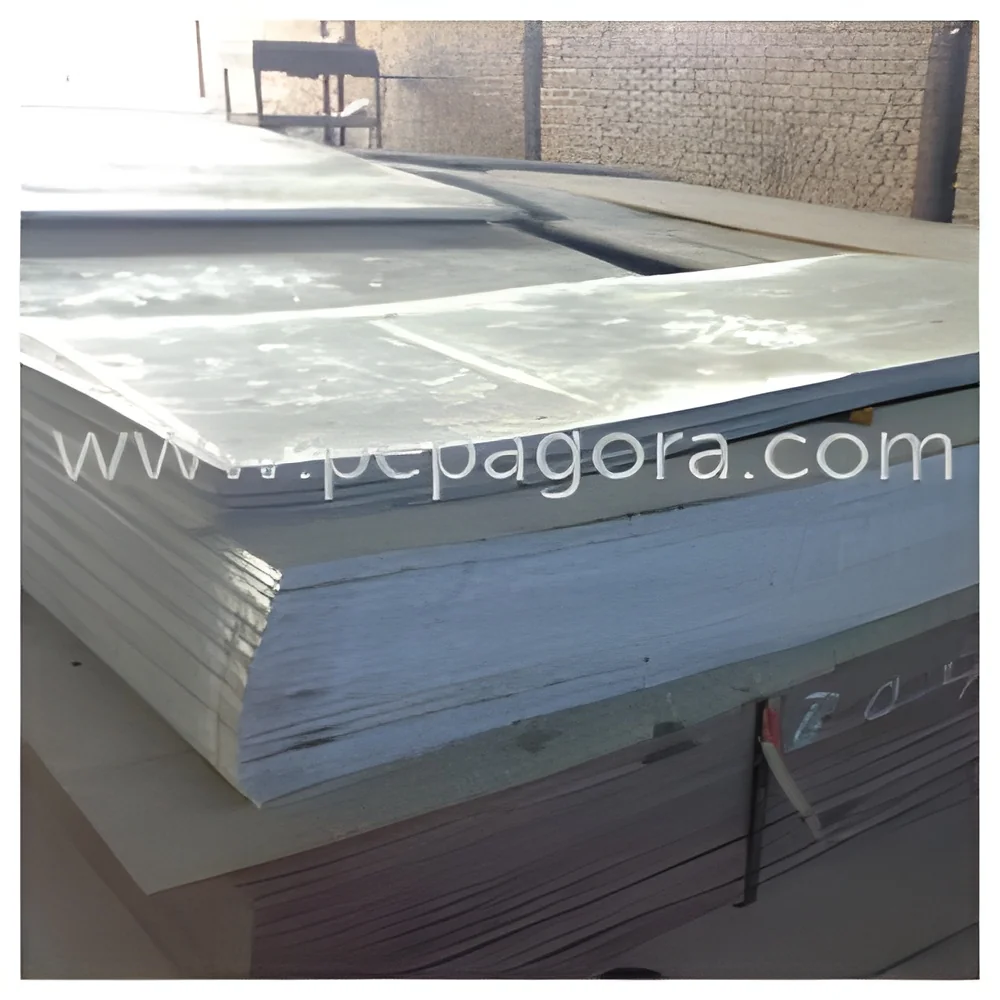
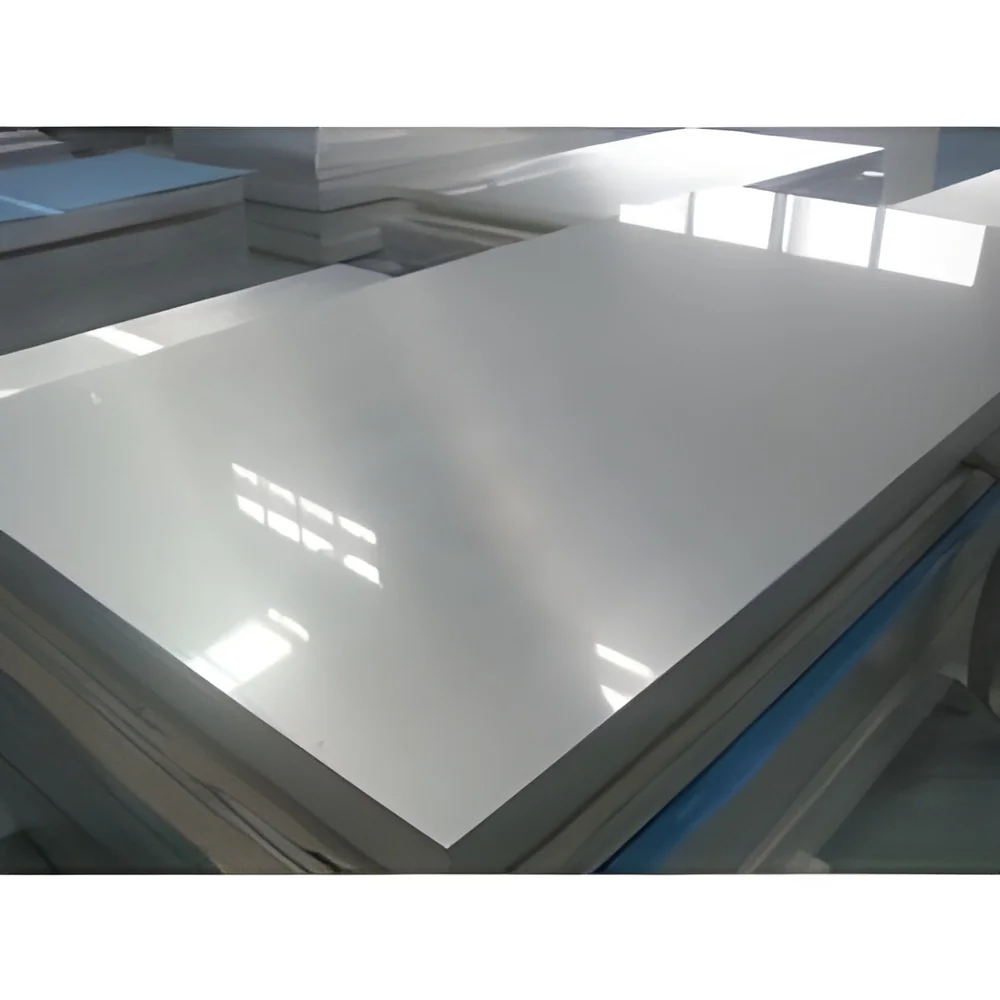
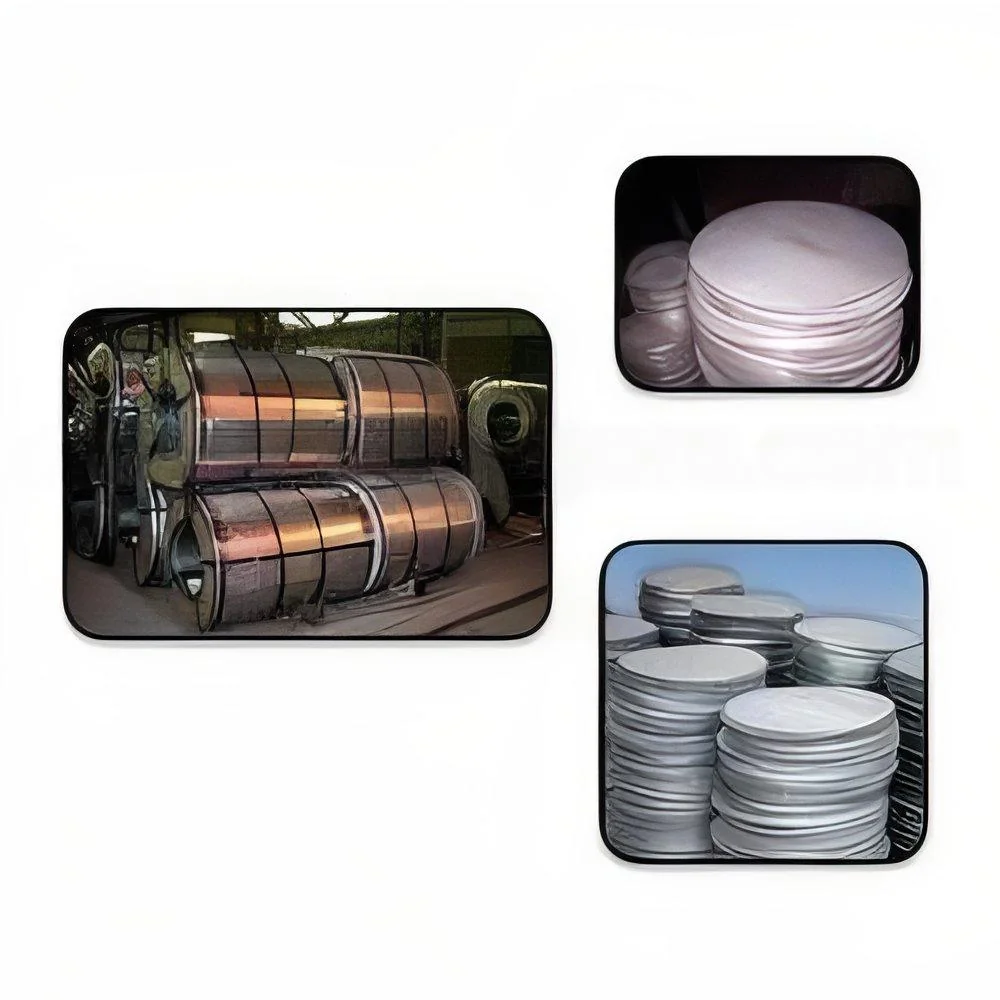
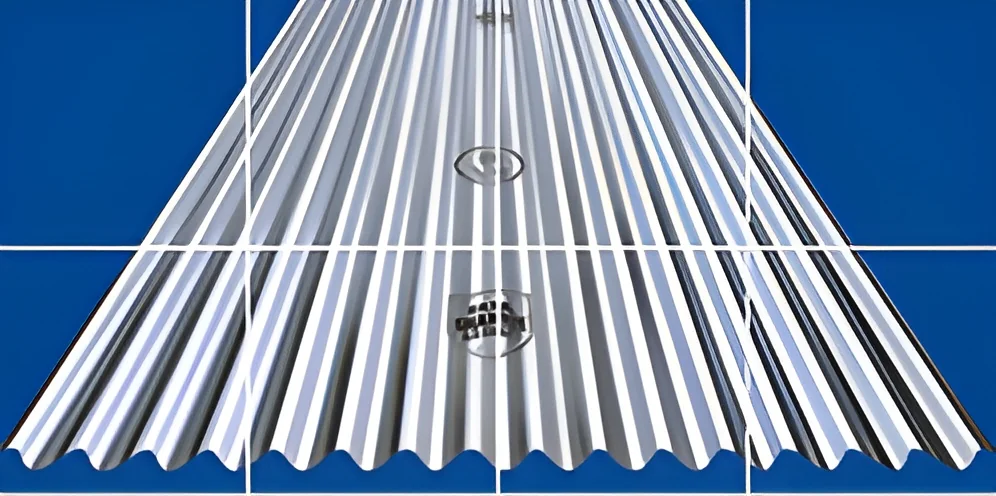
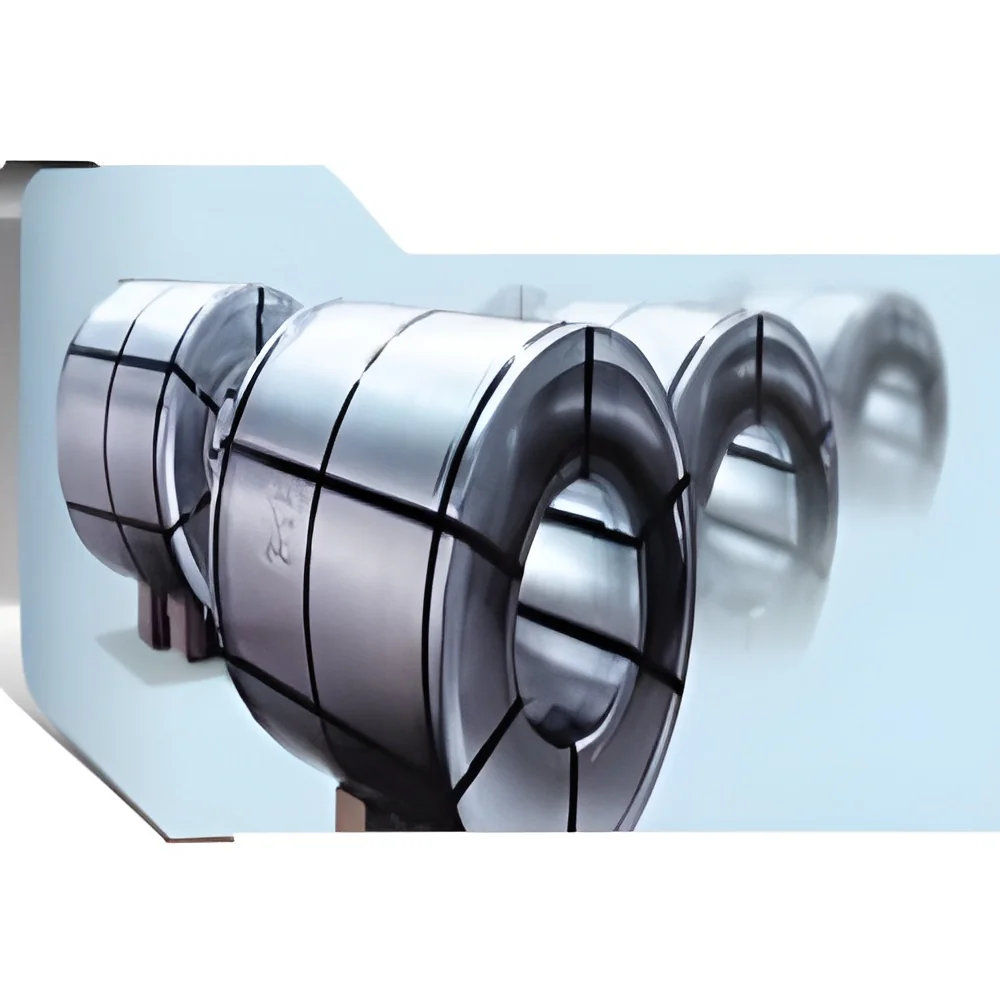
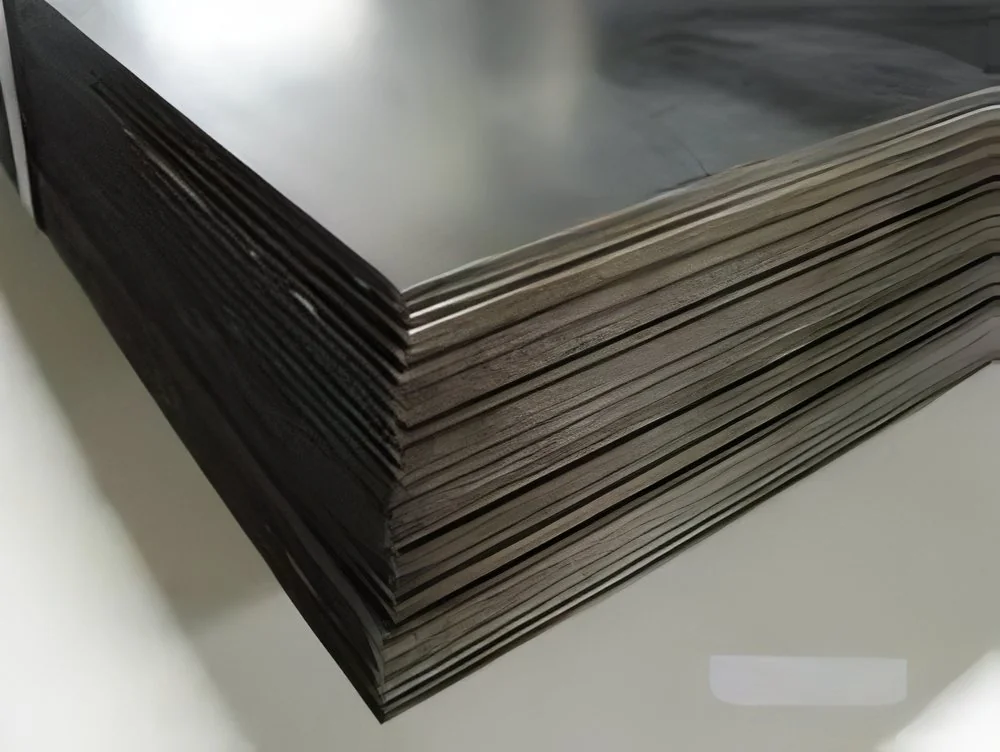
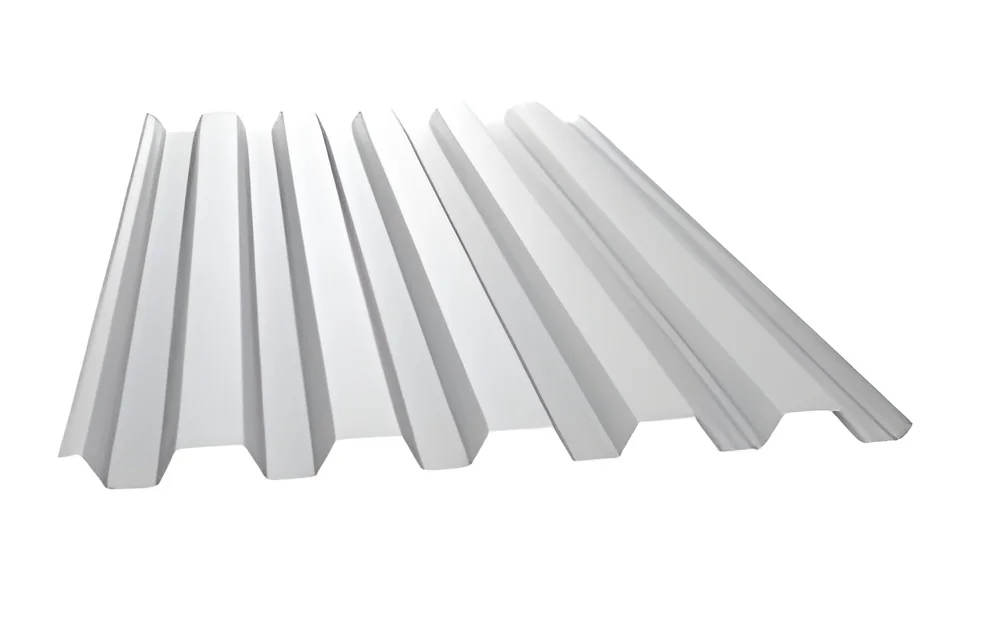
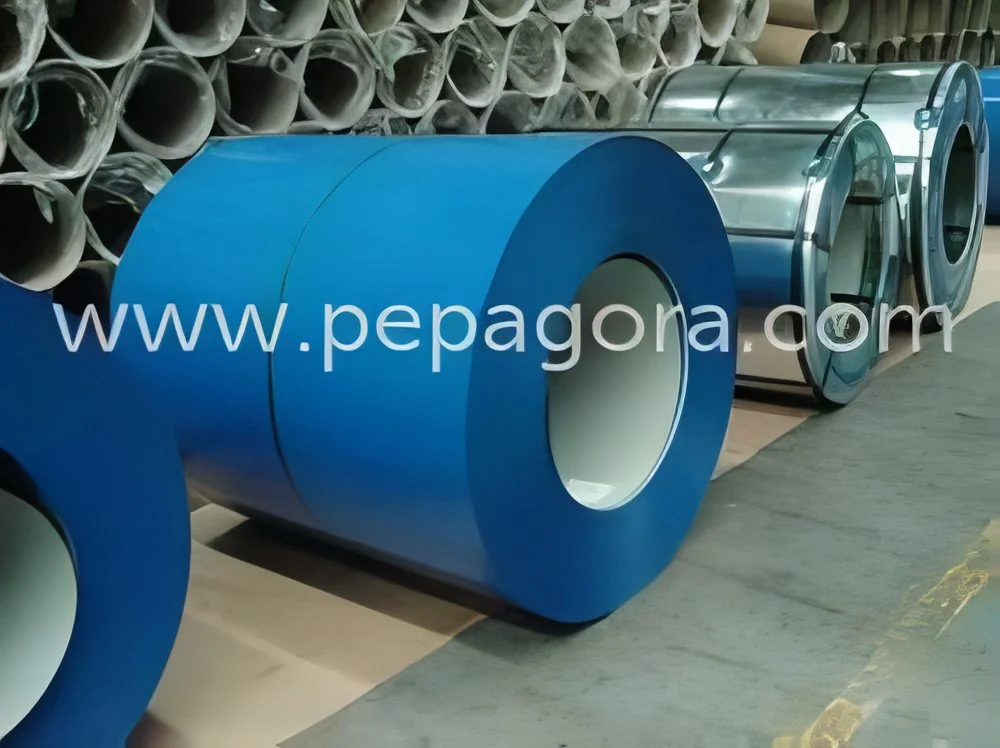
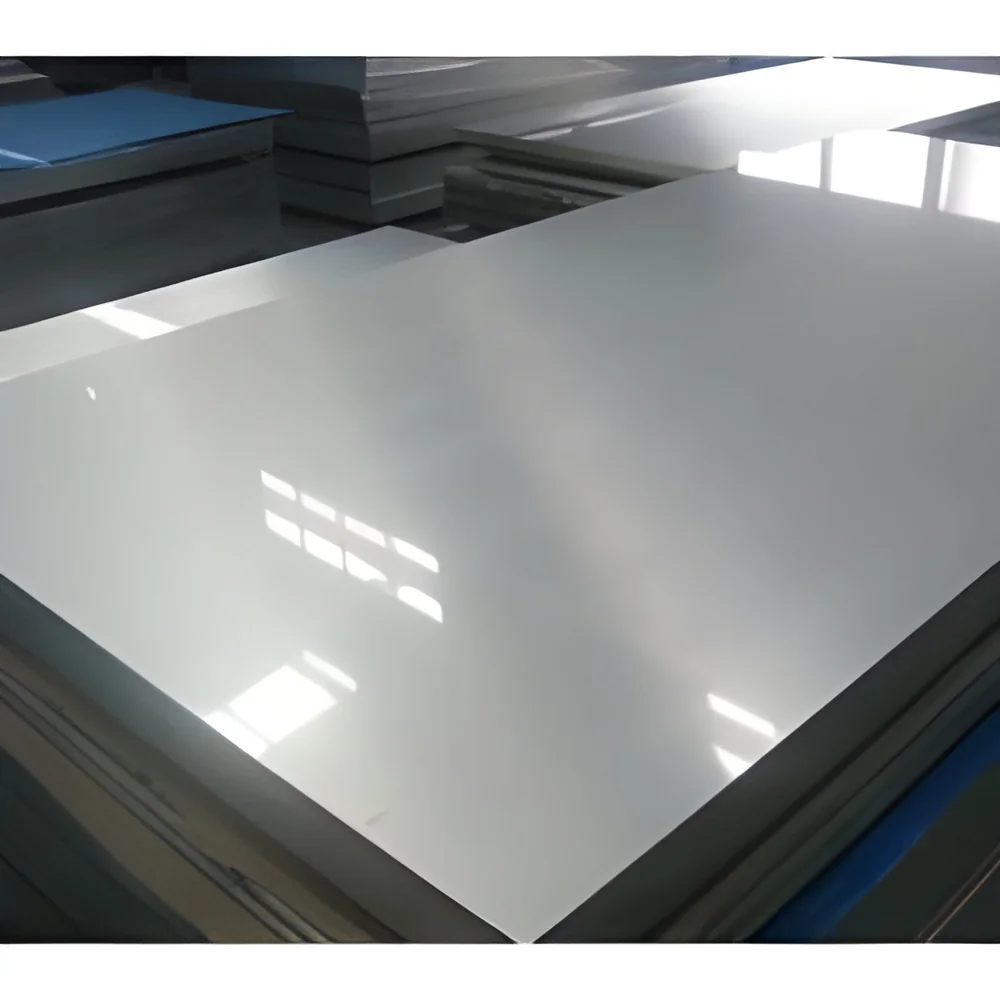
What are Stainless Steel Sheets?
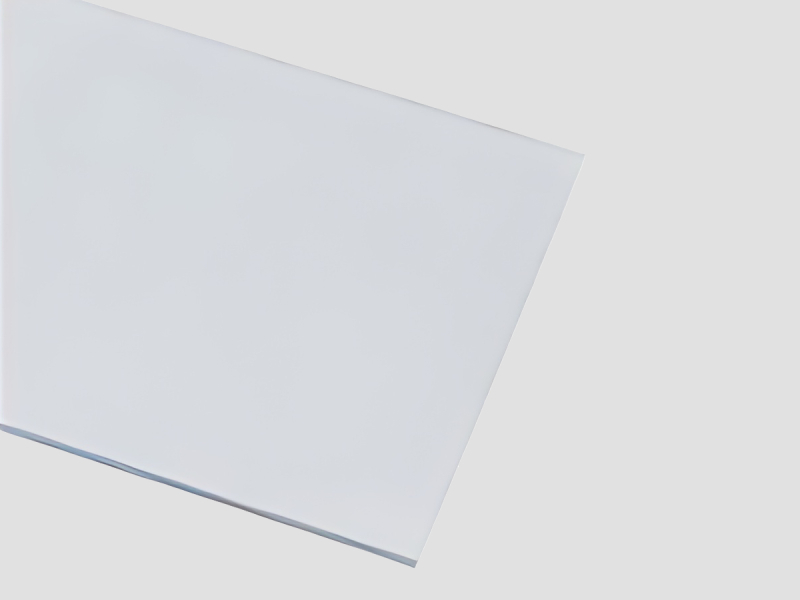
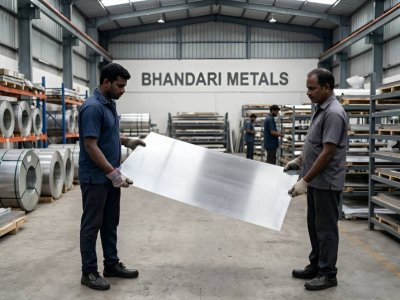
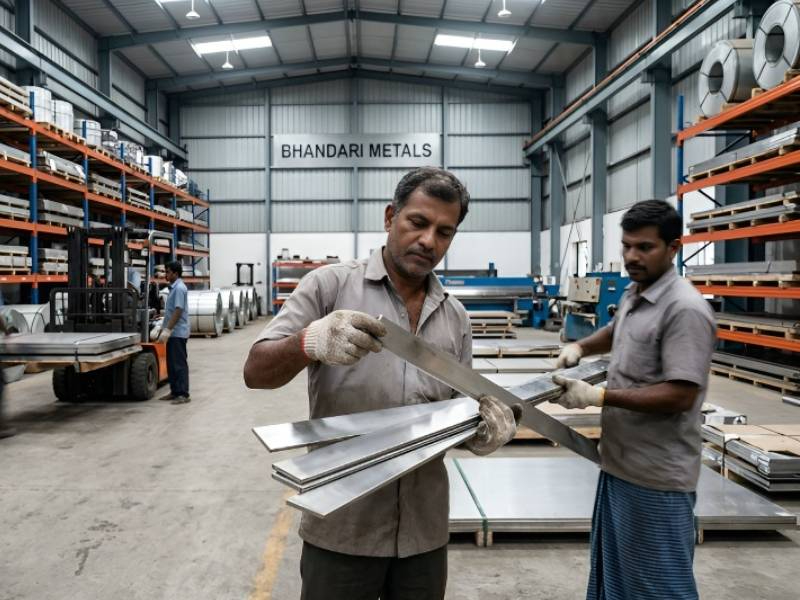
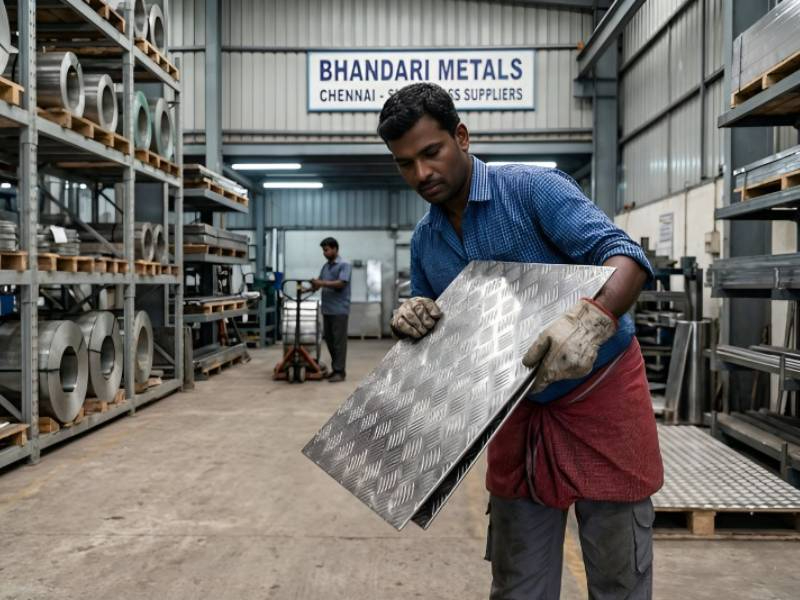
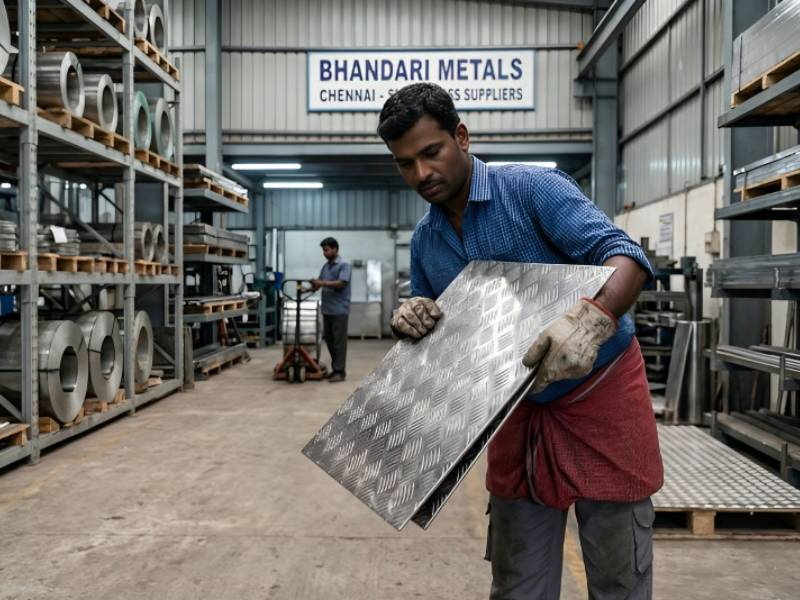
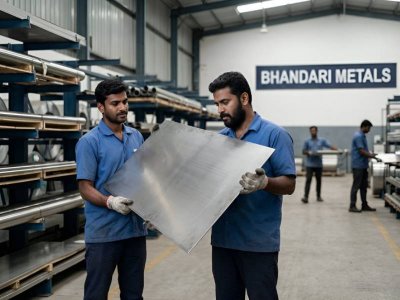
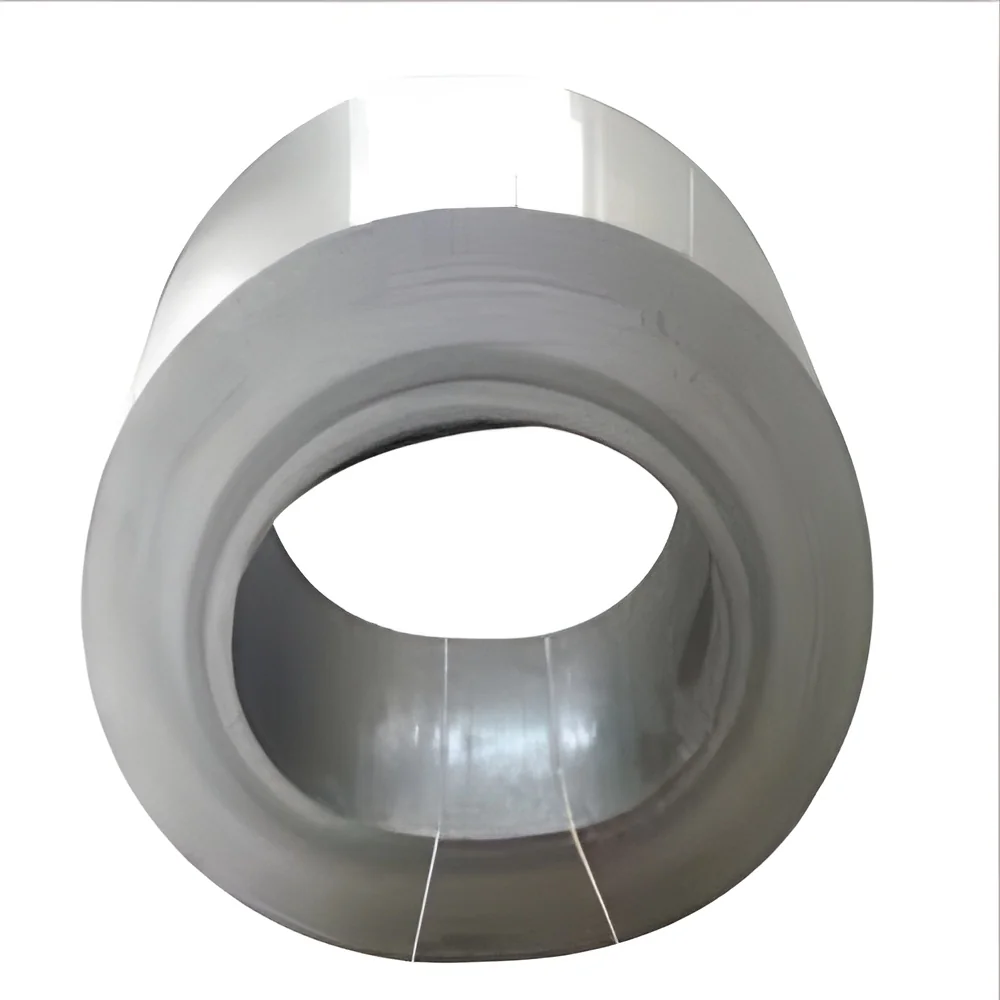
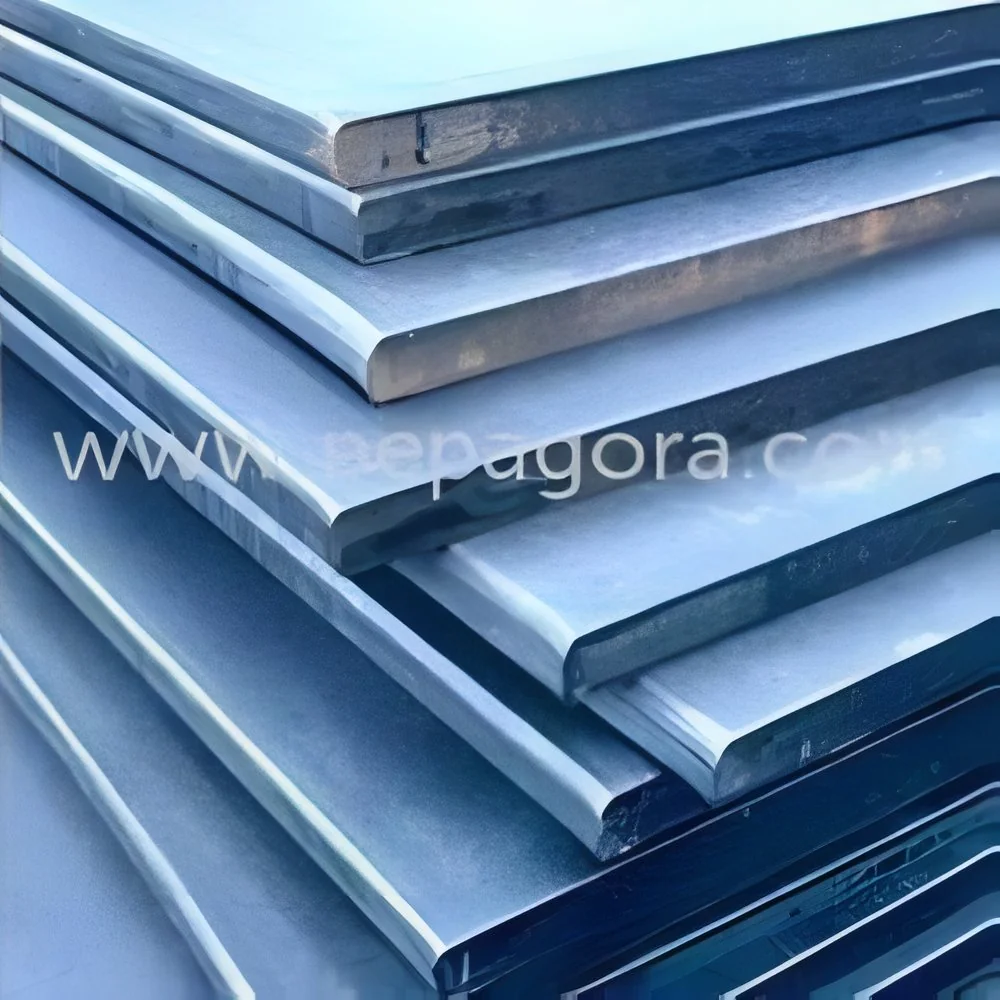
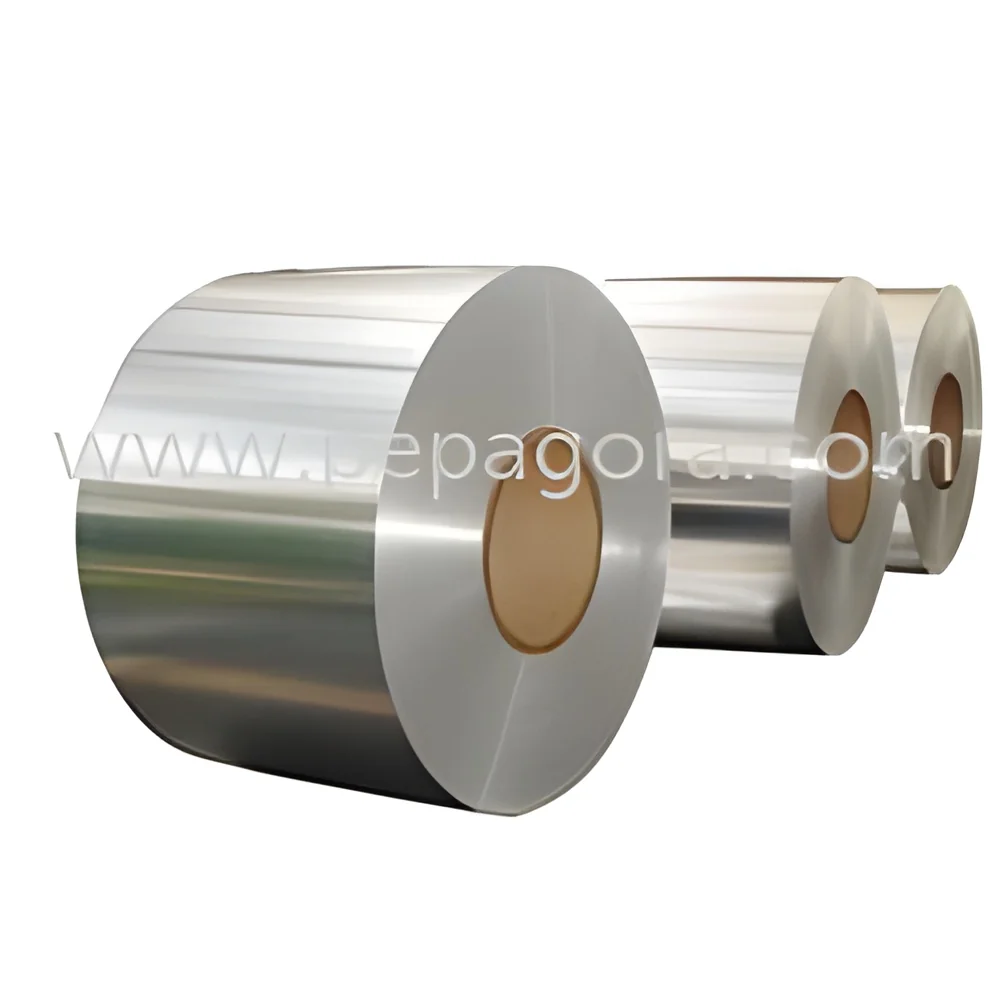
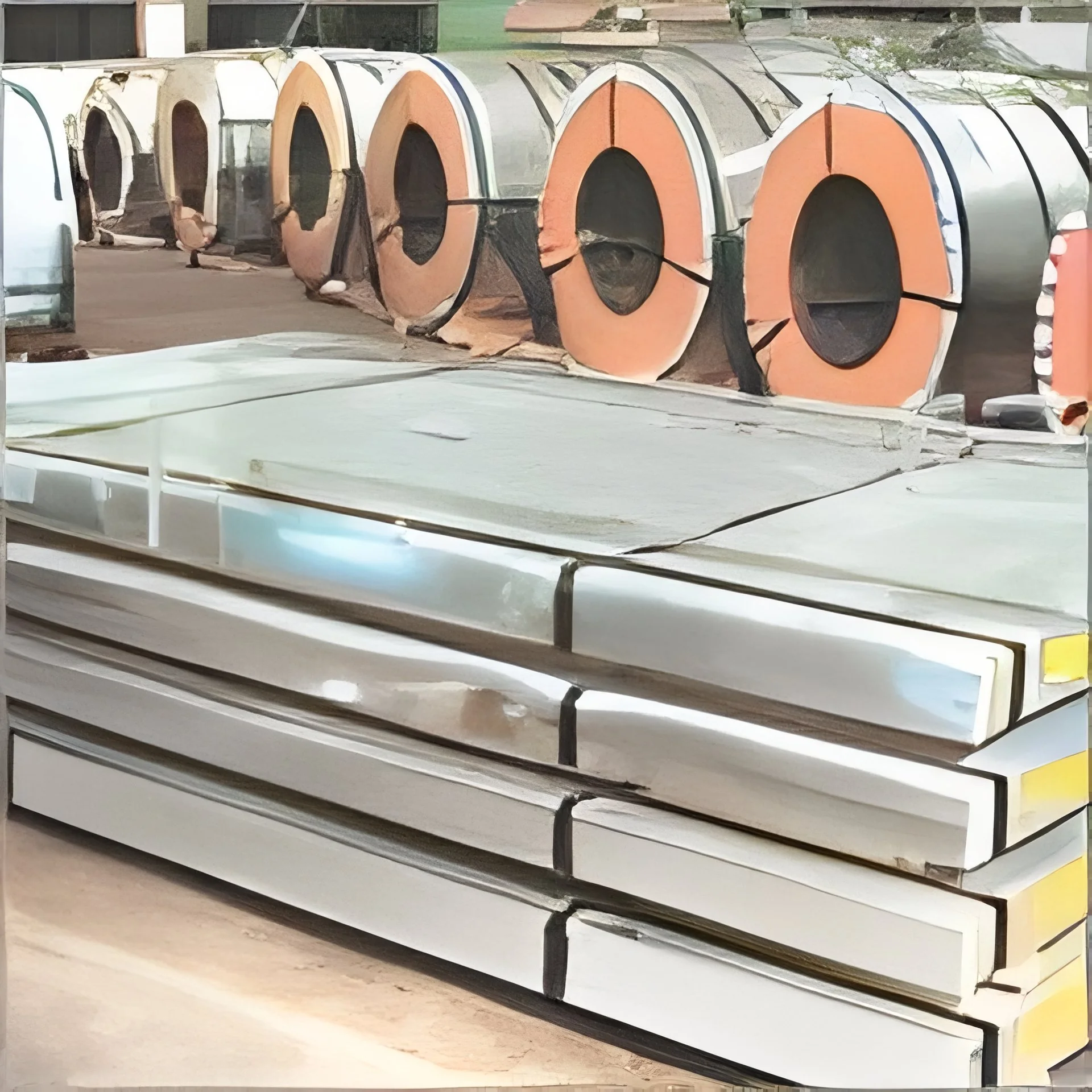
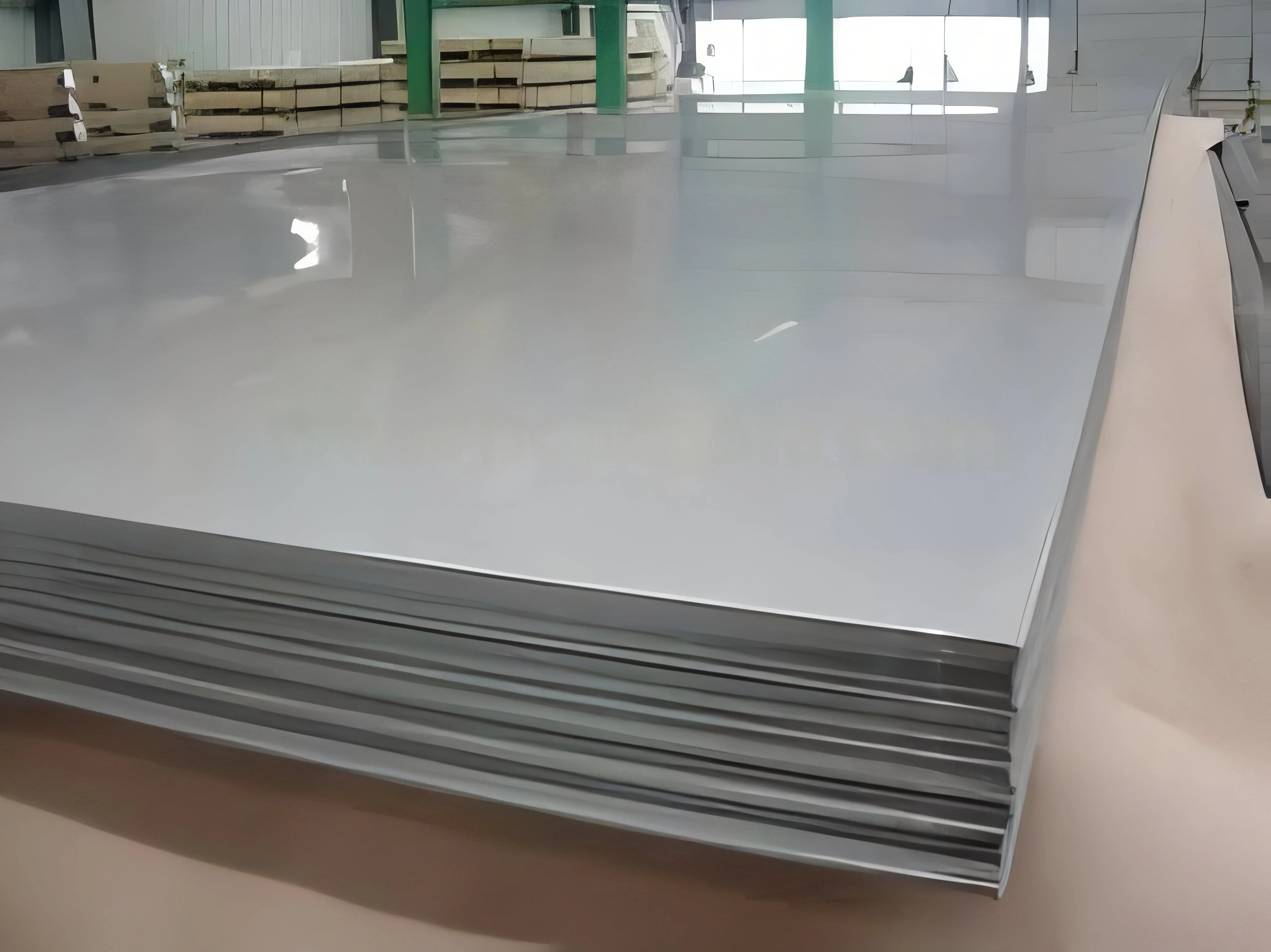
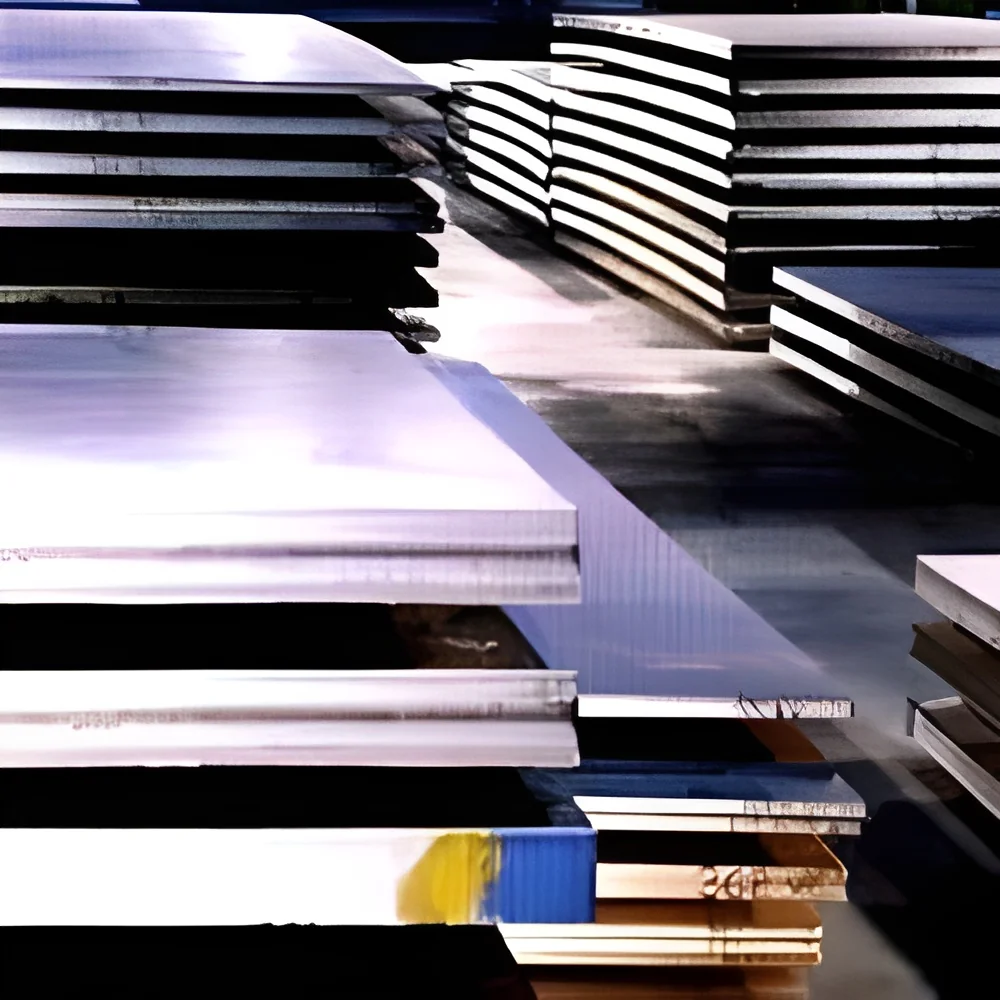
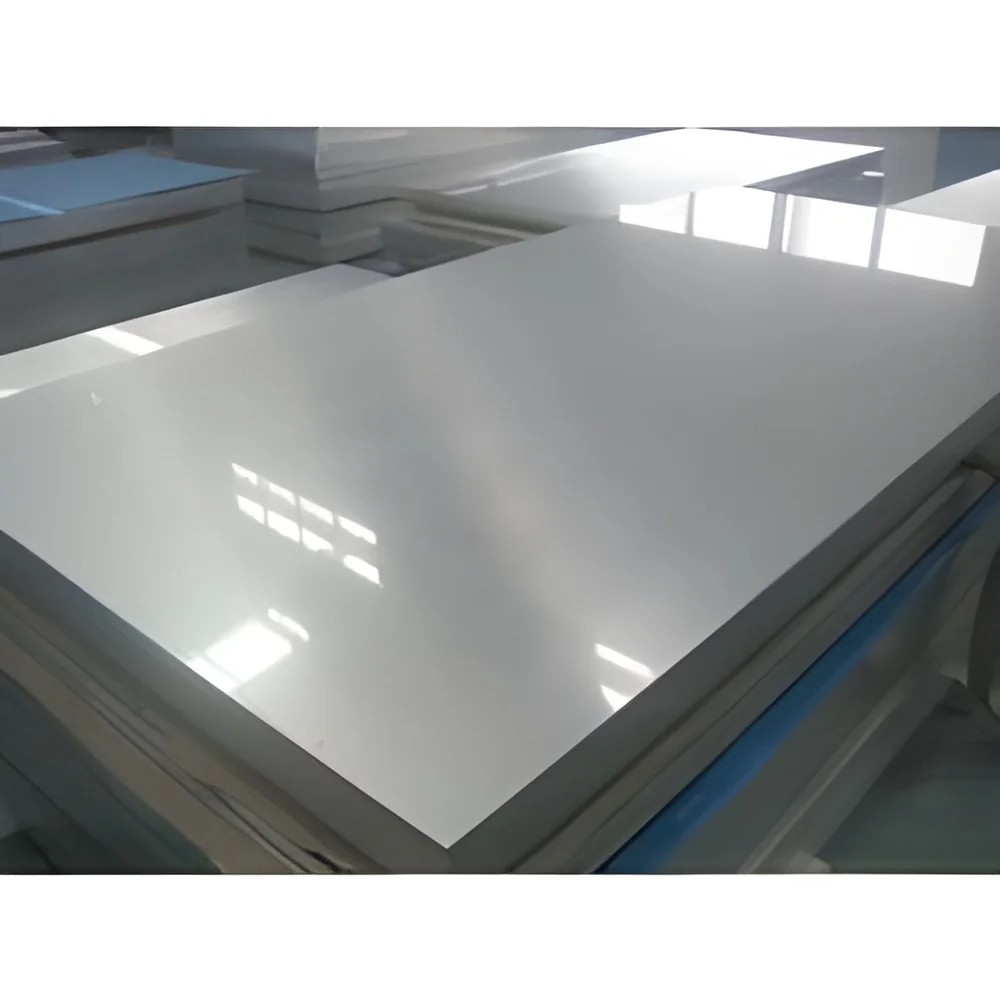
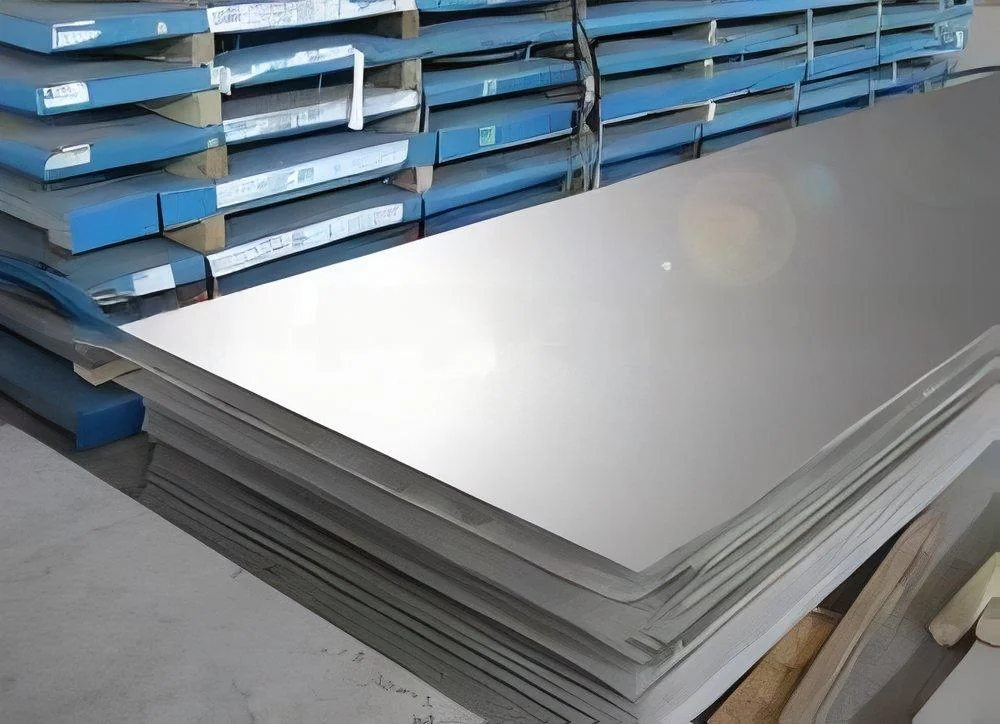
Stainless steel sheets are flat-rolled products made from stainless steel that are widely used in various industrial applications. These sheets are known for their durability, corrosion resistance, and aesthetic appeal. They are manufactured through processes that involve melting, casting, and rolling the steel into thin sheets. Depending on the alloy composition and manufacturing process, these sheets can exhibit different properties, making them suitable for a wide range of uses.
The primary applications of stainless steel sheets include construction, manufacturing, automotive, and food processing industries. They are used in creating structural components, appliances, and equipment due to their strength and resistance to rust and staining. Additionally, stainless steel sheets are often utilized in environments where hygiene is critical, like kitchens and hospitals. As industries expand and evolve, the demand for high-quality stainless steel sheets continues to grow, driven by advancements in technology and increasing awareness of material properties.
Key Features and Specifications
Stainless steel sheets are characterized by several key features that make them a preferred choice in many applications. Their unique properties are defined by specific specifications that detail their performance and suitability for various environments.
Key specifications include:
1. Thickness
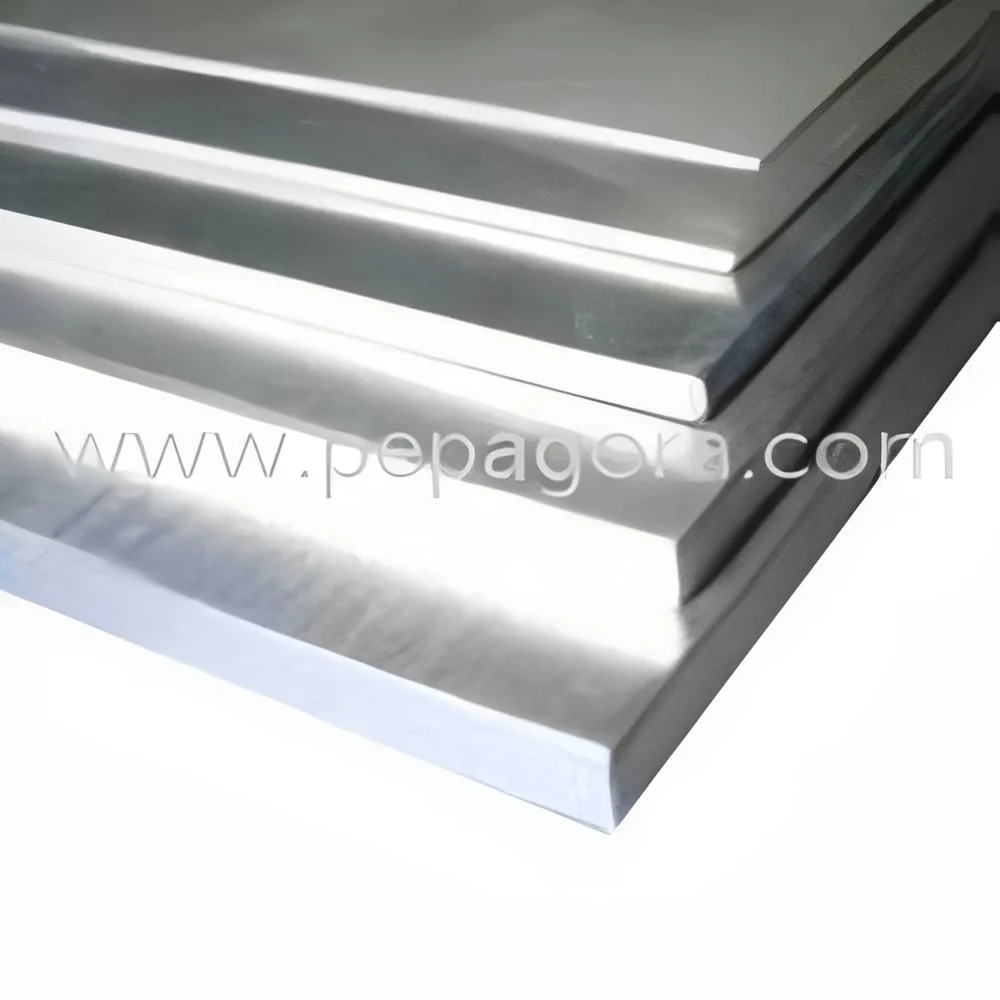
- Typically ranges from 0.5mm to 20mm
- Provides options for different applications based on strength requirements
2. Width
- Common widths range from 1000mm to 2000mm
- Allows for the customization of sheets to fit specific project dimensions
3. Length
- Standard lengths can vary, often available in custom sizes
- Enables versatility in application from residential to industrial uses
4. Finish
- Available in various finishes such as 2B, BA, and mirror finish
- Choice of finish impacts aesthetic and functional properties
5. Grade
- Common grades include 304, 316, and 430
- Each grade offers specific corrosion resistance and strength properties
6. Formability
- Stainless steel sheets can be easily formed and fabricated
- Suitable for processes like bending, cutting, and welding
7. Corrosion Resistance
- High resistance to oxidation and corrosion
- Essential for applications in harsh environments
8. Weight
- Weight varies based on thickness and dimensions
- Important for logistics and handling considerations
These specifications ensure that stainless steel sheets can meet the various demands of different industries.
Common Applications and Use Cases
Stainless steel sheets serve a broad range of industries and applications, thanks to their versatile properties.
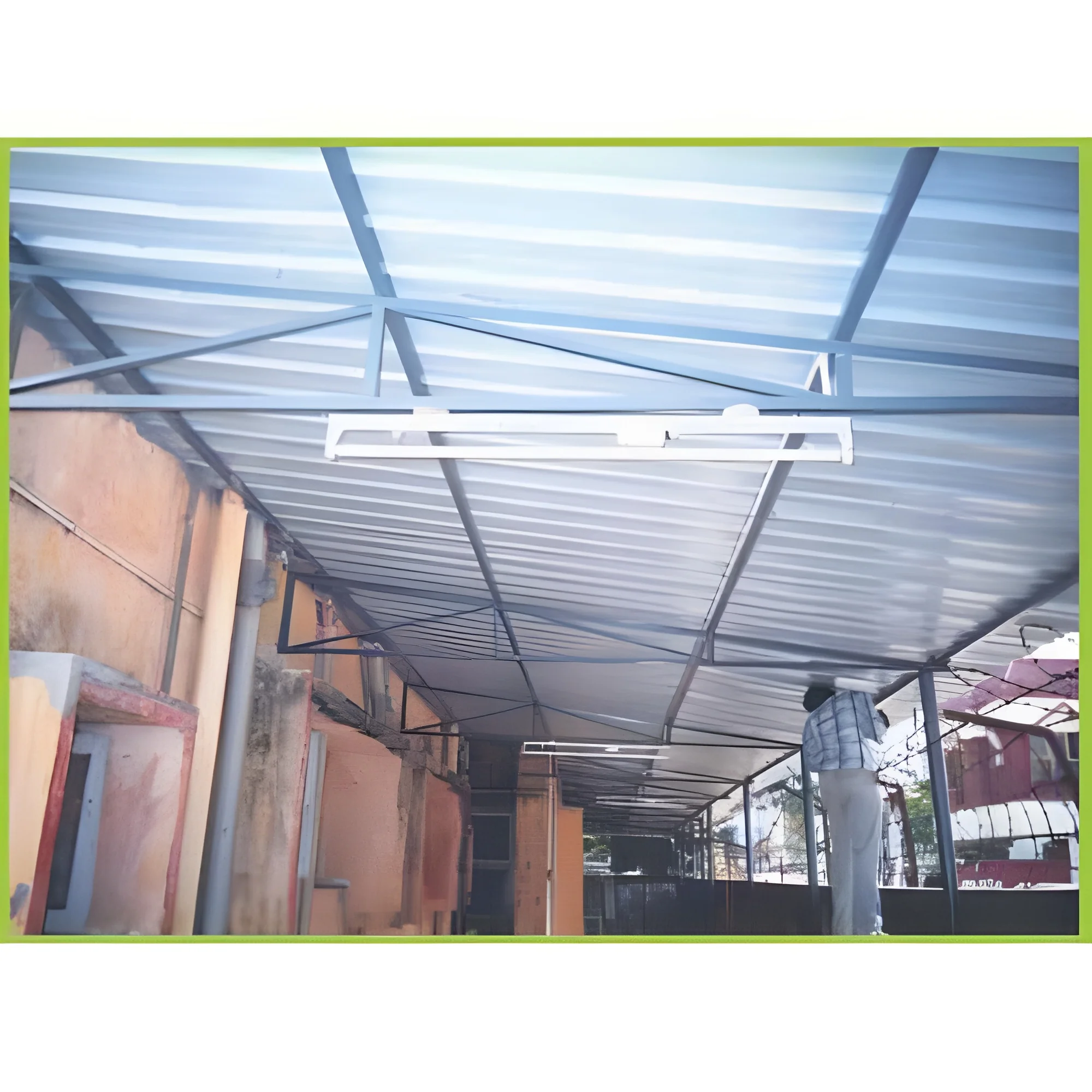
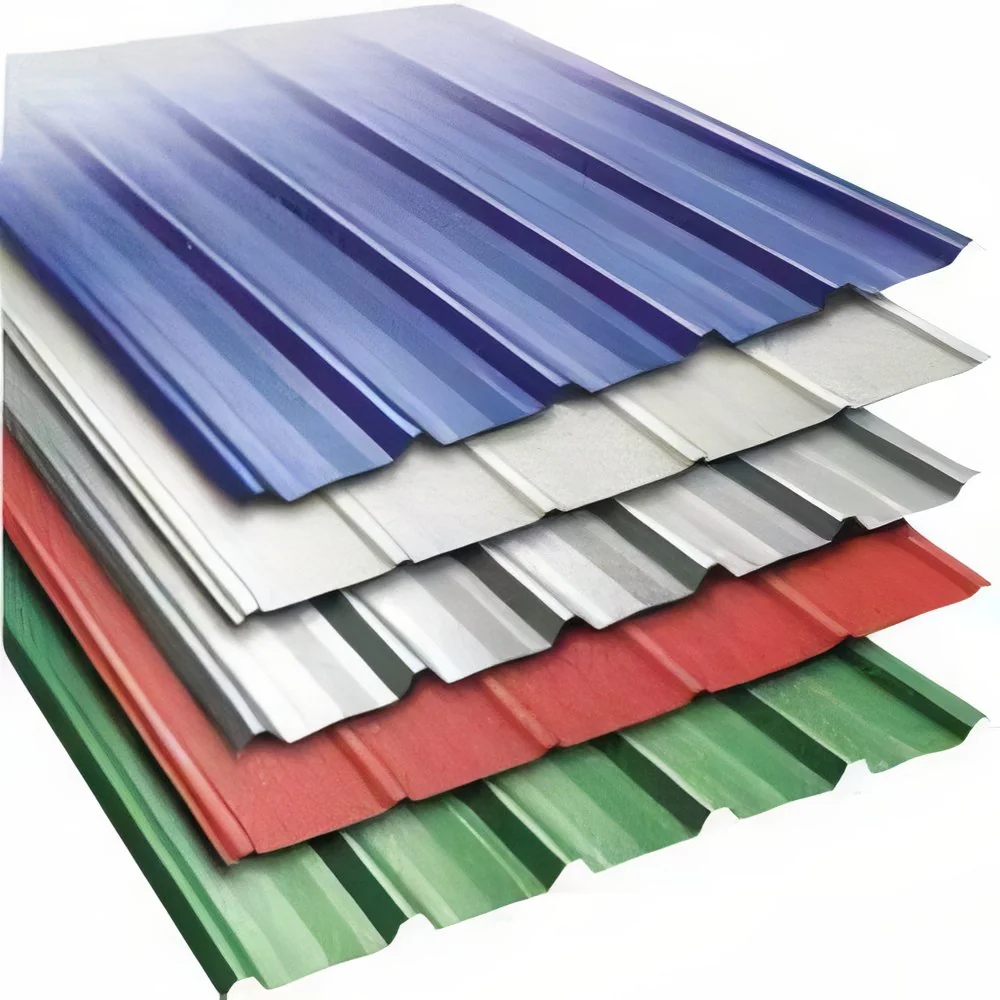
1. Construction: Used in architectural cladding, roofing, and structural components, providing durability and aesthetic appeal.
2. Food Processing: Ideal for equipment and surfaces in food preparation areas due to their hygiene-friendly properties and resistance to corrosion.
3. Automotive: Utilized in body panels, exhaust systems, and structural components, enhancing vehicle durability and performance.
4. Aerospace: Employed in aircraft components where lightweight and corrosion-resistant materials are essential.
5. Medical: Used in surgical instruments and hospital equipment, ensuring cleanliness and resistance to chemical exposure.
6. Chemical Processing: Commonly found in tanks, piping, and valves, where resistance to harsh chemicals is crucial.
7. Energy: Applied in renewable energy solutions like solar panels and wind turbines, contributing to sustainable engineering.
Product Variants and Subcategories
Stainless steel sheets come in various types and finishes, each designed to meet specific needs in different industries.
Cold Rolled Stainless Steel Sheets: These sheets are processed at room temperature, resulting in a smooth surface and precise dimensions. Ideal for applications requiring a superior finish.
Hot Rolled Stainless Steel Sheets: Produced at high temperatures, these sheets offer excellent strength and are often used in heavy-duty applications where surface finish is less critical.
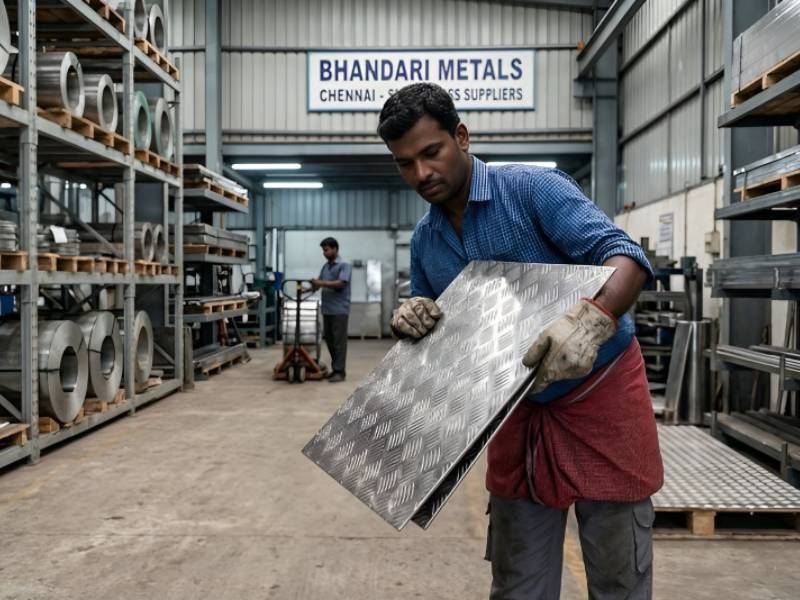
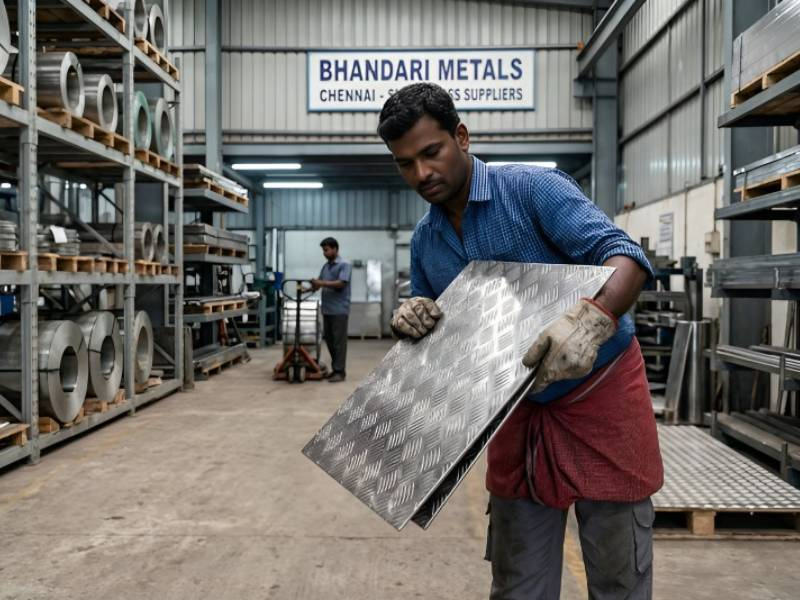
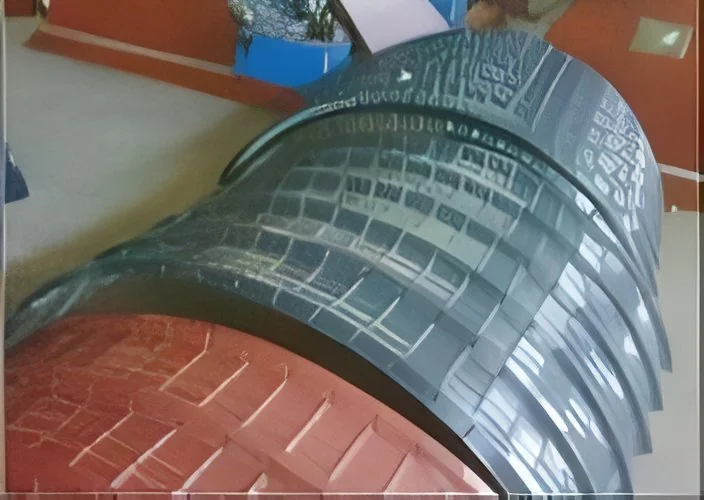
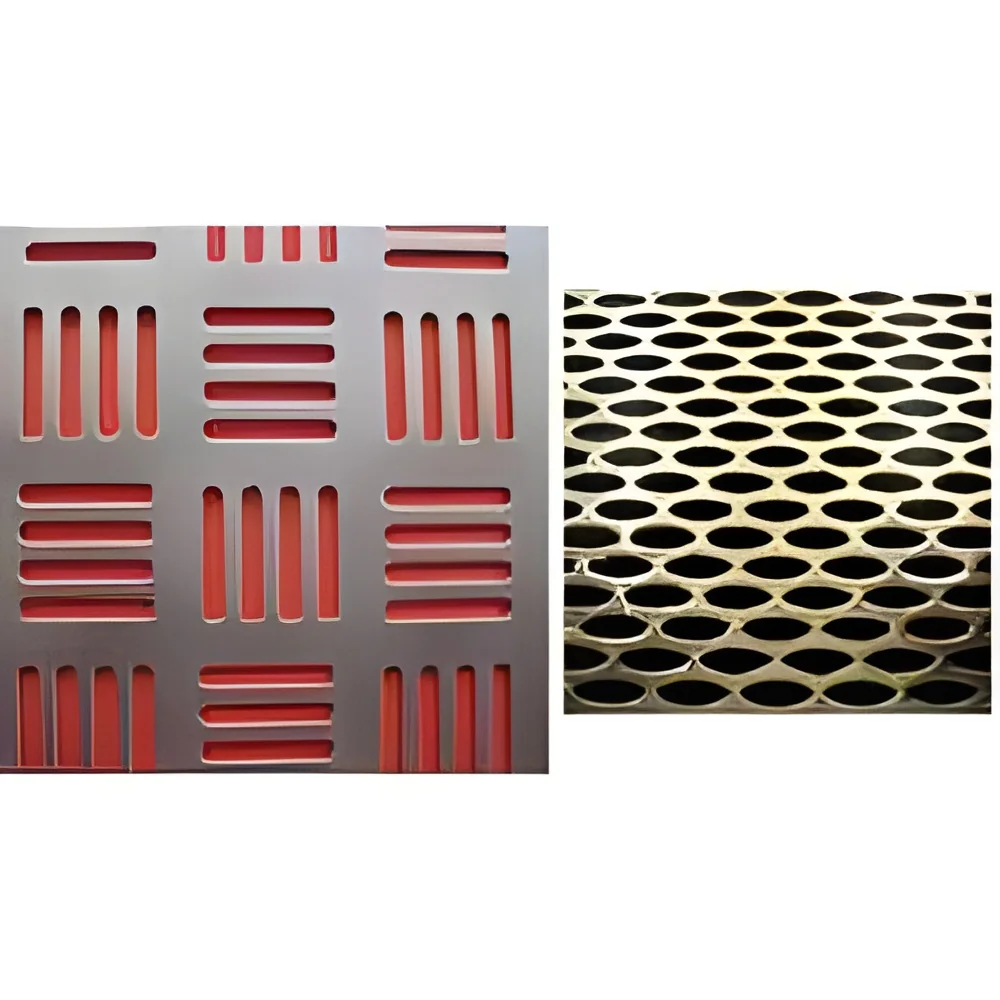
Stainless Steel Decorative Sheets: These sheets feature unique patterns and textures, making them suitable for decorative applications in architecture and interior design.
Benefits and Advantages
Stainless steel sheets offer numerous benefits that make them a popular choice across industries.
1. Durability: High resistance to wear and tear ensures a longer lifespan in demanding environments.
2. Corrosion Resistance: Protects against rust and staining, making it ideal for use in moist or chemically aggressive settings.
3. Low Maintenance: Requires minimal upkeep, which reduces operational costs over time.
4. Aesthetic Versatility: Available in various finishes and textures to suit different design preferences.
5. Eco-friendly: Stainless steel is recyclable, contributing to sustainability efforts in manufacturing.
6. Strong Mechanical Properties: Provides structural integrity and strength, suitable for heavy-duty applications.
Buying Guide for B2B Buyers
When sourcing stainless steel sheets, several factors should be considered to ensure the right choice for your business needs.
1. Quality Assessment: Evaluate the quality of the material by asking for certifications and testing reports. Look for grades that meet your specific application requirements.
2. Supplier Verification: Vet potential suppliers by checking their reputation, customer reviews, and their compliance with industry standards. Reliable suppliers will have a track record of quality and service.
3. Pricing and MOQ: Consider the cost per sheet and any minimum order quantities. Ensure the pricing aligns with your budget while maintaining quality.
4. Delivery and Lead Times: Discuss logistics with suppliers to understand delivery schedules and lead times. Timely delivery is crucial for maintaining project timelines.
5. Compliance Requirements: Ensure that the stainless steel sheets meet relevant regulatory and compliance standards for your industry, including certifications like CE.
Compliance and Certifications
Stainless steel sheets must adhere to several quality standards and regulations to ensure safety and performance. Commonly recognized standards include ISO 9001, which indicates a commitment to quality management systems. Additionally, certifications such as CE signify compliance with European safety and environmental requirements.
Safety and testing requirements often involve assessing the material for its structural integrity and resistance to corrosion. It is important for B2B buyers to be aware of regional compliance considerations, as standards may vary across different markets. Ensuring that stainless steel sheets meet these regulations not only helps in maintaining quality but also in avoiding legal issues in the supply chain.
Why Source Stainless Steel Sheets from Pepagora?
Pepagora provides a trusted platform for sourcing stainless steel sheets with several key advantages.
Verified Supplier Network: Pepagora partners with a wide range of verified suppliers, ensuring that buyers have access to high-quality products. Each supplier is vetted for reliability and quality assurance.
Streamlined RFQ Process: The request for quotation (RFQ) system simplifies the procurement process, allowing buyers to receive multiple quotes efficiently. This helps in making informed decisions quickly.
Trade Assurance and Support: Pepagora offers buyer protection through trade assurance, which safeguards transactions and provides support throughout the purchasing process.
Regional Coverage: Pepagora has a strong presence in markets such as India, GCC, and Southeast Asia, ensuring that buyers can find suitable suppliers within their geographic area. This broad coverage facilitates easier access to stainless steel sheets and related products.

 IN
IN