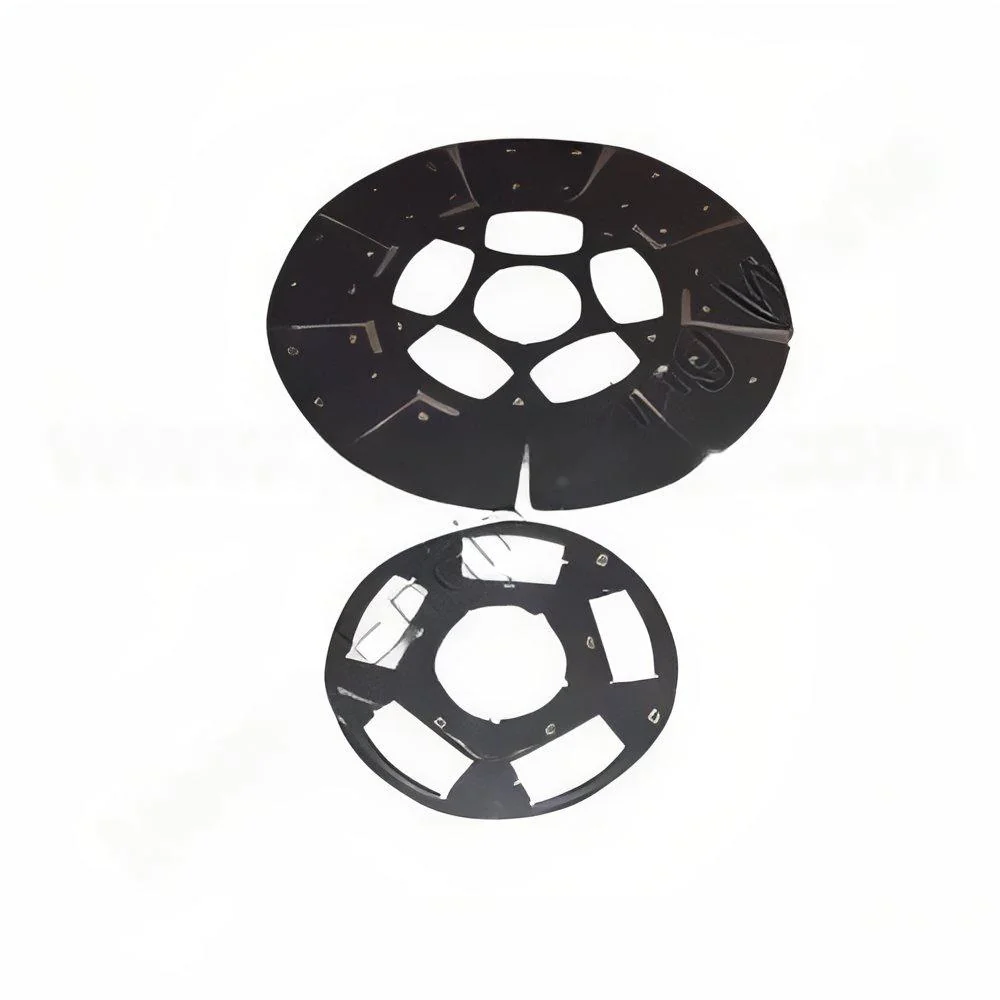
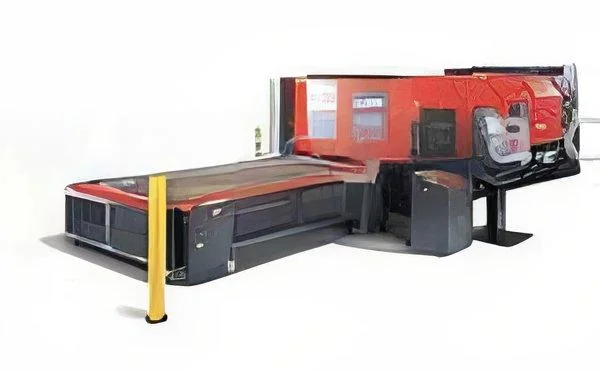
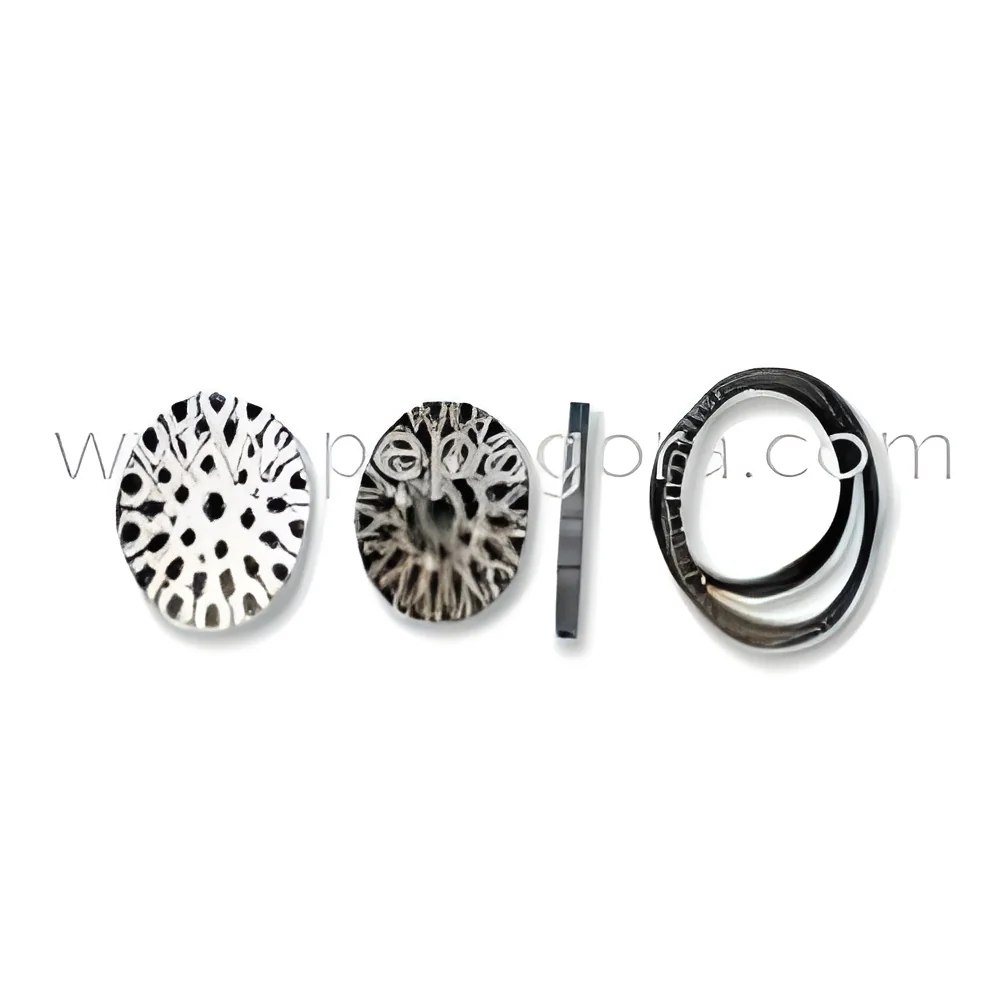
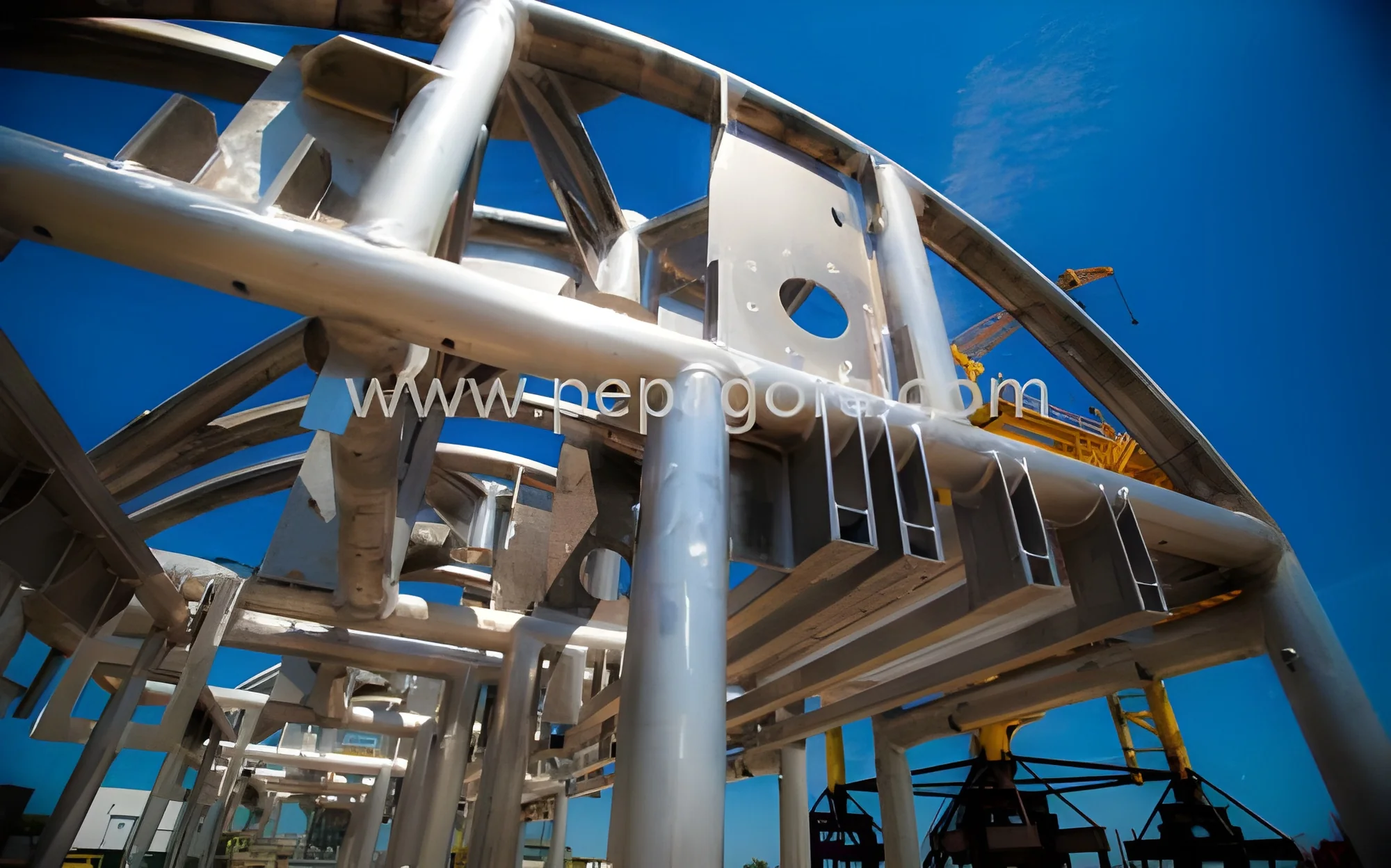
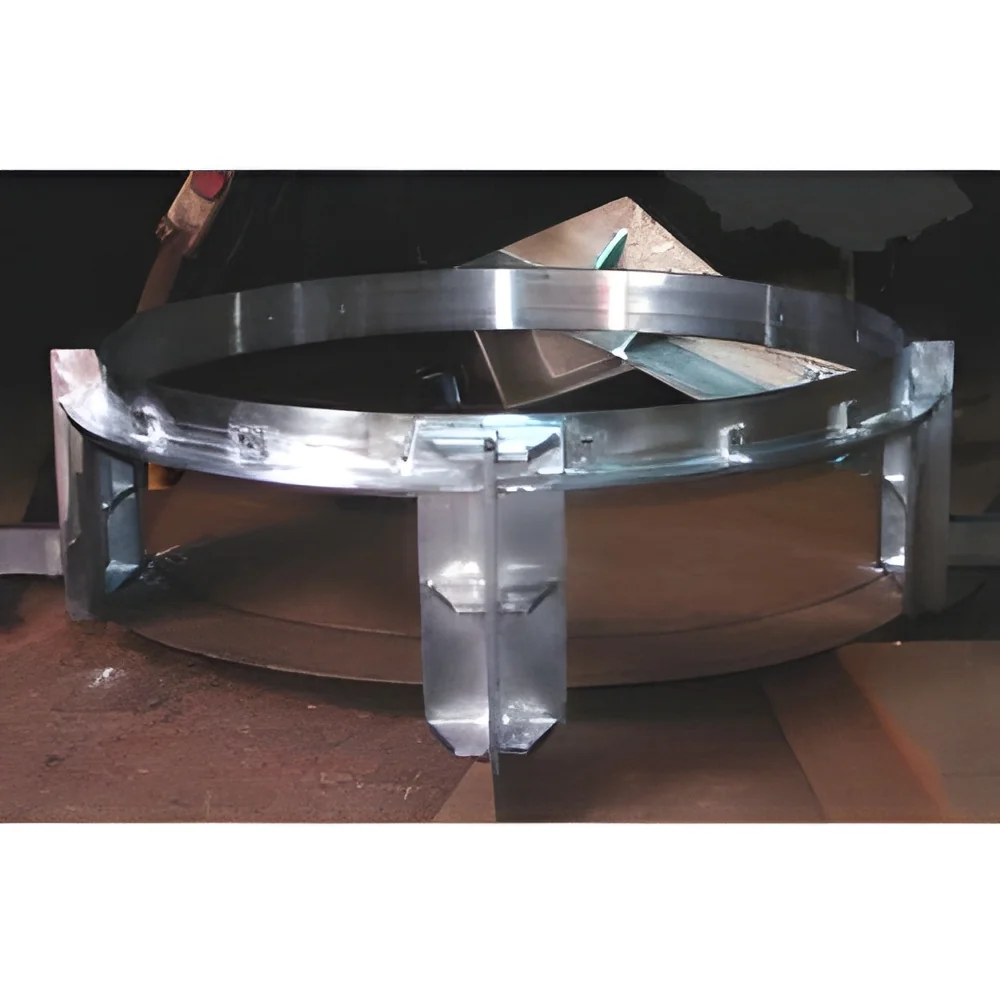
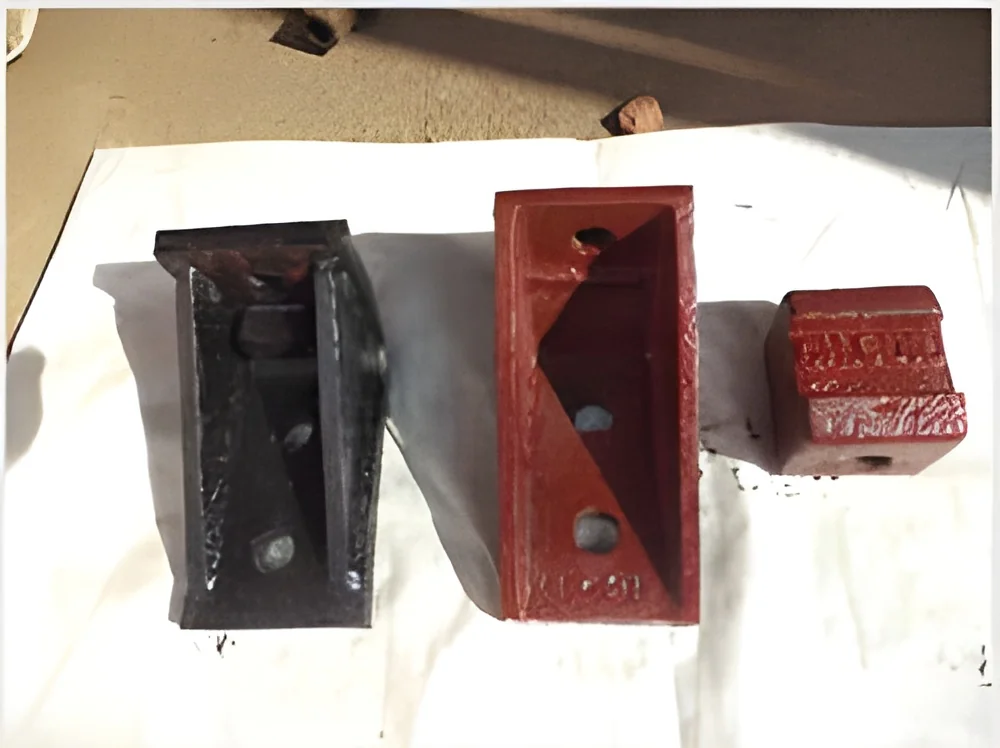
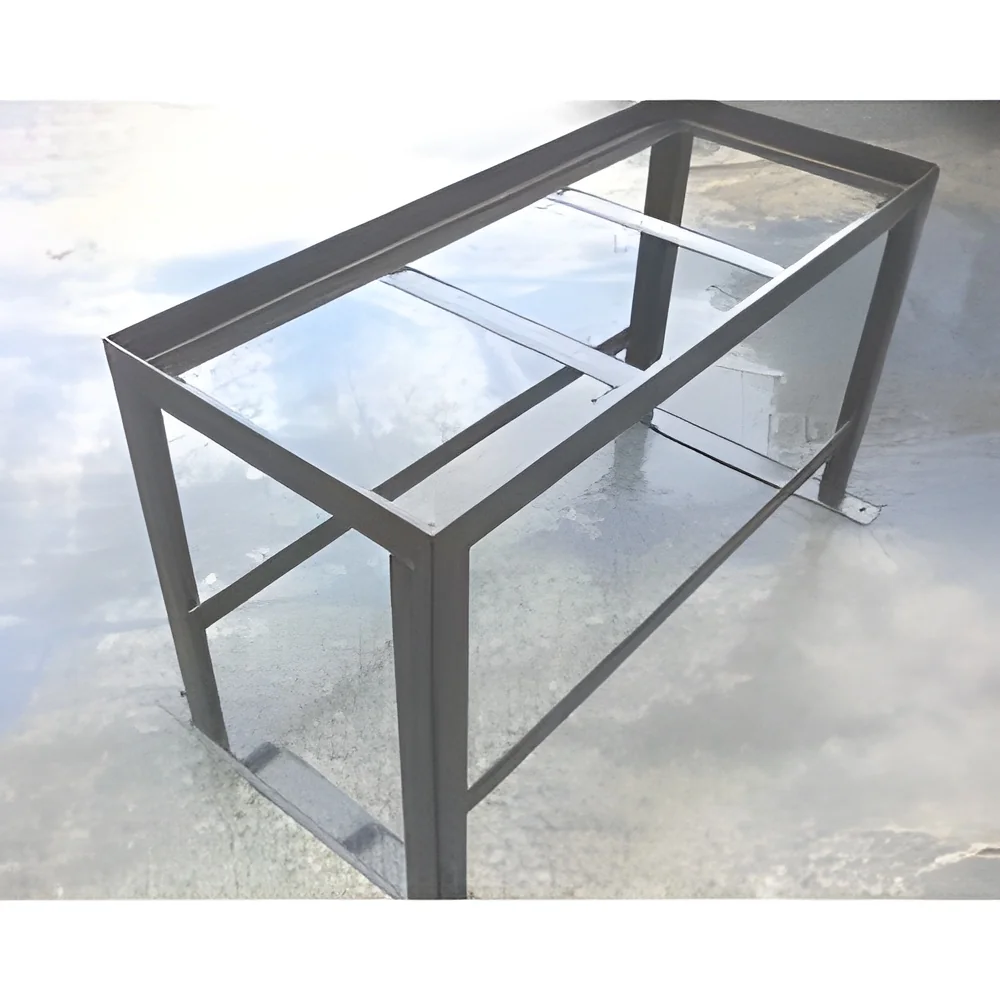
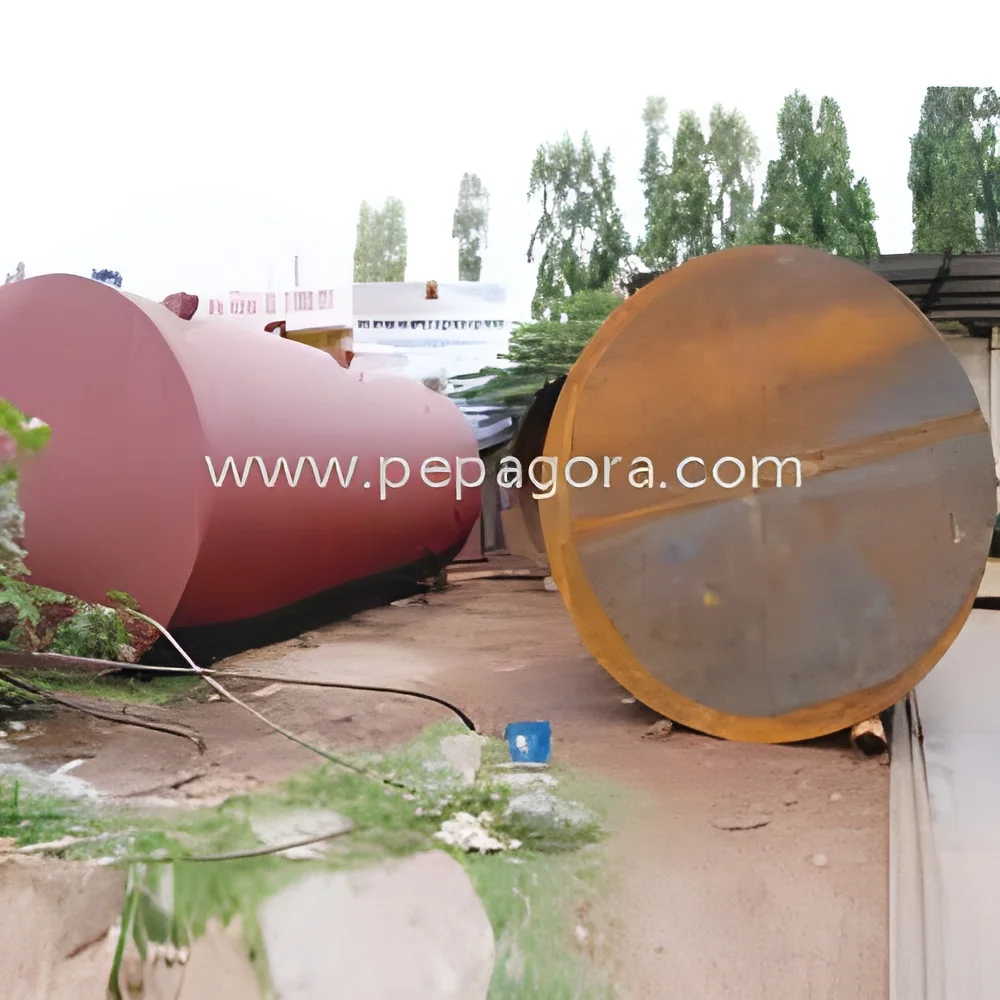
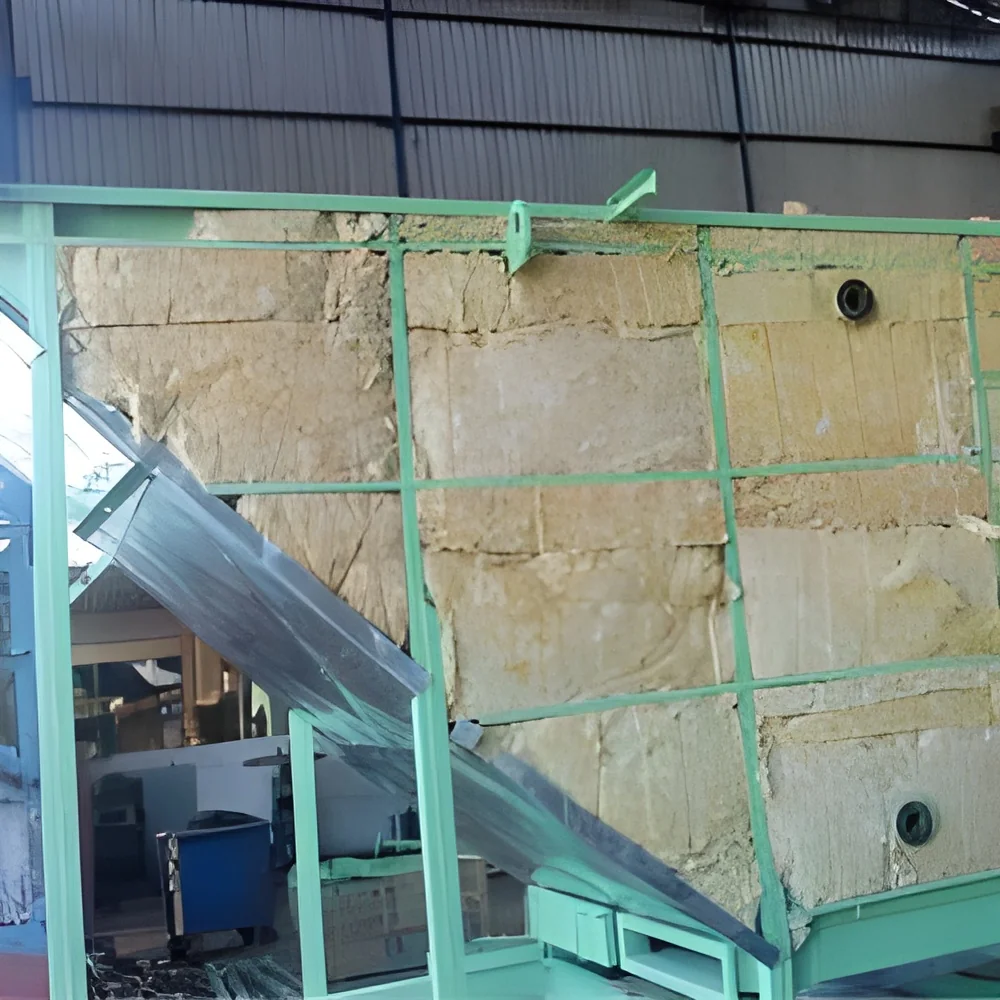
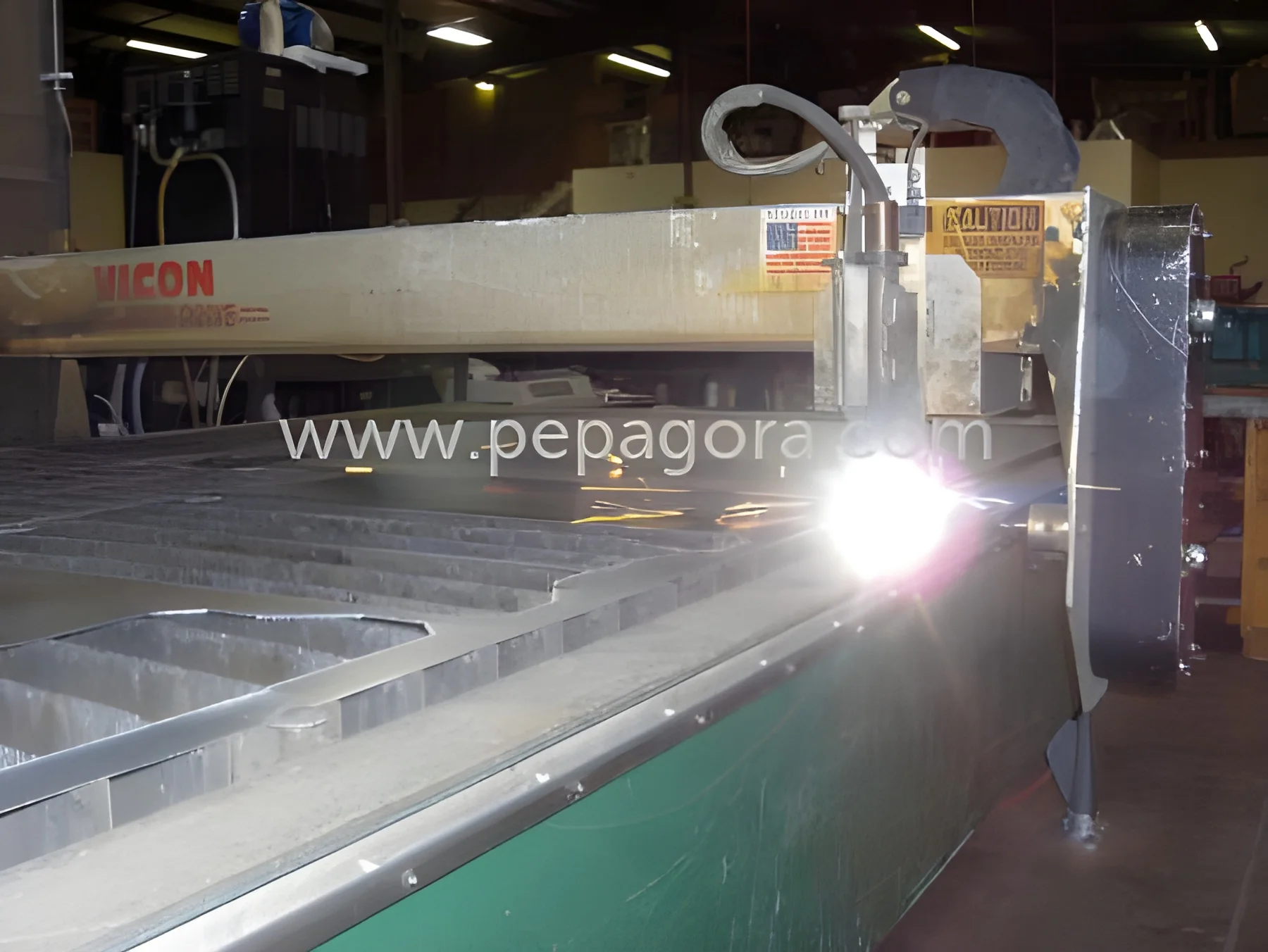
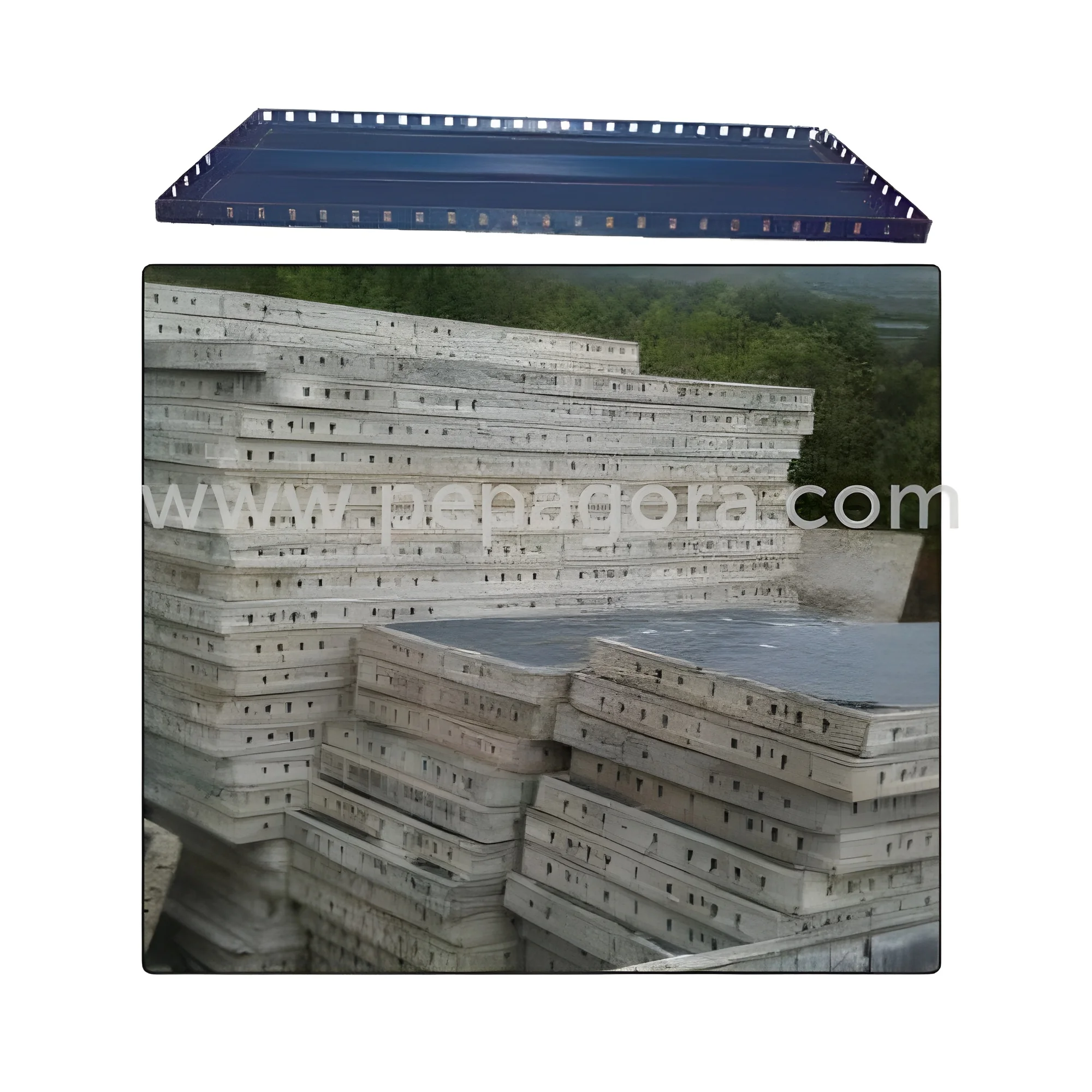
What are Custom Metal Fabrication?
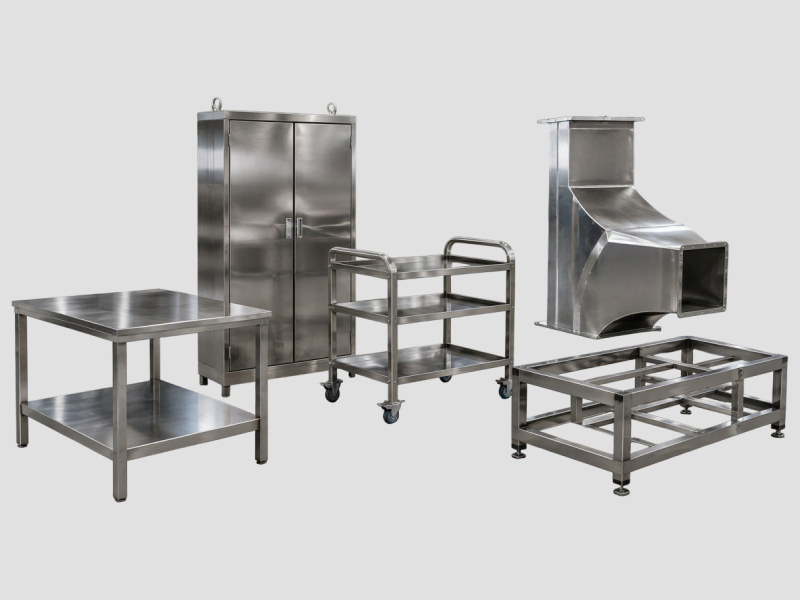
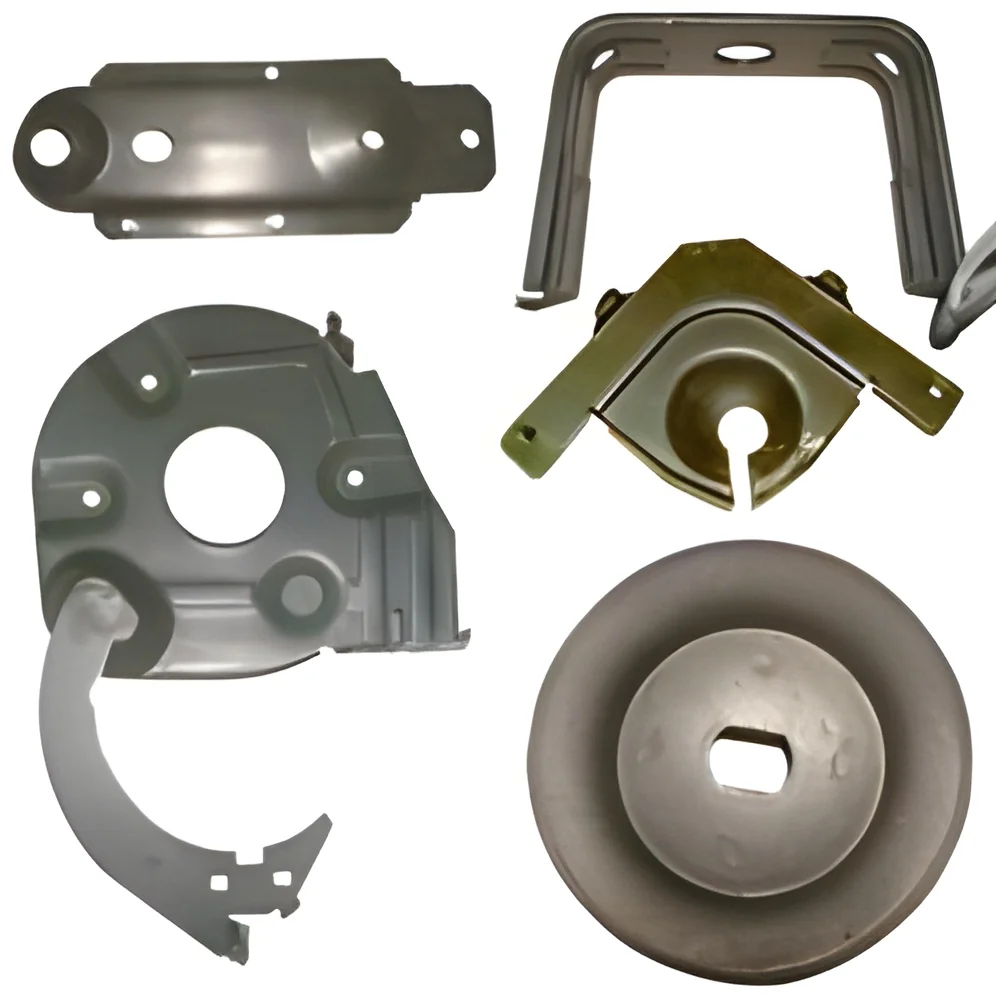
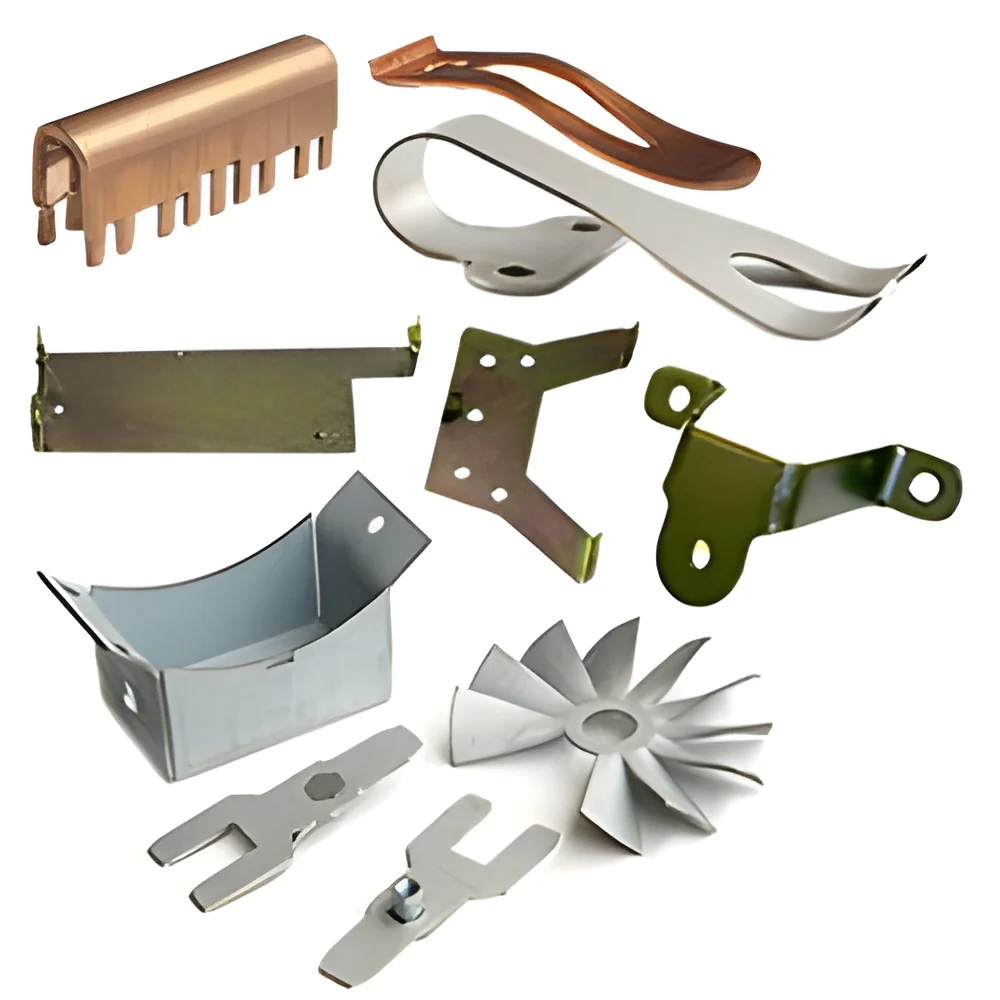
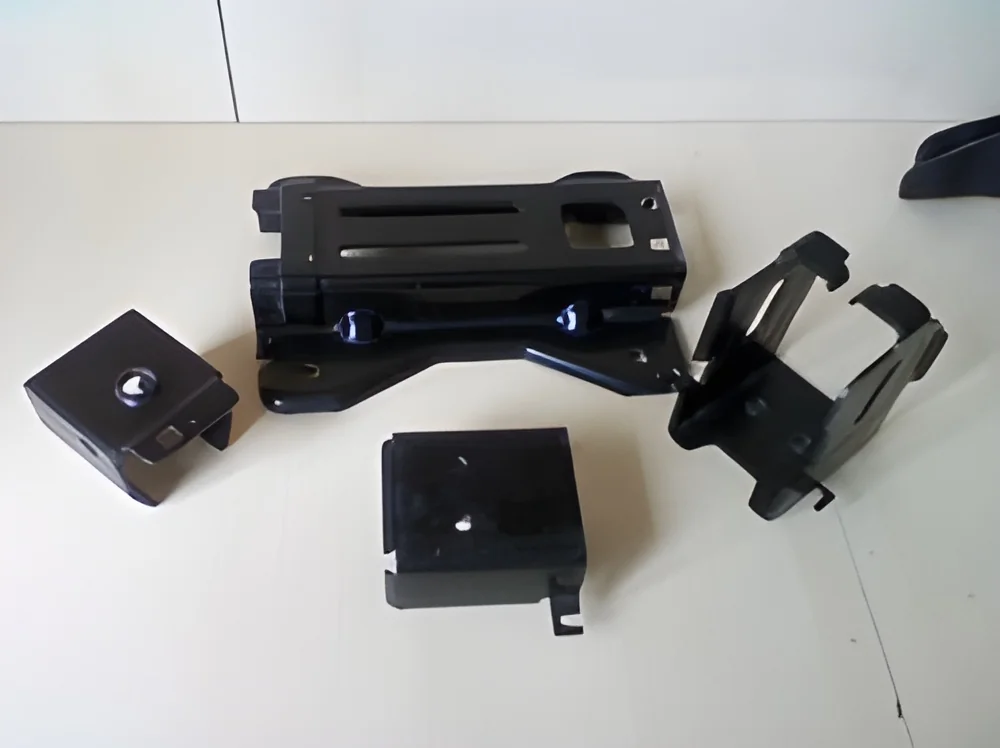
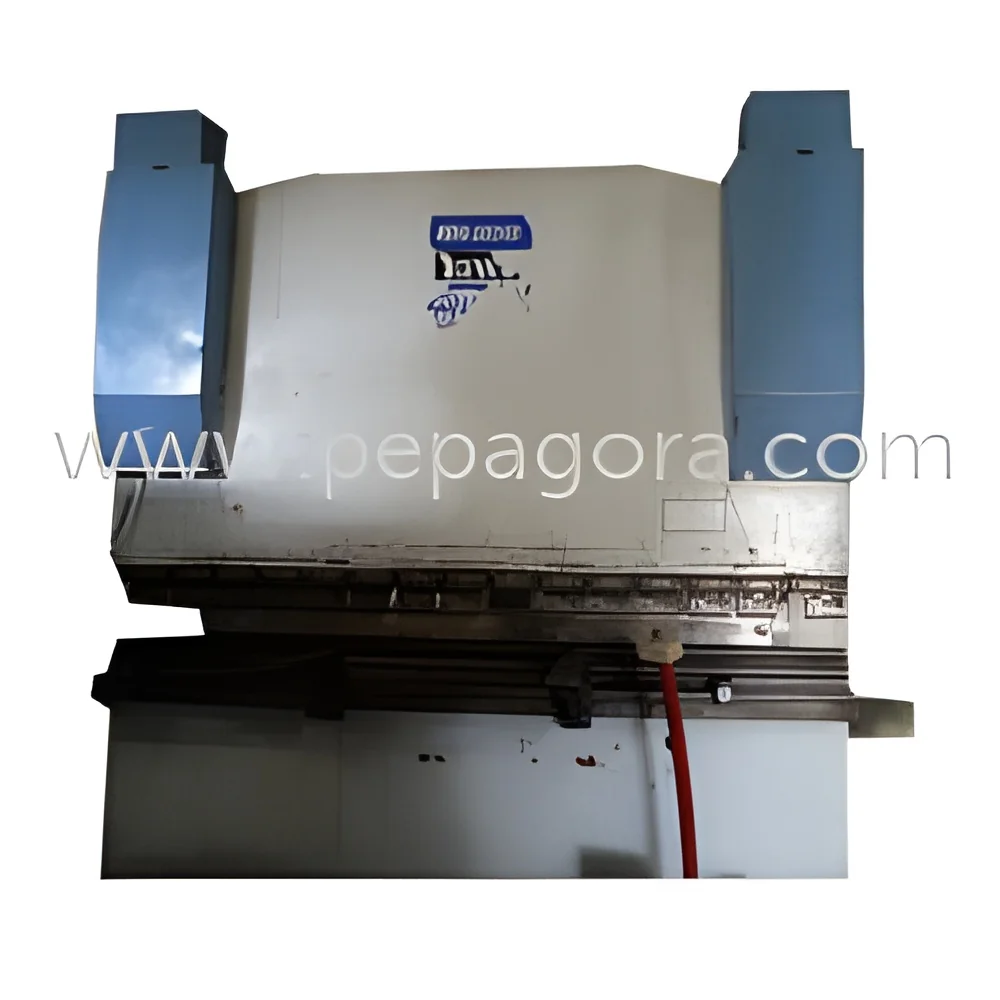
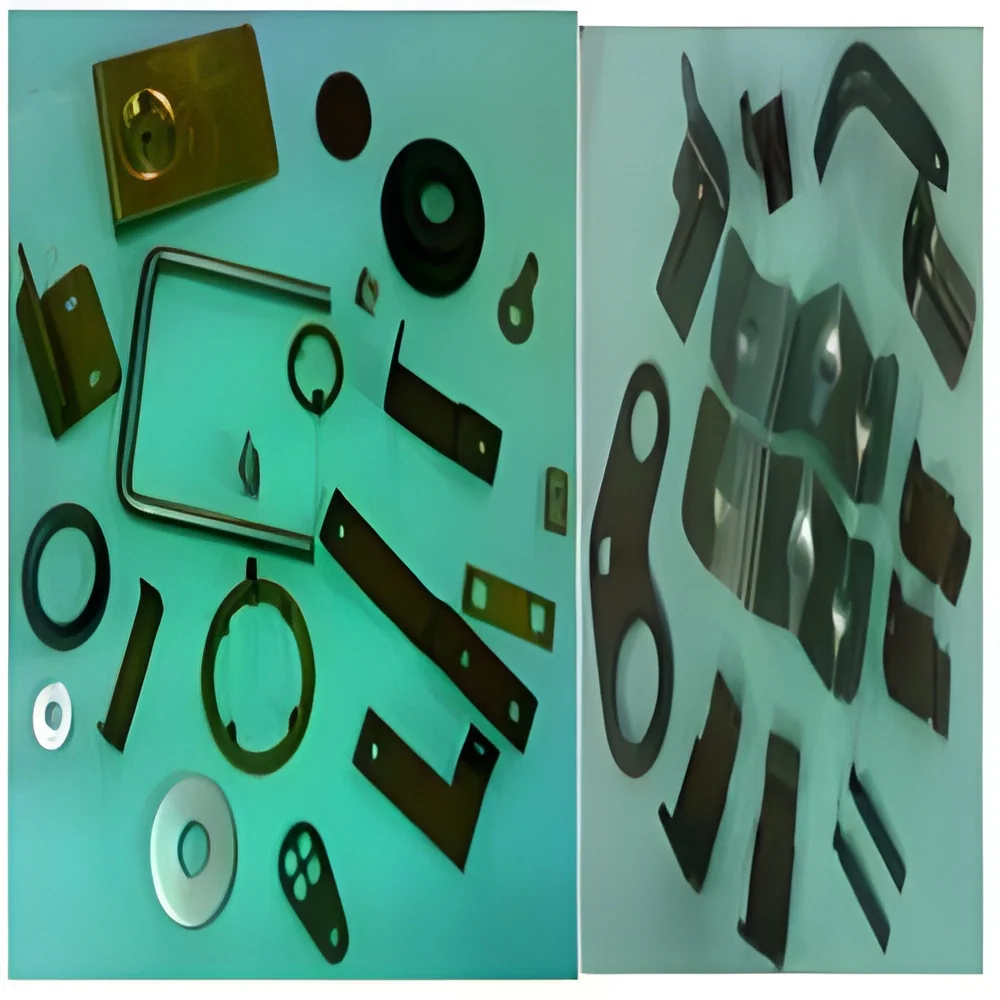
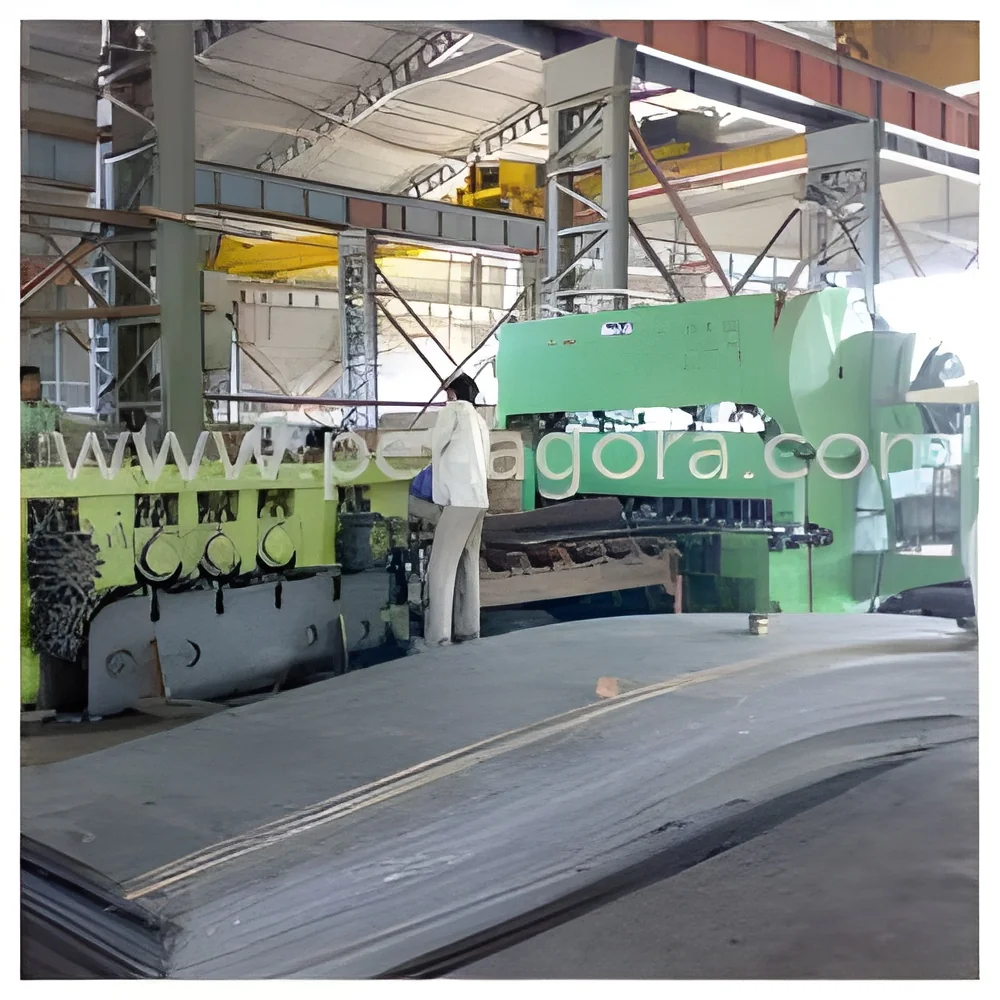
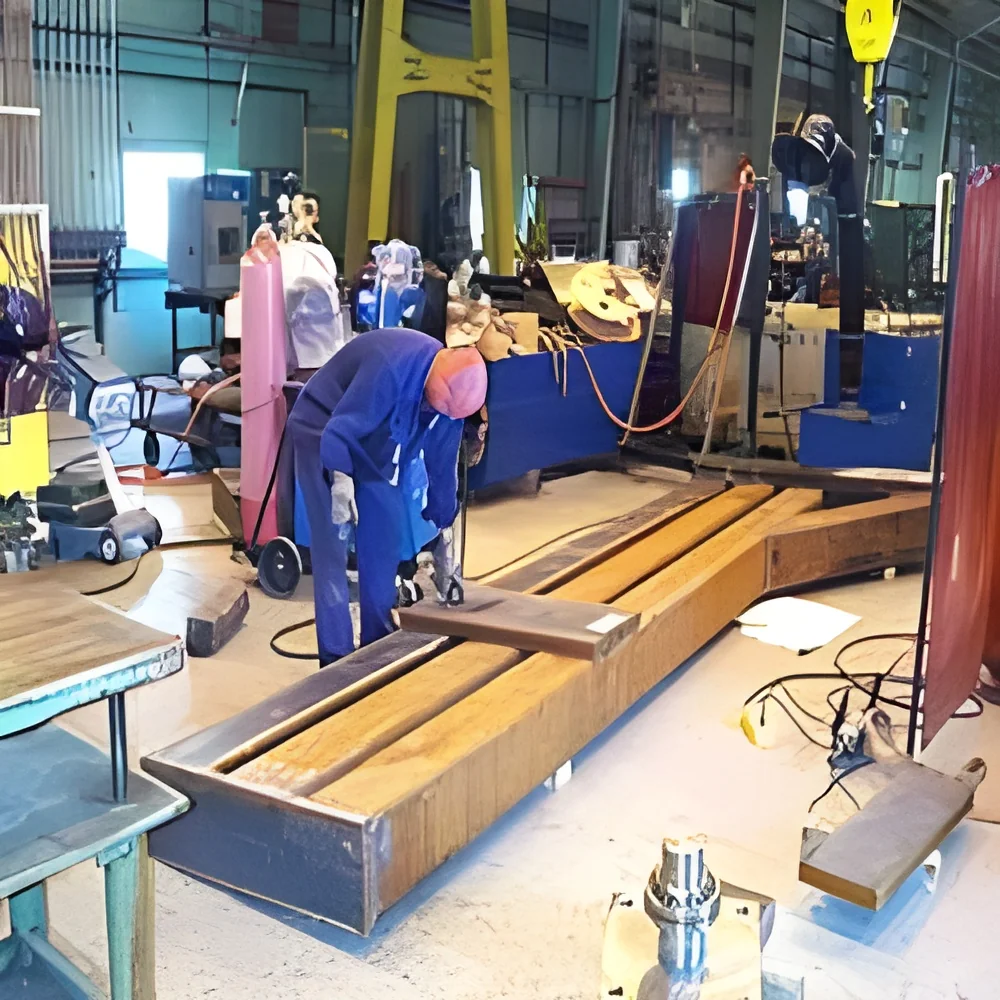
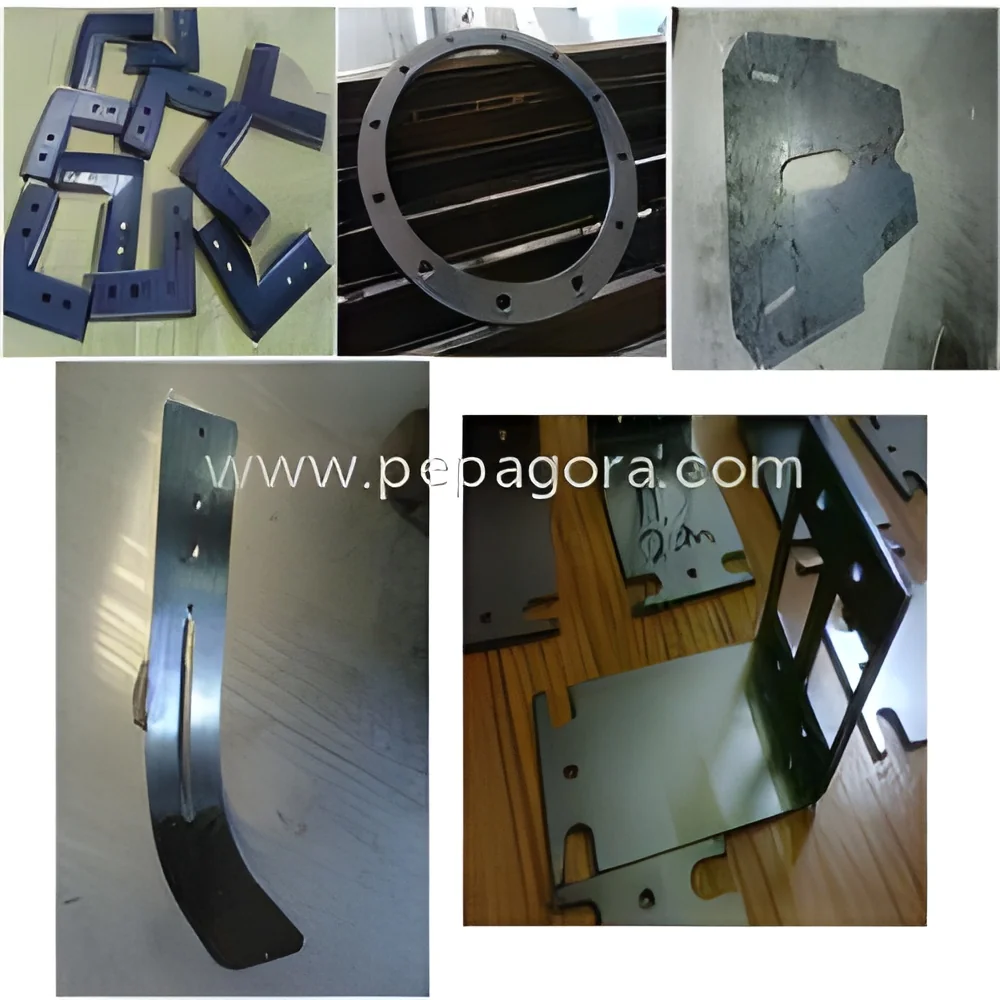
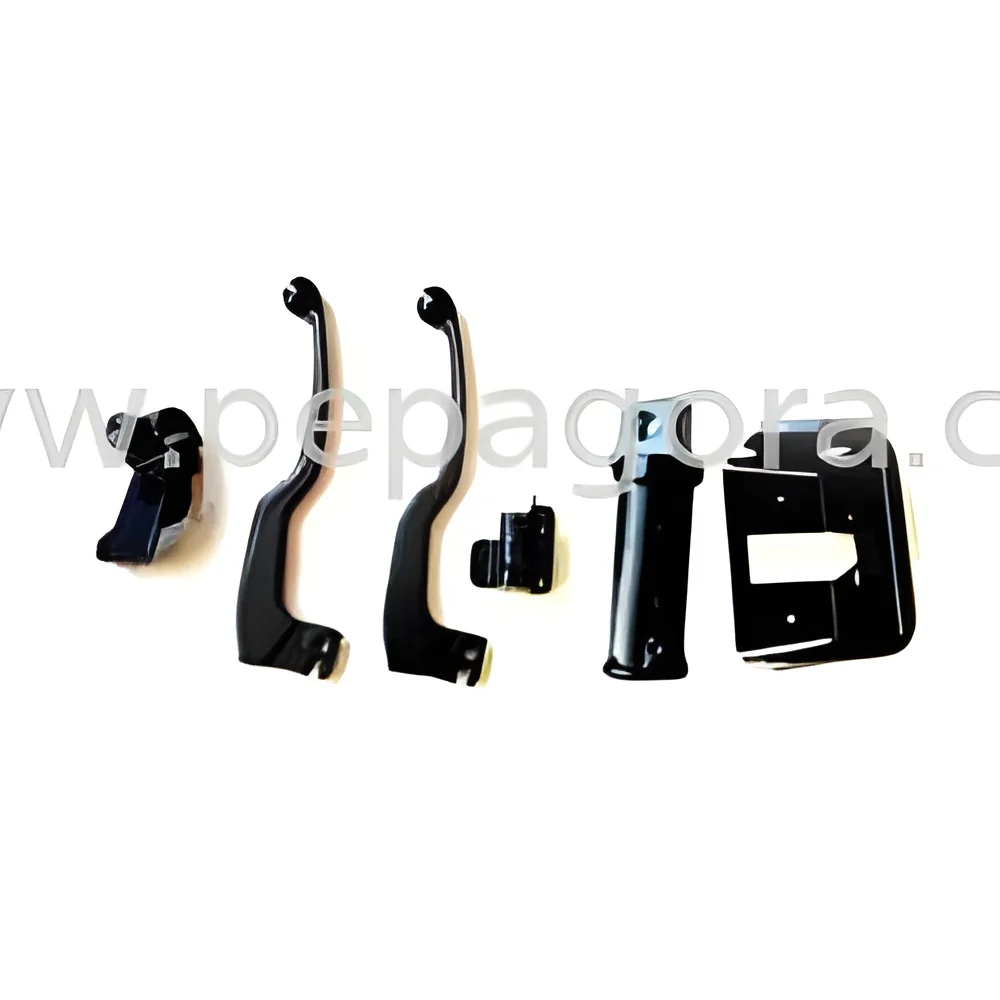
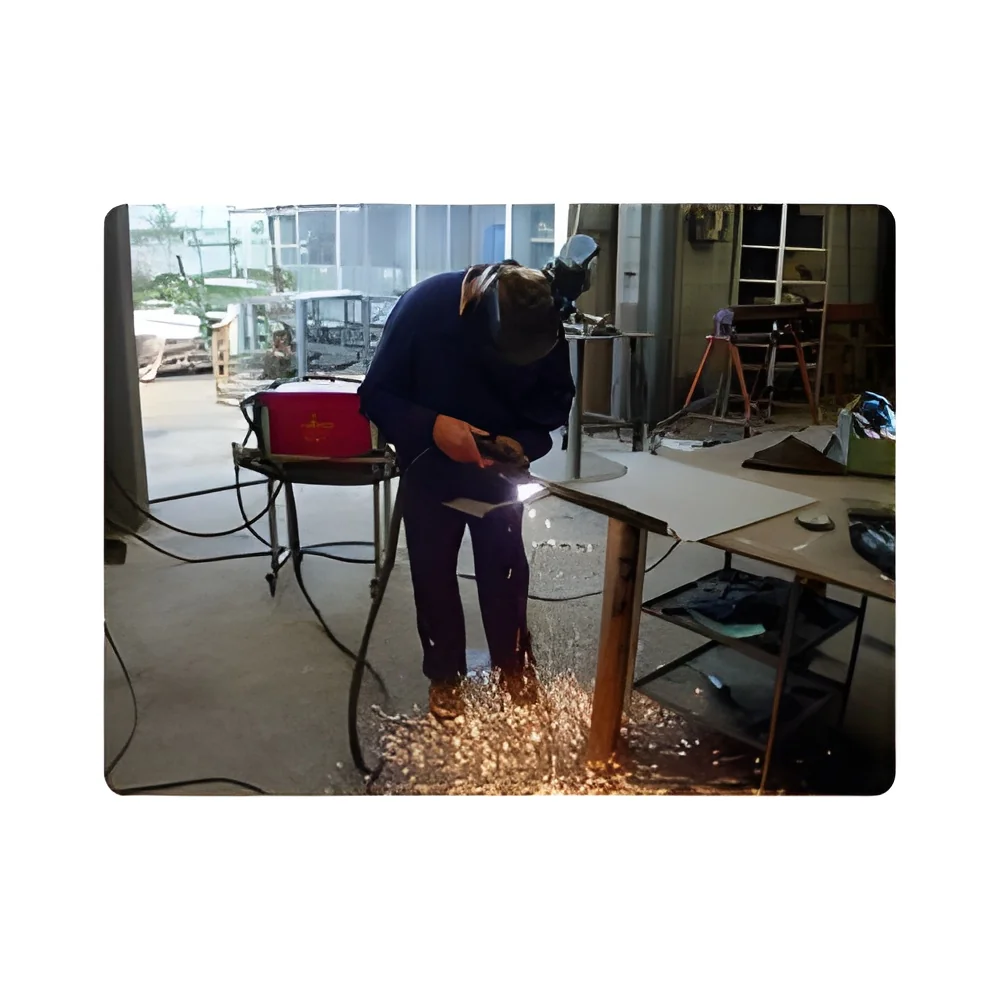
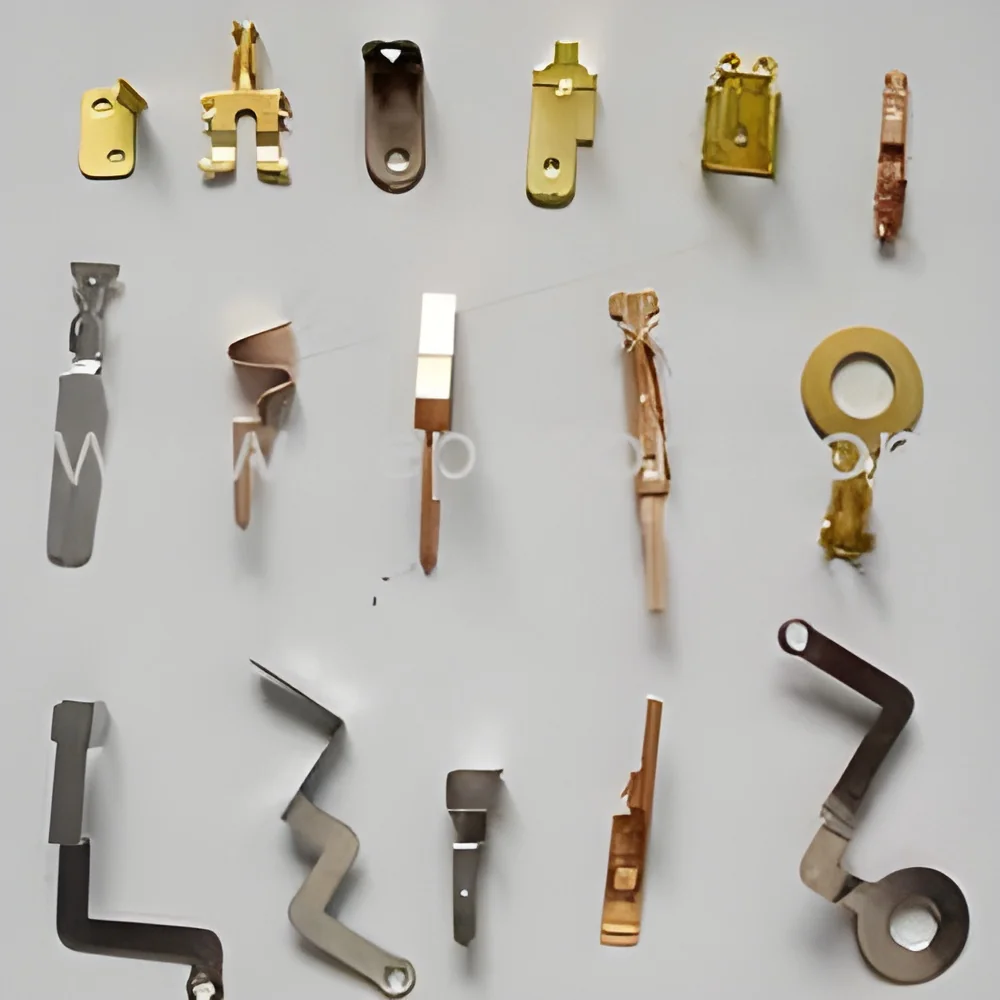
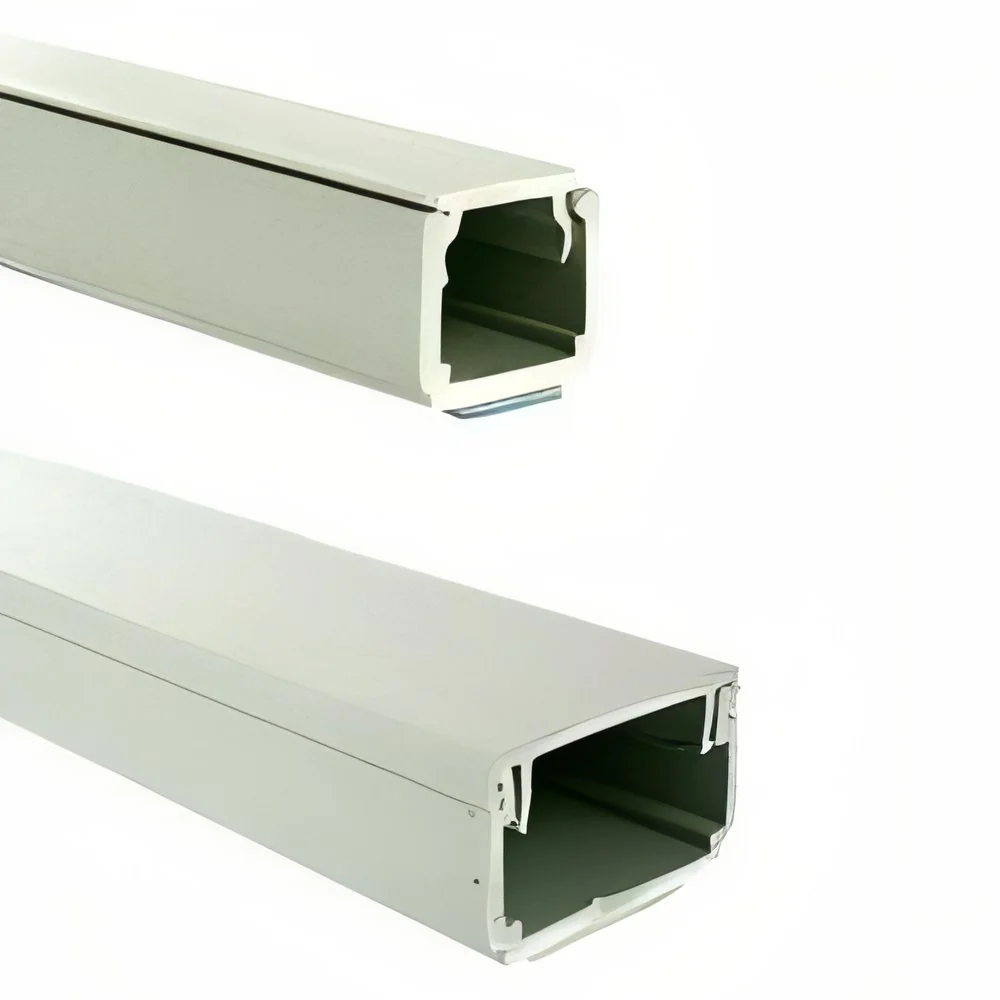
Custom metal fabrication refers to the process of creating metal structures and components tailored to specific requirements. This involves cutting, bending, welding, and assembling metal materials into finished products. Custom metal fabrication is distinct from standard manufacturing methods, as it focuses on producing unique items that can meet the precise needs of various applications.
Businesses across multiple sectors utilize custom metal fabrication for a variety of purposes. Common applications include manufacturing parts for machinery, creating architectural elements, and producing specialized equipment. Industries such as construction, automotive, aerospace, and energy frequently rely on custom metal fabrication to achieve functional and aesthetic goals. The ability to customize designs to meet specific project requirements is a key factor in the demand for these services.
The relevance of custom metal fabrication in today's market is significant. As industries evolve, the need for specialized, high-quality metal components continues to grow. This sector plays a critical role in enhancing productivity, efficiency, and innovation across various applications, making it a vital component of the industrial supply chain.
Key Features and Specifications
Custom metal fabrication features a range of specifications that ensure quality and performance. These specifications help businesses identify the right products for their needs.
Key specifications include:
1. Material Types
- Common materials include steel, aluminum, brass, and stainless steel.
- Each material offers unique properties, such as strength, corrosion resistance, and weight.
2. Fabrication Processes
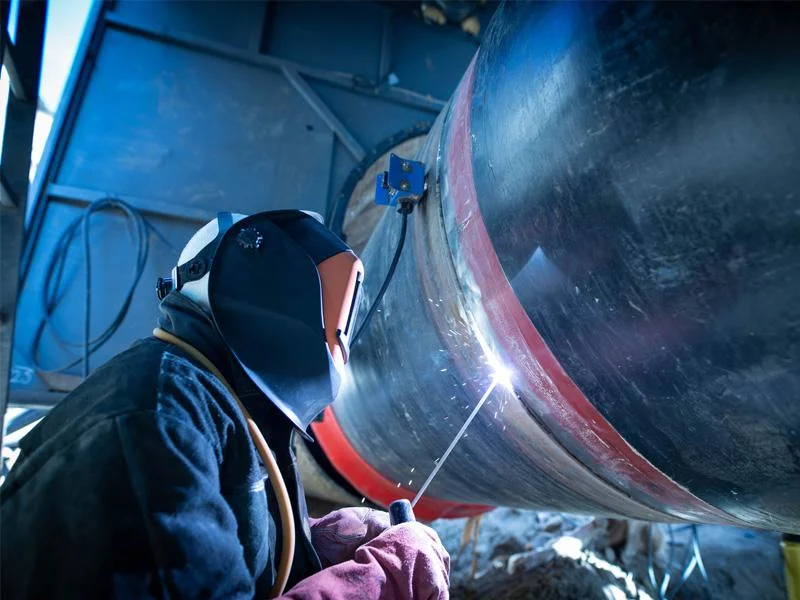
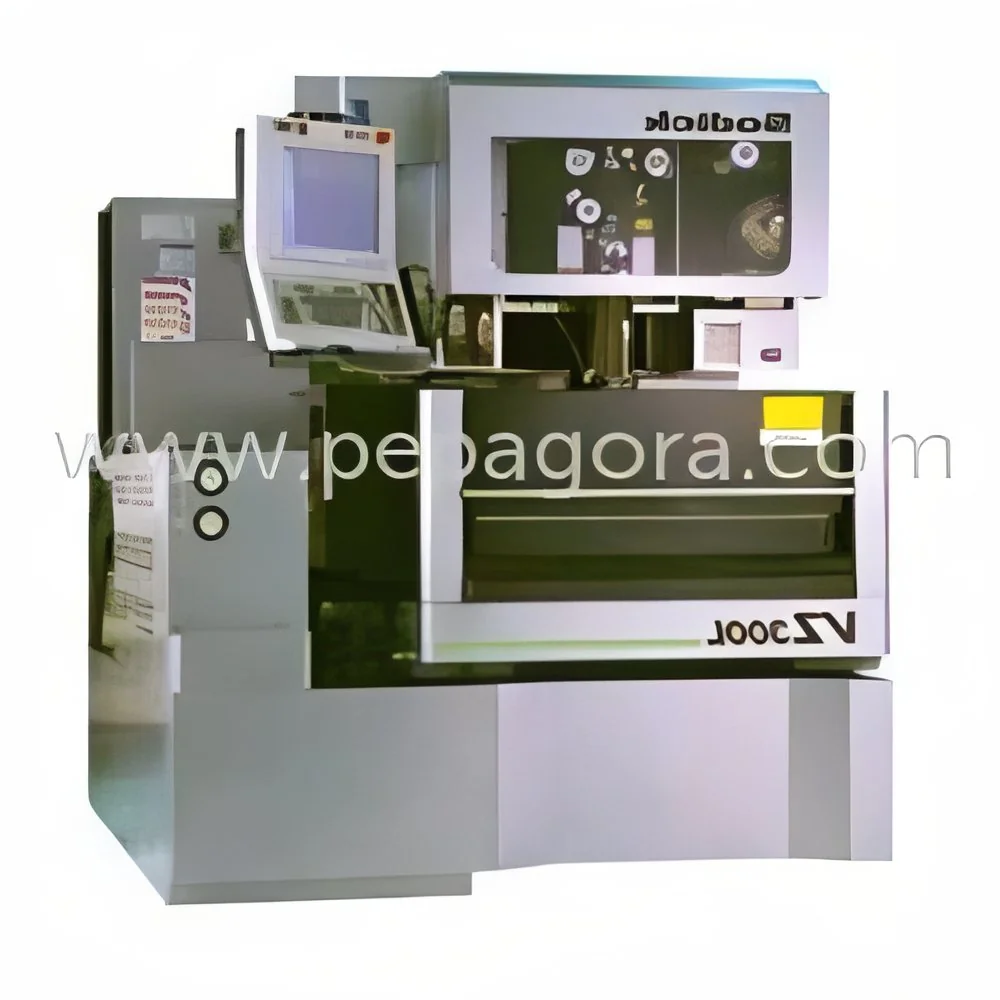
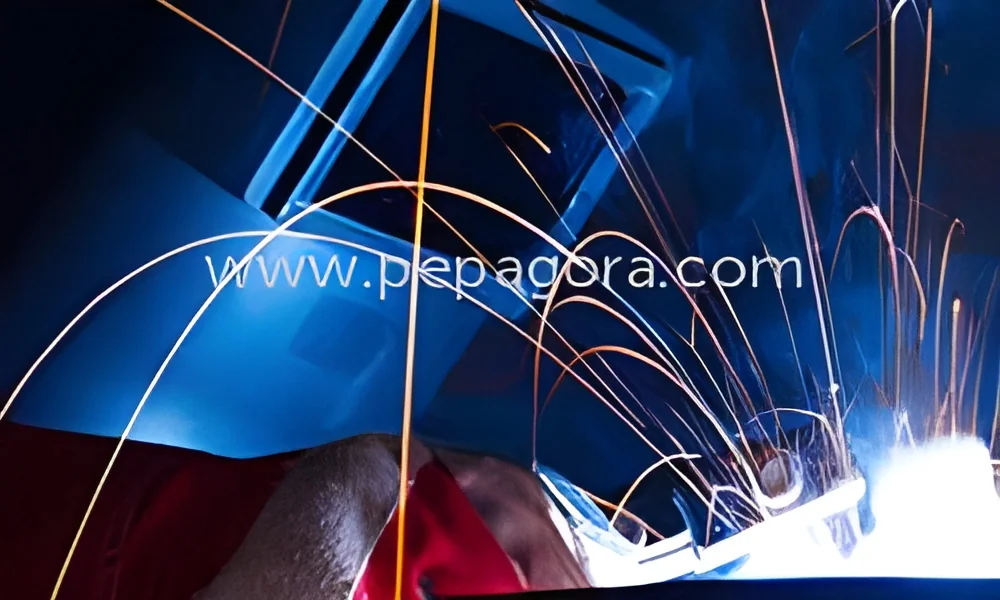
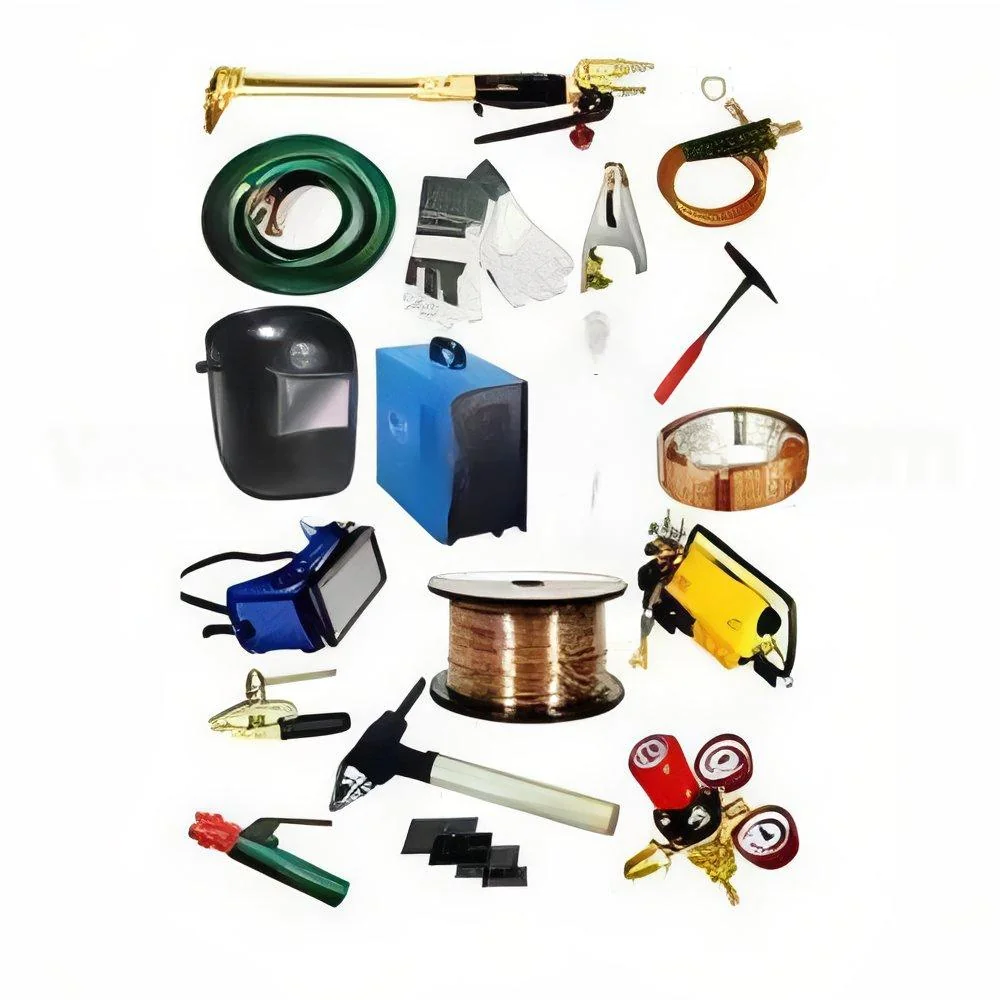
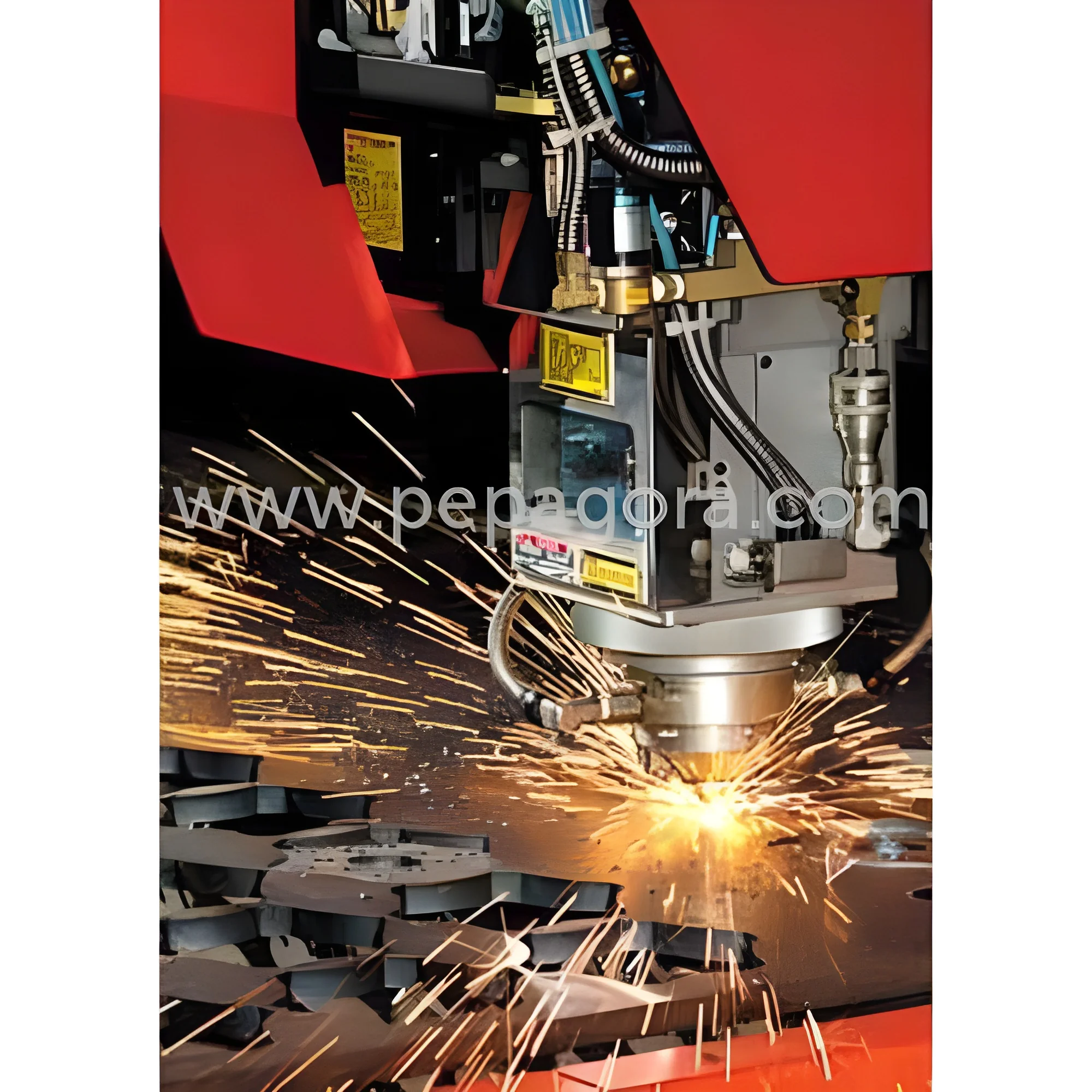
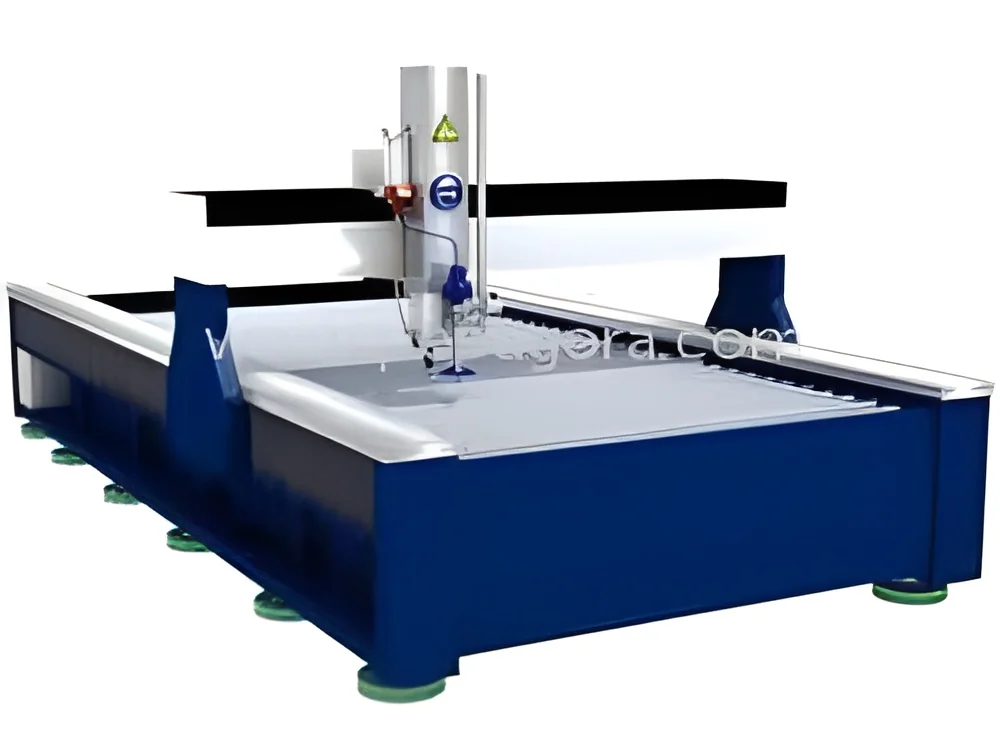
- Processes may include laser cutting, CNC machining, and welding.
- Each process impacts the precision and finish of the final product.
3. Tolerances
- Tight tolerances can be achieved, typically ranging from ±0.01 inches to ±0.001 inches, depending on the process.
- Tighter tolerances may be necessary for specific applications, such as aerospace.
4. Surface Finishes
- Options include powder coating, anodizing, and polishing.
- Finishes can enhance aesthetics and protect against environmental factors.
5. Dimension Specifications
- Custom dimensions can be specified based on project requirements.
- Standard sizes can also be provided, depending on the supplier.
6. Load Capacity
- Load capacities vary based on design and material.
- It is essential to define load requirements to ensure structural integrity.
7. Assembly Capabilities
- Some fabricators offer assembly services to combine multiple components into a finished product.
- This can streamline the manufacturing process for businesses.
The versatility of custom metal fabrication allows for tailored solutions that meet specific business needs, ensuring optimal performance in various applications.
Common Applications and Use Cases
Custom metal fabrication serves numerous industries with diverse applications.
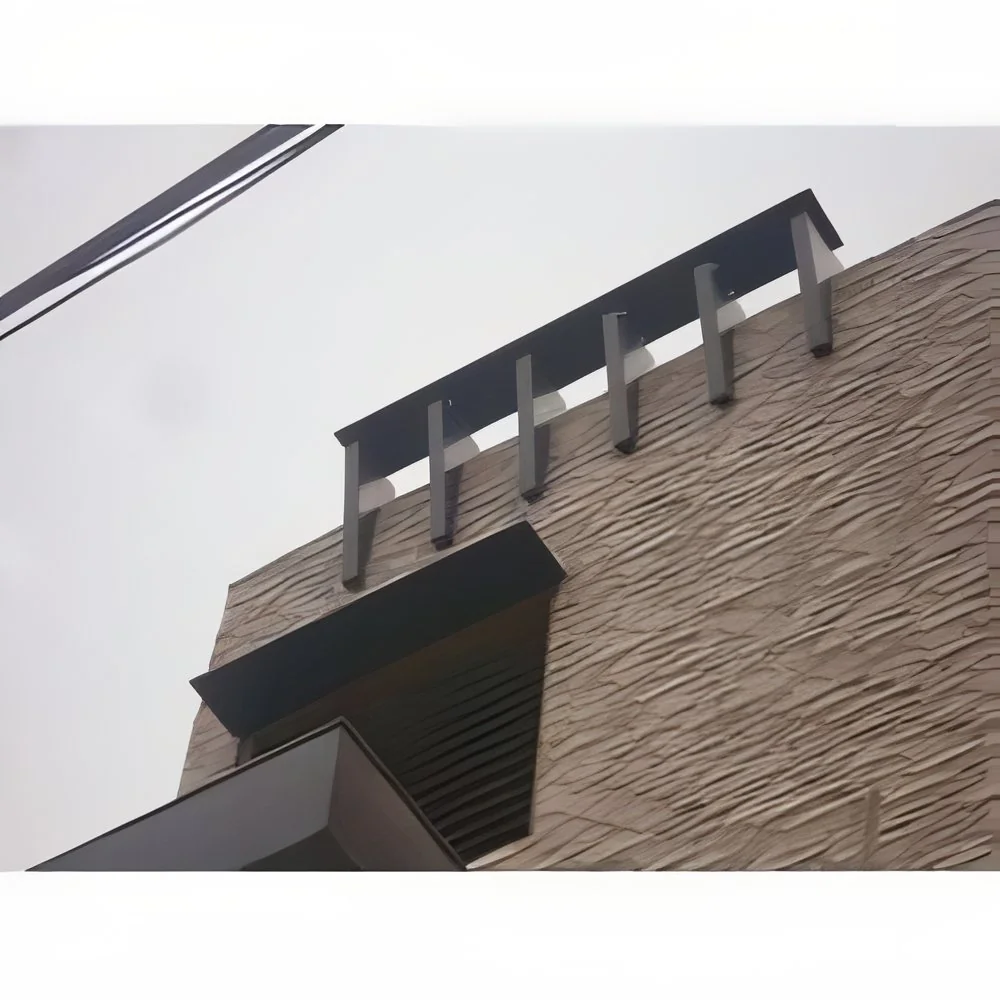
1. Construction: Custom metal parts are used in building frameworks, roofing, and decorative elements, providing both structural support and aesthetic appeal.
2. Automotive: Fabricated metal components are essential for manufacturing vehicles, including frames, brackets, and exhaust systems, contributing to safety and performance.
3. Aerospace: Custom fabrication is critical in producing lightweight components that meet stringent safety and performance standards for aircraft.
4. Energy: Metal fabrication is employed in creating parts for renewable energy systems, such as wind turbines and solar panels, enhancing efficiency and sustainability.
5. Manufacturing: Various machinery and equipment require custom metal parts to ensure functionality and reliability in production processes.
6. Medical: Custom metal fabrication is used in creating surgical instruments and medical devices, where precision and quality are paramount.
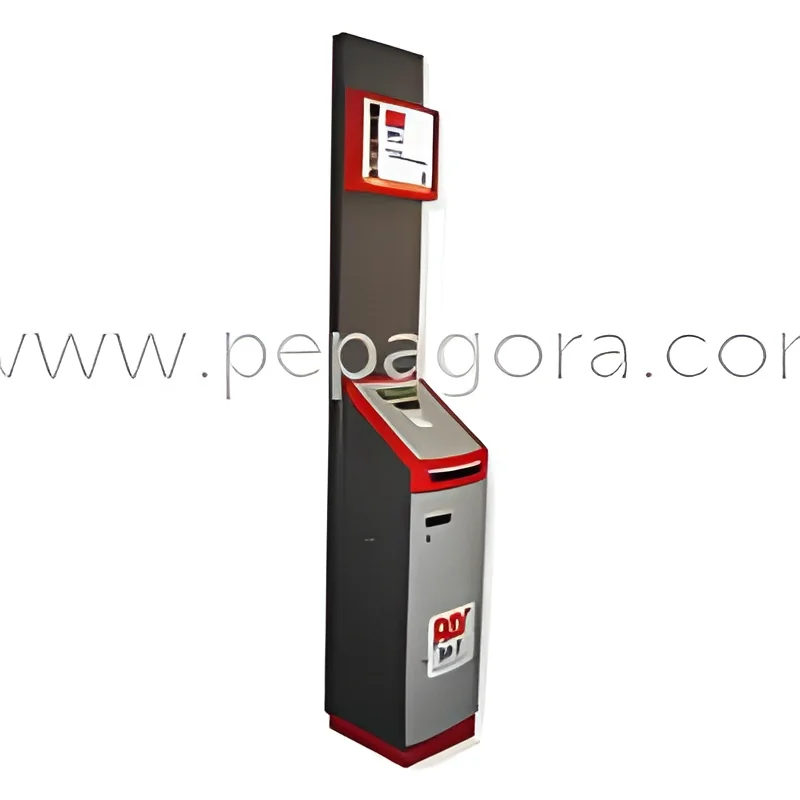
7. Electronics: Metal enclosures and heat sinks are fabricated to protect electronics, ensuring durability and optimal performance.
Product Variants and Subcategories
Custom metal fabrication encompasses a diverse range of products tailored to specific needs.
Fabricated Structural Steel
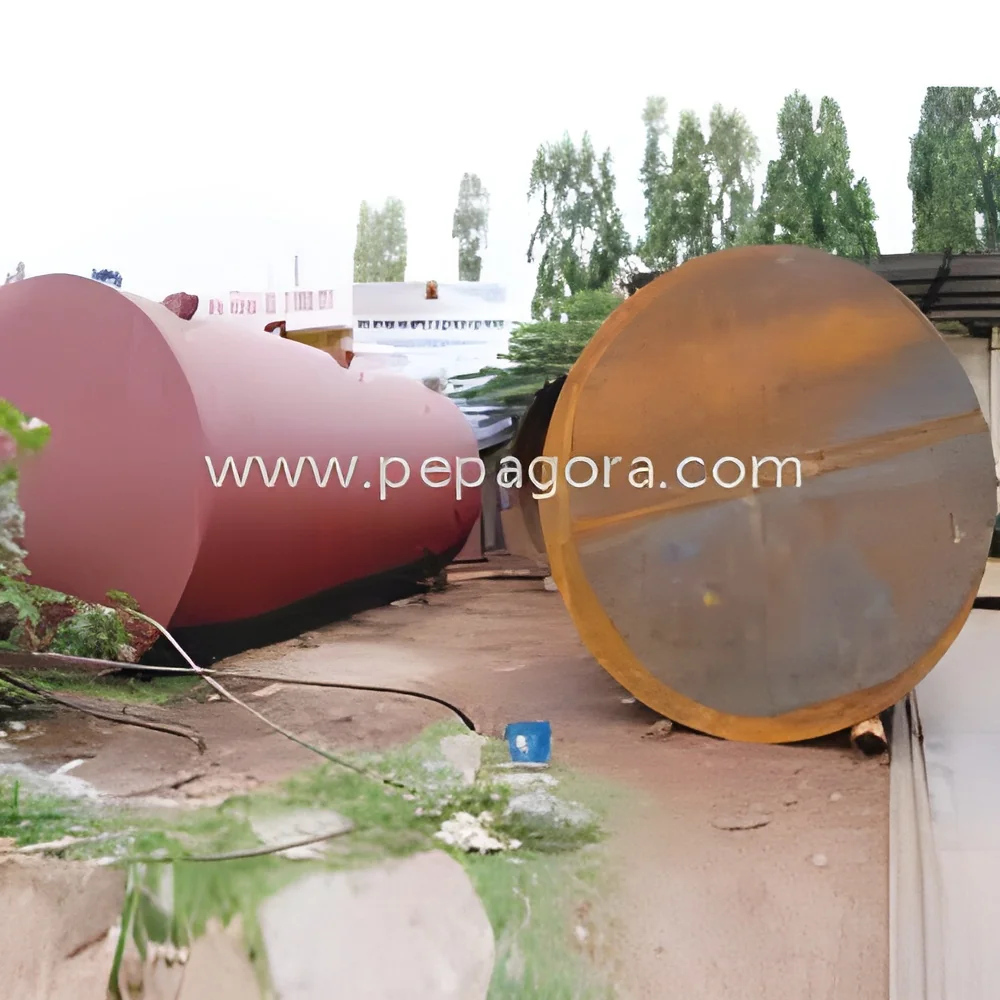
This variant includes beams, columns, and trusses used in construction. Features include high strength and durability, making it suitable for heavy-load applications.
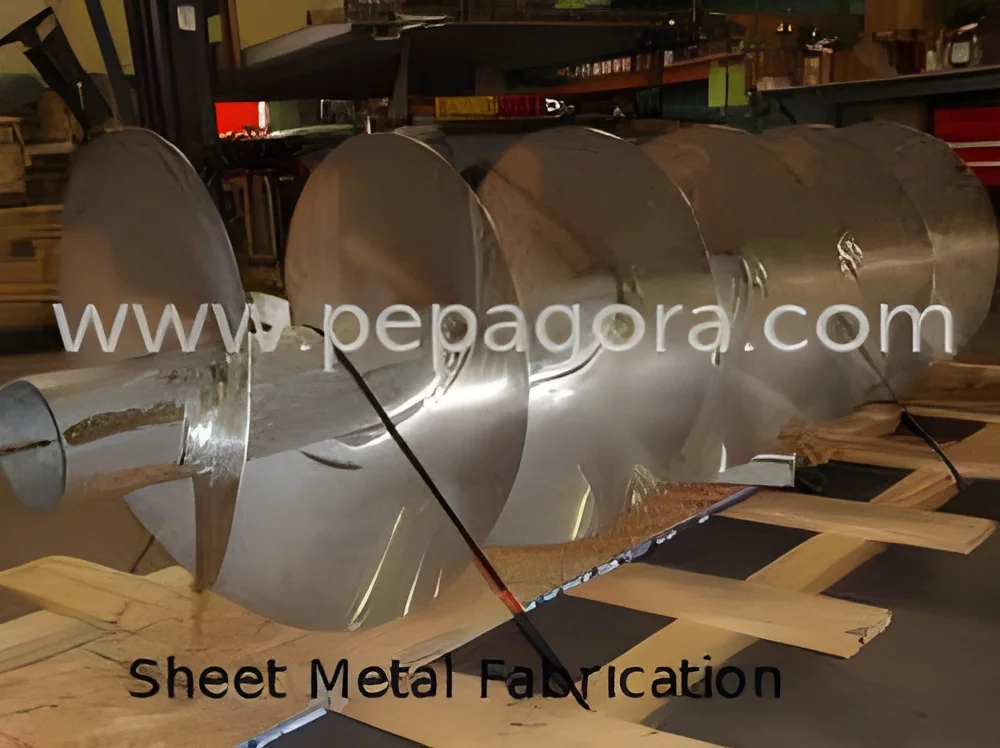
Sheet Metal Fabrication
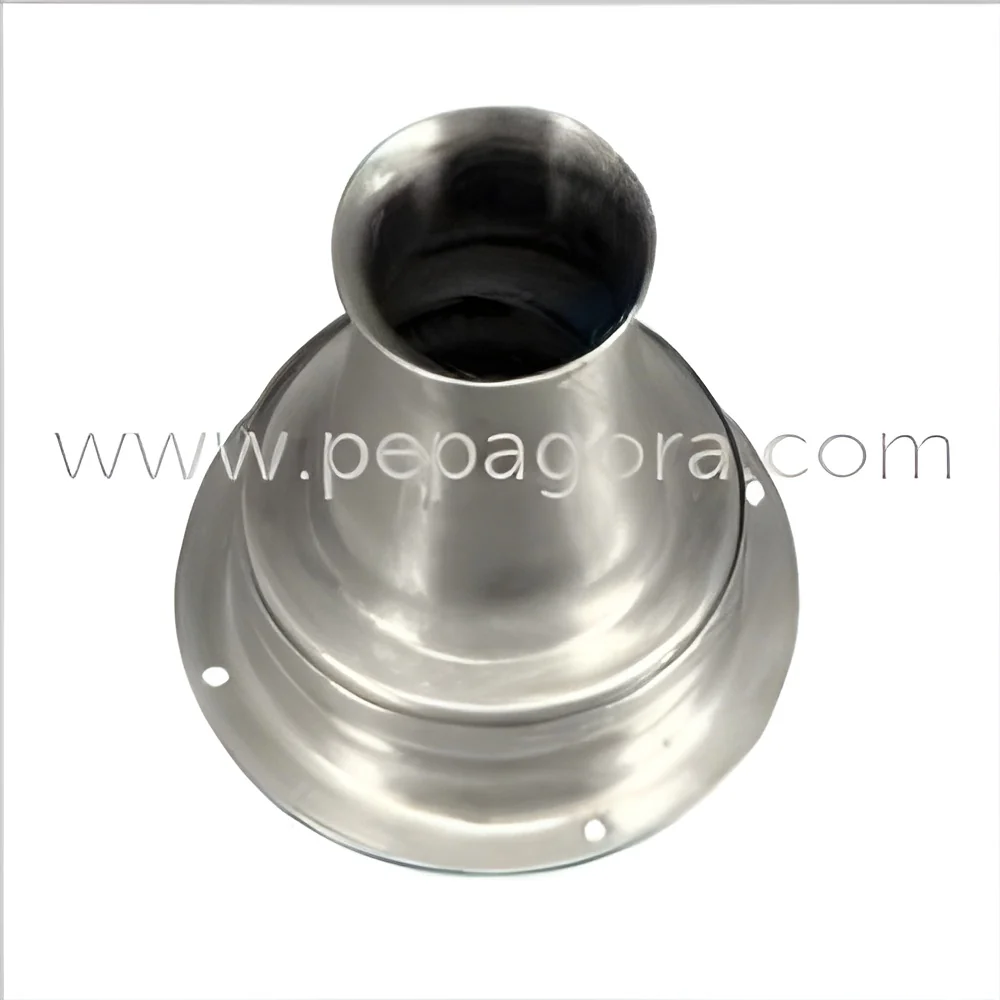
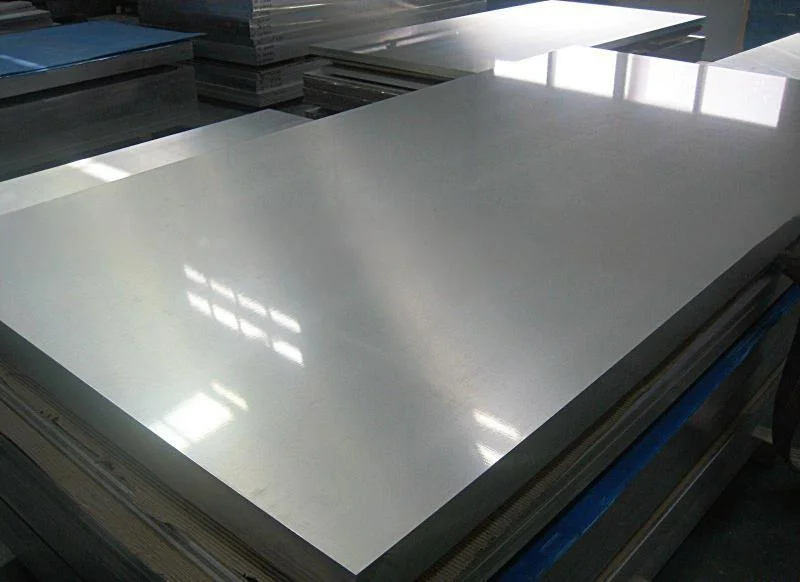
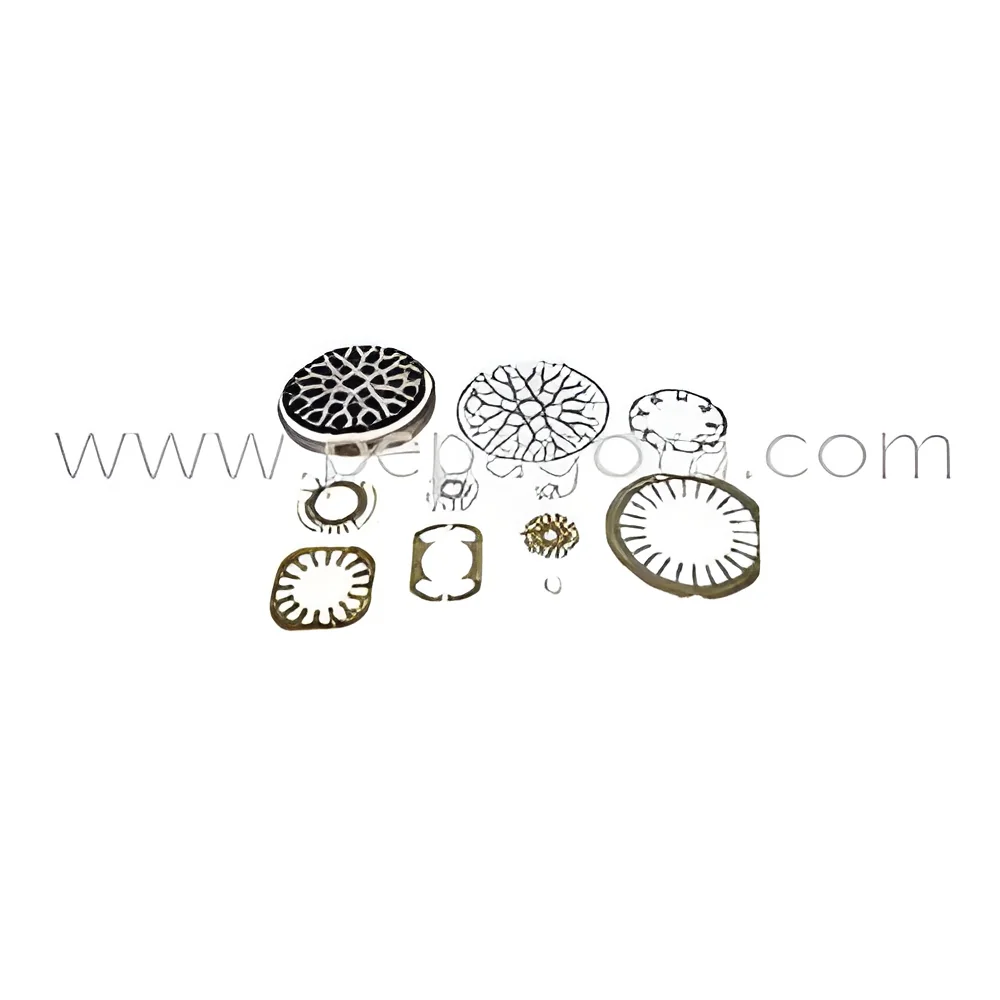
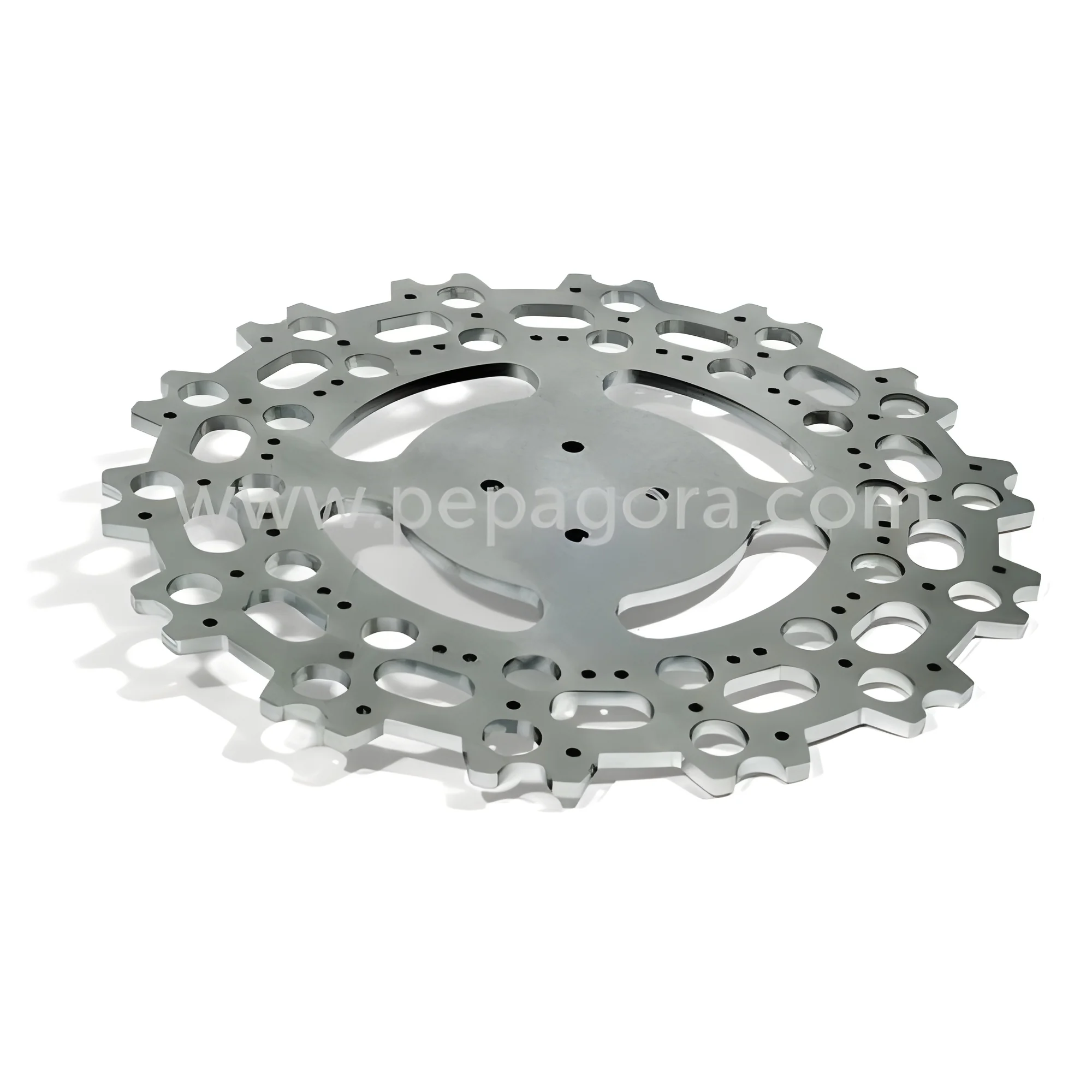
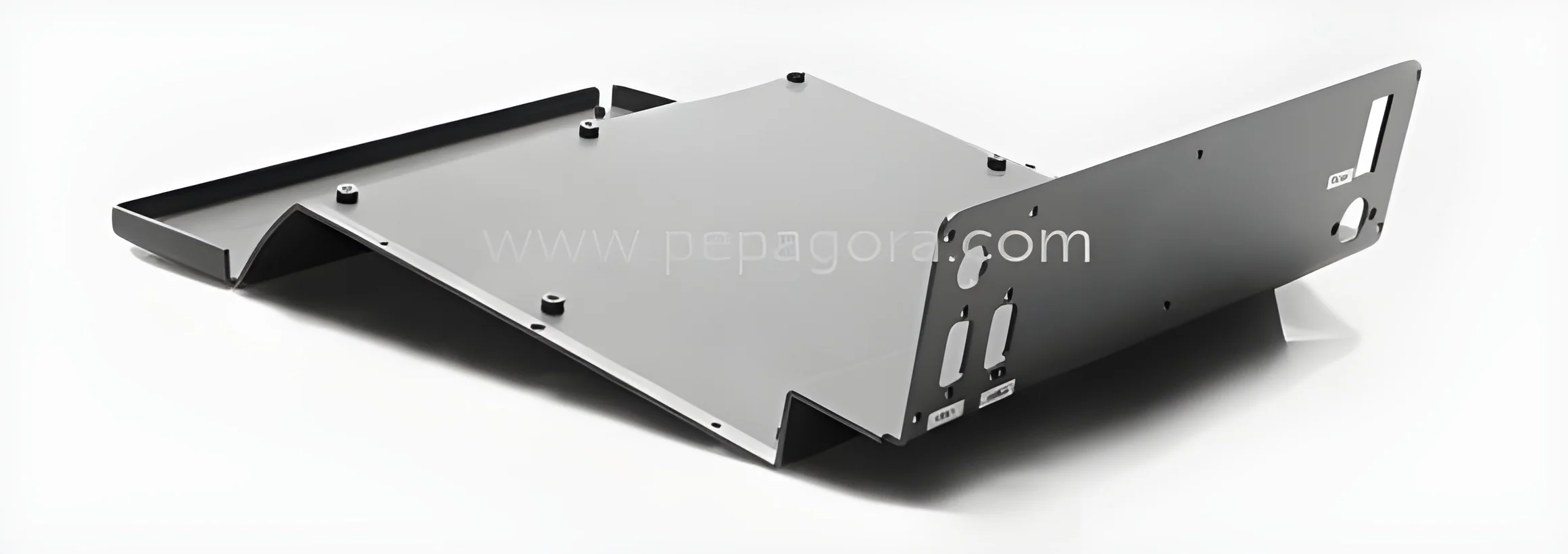
Sheet metal components are used in various industries, such as HVAC and automotive. This variant offers flexibility in design and can be easily customized for specific applications.
Welded Fabrications
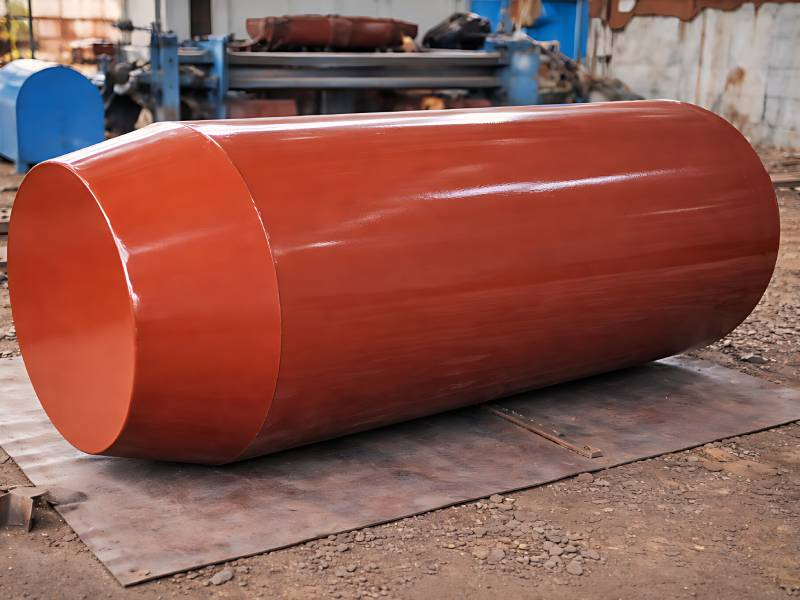
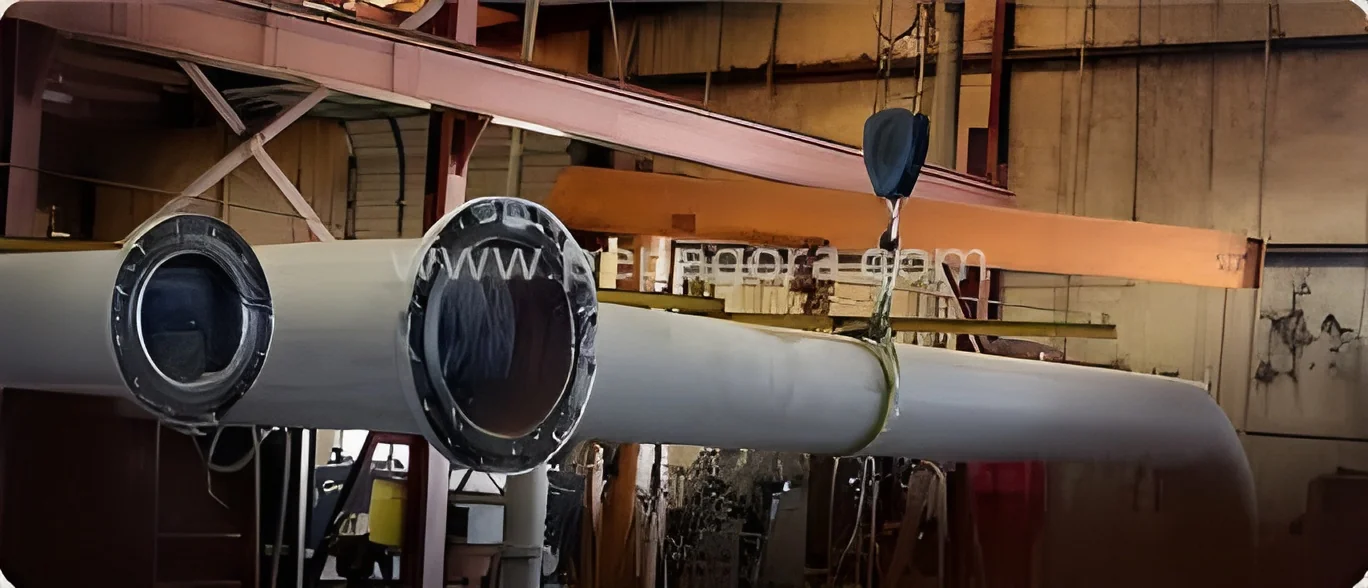
These are custom assemblies created through welding processes. They provide robust solutions for structural and support applications across multiple industries.
Machined Components
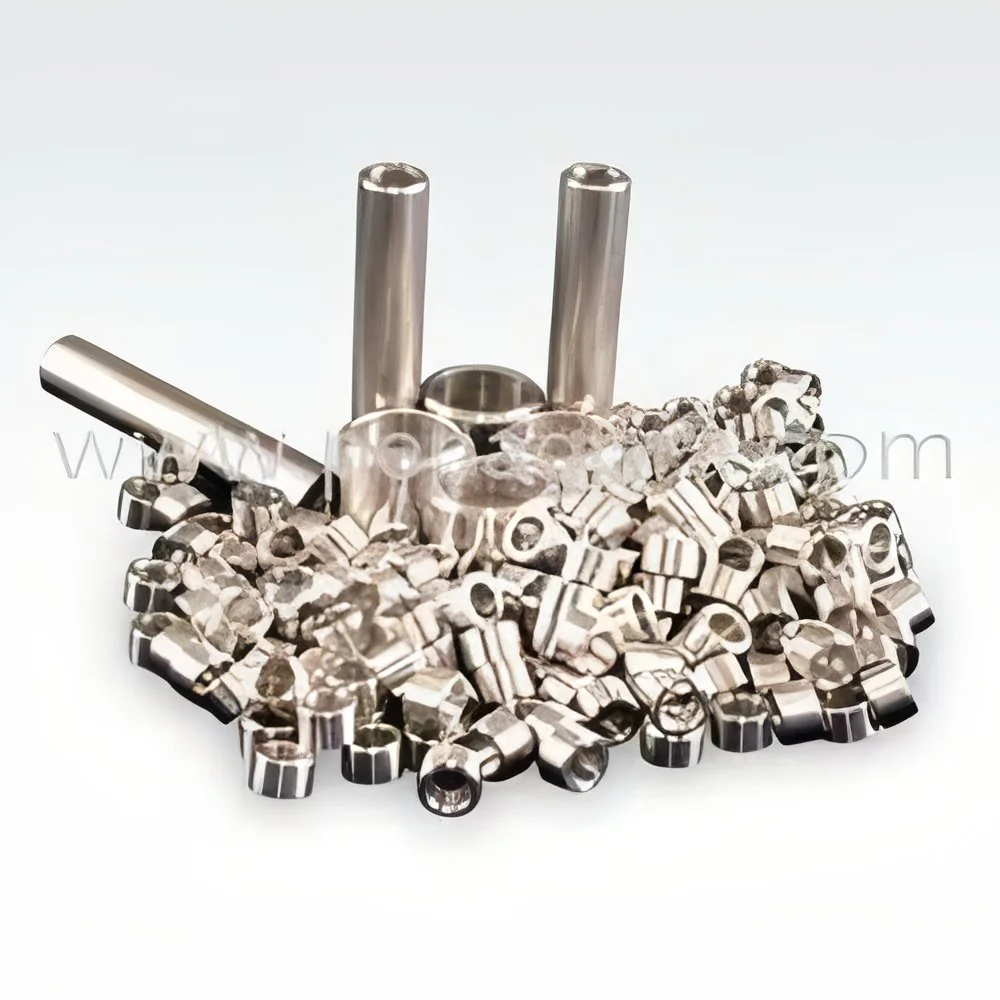
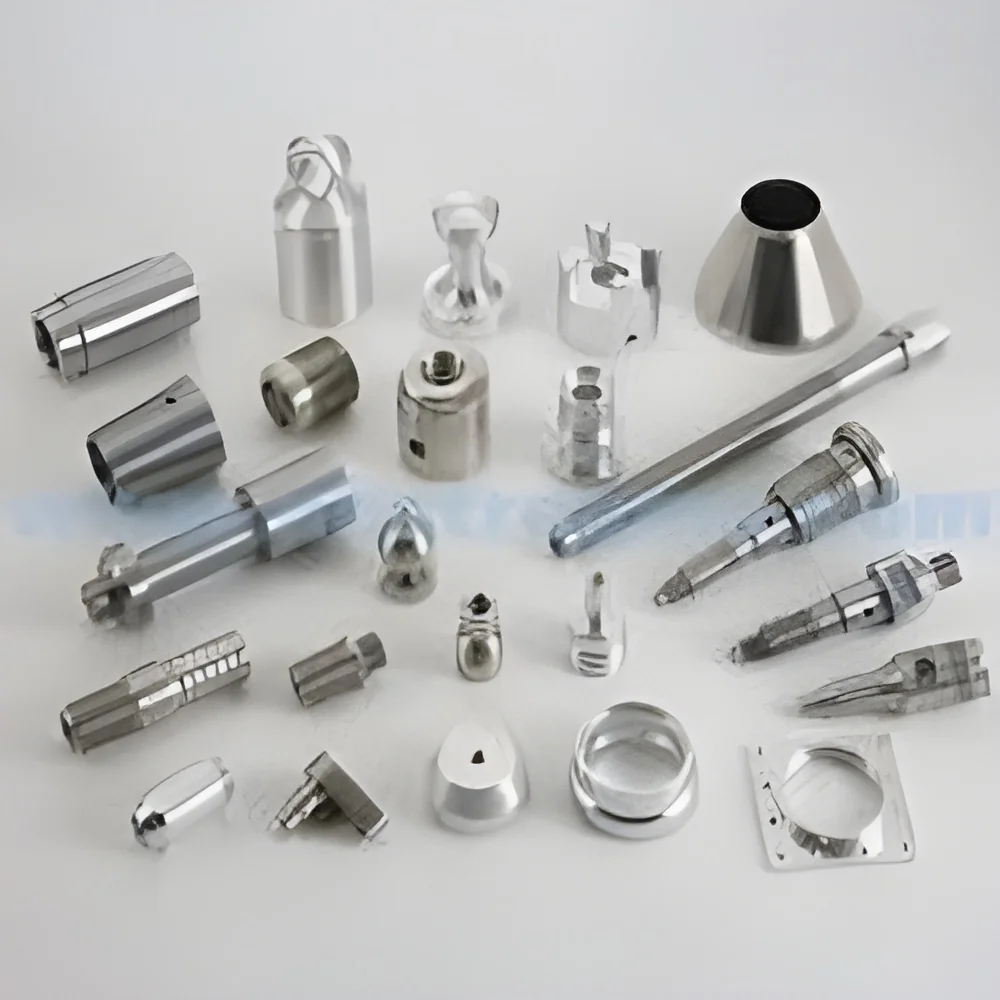
Precision machined metal parts are used in high-performance applications. This variant allows for tight tolerances and complex geometries, making it ideal for aerospace and automotive industries.
Benefits and Advantages
Custom metal fabrication offers several key benefits for businesses.
1. Customization: Tailored solutions meet specific project requirements, enhancing functionality and performance.
2. Quality Assurance: High-quality materials and processes ensure durability and reliability in various applications.
3. Flexibility: Fabricators can accommodate changing needs, allowing for adjustments in design and specifications as projects evolve.
4. Cost Efficiency: Custom fabrication can reduce waste and optimize material usage, leading to cost savings in the long run.
5. Speed of Production: Advanced fabrication techniques can accelerate manufacturing timelines, helping businesses meet project deadlines.
6. Expertise: Working with experienced fabricators provides access to technical expertise and guidance, ensuring successful project outcomes.
Buying Guide for B2B Buyers
When sourcing custom metal fabrication, several factors should be considered to ensure successful procurement.
1. Quality Assessment: Evaluate the quality of materials and fabrication processes. Look for certifications and standards that indicate reliability and excellence.
2. Supplier Verification: Vet potential suppliers by checking references, reviewing past projects, and assessing their production capabilities.
3. Pricing and MOQ: Understand the pricing structure and minimum order quantities. This information will help in budgeting and planning.
4. Delivery and Lead Times: Discuss logistics and expected delivery times to ensure alignment with project timelines.
5. Compliance Requirements: Ensure that your suppliers meet relevant industry standards and regulatory requirements, which can vary by region and application.
Compliance and Certifications
Custom metal fabrication must adhere to various quality standards and certifications to ensure safety and reliability.
ISO 9001 is a widely recognized standard that outlines requirements for a quality management system. It helps ensure that manufacturers consistently provide products that meet customer and regulatory requirements.
CE marking signifies that a product meets European safety, health, and environmental protection standards. This certification is crucial for products sold within the European market.
Manufacturers may also need to comply with industry-specific safety and testing requirements. This includes assessments for durability, performance, and environmental impact.
Regionally, compliance considerations may vary. It's important to understand local regulations and standards that apply to the specific markets where products will be used.
Why Source Custom Metal Fabrication from Pepagora?
Pepagora offers a trusted platform for sourcing custom metal fabrication, providing several advantages for businesses.
Verified Supplier Network: Pepagora connects buyers with a network of verified suppliers. This ensures that businesses can find reliable partners who meet their quality and production standards.
Streamlined RFQ Process: The request for quotation (RFQ) process on Pepagora is designed to be efficient. Buyers can submit their specifications and receive competitive quotes from multiple suppliers quickly.
Trade Assurance and Support: Pepagora provides buyer protection through trade assurance. This support helps ensure that transactions are secure and that buyers can trust their suppliers.
Regional Coverage: Pepagora has a strong presence in regions such as India, the GCC, and Southeast Asia. This geographic reach allows businesses to find local suppliers who understand regional market needs and can deliver tailored solutions.

 IN
IN