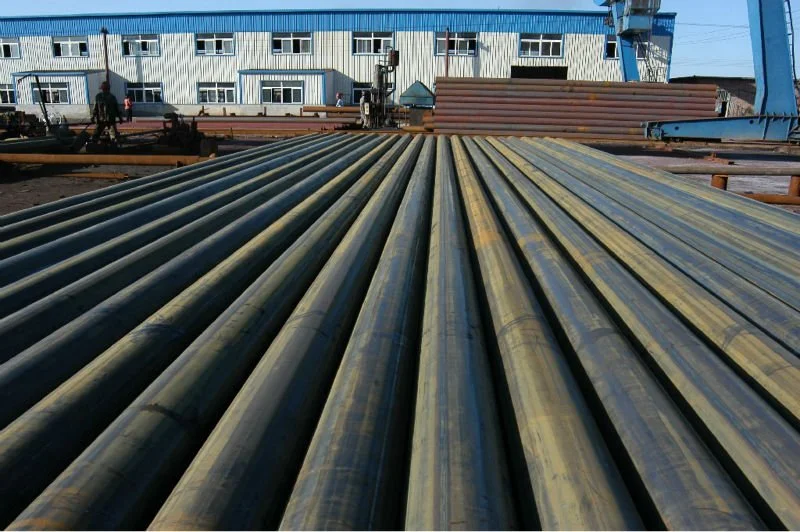
What are Steel Pipes & Tubes?
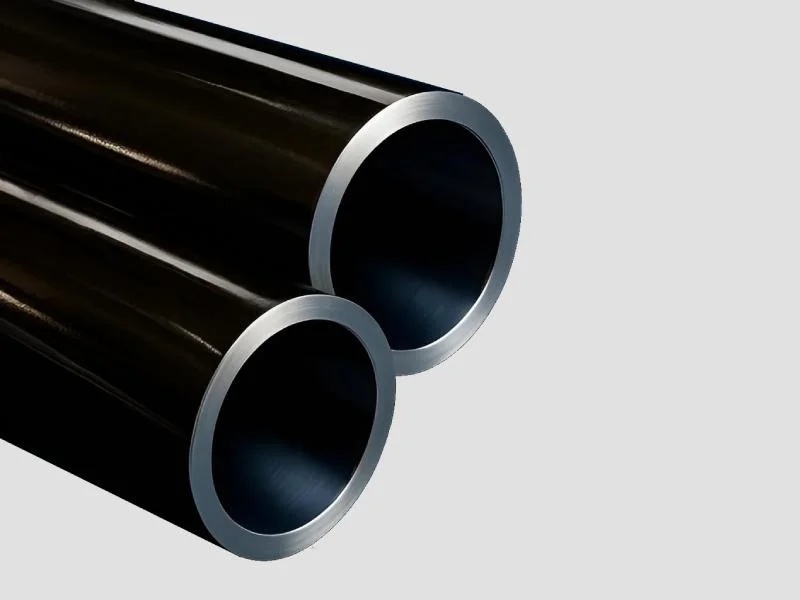
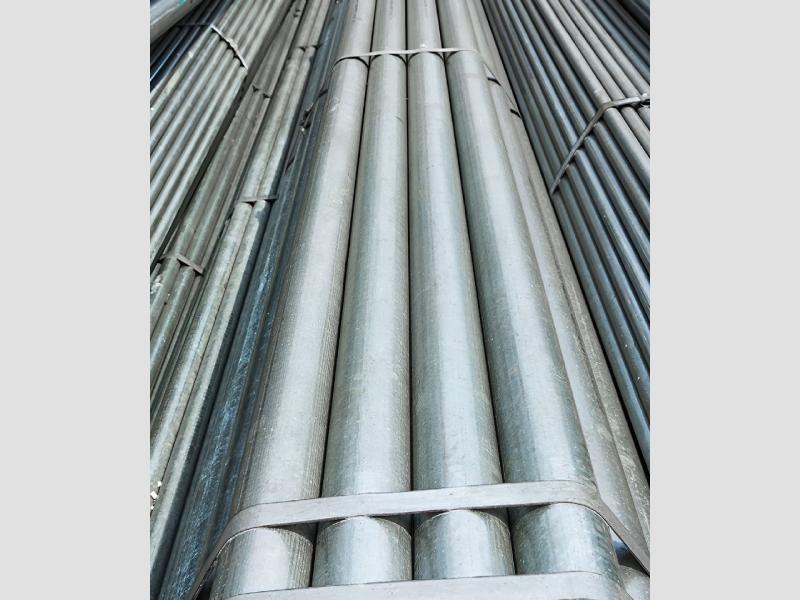
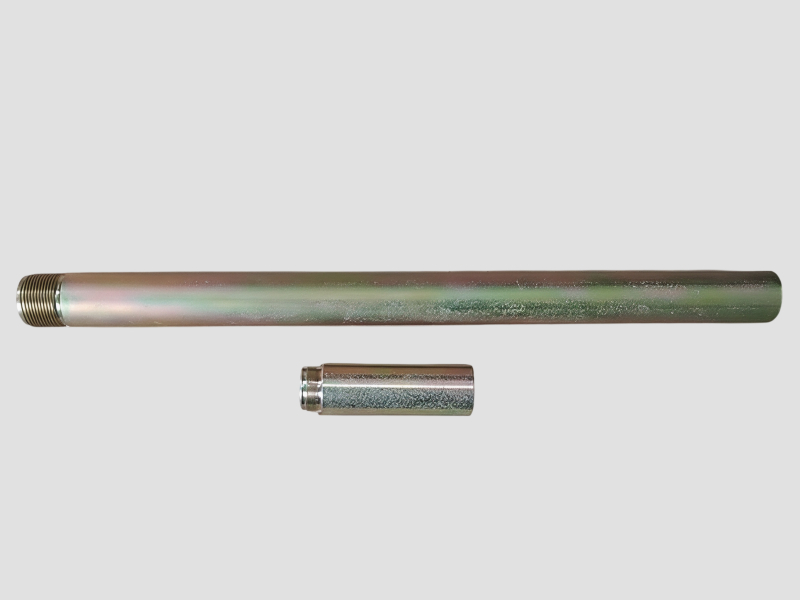
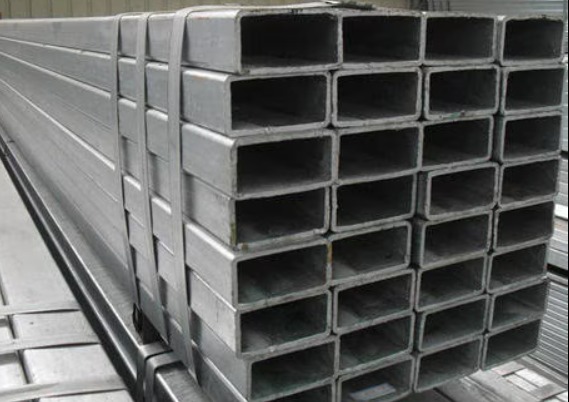
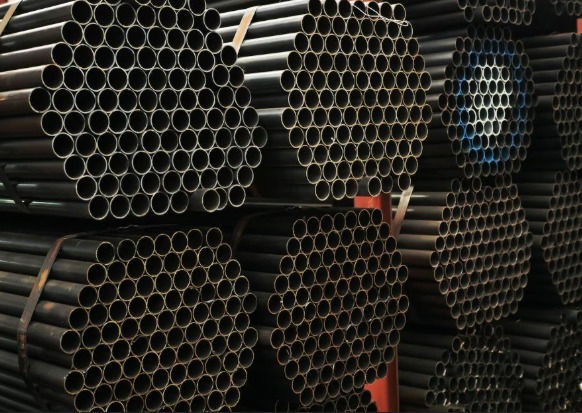
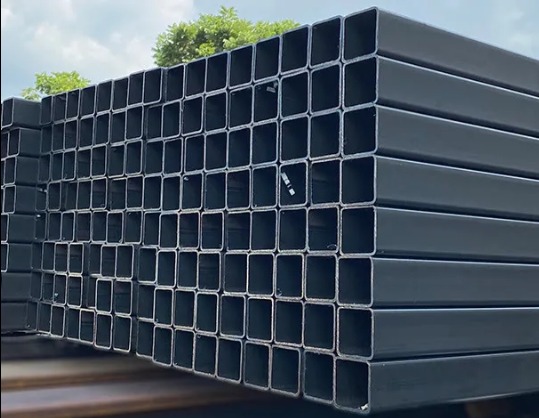
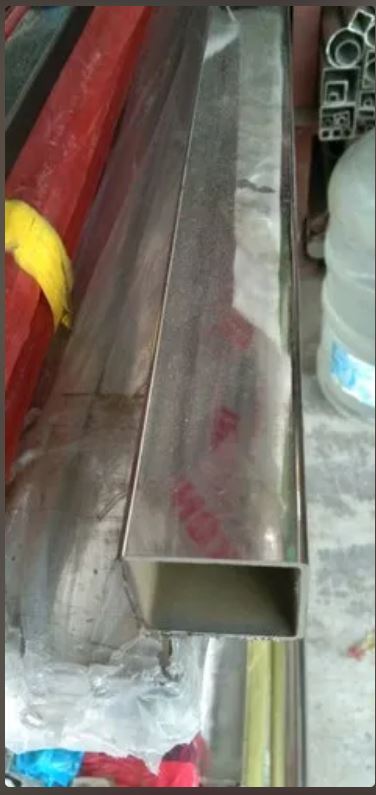
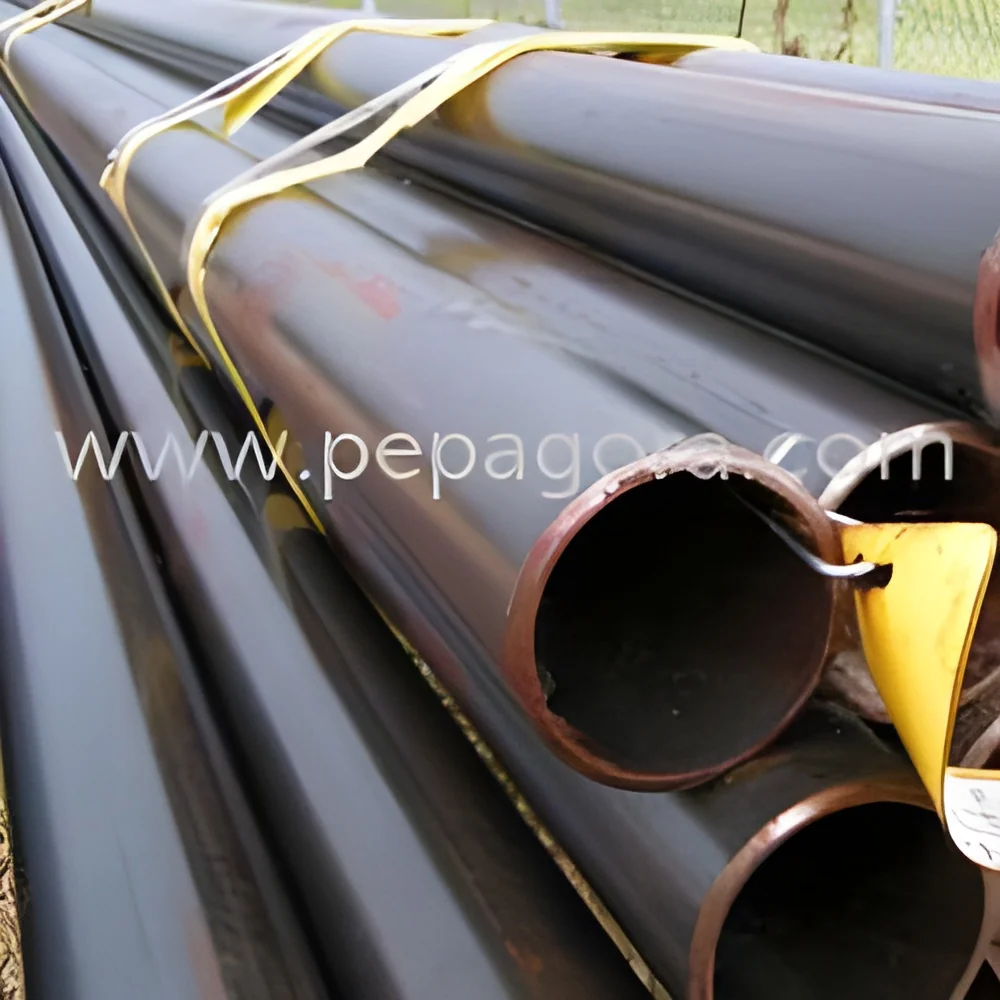
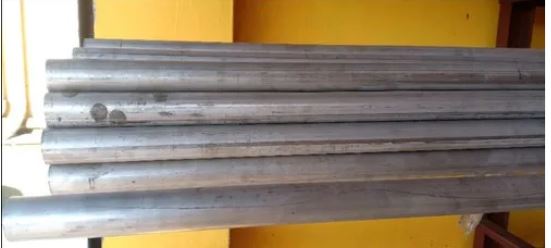
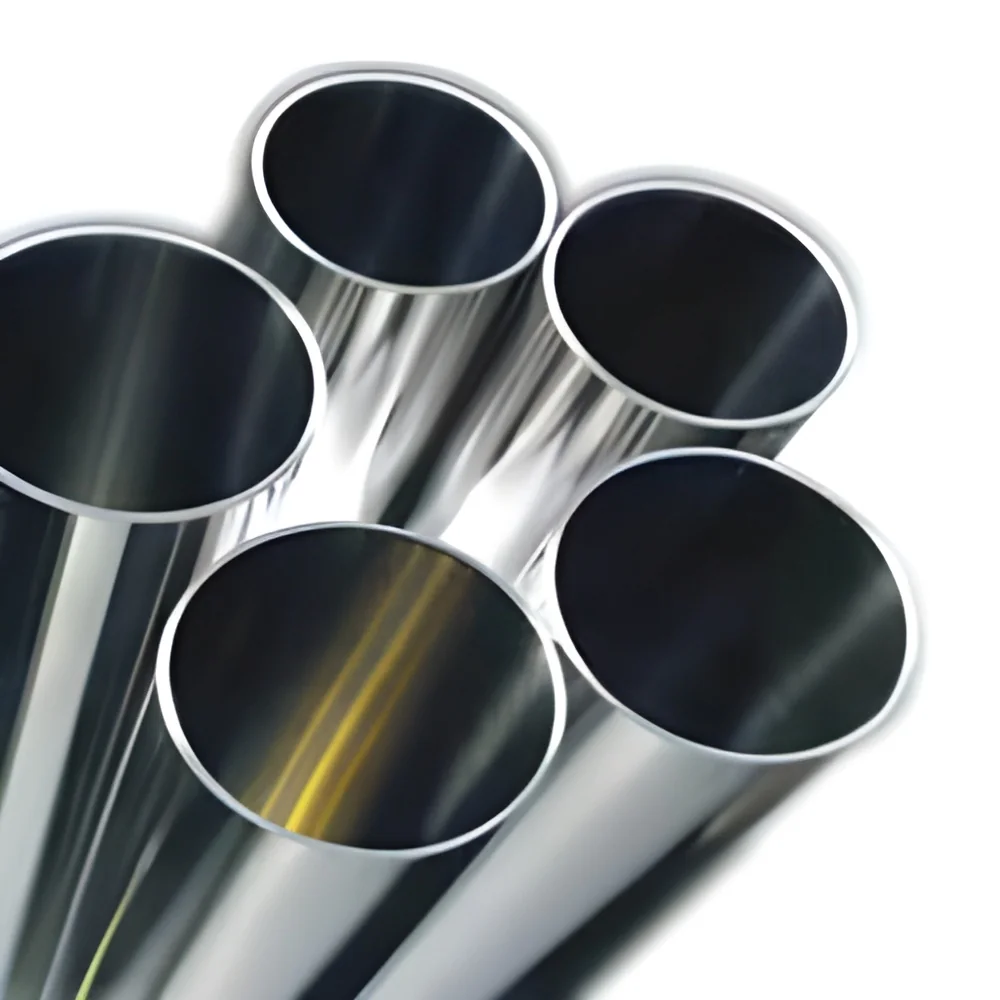
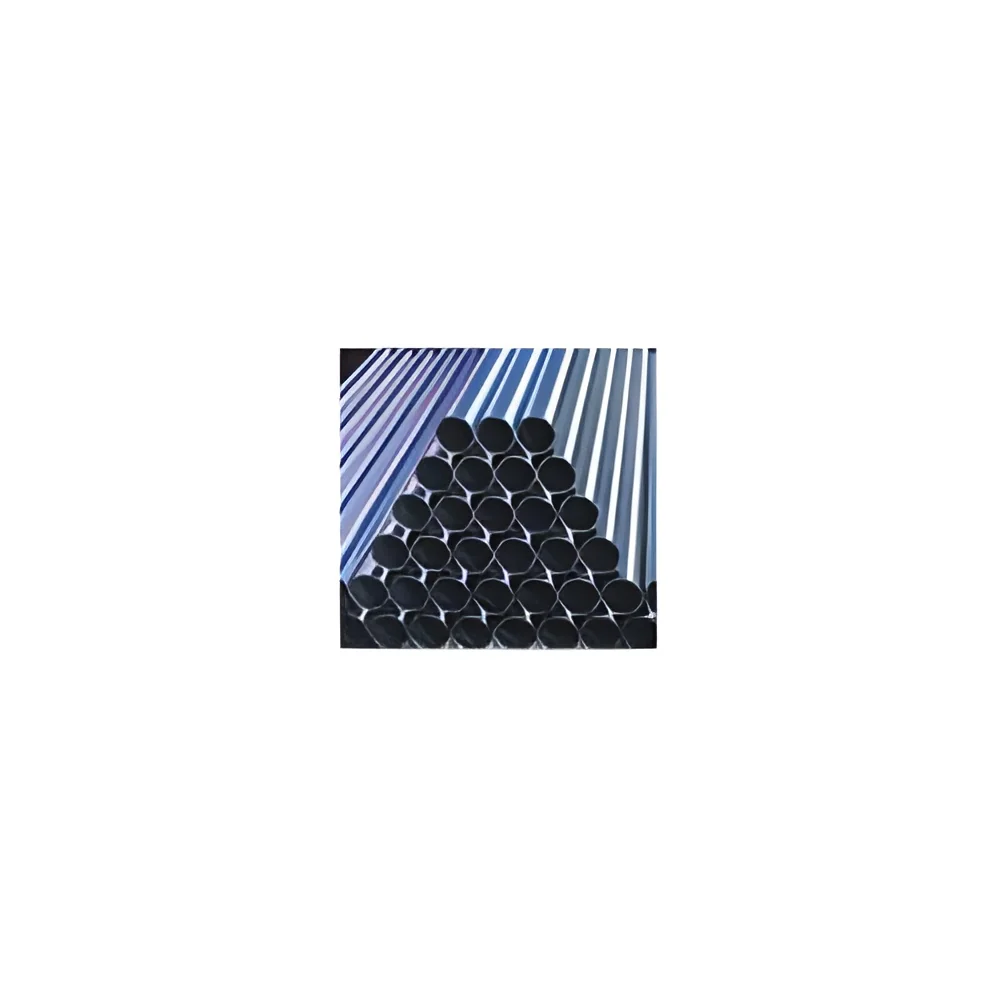
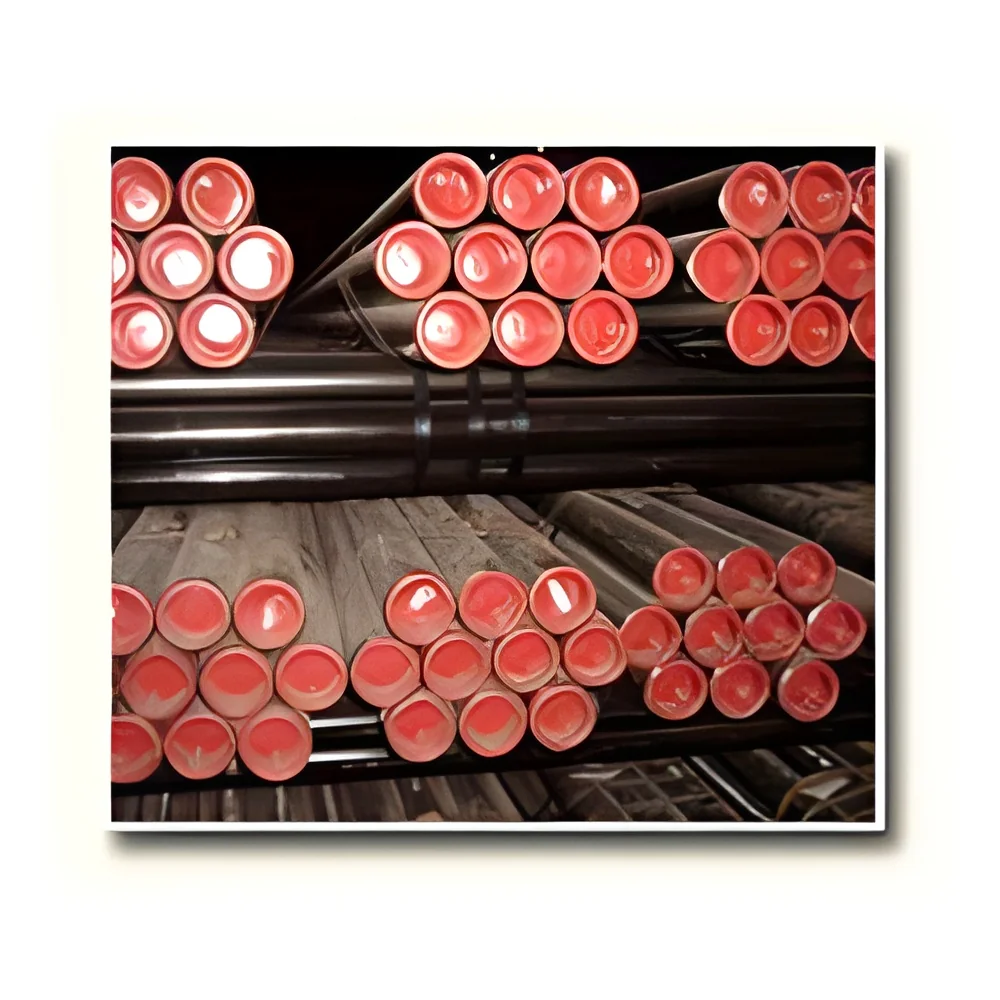
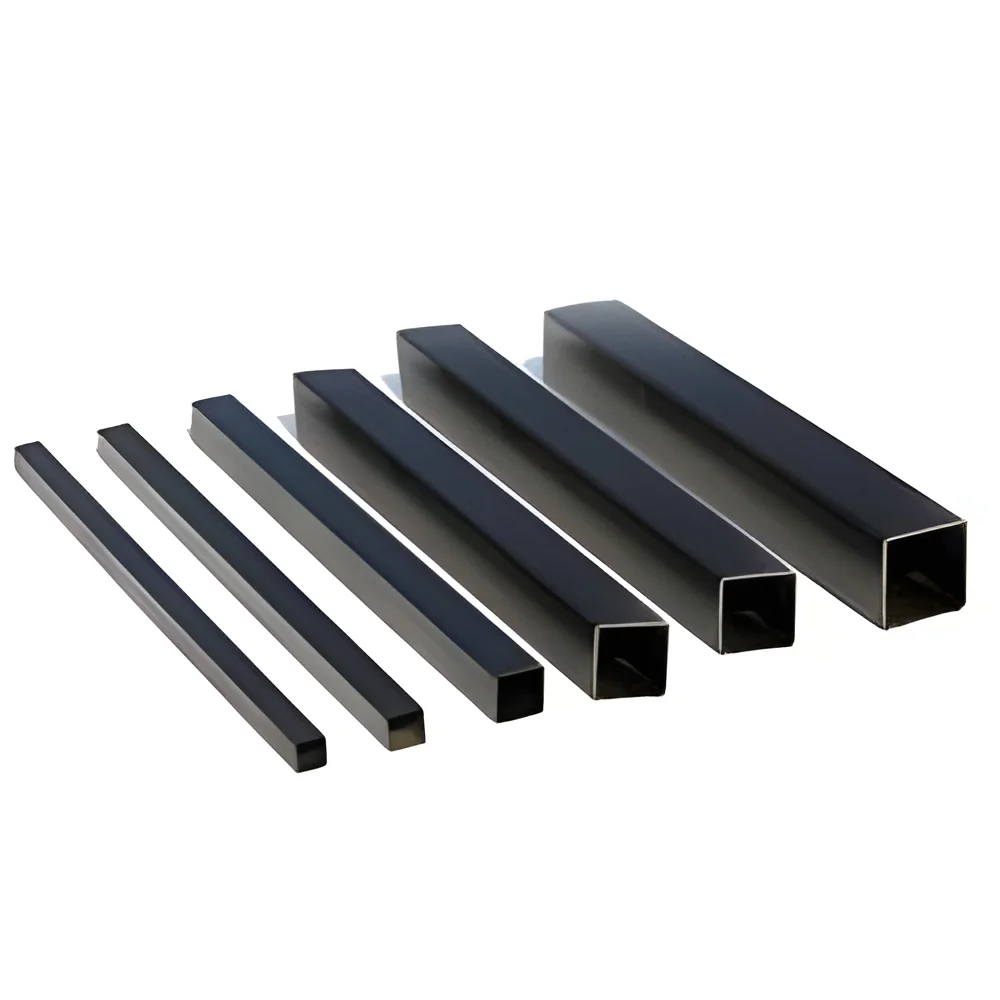
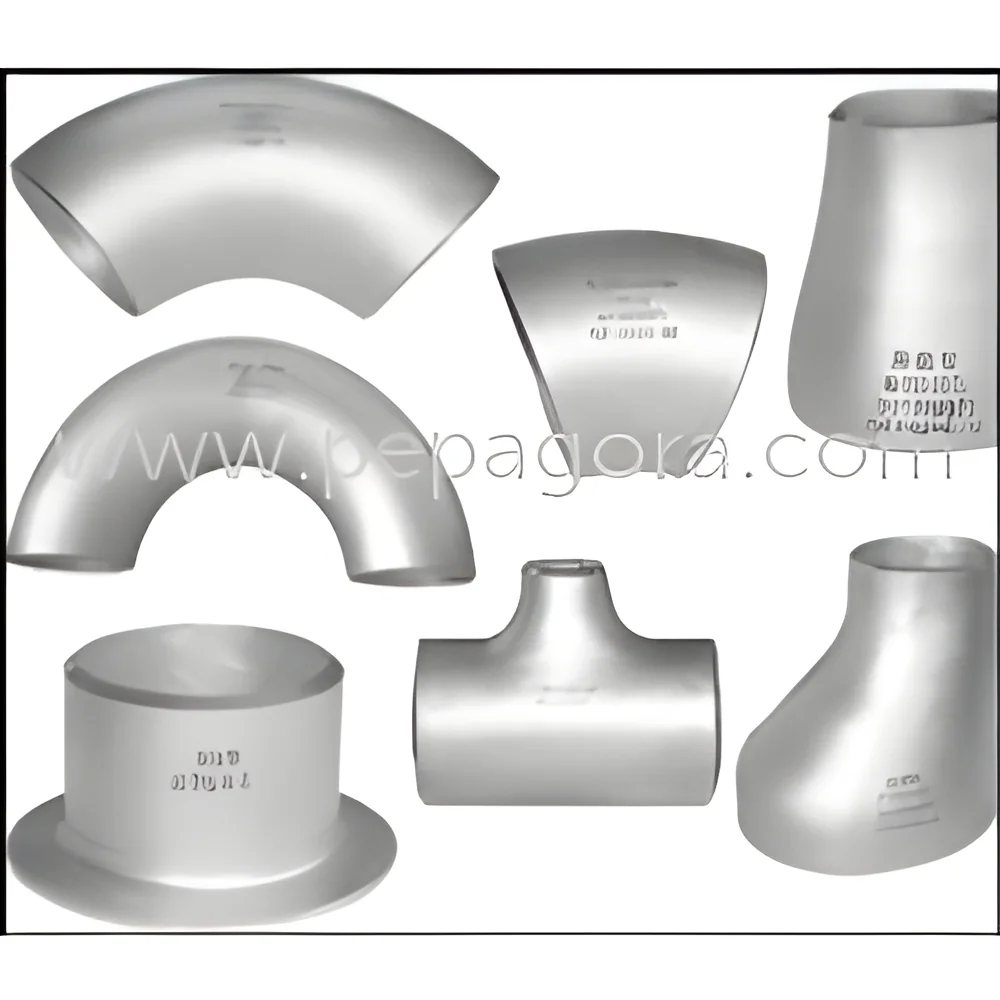
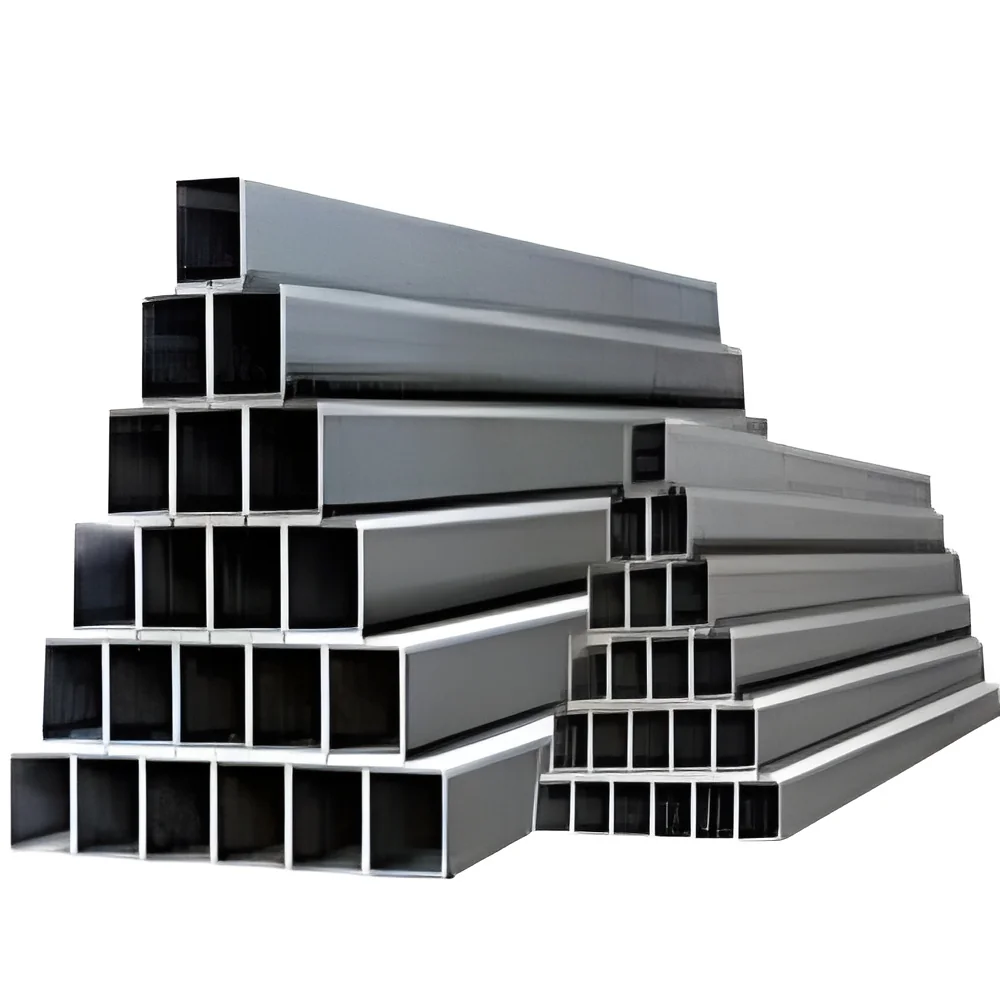
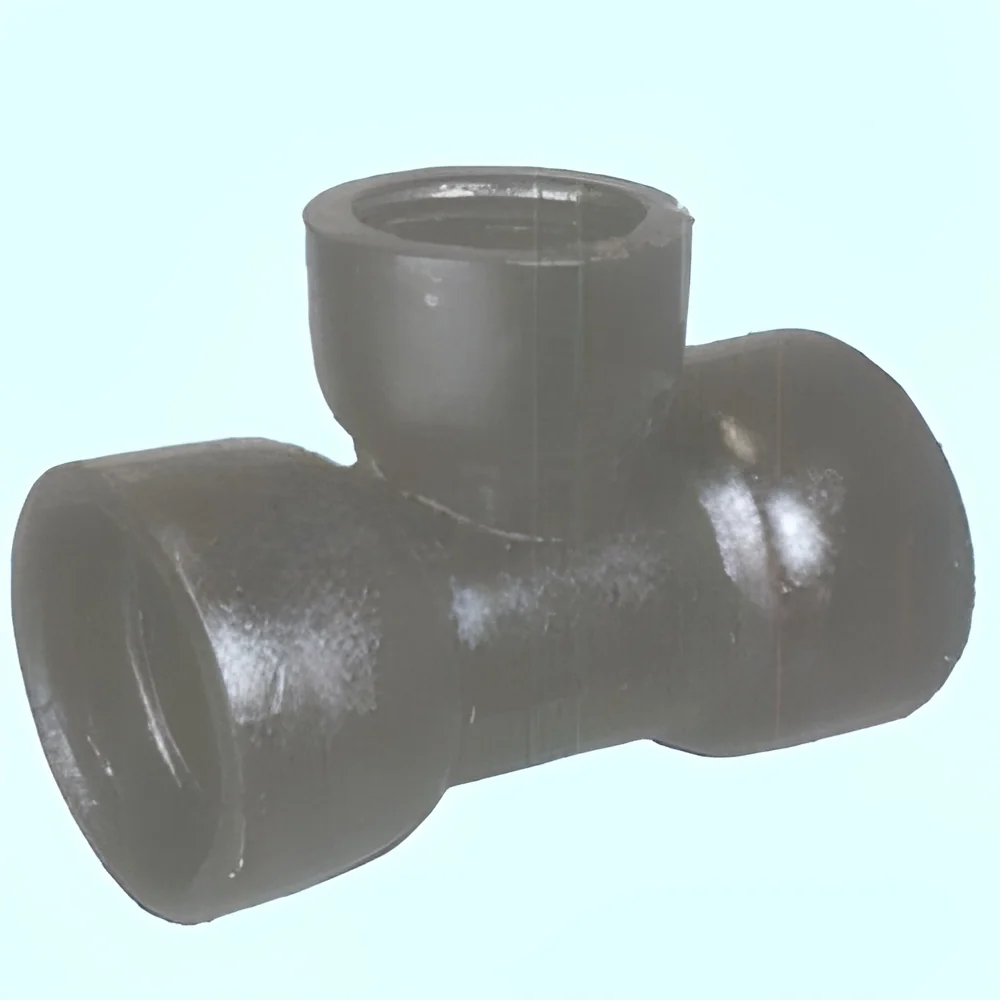
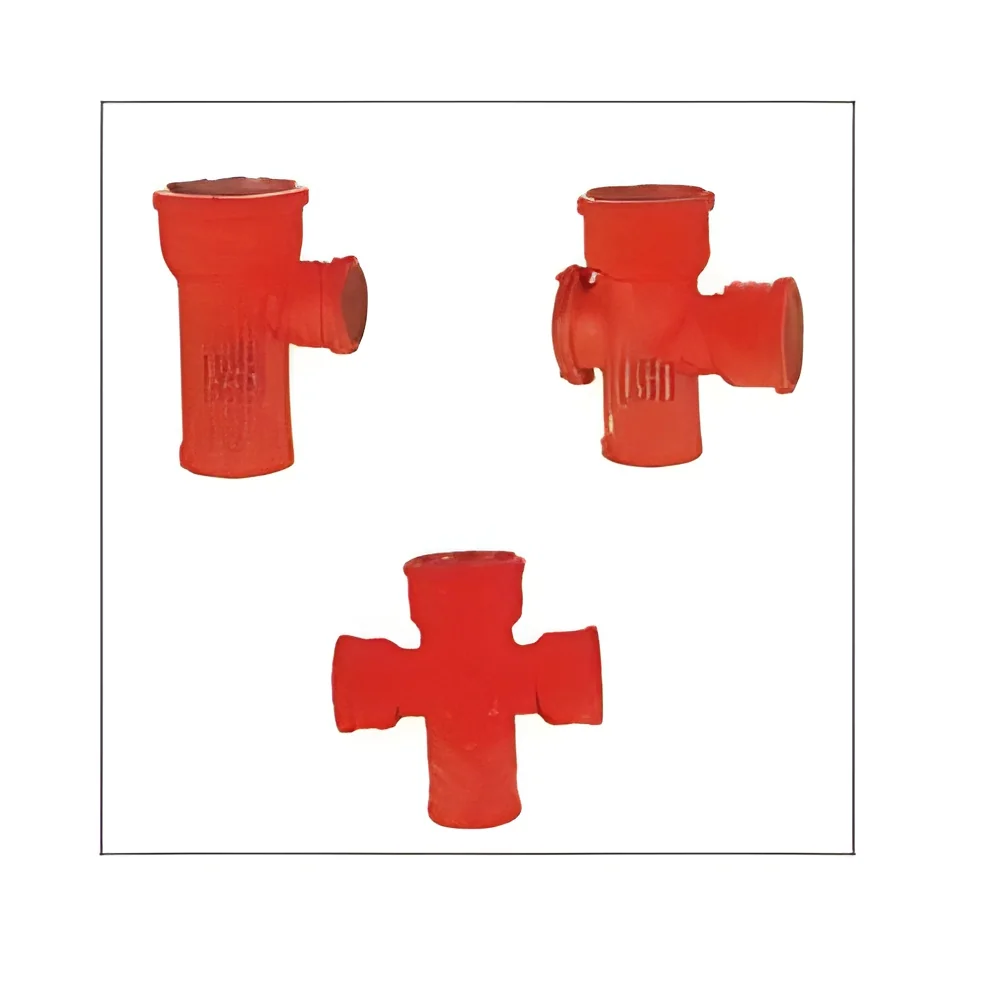
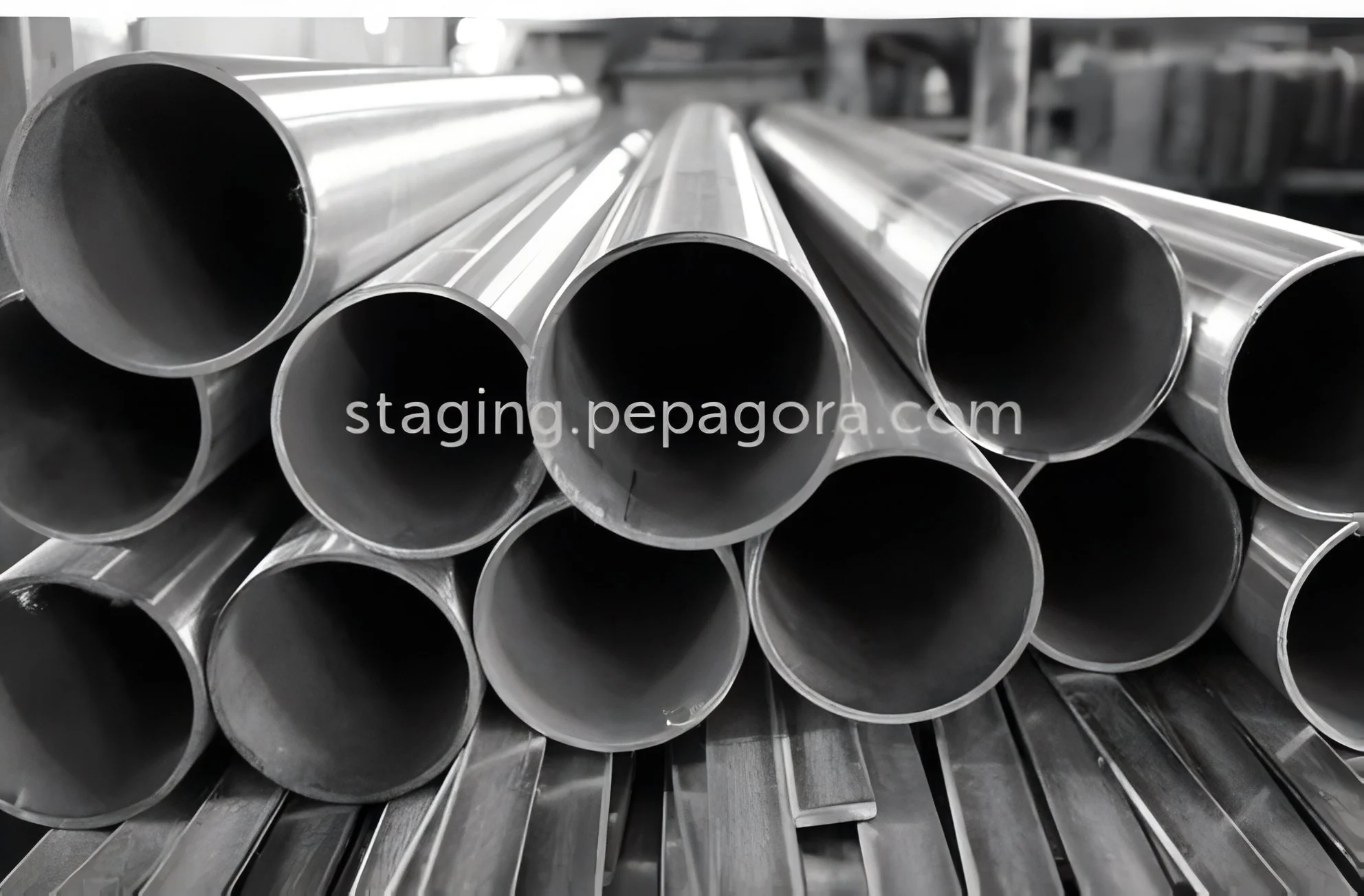
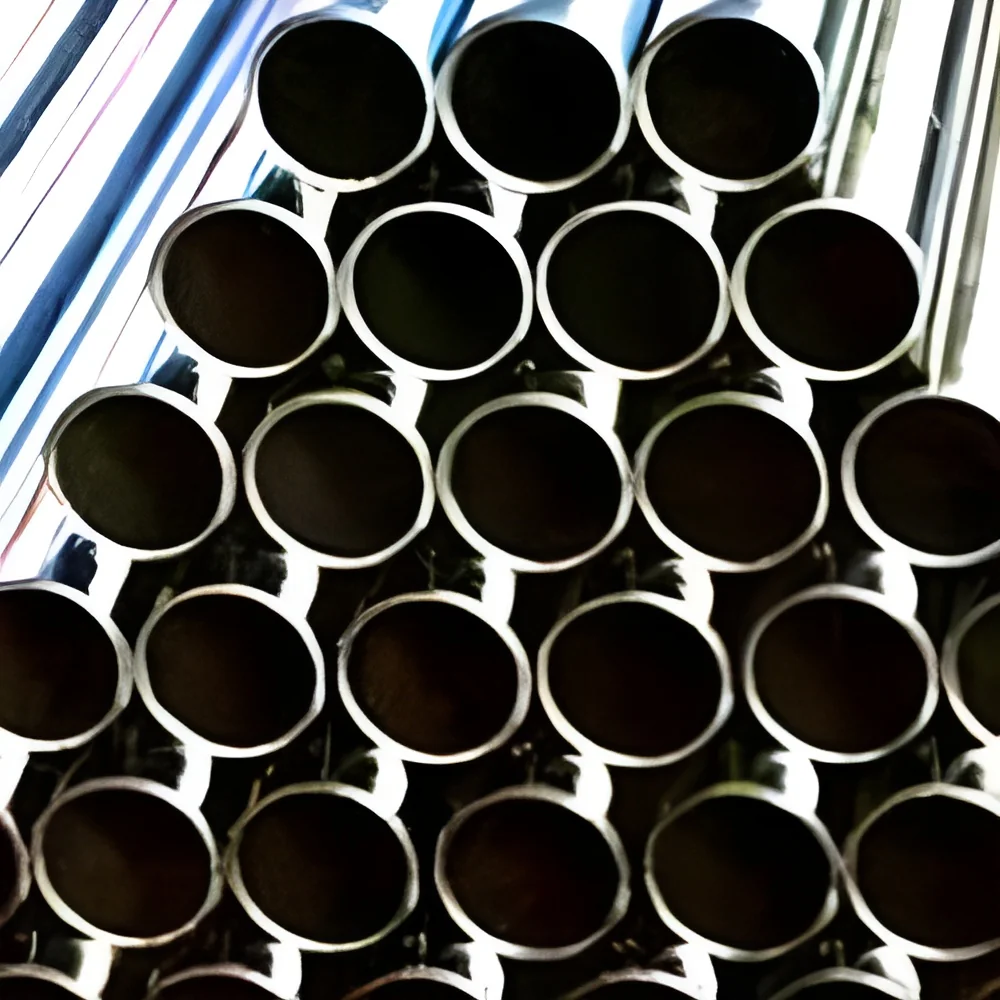
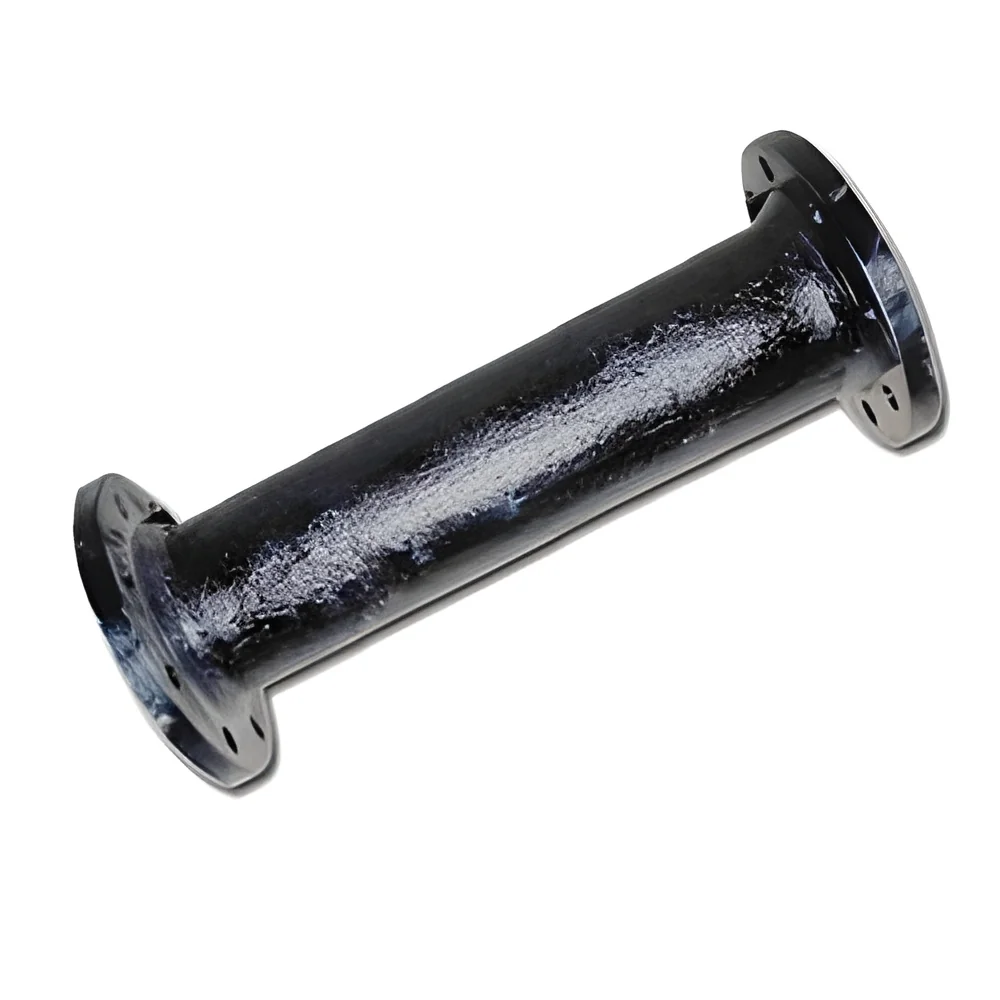
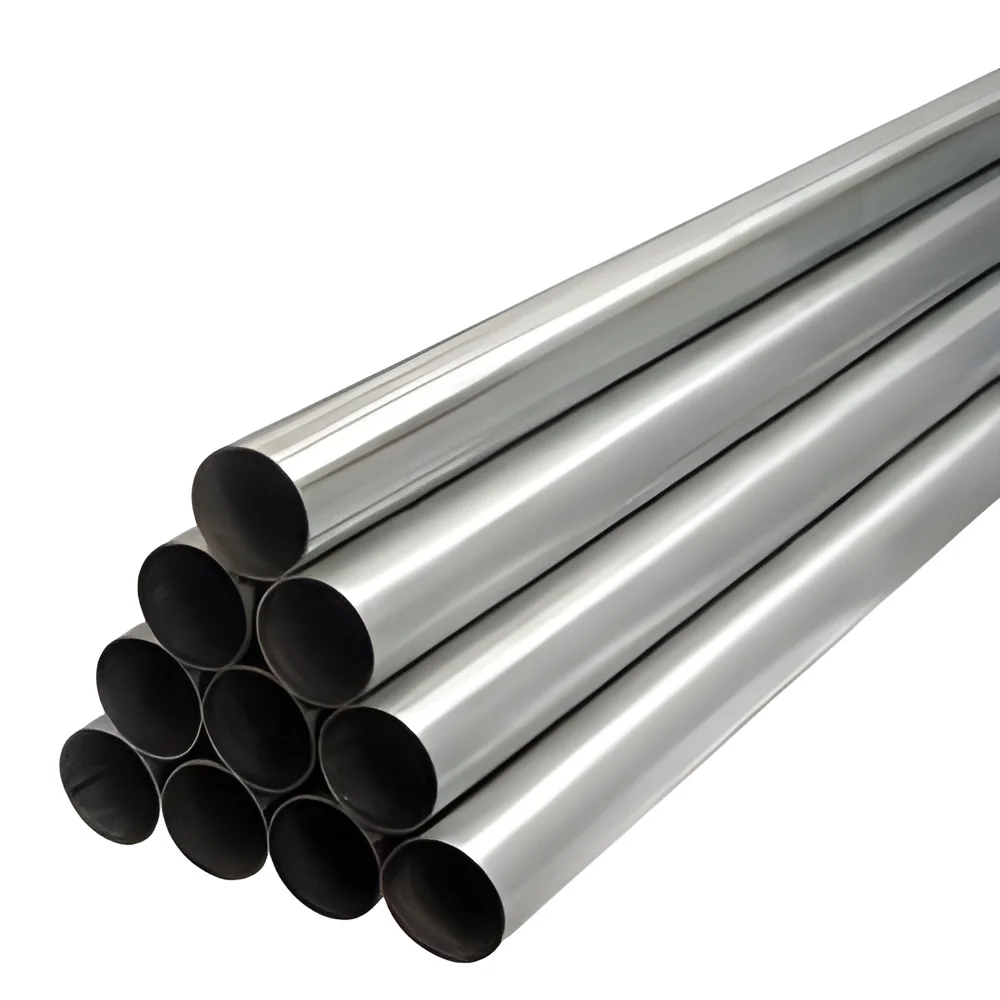
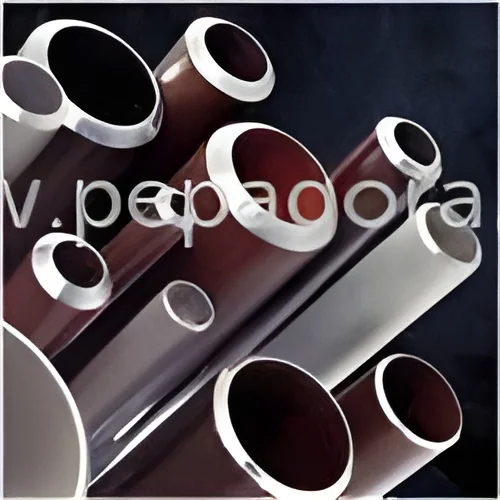
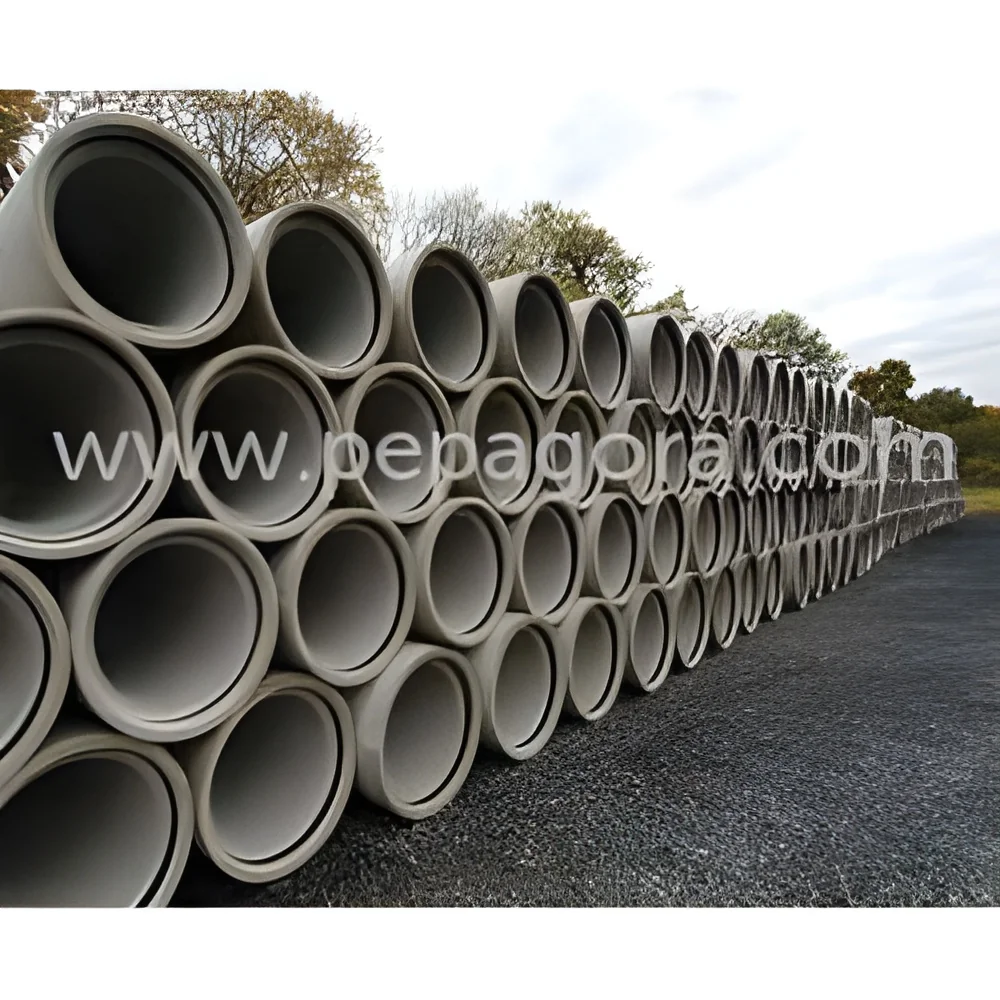
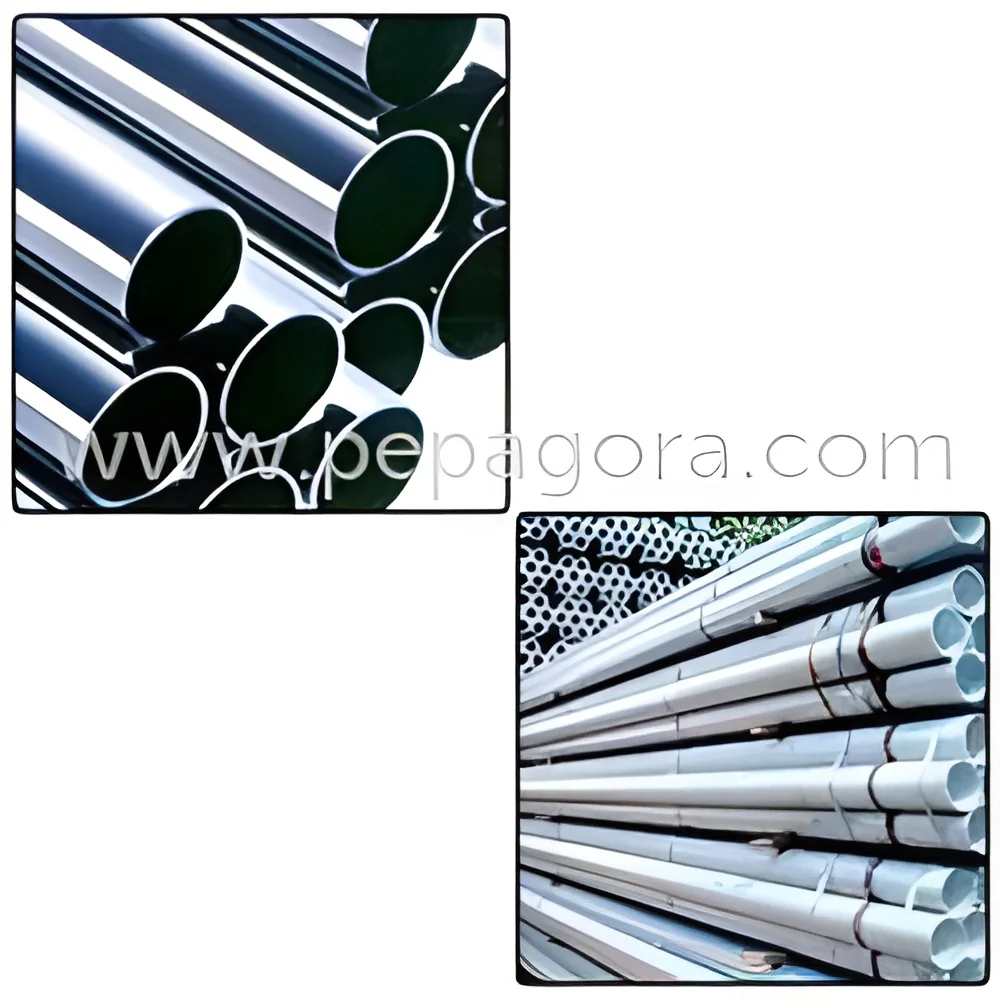
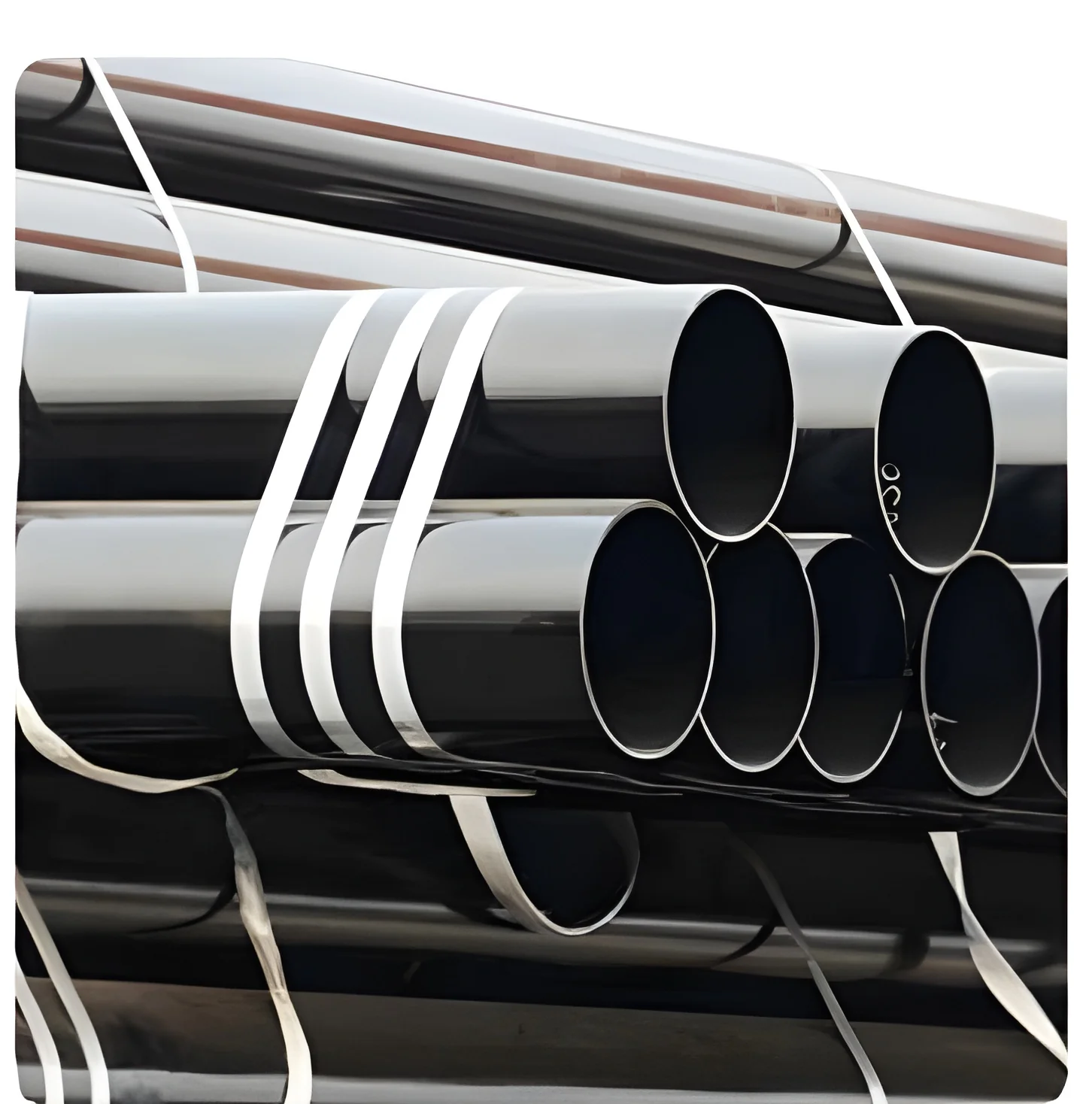
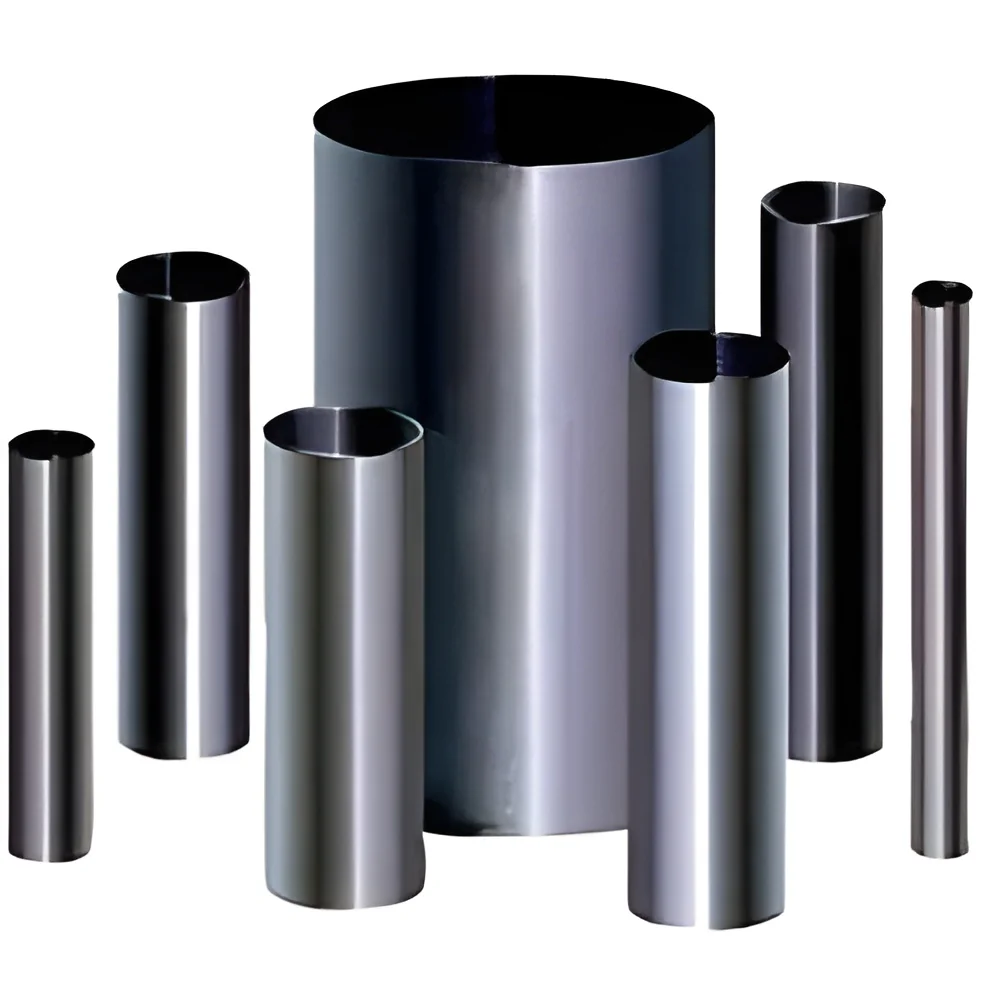
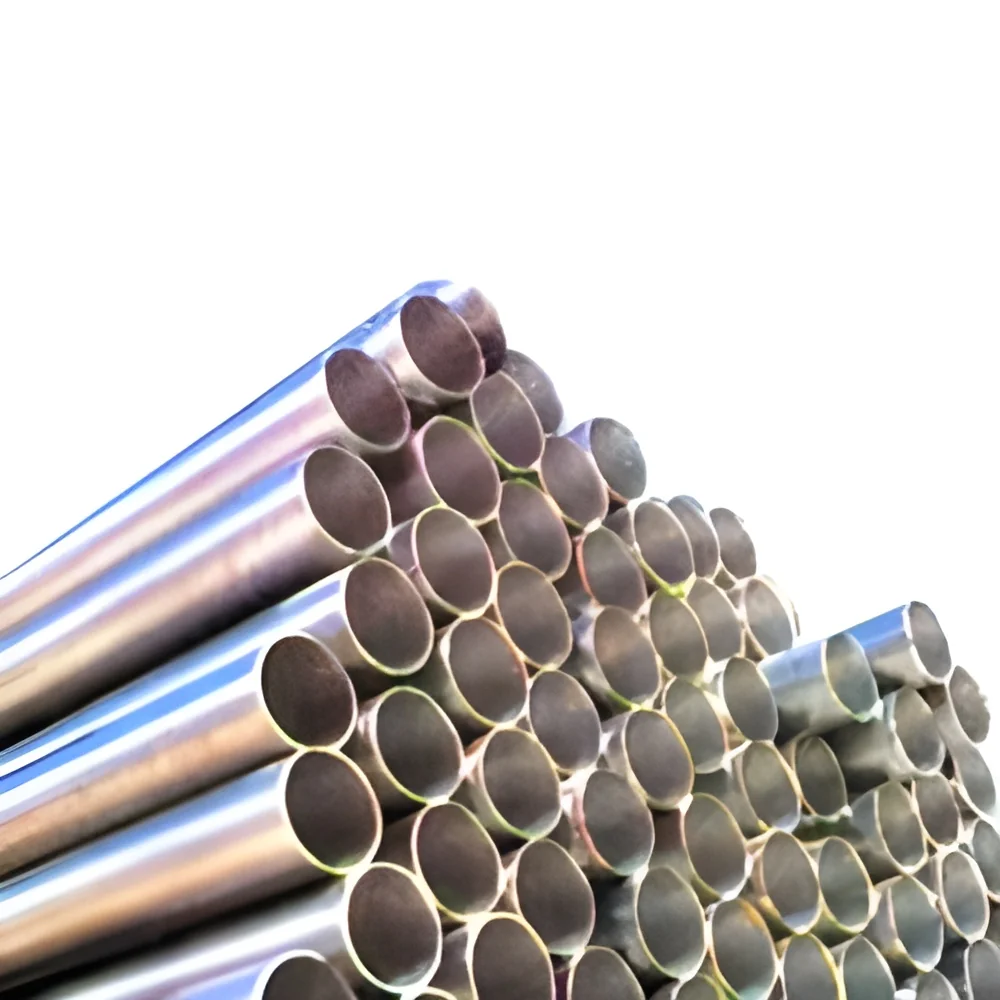
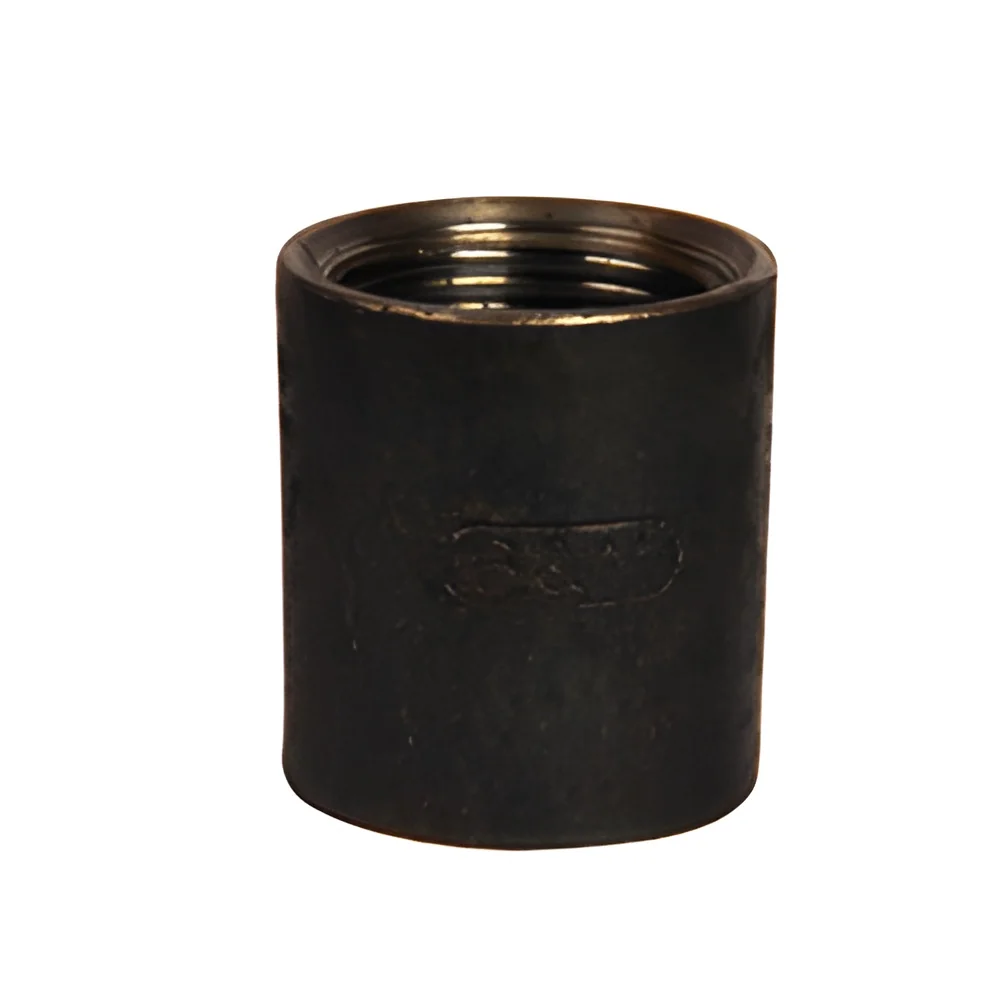
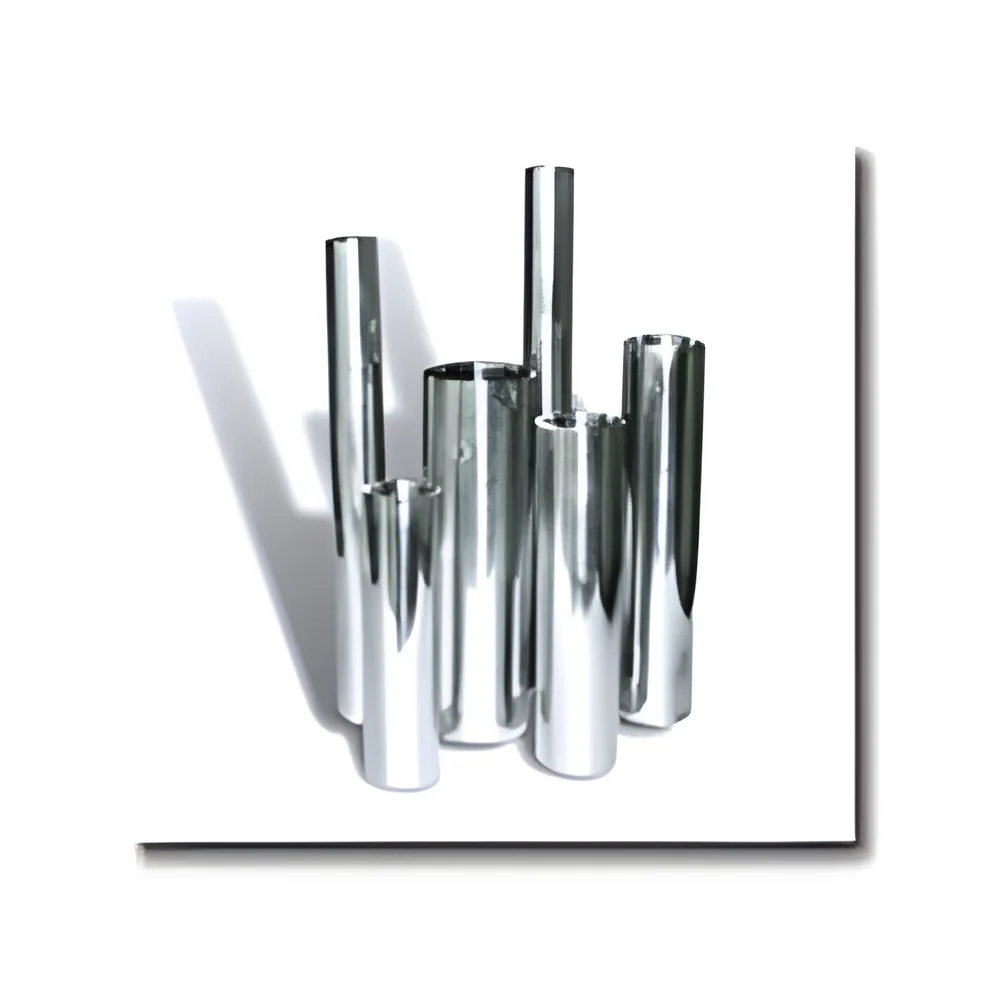
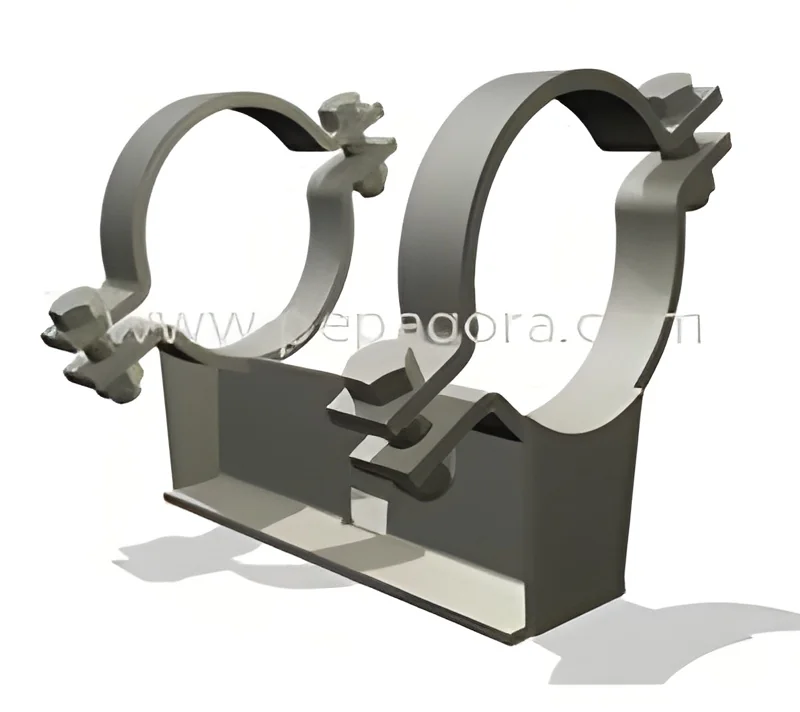
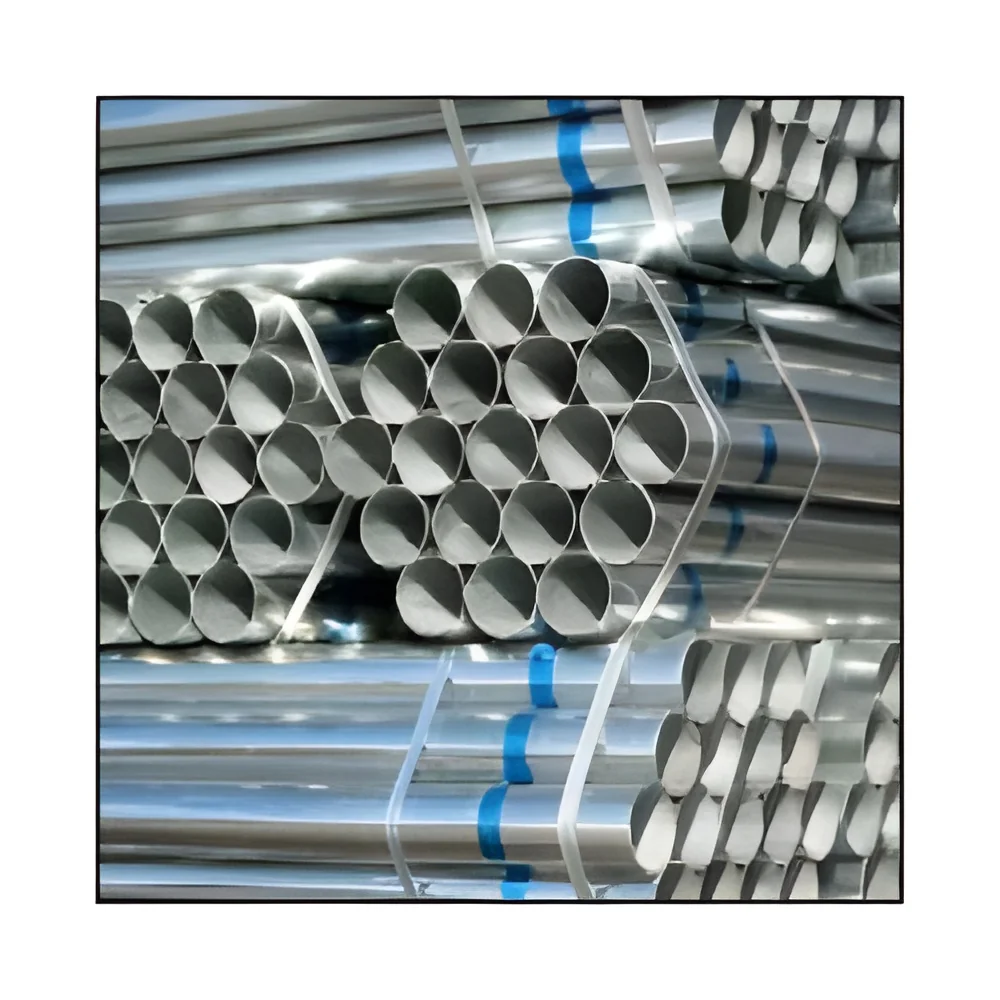
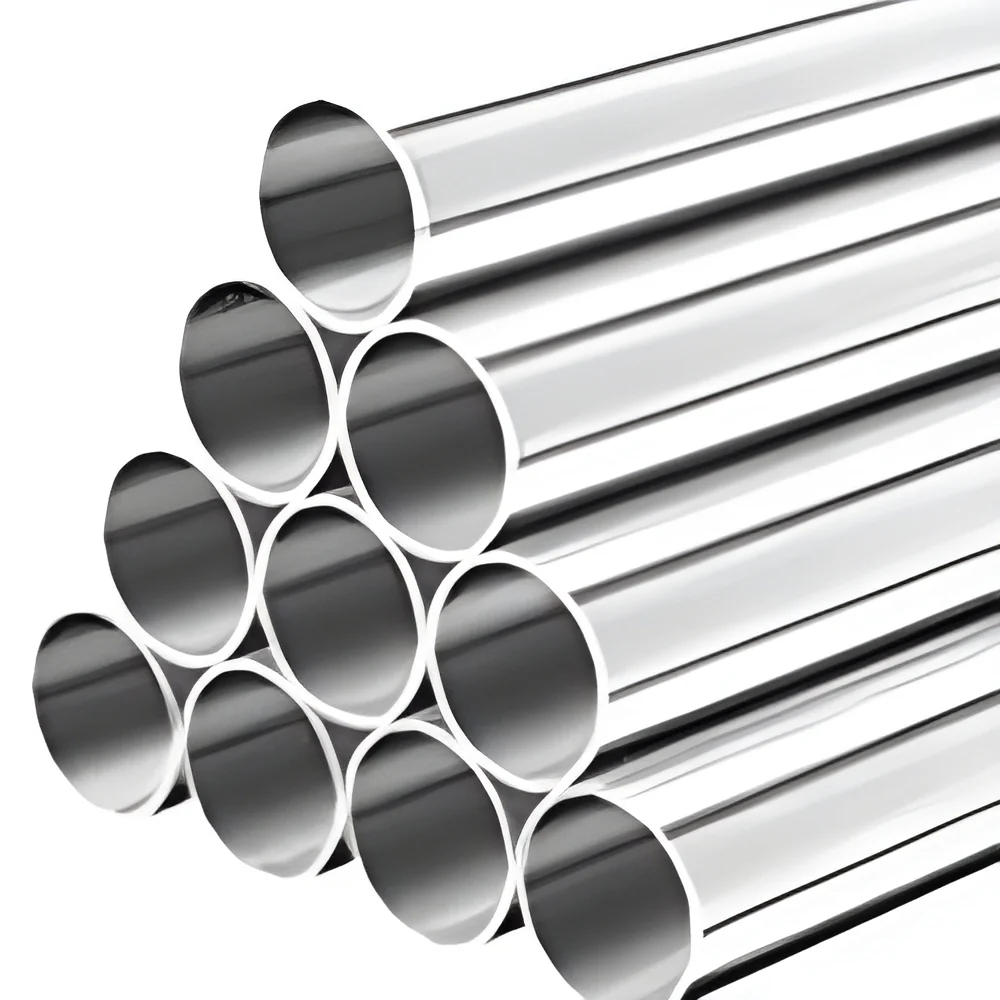
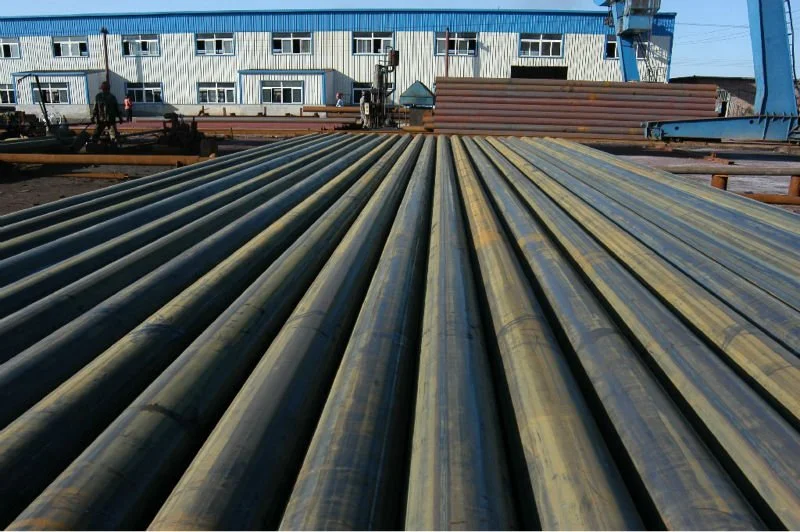
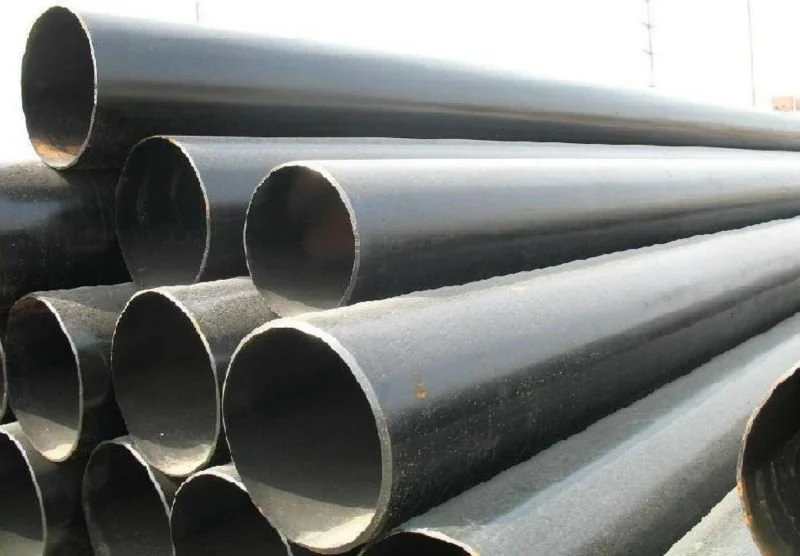
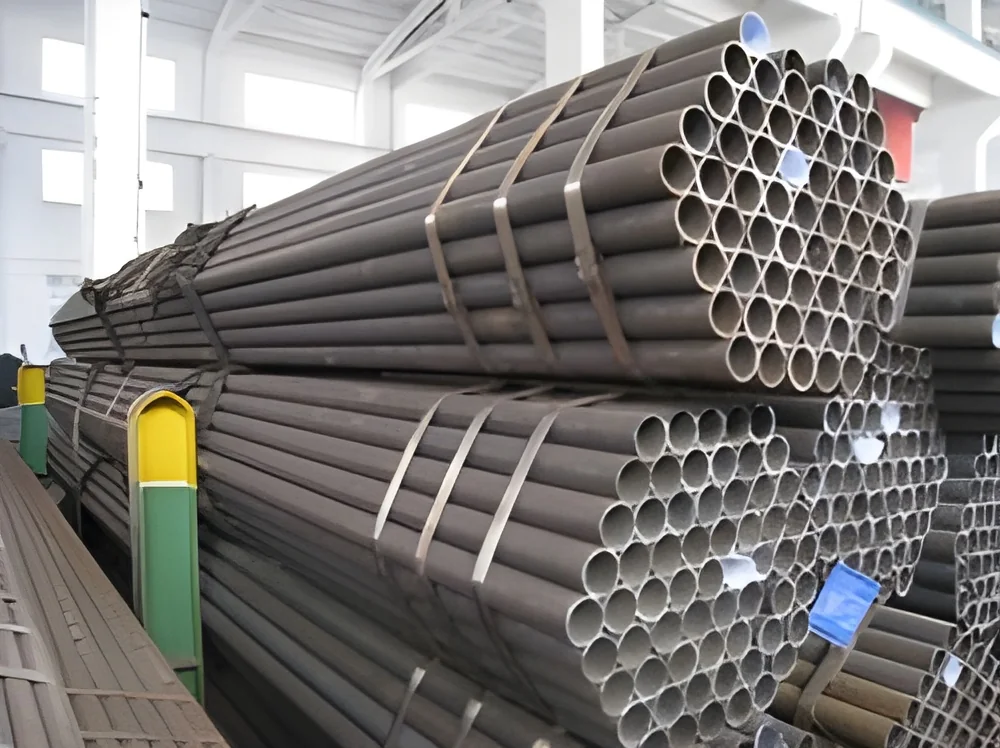
Steel pipes and tubes are cylindrical structures made from steel, designed for various applications in construction, manufacturing, and transportation. They are typically produced in a variety of sizes, thicknesses, and grades to meet specific engineering requirements. Steel pipes are often used for transporting fluids and gases, while tubes may serve structural purposes or be used in machinery.
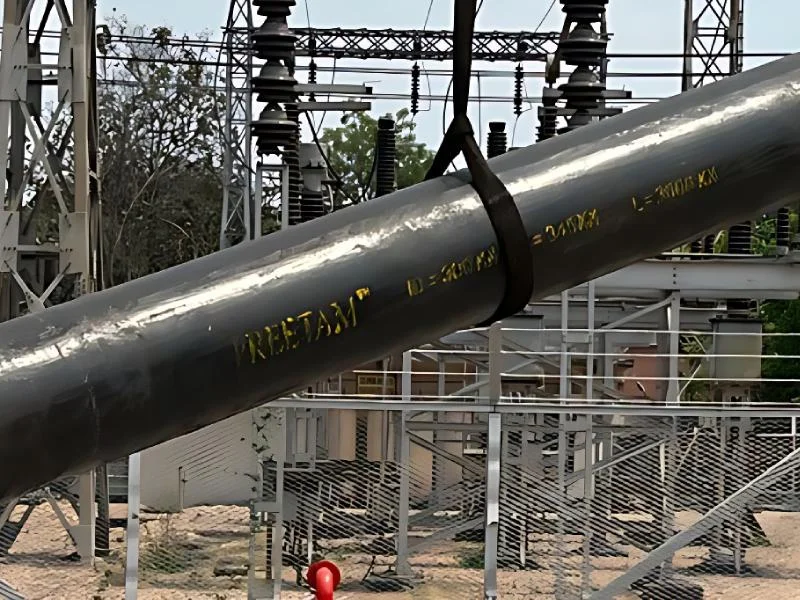
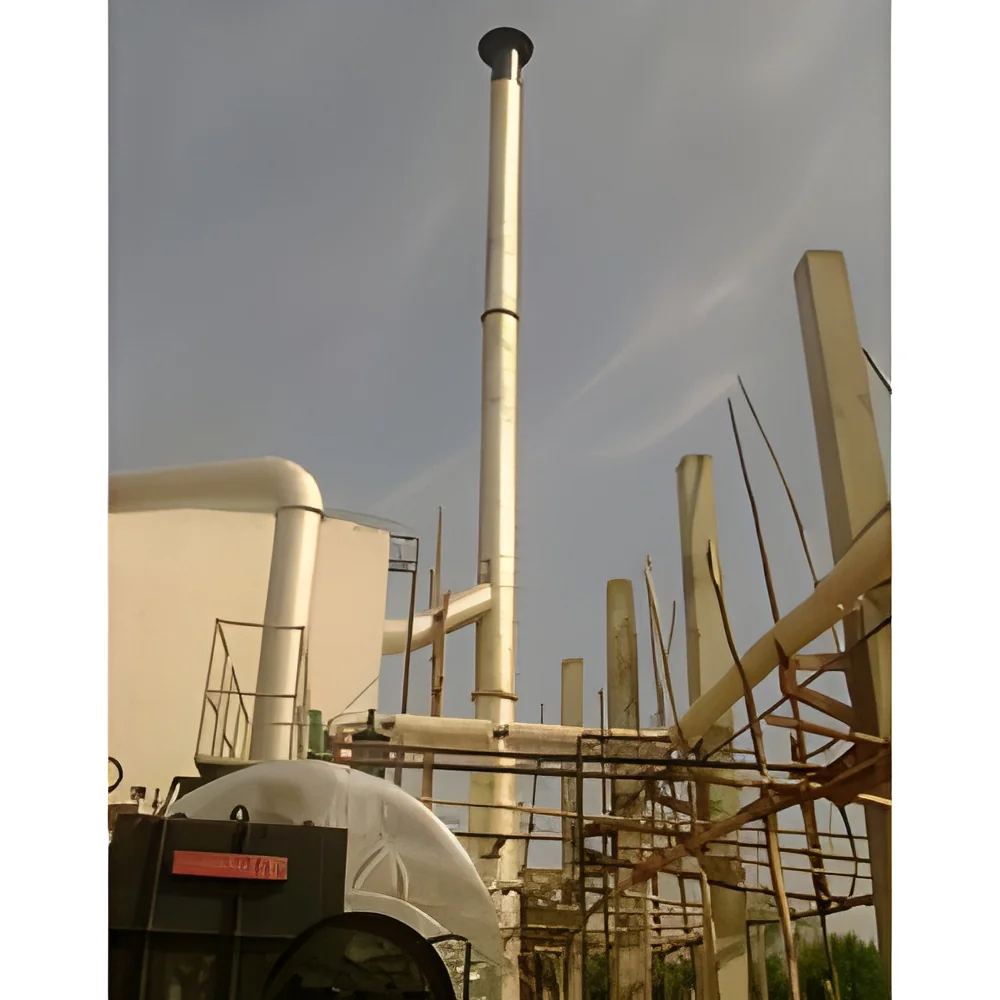
The primary applications of steel pipes and tubes span across multiple industries. They are essential in the oil and gas sector for transporting hydrocarbons, in construction for structural support, and in manufacturing for various machinery components. Their versatility makes them a vital component in industrial operations. Moreover, the global market for steel pipes is growing due to increasing infrastructure development and rising demand for energy.
Key Features and Specifications
Steel pipes and tubes are characterized by several key features that determine their performance and suitability for various applications. Understanding these specifications is critical for businesses looking to procure the right products for their needs.
Key specifications include:
1. Diameter
- Commonly available in ranges from small diameters of 1 inch to large diameters exceeding 24 inches.
- The diameter influences flow capacity and structural integrity.
2. Wall Thickness
- Varies from thin-walled (1/8 inch) to thick-walled (up to several inches).
- Wall thickness affects strength, weight, and pressure ratings.
3. Material Grade
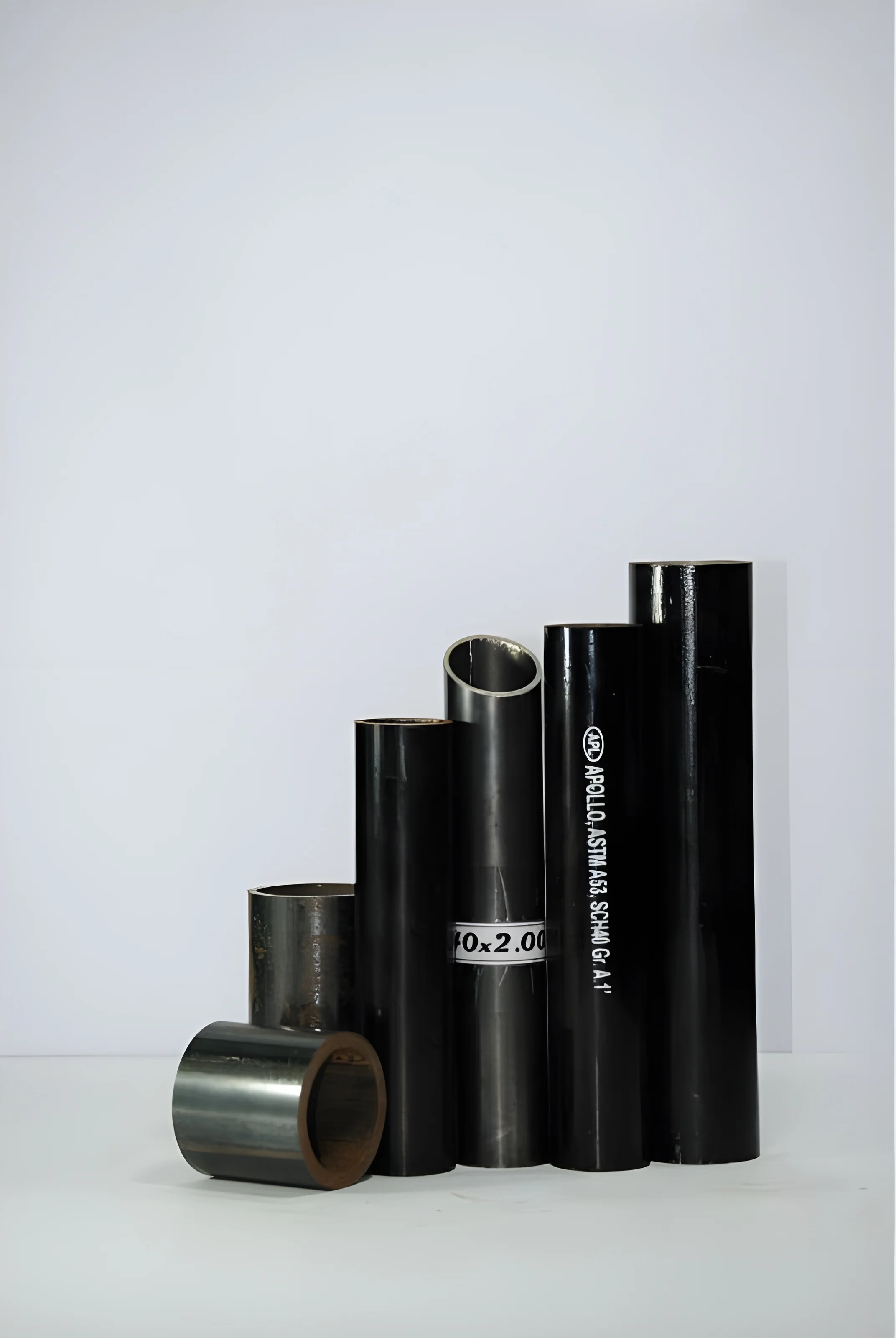
- Includes various grades such as ASTM A53, ASTM A106, and API 5L.
- Different grades offer varying levels of corrosion resistance and strength.
4. Length
- Standard lengths range from 20 to 40 feet, with custom lengths available.
- Length impacts transportability and installation.
5. Coating Options
- Includes galvanized, painted, or uncoated finishes.
- Coatings enhance corrosion resistance and durability.
6. Pressure Rating
- Rated for different pressure levels, such as Schedule 40 or Schedule 80.
- Pressure ratings determine suitability for specific applications.
7. Temperature Resistance
- Designed to withstand specific temperature ranges based on material grade.
- Important for high-temperature applications like oil and gas transport.
8. Compliance Standards
- Must meet industry standards like CE certification and ISO 9001.
- Compliance ensures quality and safety in manufacturing.
In summary, understanding the features and specifications of steel pipes and tubes is essential for making informed purchasing decisions. Proper selection ensures optimal performance in the intended application.
Common Applications and Use Cases
Steel pipes and tubes are utilized across a variety of industries, each with specific applications that highlight their versatility.
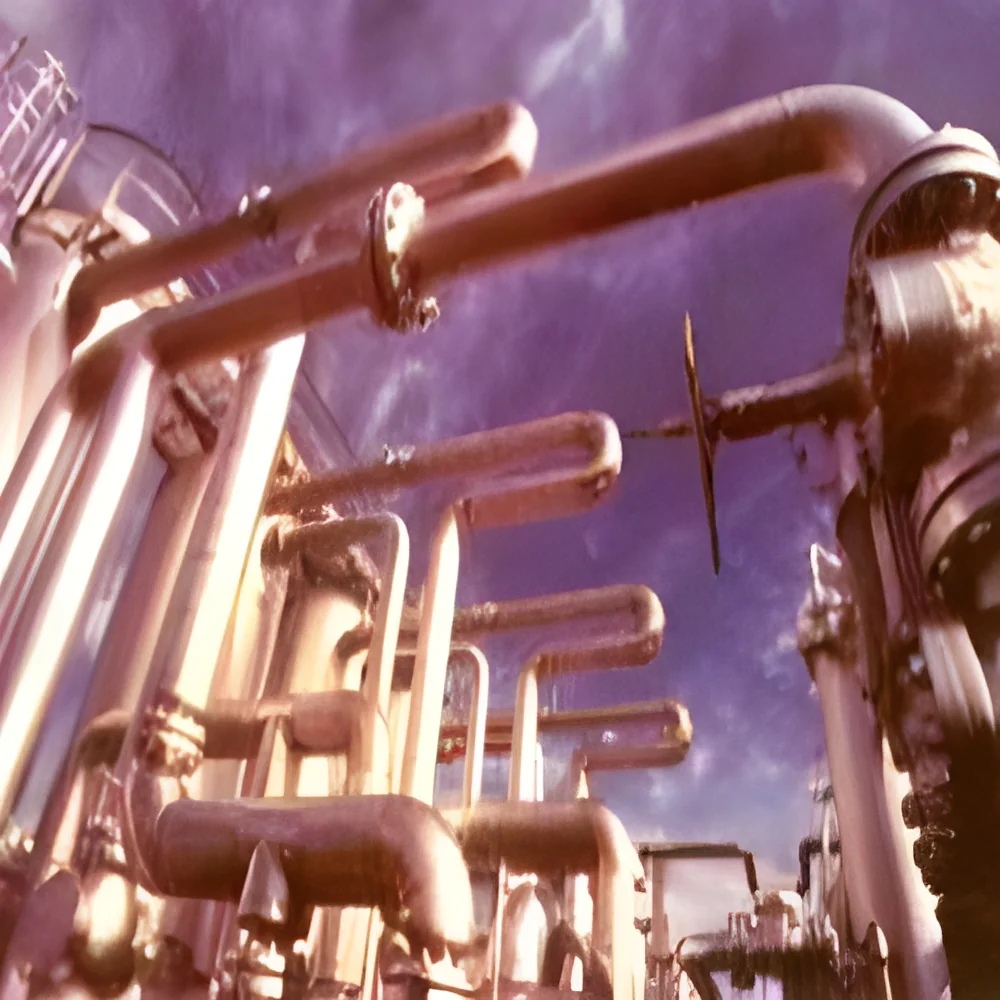
1. Oil and Gas: Steel pipes are critical for transporting crude oil, natural gas, and refined products across vast distances. Their strength and resistance to high pressure make them ideal for these applications.
2. Construction: Used extensively in building frameworks, steel tubes provide structural support and stability. They are often employed in scaffolding, bridges, and high-rise buildings.
3. Manufacturing: Steel pipes and tubes are integral to machinery operations, serving as conduits for fluids and gases. They are used in various manufacturing processes, including automotive and aerospace industries.
4. Water Supply: These pipes are essential for municipal water supply systems, ensuring safe and reliable transport of drinking water.
5. HVAC Systems: Steel tubes are used in heating, ventilation, and air conditioning systems, offering durability and efficiency in temperature control.
6. Agriculture: Steel pipes facilitate irrigation systems, providing farmers with the necessary infrastructure for effective water management.
7. Chemical Processing: Steel tubes are utilized in the chemical industry for transporting corrosive substances, requiring specific grades for safety and compliance.
Product Variants and Subcategories
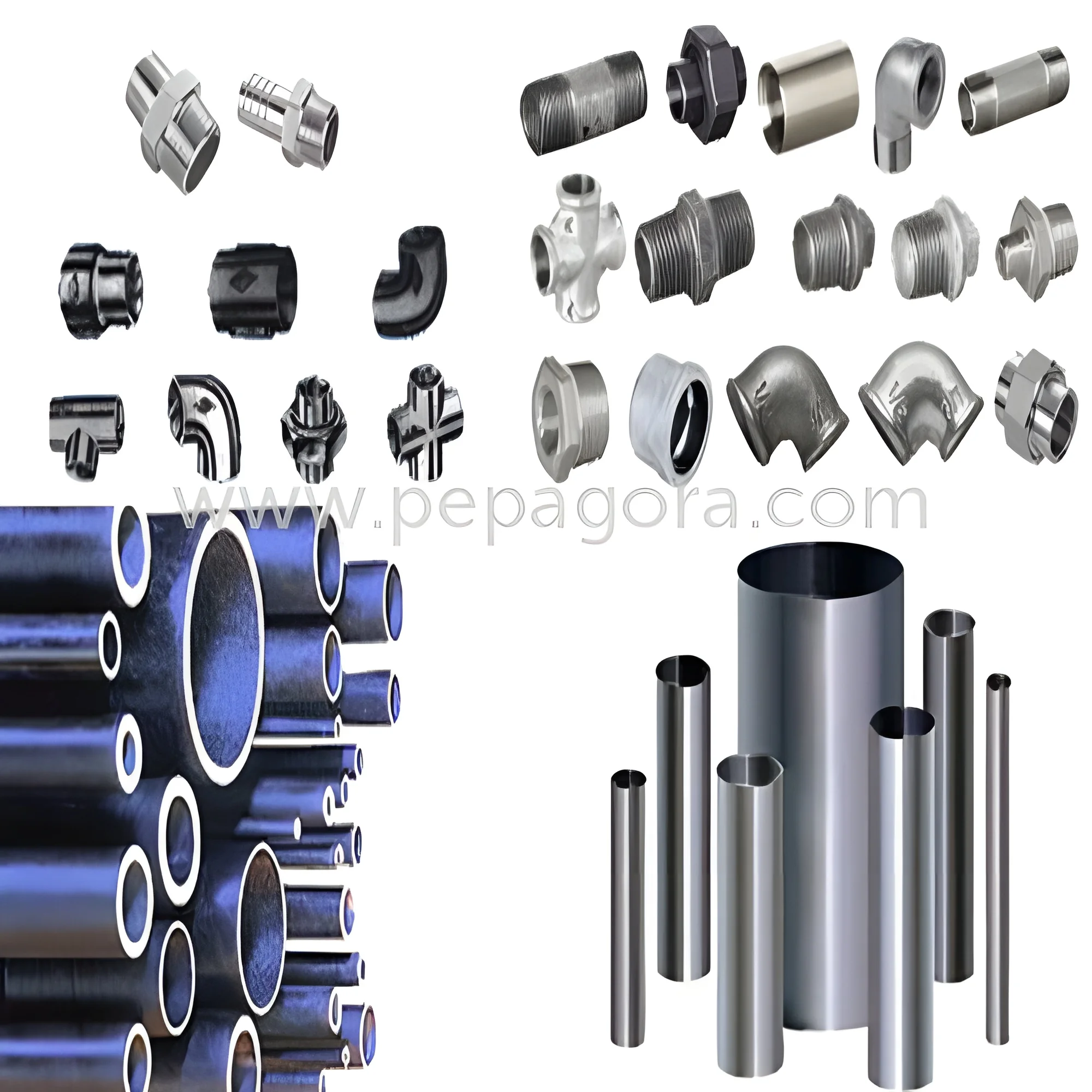
Steel pipes and tubes come in various types, each designed to meet different needs and applications in the industry. This diversity allows businesses to choose the most suitable option for their specific requirements.
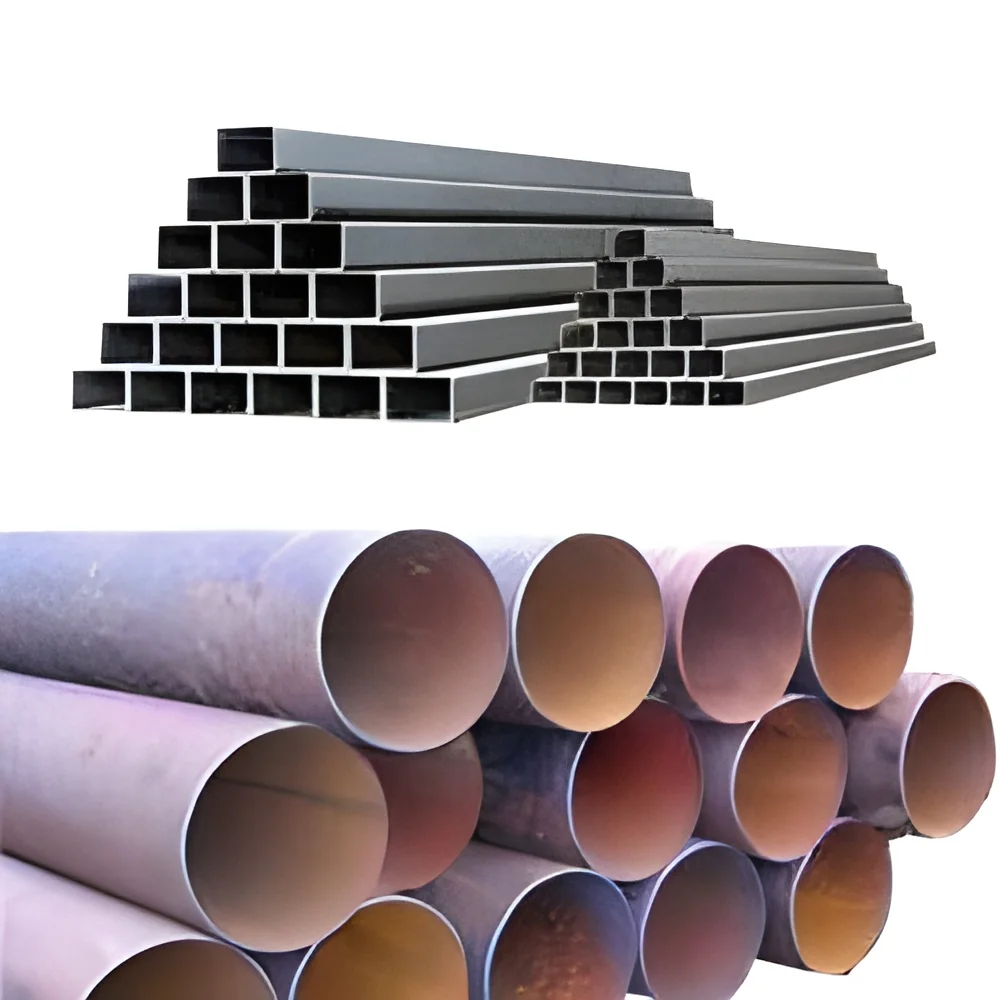
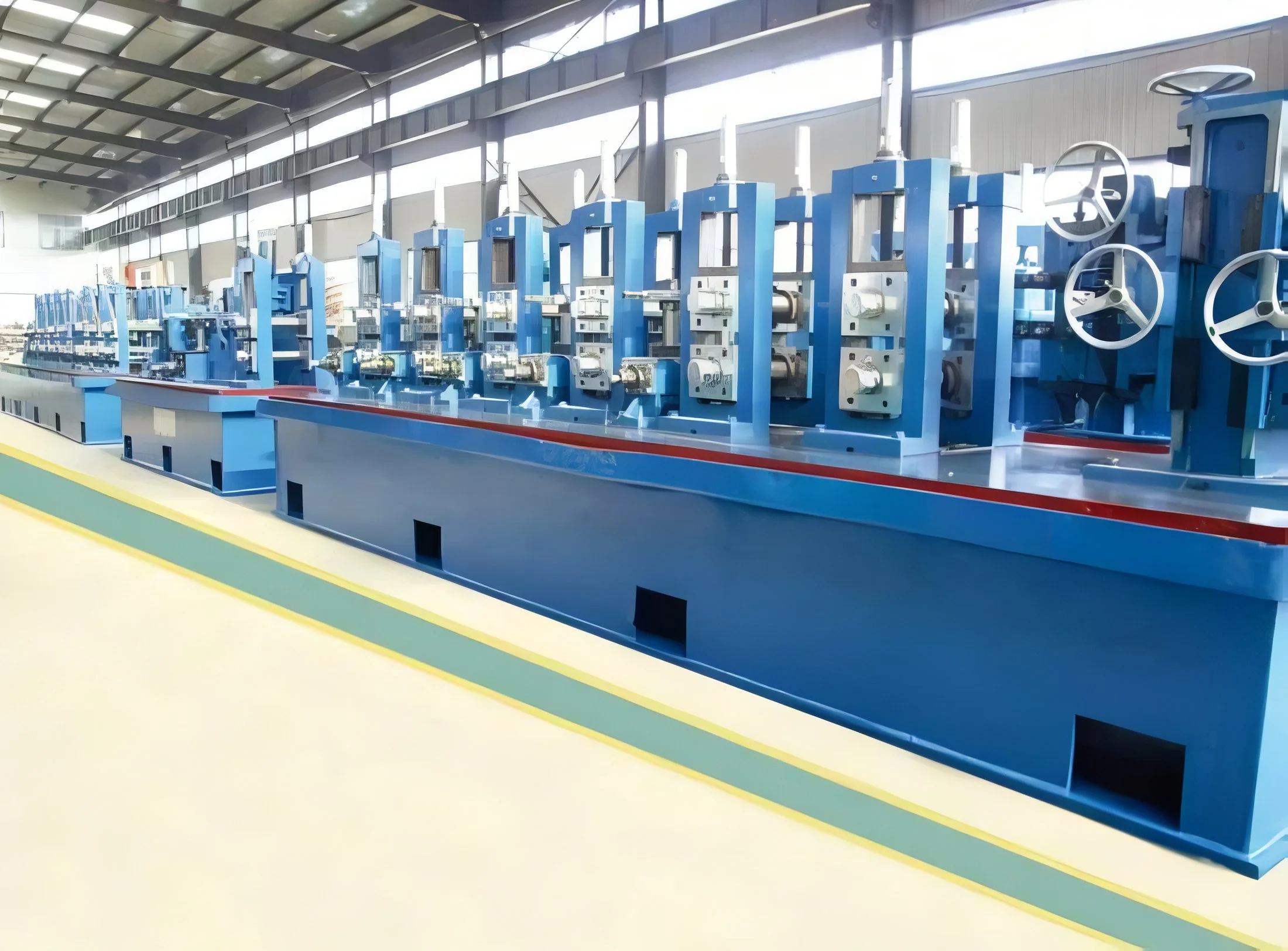
Seamless Steel Pipes: These pipes are manufactured without any seams or welds, providing higher strength and reliability. They are often used in high-pressure applications in the oil and gas sector.
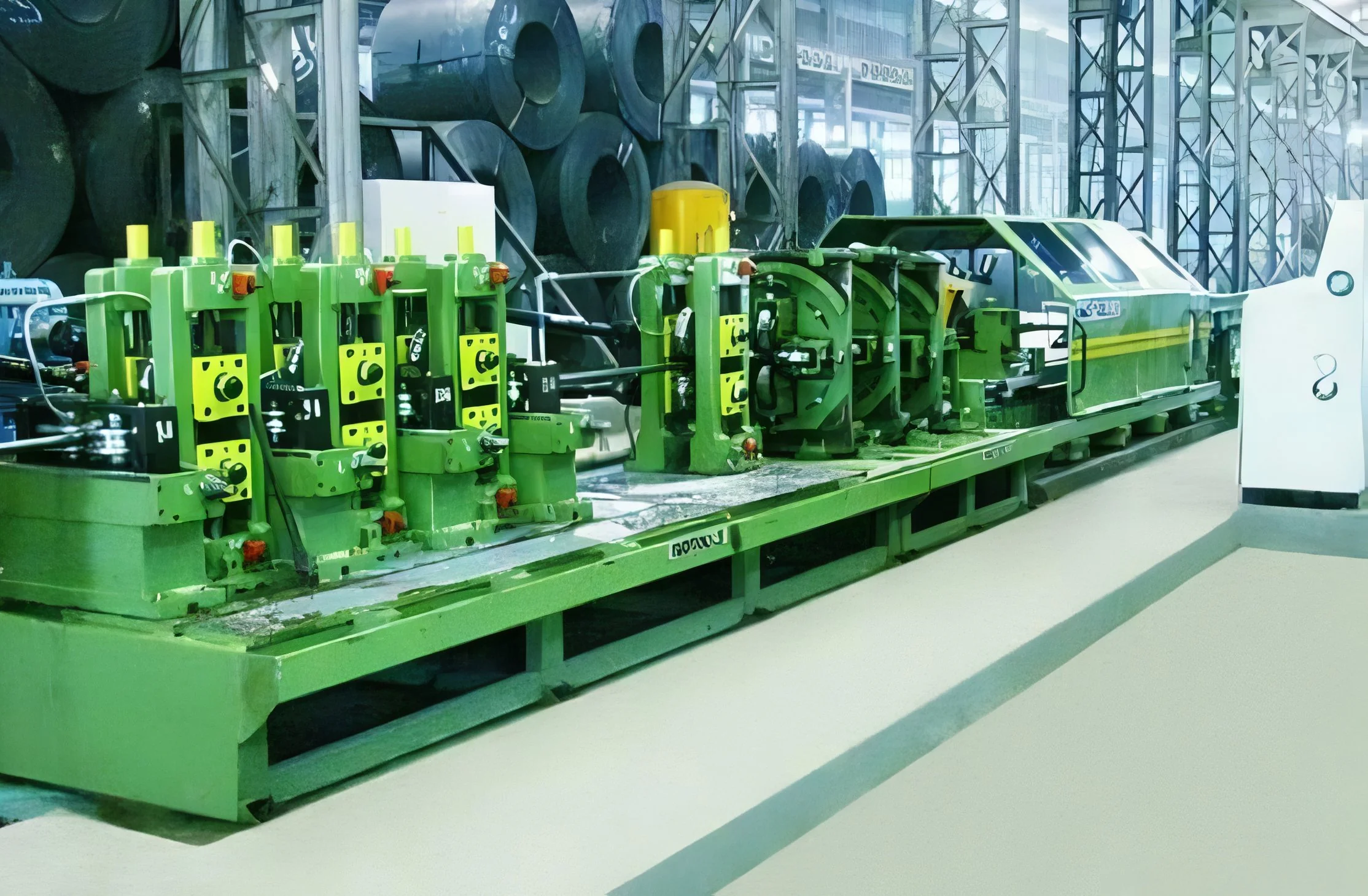
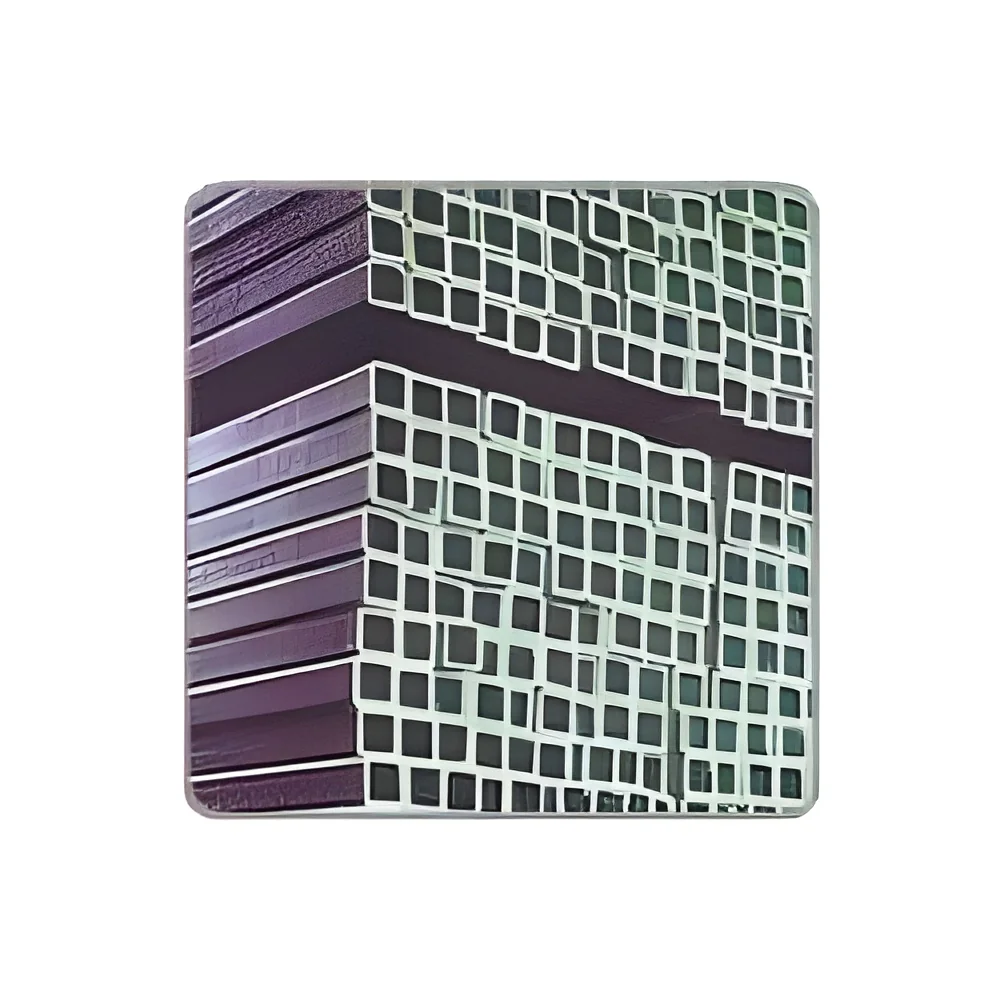
Welded Steel Tubes: Produced by welding flat steel sheets into a tubular shape, these tubes are typically more cost-effective for large projects. They are commonly used in structural applications.
Spiral Welded Pipes: These pipes are made by spirally welding strips of steel together, offering excellent strength and resistance to high pressures. They are often used in large-diameter applications such as water and gas transport.
Benefits and Advantages
The use of steel pipes and tubes brings numerous benefits to businesses across various sectors. Understanding these advantages can aid in making informed purchasing decisions.
1. Durability: Steel pipes are highly durable and resistant to wear, making them suitable for long-term use in demanding environments.
2. Versatility: Available in various grades and sizes, steel pipes can be tailored to fit a wide range of applications, from construction to chemical processing.
3. Cost-Effectiveness: Steel pipes and tubes are often more affordable than alternatives like plastic or copper, providing a cost-effective solution for many projects.
4. High Strength: The inherent strength of steel allows for thinner walls and lighter designs, reducing overall material costs while maintaining performance.
5. Corrosion Resistance: Properly coated steel pipes can withstand harsh environments, ensuring longevity and reducing maintenance costs.
6. Recyclability: Steel is 100% recyclable, making steel pipes an environmentally friendly choice that supports sustainability in industrial practices.
Buying Guide for B2B Buyers
When sourcing steel pipes and tubes, it is essential for businesses to consider several key factors to ensure they select the right products for their needs.
1. Quality Assessment: Evaluate the quality of steel pipes by checking compliance with recognized standards. Look for certifications such as CE and ISO 9001 to ensure product reliability.
2. Supplier Verification: Vet suppliers by reviewing their credentials, industry reputation, and past performance. A reliable supplier should have a track record of delivering high-quality products.
3. Pricing and MOQ: Consider the cost of steel pipes and the minimum order quantity (MOQ) required by suppliers. Compare prices from multiple suppliers to find competitive rates.
4. Delivery and Lead Times: Understand the logistics involved in delivery and the expected lead times for orders. Timely delivery is crucial for project management and operations.
5. Compliance Requirements: Be aware of any regional regulations or compliance standards that may impact the sourcing and use of steel pipes. Ensure that suppliers meet these requirements.
Compliance and Certifications
Steel pipes and tubes must adhere to various quality standards and industry certifications to ensure safety and reliability. Key compliance considerations include:
ISO 9001: This international standard specifies requirements for a quality management system. Manufacturers of steel pipes and tubes must comply with this standard to ensure consistent quality and customer satisfaction.
CE Certification: This certification indicates that the products meet European Union safety, health, and environmental protection standards. CE certification is often required for steel products sold in European markets.
Safety and Testing Requirements: Steel pipes undergo rigorous testing to assess their strength, pressure resistance, and durability. Compliance with safety standards is essential to prevent failures in critical applications.
Regional Compliance Considerations: Different regions may have specific regulatory requirements for steel products. Understanding these regulations is vital for businesses operating in multiple markets.
Why Source Steel Pipes & Tubes from Pepagora?
Pepagora offers a trusted platform for sourcing steel pipes and tubes, providing numerous advantages to businesses looking for reliable suppliers.
Verified Supplier Network: Pepagora connects buyers with a network of verified suppliers, ensuring that all vendors meet industry standards and quality requirements. This network helps businesses find trustworthy partners.
Streamlined RFQ Process: The platform facilitates a simple request for quotation process, allowing buyers to easily compare offers from multiple suppliers. This efficiency saves time and ensures competitive pricing.
Trade Assurance and Support: Pepagora provides trade assurance and support to buyers, protecting their transactions and ensuring a smooth purchasing experience. This support helps build confidence in sourcing decisions.
Regional Coverage: With coverage across India, the GCC, and Southeast Asia, Pepagora enables businesses to connect with suppliers in their region, ensuring timely delivery and local market knowledge.
In conclusion, Pepagora is the ideal partner for businesses looking to source steel pipes and tubes, offering a reliable and efficient platform for procurement. With a focus on quality, competitive pricing, and excellent support, Pepagora simplifies the sourcing process for industrial products.

 IN
IN