IN
IN₹
Apparel & Fashion
Description
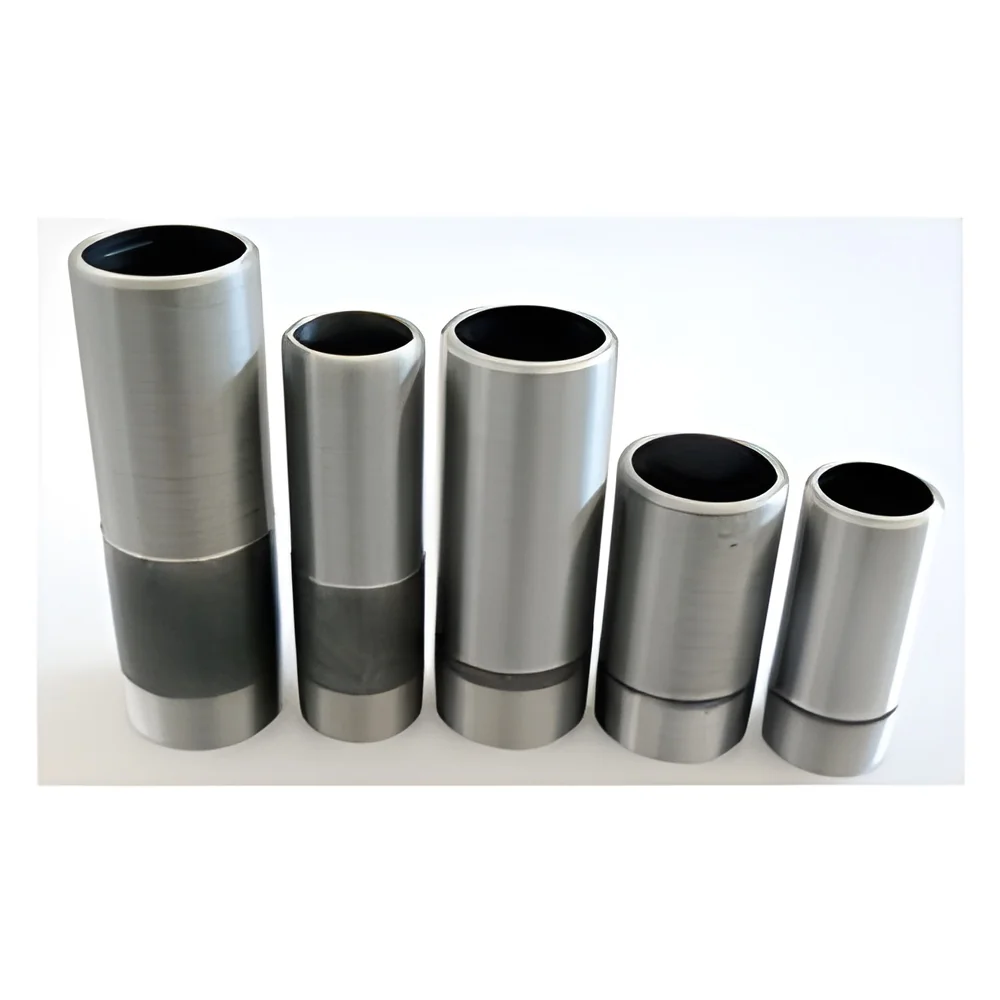
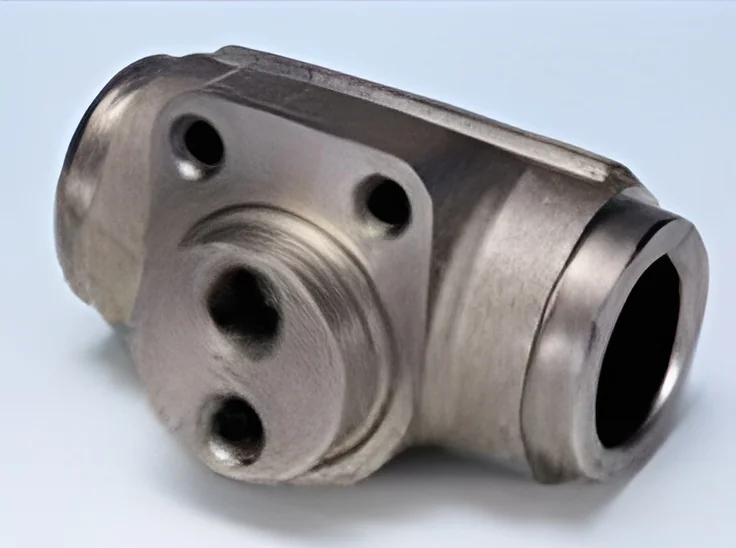
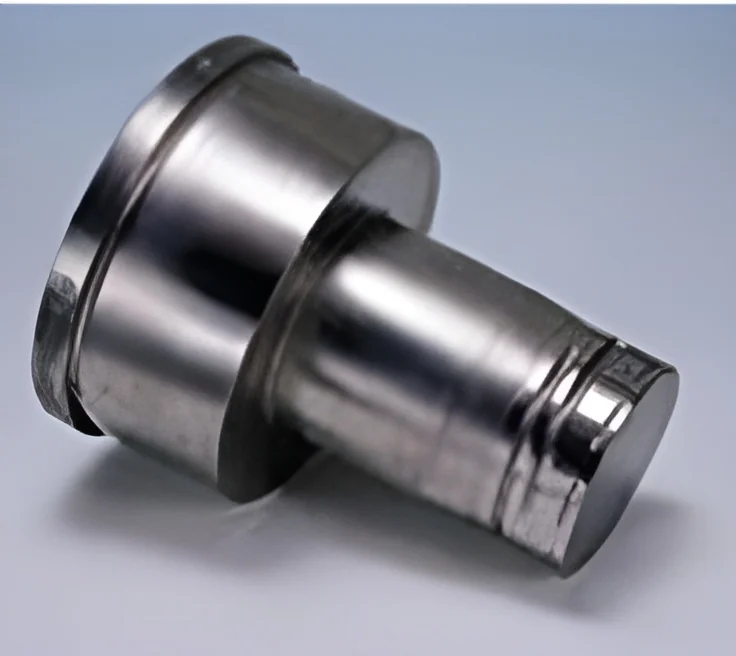
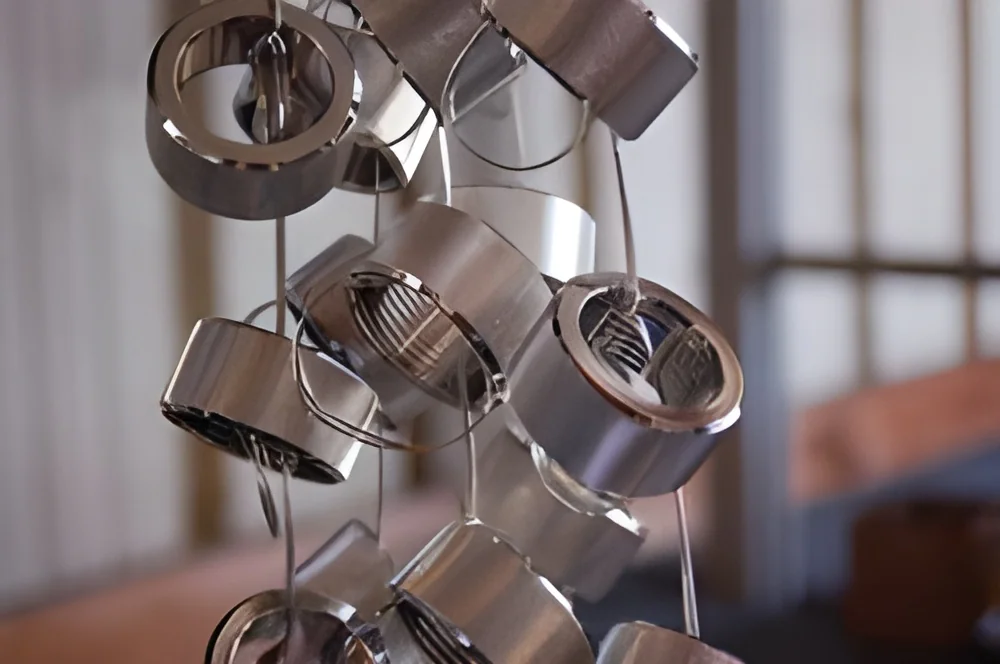
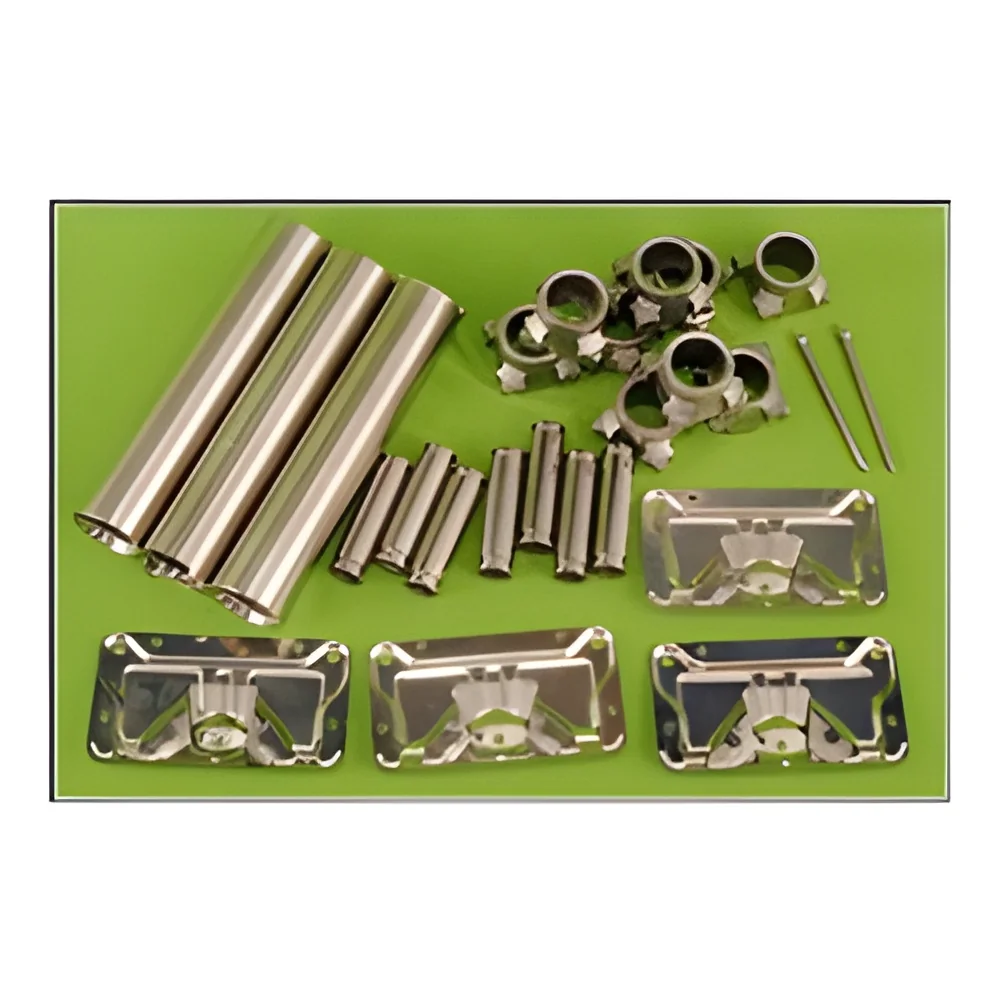
Electroless nickel plating represents an advanced autocatalytic coating technology that deposits a consistent nickel-phosphorus alloy layer without requiring external electrical current. This innovative method guarantees uniform coverage across complex geometries, internal passages, and challenging surface configurations. Unlike conventional electroplating techniques, it completely eliminates edge buildup concerns and delivers homogeneous thickness distribution throughout entire components. The process operates through chemical reduction principles where nickel ions in solution transform into metallic form upon catalytic surfaces, creating a robust protective coating that significantly enhances both functional performance and service life of treated parts.

This specialized plating service supports numerous industrial sectors including automotive manufacturing, aerospace engineering, electronics production, oil and gas operations, and medical equipment fabrication. Automotive manufactu...
Electroless nickel plating represents an advanced autocatalytic coating technology that deposits a consistent nickel-phosphorus alloy layer without requiring external electrical current. This innovative method guarantees uniform coverage across complex geometries, internal passages, and challenging surface configurations. Unlike conventional electroplating techniques, it completely eliminates edge buildup concerns and delivers homogeneous thickness distribution throughout entire components. The process operates through chemical reduction principles where nickel ions in solution transform into metallic form upon catalytic surfaces, creating a robust protective coating that significantly enhances both functional performance and service life of treated parts.

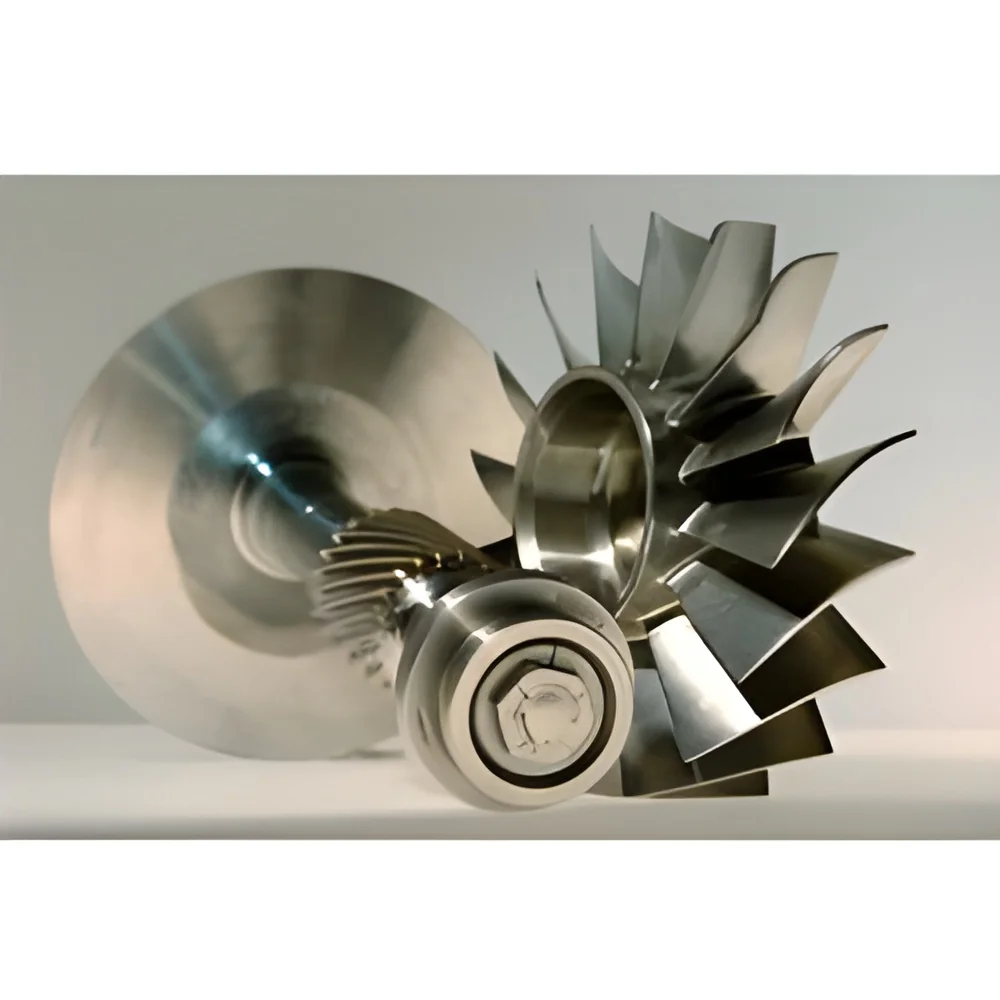
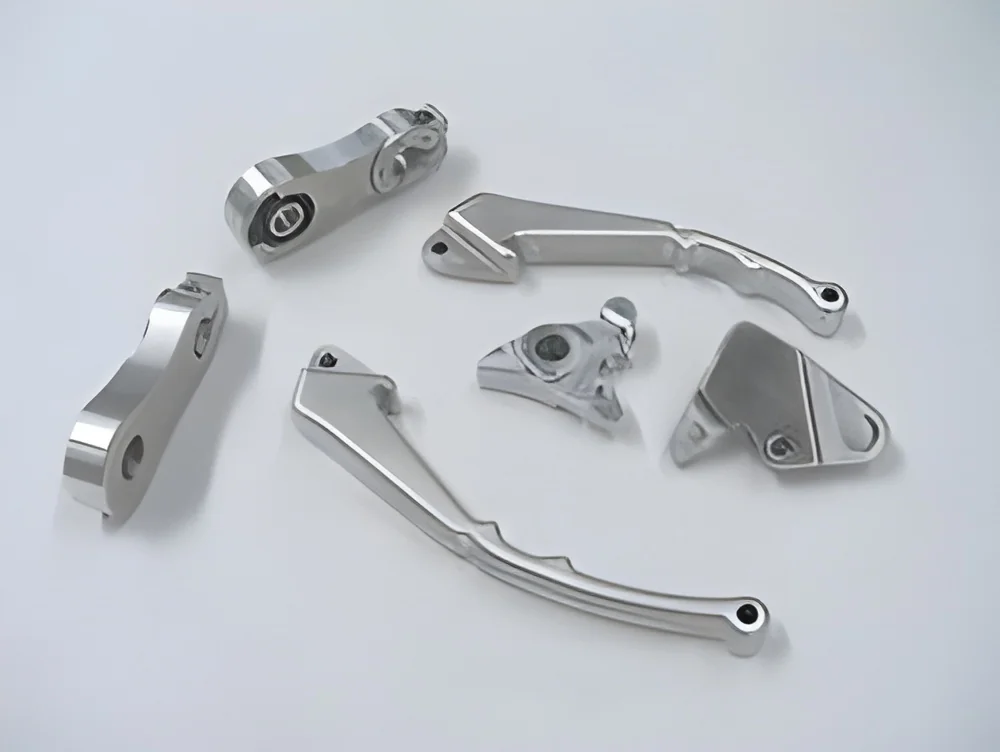
This specialized plating service supports numerous industrial sectors including automotive manufacturing, aerospace engineering, electronics production, oil and gas operations, and medical equipment fabrication. Automotive manufacturers utilize it for critical safety components like brake system parts and fuel injection elements to prevent corrosion and minimize friction. Aerospace applications involve coating turbine blades and landing gear components that encounter extreme temperatures and corrosive atmospheres. Electronics companies benefit from its consistent performance in shielding applications and reliable solderability, while oil and gas operations employ it for valves and pumps handling aggressive fluids under high pressure conditions. Medical device producers depend on its biocompatibility and sterilization capabilities for surgical tools and implantable devices.

The substantial business value of electroless nickel plating emerges from its capacity to dramatically extend component operational lifespan, reduce maintenance expenditures, and enhance operational reliability across industrial applications. This process delivers repeatable quality consistency across production batches, ensuring manufactured components consistently meet rigorous industry standards and technical specifications. The uniform coating characteristics eliminate requirements for post-plating machining operations, thereby reducing production timelines and associated costs. The superior corrosion and wear resistance properties directly translate to fewer equipment failures and reduced operational downtime, providing significant return on investment for industrial operations. Consistent process control ensures reliable performance across diverse application requirements.

Key Features:
- Uniform thickness distribution across complex geometries and internal surfaces
- Exceptional corrosion resistance performance in harsh environmental conditions
- Superior wear resistance and hardness properties that extend component service life
- Low coefficient of friction characteristics that enhance moving part performance
- Consistent process control ensuring reliable performance across applications

Benefits:
- Extended component lifespan through superior corrosion and wear protection
- Reduced maintenance costs and operational downtime from enhanced durability
- Improved operational reliability across demanding industrial environments
- Elimination of post-plating machining requirements reducing production costs
- Consistent quality performance meeting stringent industry specifications
Specifications
| Additional Information | |
|---|---|
| Country of Origin | India |
Application
Electroless nickel plating creates uniform, pore-free coatings through chemical deposition without electricity, making it perfect for complex shapes and internal surfaces. This autocatalytic process ensures consistent thickness on intricate components, delivering enhanced durability and reliable performance across demanding applications. It offers excellent adhesion and can plate properly pre-treated non-conductive materials for comprehensive protection.
Industries choose electroless nickel plating for outstanding corrosion resistance, wear protection, and low friction properties. This coating significantly extends component lifespan in harsh operating environments while reducing maintenance requirements and improving operational efficiency. It works exceptionally well for high-precision parts where traditional electroplating cannot achieve uniform coverage, ensuring consistent performance in critical industrial applications.
- Automotive components: Coating brake pistons, fuel injectors, and transmission parts for enhanced wear and corrosion resistance
- Aerospace industry: Protecting landing gear components, turbine blades, and hydraulic systems from extreme temperature and environmental conditions
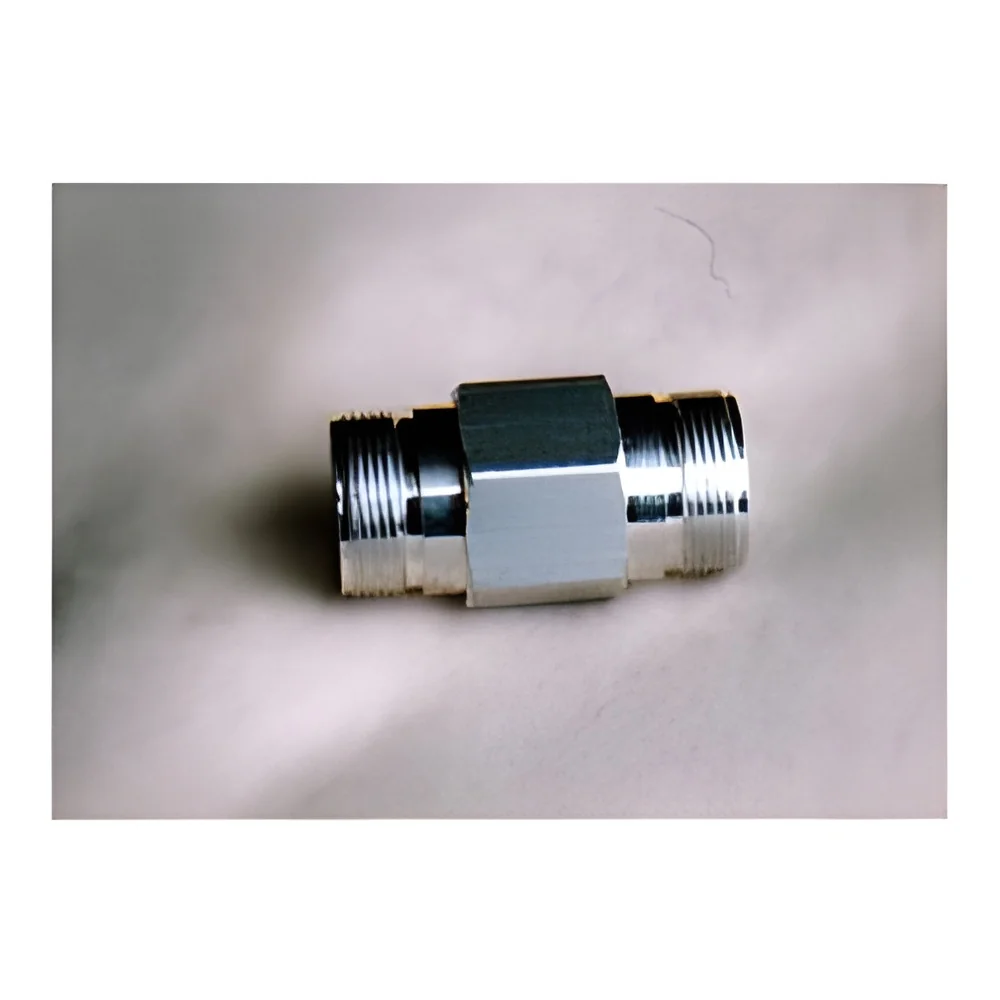
- Electronics manufacturing: Shielding connectors, heat sinks, and circuit boards from oxidation while ensuring reliable electrical performance
- Oil and gas sector: Coating valves, pumps, and drilling equipment to withstand corrosive fluids, high pressure, and abrasive conditions
- Medical equipment: Providing biocompatible, sterilizable surfaces for surgical instruments, implants, and diagnostic devices
Trade Details
| Available Stock | In Stock |
| Sample Availability | No |
Payment Terms
| Payment Terms |
|
Company Profile
A. K. Finishing Technologies, Tamil Nadu
 Tamil Nadu, India
Tamil Nadu, IndiaConstruction•Manufacturer•Distributor / Wholesaler•Importer / Exporter
Factory Details
Factory SizeBelow 1000 sqm
Annual Production Capacity0
Electroless Nickel Plating Services For Corrosion And Wear Resistance
Professional electroless nickel plating services deliver uniform corrosion and wear resistance coatings for carbon steel, aluminum, and copper alloys. Ideal for precision components requiring durable protection without electrical plating methods.
Min. Order Quantity: 1 unit
Shipping
Shipping fee and delivery date to be negotiated. Contact supplier now for more details.
A. K. Finishing Technologies
 Tamil Nadu, India
Tamil Nadu, IndiaConstructionManufacturer