What are Aluminum Extrusions?
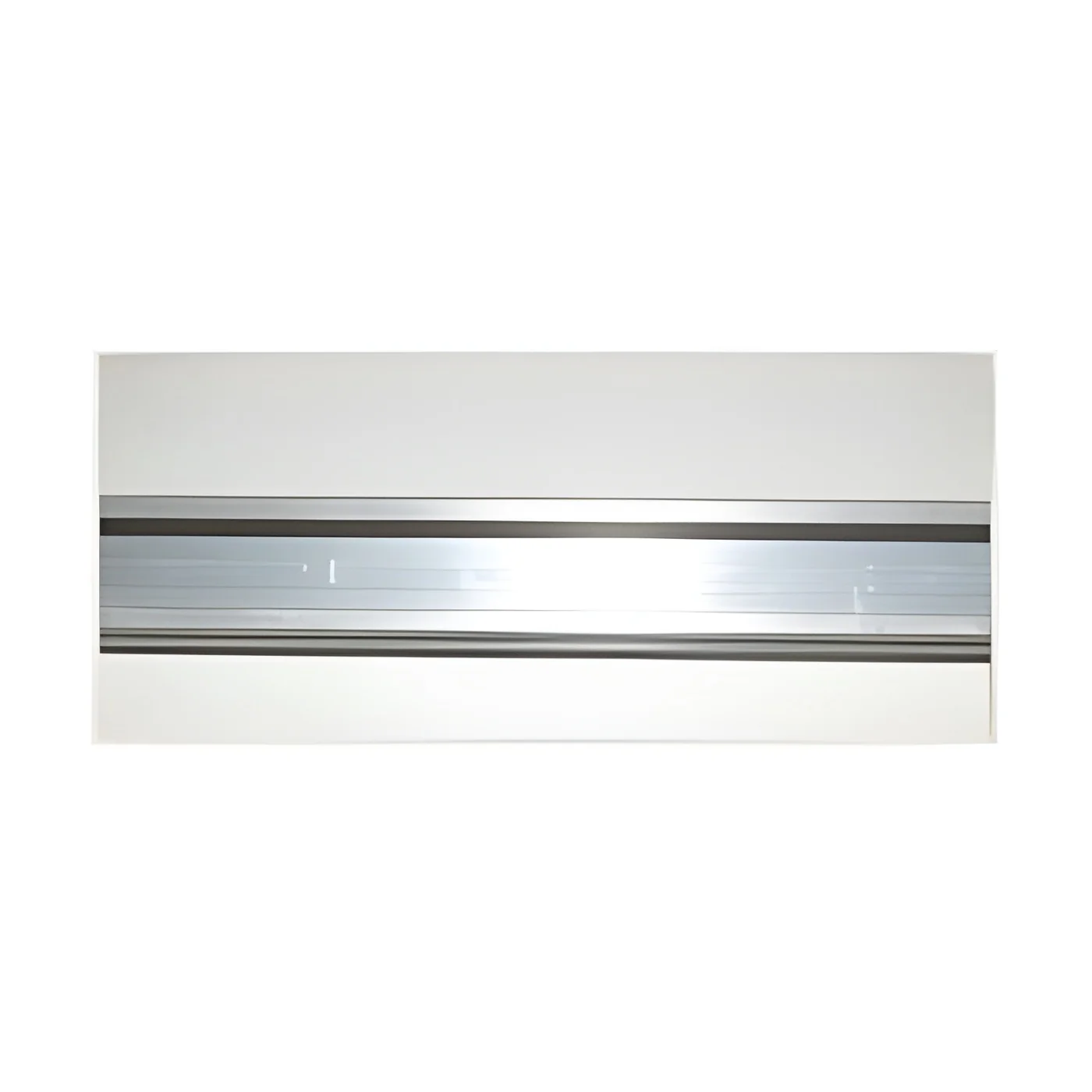
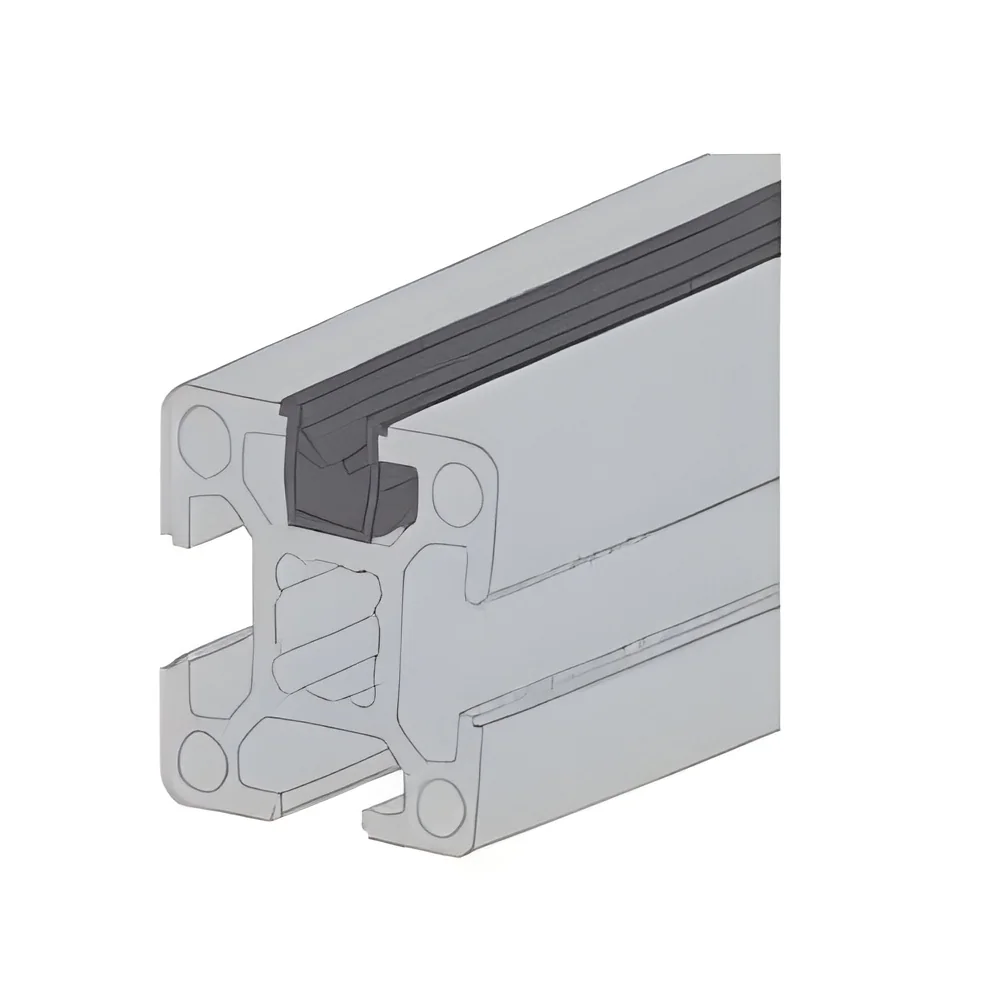
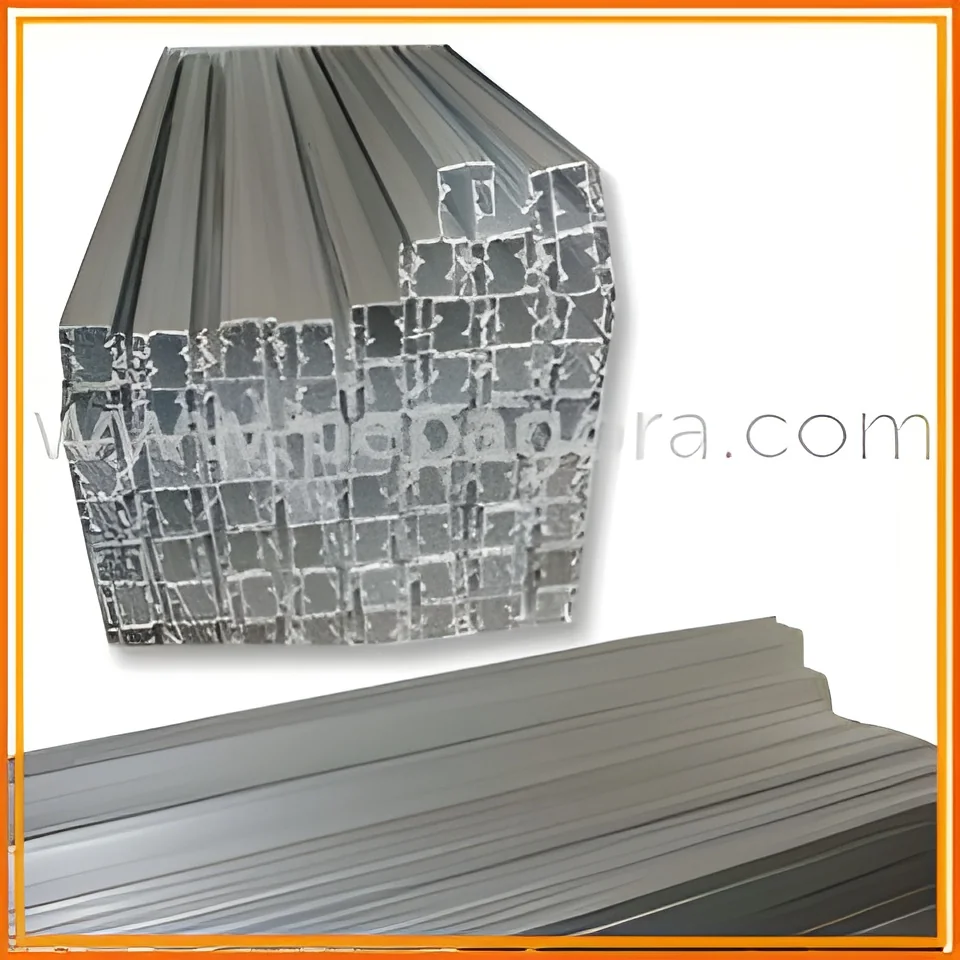
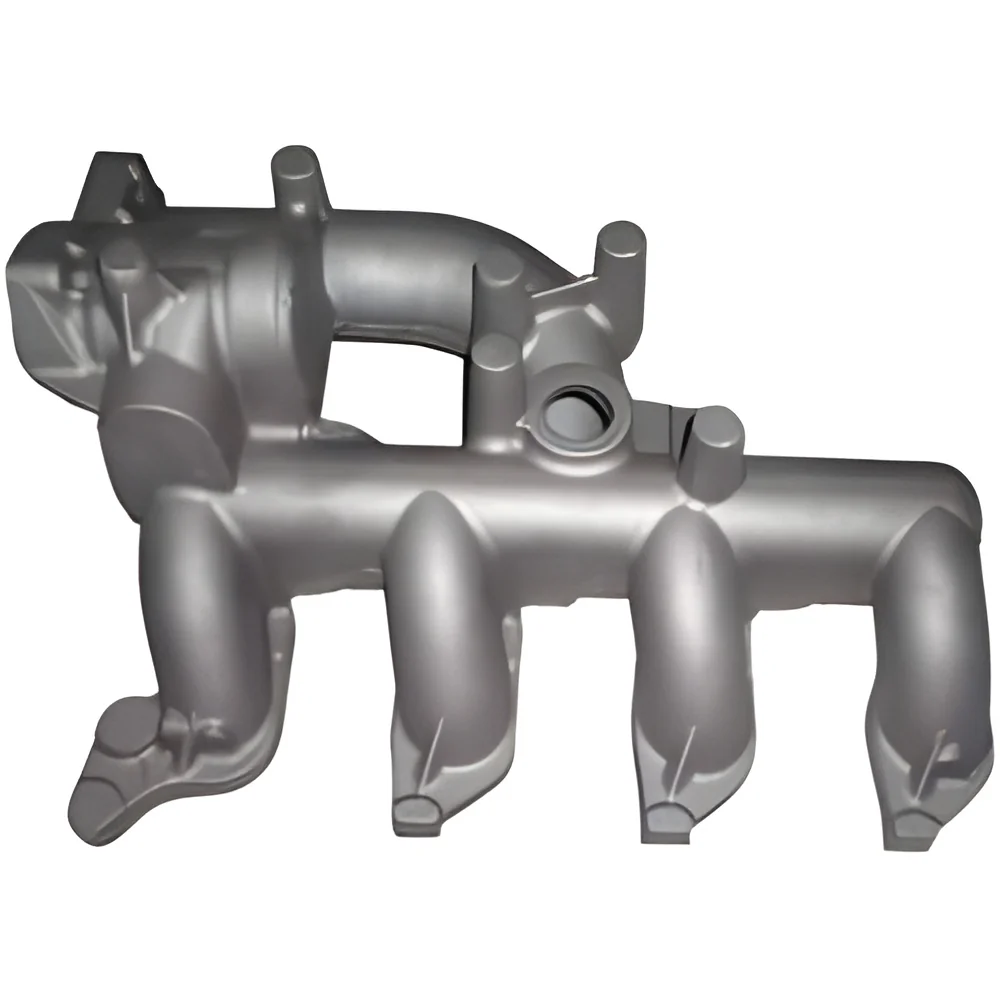
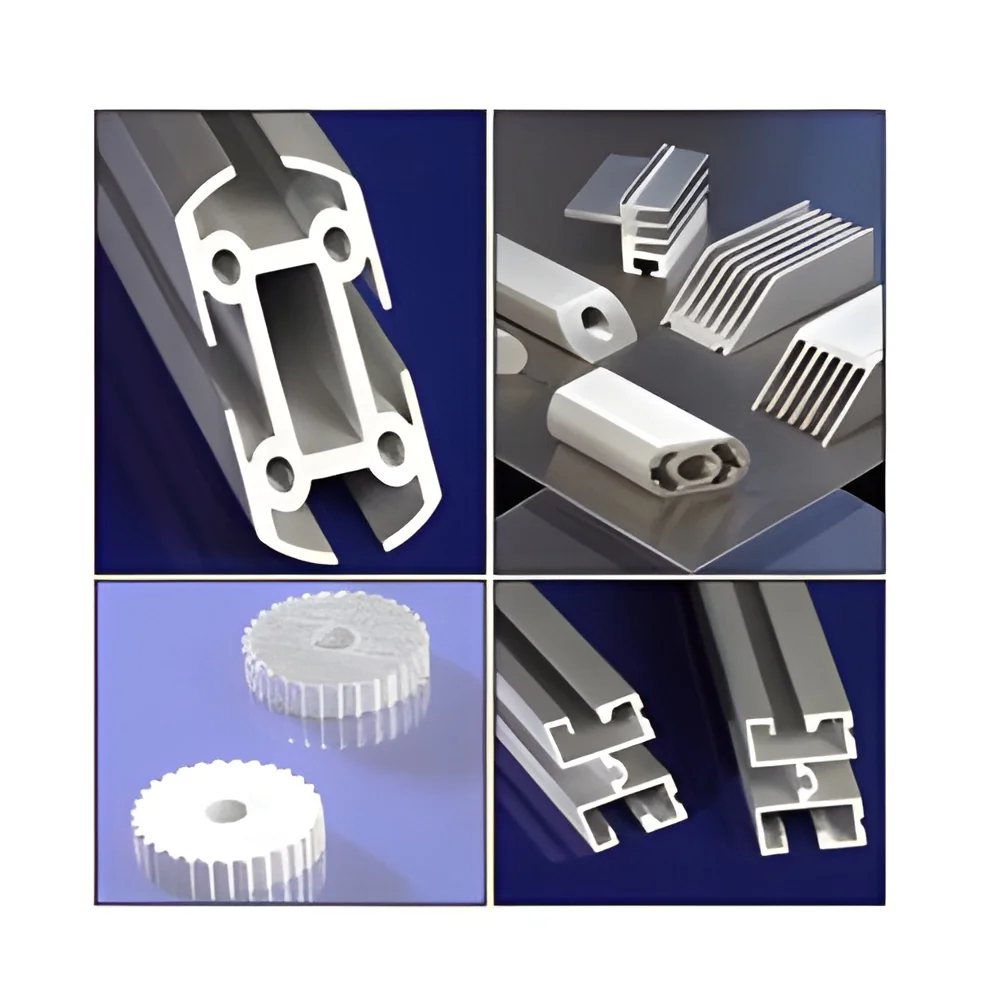
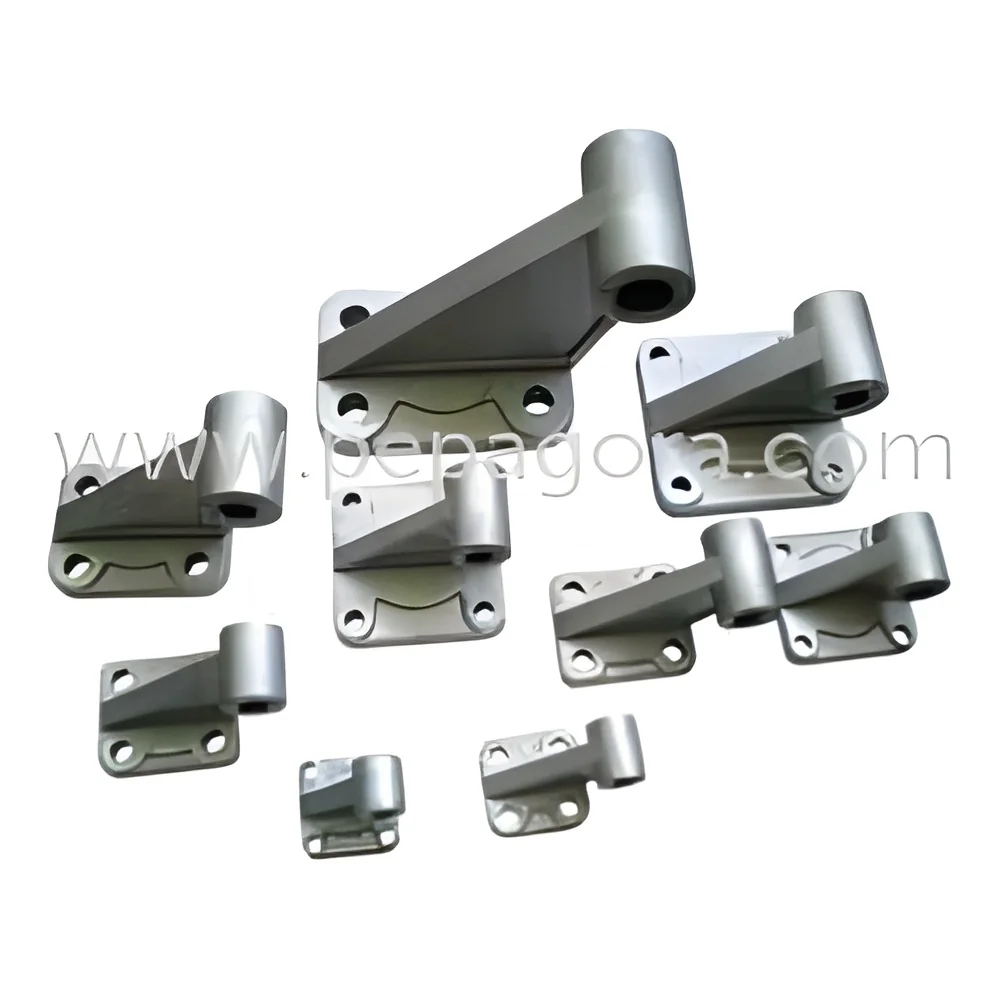
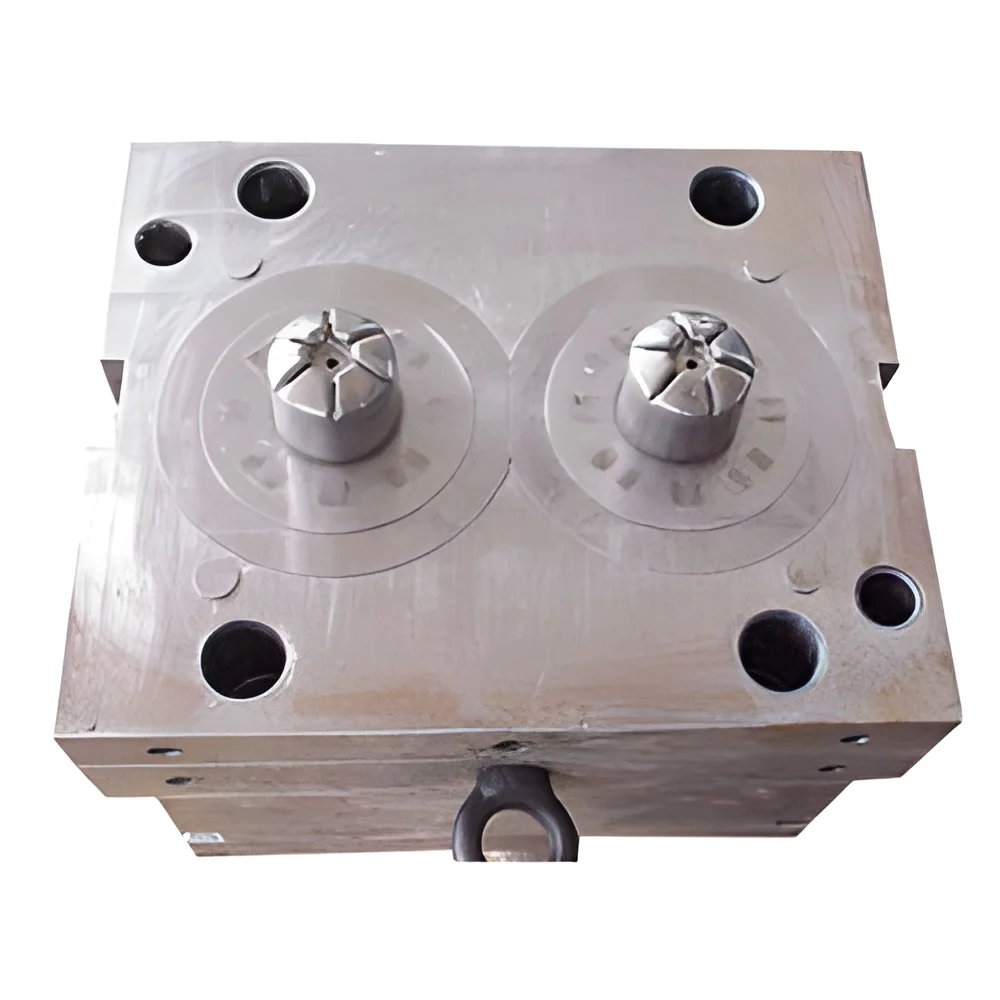
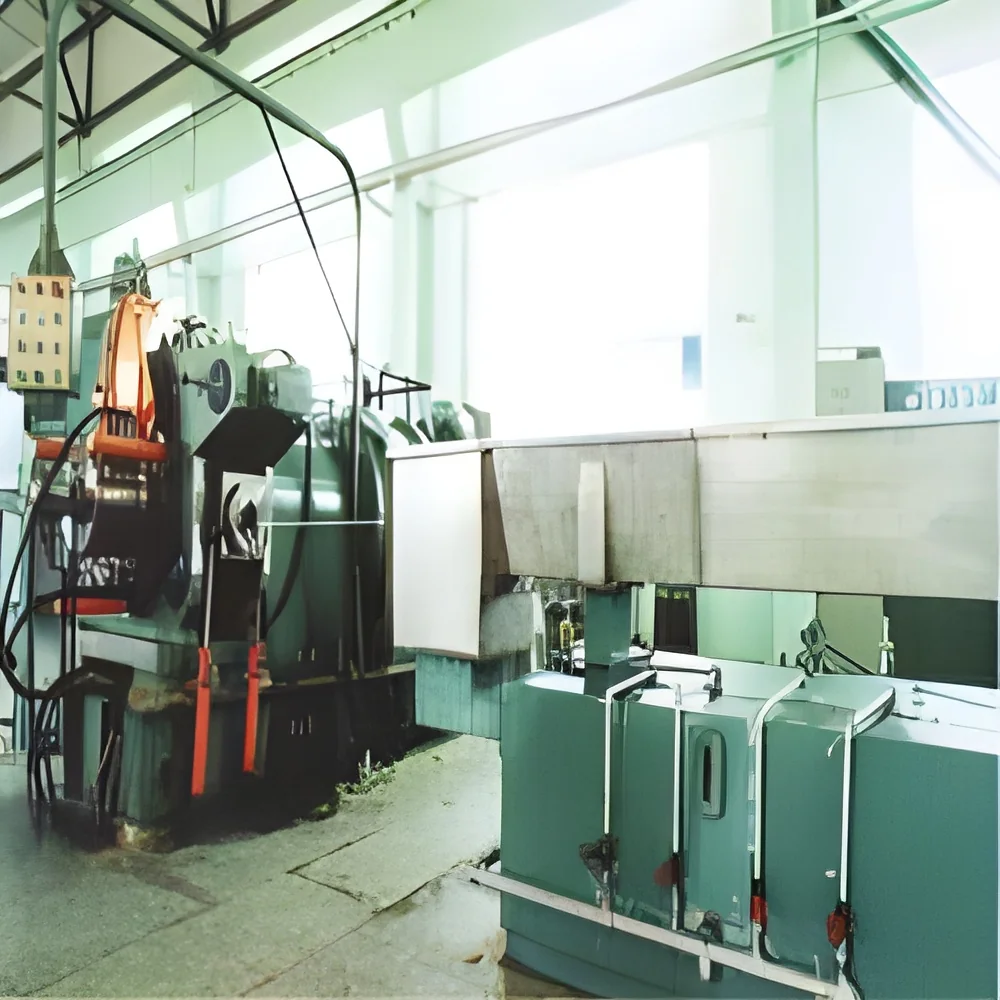
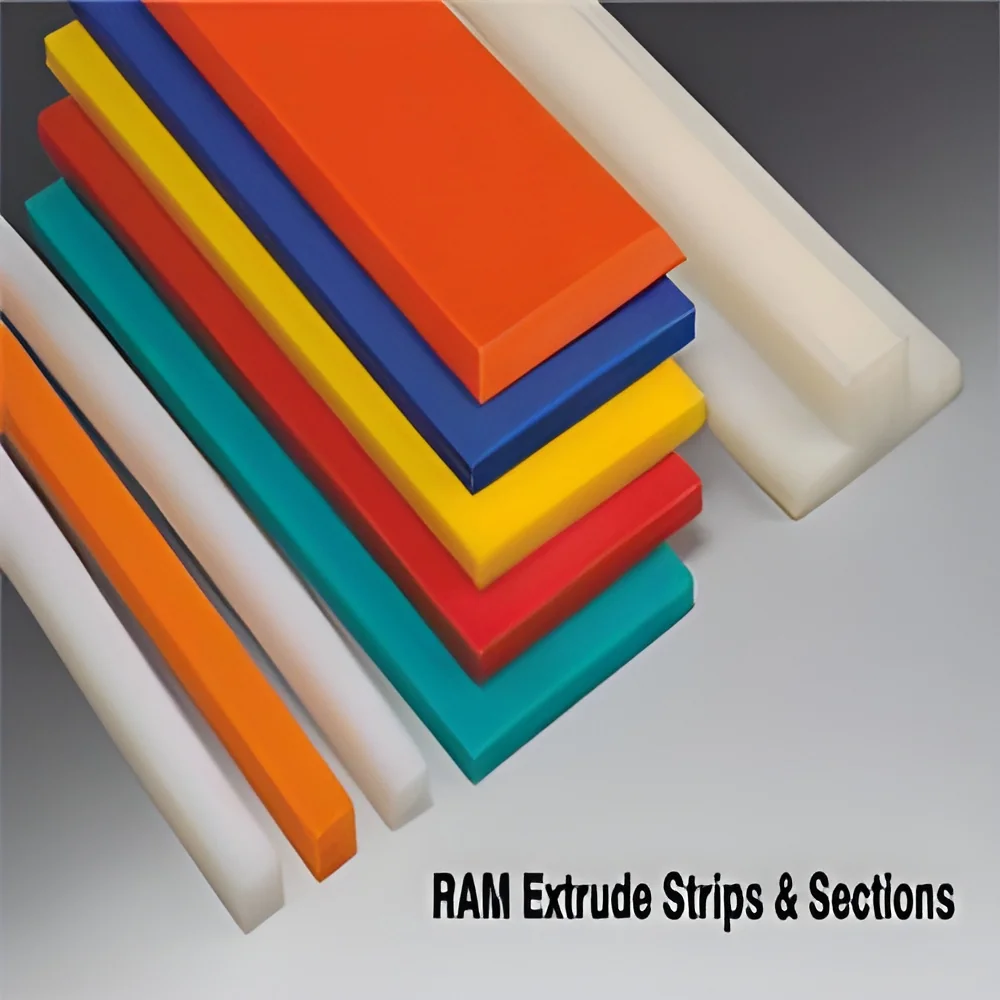
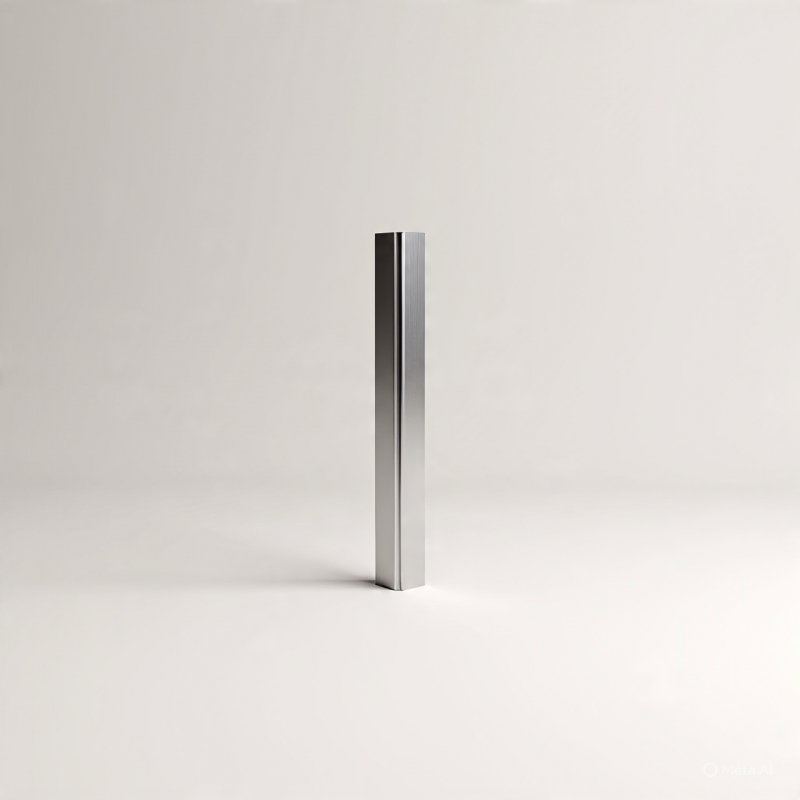
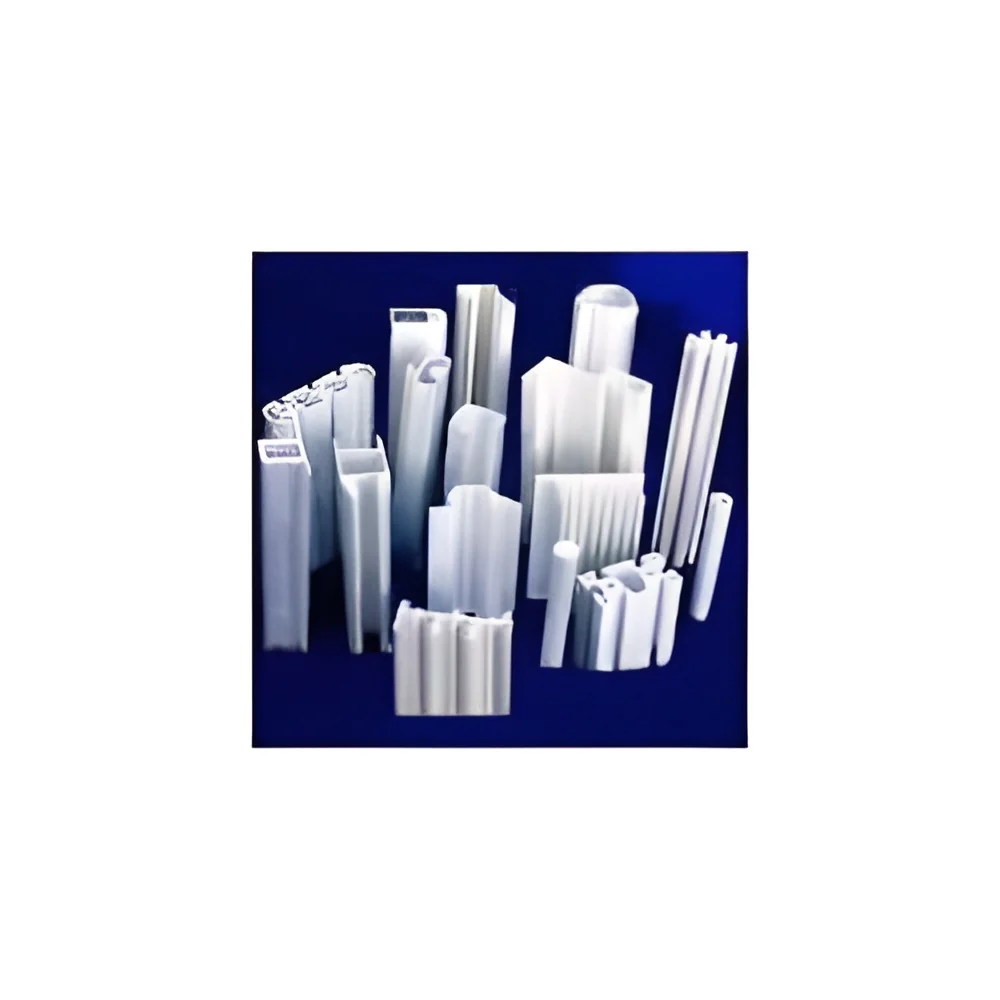
Aluminum extrusions are shapes made from aluminum that are created by forcing the metal through a specially designed die. This manufacturing process allows for a variety of shapes and profiles to be produced, which can range from simple rods to complex designs. The extrusions can be cut to length, machined, or further fabricated to meet specific needs. Due to their lightweight nature and strength, aluminum extrusions are a popular choice in many industrial applications.
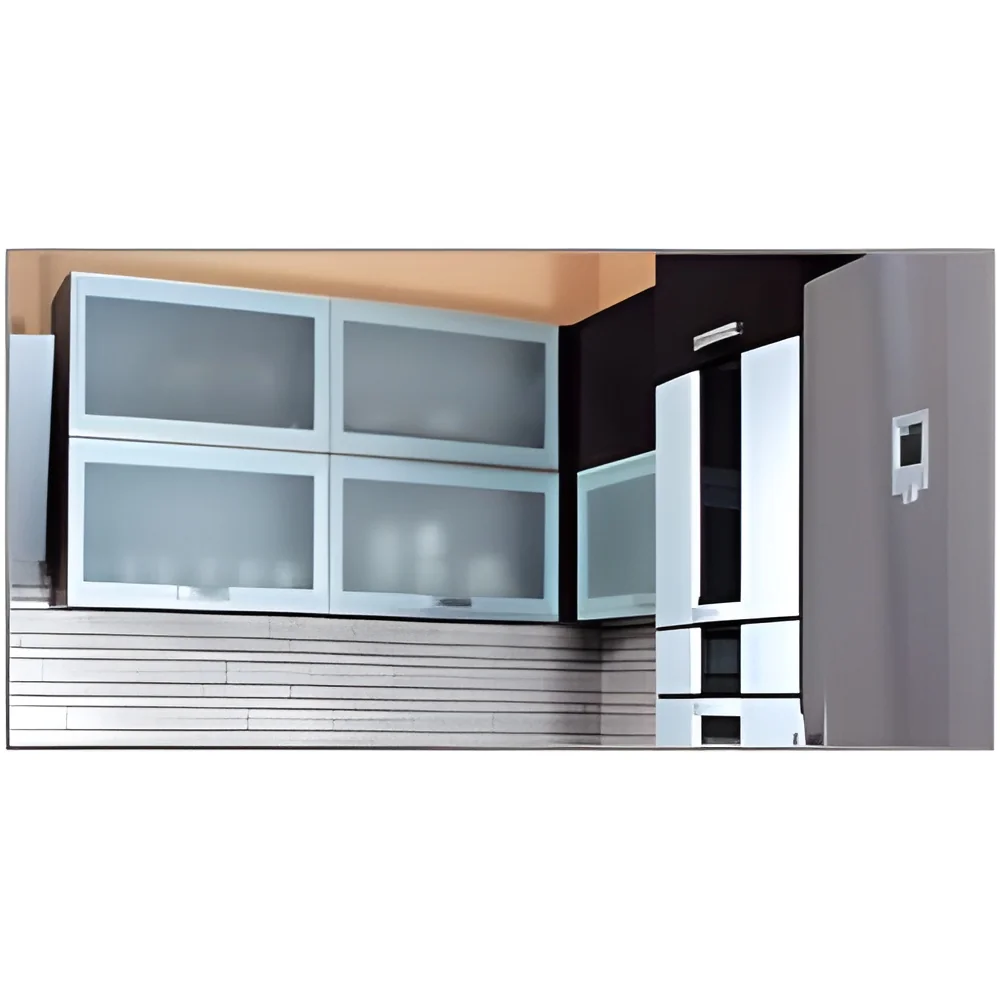
These extrusions find extensive use across a wide array of industries, including construction, automotive, aerospace, and electronics. In the construction sector, they are often used in window frames, curtain walls, and structural components. In automotive applications, aluminum extrusions are utilized for lightweight body components and chassis. The versatility of aluminum extrusions makes them integral to modern manufacturing and construction practices.
In terms of market relevance, the demand for aluminum extrusions is growing, driven by the push for sustainable materials and lightweight solutions. As industries strive to improve energy efficiency and reduce carbon footprints, aluminum extrusions are increasingly recognized for their recyclability and durability. The global market is characterized by innovation and technological advancements, making aluminum extrusions a focal point for manufacturers looking to enhance their product offerings.
Key Features and Specifications
Aluminum extrusions come with a variety of features and specifications that make them suitable for many applications. Understanding these specifications is vital for selecting the right profiles for specific projects.
Key specifications include:
1. Alloy Composition
- Common alloys include 6061 and 6063
- Varying properties such as strength, corrosion resistance, and formability
2. Surface Finish
- Anodized, painted, or mill finish options
- Enhances aesthetic appeal and corrosion resistance
3. Dimensional Tolerances
- Precision tolerances to ensure fit and function
- Typically within ±0.005 inches for most profiles
4. Weight
- Lightweight properties that can reduce overall project weight
- Varies based on the profile shape and dimensions
5. Thermal Conductivity
- High thermal conductivity suitable for heat management applications
- Important for electronics and automotive components
6. Machinability
- Easy to cut, drill, and shape for further fabrication
- Allows for customization to meet specific design requirements
7. Strength-to-Weight Ratio
- Excellent balance of strength and weight
- Ideal for applications where minimizing weight is crucial
In summary, aluminum extrusions provide a combination of unique features and specifications that cater to diverse industrial needs. Their adaptability and performance make them a preferred choice for manufacturers across various sectors.
Common Applications and Use Cases
Aluminum extrusions serve a wide range of industries, each with specific applications that leverage their unique properties.
1. Construction: Aluminum extrusions are commonly used in building facades, window frames, and structural supports. Their lightweight nature and resistance to corrosion make them ideal for outdoor applications.
2. Automotive: In the automotive industry, extrusions are utilized for body panels, frames, and structural components. The lightweight properties help improve fuel efficiency and overall vehicle performance.
3. Aerospace: Aluminum extrusions are critical in aerospace applications where strength-to-weight ratios are paramount. They are used in aircraft frames, wing structures, and components requiring high precision.
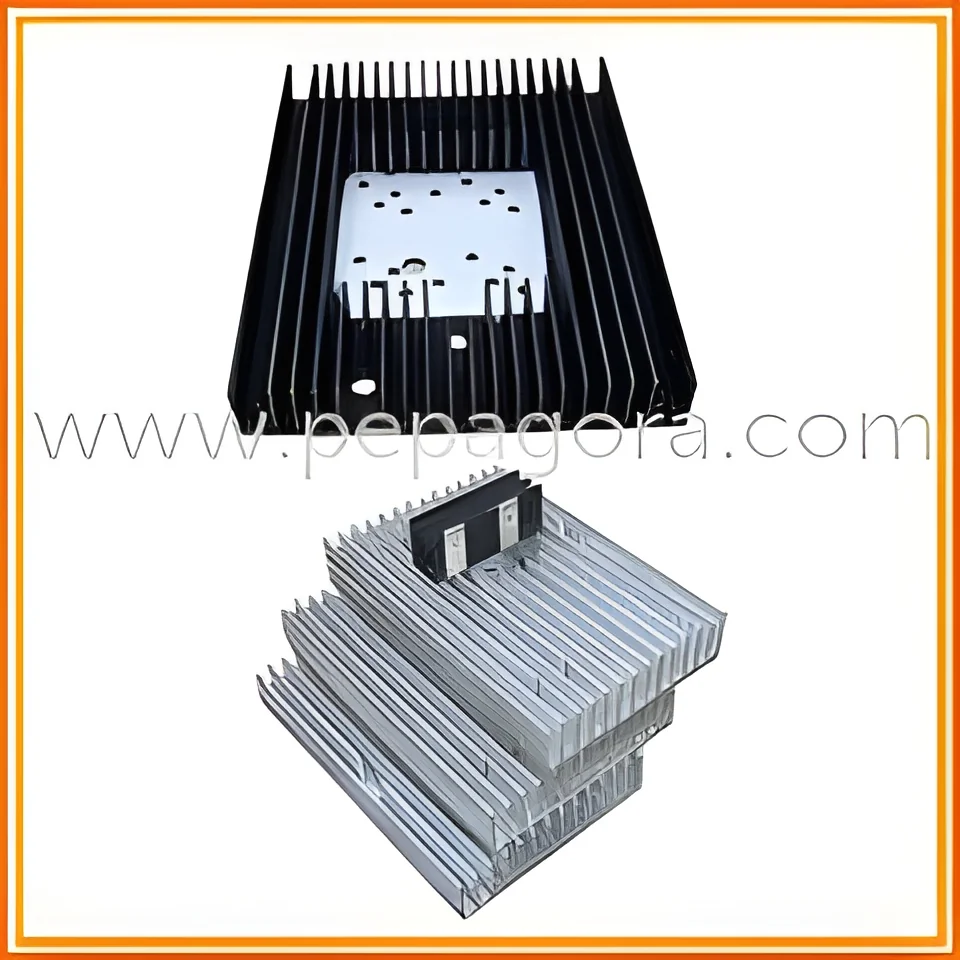
4. Electronics: The electronics industry uses aluminum extrusions for heat sinks and enclosures. Their excellent thermal conductivity helps manage heat in electronic devices.
5. Furniture: Aluminum extrusions are often used in modern furniture designs, providing sleek designs and durable construction for tables, chairs, and shelving.
6. Transportation: Rail and marine industries utilize aluminum extrusions for lightweight structural components, contributing to efficiency and performance in transportation systems.
7. Renewable Energy: In solar panel installations, aluminum extrusions are used for frames and mounting systems, offering durability and resistance to the elements.
Product Variants and Subcategories
Aluminum extrusions come in various forms to meet the needs of different industries.
Standard Profiles: These are commonly used shapes such as angles, channels, and tubes. They are readily available and can be customized for specific applications.
Custom Profiles: Tailored to meet unique requirements, custom profiles can be designed based on client specifications. This flexibility allows for innovative solutions in challenging applications.
Thin-Walled Extrusions: These are designed for applications requiring lightweight but strong components. They are often used in industries such as automotive and aerospace.
Heat Sink Extrusions: Designed specifically for thermal management, these profiles are engineered to dissipate heat efficiently. They are commonly used in electronic devices.
Decorative Extrusions: These are designed for aesthetic purposes, used in architectural applications and consumer products where appearance is key.
Benefits and Advantages
Aluminum extrusions offer numerous advantages that make them a preferred choice for many industrial applications.
Key benefits include:
1. Lightweight: Their low density results in significant weight savings, which is crucial in applications like automotive and aerospace.
2. Corrosion Resistance: Aluminum naturally forms a protective oxide layer, making extrusions ideal for outdoor and marine applications.
3. Versatility: They can be easily customized to meet specific design requirements, allowing for a wide range of applications.
4. Cost-Effective: The manufacturing process of aluminum extrusions is efficient, often resulting in reduced costs for high-volume production.
5. Recyclability: Aluminum is 100% recyclable without loss of quality, making extrusions a sustainable choice for environmentally conscious businesses.
6. Aesthetic Appeal: Available in various finishes, they can enhance the visual appeal of products and structures.
Buying Guide for B2B Buyers
When sourcing aluminum extrusions, it is essential to consider several key factors to ensure that you select the right products for your needs.
1. Quality Assessment: Evaluate the quality of the extrusions based on the alloy used, surface finish, and dimensional tolerances. Request samples to assess performance in real-world applications.
2. Supplier Verification: It is crucial to vet suppliers thoroughly. Check their certifications, customer reviews, and previous projects to ensure reliability and quality.
3. Pricing and MOQ: Understand the pricing structure and minimum order quantities (MOQ) to ensure that it aligns with your budget and project requirements.
4. Delivery and Lead Times: Discuss delivery timelines with suppliers. Ensure they can meet your project deadlines, particularly for large orders or custom profiles.
5. Compliance Requirements: Verify that the extrusions meet relevant industry standards and certifications, such as CE certification, to ensure safety and reliability.
Compliance and Certifications
Aluminum extrusions must adhere to various quality standards and certifications to ensure safety and performance in their applications.
ISO 9001 is a widely recognized standard that outlines quality management systems. Compliance with this standard indicates that manufacturers have established procedures to consistently meet customer requirements and enhance satisfaction.
CE certification is another important aspect, especially for products sold in Europe. This certification demonstrates conformity with health, safety, and environmental protection standards, assuring buyers of the product's quality and safety.
Safety and testing requirements are critical in ensuring that aluminum extrusions perform reliably under various conditions. Manufacturers often conduct rigorous testing to assess strength, durability, and resistance to environmental factors.
Regional compliance considerations may vary based on local regulations. It is essential for manufacturers and buyers to stay informed about these requirements to ensure that products are compliant in their target markets.
Why Source Aluminum Extrusions from Pepagora?
Pepagora provides a trusted platform for sourcing aluminum extrusions, offering several key advantages that benefit B2B buyers.
Verified Supplier Network: Pepagora connects buyers with a network of verified suppliers. This ensures that businesses can source high-quality products from reputable manufacturers, reducing the risk of subpar materials.
Streamlined RFQ Process: The request for quotation (RFQ) process on Pepagora is designed to be efficient and user-friendly. Buyers can easily submit their requirements and receive competitive quotes from multiple suppliers, facilitating informed decision-making.
Trade Assurance and Support: Pepagora offers trade assurance, providing buyers with protection throughout the purchasing process. This includes support for resolving disputes and ensuring that transactions are secure.
Regional Coverage: With a strong presence in India, the GCC, and Southeast Asia, Pepagora enables buyers to access a wide range of aluminum extrusion options tailored to their regional needs. This geographic reach ensures timely delivery and support for diverse projects.

 IN
IN