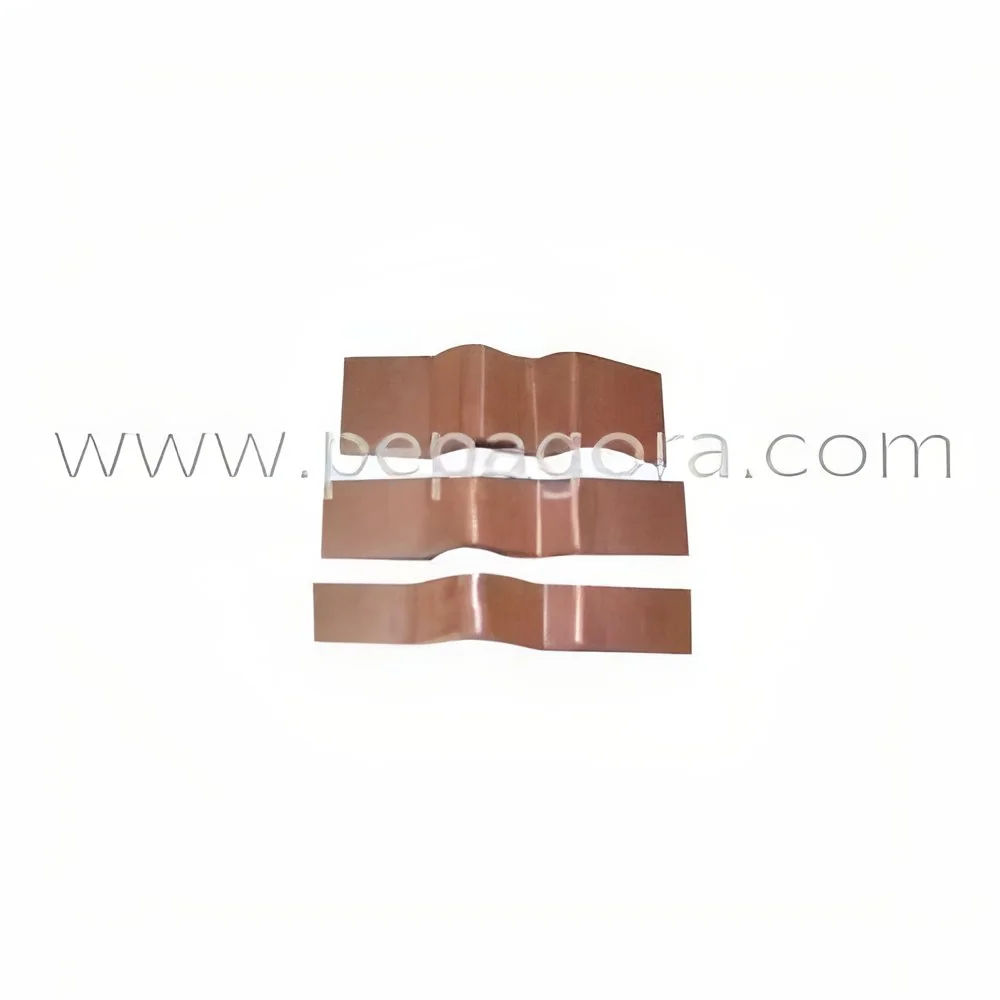
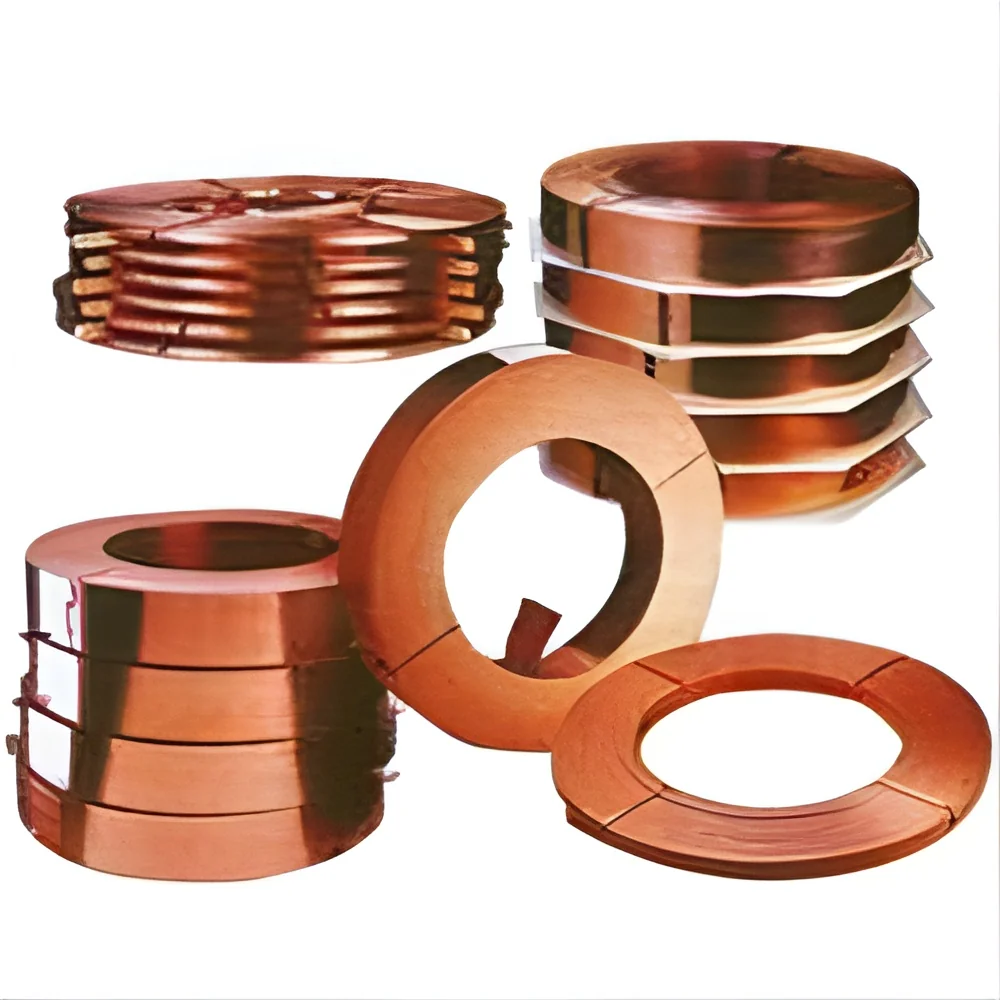
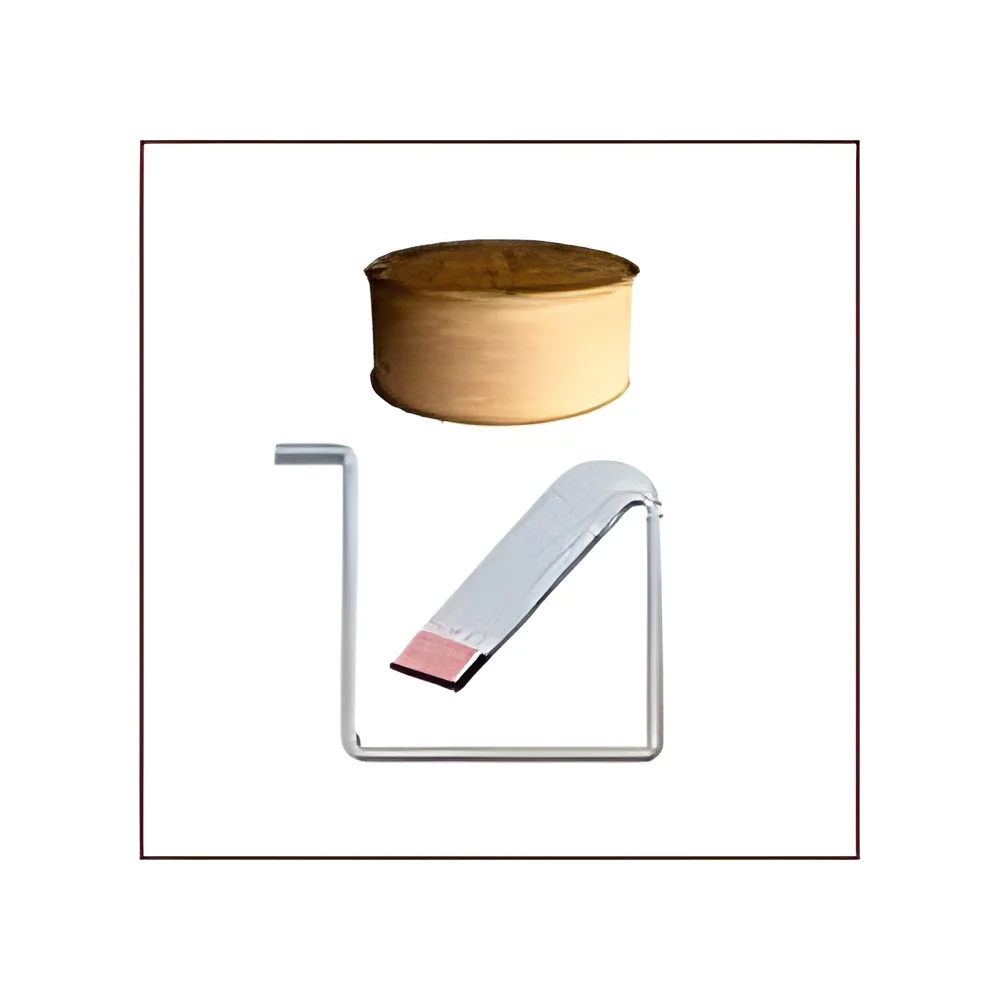
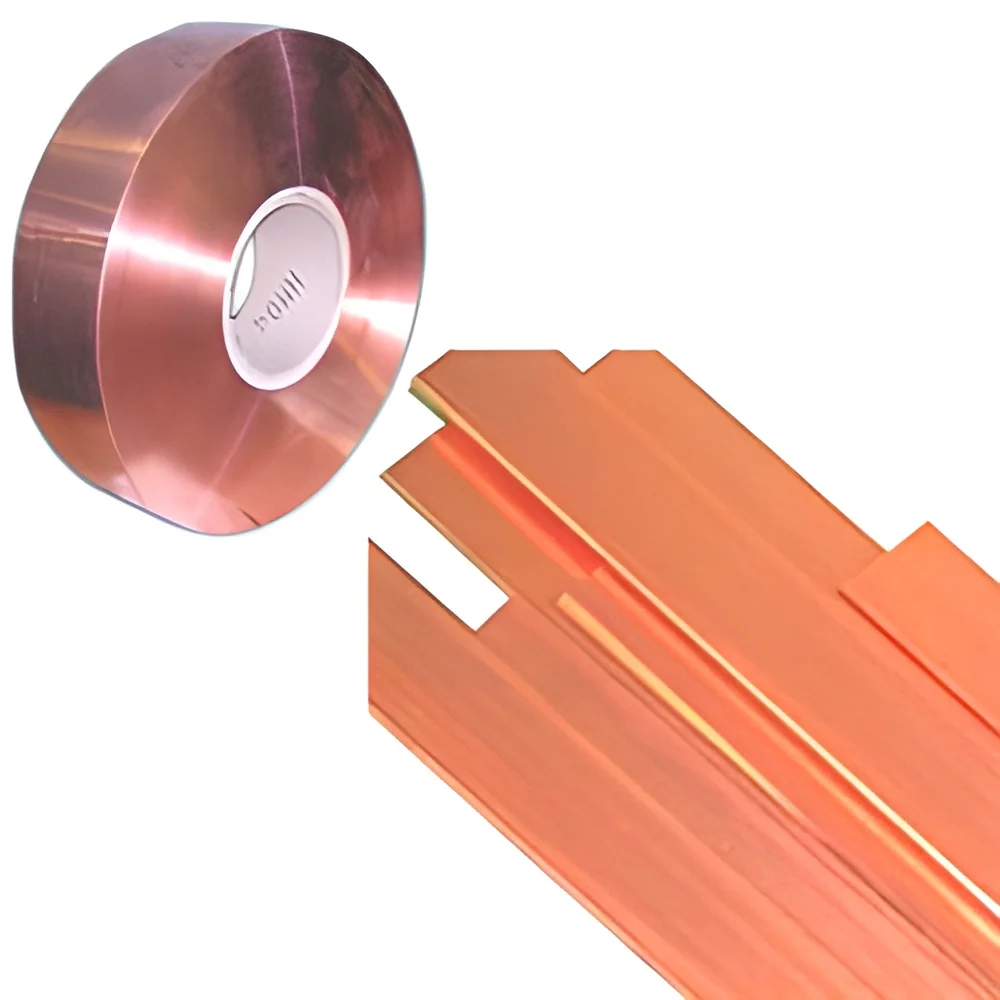
What are Metal Foils & Strips?
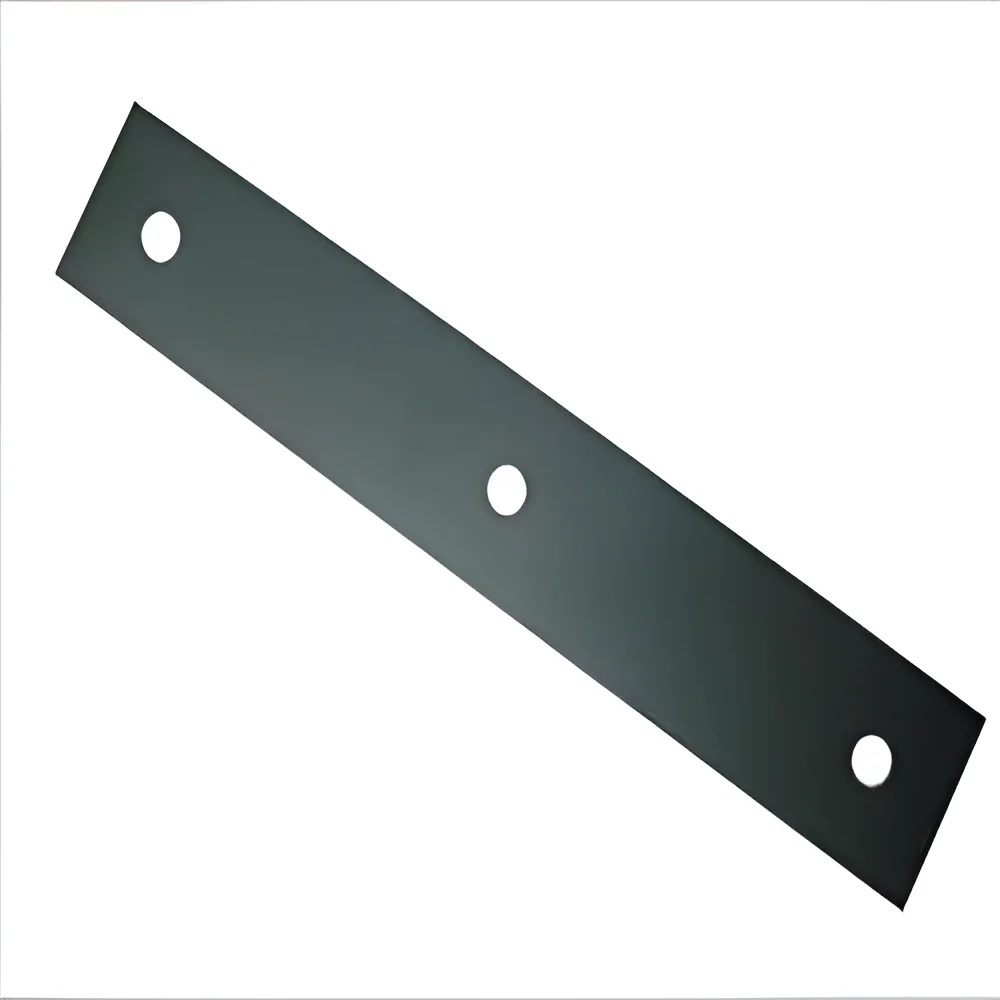
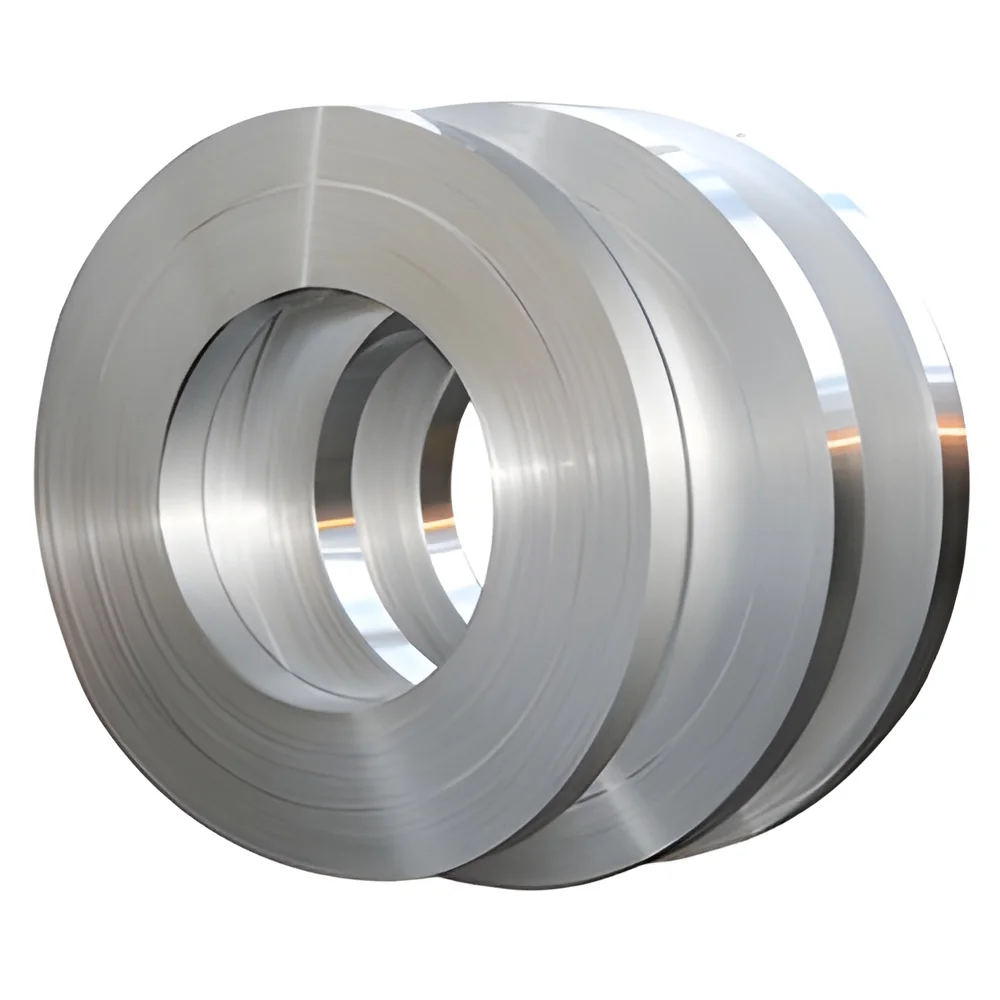
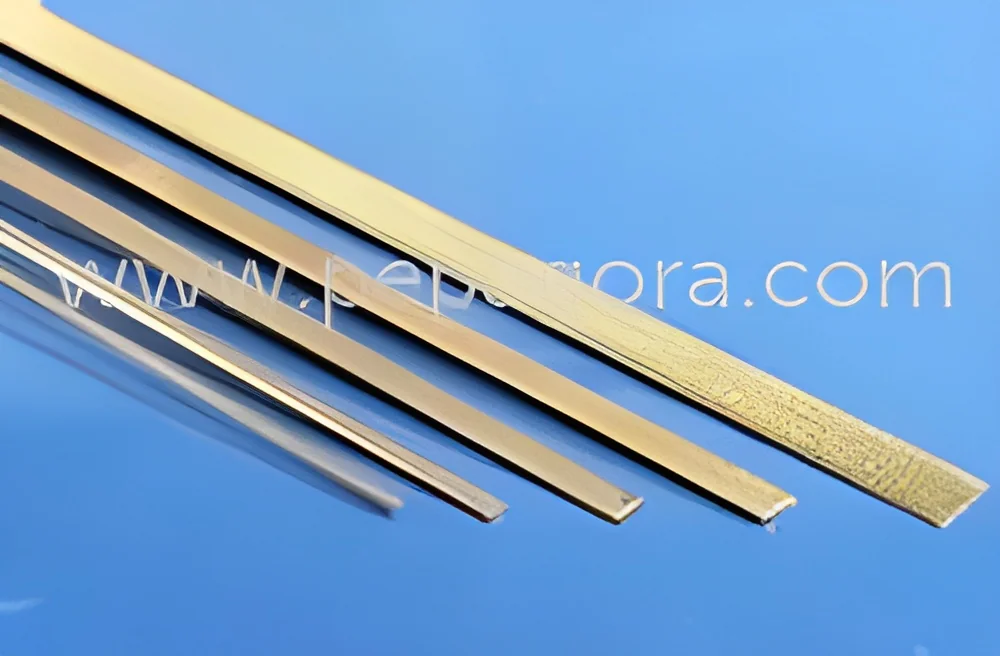
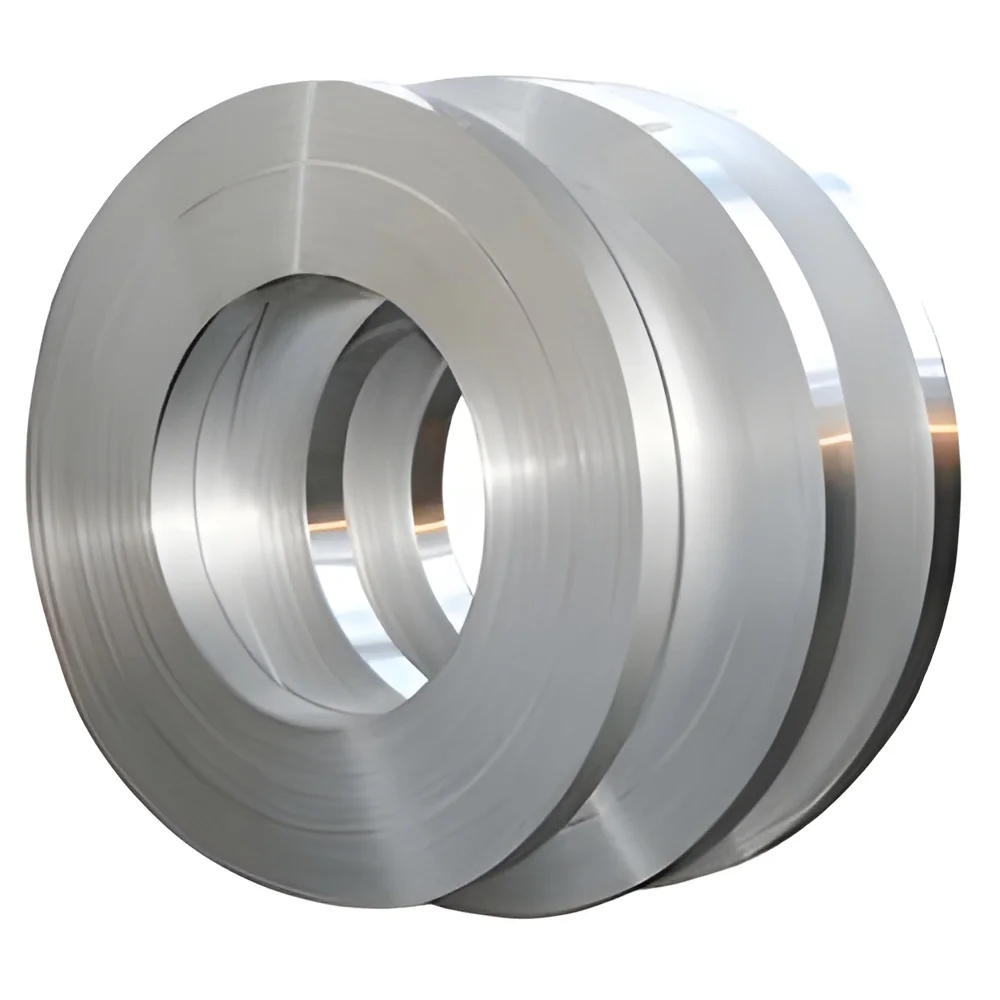
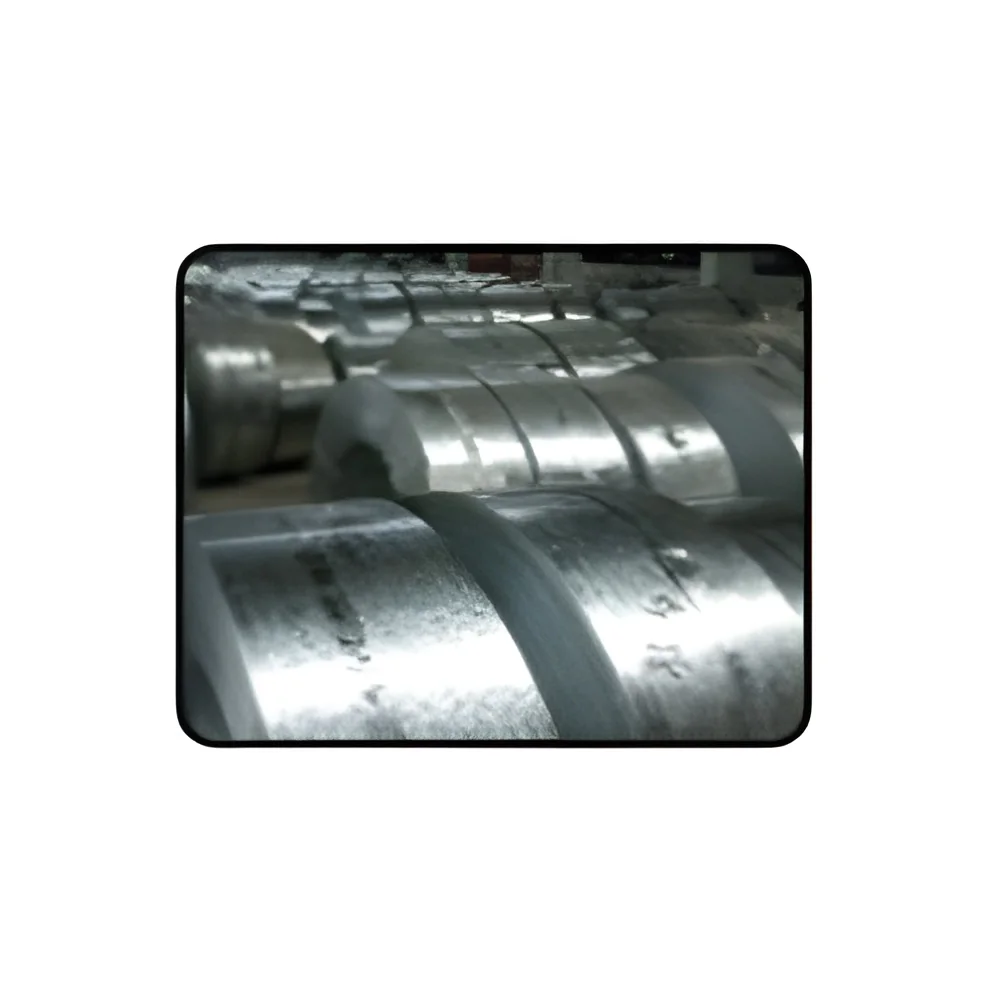
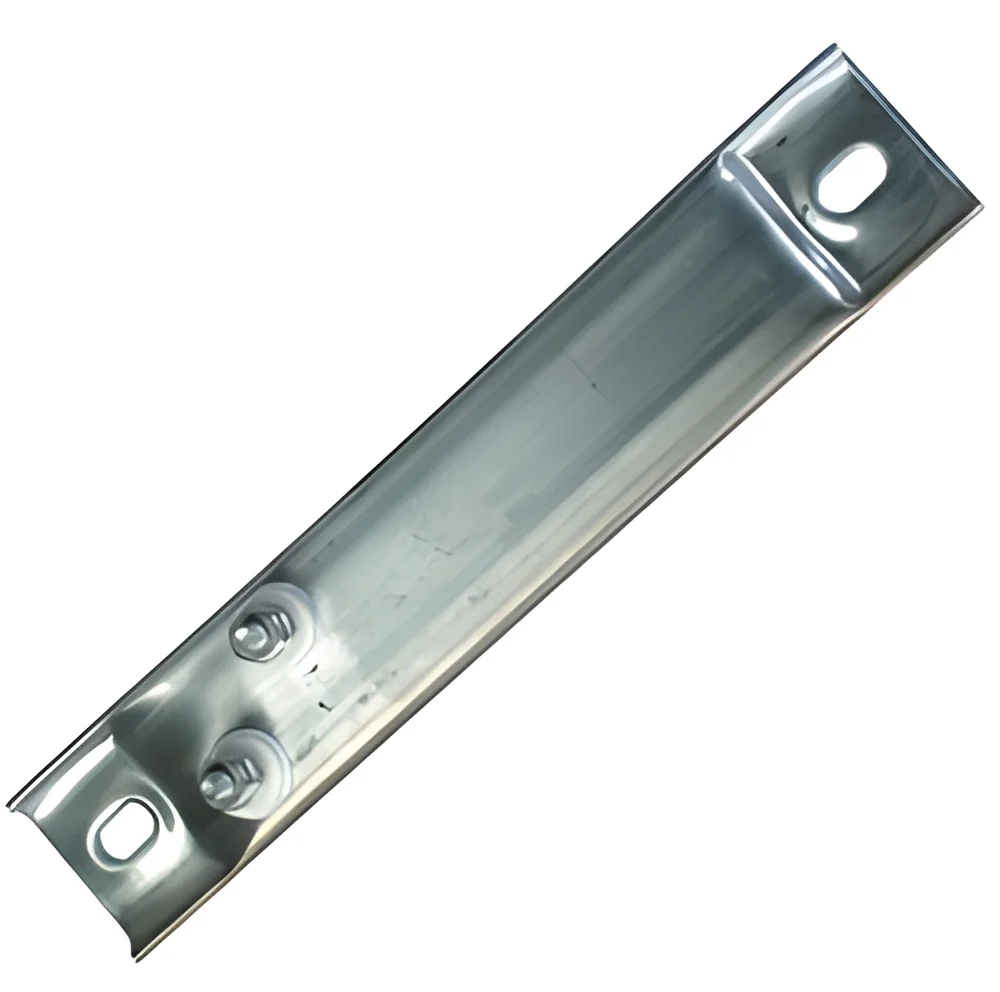
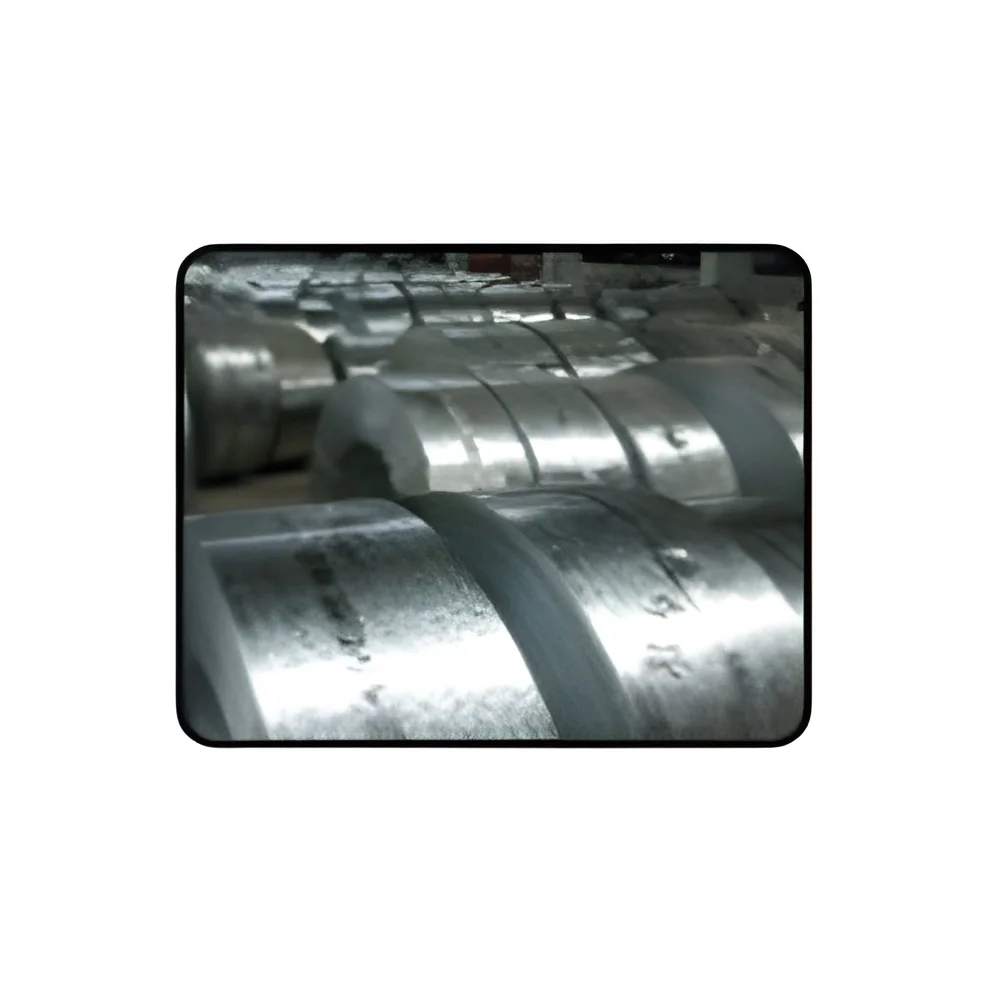
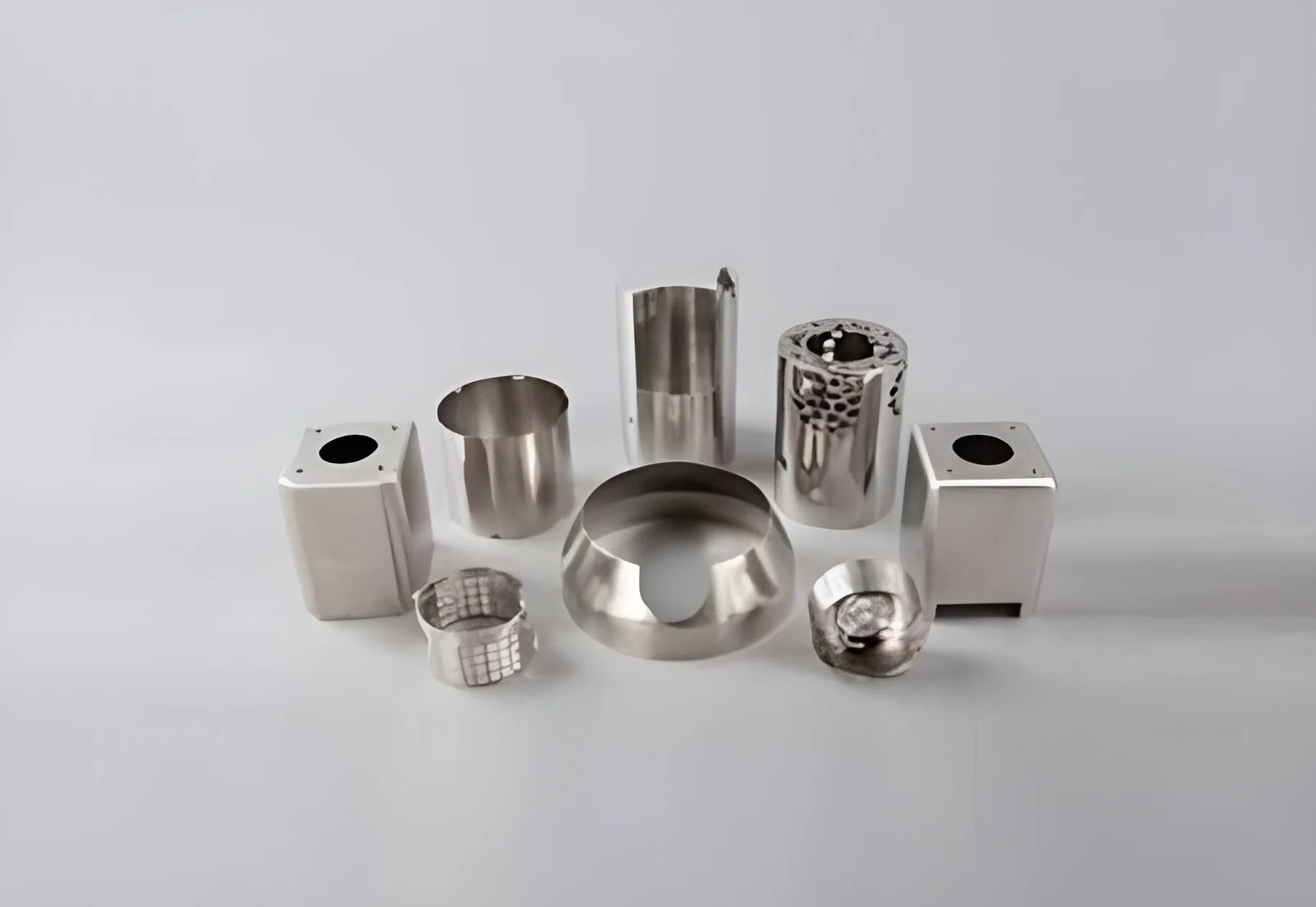
Metal foils and strips are thin sheets or bands of metal that have a variety of industrial applications. They are typically manufactured from materials such as aluminum, copper, stainless steel, and nickel. These products are known for their lightweight, flexibility, and high durability, which make them suitable for numerous uses across different sectors.
The primary applications of metal foils and strips include insulation, packaging, and electronic components. In the automotive and aerospace industries, they are often utilized for thermal and electrical insulation. Additionally, they serve significant roles in the manufacturing of consumer goods, where they provide structural integrity and protection. The increasing demand for lightweight materials in various sectors has enhanced the relevance of metal foils and strips in today's market.
As industries continue to evolve, metal foils and strips remain essential components in numerous manufacturing processes. Their versatility and adaptability ensure that they meet the diverse needs of modern applications, contributing to advancements in technology and efficiency across various fields.
Key Features and Specifications
Metal foils and strips are characterized by specific features that make them suitable for various applications. These features include thickness, material type, and finish. Understanding these specifications is crucial for selecting the right product for specific needs.
Key specifications include:
1. Thickness
- Available in a range of thicknesses from 0.001 inches to 0.250 inches.
- Different thicknesses cater to specific application requirements.
2. Material Type
- Common materials include aluminum, copper, stainless steel, and nickel.
- Each material offers unique properties suitable for different applications.
3. Surface Finish
- Options include matte, polished, and anodized finishes.
- Finish affects appearance and performance in specific environments.
4. Width
- Typically ranges from 1 inch to 36 inches.
- Custom widths can be provided based on customer needs.
5. Length
- Available in standard lengths or custom lengths upon request.
- Length specifications depend on the intended application.
6. Tolerance Levels
- Tolerances can vary based on the manufacturing process.
- Precision tolerances ensure compatibility with specific engineering applications.
7. Thermal Conductivity
- Varies by material, essential for applications requiring heat dissipation.
- High thermal conductivity materials are ideal for electronics.
8. Electrical Conductivity
- Critical for applications in electrical components and systems.
- Copper and aluminum offer high electrical conductivity.
In summary, understanding the key features and specifications of metal foils and strips is essential for businesses in selecting the right product for their specific needs.
Common Applications and Use Cases
Metal foils and strips find utility across numerous industries, each with specific applications tailored to their unique requirements.
1. Electronics: Metal foils are widely used in the production of capacitors, heat sinks, and electrical connectors. Their excellent conductivity makes them ideal for these applications.
2. Automotive: In the automotive sector, metal strips serve as heat shields and electrical components. They enhance safety and performance by providing insulation and protection.
3. Aerospace: Metal foils are crucial in aerospace applications for thermal protection and structural integrity. Their lightweight nature contributes to fuel efficiency.
4. Packaging: In the packaging industry, metal foils are used for food preservation and protection against moisture and contamination. This ensures product longevity and safety.
5. HVAC: Metal strips are utilized in heating, ventilation, and air conditioning systems for ductwork and insulation materials. They improve energy efficiency and system performance.
6. Medical Devices: In the medical field, metal foils are used for manufacturing various devices, including sensors and surgical instruments, where precision and reliability are critical.
7. Construction: Metal strips are employed in construction for framing, roofing, and siding applications. They provide strength and durability to building structures.
8. Renewable Energy: In the renewable energy sector, metal foils are used in solar panels and wind turbines. Their efficient energy transfer properties contribute to improved performance.
Product Variants and Subcategories
Metal foils and strips come in a variety of forms, catering to diverse industrial needs. These variants offer unique features that enhance their applicability in specific sectors.
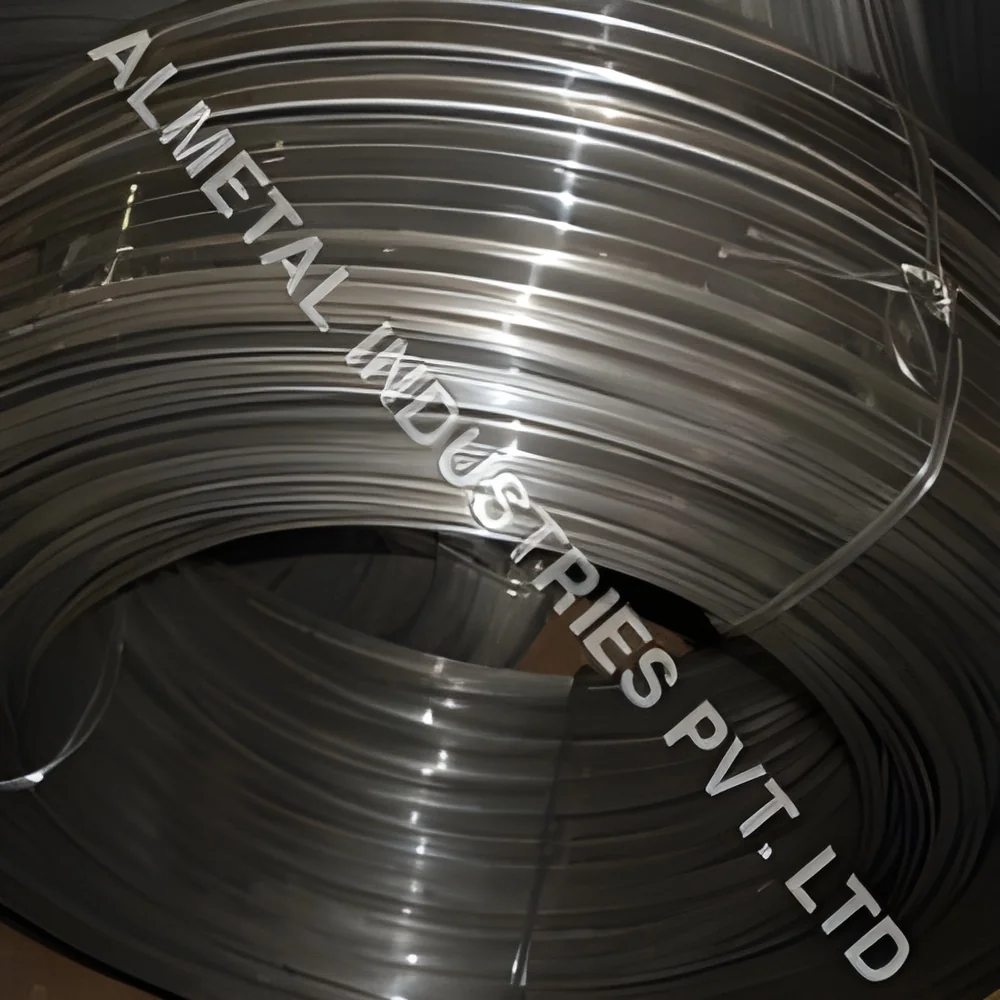
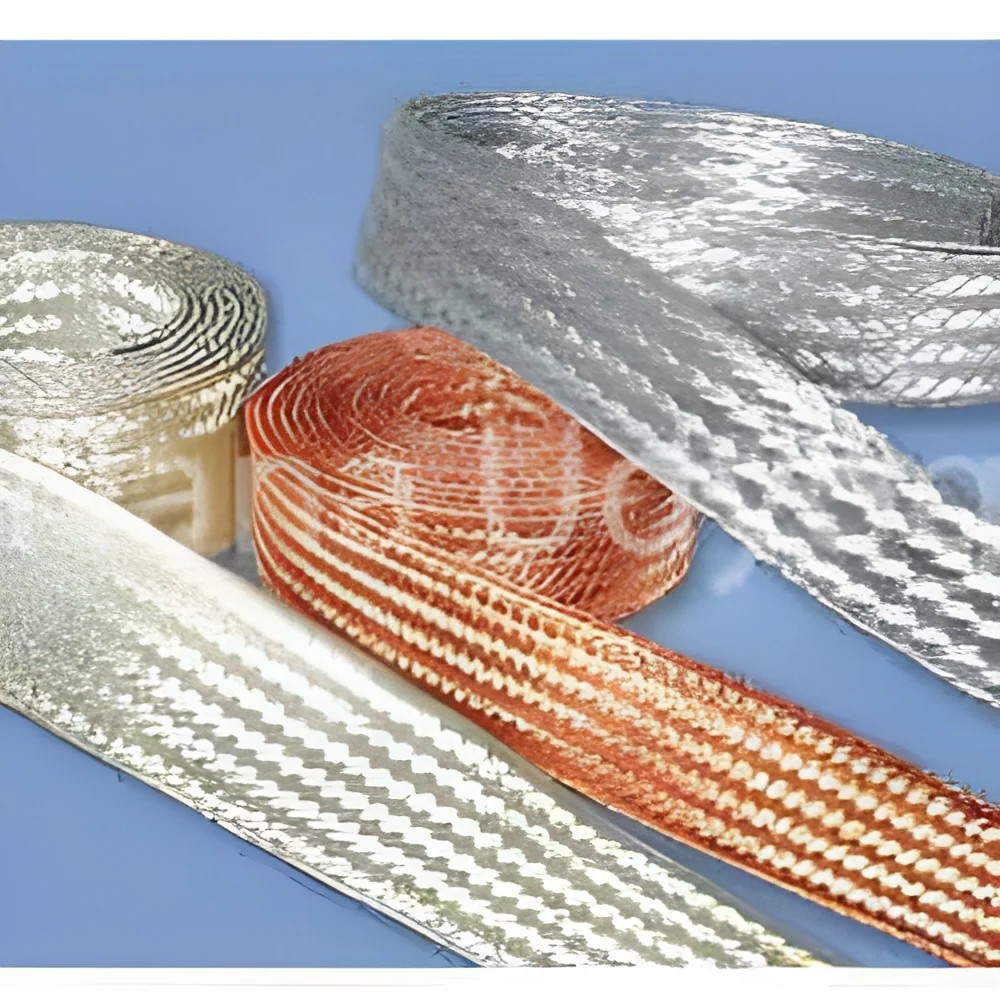
Aluminum Foil Strips
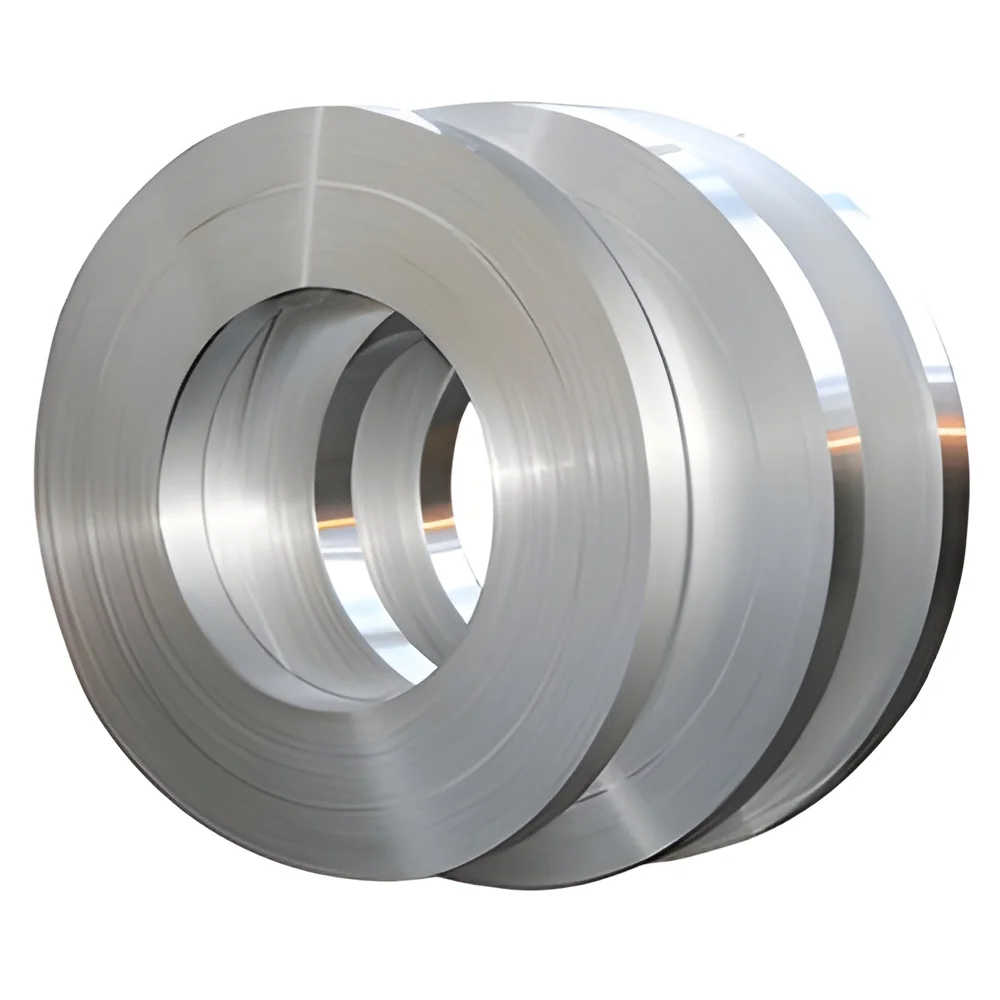
Aluminum foil strips are lightweight and corrosion-resistant. They are commonly used in packaging, insulation, and electronic components due to their excellent thermal and electrical conductivity.
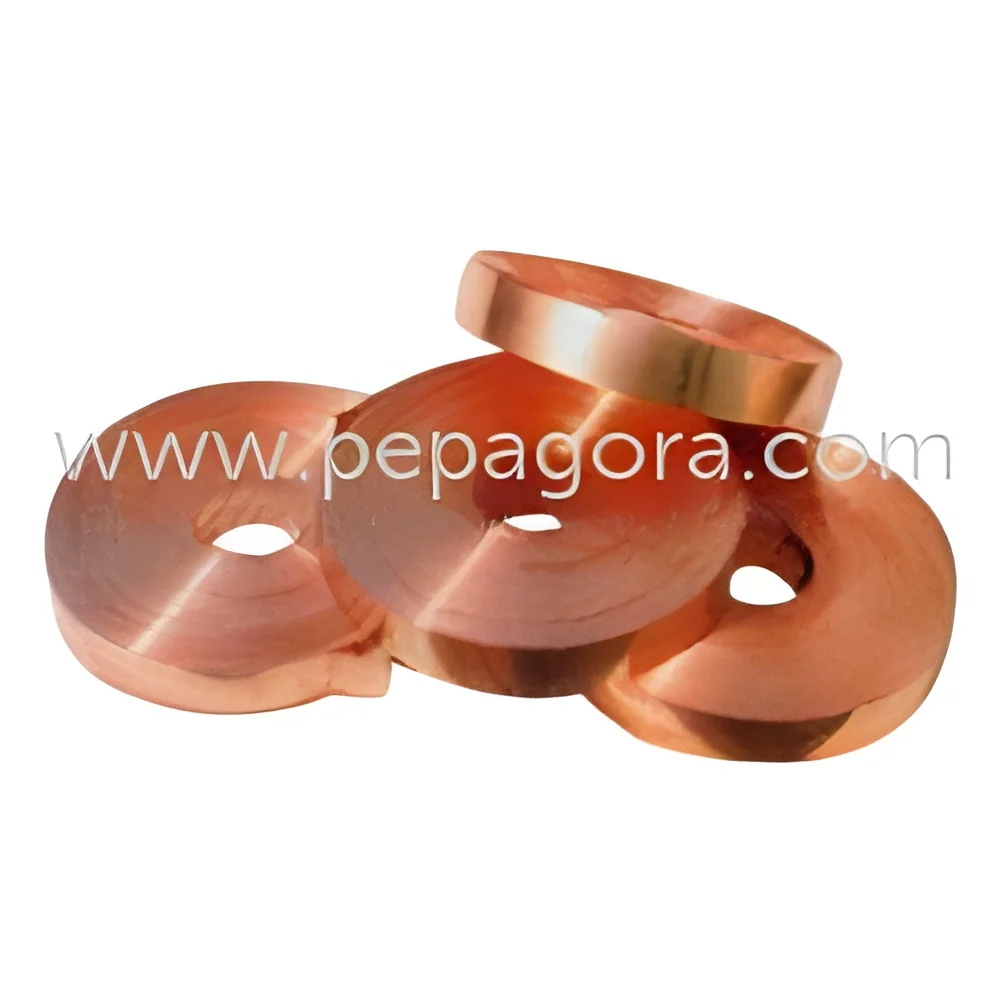
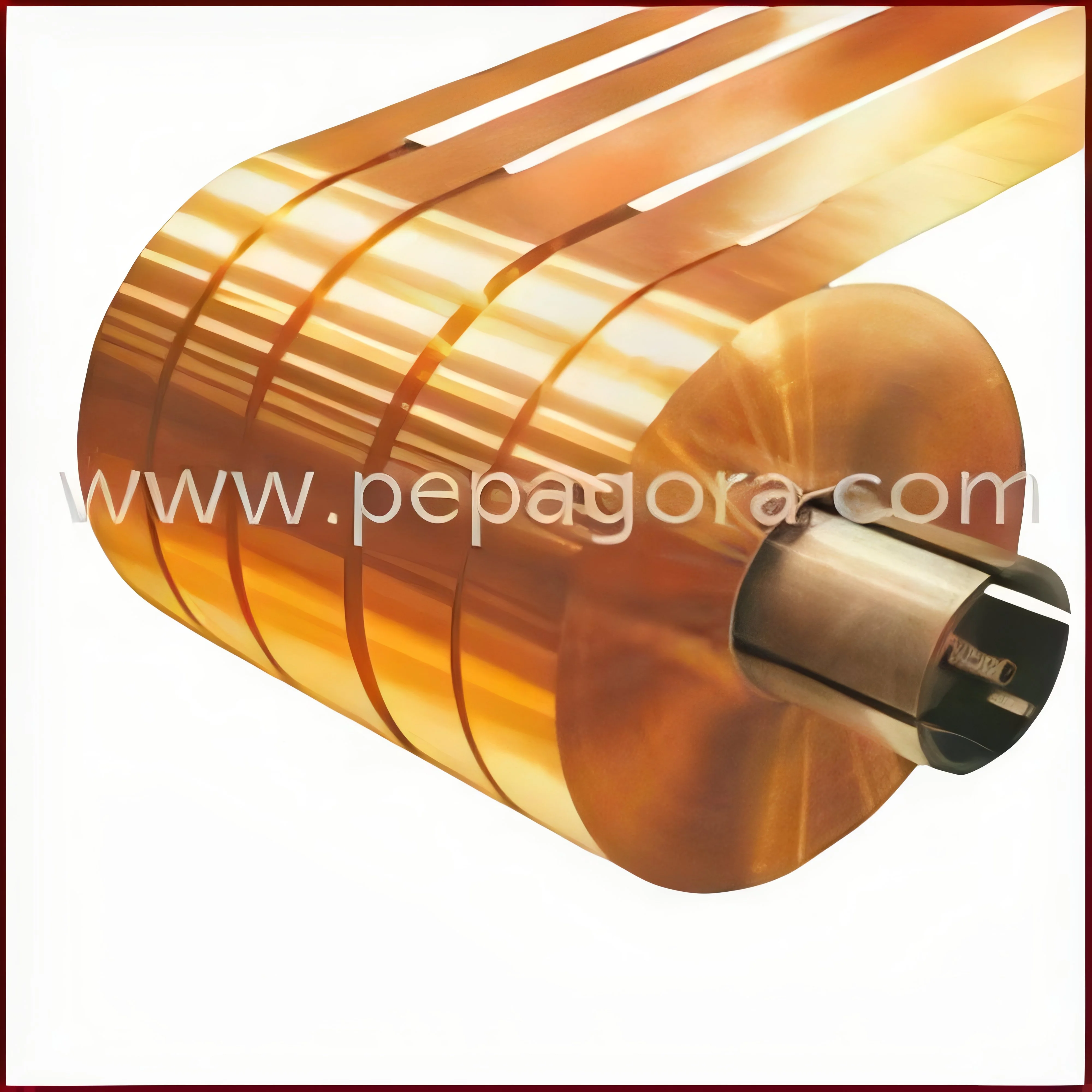
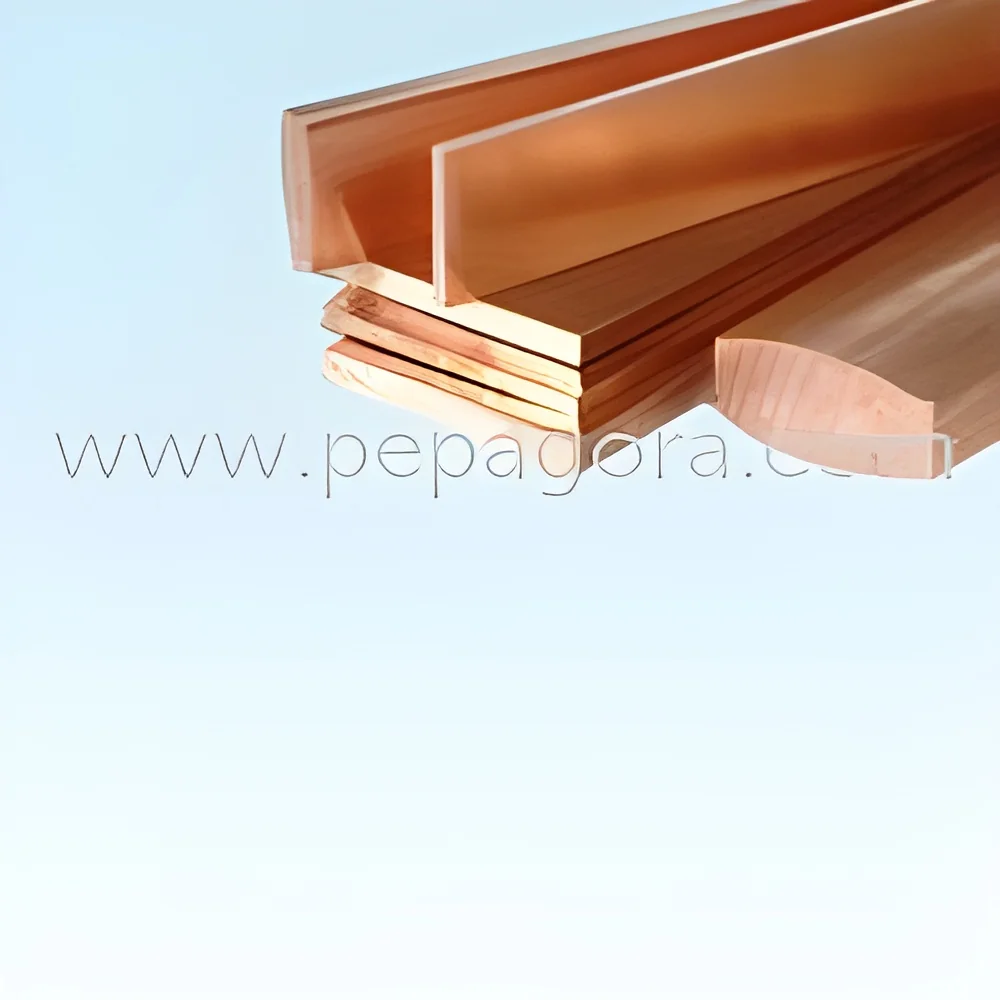
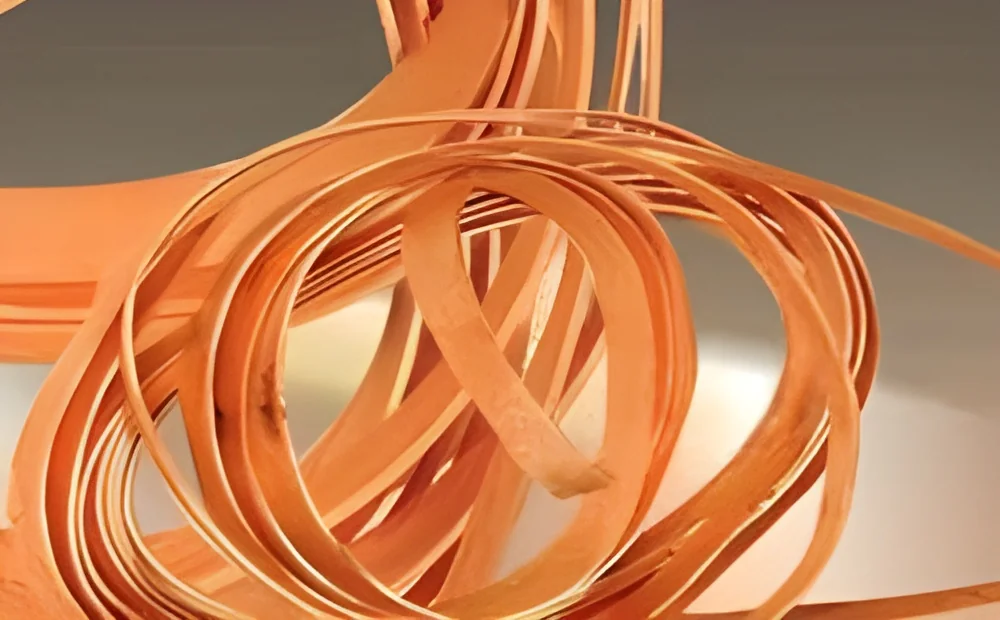
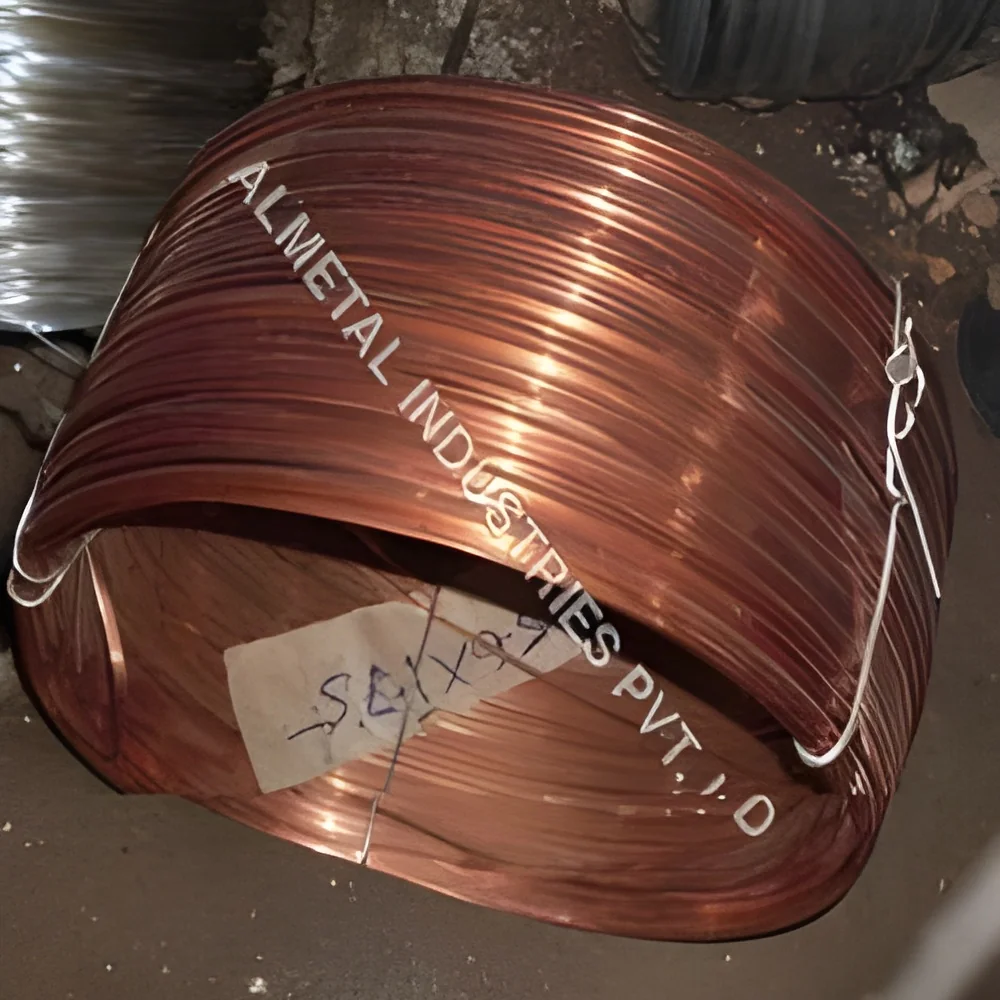
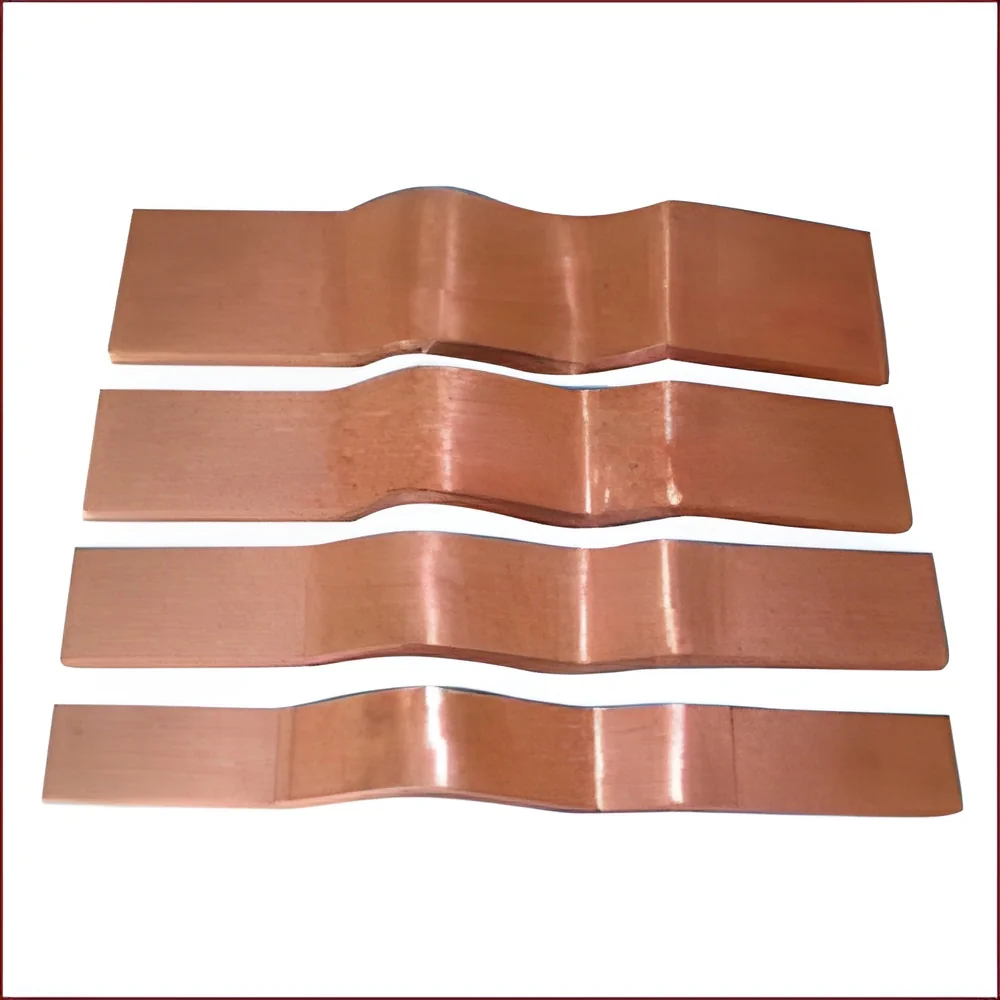
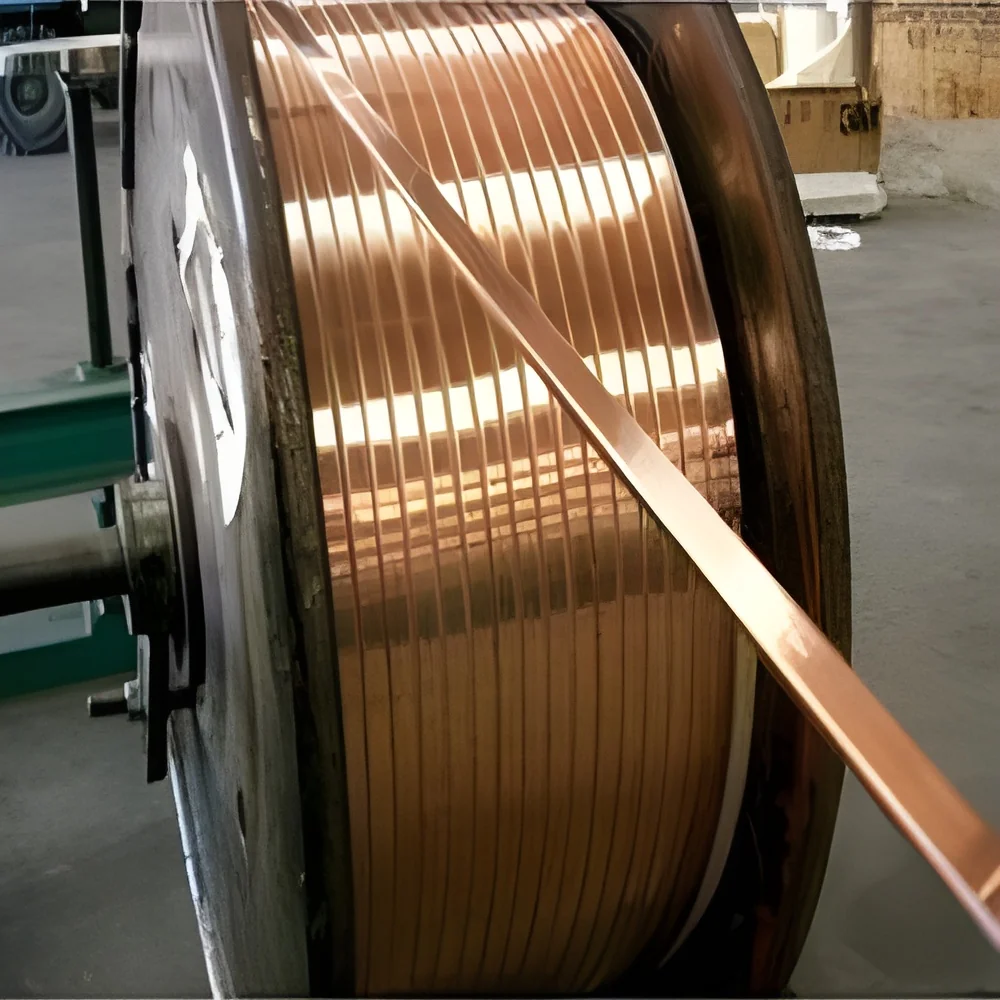
Copper Foil Strips
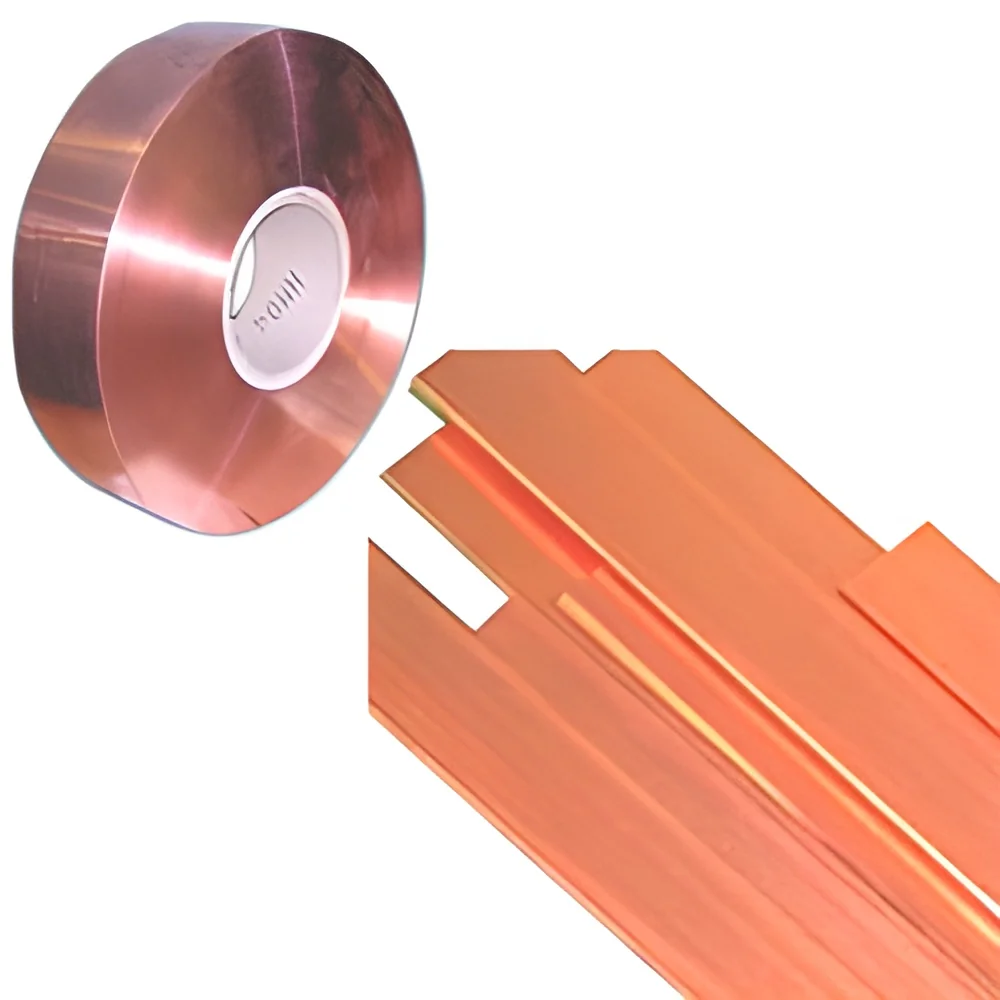
Copper foil strips are known for their high electrical conductivity. They are frequently utilized in the electronics industry for circuit boards and connectors, as well as in various manufacturing processes.
Stainless Steel Foil Strips
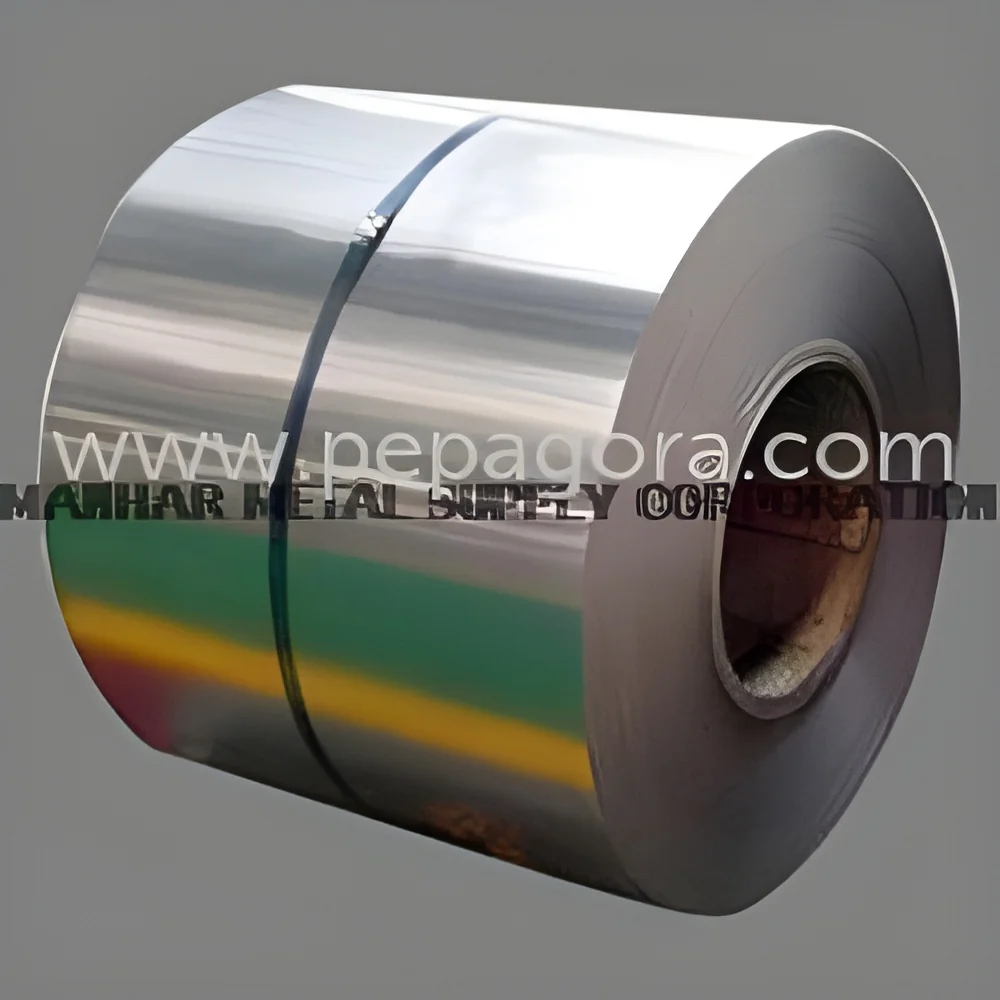
Stainless steel foil strips offer strong resistance to corrosion and high temperatures. They are ideal for applications in the food processing, aerospace, and automotive industries, where durability is essential.
Nickel Foil Strips
Nickel foil strips are used in high-temperature applications and provide good corrosion resistance. They are commonly found in the production of batteries and electrical connectors.
Benefits and Advantages
Metal foils and strips provide numerous benefits that enhance their value in various applications.
1. Lightweight: Their lightweight nature allows for easier handling and transportation, reducing overall production costs.
2. Versatility: Metal foils and strips can be used across multiple industries, making them a flexible choice for manufacturers.
3. Excellent Conductivity: High thermal and electrical conductivity makes these products suitable for a range of applications, especially in electronics.
4. Durability: The robust nature of metal foils and strips ensures they withstand harsh environments, increasing their longevity.
5. Customization: Many manufacturers offer customization options, allowing for tailored solutions to meet specific operational needs.
6. Cost-Effectiveness: The efficient production processes and material properties make metal foils and strips a cost-effective solution for businesses.
Buying Guide for B2B Buyers
When sourcing metal foils and strips, B2B buyers should consider several critical factors to ensure they make informed purchasing decisions.
1. Quality Assessment: Buyers should evaluate the quality of the metal foils and strips, checking for certifications and compliance with industry standards. This ensures the products meet the necessary performance requirements.
2. Supplier Verification: It is essential to vet suppliers for their reliability and track record. Buyers should check references and review past performance to ensure they are working with reputable manufacturers.
3. Pricing and MOQ: Understanding the pricing structure and minimum order quantities (MOQ) is vital. Buyers should compare pricing across suppliers while considering the quality and specifications of the products.
4. Delivery and Lead Times: Timely delivery is crucial for maintaining production schedules. Buyers should inquire about lead times and logistics to ensure that they can meet their operational needs.
5. Compliance Requirements: Buyers need to be aware of any regulatory compliance requirements related to metal foils and strips. This includes understanding regional standards and safety testing protocols.
Compliance and Certifications
Compliance with industry standards is critical for metal foils and strips to ensure quality and safety. Relevant quality standards such as ISO 9001 guarantee that manufacturers adhere to consistent quality management processes. Compliance with HACCP and GDP standards may also apply in industries like food processing, ensuring that materials are safe for use.
Certifications such as CE are essential for products sold in European markets, indicating that they meet safety, health, and environmental protection standards. Manufacturers may also need to comply with specific safety and testing requirements based on the application of the metal foils and strips.
Additionally, regional compliance considerations are important, as regulations may vary by country. Buyers should ensure that their suppliers are knowledgeable about local compliance standards and can provide the necessary documentation for their products.
Why Source Metal Foils & Strips from Pepagora?
Pepagora offers a reliable platform for sourcing metal foils and strips, providing several key advantages for B2B buyers.
Verified Supplier Network: Pepagora has a comprehensive network of verified suppliers, ensuring that buyers can access high-quality products. Each supplier is vetted for reliability and industry compliance, giving buyers peace of mind.
Streamlined RFQ Process: The Request for Quotation (RFQ) process is designed to be straightforward and efficient. Buyers can easily submit their requirements and receive competitive quotations from multiple suppliers, simplifying the sourcing process.
Trade Assurance and Support: Pepagora offers trade assurance and support to protect buyers throughout the purchasing process. This includes assistance with negotiations and dispute resolution, ensuring a smoother transaction.
Regional Coverage: With a strong presence in regions such as India, the GCC, and Southeast Asia, Pepagora caters to a diverse range of buyers. This regional coverage allows for better access to local suppliers and products tailored to specific market needs.

 IN
IN