What are OEM Metal Supply Services?
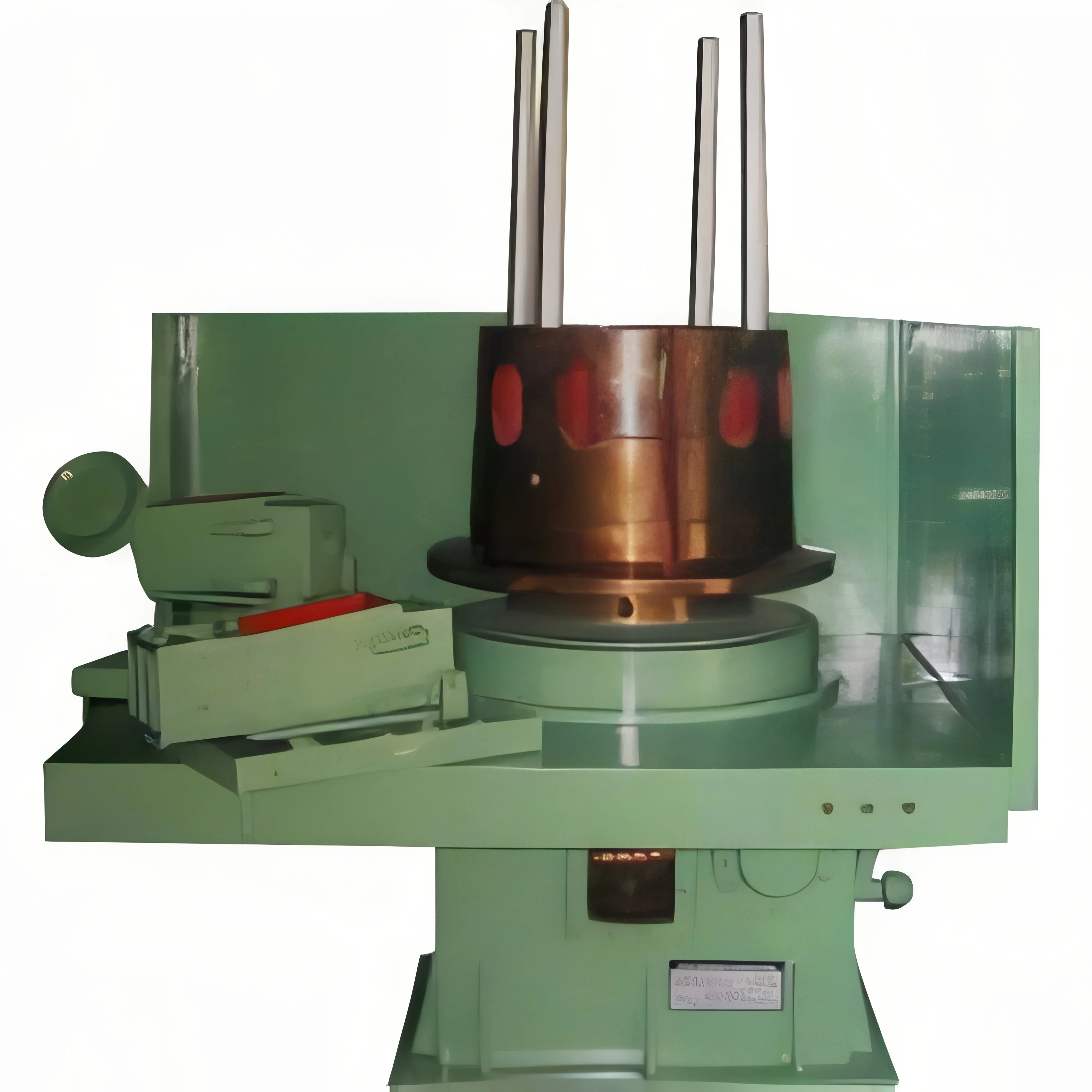
OEM Metal Supply Services refer to the provision of metal components and materials specifically designed and manufactured for Original Equipment Manufacturers (OEMs). These services involve the sourcing, processing, and delivery of metal products that meet precise specifications for various applications in manufacturing processes. In this context, OEM metal suppliers work closely with manufacturers to ensure that the metal products align with their design and operational requirements.
The primary uses of OEM Metal Supply Services span a wide range of industries, including automotive, aerospace, electronics, and construction. Businesses utilize these services to acquire high-quality metal parts that are essential for their final products. This can include anything from structural components to intricate metal parts that require specific tolerances and finishes. As industries continue to evolve and demand greater efficiency, the relevance of OEM metal supply services has grown, making them a critical component in the supply chain for many manufacturers.
In today's competitive market, OEM Metal Supply Services play a crucial role in ensuring that manufacturers can maintain productivity and quality. With the increasing complexity of designs and the need for customization, the market for these services continues to expand. Companies that leverage OEM metal supply services gain a competitive advantage through improved product quality, reduced lead times, and enhanced operational efficiency.
Key Features and Specifications
OEM Metal Supply Services come with various features and specifications designed to meet the specific needs of manufacturers. These specifications are critical for ensuring that the supplied metal components perform effectively in their intended applications.
Key specifications include:
1. Material Types
- Includes steel, aluminum, copper, and titanium.
- Each material type has distinct properties suitable for various applications.
2. Processing Techniques
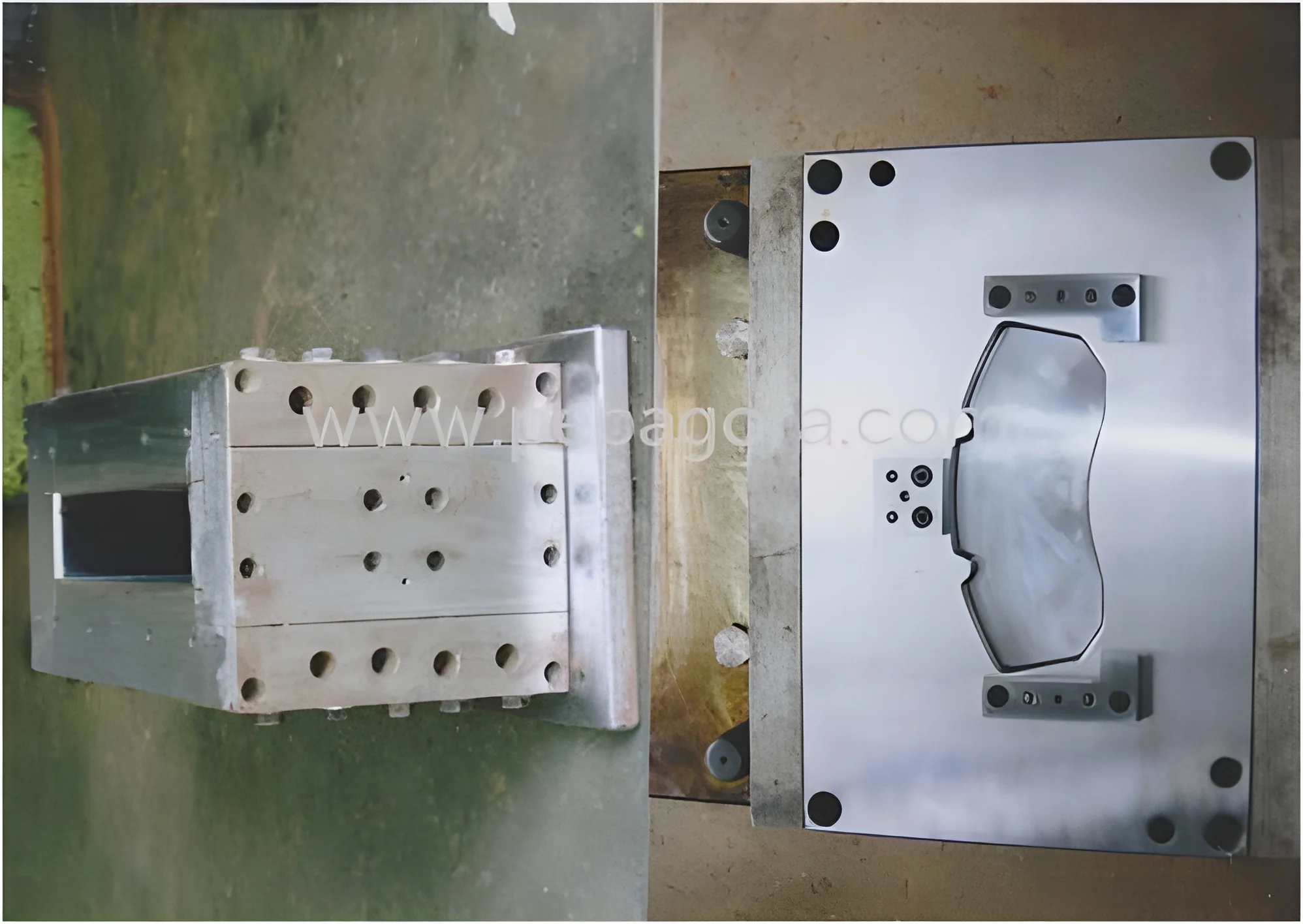
- Techniques such as cutting, bending, welding, and machining.
- These processes determine the final shape and functionality of the metal parts.
3. Tolerances
- Precision tolerances that can range from standard to ultra-fine.
- Critical for ensuring parts fit correctly in assembly.
4. Surface Finishes
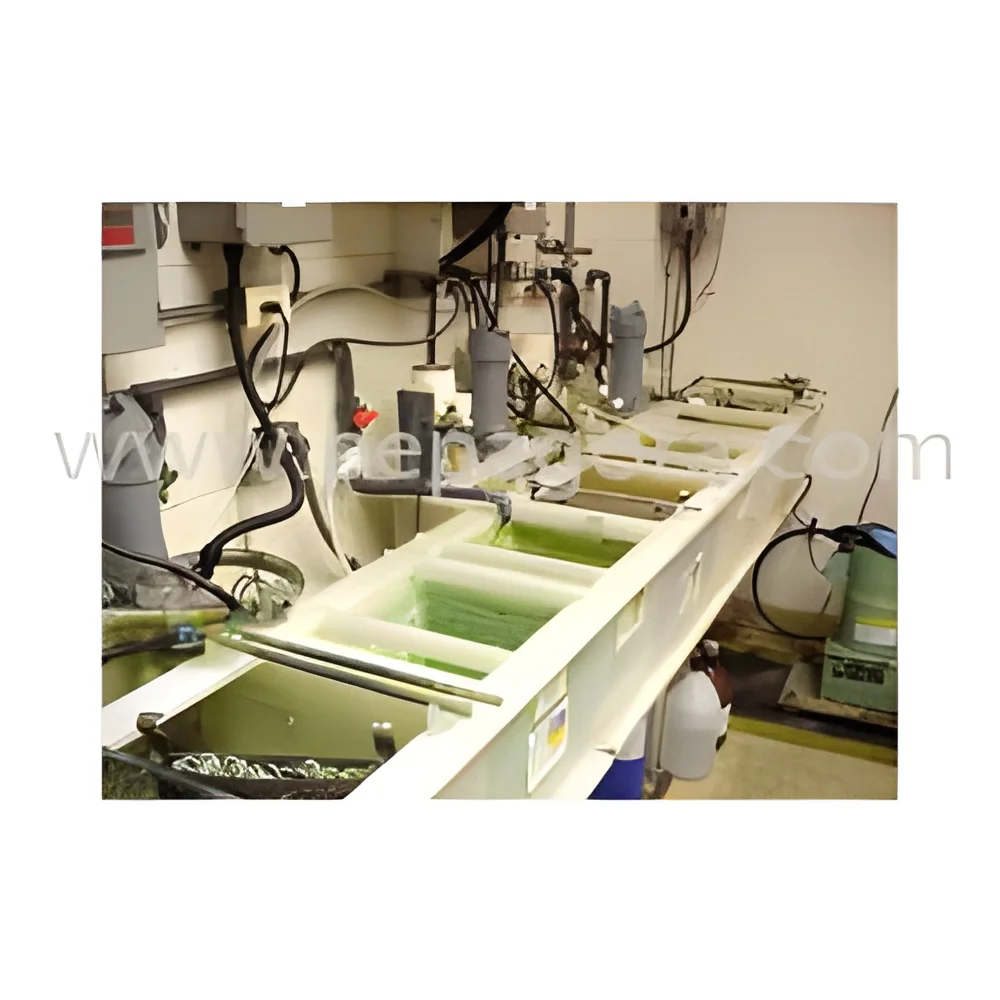
- Options include anodizing, plating, and polishing.
- These finishes enhance corrosion resistance and aesthetic appeal.
5. Customization Capabilities
- Ability to customize designs based on client specifications.
- Flexibility in production runs to accommodate different order sizes.
6. Quality Control Measures
- Implementation of rigorous testing and inspection protocols.
- Ensures that all products meet industry standards and client expectations.
7. Delivery Options
- Various shipping methods including air freight, sea freight, and local delivery.
- Timely delivery is essential to maintain production schedules.
8. Compliance Standards
- Adherence to industry-specific standards and regulations.
- Ensures that products meet safety and quality requirements.
These features and specifications collectively ensure that OEM Metal Supply Services can effectively support the diverse needs of manufacturers across various industries.
Common Applications and Use Cases
OEM Metal Supply Services are utilized across a broad spectrum of industries, each with specific applications that benefit from tailored metal components.
1. Automotive: In the automotive industry, OEM metal supply services provide critical components such as chassis parts, engine blocks, and transmission housings that require high strength and durability.
2. Aerospace: The aerospace sector relies on precision-engineered metal parts for aircraft structures, engine components, and landing gear, where safety and reliability are paramount.
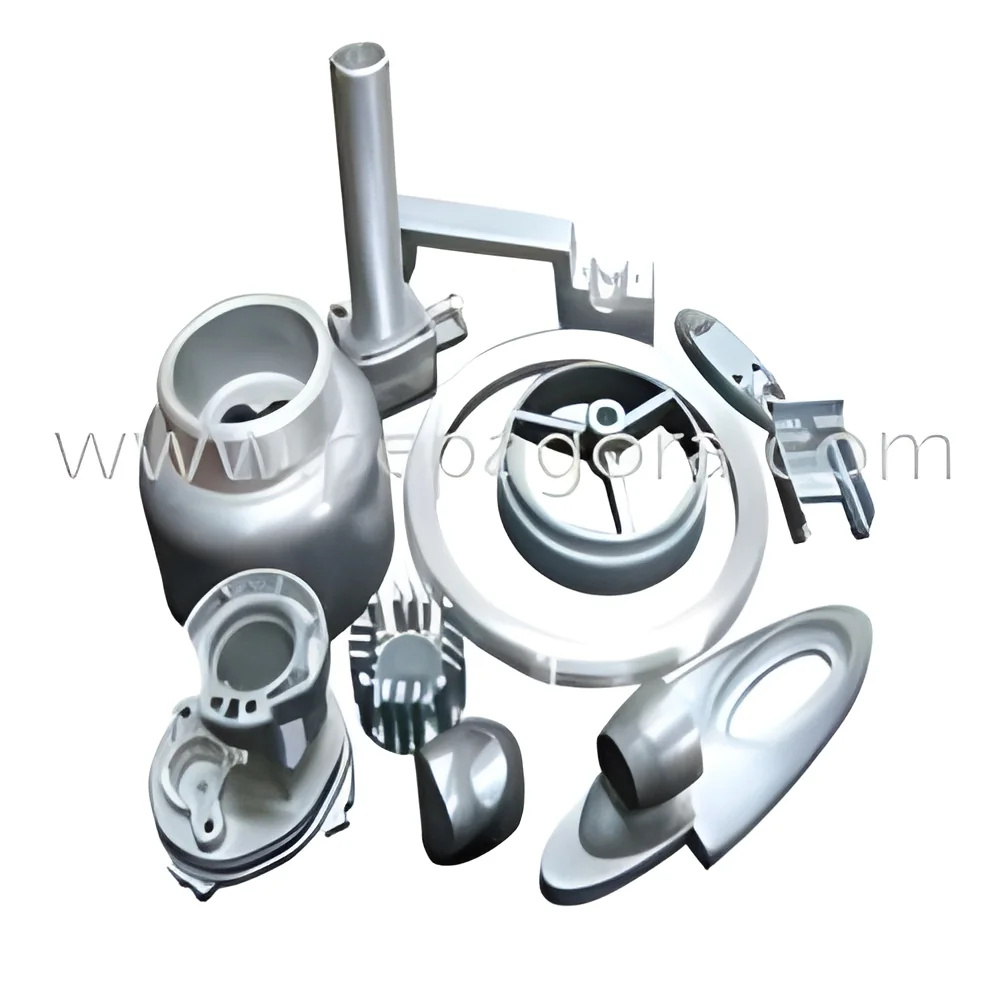
3. Electronics: In electronics manufacturing, OEM metal supply services deliver housing, connectors, and heat sinks that must meet strict dimensional and functional specifications.
4. Construction: Construction companies utilize metal components like beams, reinforcements, and brackets that must comply with stringent building codes and safety standards.
5. Medical Devices: The medical industry requires OEM metal parts for devices and equipment that demand high precision and stringent hygiene standards.
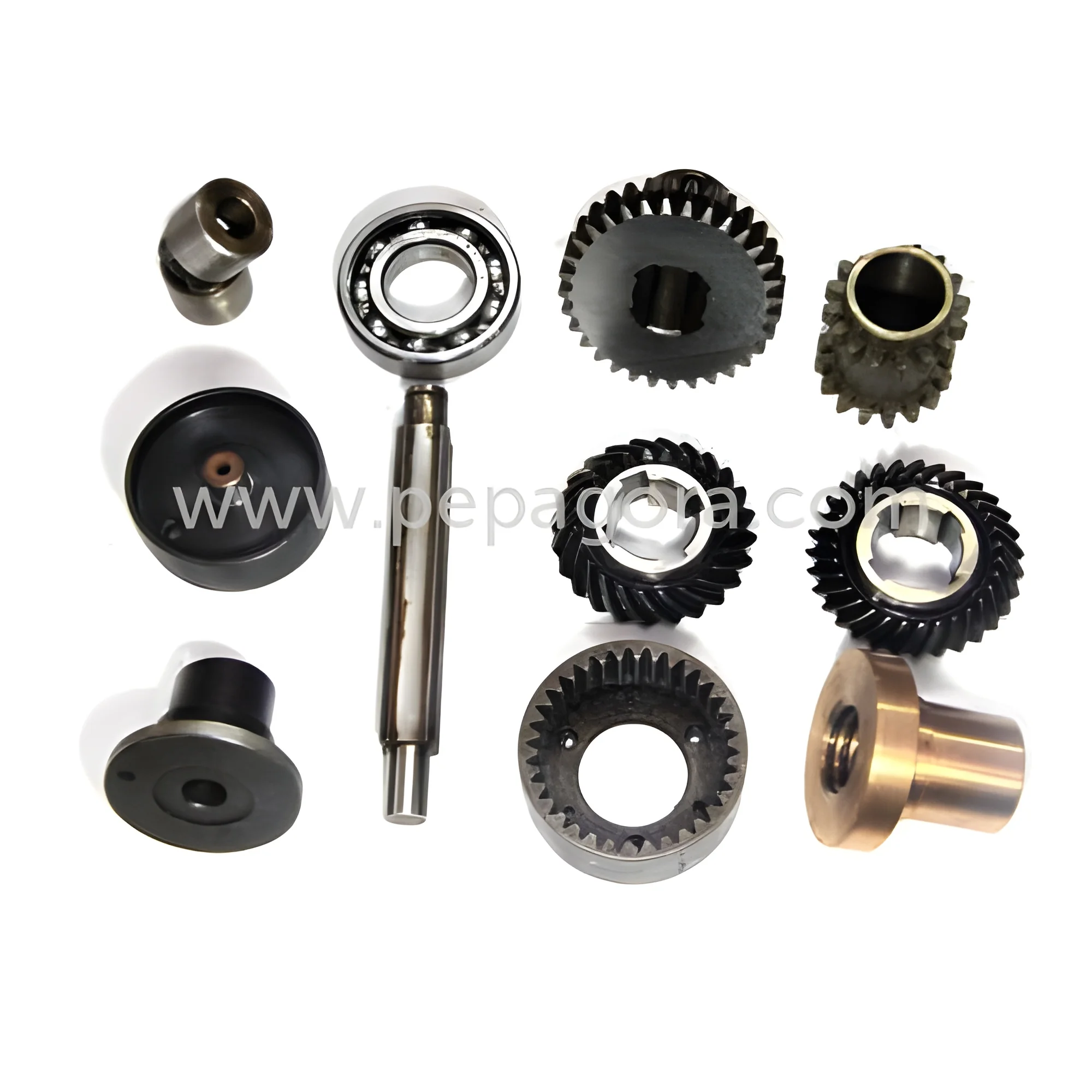
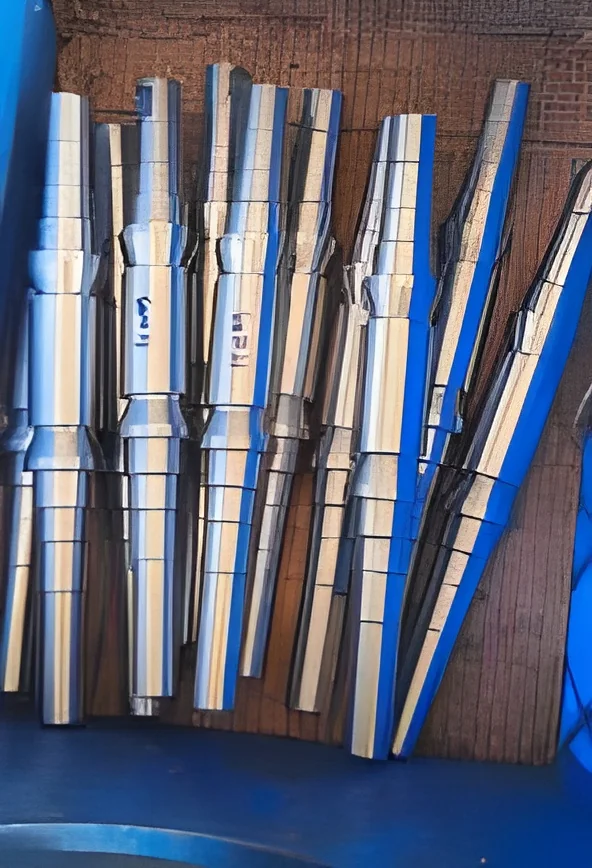
6. Industrial Machinery: OEM metal supply services provide critical components for machinery, including gears, shafts, and housings, that require durability under heavy operational loads.
7. Renewable Energy: Companies in the renewable energy sector use OEM metal parts in wind turbines and solar panels, where efficiency and material performance are essential.
Product Variants and Subcategories
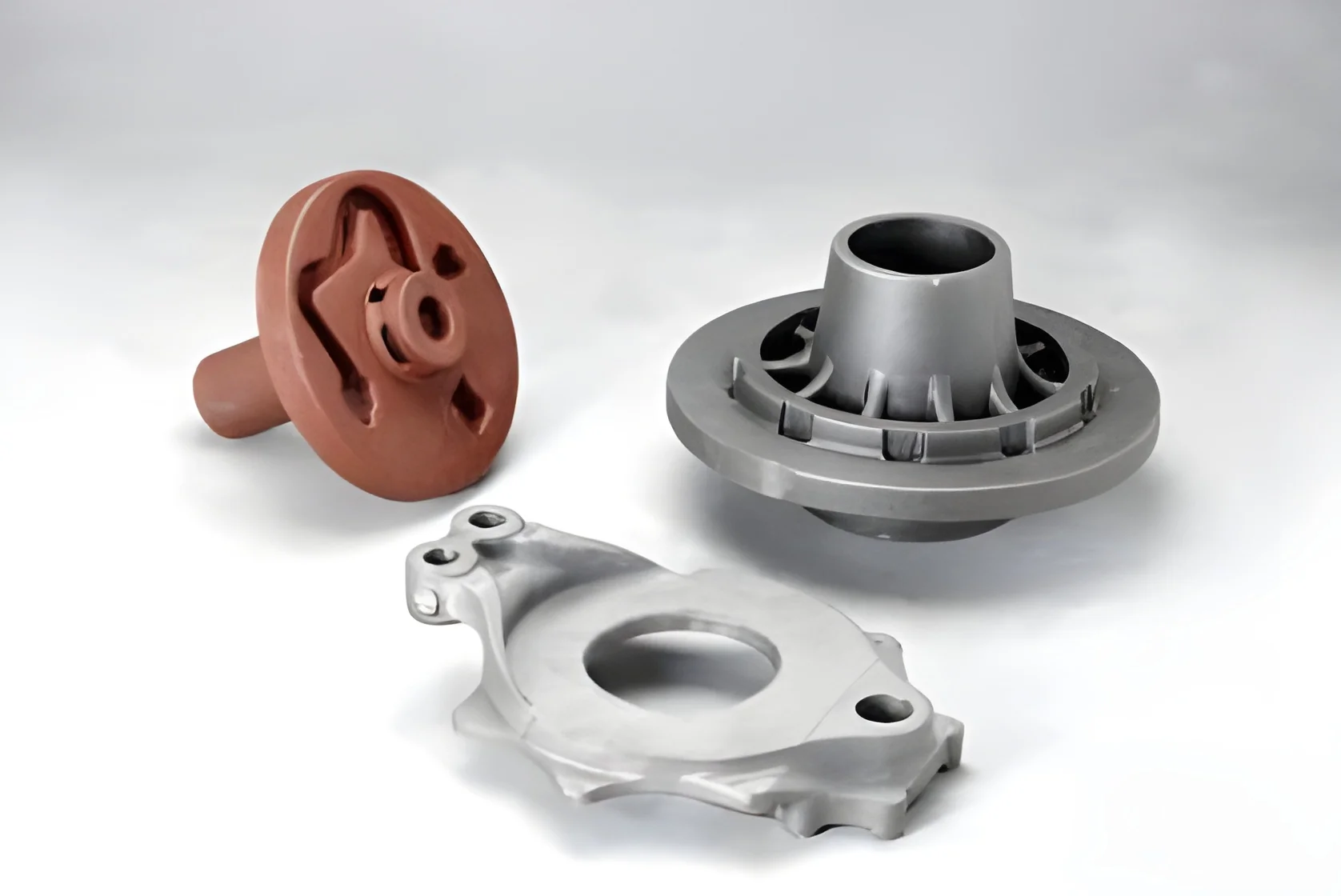
OEM Metal Supply Services offer a diversity of products tailored to specific manufacturing needs. This diversity allows businesses to select the most suitable materials and processes for their applications.
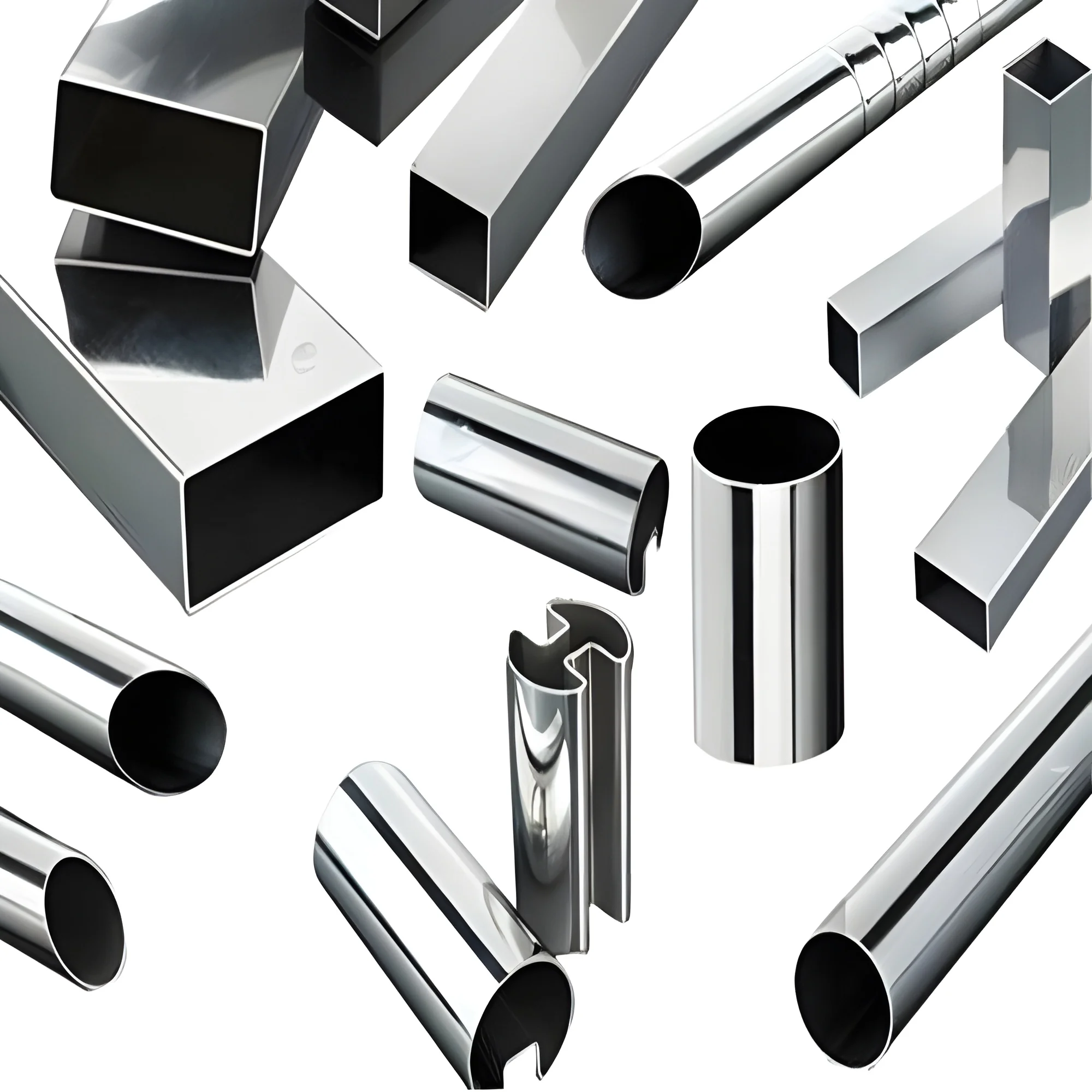
Metal Components
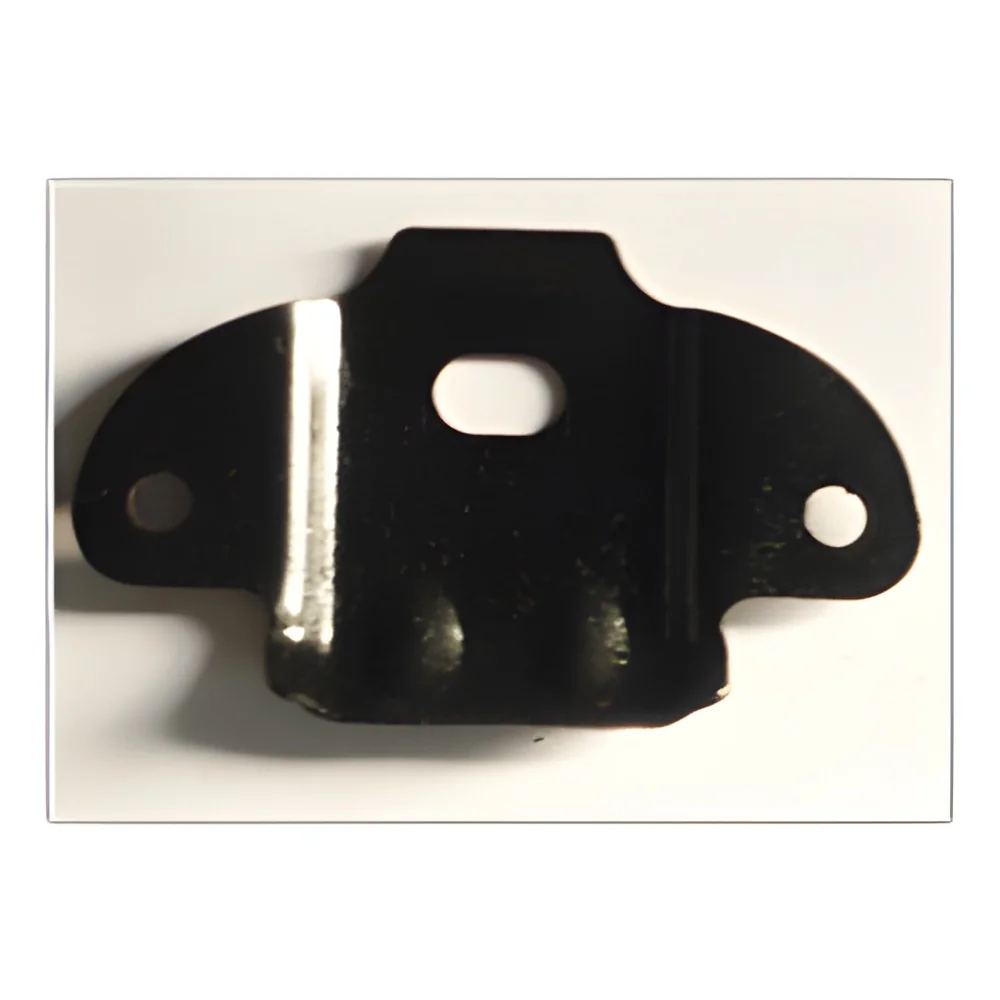
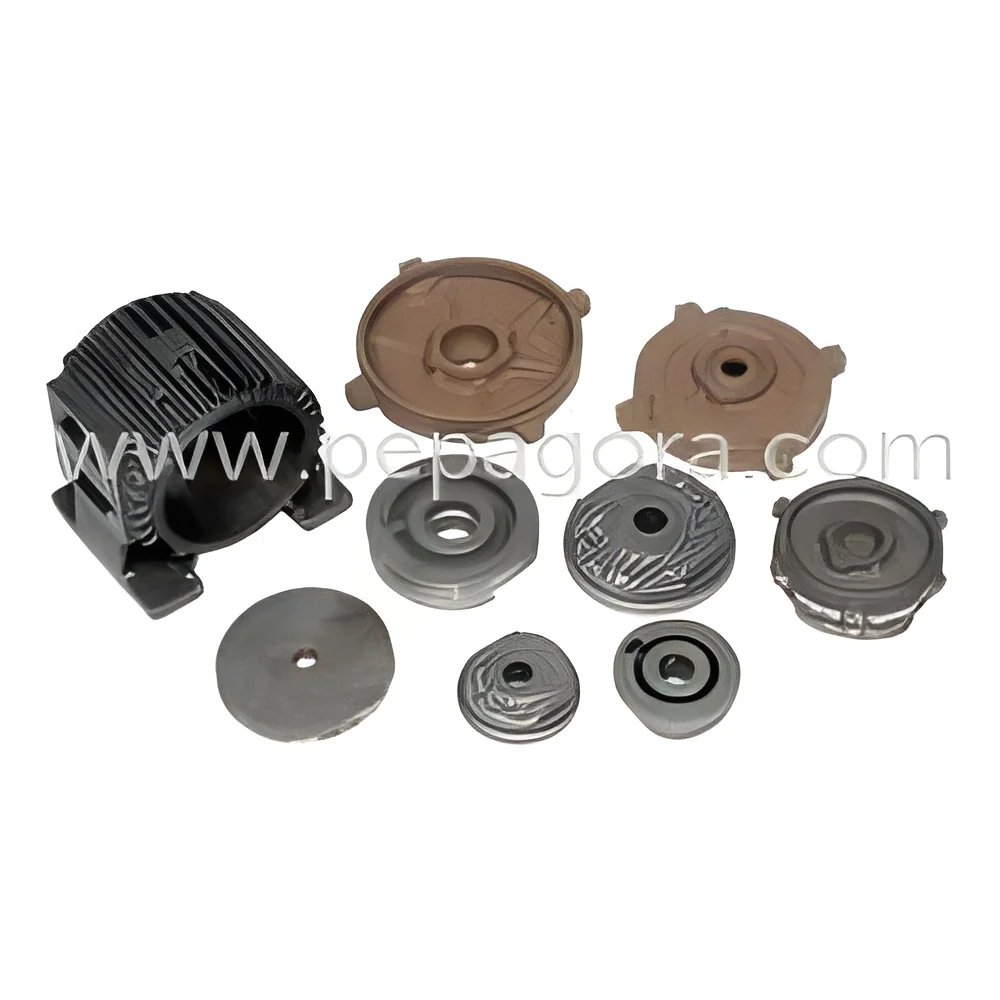
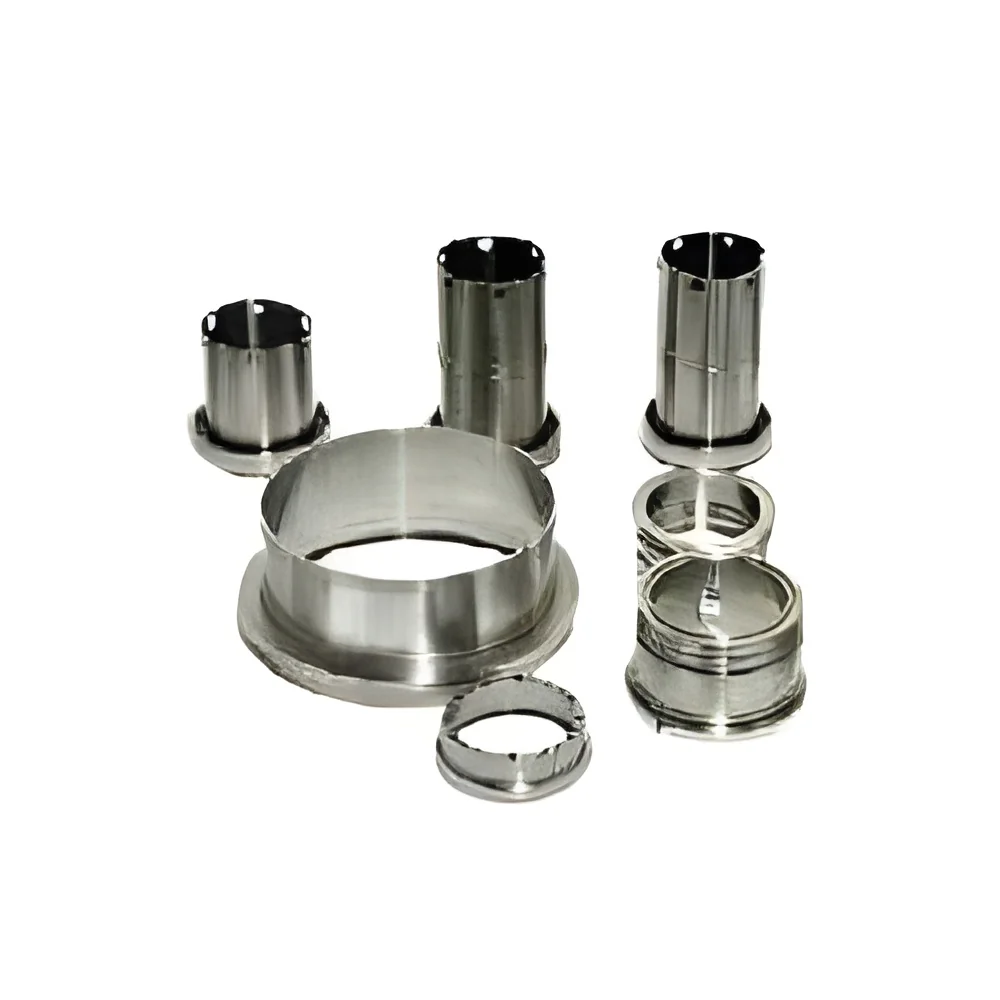
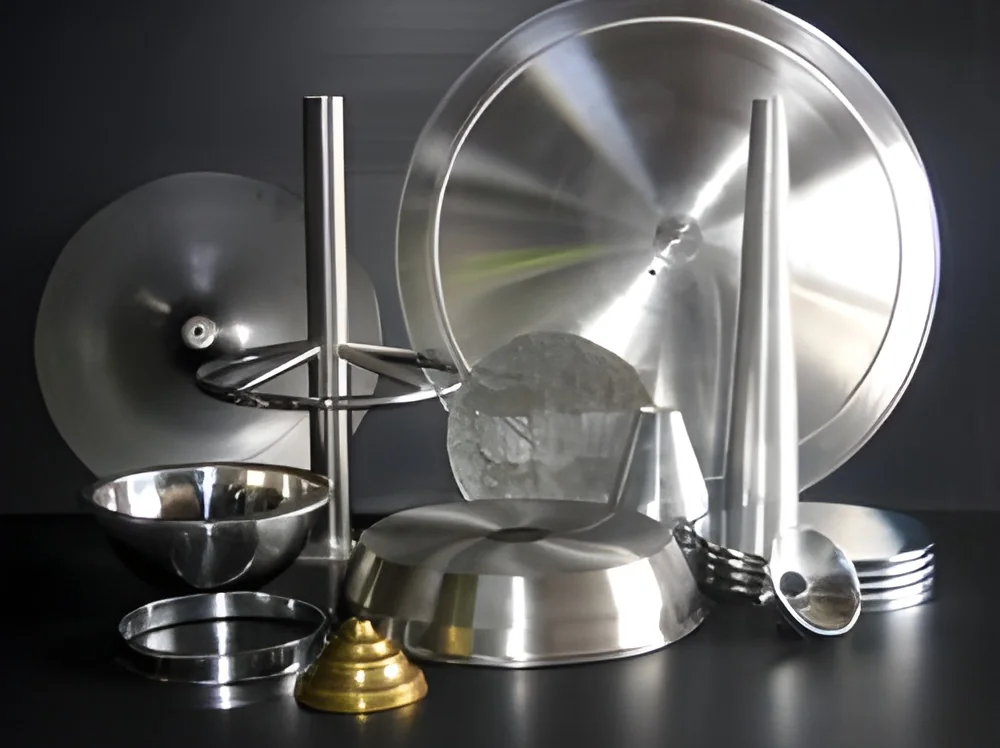
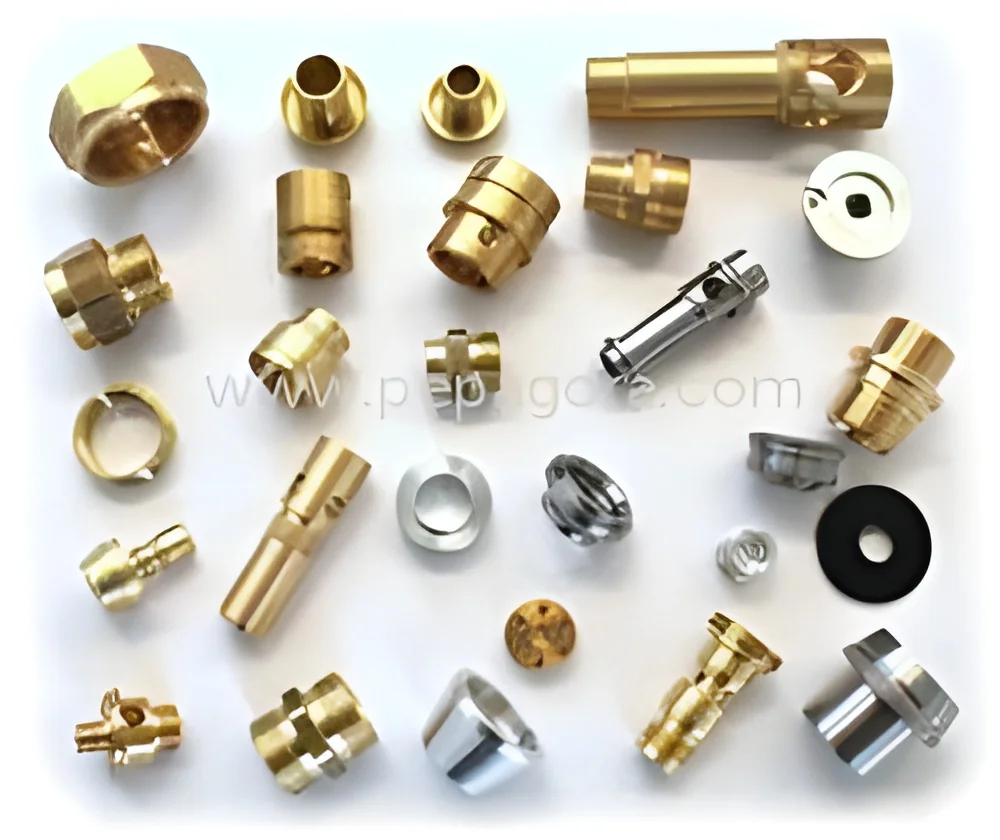
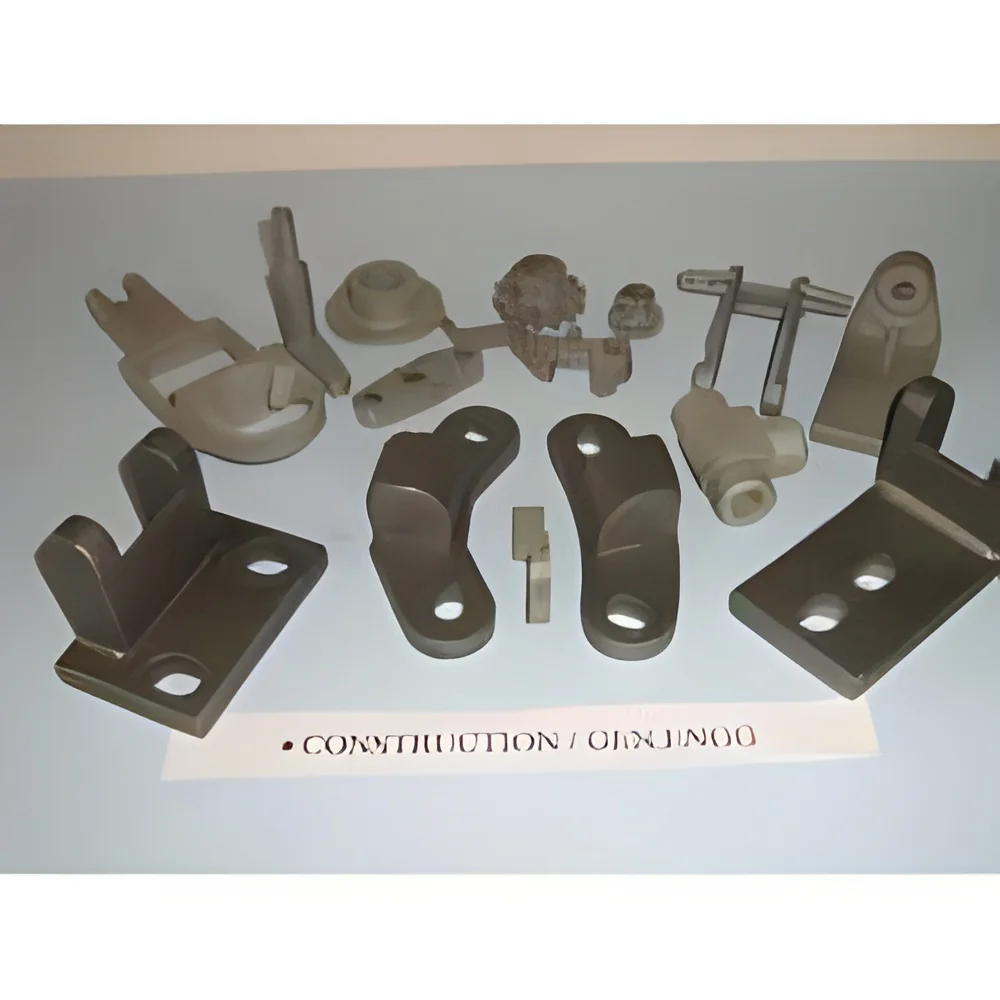
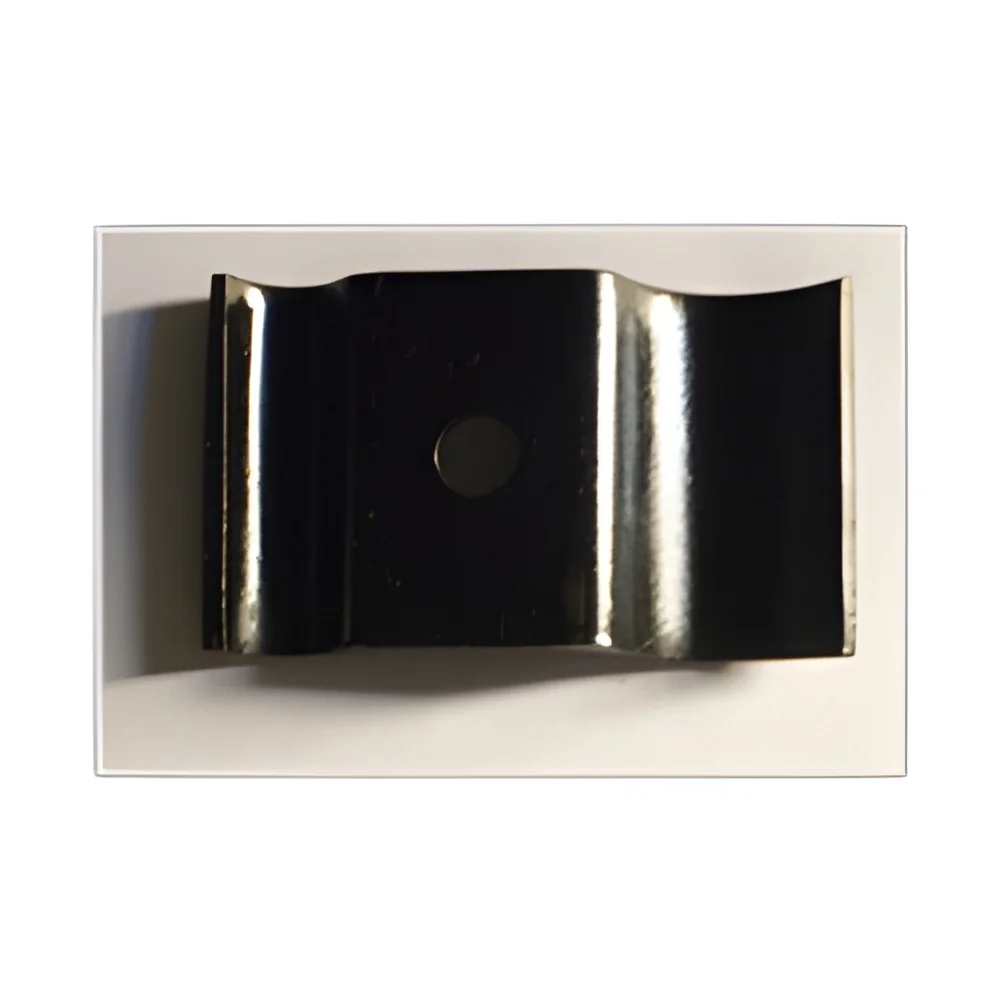
These include a wide range of metal products such as brackets, frames, and casings designed to meet specific engineering requirements while ensuring structural integrity.
Custom Fabricated Parts
This variant focuses on bespoke metal parts crafted to exact specifications, allowing for unique designs that cater to specific operational needs.
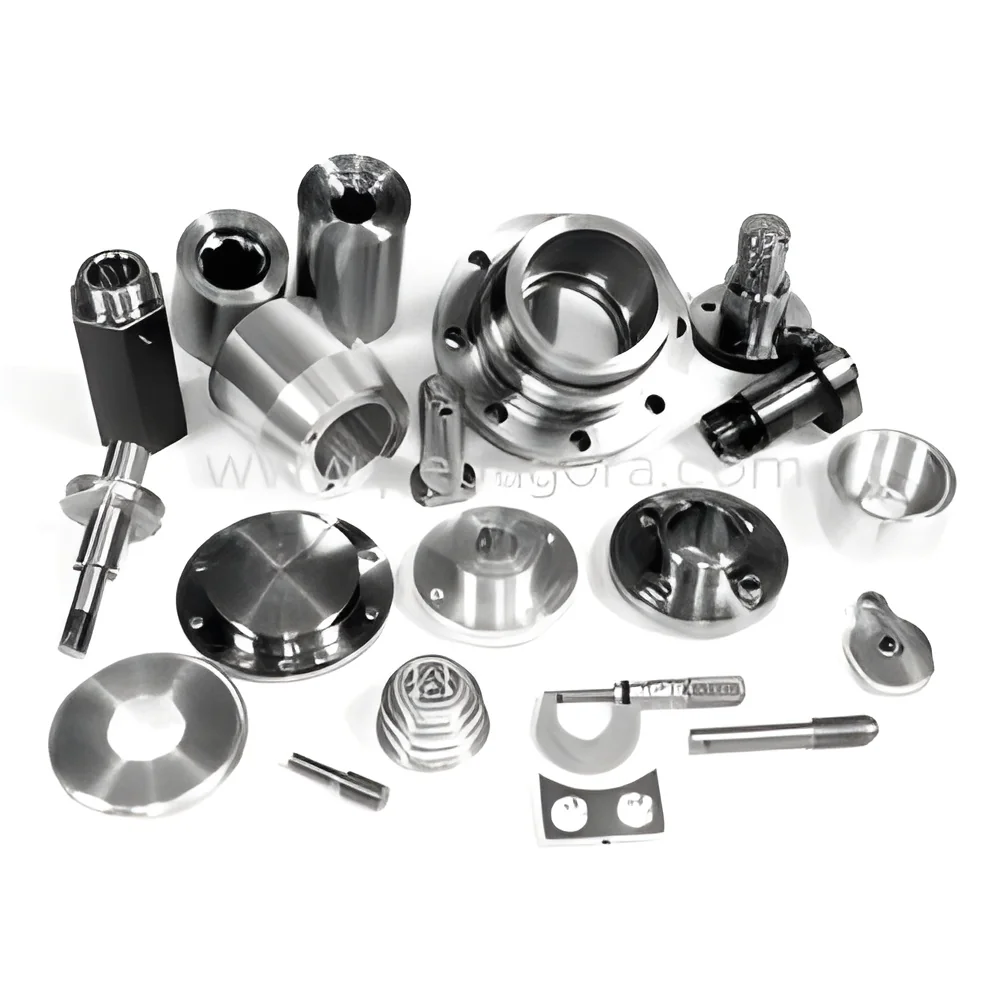
Machined Components
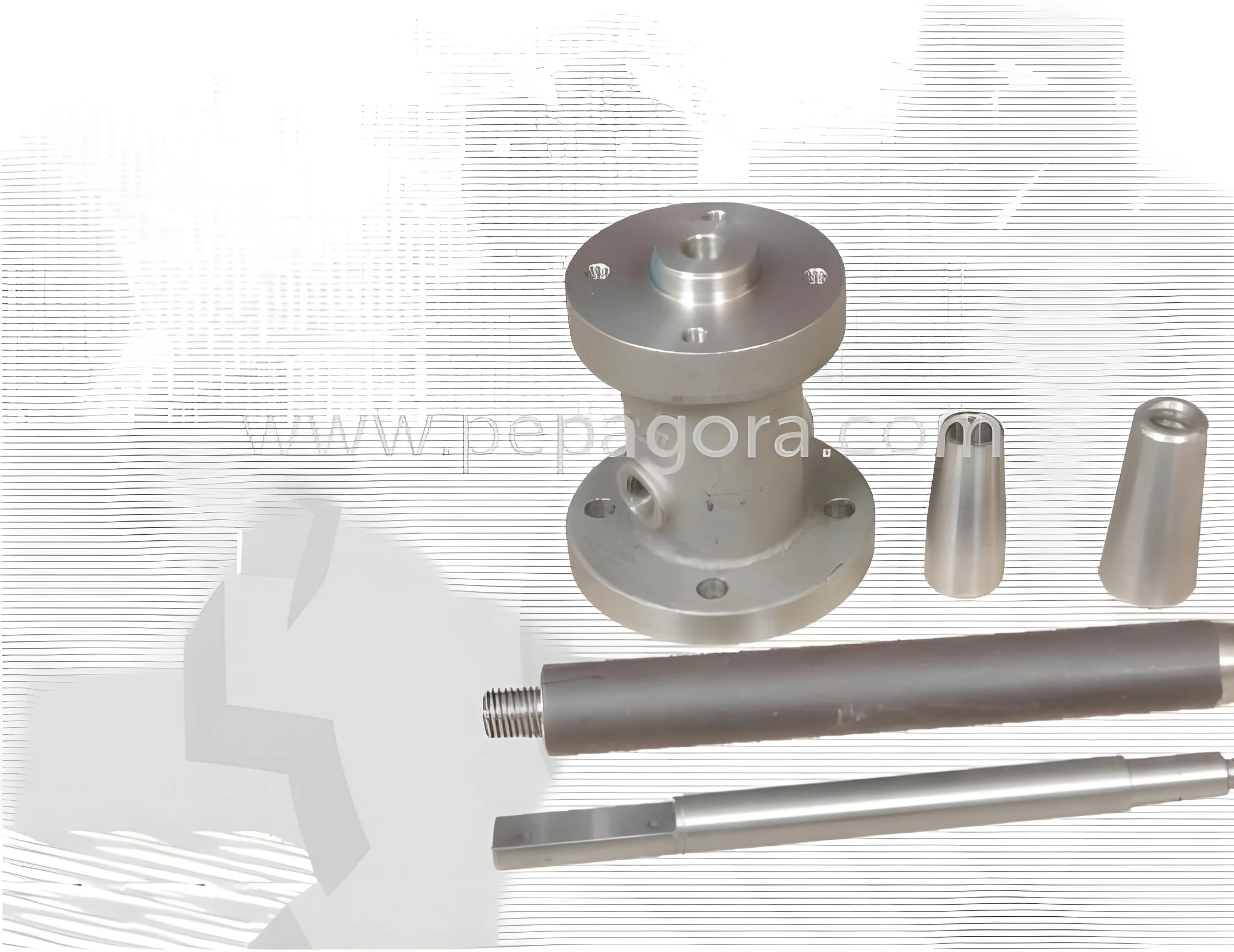
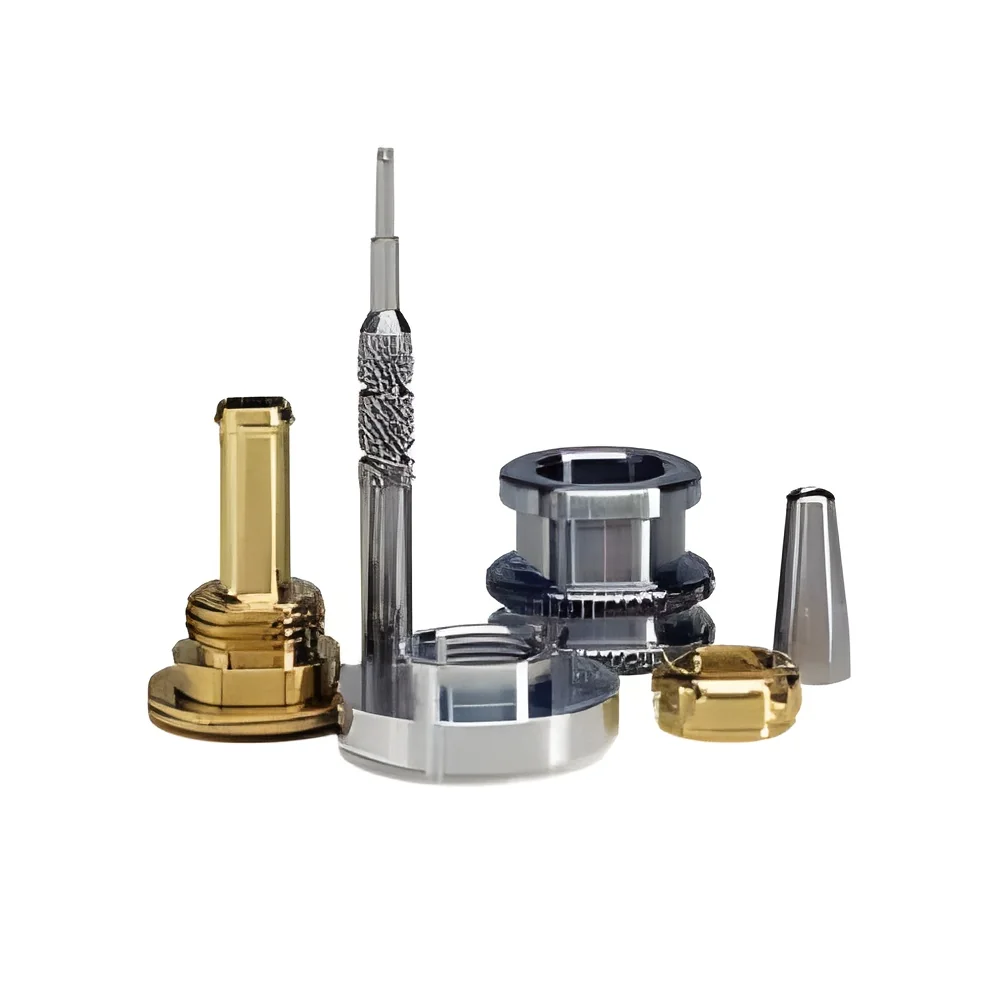
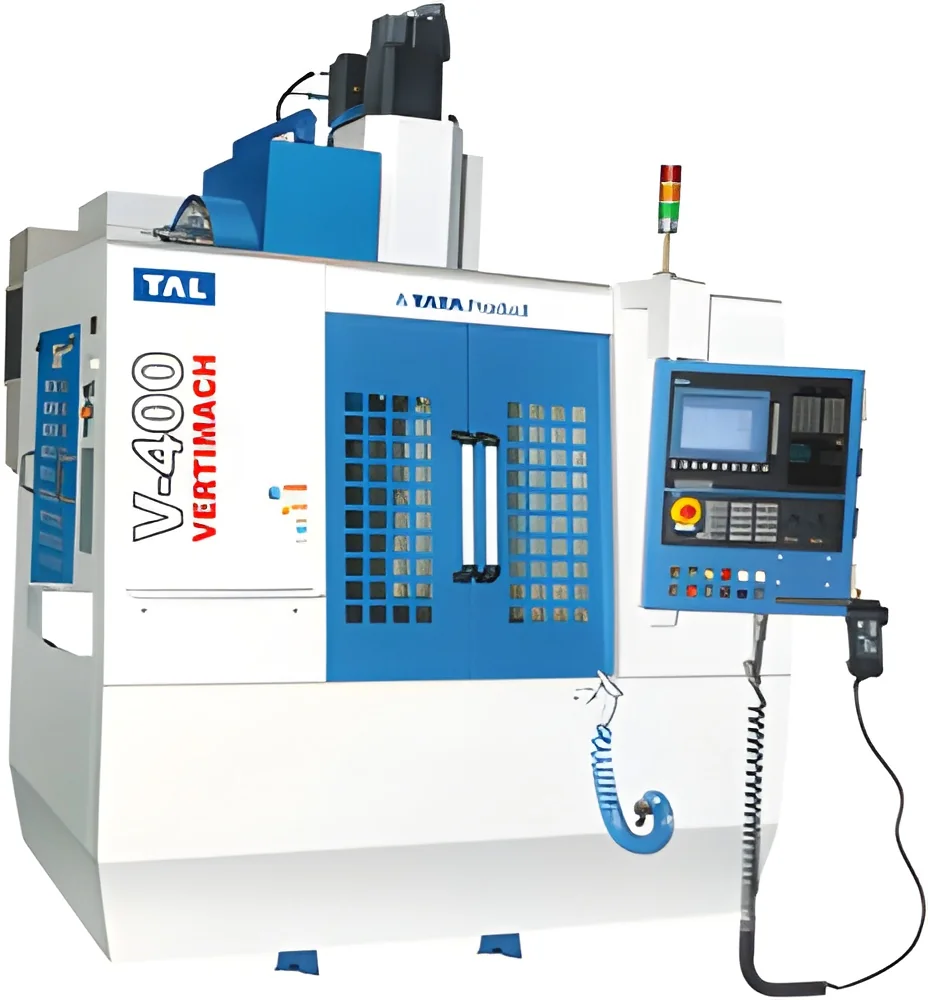
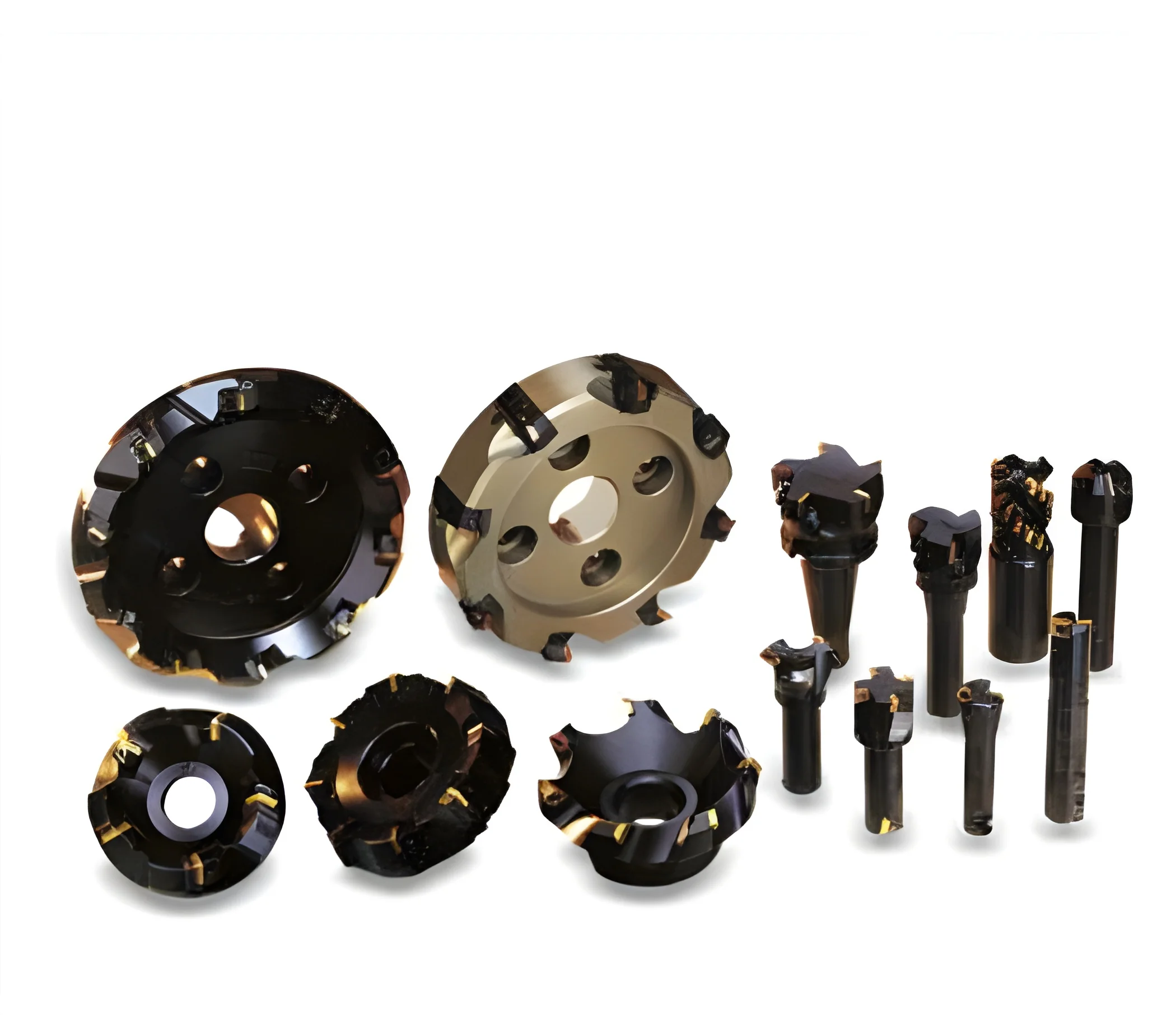
Precision-machined metal parts are produced using advanced CNC machinery, ensuring high accuracy and repeatability for critical applications.
Welded Assemblies
These are pre-assembled metal structures joined through welding processes to create robust components for heavy-duty applications.
Benefits and Advantages
OEM Metal Supply Services provide numerous advantages that can enhance the operational capabilities of manufacturers.
Key benefits include:
1. Quality Assurance: High-quality materials and rigorous testing ensure that parts meet industry standards and operational needs.
2. Customization: Tailored solutions allow businesses to design components that fit perfectly within their existing systems.
3. Cost Efficiency: By sourcing metal components directly from suppliers, companies can reduce costs associated with material waste and production inefficiencies.
4. Faster Turnaround: Quick delivery times help manufacturers maintain production schedules and meet market demands.
5. Expertise and Support: Access to knowledgeable suppliers provides manufacturers with insights into material selection and design optimization.
6. Scalability: Suppliers can accommodate varying order sizes, allowing businesses to scale production based on demand.
Buying Guide for B2B Buyers
When sourcing OEM Metal Supply Services, it is crucial for B2B buyers to consider several key factors to ensure they select the right supplier.
1. Quality Assessment: Evaluate the quality of materials and manufacturing processes. Look for suppliers that adhere to recognized industry standards and have solid quality control measures in place.
2. Supplier Verification: Conduct background checks on potential suppliers. Assess their experience, customer reviews, and certifications to ensure reliability and capability.
3. Pricing and MOQ: Understand the pricing structure and minimum order quantities. Compare multiple quotes to find the best balance between cost and quality.
4. Delivery and Lead Times: Inquire about the supplier's delivery capabilities and lead times. Timely delivery is vital to maintaining production schedules.
5. Compliance Requirements: Ensure that the supplier complies with relevant regulations and industry standards. This is crucial for meeting safety and quality requirements.
Compliance and Certifications
The importance of compliance and certifications in OEM Metal Supply Services cannot be overstated. Adherence to quality standards such as ISO 9001 ensures that companies maintain a consistent level of quality in their production processes. This standard focuses on quality management systems and is essential for companies aiming to improve customer satisfaction.
Additionally, industry-specific certifications like CE indicate that products meet European safety, health, and environmental protection standards. These certifications are particularly relevant for manufacturers selling products in international markets.
Safety and testing requirements are also critical, ensuring that all metal components can withstand the operational stresses they will encounter. Regional compliance considerations may vary, emphasizing the need for suppliers to understand the regulations applicable in the markets they serve.
Why Source OEM Metal Supply Services from Pepagora?
Pepagora provides a trusted platform for sourcing OEM Metal Supply Services, offering several key advantages to B2B buyers.
Verified Supplier Network: Pepagora maintains a network of thoroughly vetted suppliers, ensuring manufacturers can connect with reliable partners who meet industry standards.
Streamlined RFQ Process: The Request for Quotation (RFQ) system simplifies the procurement process, allowing buyers to easily compare quotes and select the best options for their needs.
Trade Assurance and Support: Buyers are protected through trade assurance measures, giving them confidence in their transactions and access to support throughout the purchasing process.
Regional Coverage: With a strong presence in India, the GCC, and Southeast Asia, Pepagora effectively connects manufacturers to suppliers across these regions, enhancing logistics and delivery capabilities.
By choosing Pepagora, manufacturers can streamline their sourcing processes while ensuring quality and compliance, ultimately leading to enhanced operational efficiency.

 IN
IN