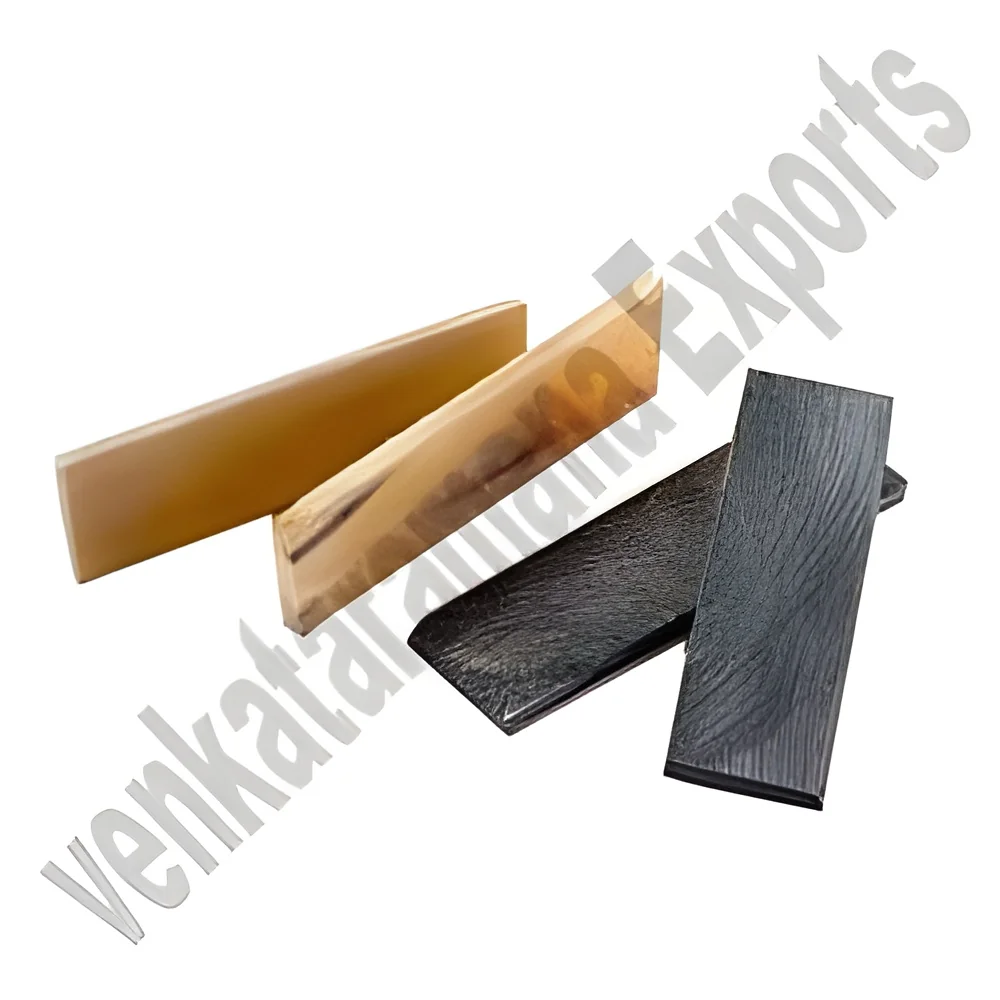
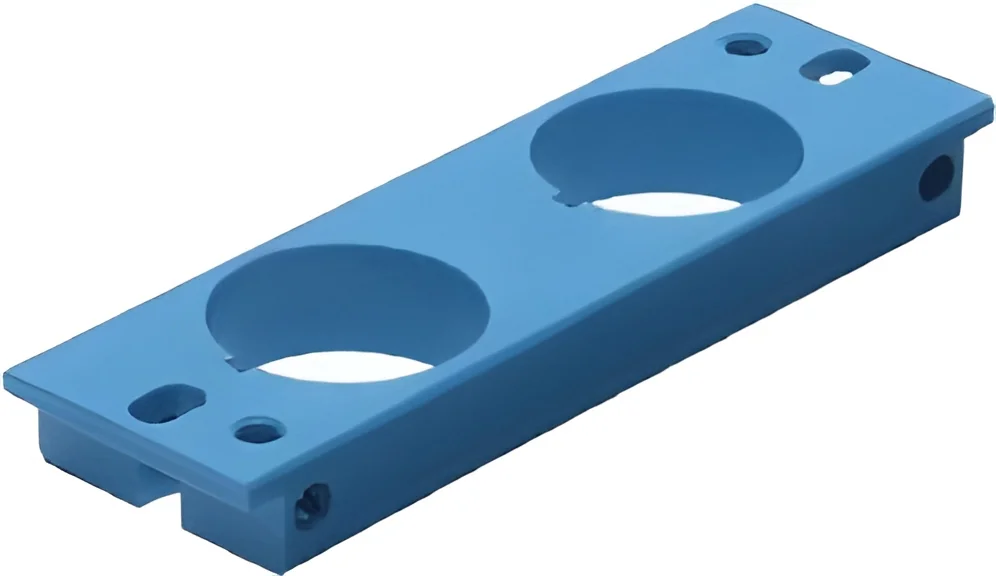
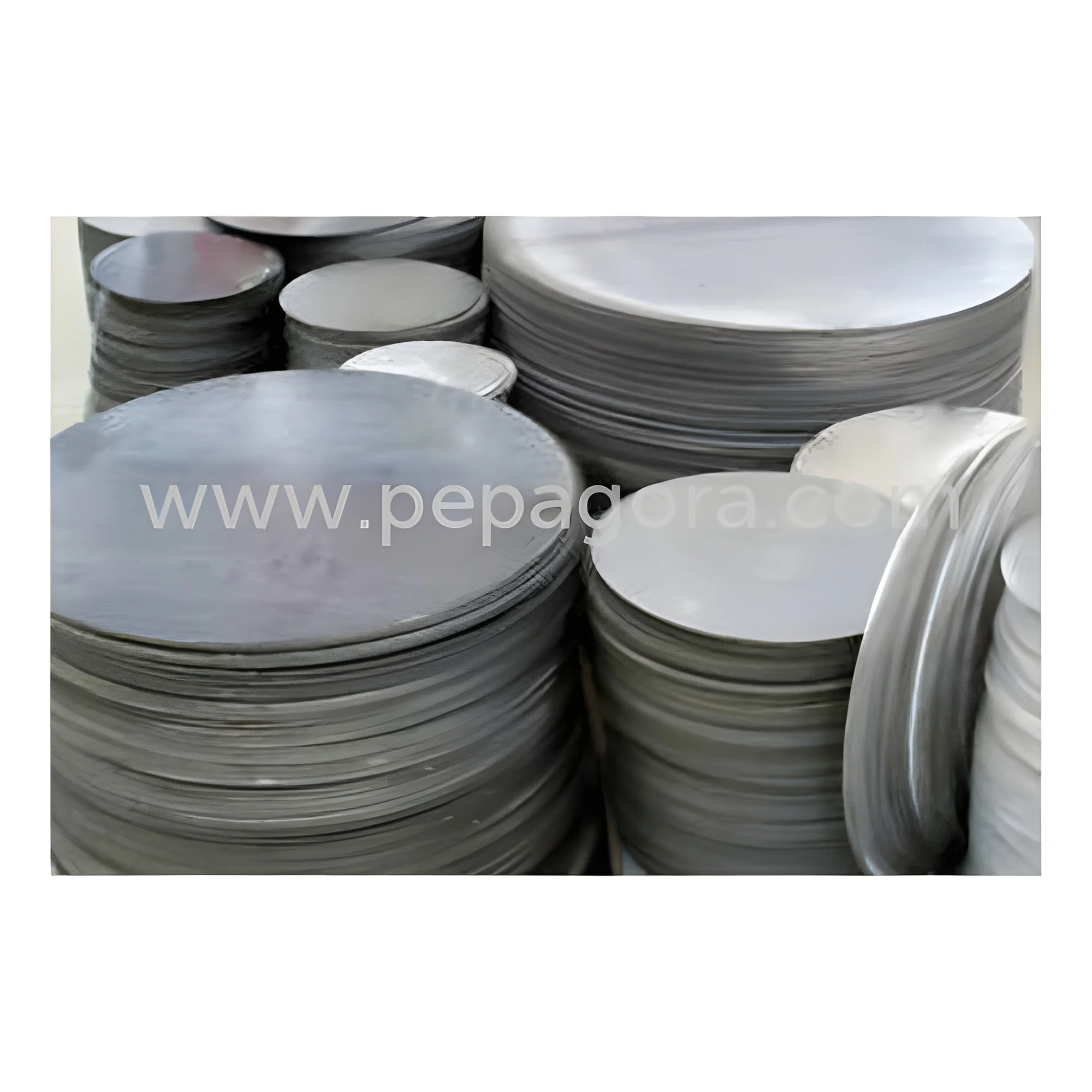
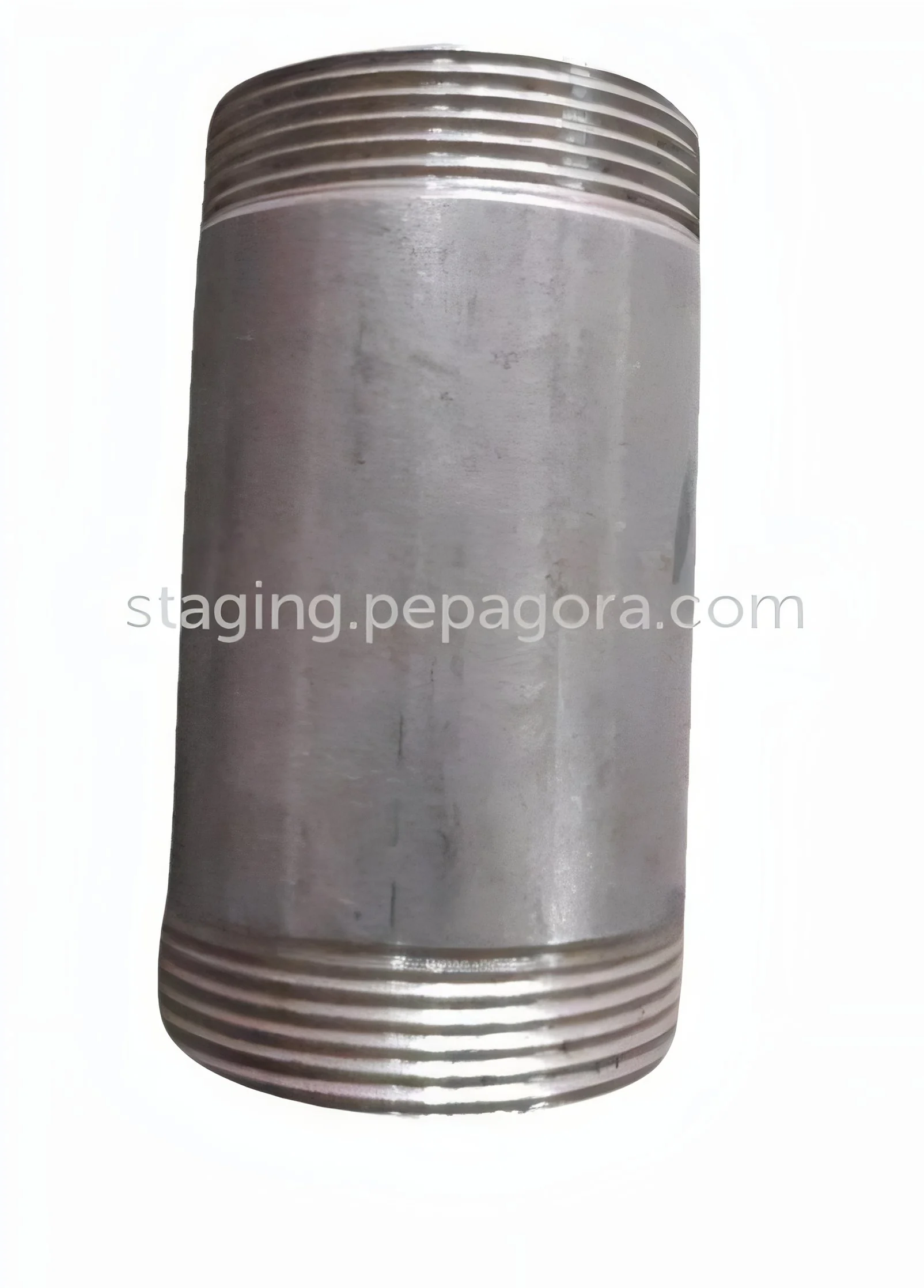
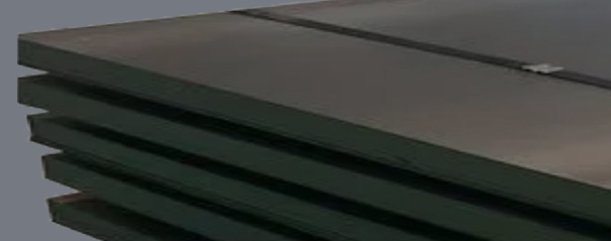
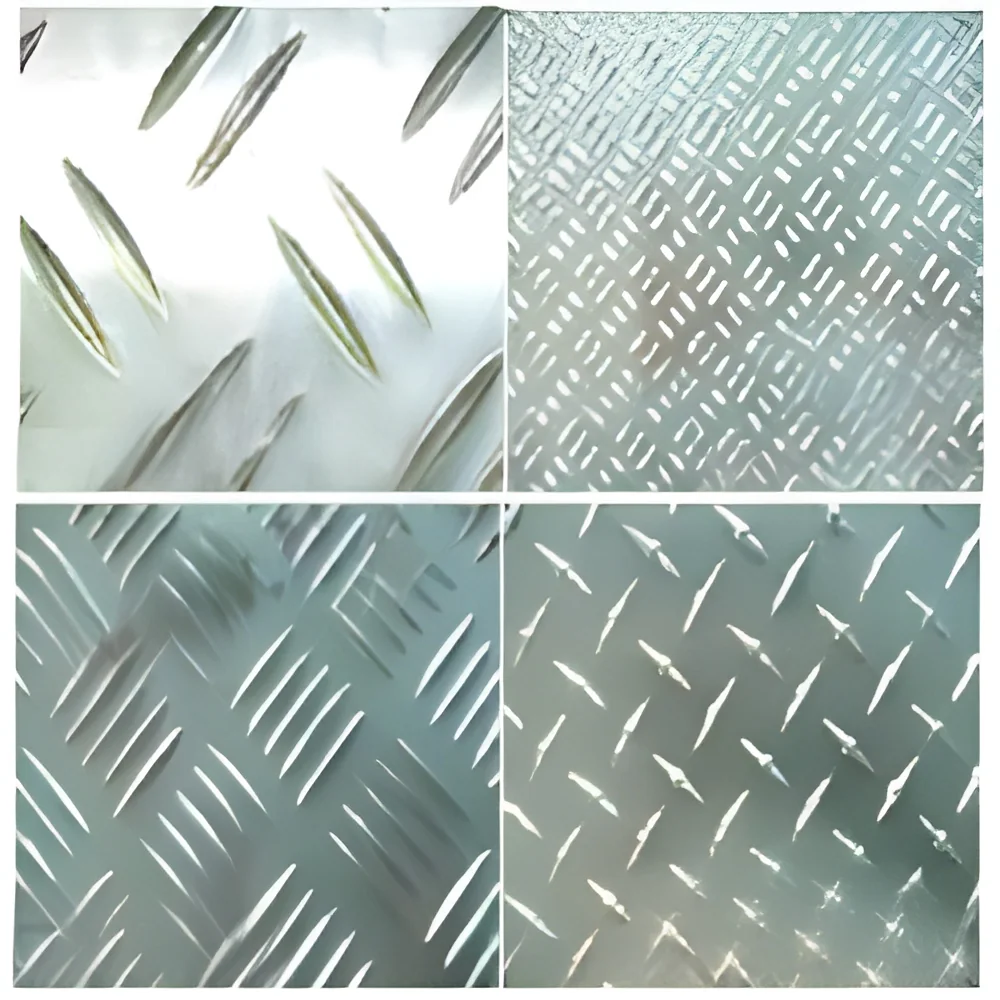
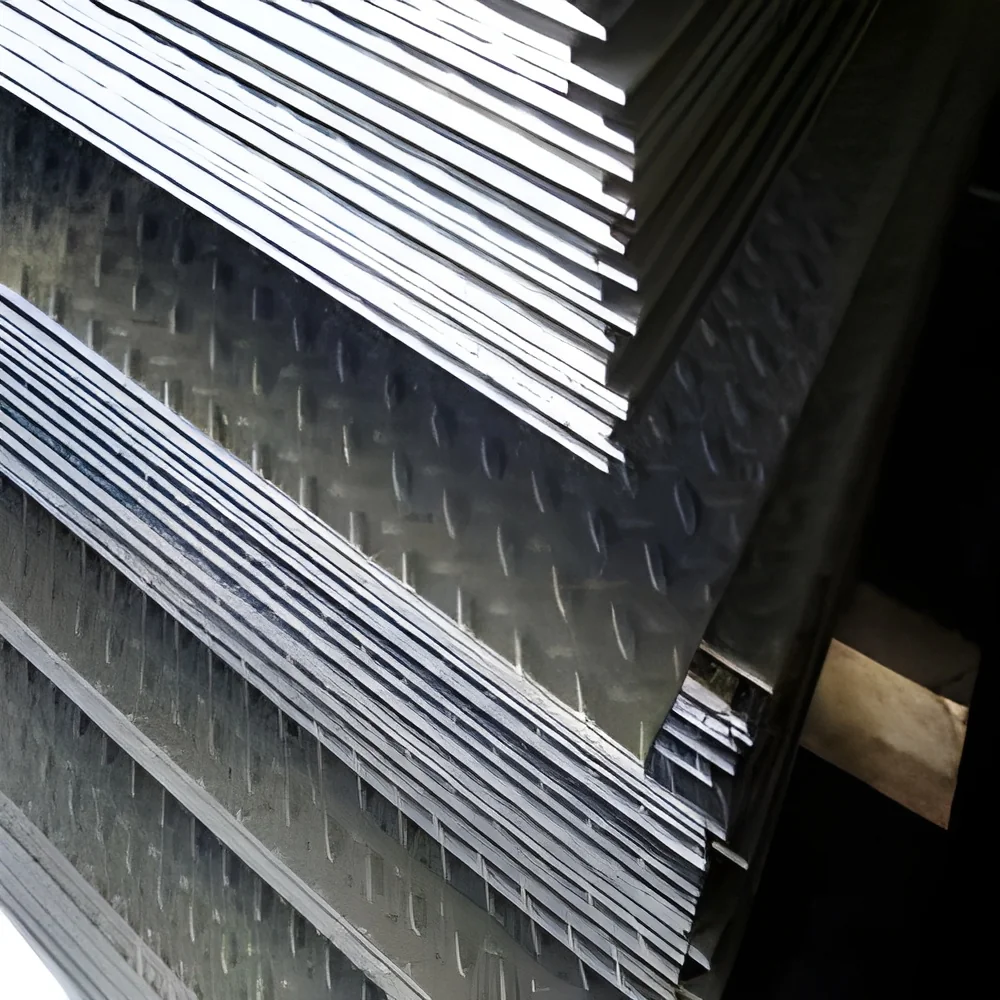
What are Metal Plates & Flats?
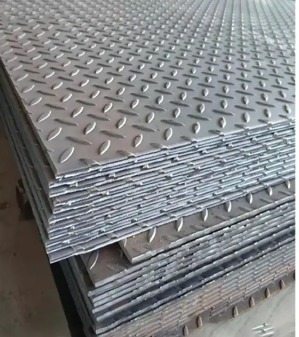
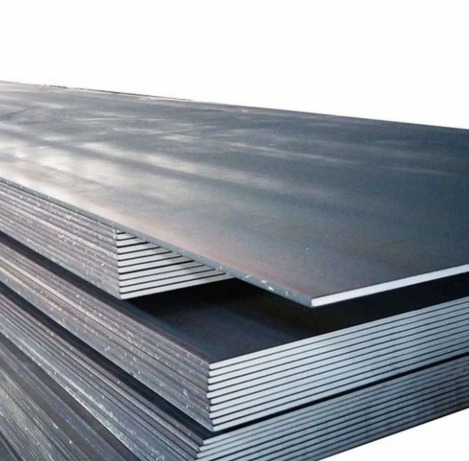
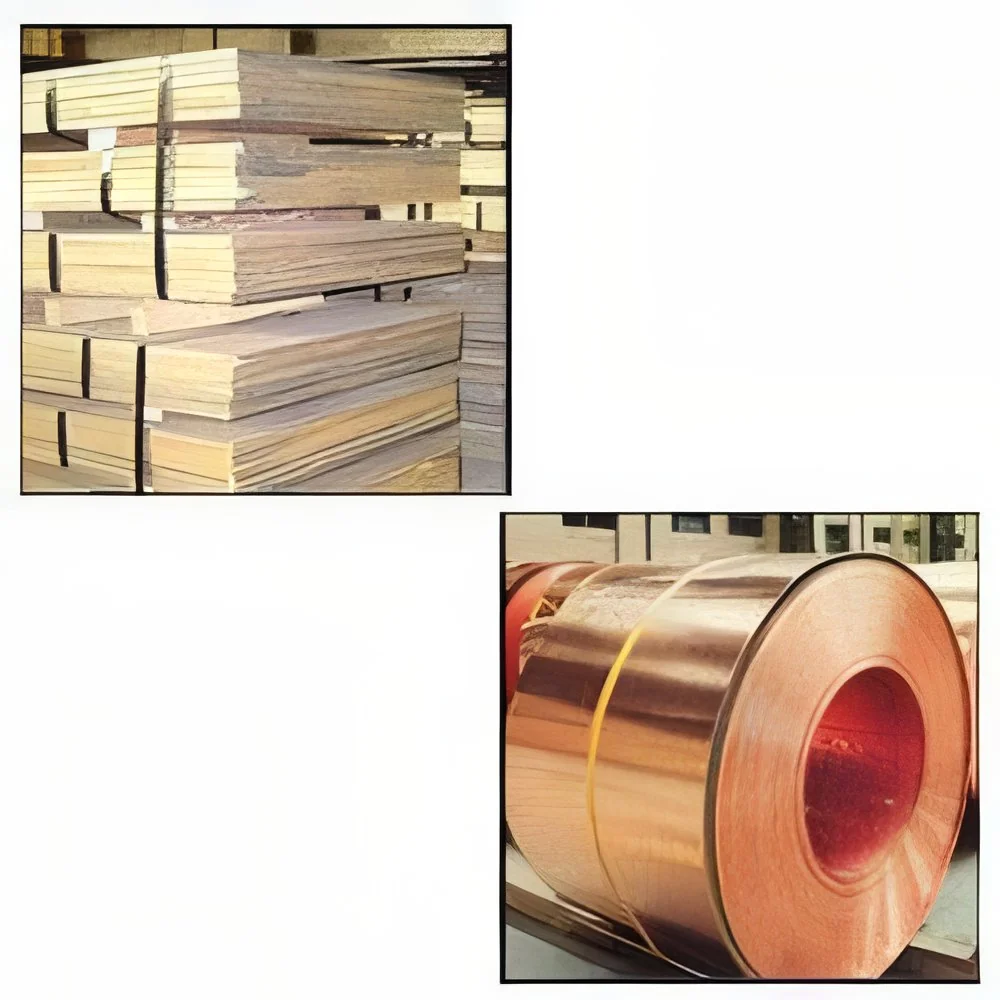
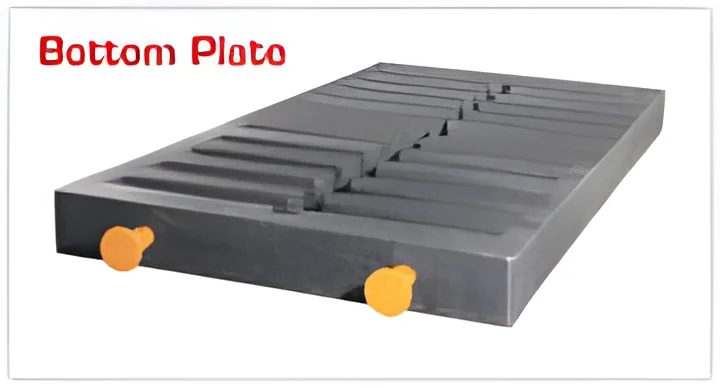
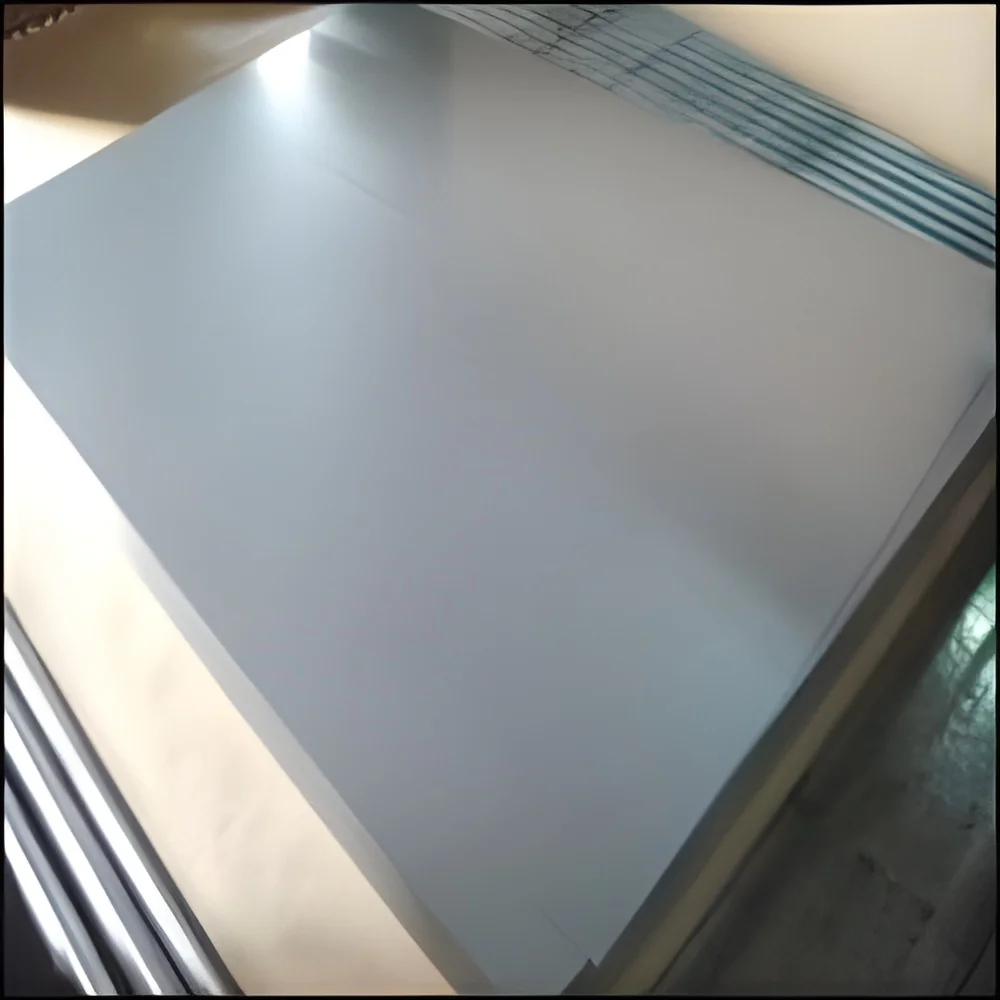
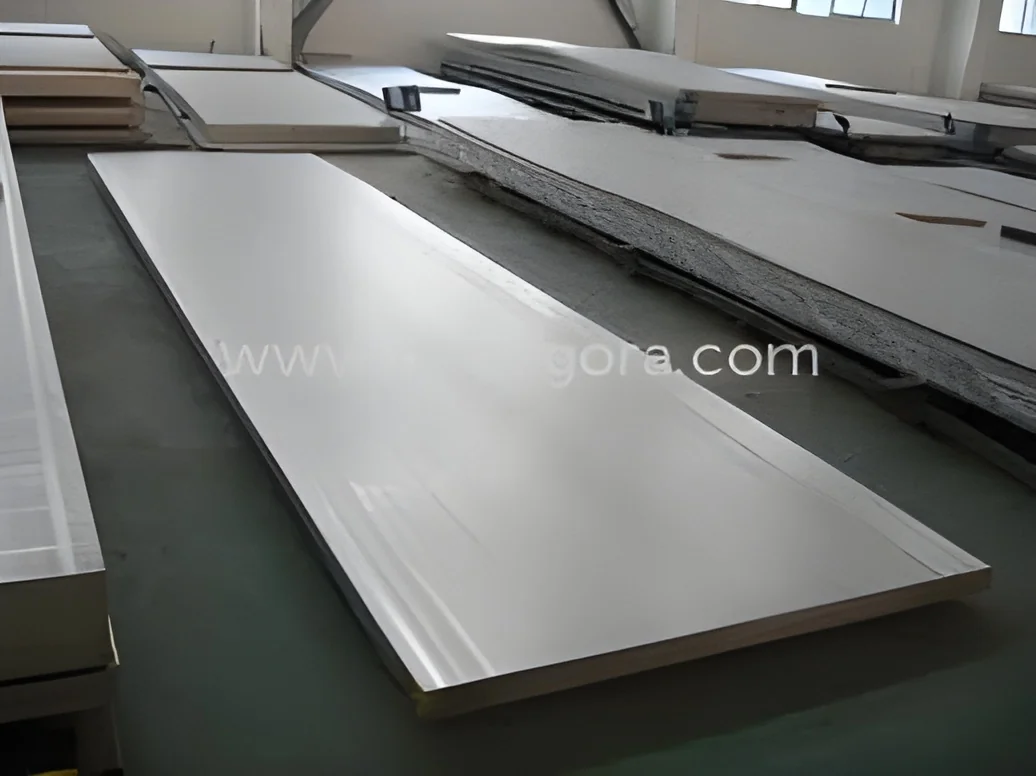
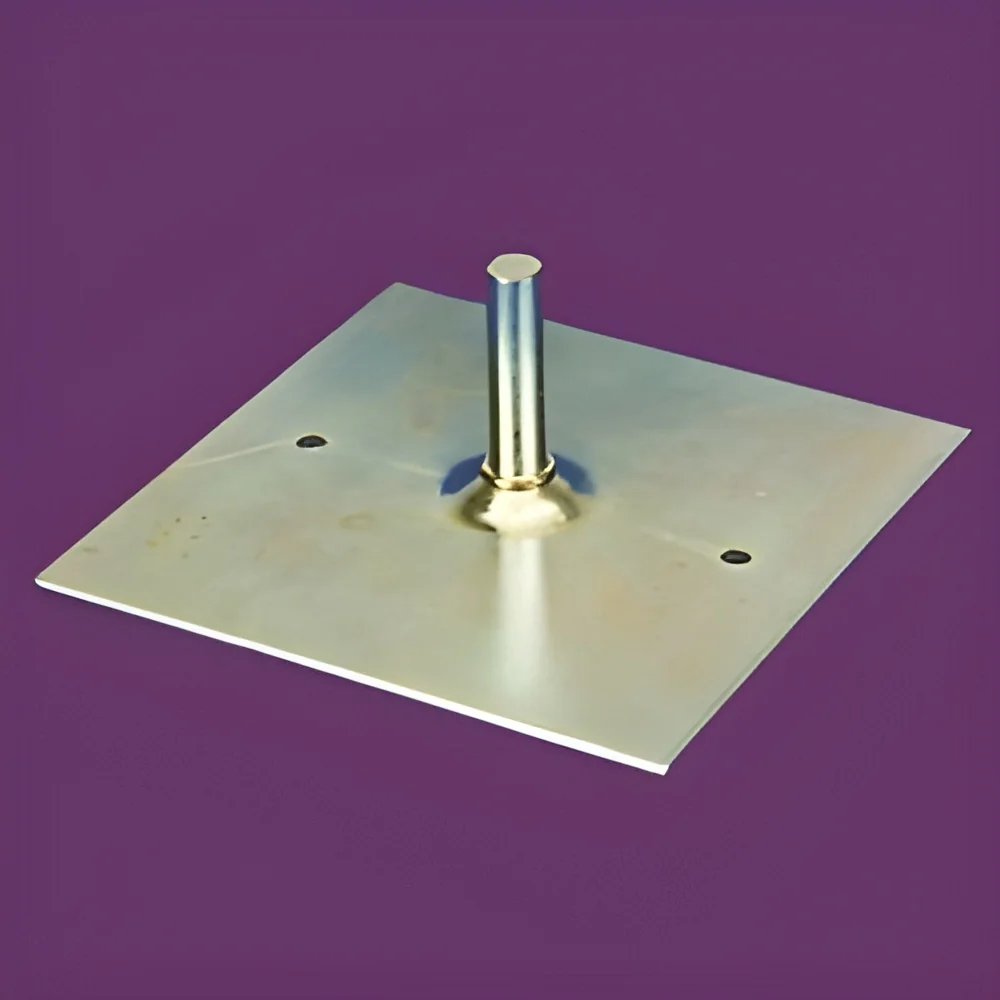
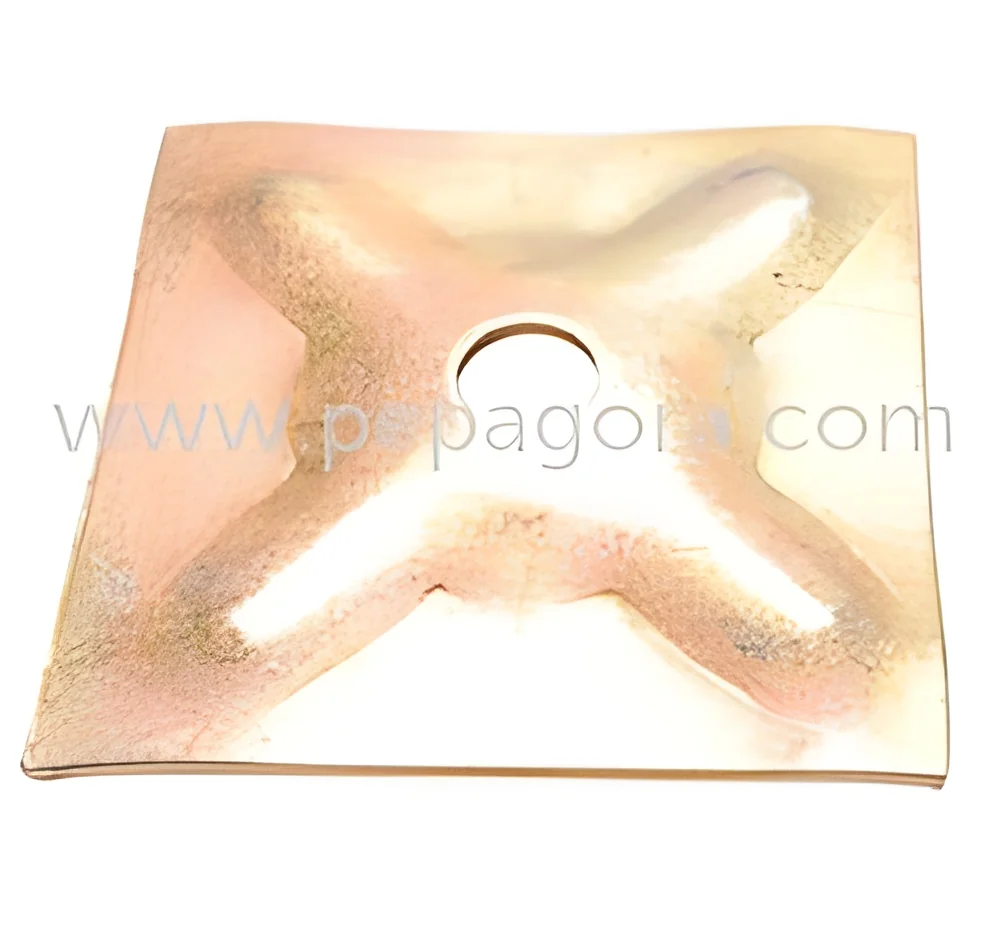
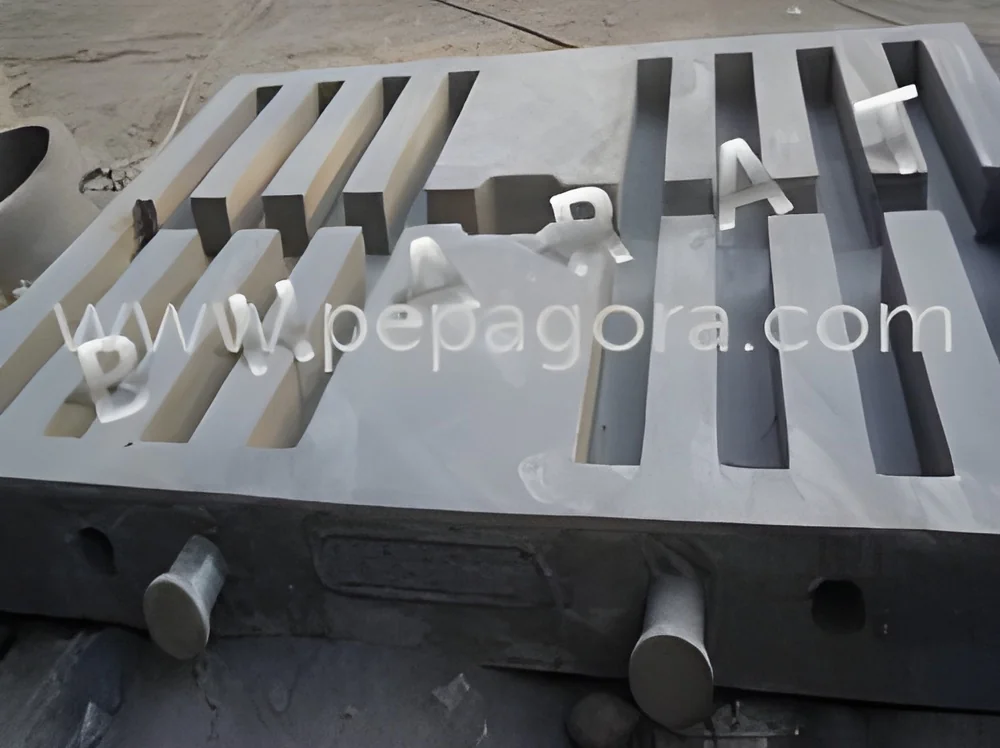
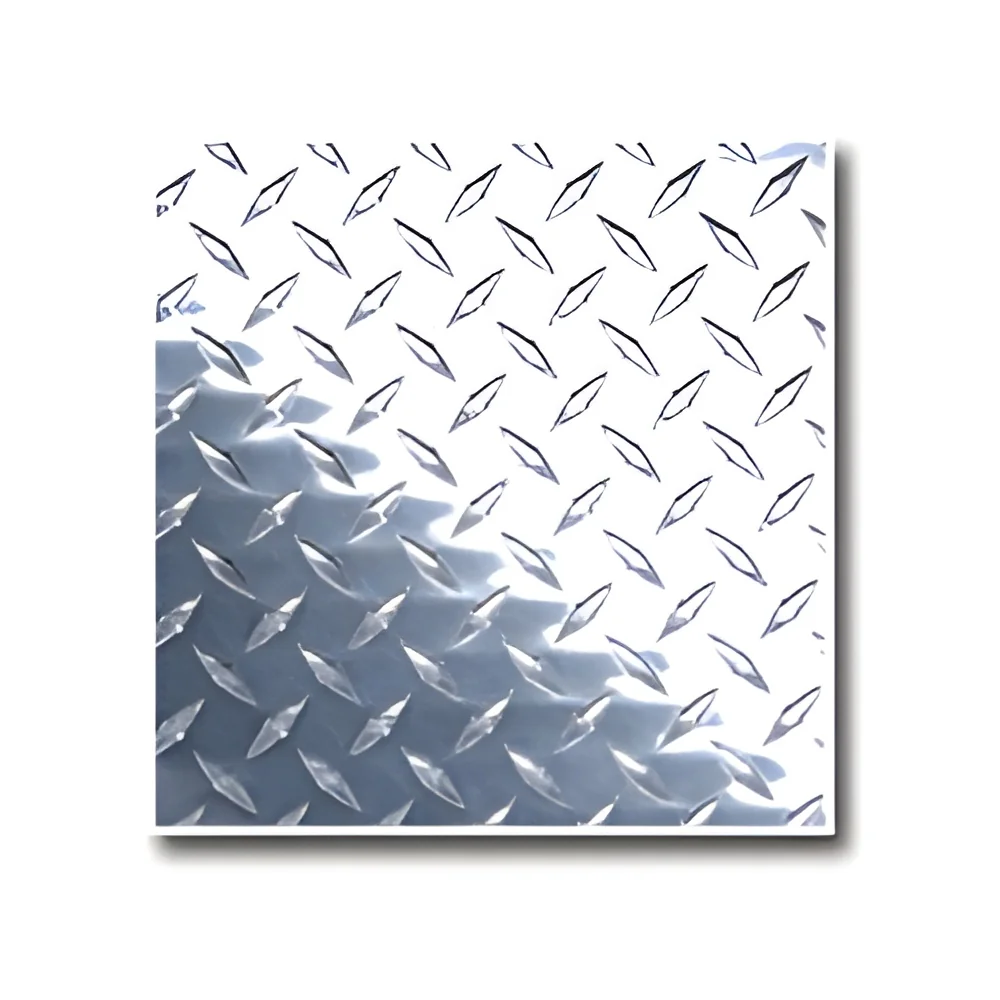
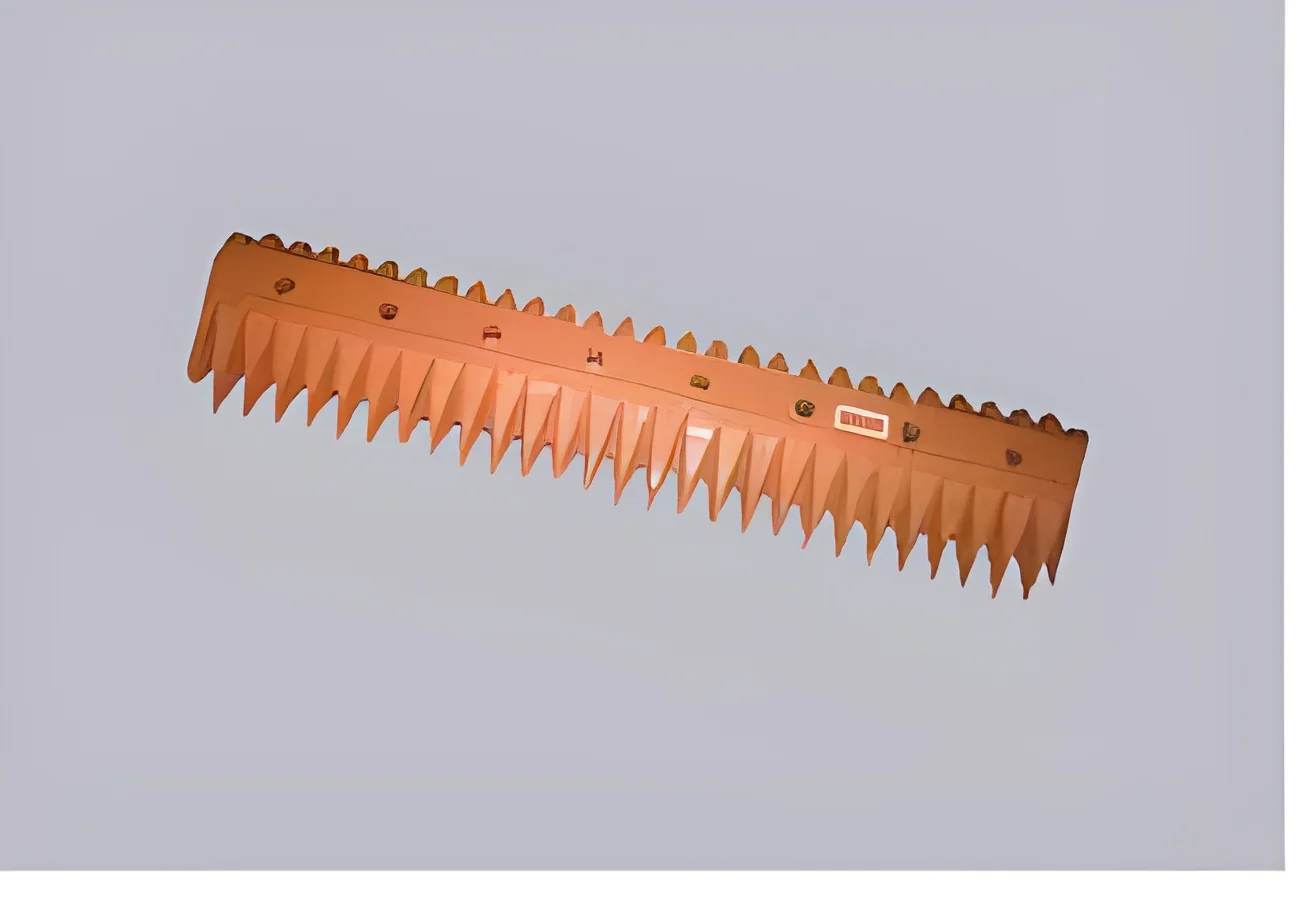
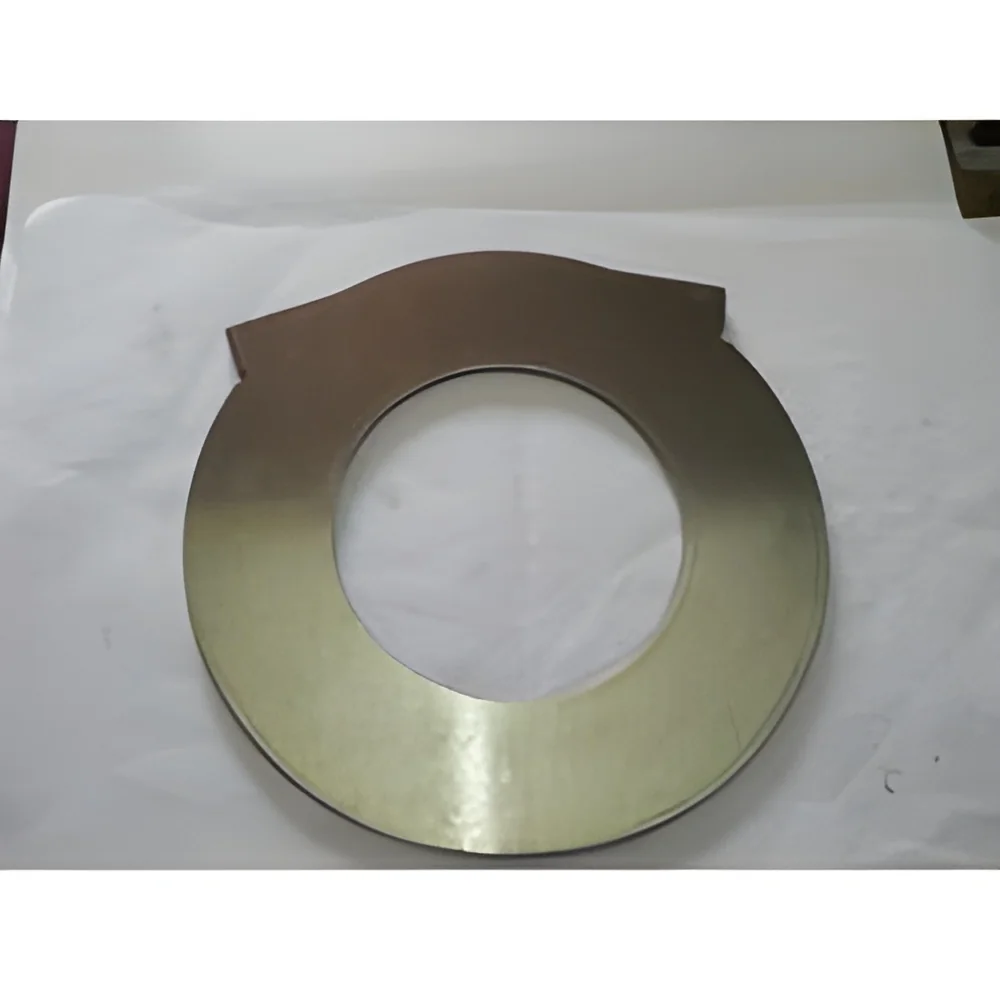
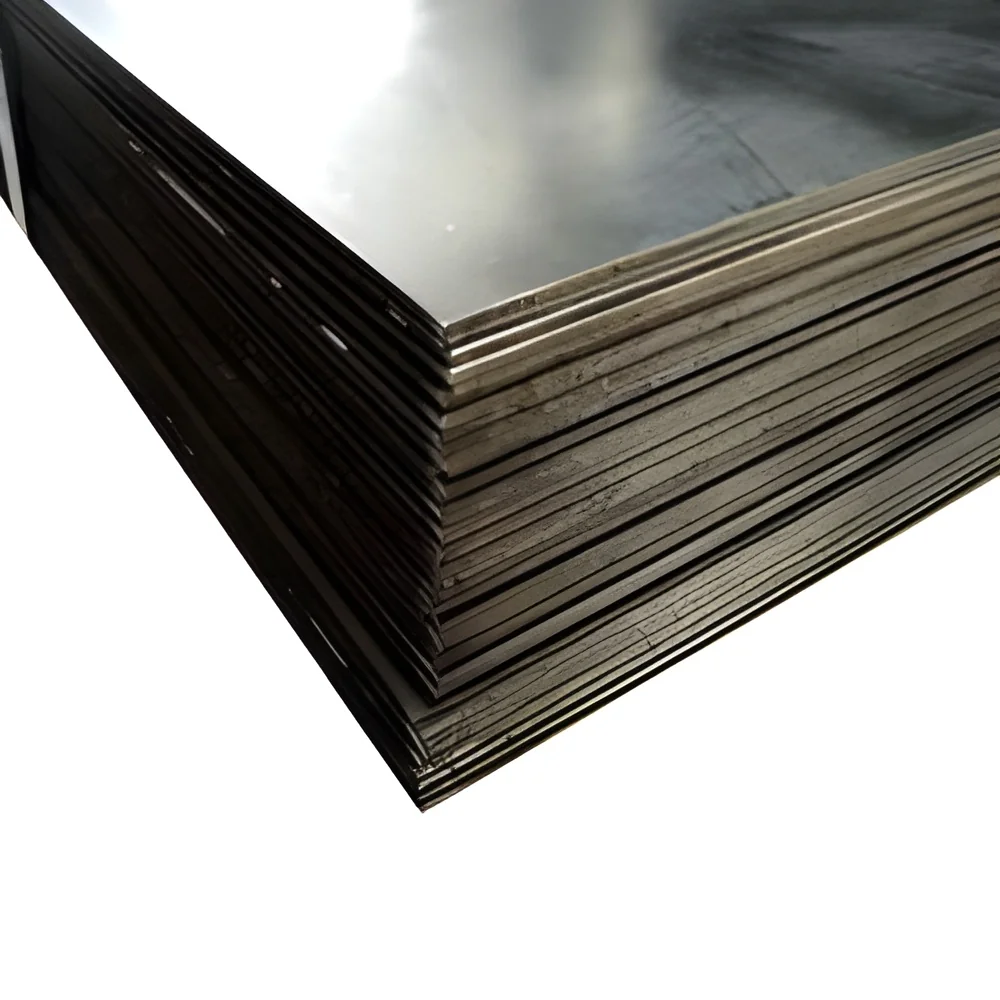
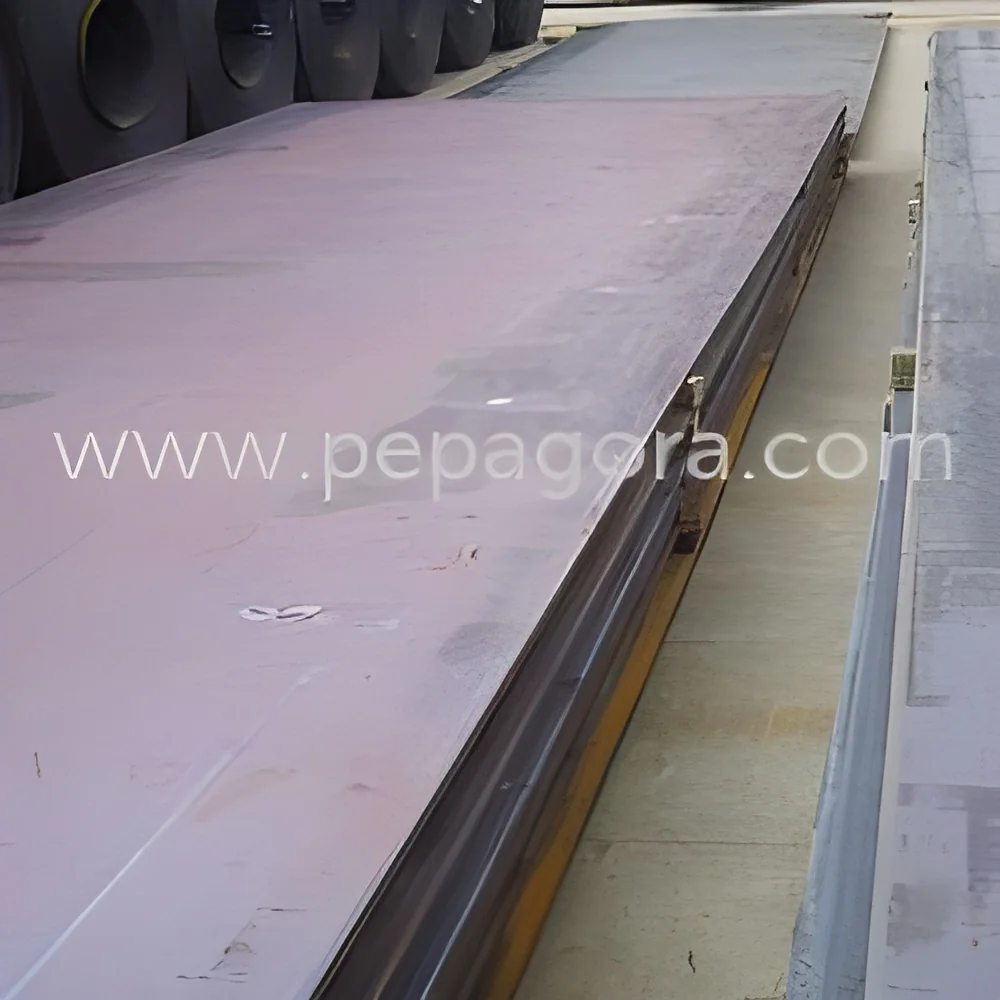
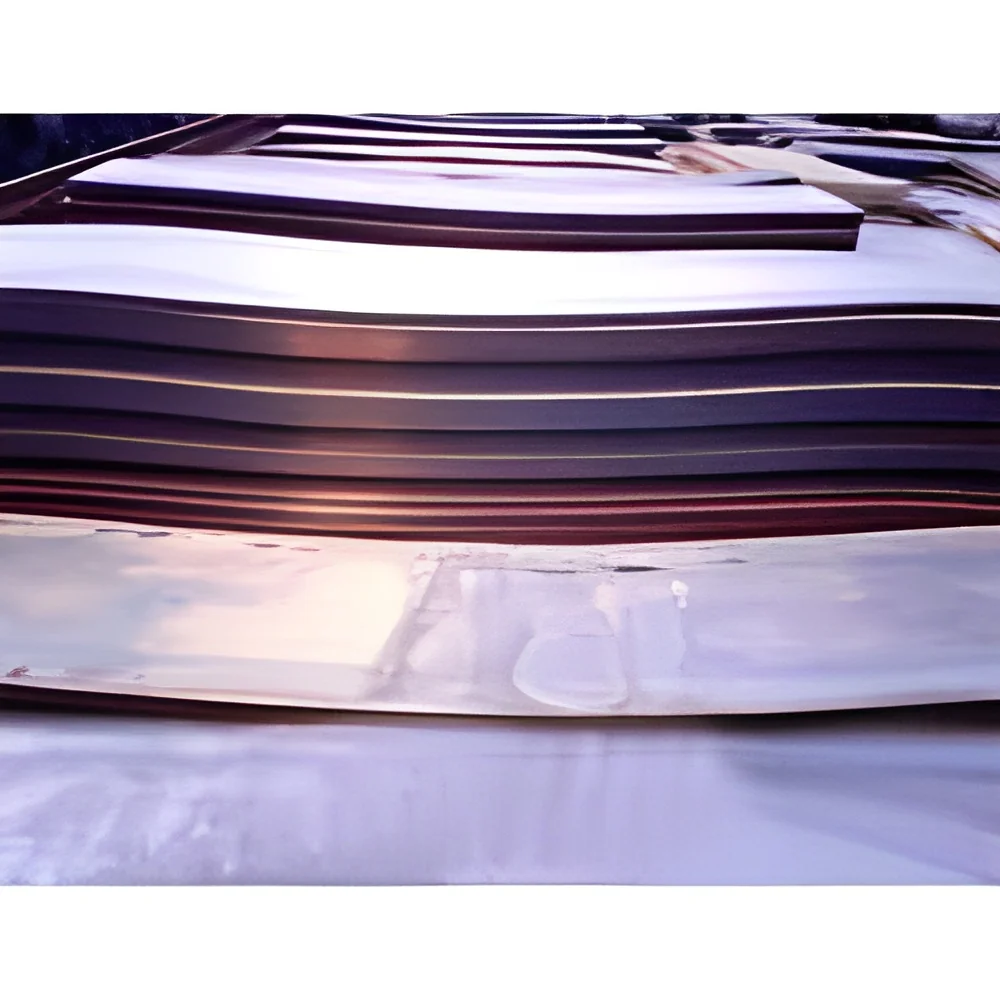
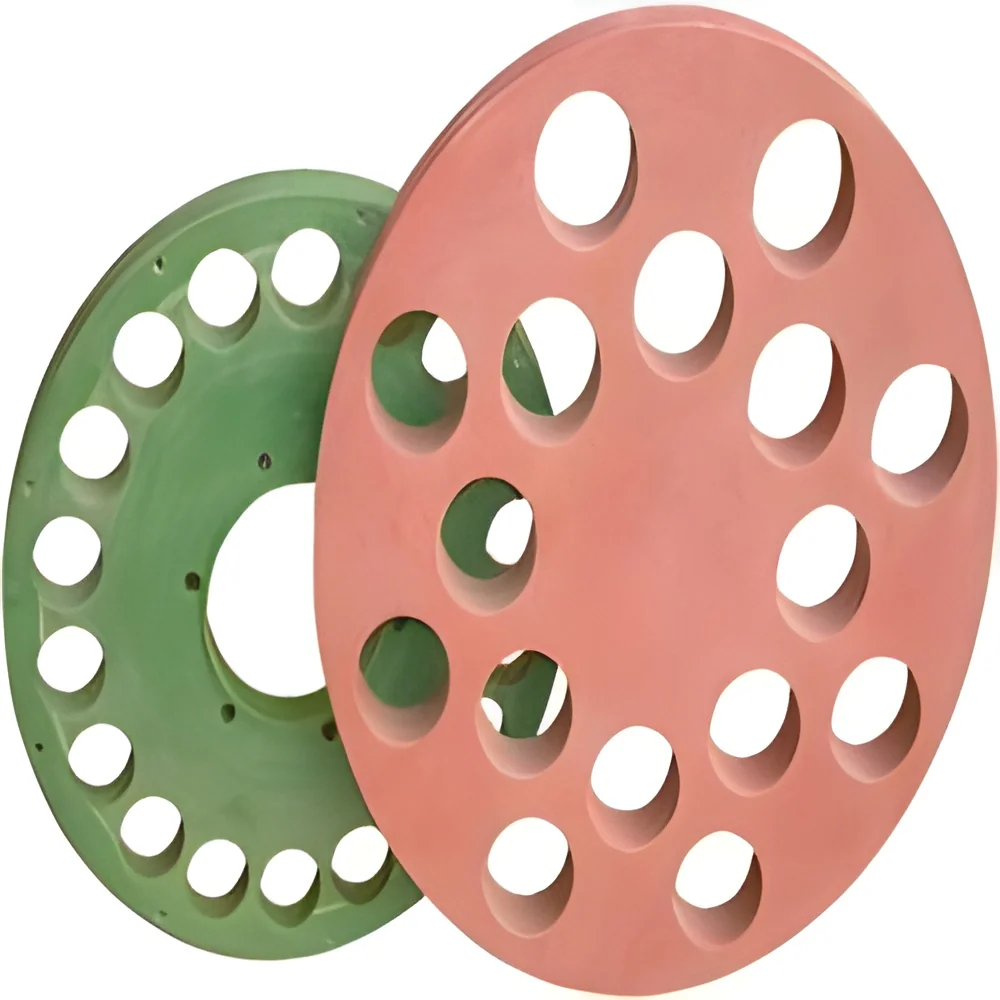
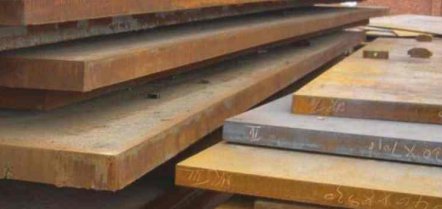
Metal plates and flats are flat pieces of metal that are produced in various thicknesses, lengths, and widths. They are typically made from materials such as steel, aluminum, and stainless steel. These products are available in various grades and finishes, which can influence their strength, corrosion resistance, and overall performance. Metal plates and flats are fundamental components in numerous industrial applications, providing essential support and structure in various assemblies.
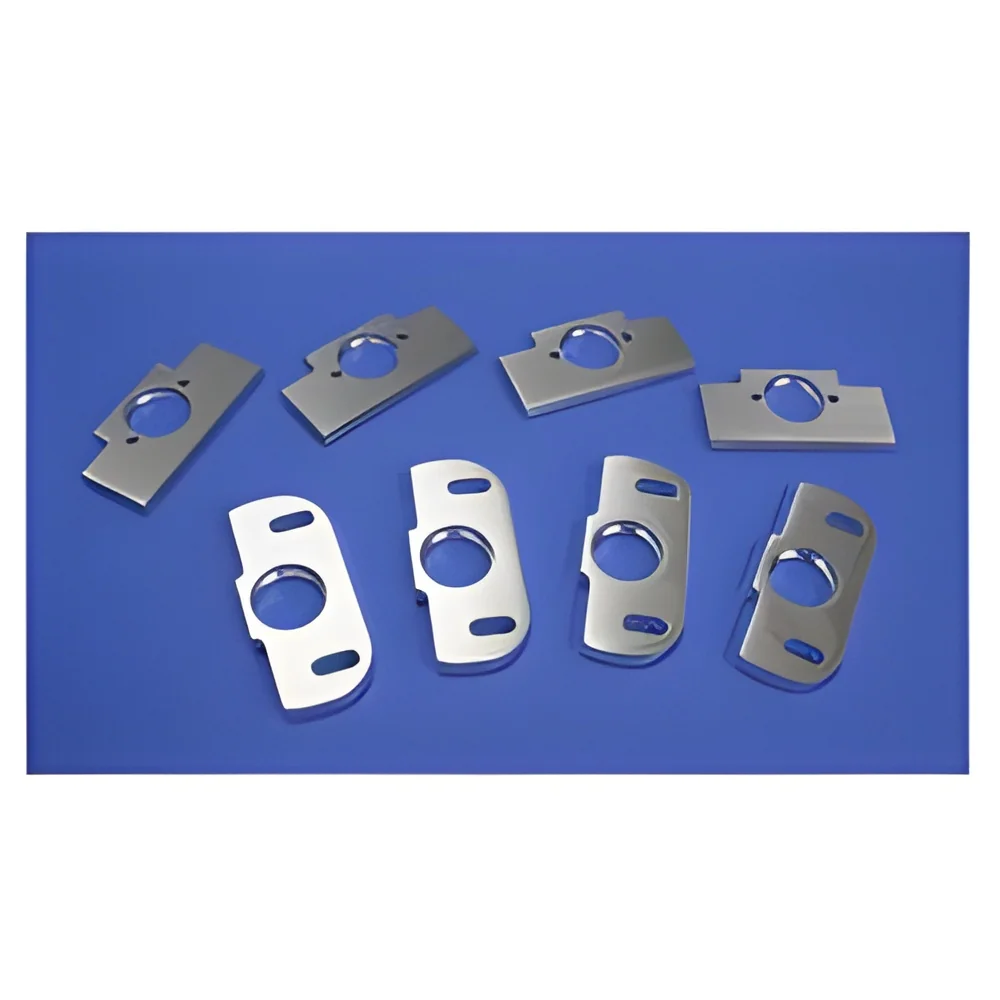
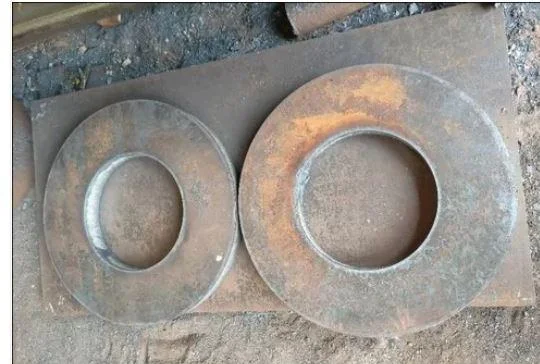
In terms of applications, metal plates and flats are widely used in construction, manufacturing, automotive, and aerospace industries. They serve as bases, structural components, and even decorative elements. Businesses often utilize them for fabrication processes, such as cutting, welding, and machining, to create finished products or components. The relevance of metal plates and flats in today’s market cannot be overstated; they are integral to the production and assembly of countless products, making them a critical resource for many sectors.
Key Features and Specifications
Metal plates and flats come with a variety of features and specifications tailored to meet industry demands. Understanding these specifications is crucial for selecting the right product for specific applications.
Key specifications include:
1. Material Type
- Common materials include carbon steel, stainless steel, and aluminum.
- Each material offers different strengths and corrosion resistance.
2. Thickness
- Available in a range of thicknesses, typically from 1/16 inch to several inches.
- Thickness affects the weight and strength of the plates.
3. Width and Length
- Standard sizes vary, with widths generally ranging from a few inches to several feet.
- Lengths may extend up to 20 feet or more, depending on the application.
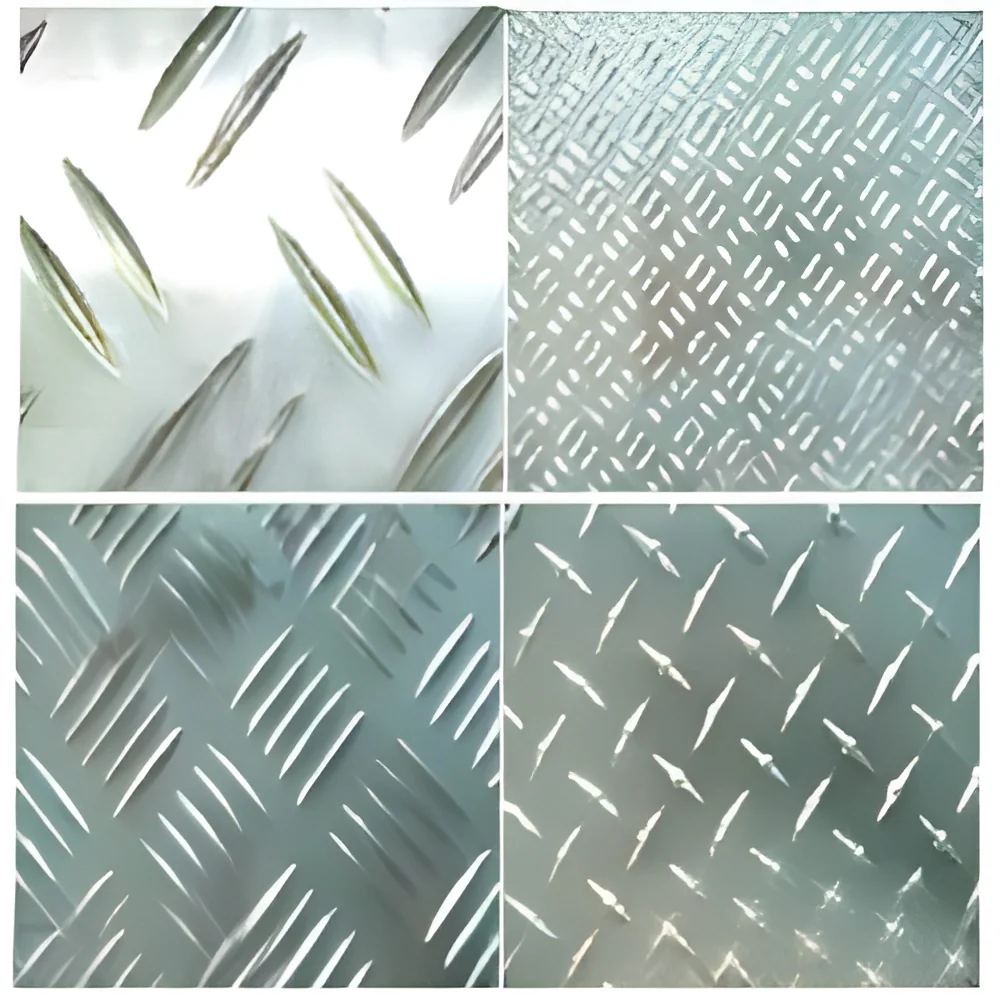
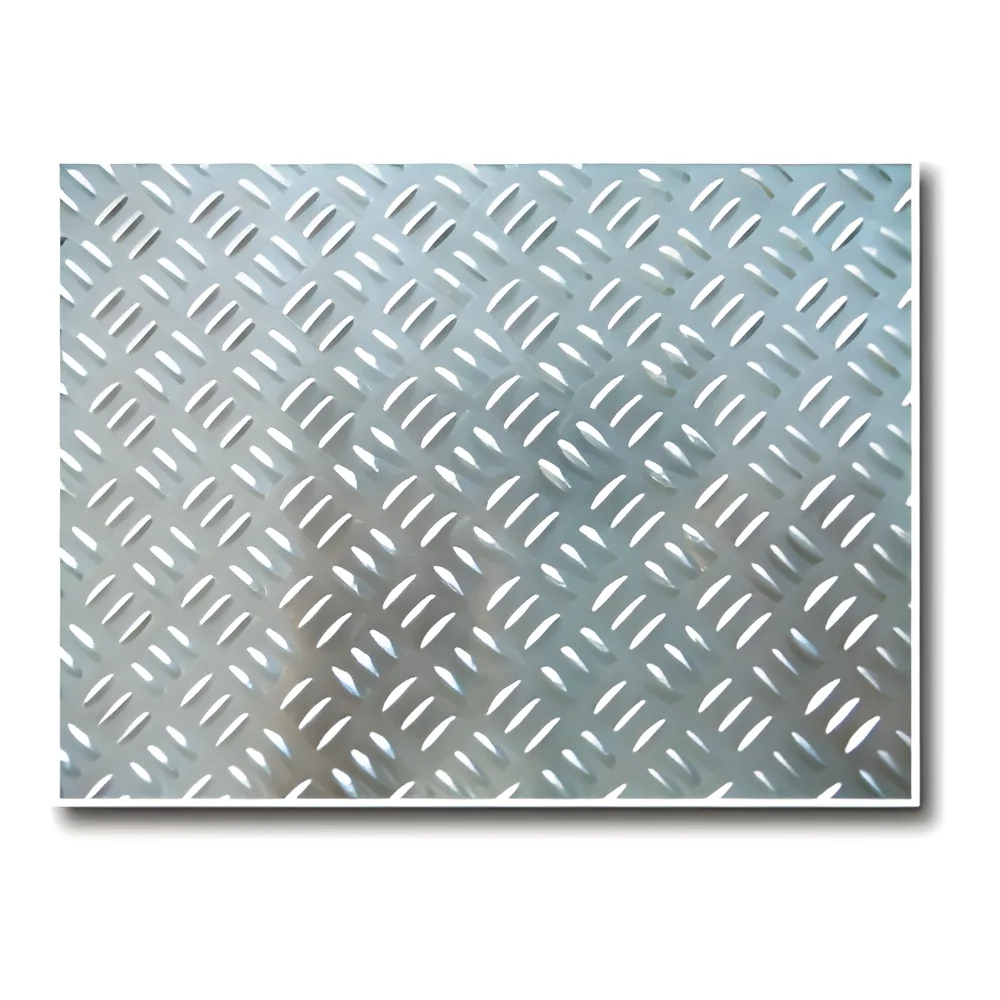
4. Surface Finish
- Options include hot-rolled, cold-rolled, and polished finishes.
- The finish can influence aesthetic appeal and corrosion resistance.
5. Grade
- Different grades such as A36, A572, and 304L are available.
- Grades determine the mechanical properties and suitability for specific applications.
6. Welding and Machinability
- Some materials are designed for better weldability and machinability.
- Important for applications requiring fabrication.
7. Compliance Standards
- Products may comply with industry standards such as ASTM or ISO.
- Compliance ensures quality and reliability in performance.
In summary, understanding these key specifications is essential for selecting the right metal plates and flats to fulfill specific project requirements.
Common Applications and Use Cases
Metal plates and flats are versatile products that serve various industries and applications.
1. Construction: Metal plates are commonly used as structural components in buildings and bridges. They provide essential support and are often used in beams and columns.
2. Manufacturing: In manufacturing, metal flats serve as bases for machinery and as raw materials for creating components through cutting and shaping.
3. Automotive: Metal plates are integral in the automotive industry, where they are used for making frames, chassis, and other structural parts.
4. Aerospace: In aerospace applications, metal flats are critical for creating fuselages and wings, requiring lightweight yet strong materials.
5. Oil and Gas: Metal plates are used in pipelines and storage tanks, providing strength and durability against harsh environments.
6. Shipbuilding: The marine industry relies on metal plates for constructing hulls and other structural components of ships.
7. HVAC Systems: Metal flats are utilized in ductwork and other components in heating, ventilation, and air conditioning systems.
Product Variants and Subcategories
While there are no specific subcategories available for metal plates and flats, they do exhibit a range of variants based on material and application.
Steel Plates
Steel plates are robust and widely used for structural applications. They are often utilized in construction and manufacturing due to their strength and durability.
Aluminum Flats
Aluminum flats are lightweight and corrosion-resistant, making them ideal for applications in the automotive and aerospace industries. Their non-magnetic properties also add to their appeal.
Stainless Steel Plates
Stainless steel plates offer excellent corrosion resistance and are commonly used in food processing, pharmaceuticals, and other industries where hygiene is critical.
Benefits and Advantages
Metal plates and flats offer several advantages that make them essential in various applications.
1. Durability: Metal plates are designed to withstand harsh environments and heavy loads, ensuring long-lasting performance.
2. Versatility: They can be used in a wide range of applications, from construction to manufacturing, making them a flexible choice for many industries.
3. Customization: Many suppliers offer customization options in terms of size, thickness, and material type to meet specific project needs.
4. Cost-Effectiveness: The availability of various grades and types allows businesses to choose products that fit their budget while meeting performance requirements.
5. Easy Fabrication: Metal plates and flats can be easily cut, welded, and machined, facilitating the creation of complex parts and assemblies.
6. Compliance: Many metal plates and flats meet industry standards, ensuring quality and reliability in demanding applications.
Buying Guide for B2B Buyers
When sourcing metal plates and flats, it is essential to consider several factors to ensure you choose the right products for your needs.
1. Quality Assessment: Evaluate the quality of materials and finishes. Look for certifications and compliance with industry standards to ensure reliability.
2. Supplier Verification: Vet potential suppliers by reviewing their reputation, history, and customer feedback. A verified supplier network ensures you receive high-quality products.
3. Pricing and MOQ: Understand pricing structures and minimum order quantities. This information helps in budgeting and planning your procurement strategy.
4. Delivery and Lead Times: Inquire about logistics and lead times to ensure timely delivery of your orders. This is crucial for maintaining project schedules.
5. Compliance Requirements: Be aware of any regulatory compliance requirements relevant to your industry. This includes safety and testing standards that products must meet.
Compliance and Certifications
Compliance with industry standards is critical for ensuring the safety and quality of metal plates and flats. Relevant quality standards include ISO 9001, which outlines quality management systems, and CE certification, which demonstrates compliance with European health and safety requirements.
Additionally, safety testing requirements are crucial in industries such as construction and manufacturing. Products must be tested for their strength, durability, and corrosion resistance to ensure they can withstand the demands of their applications.
Regional compliance considerations may also apply, particularly in international trade. Understanding local regulations helps ensure that products meet the necessary requirements for safe use and performance.
Why Source Metal Plates & Flats from Pepagora?
Pepagora provides a trusted platform for sourcing metal plates and flats, offering several key advantages to B2B buyers.
Verified Supplier Network: Pepagora connects buyers with a network of verified suppliers, ensuring that you have access to high-quality products and reliable service.
Streamlined RFQ Process: The platform features a streamlined request-for-quotation process, making it easy for buyers to obtain competitive pricing and terms from multiple suppliers.
Trade Assurance and Support: Pepagora offers trade assurance, providing buyers with protection and support throughout the procurement process. This helps mitigate risks associated with purchasing.
Regional Coverage: With a strong presence in India, the GCC, and Southeast Asia, Pepagora facilitates connections between buyers and suppliers across these regions, ensuring efficient sourcing and logistics.

 IN
IN