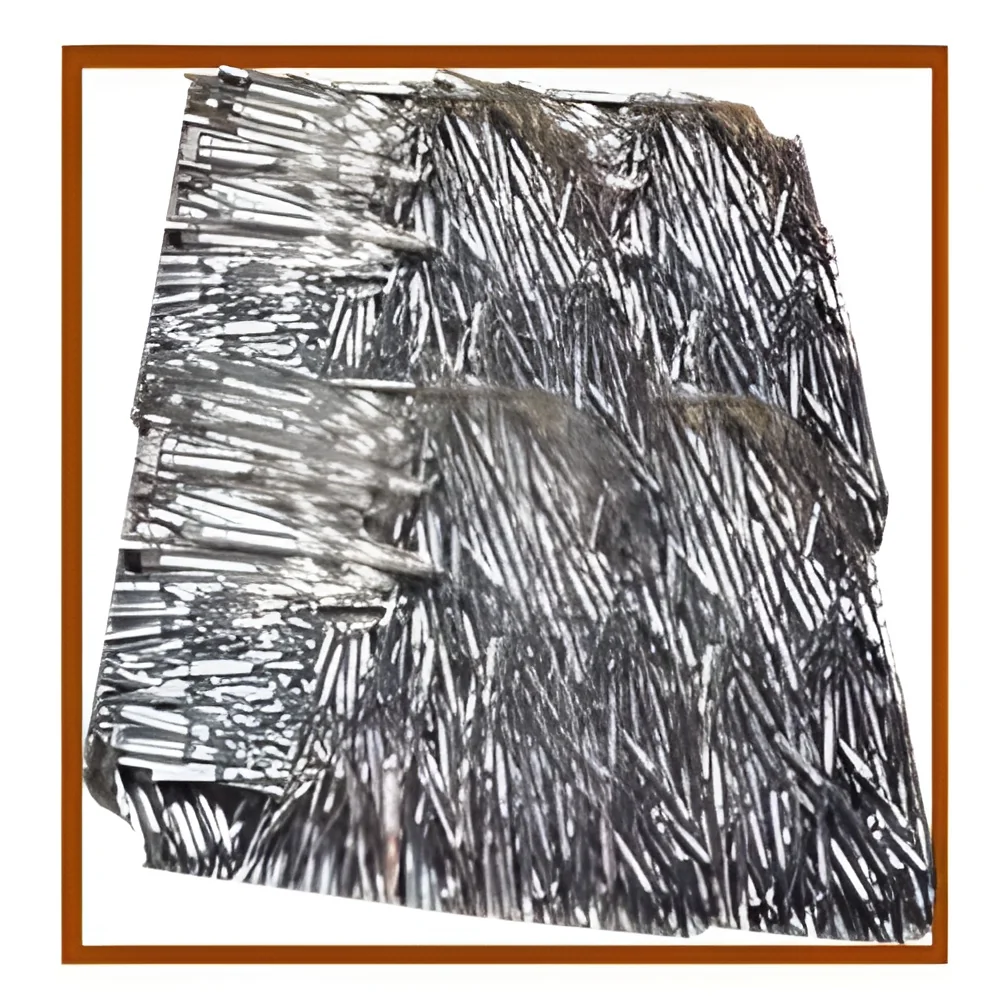
𝗪𝗵𝗮𝘁 𝗮𝗿𝗲 𝗥𝗲𝗰𝘆𝗰𝗹𝗲𝗱 𝗠𝗲𝘁𝗮𝗹 𝗦𝘂𝗽𝗽𝗹𝗶𝗲𝗿𝘀?
Recycled metal suppliers are businesses that collect, process, and sell recycled metals. These metals are sourced from various waste materials, such as scrap metal from industrial operations, discarded vehicles, and construction debris. The recycling process involves sorting, shredding, and melting the metals to produce raw material that can be reused in manufacturing. This not only conserves natural resources but also reduces energy consumption and minimizes environmental impact.
The primary uses of recycled metals include manufacturing new products, construction materials, and automotive components. Companies in various sectors, such as manufacturing, construction, and automotive, rely on recycled metals due to their cost-effectiveness and sustainability. As industries increasingly focus on reducing their carbon footprint, the demand for recycled metal suppliers continues to grow, making them a critical part of the supply chain.
In the market context, recycled metals are gaining traction as businesses seek sustainable alternatives to virgin materials. The global push for sustainability has driven innovation and investment in recycling technologies. As a result, recycled metal suppliers are positioned as vital players in the circular economy, contributing to resource efficiency and waste reduction.
𝗞𝗲𝘆 𝗙𝗲𝗮𝘁𝘂𝗿𝗲𝘀 𝗮𝗻𝗱 𝗦𝗽𝗲𝗰𝗶𝗳𝗶𝗰𝗮𝘁𝗶𝗼𝗻𝘀
Recycled metal suppliers offer a range of products with specific features and specifications that cater to various industrial needs. Understanding these specifications is crucial for B2B buyers looking to source recycled metals effectively.
Key specifications include:
1. Material Types
- Common materials include aluminum, copper, steel, and brass.
- Each material has unique properties suitable for different applications.
2. Purity Levels
- Purity levels indicate the amount of contaminant-free metal.
- Typically ranges from 85% to 99% depending on the recycling process.
3. Processing Methods
- Various methods such as shredding, baling, and melting are employed.
- Each method affects the end product's quality and suitability for specific uses.
4. Size Specifications
- Metal pieces are available in different sizes based on processing requirements.
- Common sizes include small scrap pieces, large bales, or ingots.
5. Packaging Options
- Recycled metals can be supplied in bulk or packaged for ease of handling.
- Packaging methods may include boxes, pallets, or containers.
6. Compliance Standards
- Many suppliers adhere to industry standards for quality and safety.
- Compliance with regulations ensures product reliability.
7. Customization Options
- Some suppliers may offer customized solutions based on buyer specifications.
- This includes specific alloy compositions or processing techniques.
In summary, understanding the key features and specifications of recycled metal suppliers can help businesses make informed decisions that align with their production needs and sustainability goals.
𝗖𝗼𝗺𝗺𝗼𝗻 𝗔𝗽𝗽𝗹𝗶𝗰𝗮𝘁𝗶𝗼𝗻𝘀 𝗮𝗻𝗱 𝗨𝘀𝗲 𝗖𝗮𝘀𝗲𝘀
Recycled metal is utilized across a variety of industries, showcasing its versatility and importance in modern manufacturing.
1. Automotive Industry: Recycled metals are used to manufacture new vehicle parts, reducing the need for virgin materials. This includes components like engine blocks and body panels.
2. Construction Industry: Recycled steel and aluminum are commonly used in building structures, including beams and roofing materials, enhancing sustainability in construction projects.
3. Manufacturing Industry: Many manufacturers use recycled metals in the production of appliances, machinery, and tools, benefiting from cost savings and reduced environmental impact.
4. Electronics Industry: Recycled copper is often utilized in wiring and circuit boards, promoting efficient resource use in electronic devices.
5. Packaging Industry: Aluminum and steel from recycled sources are frequently used in packaging materials, such as cans and containers, supporting eco-friendly practices.
6. Art and Design: Artists and designers often use recycled metals in their creations, promoting sustainability and creativity.
7. Energy Sector: Recycled metals are employed in the production of renewable energy infrastructure, including solar panel frames and wind turbine components.
𝗣𝗿𝗼𝗱𝘂𝗰𝘁 𝗩𝗮𝗿𝗶𝗮𝗻𝘁𝘀 𝗮𝗻𝗱 𝗦𝘂𝗯𝗰𝗮𝘁𝗲𝗴𝗼𝗿𝗶𝗲𝘀
The diversity of recycled metals allows for various product variants, each tailored to specific applications and industry needs.
Aluminum Scrap
Aluminum scrap is lightweight and corrosion-resistant, making it ideal for manufacturing new aluminum products. It is commonly used in the automotive and packaging industries due to its versatility.
Copper Scrap
Copper scrap is highly conductive and is primarily used in electrical applications. It is recycled into wiring and electrical components, serving industries that require reliable conductivity.
Steel Scrap
Steel scrap is one of the most recycled materials globally. It is utilized in construction and manufacturing, providing strength and durability in new products.
Brass Scrap
Brass scrap is valued for its aesthetic appeal and corrosion resistance. It is often used in plumbing fixtures and decorative items, appealing to both industrial and consumer markets.
𝗕𝗲𝗻𝗲𝗳𝗶𝘁𝘀 𝗮𝗻𝗱 𝗔𝗱𝘃𝗮𝗻𝘁𝗮𝗴𝗲𝘀
Sourcing recycled metals offers numerous advantages for businesses looking to enhance sustainability and reduce costs.
1. Cost Savings: Recycled metals are typically less expensive than virgin materials, providing significant savings for manufacturers.
2. Environmental Impact: Utilizing recycled metals reduces landfill waste and lowers carbon emissions, supporting corporate sustainability goals.
3. Resource Conservation: Recycling metals conserves natural resources by reducing the need for mining and processing new materials.
4. Energy Efficiency: The recycling process generally consumes less energy compared to producing metals from raw materials, contributing to lower operational costs.
5. Versatility: Recycled metals can be customized for various applications, making them suitable for diverse industries.
6. Compliance with Regulations: Many recycled metal suppliers adhere to strict environmental regulations, ensuring that businesses remain compliant while sourcing materials.
𝗕𝘂𝘆𝗶𝗻𝗴 𝗚𝘂𝗶𝗱𝗲 𝗳𝗼𝗿 𝗕𝟮𝗕 𝗕𝘂𝘆𝗲𝗿𝘀
When sourcing recycled metal suppliers, it is essential for B2B buyers to consider several critical factors to ensure they partner with reliable and responsible suppliers.
1. Quality Assessment: Evaluate the quality of the recycled metals offered by suppliers. Look for certifications and specifications that demonstrate adherence to industry standards.
2. Supplier Verification: Conduct due diligence on potential suppliers. Verify their reputation, operational practices, and compliance with environmental regulations to ensure reliability.
3. Pricing and MOQ: Understand the pricing structure and minimum order quantities (MOQ) required by suppliers. This will help in budgeting and managing supply chain logistics.
4. Delivery and Lead Times: Assess the supplier’s ability to meet delivery timelines. Timely delivery is crucial for maintaining production schedules and minimizing disruptions.
5. Compliance Requirements: Ensure that the supplier complies with relevant industry regulations and standards. This includes environmental and safety compliance to mitigate risks.
𝗖𝗼𝗺𝗽𝗹𝗶𝗮𝗻𝗰𝗲 𝗮𝗻𝗱 𝗖𝗲𝗿𝘁𝗶𝗳𝗶𝗰𝗮𝘁𝗶𝗼𝗻𝘀
Recycled metal suppliers must adhere to several quality standards and certifications to ensure the safety and reliability of their products.
Relevant quality standards such as ISO 9001 ensure that suppliers maintain consistent quality management systems. This certification indicates that the supplier meets international standards for product quality and process efficiency.
Industry certifications like CE mark compliance demonstrate that products meet European safety and environmental standards. Such certifications are crucial for suppliers operating in global markets, ensuring their products are acceptable for international trade.
Safety and testing requirements are paramount in the recycling industry. Suppliers must conduct rigorous testing of their metals to ensure they are free from hazardous materials and contaminants.
Regional compliance considerations also play a significant role. Suppliers must be aware of local regulations regarding recycling and waste management, which can vary greatly across regions.
𝗪𝗵𝘆 𝗦𝗼𝘂𝗿𝗰𝗲 𝗥𝗲𝗰𝘆𝗰𝗹𝗲𝗱 𝗠𝗲𝘁𝗮𝗹 𝗦𝘂𝗽𝗽𝗹𝗶𝗲𝗿𝘀 𝗳𝗿𝗼𝗺 𝗣𝗲𝗽𝗮𝗴𝗼𝗿𝗮?
Pepagora provides a trusted platform for sourcing recycled metal suppliers, offering several key advantages that enhance the buying experience for B2B customers.
Verified Supplier Network: Pepagora ensures that all listed suppliers are thoroughly vetted for quality and reliability. This verification process provides buyers with peace of mind when selecting suppliers.
Streamlined RFQ Process: The request for quotation (RFQ) system simplifies the sourcing process. Buyers can easily submit requests to multiple suppliers, receiving competitive quotes that aid in cost-effective decision-making.
Trade Assurance and Support: With trade assurance, Pepagora offers buyer protection, ensuring that transactions are secure and that buyers receive the products as promised. This support enhances confidence in the sourcing process.
Regional Coverage: Pepagora’s extensive network spans across India, the GCC, and Southeast Asia. This geographic reach allows buyers to find local suppliers, reducing logistics costs and delivery times while promoting regional partnerships.

 IN
IN