What are Aluminum Pipes & Tubes?
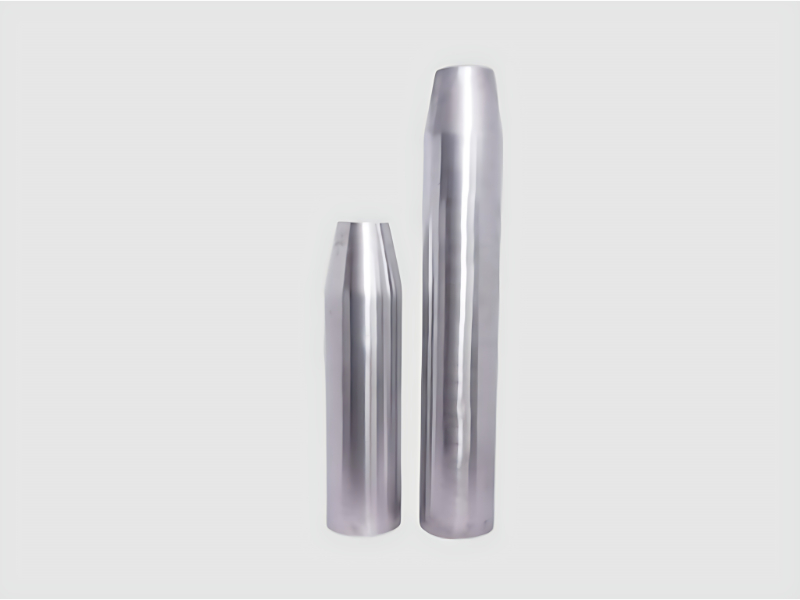
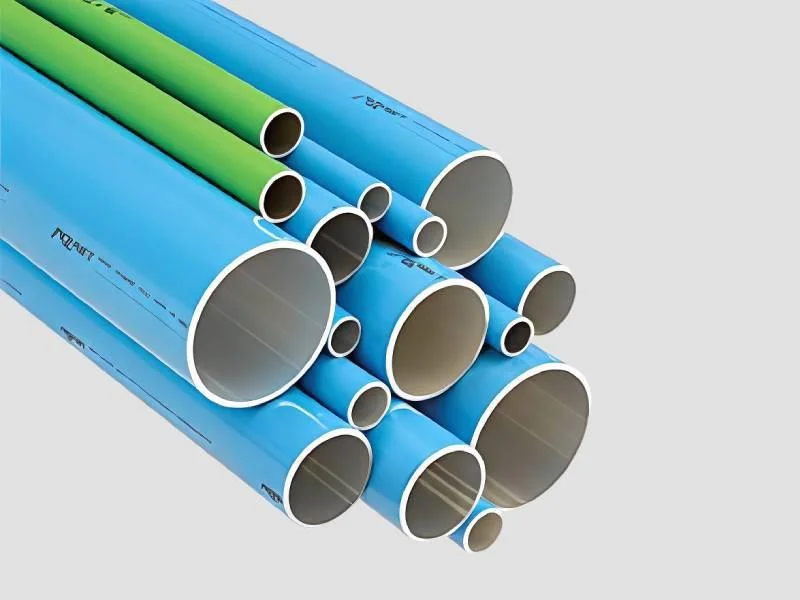
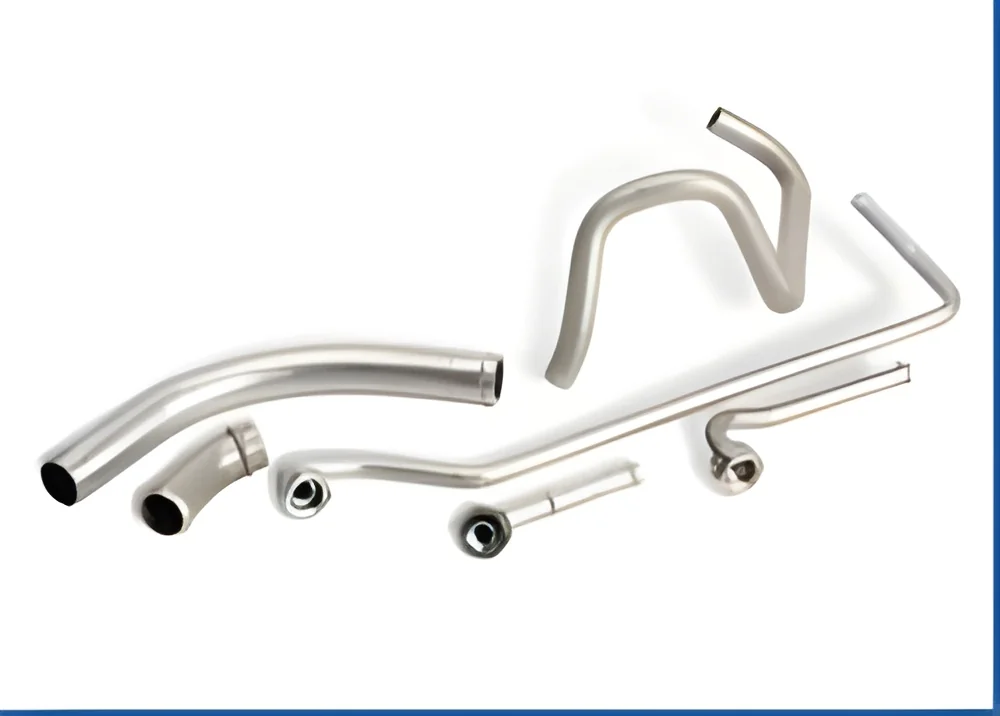
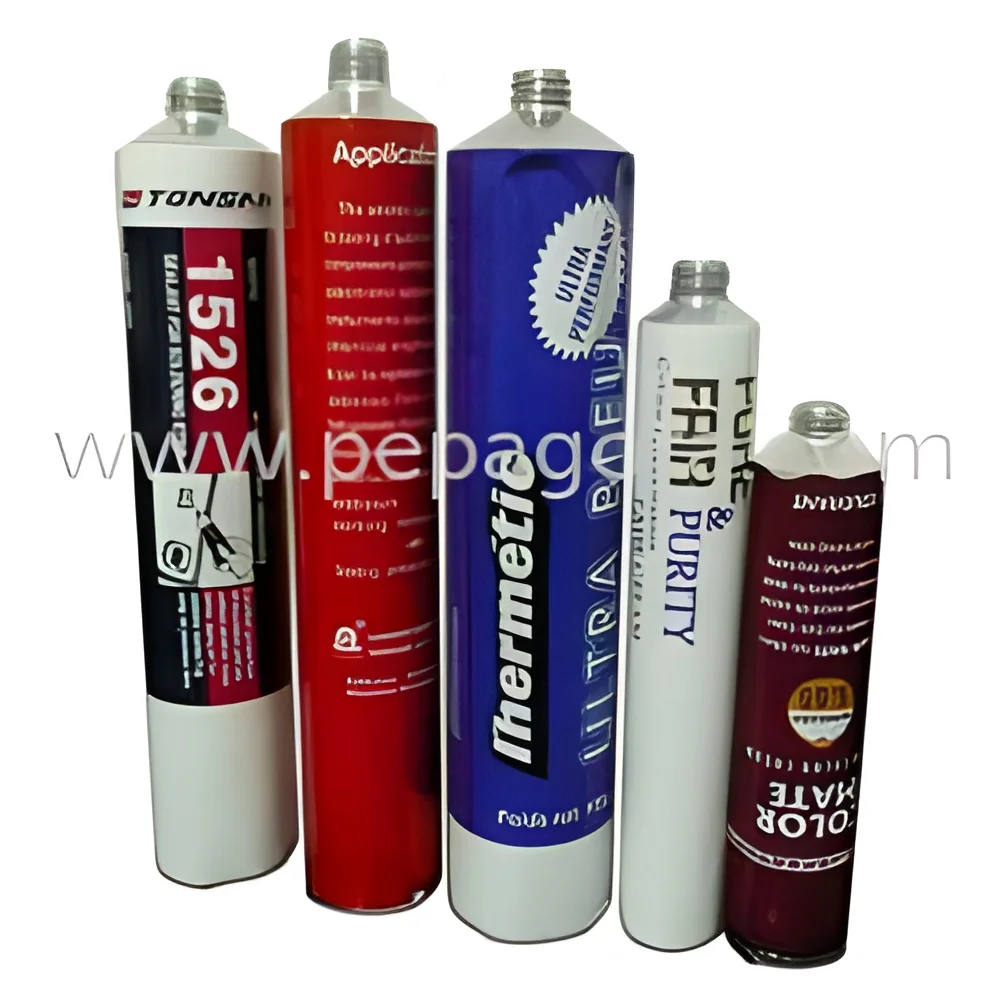
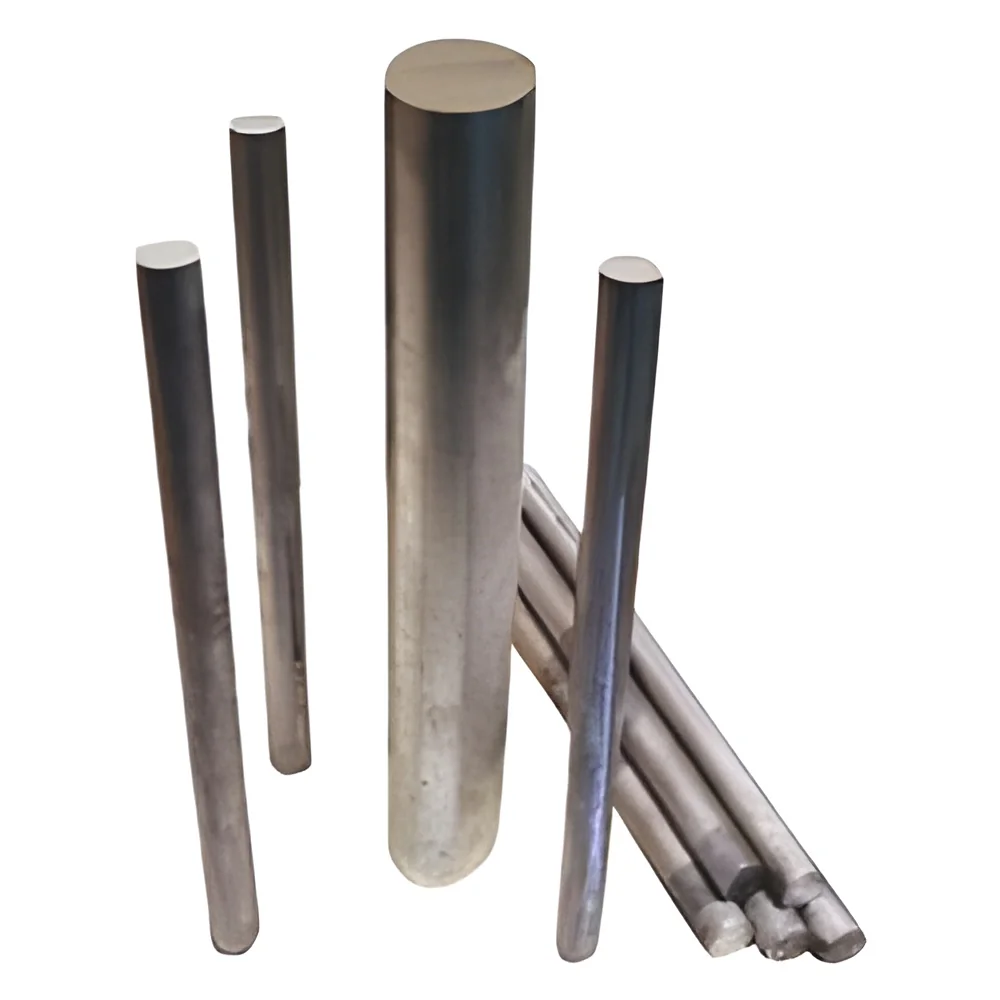
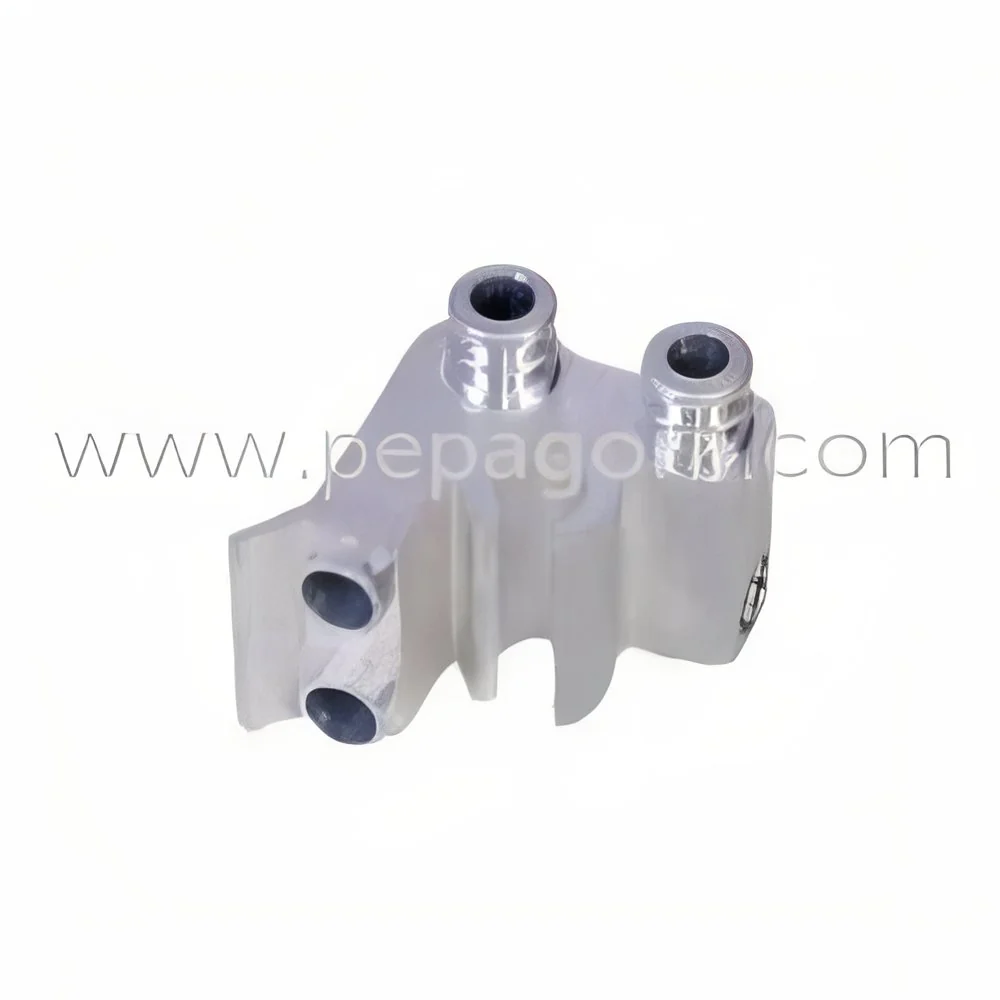
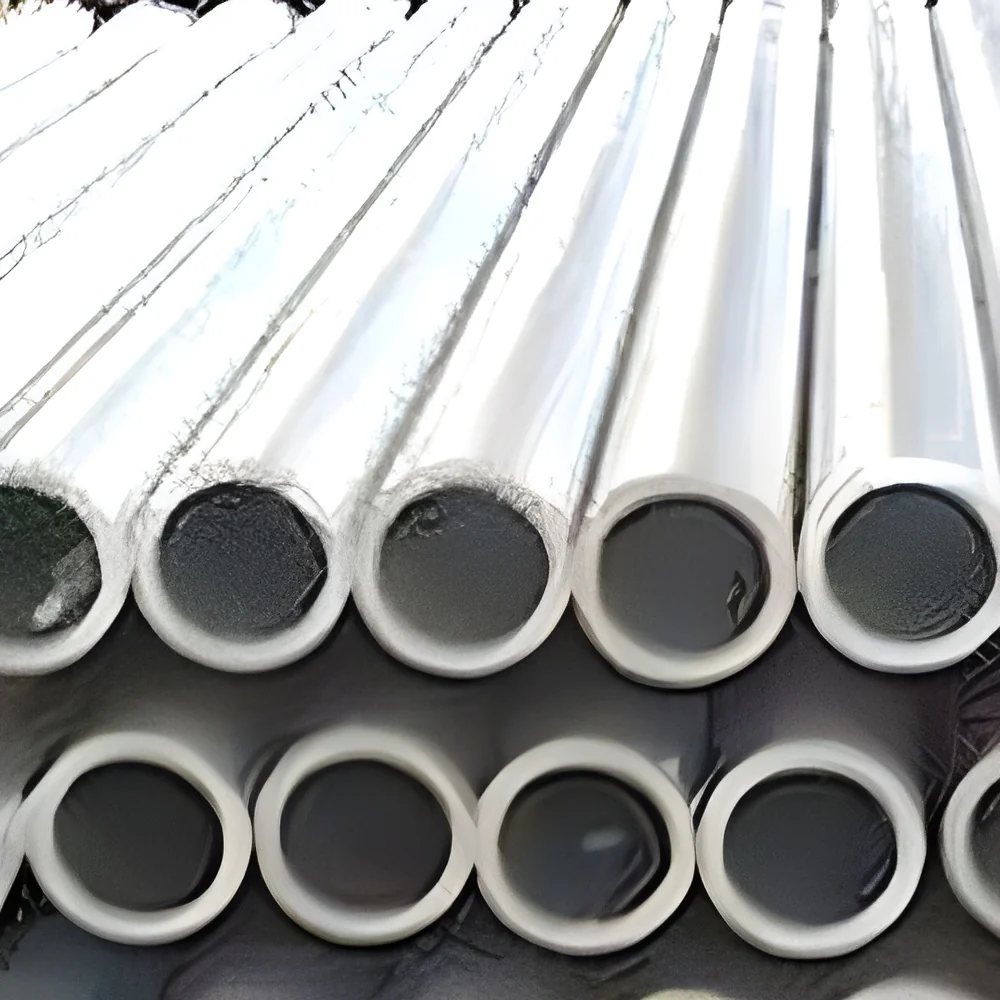
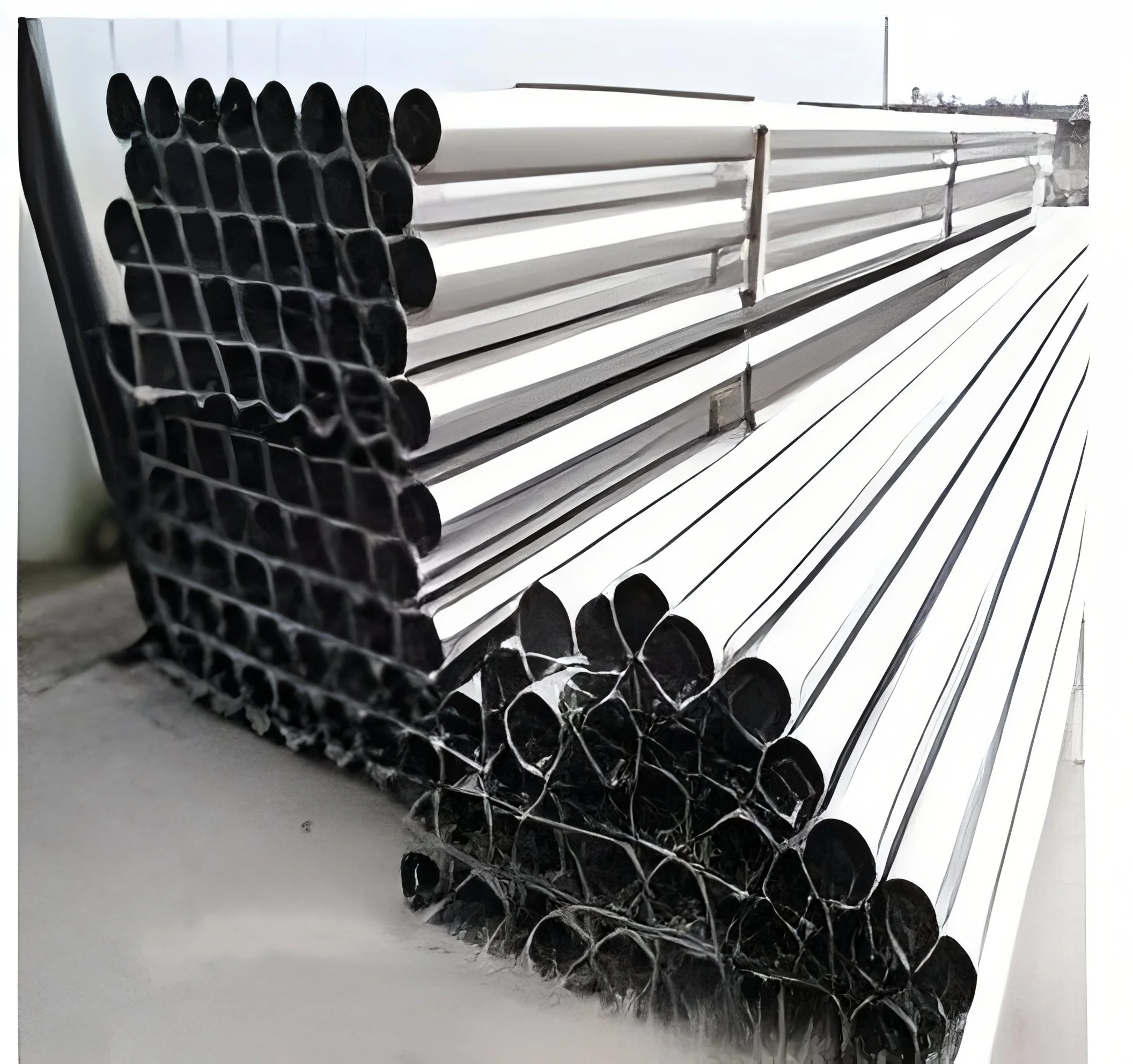
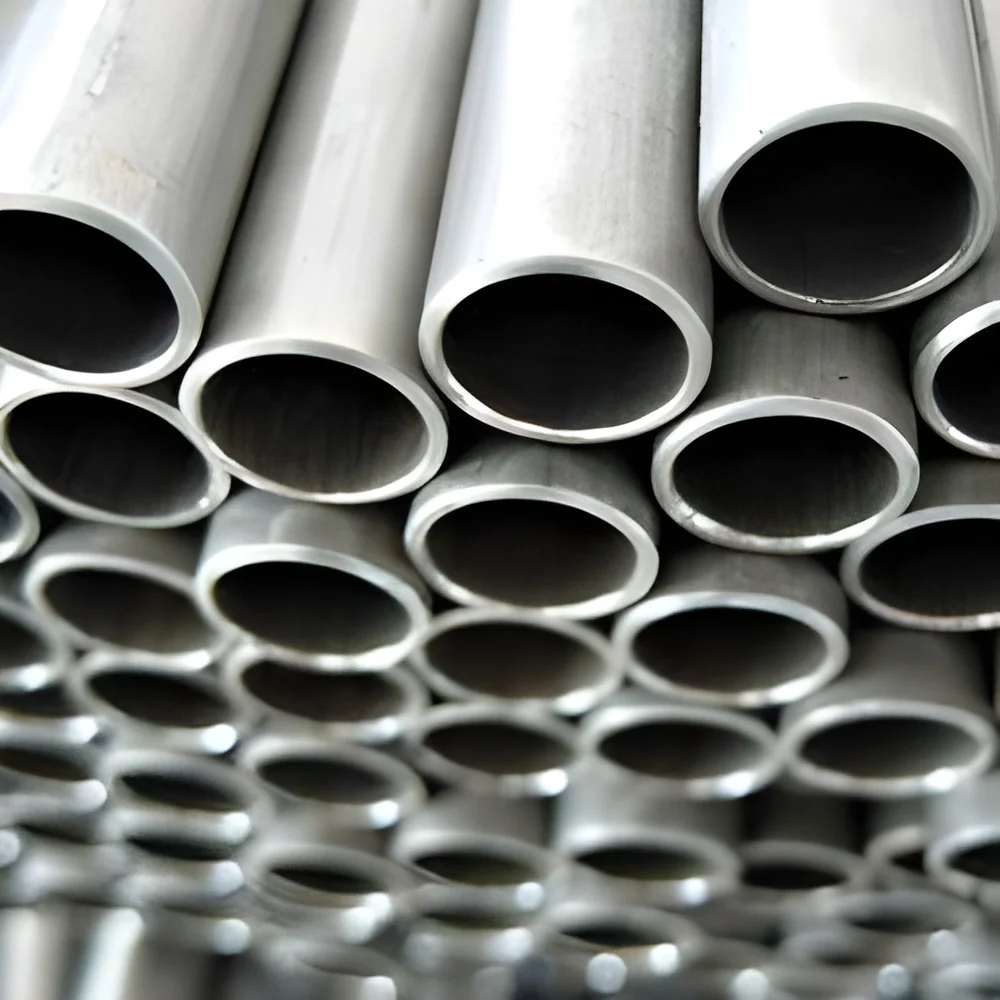
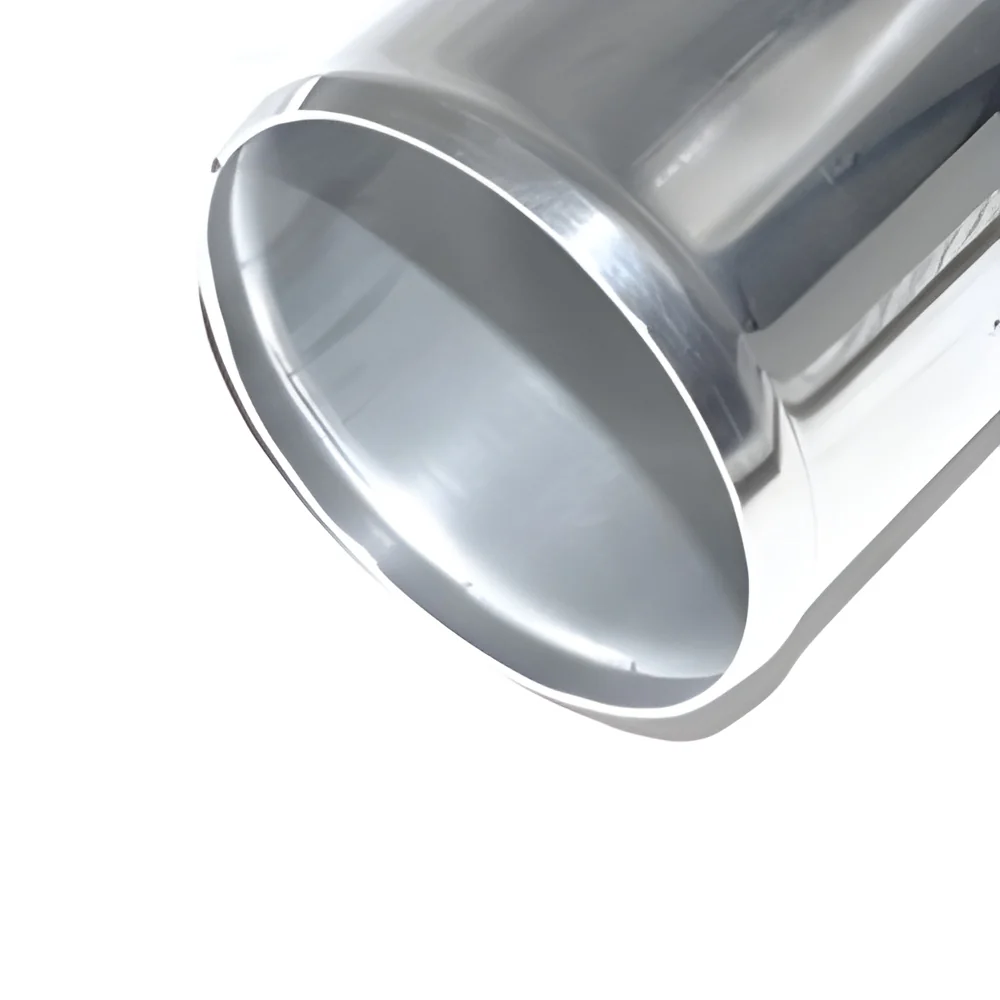
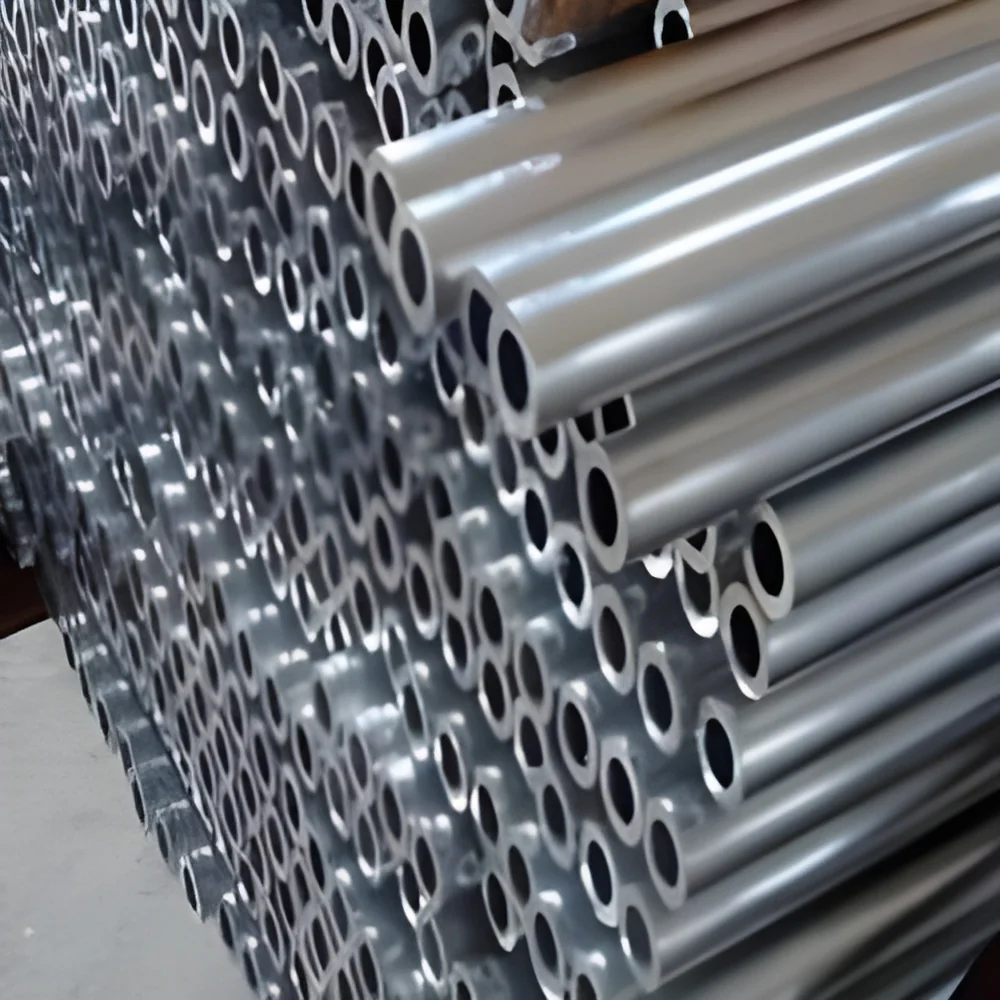
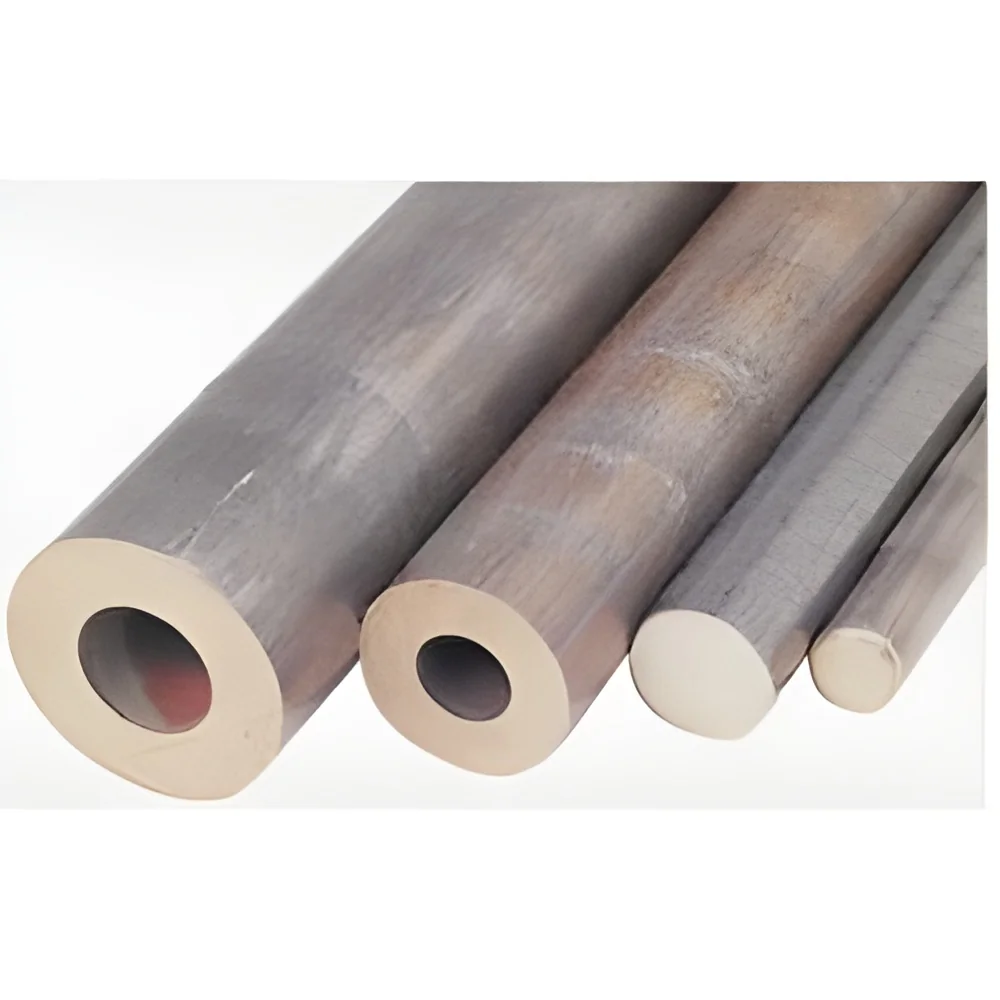
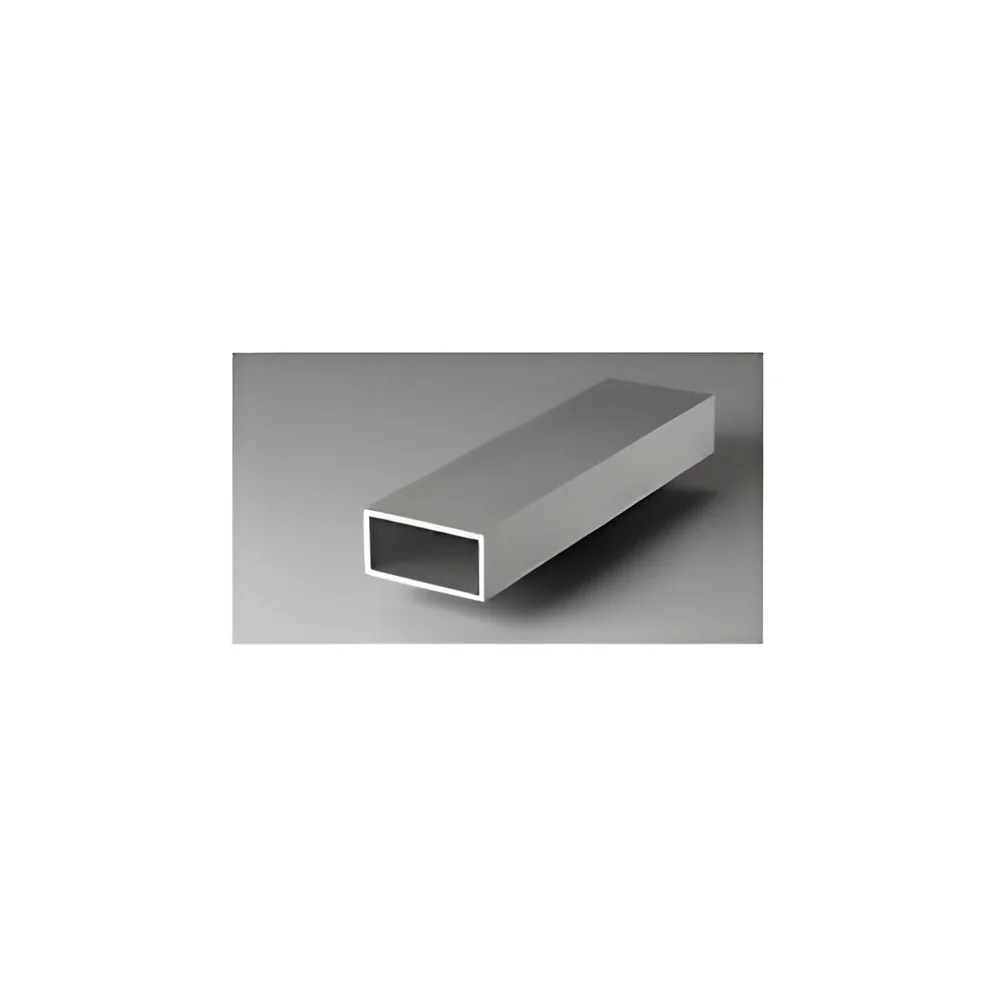
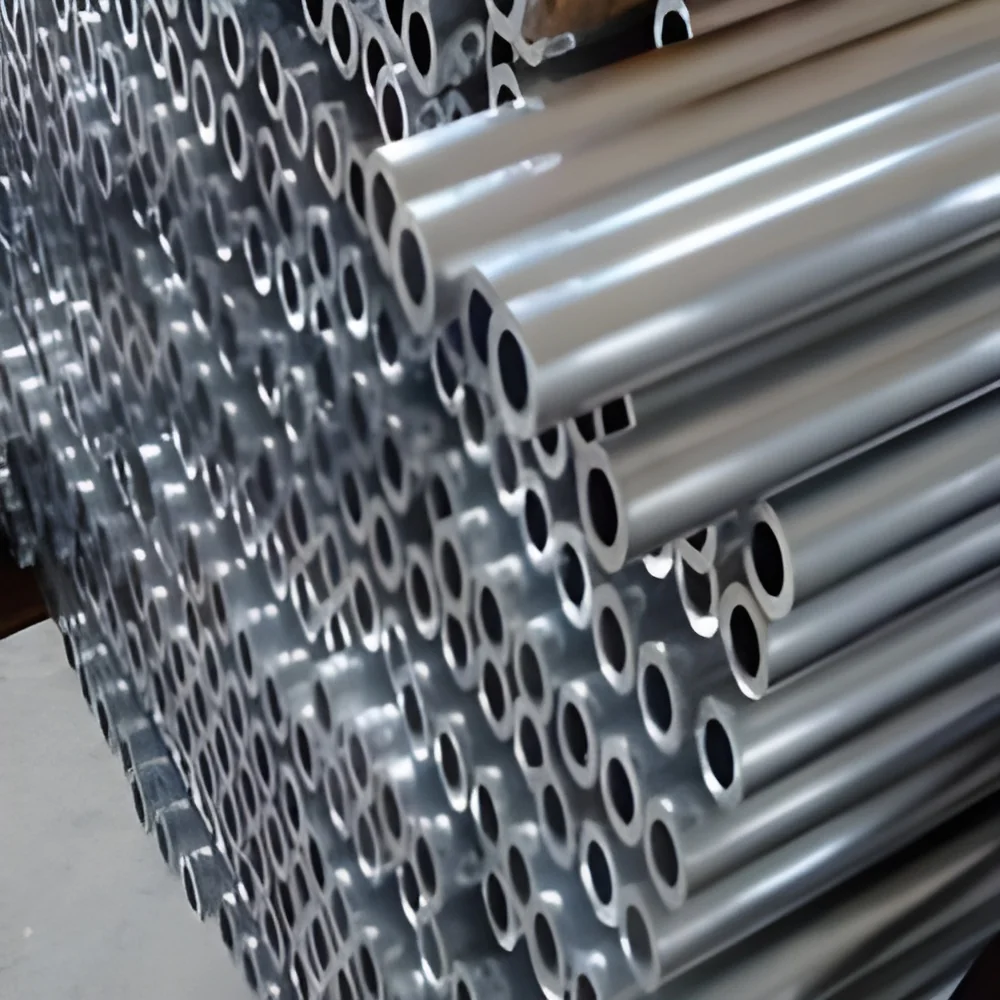
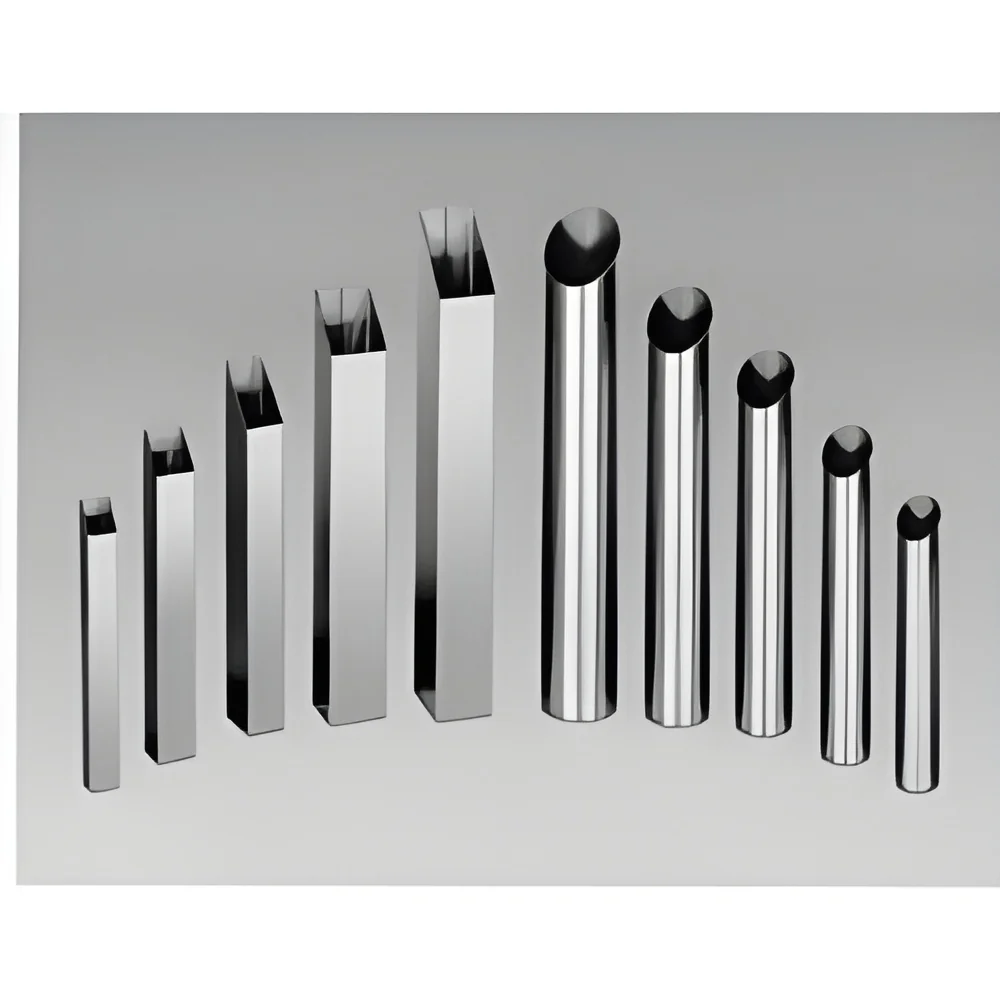
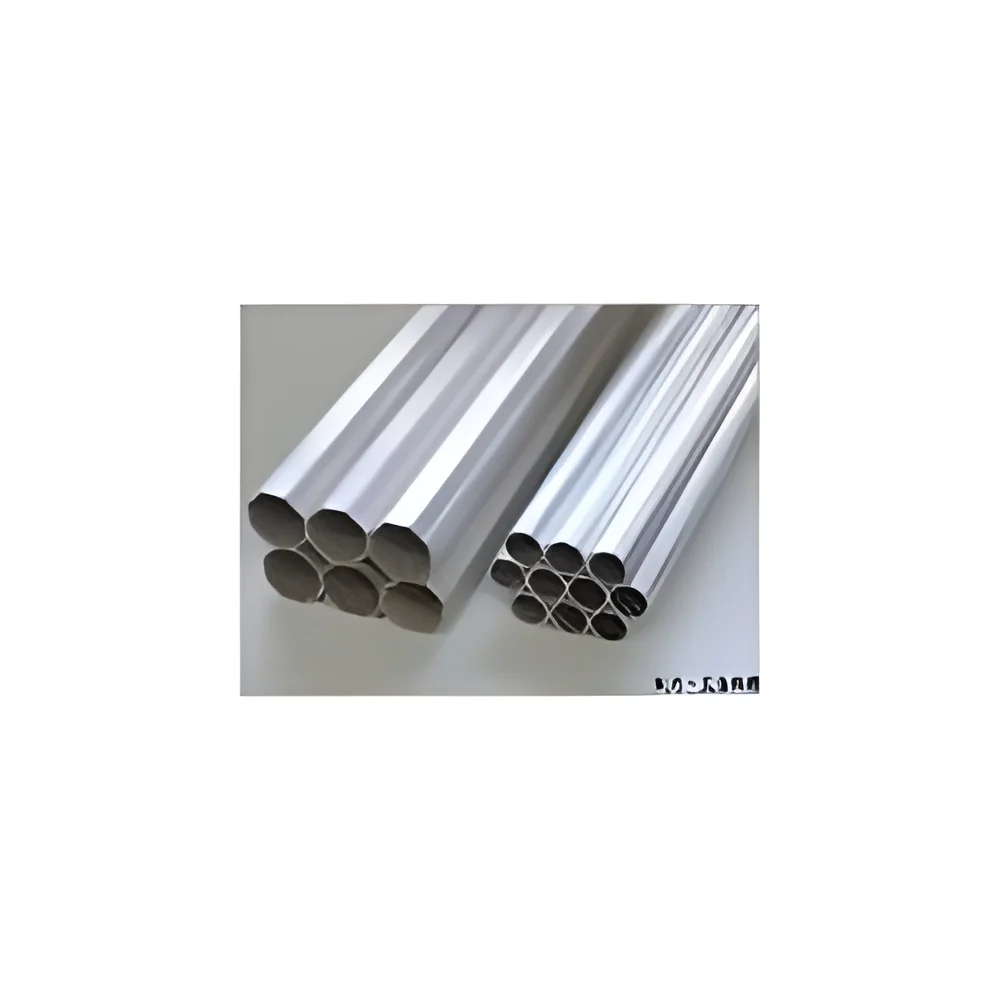
Aluminum pipes and tubes are cylindrical structures made from aluminum alloy, known for their lightweight, durability, and resistance to corrosion. These products are widely used in various industries due to their excellent mechanical properties and versatility. Aluminum pipes are typically seamless or welded, while tubes can be extruded or formed in various shapes and sizes to meet specific requirements.
The primary applications of aluminum pipes and tubes span across several sectors, including construction, automotive, aerospace, and manufacturing. In construction, they are often used for structural framing and piping systems. In the automotive industry, they serve in fuel lines and heat exchangers. Aerospace applications include components for aircraft structures, while manufacturing utilizes aluminum pipes for machinery and equipment. The growing demand for lightweight materials has further increased the relevance of aluminum pipes and tubes in today's market.
Key Features and Specifications
Aluminum pipes and tubes possess several key features that make them suitable for a variety of applications. These features include high strength-to-weight ratios, excellent corrosion resistance, and good thermal conductivity. They can be easily fabricated and are available in various finishes to enhance their aesthetic appeal.
Key specifications include:
1. Diameter
- Available in a range of sizes, typically from 1/8 inch to several inches in diameter.
2. Wall Thickness
- Varies according to the application, generally ranging from 0.020 inches to 0.250 inches.
3. Length
- Standard lengths typically range from 10 to 20 feet, with custom lengths available.
4. Alloy Composition
- Commonly used alloys include 6061, 6063, and 7075, each offering different properties for specific applications.
5. Temper
- Available in various tempers such as T6, T5, and H14, impacting the mechanical properties of the aluminum.
6. Surface Finish
- Options include mill finish, anodized, and painted for enhanced protection and aesthetics.
7. Weight
- Lightweight nature, approximately one-third the weight of steel, significantly beneficial in applications requiring reduced weight.
8. Corrosion Resistance
- Naturally resistant to corrosion, aluminum pipes and tubes maintain their integrity in harsh environments.
These features contribute to the versatility and reliability of aluminum pipes and tubes in numerous applications.
Common Applications and Use Cases
Aluminum pipes and tubes are integral to various industries, each utilizing them for specific purposes.
1. Construction: Used in scaffolding, roofing, and structural frames due to their strength and lightweight properties.
2. Automotive: Employed in fuel lines, heat exchangers, and chassis components to enhance performance and fuel efficiency.
3. Aerospace: Critical for aircraft frames and components where weight reduction is essential for fuel efficiency.
4. Manufacturing: Utilized in machinery and equipment for fluid transfer and structural support.
5. HVAC: Applied in heating, ventilation, and air conditioning systems for efficient airflow and temperature control.
6. Marine: Used in boat construction and components due to their resistance to saltwater corrosion.
7. Electrical: Employed as conduits and supports for wiring systems in building infrastructures.
Product Variants and Subcategories
Aluminum pipes and tubes come in various forms to cater to different market needs.
Seamless Pipes: These are manufactured without seams, providing high strength and a uniform cross-section. They are ideal for high-pressure applications.
Welded Tubes: Made by joining two edges, these tubes are often more cost-effective and suitable for a range of applications, including structural and decorative uses.
Extruded Tubes: Formed through an extrusion process, these tubes can be crafted into custom shapes, offering flexibility for designers and engineers.
Drawn Tubes: This variant involves drawing the tubes through a die, resulting in precise dimensions and smooth finishes, making them suitable for high-precision applications.
Benefits and Advantages
The use of aluminum pipes and tubes offers several notable benefits.
1. Lightweight: Their reduced weight compared to steel allows for easier handling and transportation.
2. Corrosion Resistance: Natural resistance to various elements helps extend the lifespan and reliability of the products.
3. Versatility: Available in multiple sizes, shapes, and finishes, they can be tailored to fit a wide range of applications.
4. Cost-Effectiveness: While the initial investment may be higher than other materials, their durability and maintenance-free nature can lead to lower long-term costs.
5. Recyclability: Aluminum is fully recyclable, making it an environmentally friendly choice for sustainable projects.
6. Excellent Conductivity: High thermal and electrical conductivity makes aluminum pipes and tubes ideal for specific industrial applications.
Buying Guide for B2B Buyers
When sourcing aluminum pipes and tubes, several factors should be taken into consideration to ensure quality and suitability.
1. Quality Assessment: Evaluate manufacturers based on their adherence to industry standards. Look for certifications and quality control processes that ensure reliability.
2. Supplier Verification: Conduct thorough research on potential suppliers. Check their reputation, customer reviews, and past projects to confirm their reliability.
3. Pricing and MOQ: Understand the pricing structure and minimum order quantities. Compare multiple suppliers to find competitive offers without compromising quality.
4. Delivery and Lead Times: Discuss logistics with suppliers to establish clear timelines for delivery. Ensure they can meet your project deadlines effectively.
5. Compliance Requirements: Be aware of any regulatory requirements for your industry. Ensure that the products meet necessary safety standards and certifications.
Compliance and Certifications
Aluminum pipes and tubes are subject to various quality standards and certifications that ensure their reliability and safety in industrial applications. ISO 9001 is a widely recognized quality management standard that many manufacturers adhere to, ensuring consistent quality in production processes.
In addition to ISO certifications, CE marking is crucial for products sold in the European market, indicating conformity with health, safety, and environmental protection standards.
Moreover, safety and testing requirements must be met, including performance tests that verify the structural integrity and durability of the products. Regional compliance may also vary, necessitating awareness of local regulations and standards relevant to the specific application of aluminum pipes and tubes.
Why Source Aluminum Pipes & Tubes from Pepagora?
Pepagora offers a reliable platform for sourcing aluminum pipes and tubes, ensuring that buyers have access to a wide range of products from verified suppliers. The supplier network is curated to provide trustworthy options, minimizing the risk associated with sourcing.
The RFQ process is streamlined, allowing buyers to efficiently request quotes and receive responses from multiple suppliers. This competitive environment fosters better pricing and service options.
Trade assurance and support are key features of the Pepagora platform, offering buyers protection throughout the purchasing process. This support includes assistance with disputes and ensuring that the products meet the expected quality standards.
Additionally, Pepagora has a strong regional coverage, facilitating connections with suppliers across India, the GCC, and Southeast Asia. This geographic reach enhances opportunities for businesses looking to source aluminum pipes and tubes in their respective markets.

 IN
IN