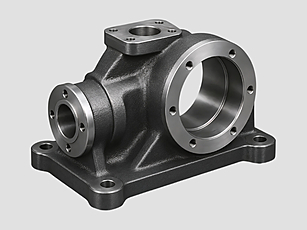
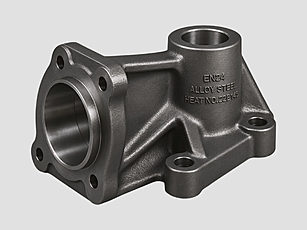
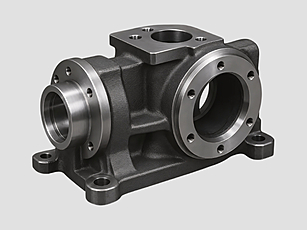
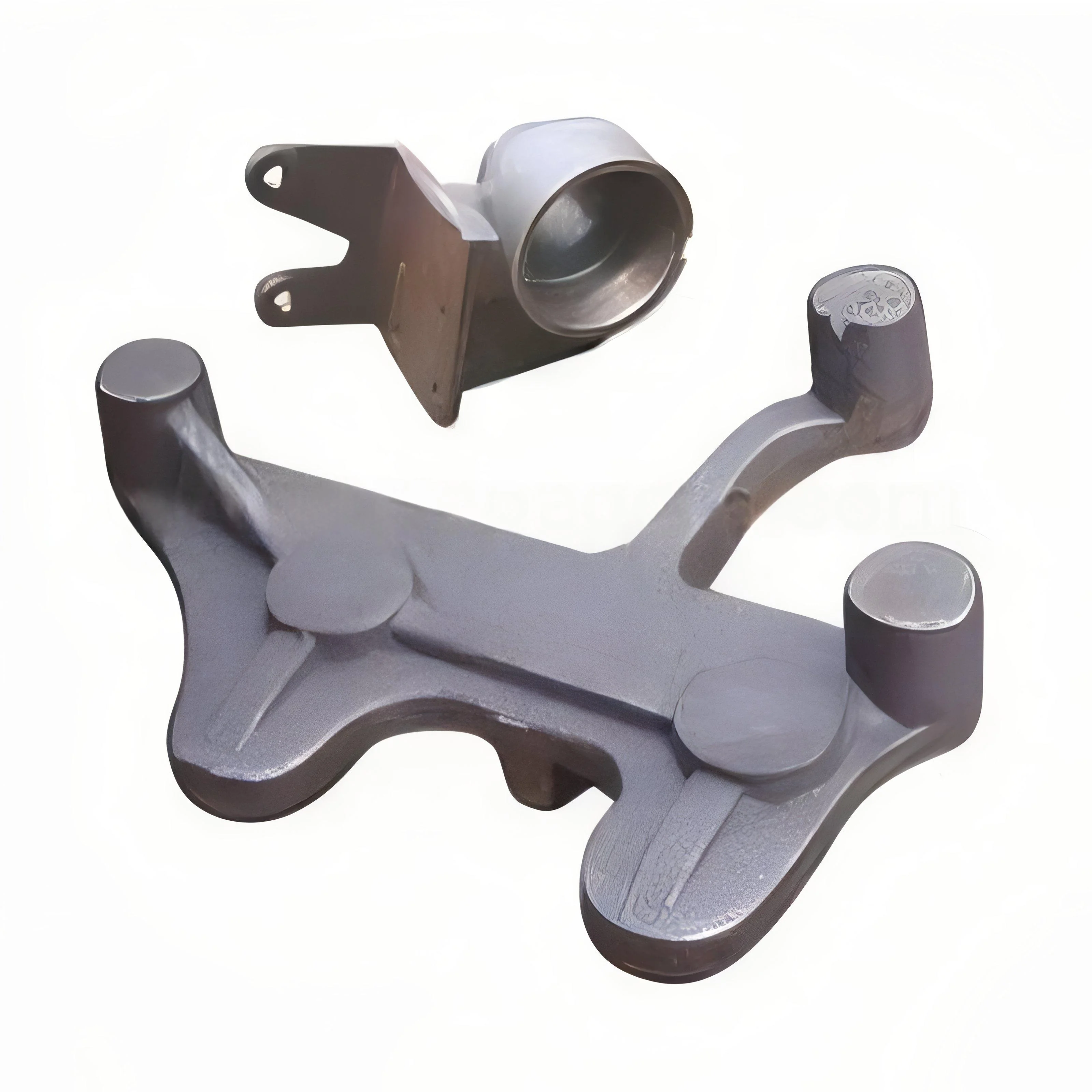
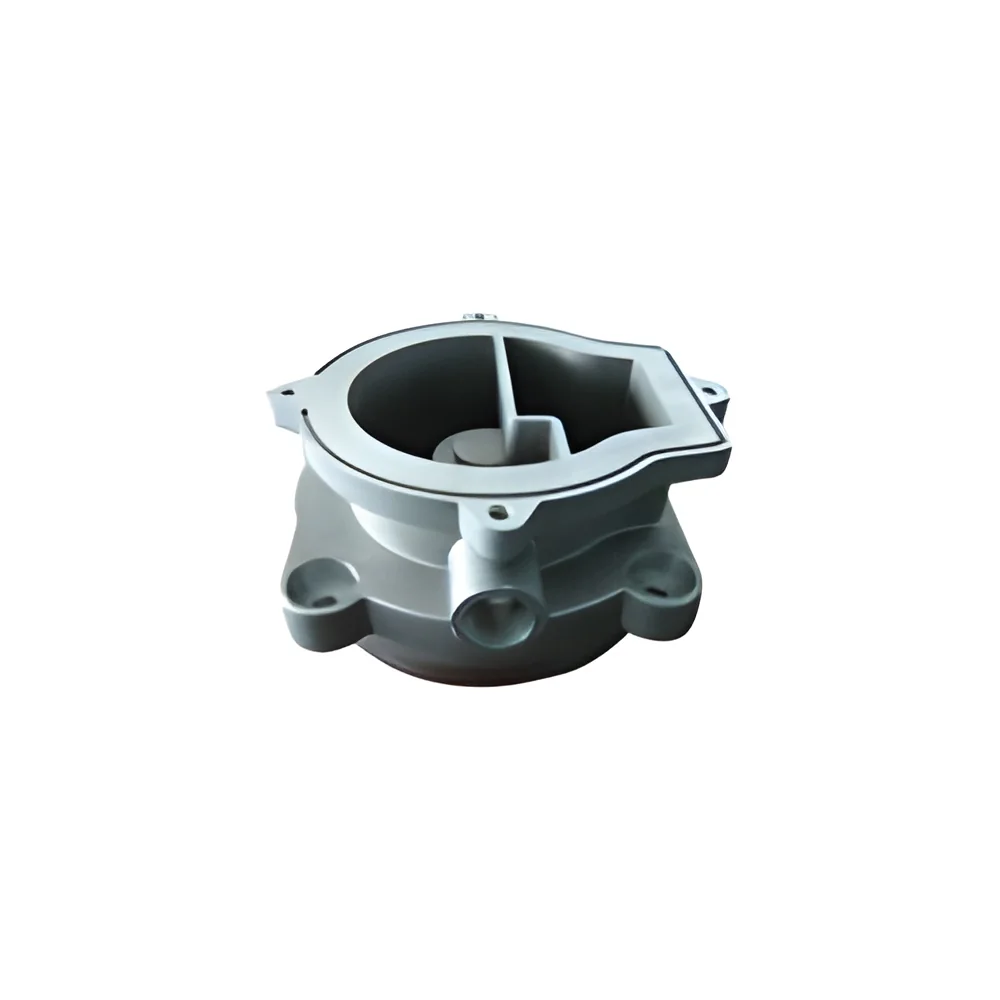
What are Metal Forgings & Castings?
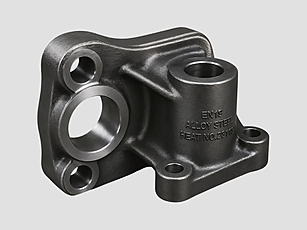
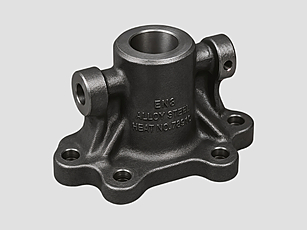
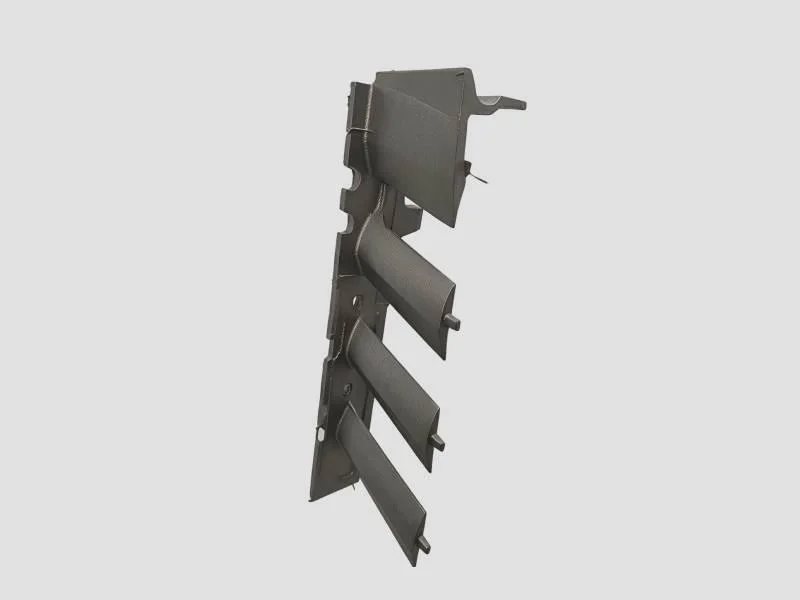
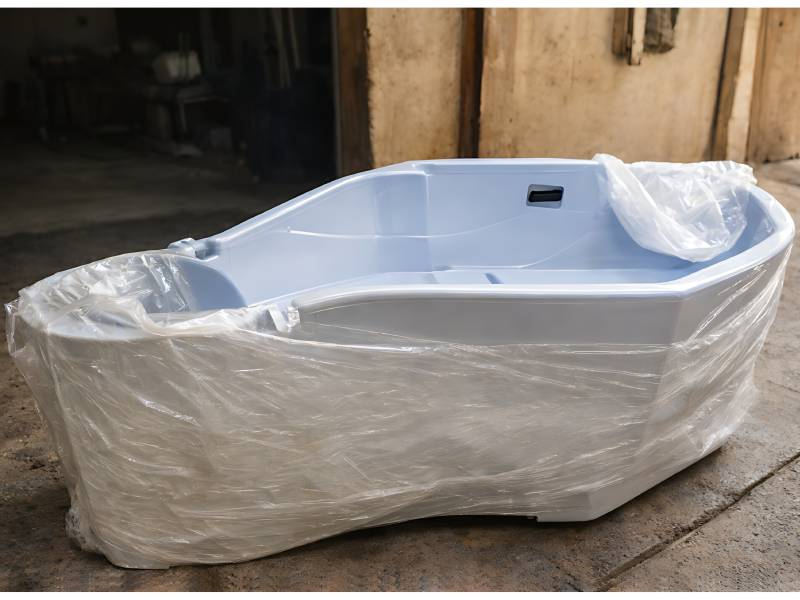
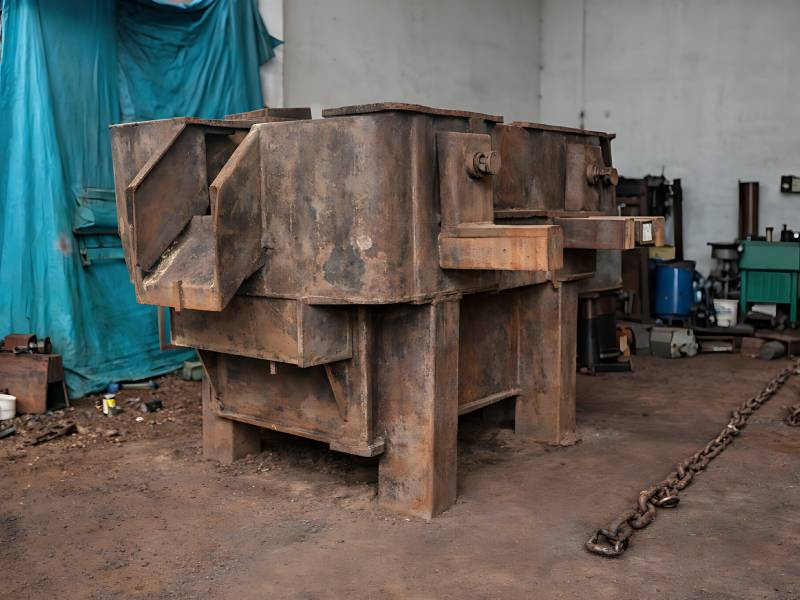
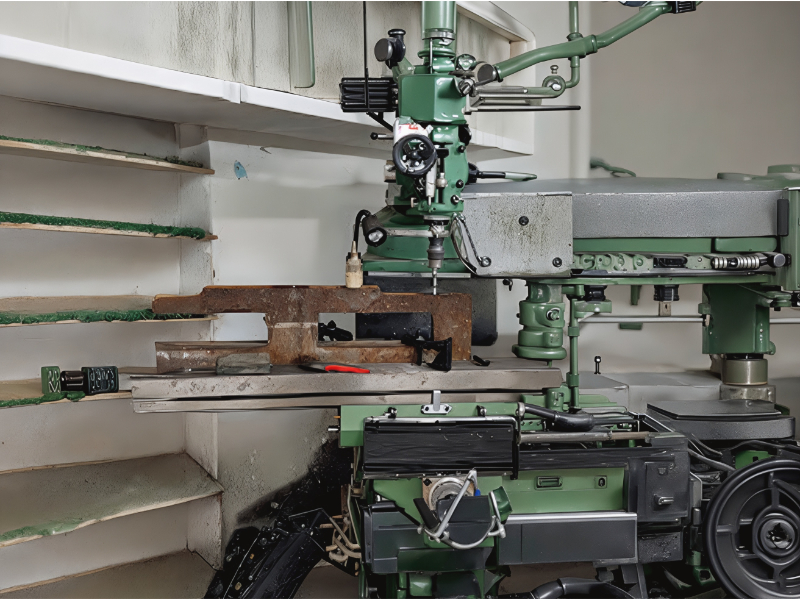
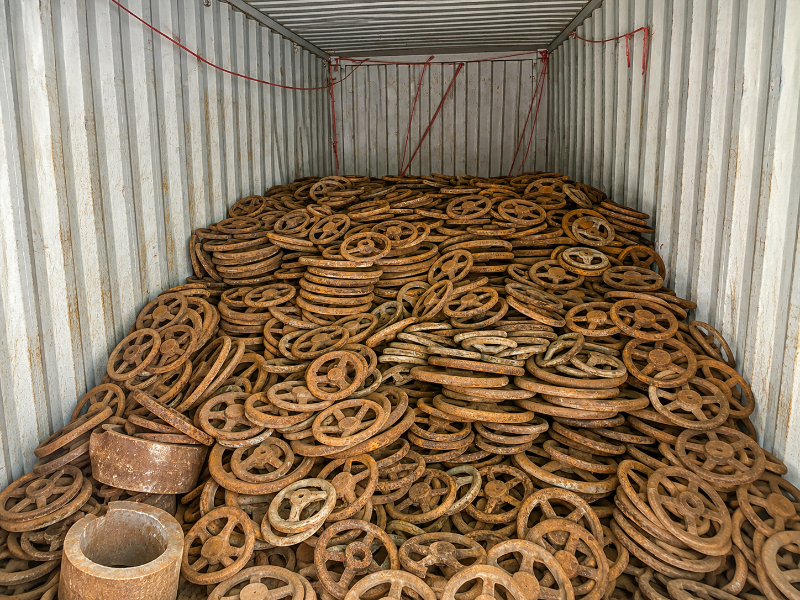
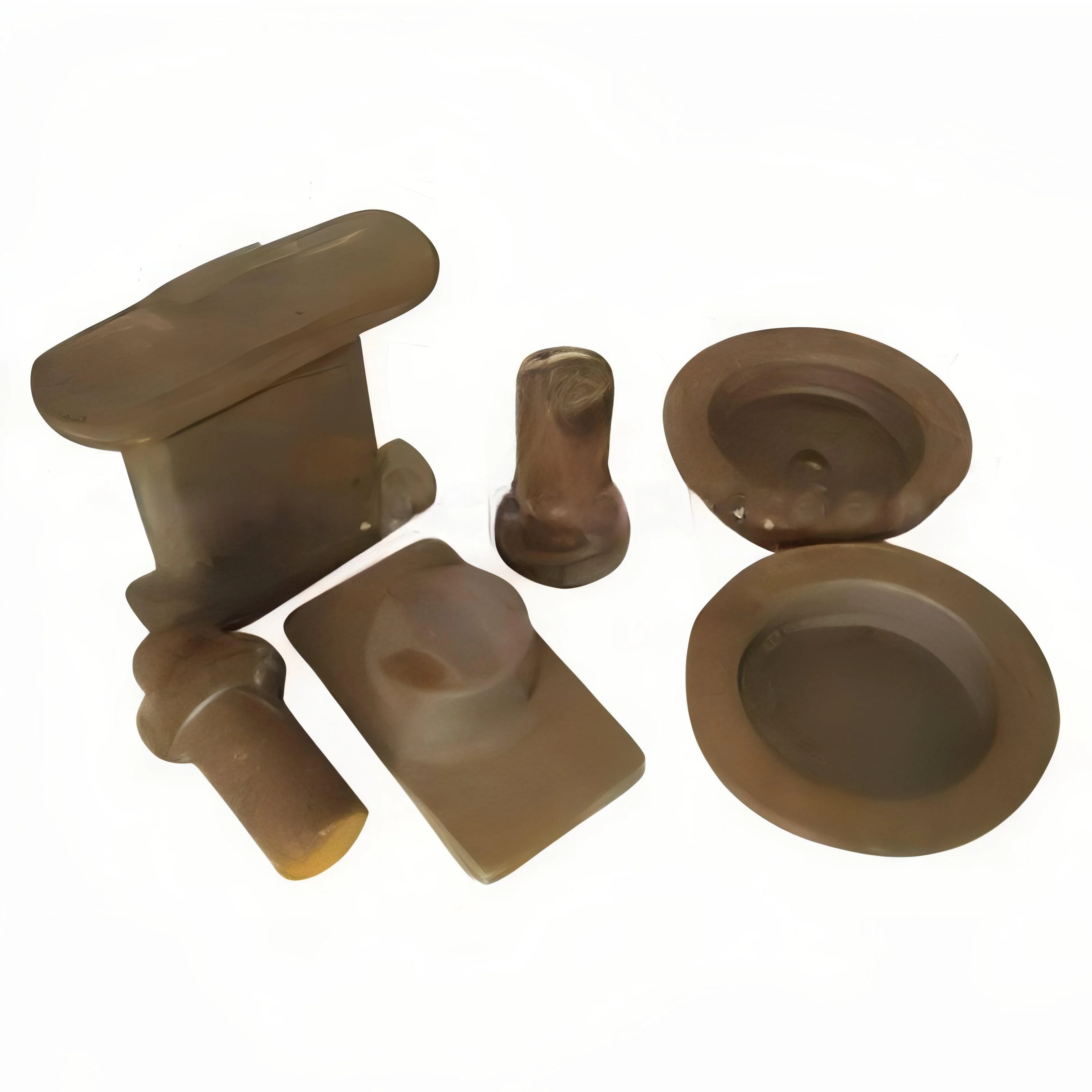
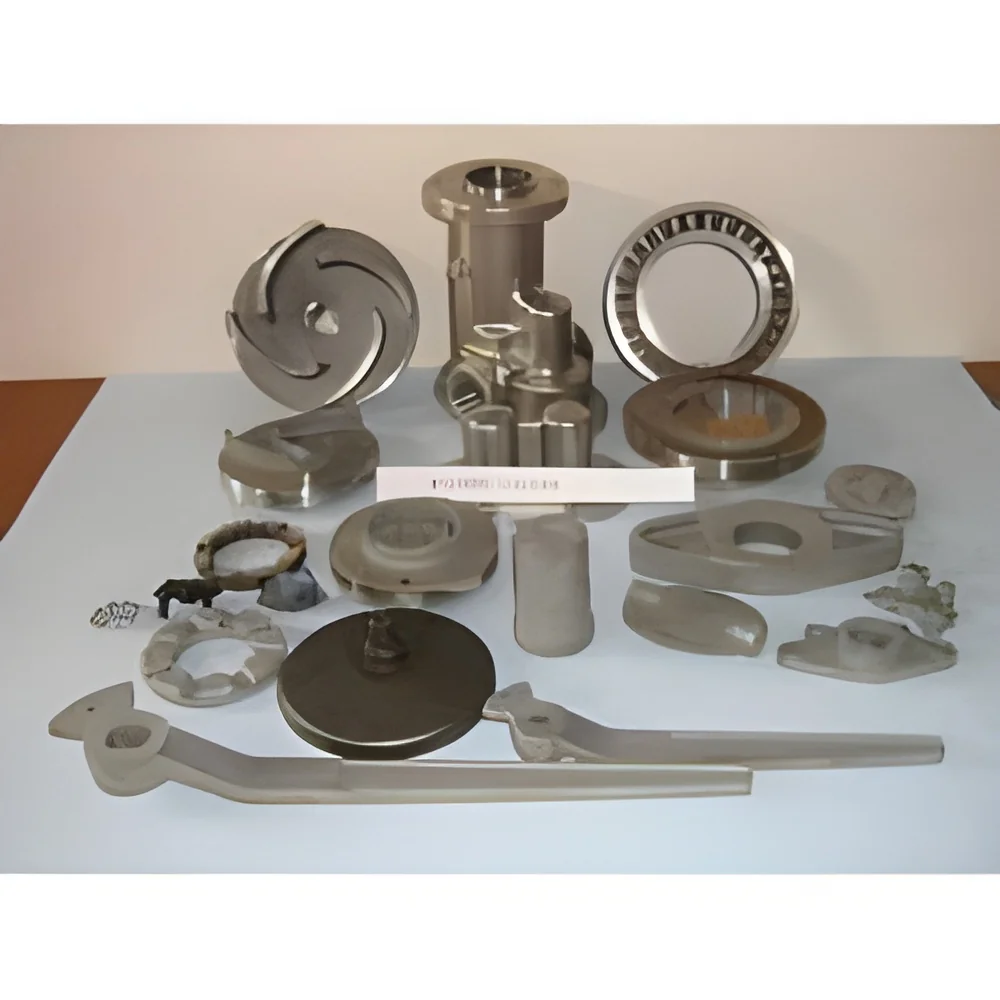
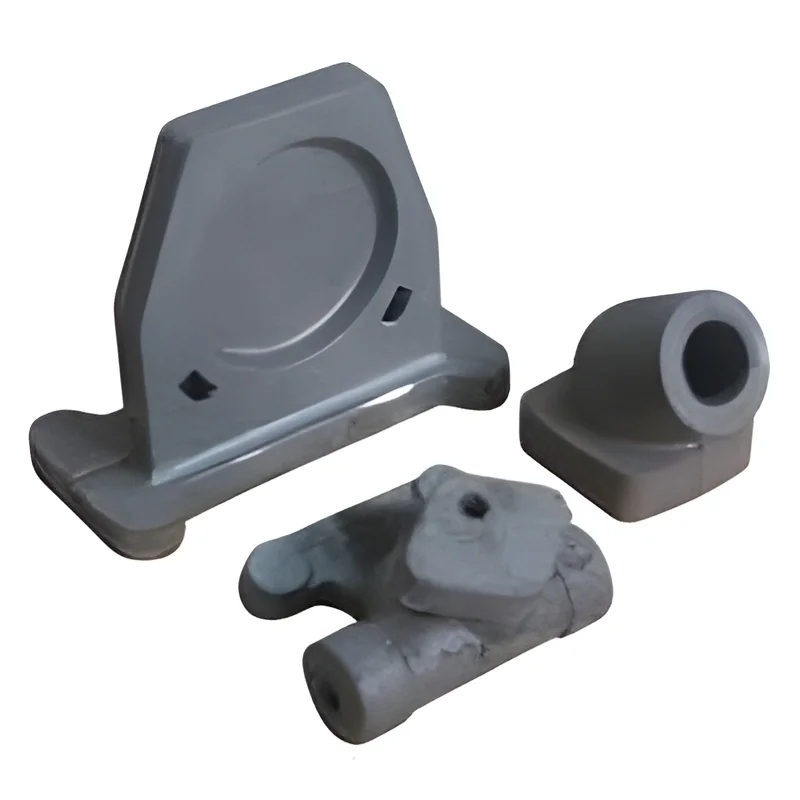
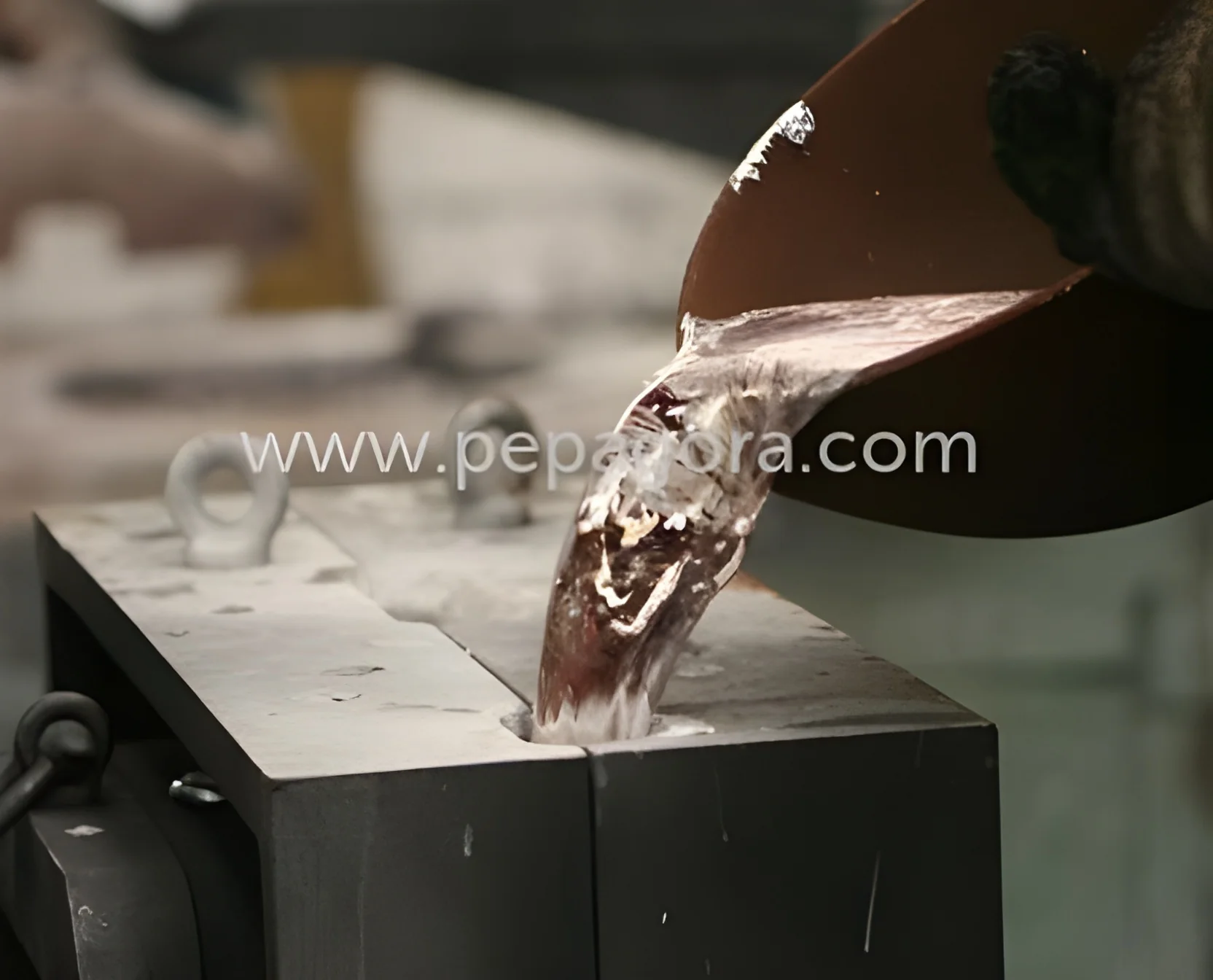
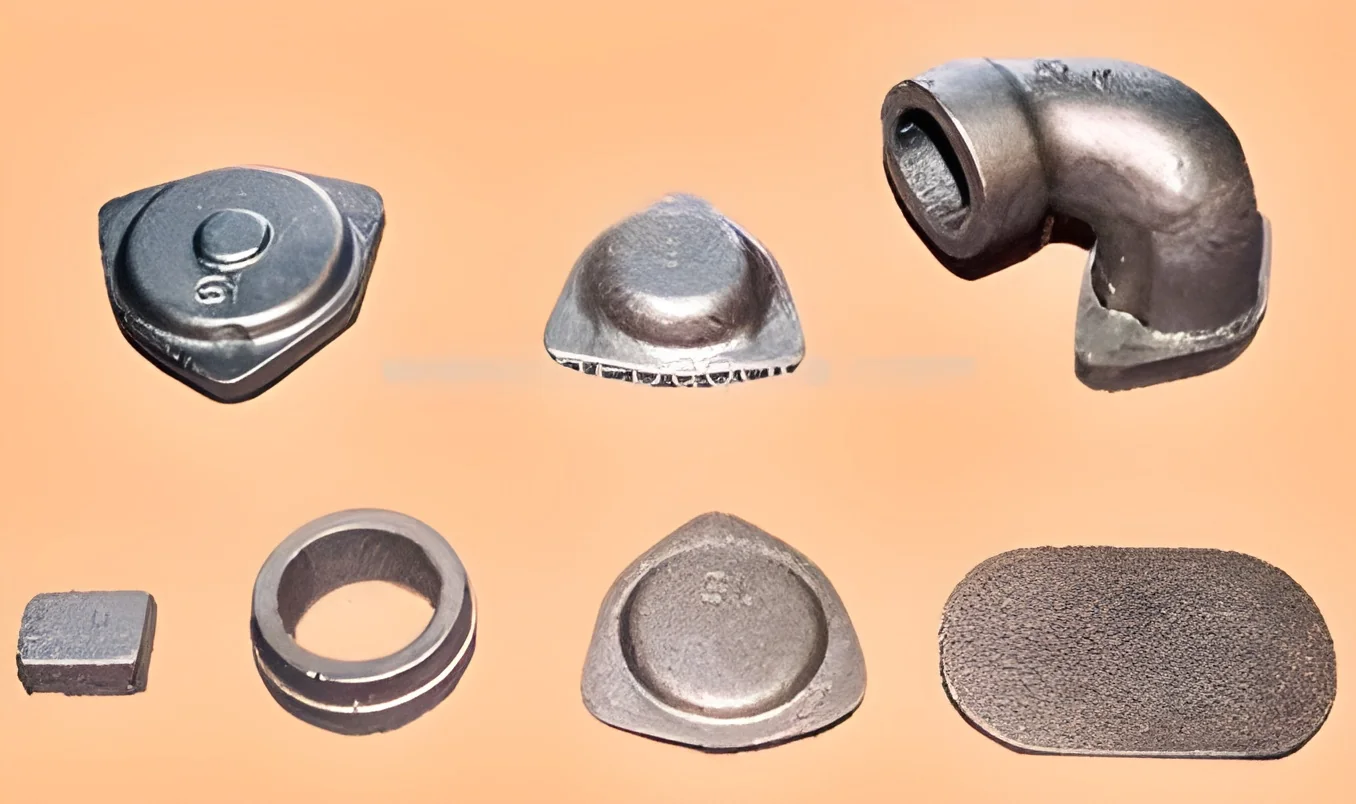
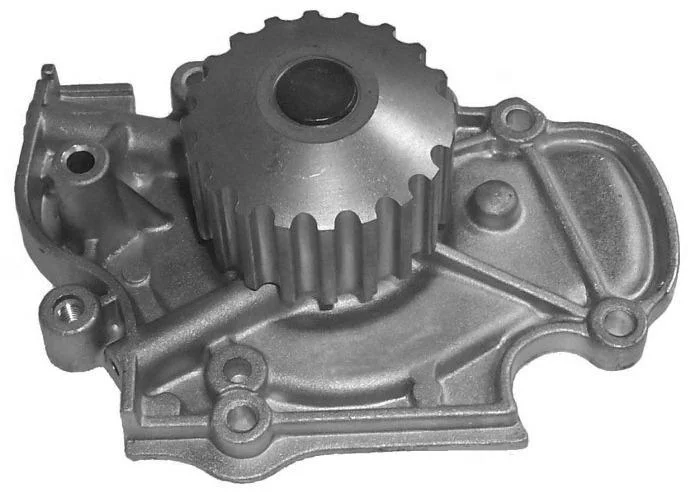
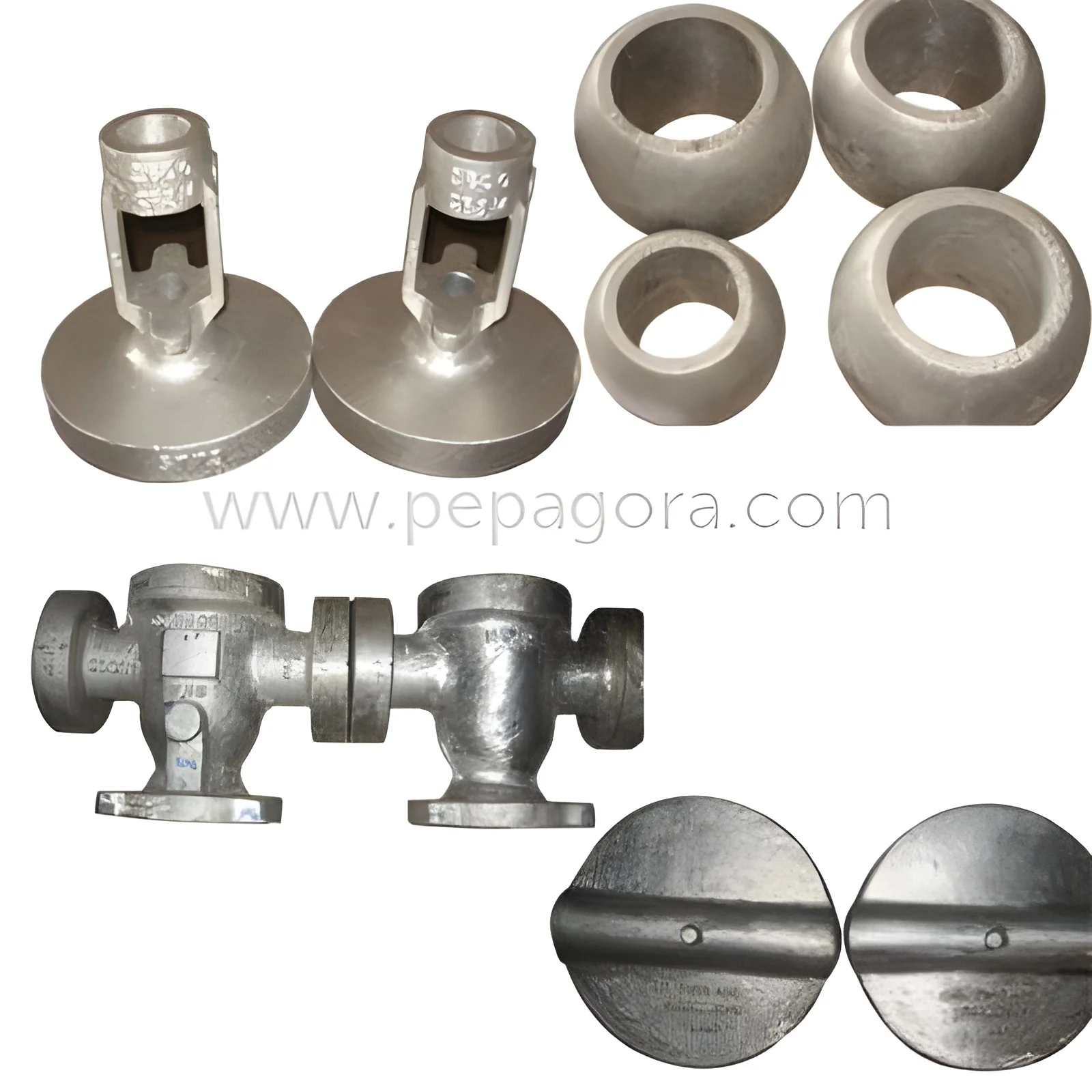
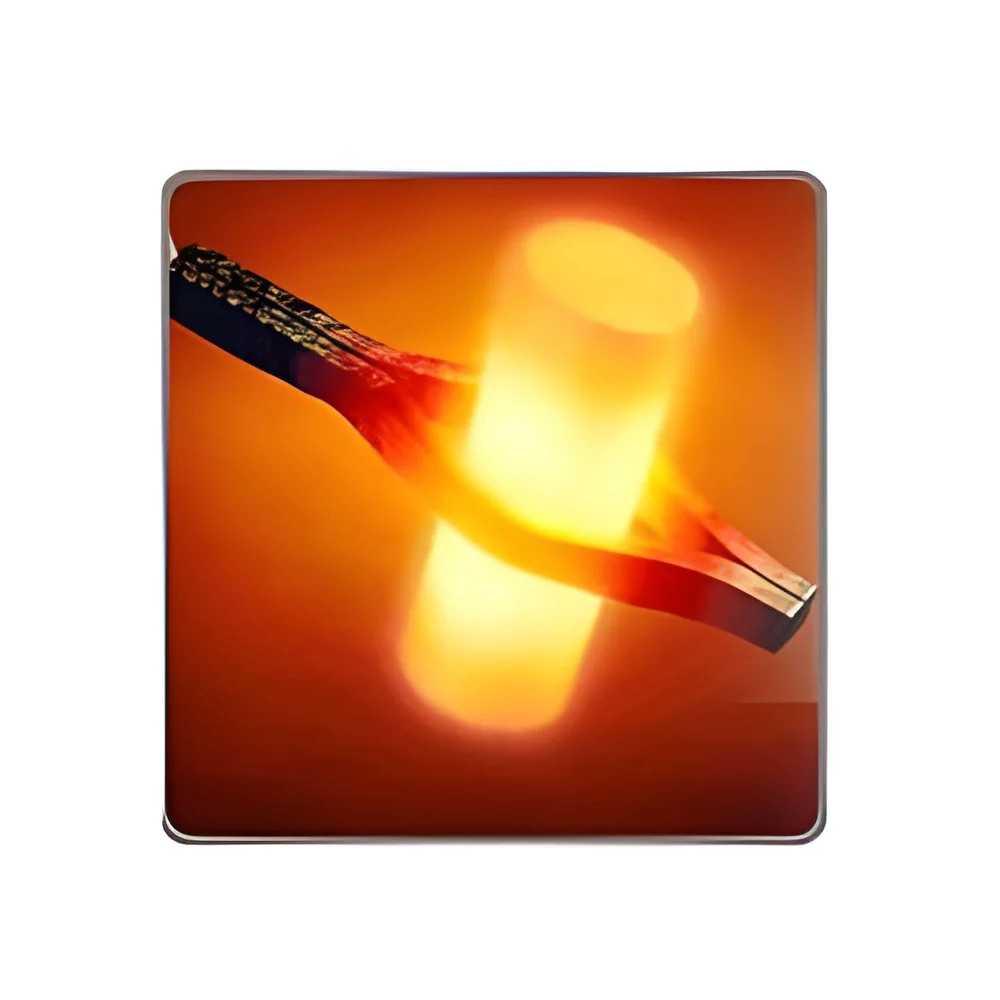
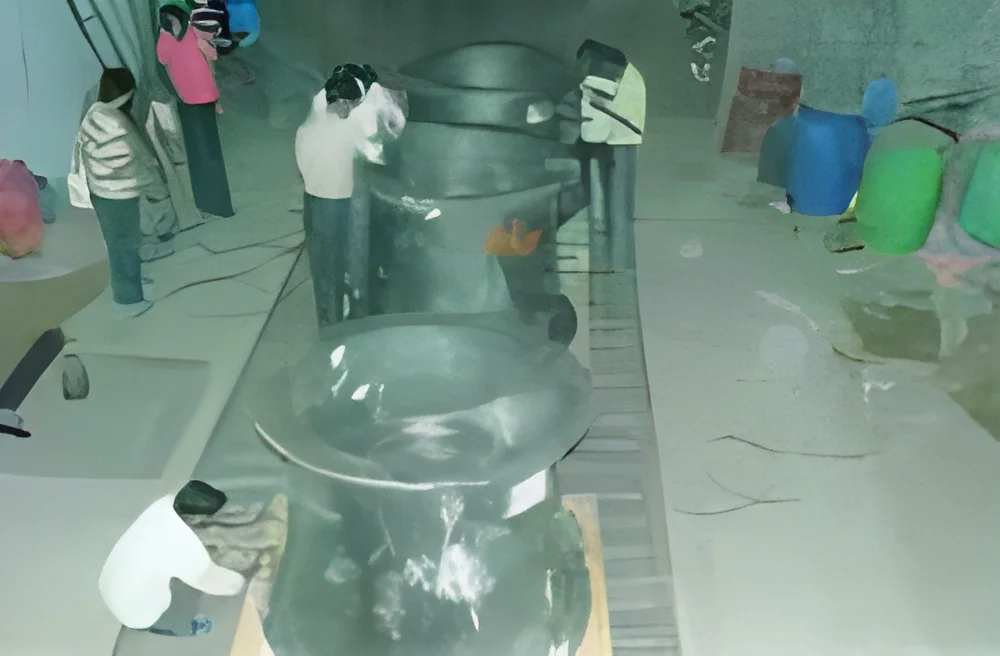
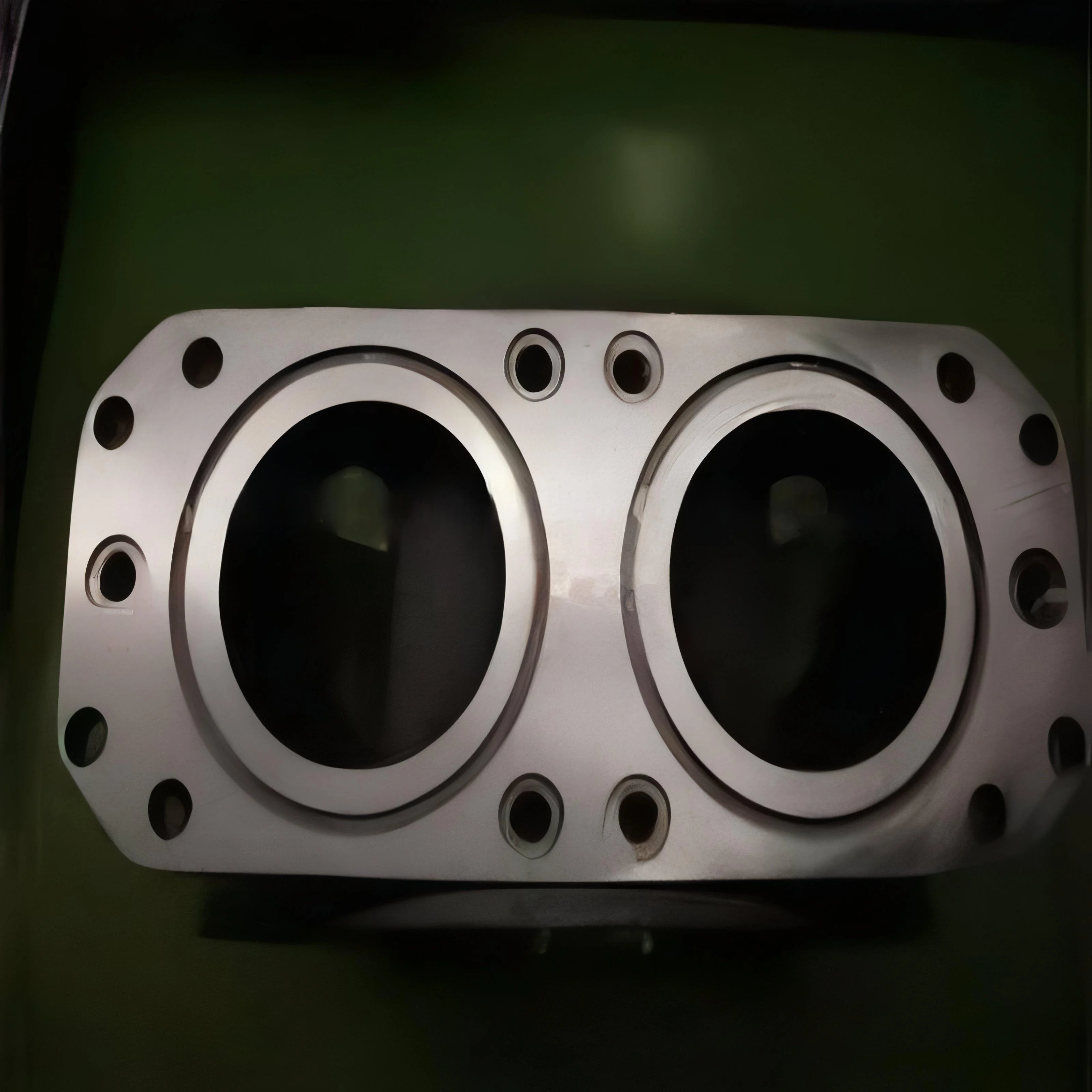
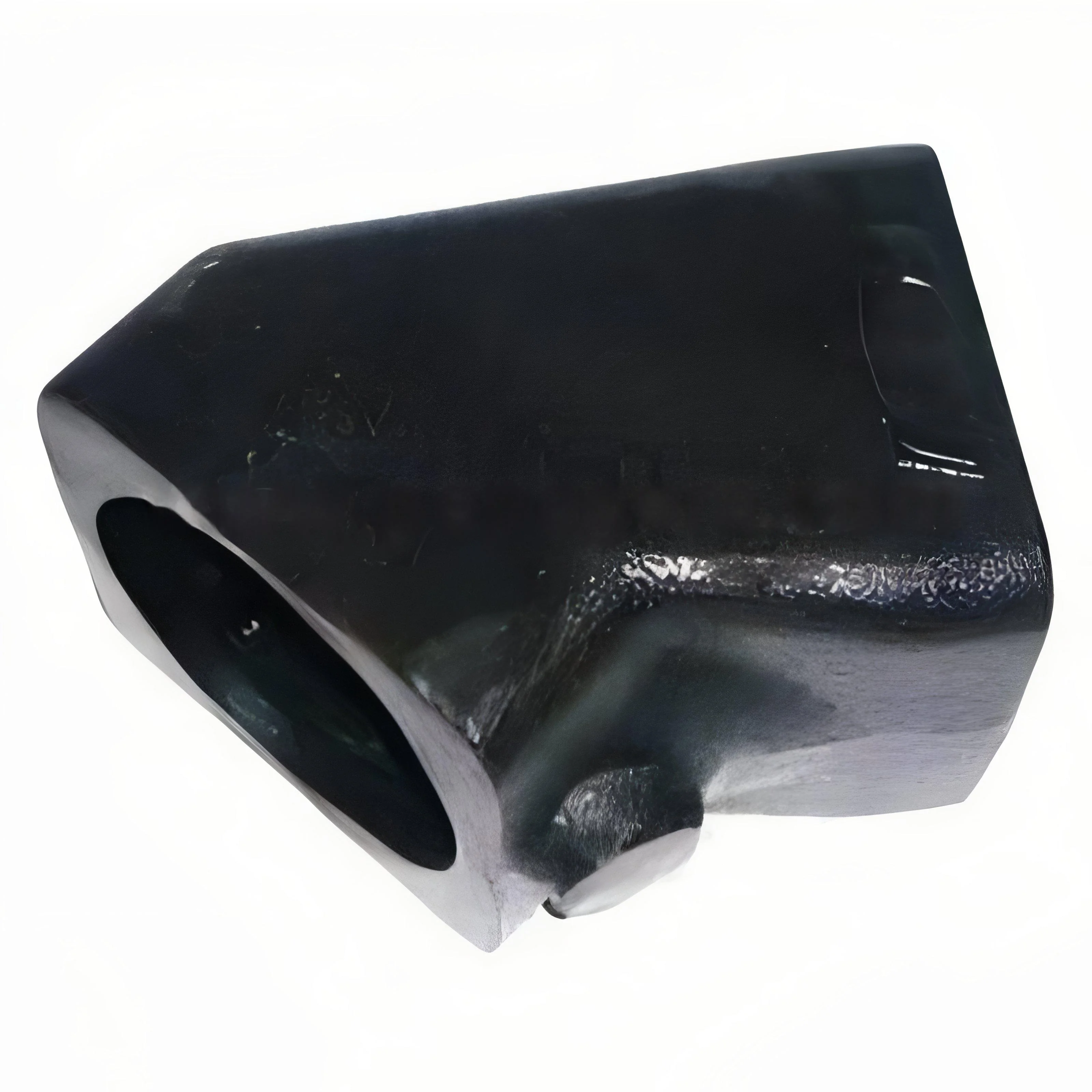
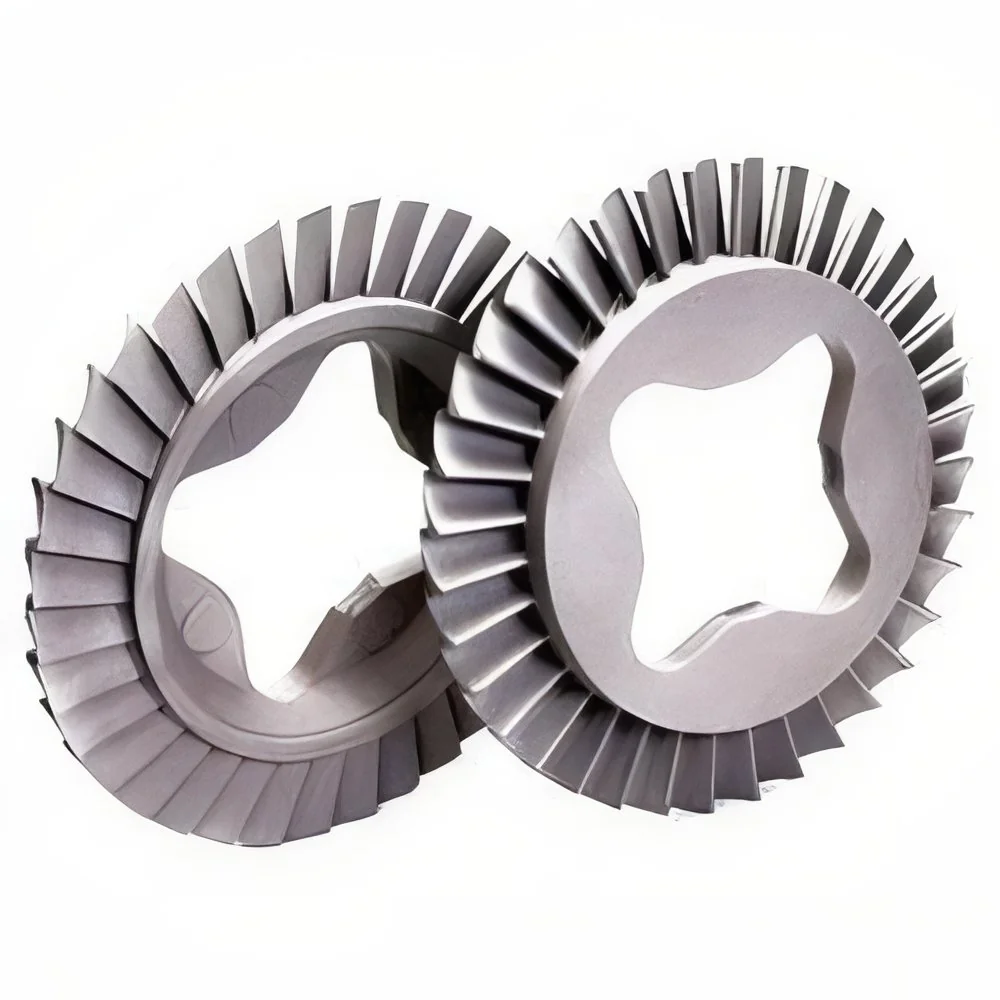
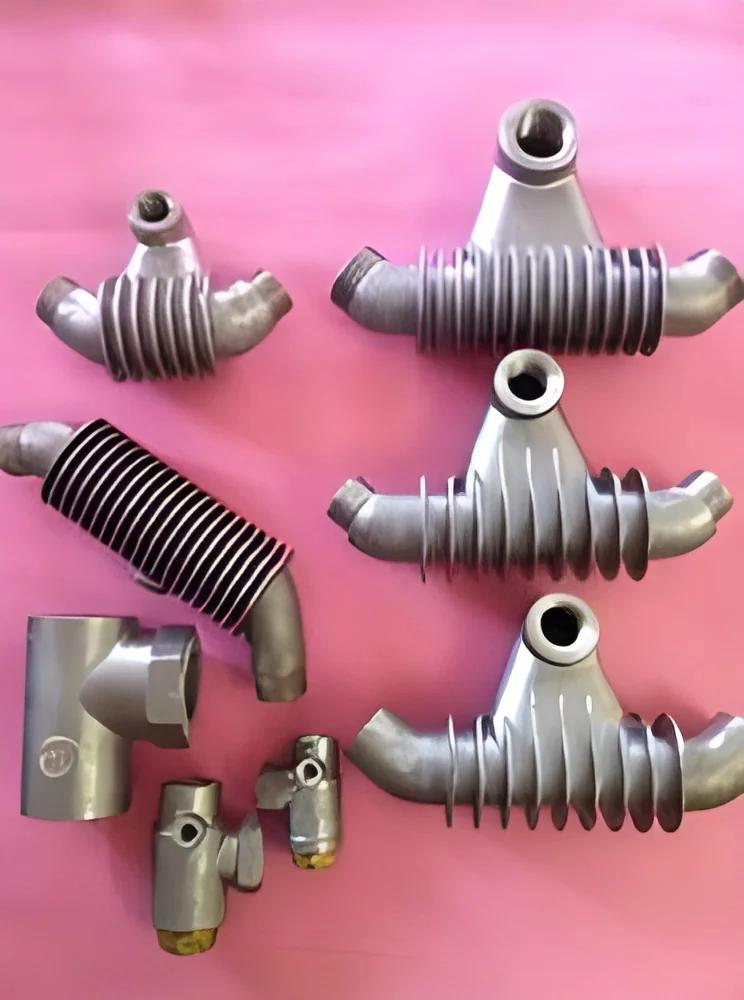
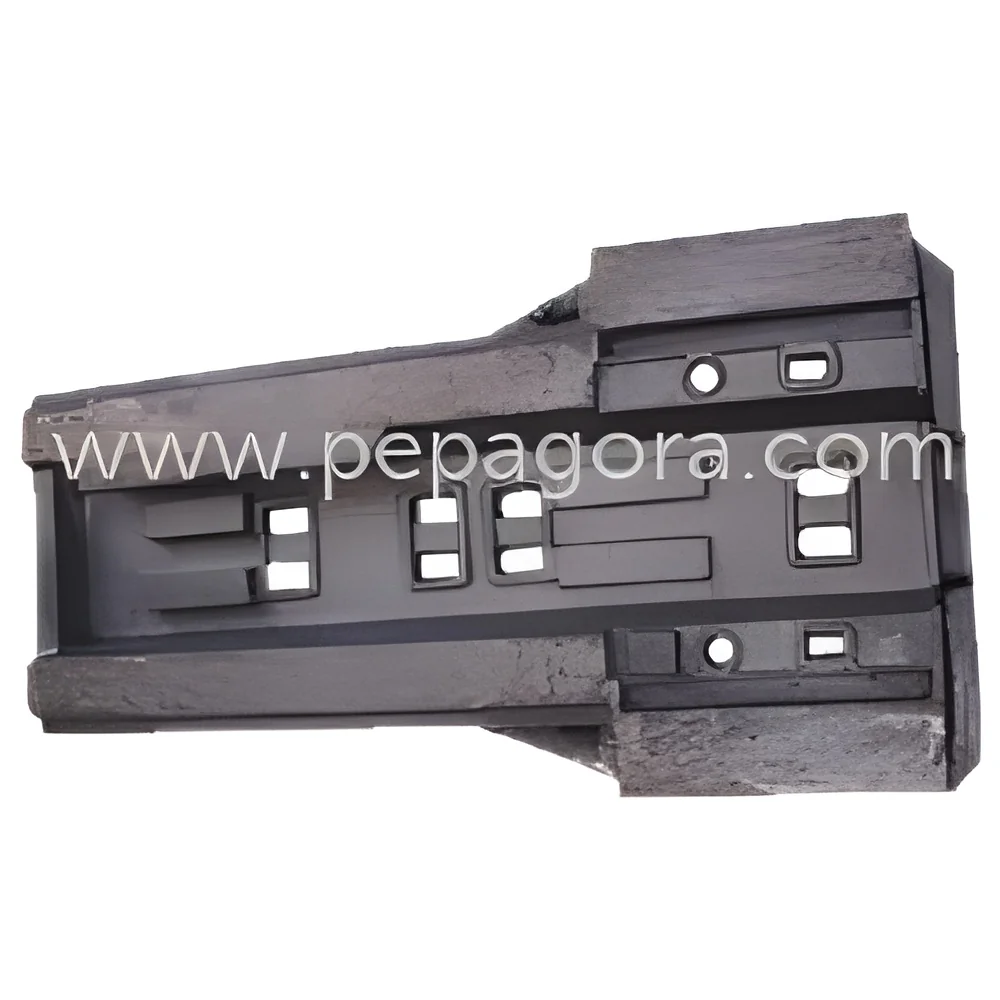
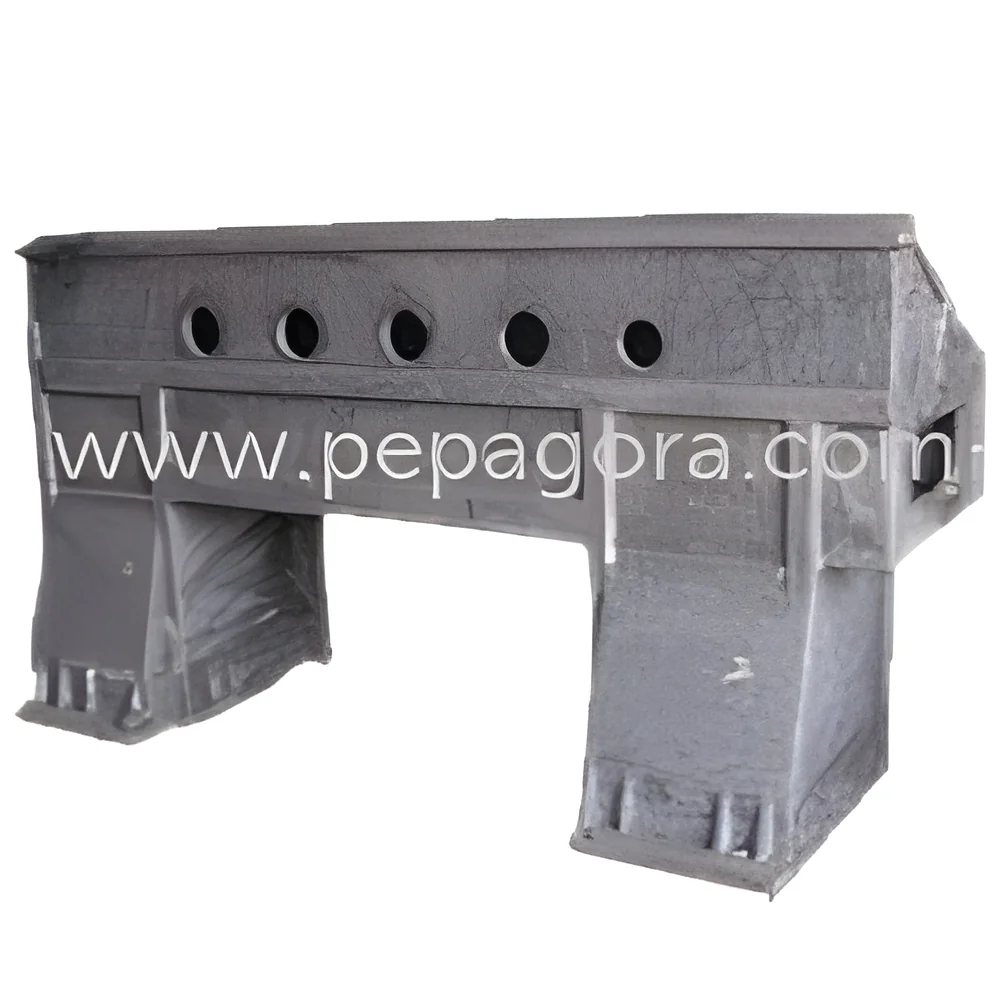
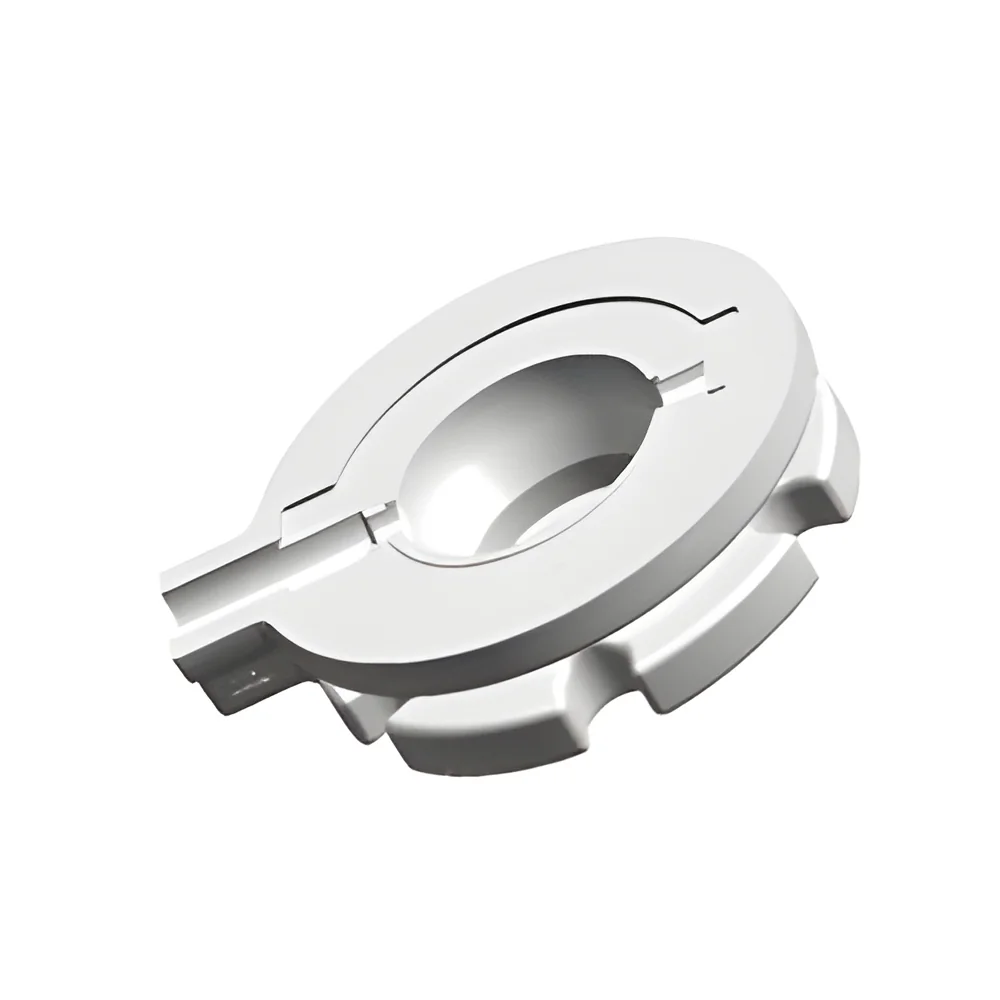
Metal forgings and castings are two fundamental manufacturing processes used to shape and form metal materials into desired components. Forging involves shaping metal by applying compressive forces, which strengthens the material and improves its structural integrity. Castings, on the other hand, involve pouring molten metal into a mold to create complex shapes that would be difficult or impossible to achieve through forging. Both processes are essential in producing high-quality metal parts for various applications.
These products are widely used in industries such as automotive, aerospace, construction, and energy. For instance, forged components are often used in critical applications like engine parts, while castings are utilized for items such as machinery housings and intricate fittings. The versatility and durability of both forgings and castings make them vital to manufacturing processes across many sectors.
In the current market, the demand for metal forgings and castings has been rising due to increasing industrialization and the need for high-performance materials. The growth of key industries, such as renewable energy and transportation, further drives the need for these products. Companies are continually seeking innovative solutions, making it crucial for suppliers to stay competitive and deliver quality offerings.
Key Features and Specifications
Metal forgings and castings are characterized by several key features that define their performance and suitability for different applications. Understanding these features is essential for businesses looking to procure these products.
Key specifications include:
1. Material Type
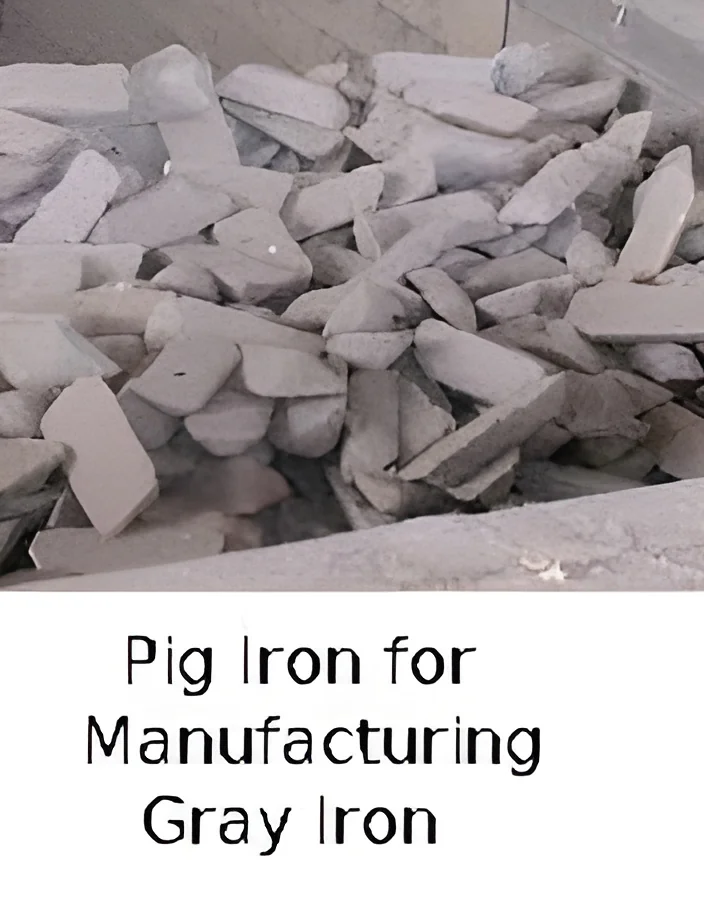
- Common materials used include steel, aluminum, and titanium.
- Each material has unique properties that affect strength, weight, and corrosion resistance.
2. Manufacturing Process
- Forgings can be open-die, closed-die, or impression-die.
- Castings can be sand cast, die cast, or investment cast, each suitable for specific applications.
3. Tolerance Levels
- Precision tolerances can range from ±0.5 mm to ±0.005 mm, depending on the process.
- Tighter tolerances are essential for critical applications.
4. Surface Finish
- Surface finishes may vary from rough to polished.
- The finish can affect corrosion resistance and aesthetic appeal.
5. Heat Treatment Options
- Heat treatment can enhance properties such as hardness and ductility.
- Common treatments include annealing, quenching, and tempering.
6. Weight Capacity
- The weight of individual parts can range from a few grams to several tons.
- This is critical for applications in heavy machinery and transportation.
7. Customization Options
- Many suppliers offer custom shapes and sizes to meet specific needs.
- This flexibility allows for tailored solutions in diverse industries.
In summary, the features and specifications of metal forgings and castings play a crucial role in determining their application and effectiveness in various industries.
Common Applications and Use Cases
Metal forgings and castings find use across a wide range of industries, each with specific applications that highlight their versatility.
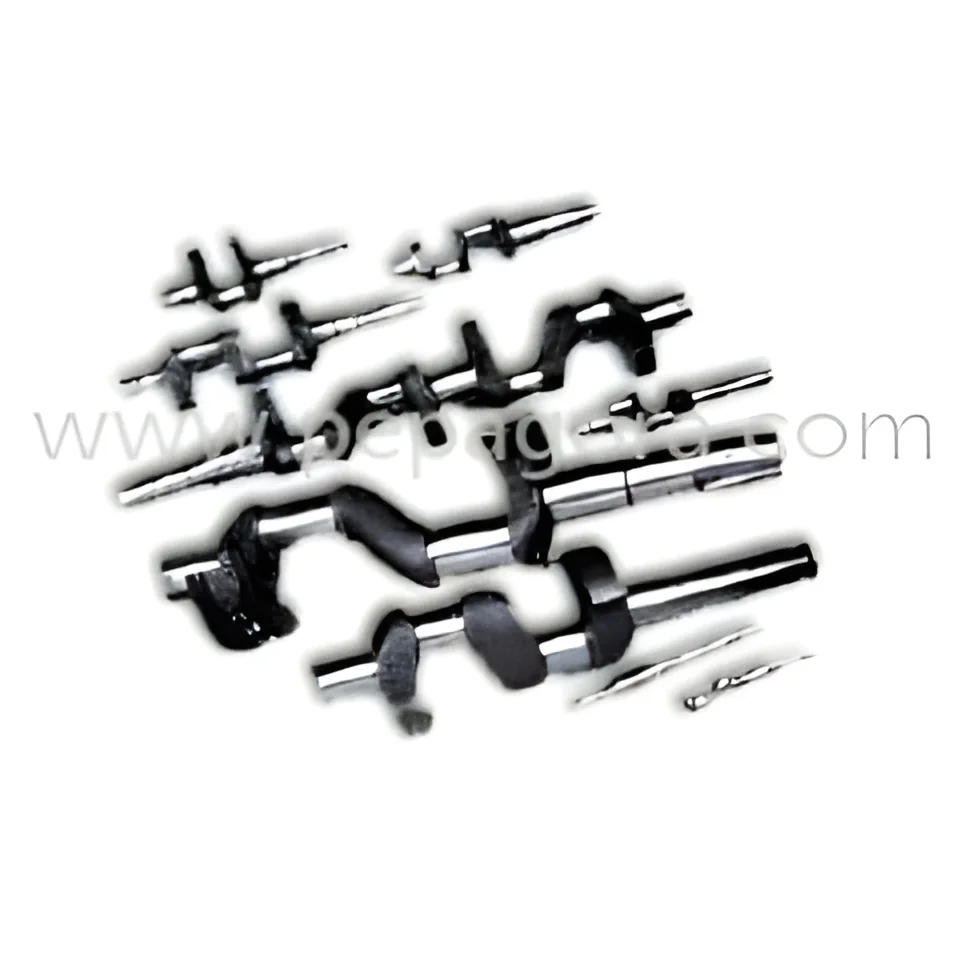
1. Automotive: Forged components, such as crankshafts and connecting rods, are critical for engine performance and durability.
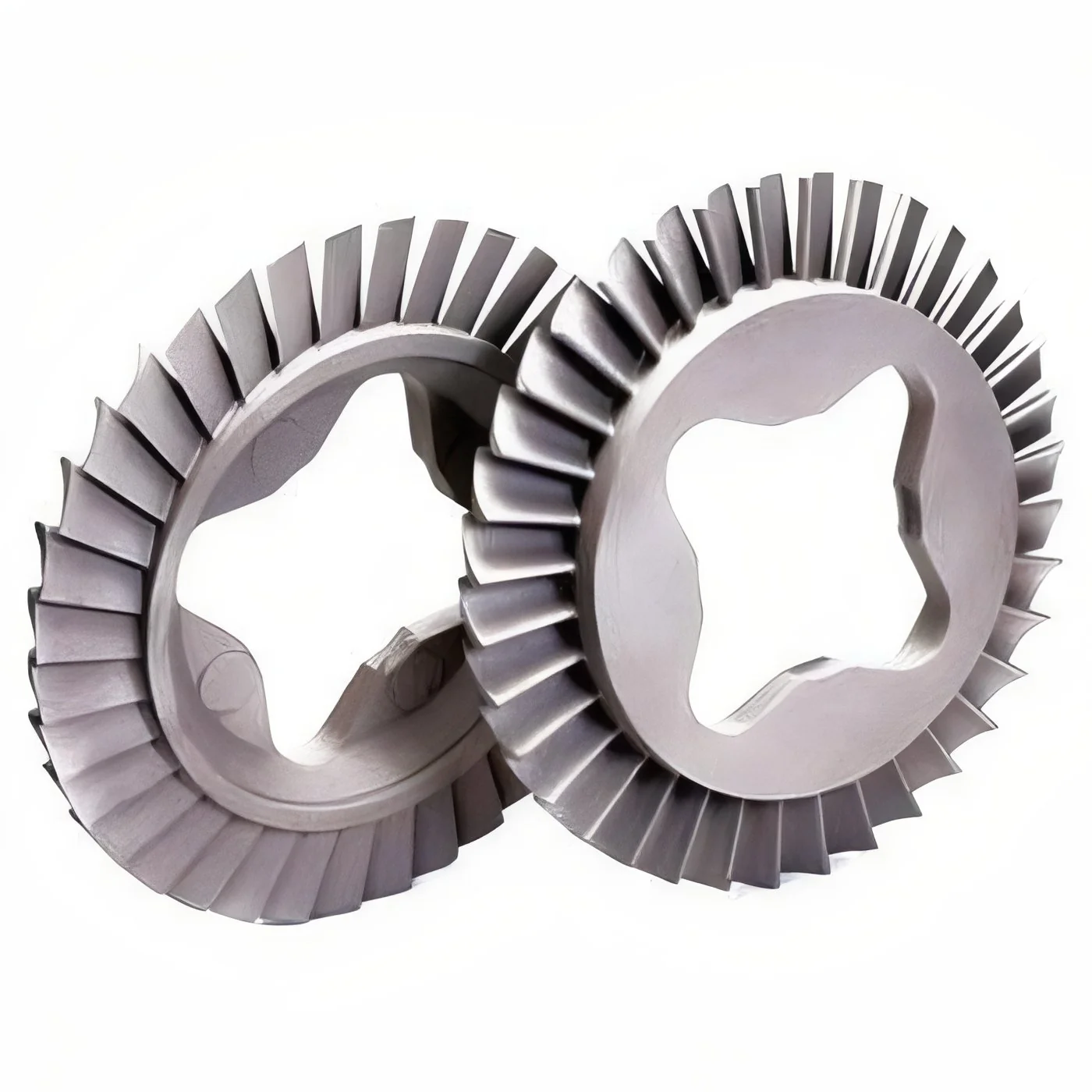
2. Aerospace: Castings are utilized in aircraft components like turbine housings and landing gear, requiring high strength-to-weight ratios.
3. Construction: Forged and cast parts are essential for structural applications, including beams, columns, and fittings.
4. Energy: In the renewable energy sector, forged components are used in wind turbines, while castings are employed in power generation equipment.
5. Oil and Gas: Both processes produce critical components for drilling and extraction equipment, ensuring reliability under extreme conditions.
6. Marine: Forged and cast metals are used in shipbuilding and underwater equipment, where corrosion resistance is vital.
7. Heavy Machinery: Components such as gears and frames rely on the strength and durability provided by forgings and castings.
Product Variants and Subcategories
Metal forgings and castings are available in various forms, catering to different market needs. The diversity of these products allows companies to select the most suitable options for their applications.
Forged Components
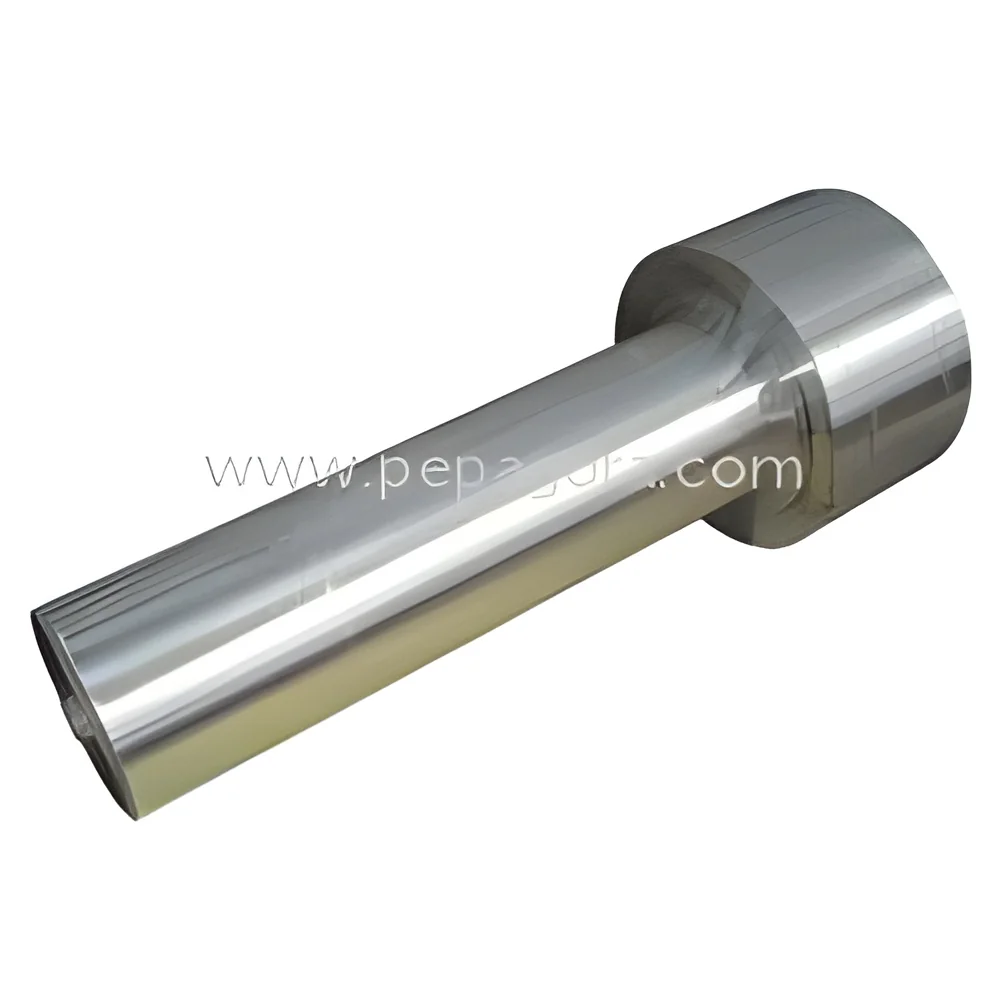
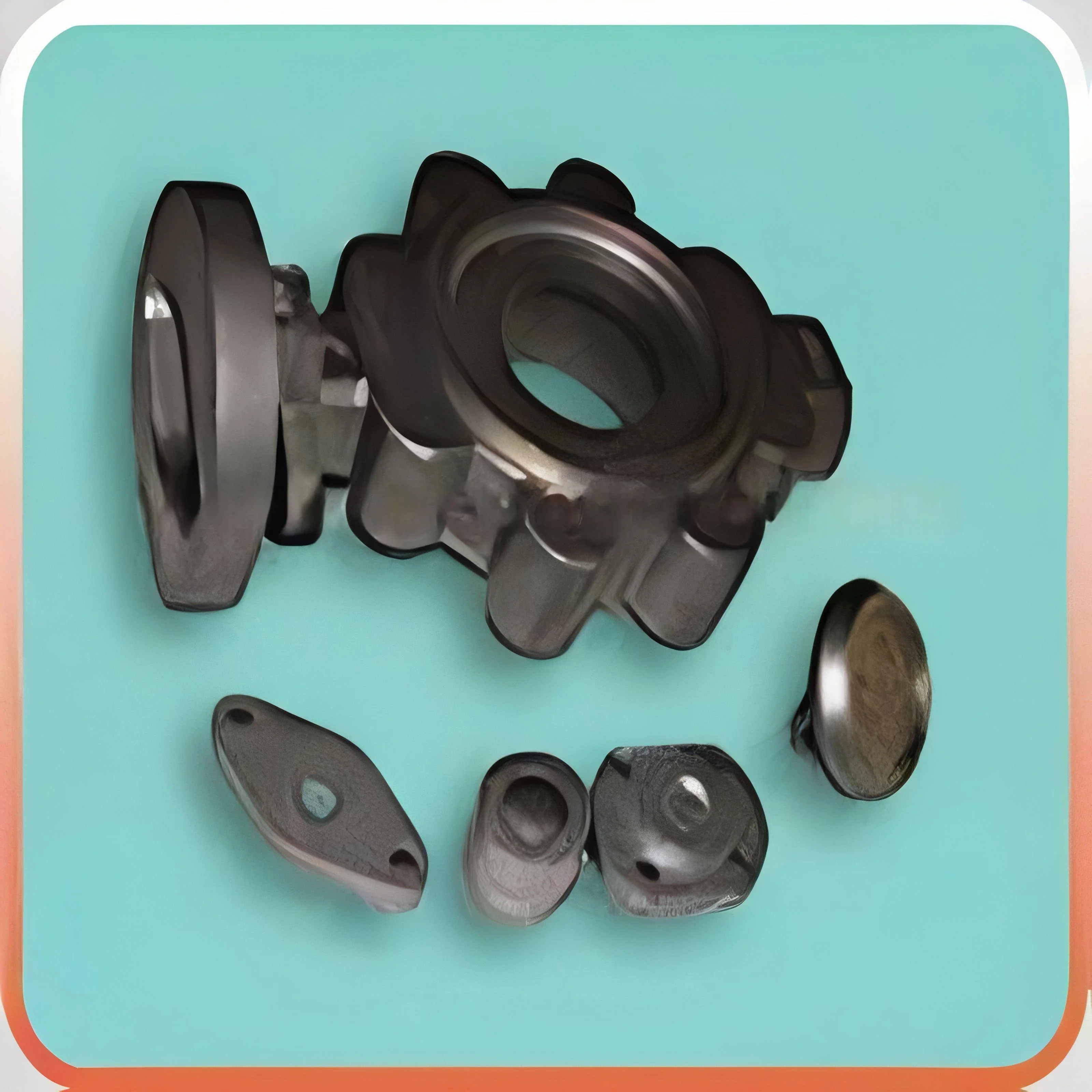
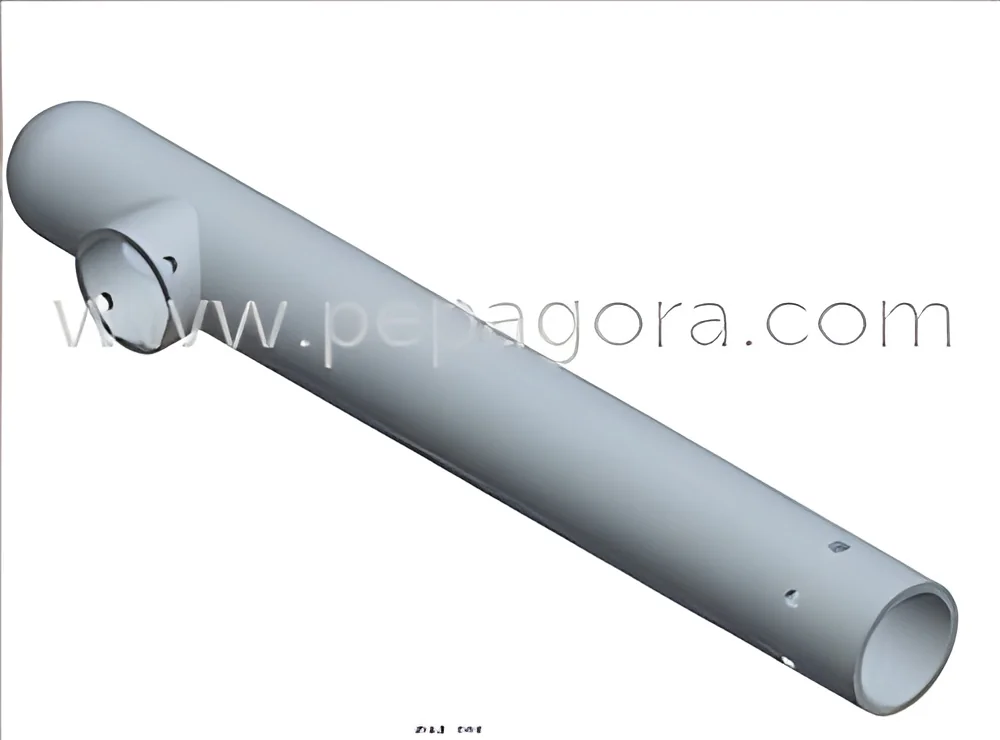
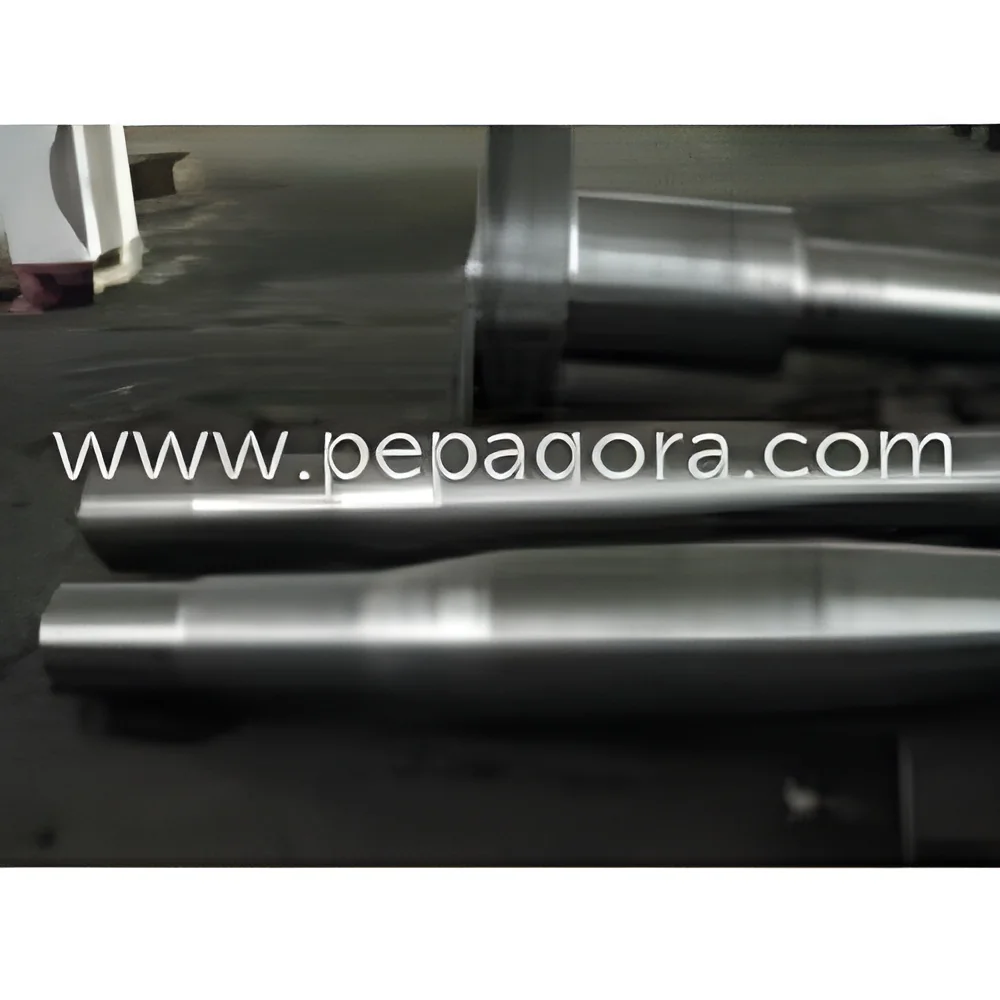
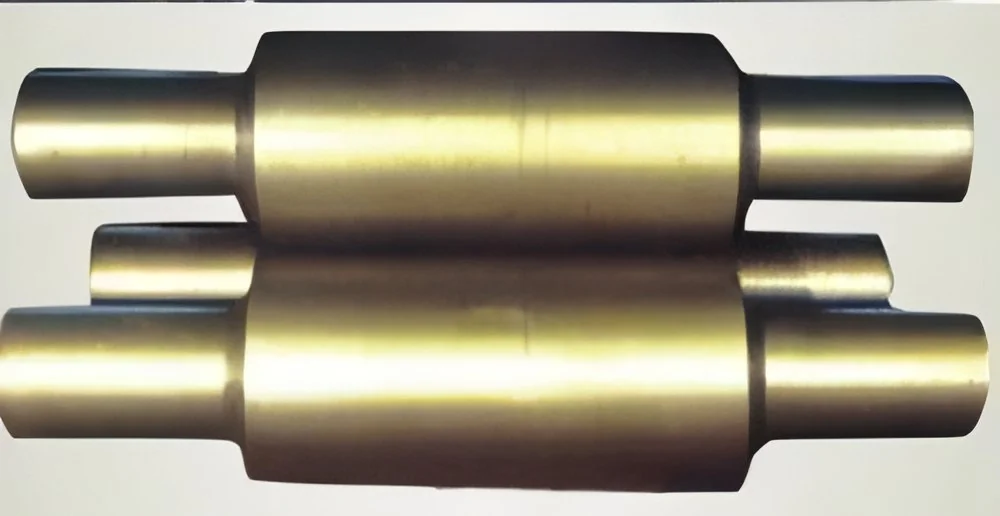
These are manufactured through processes like open-die and closed-die forging. They are known for their strength and durability, making them ideal for high-stress applications in industries like automotive and aerospace.
Cast Components
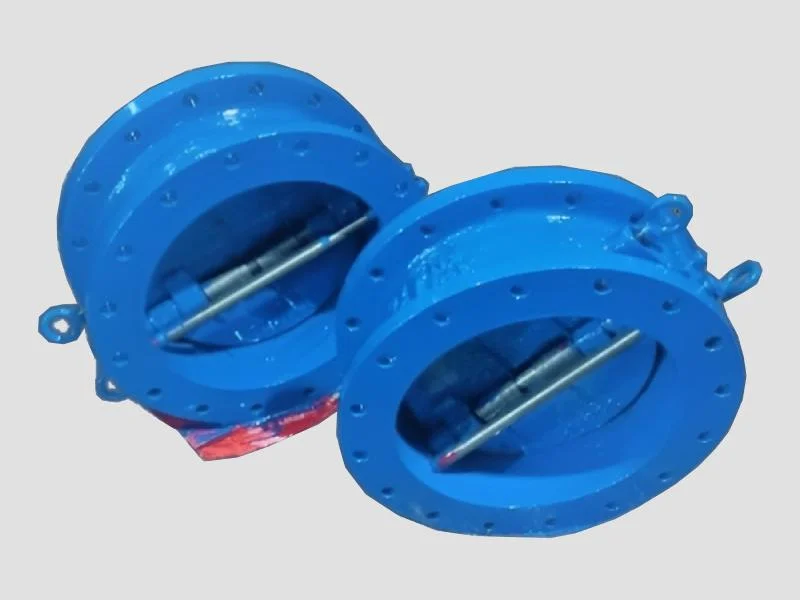
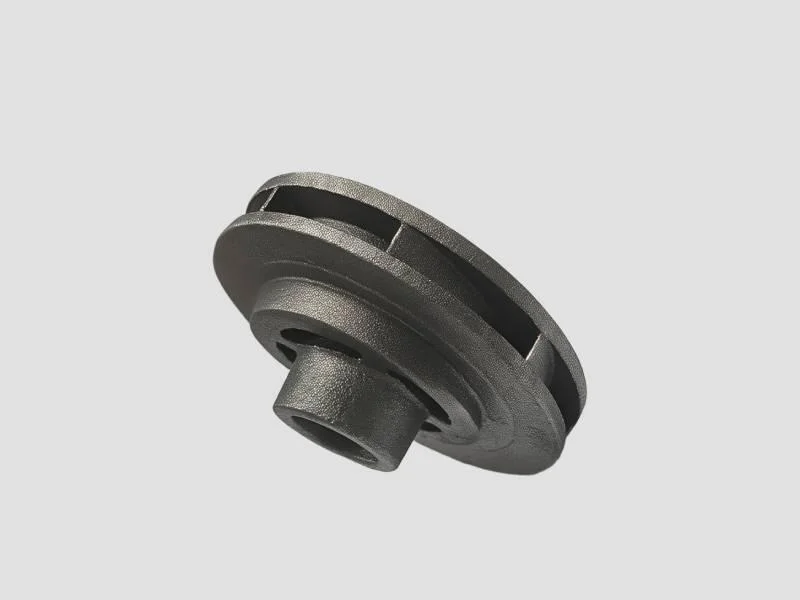
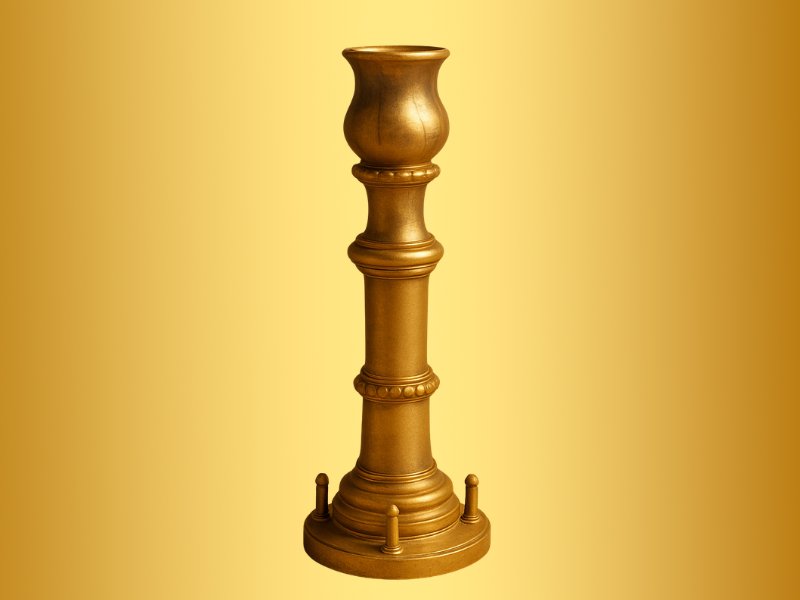
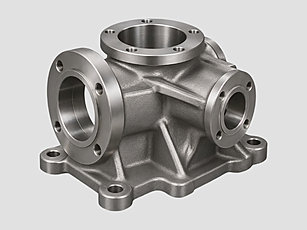
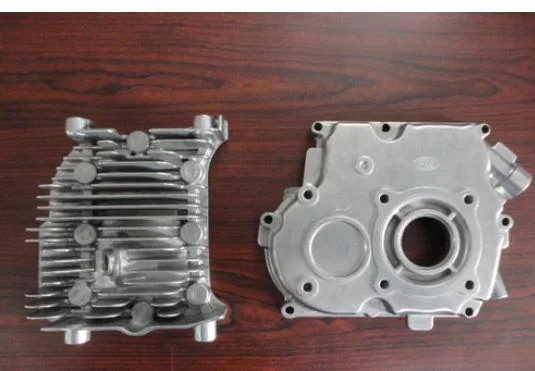
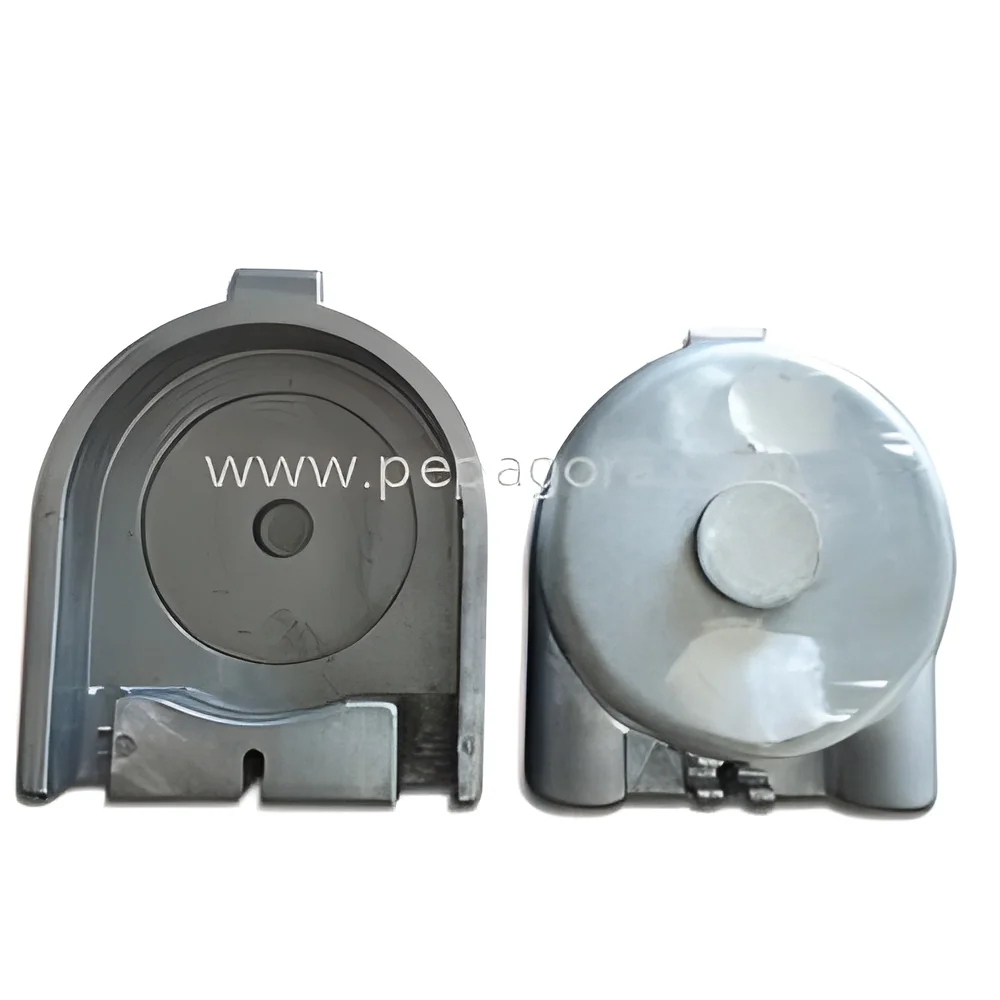
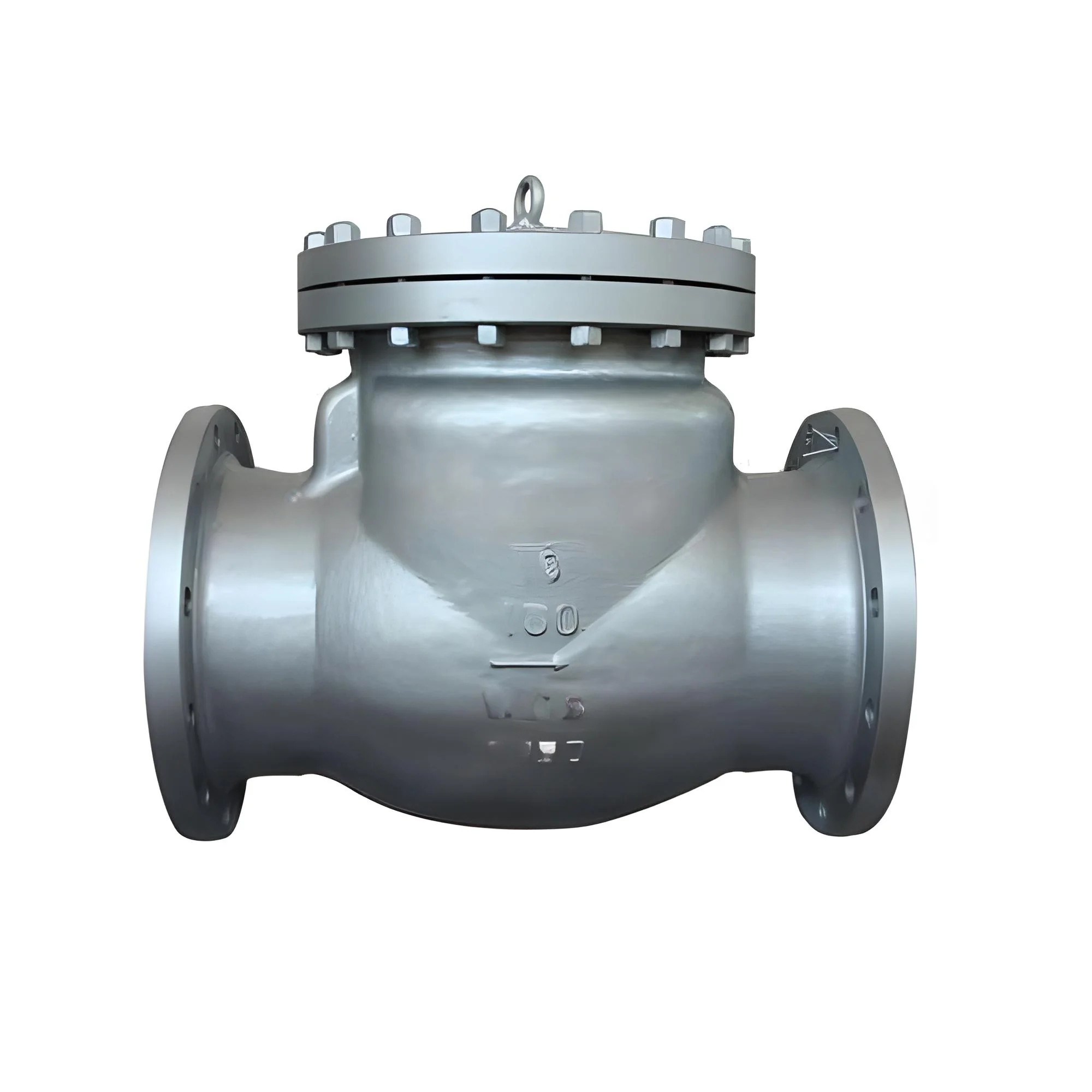
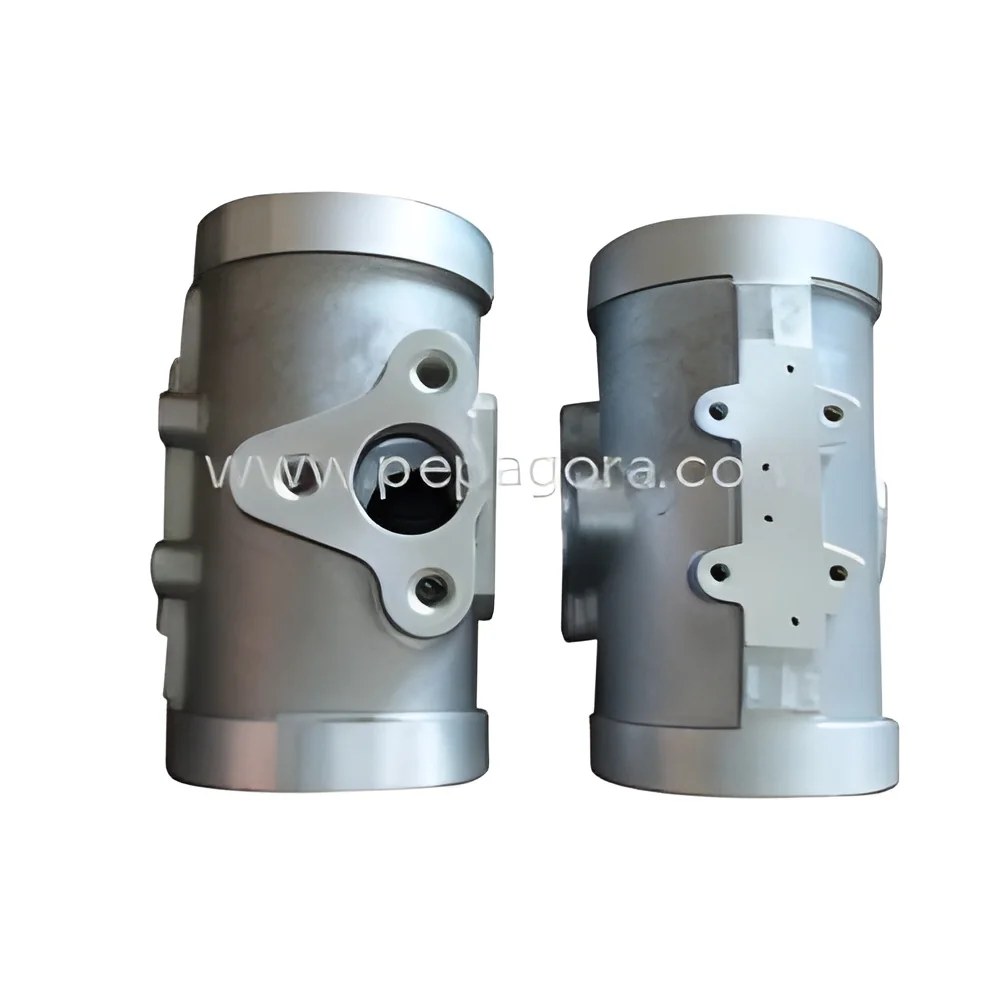
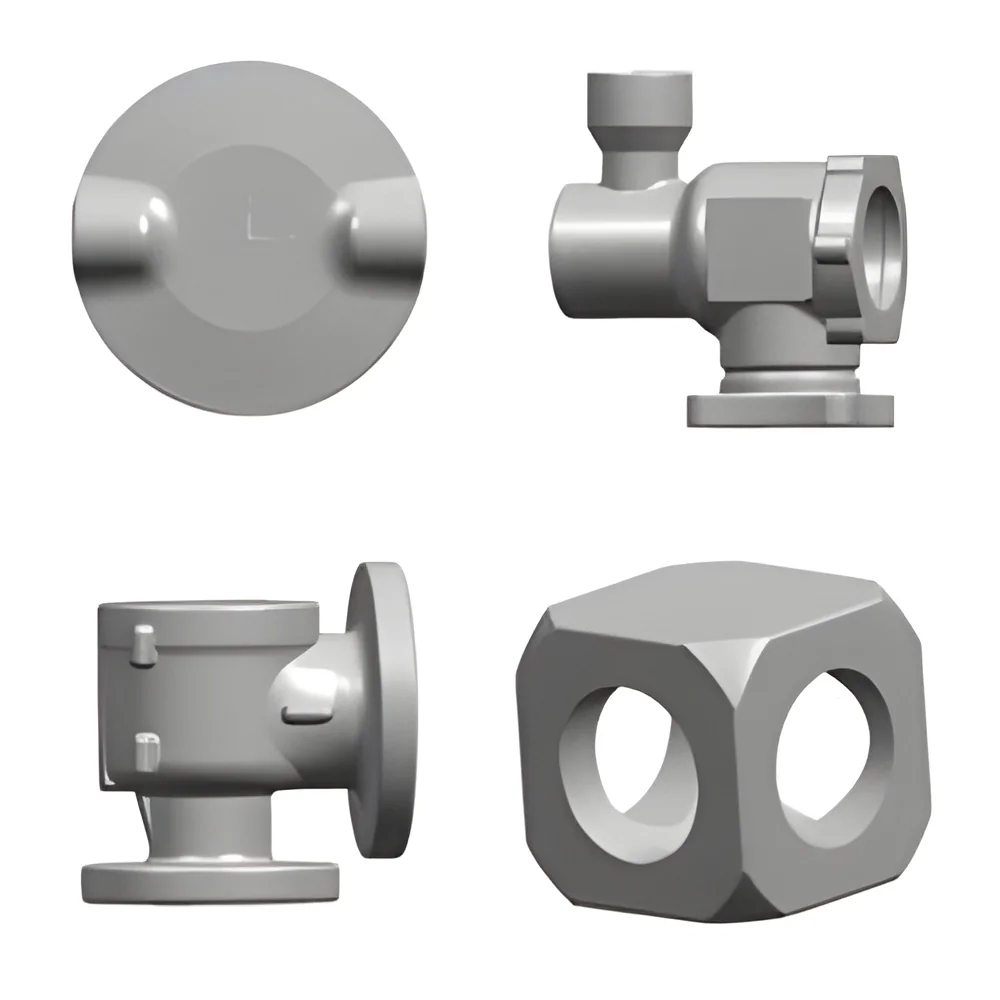
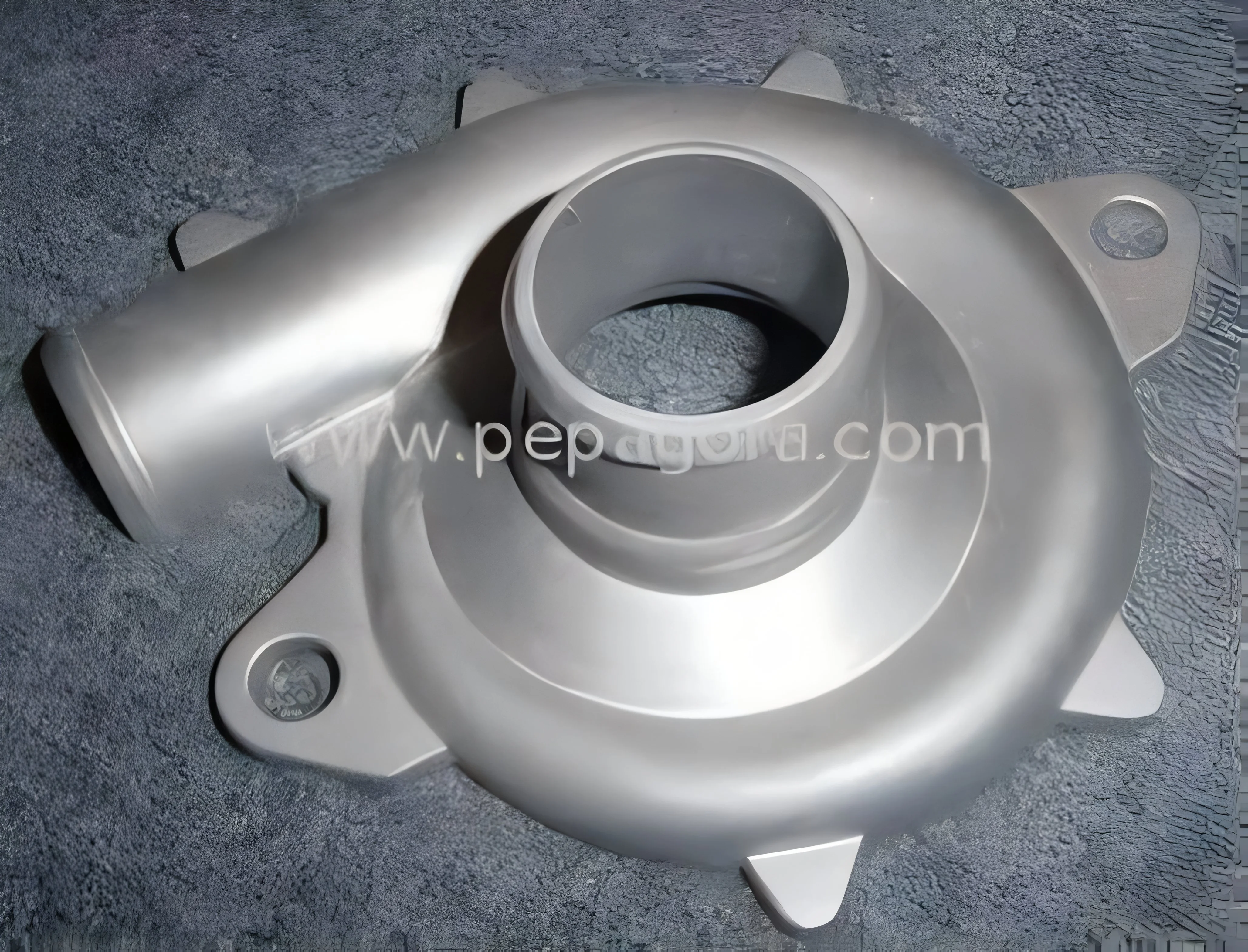
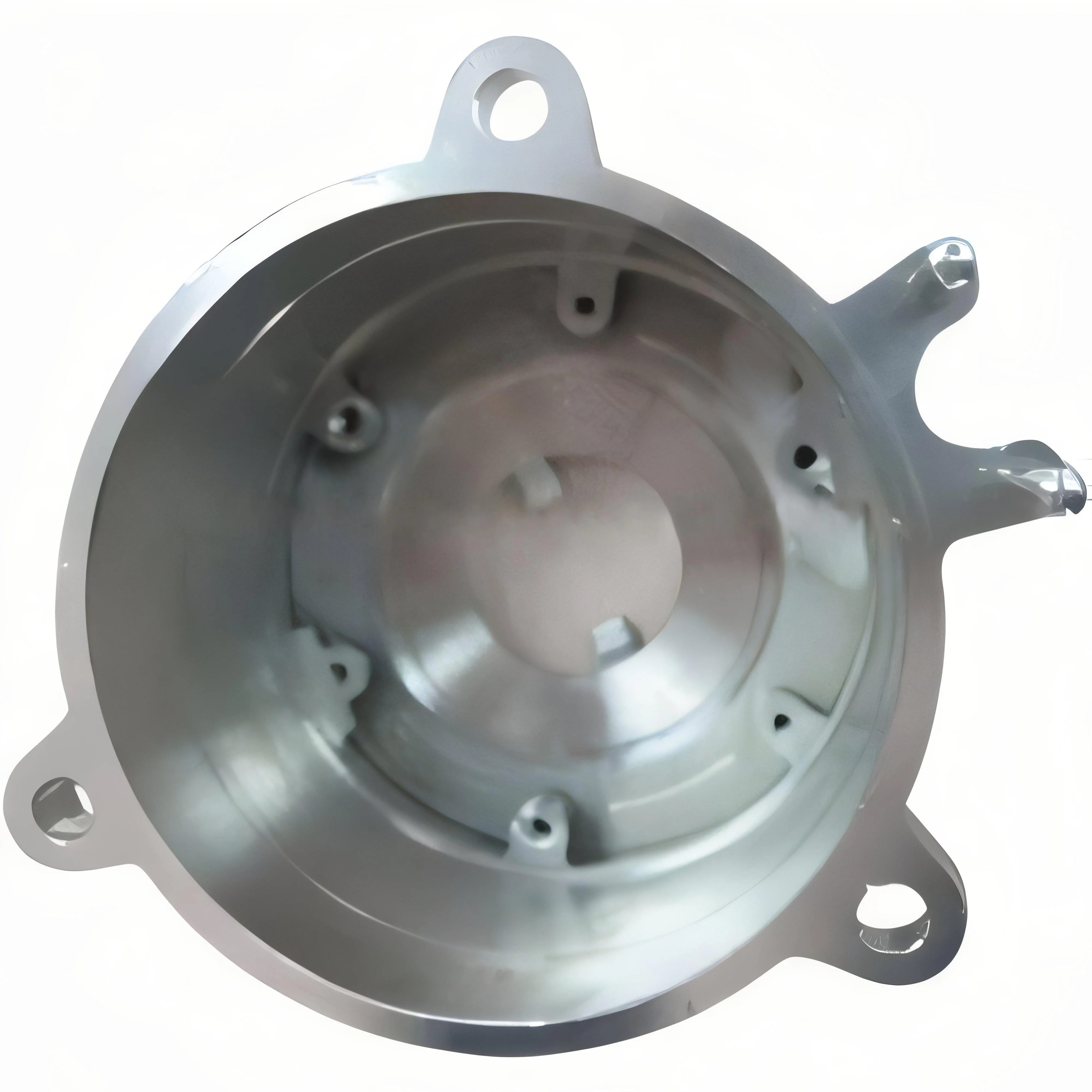
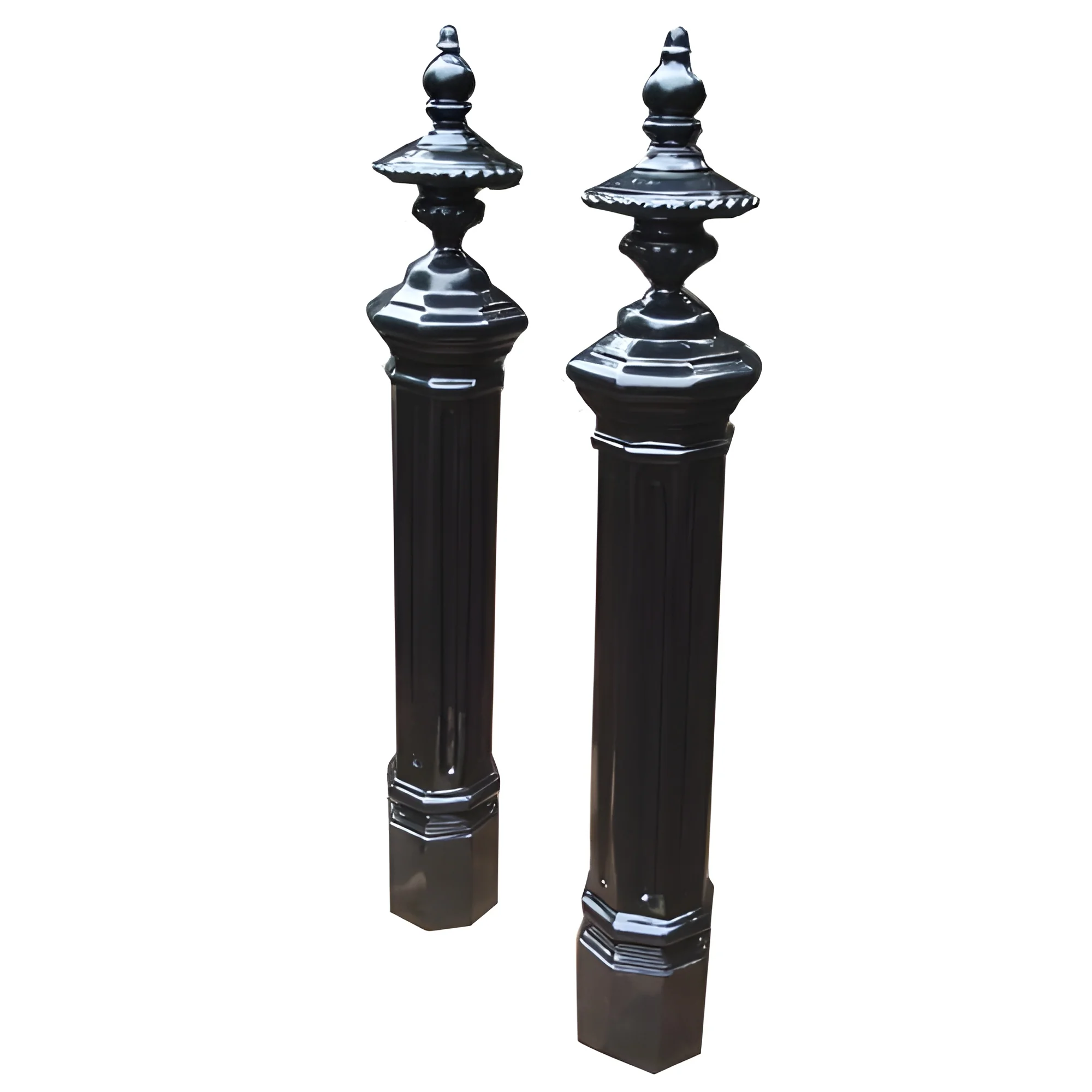
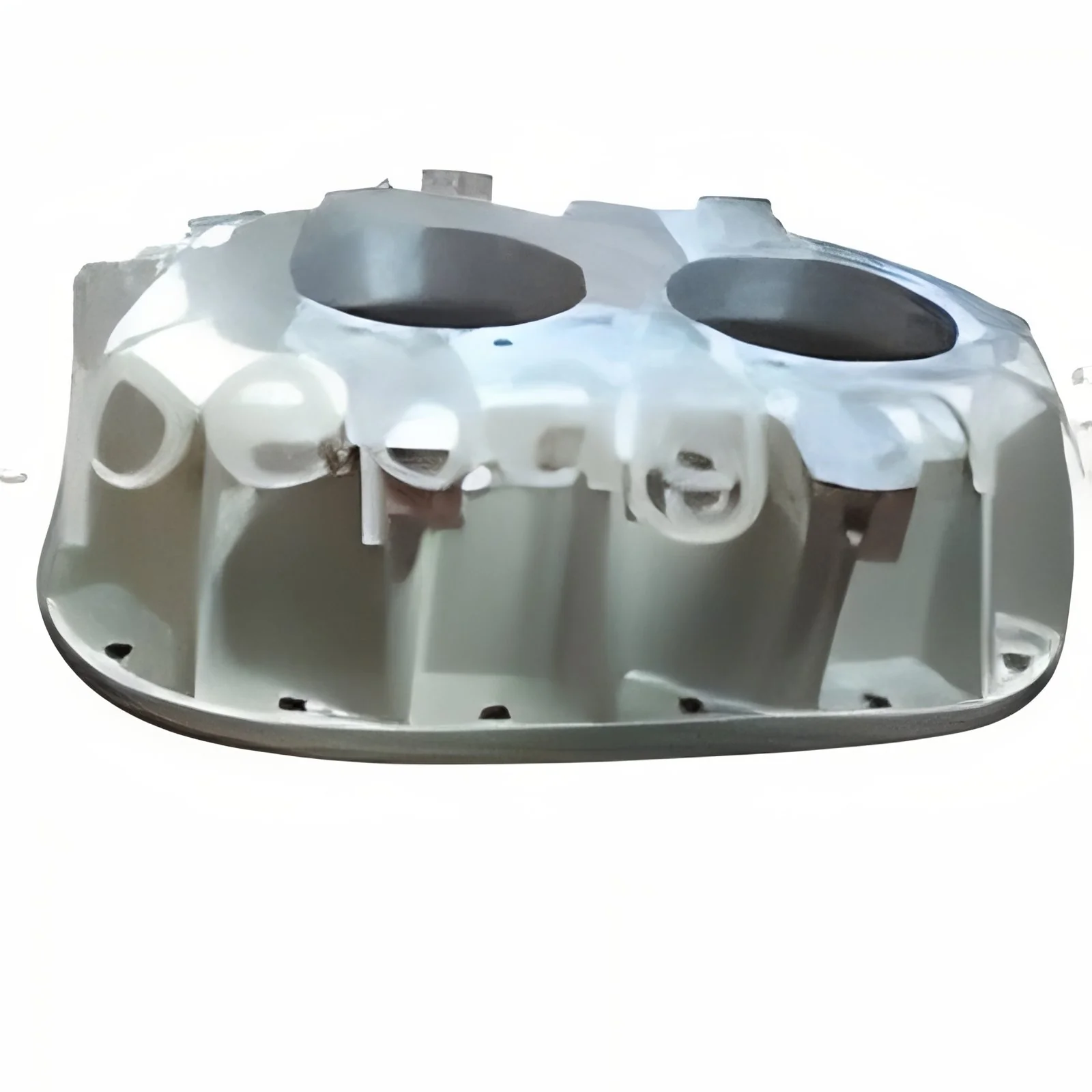
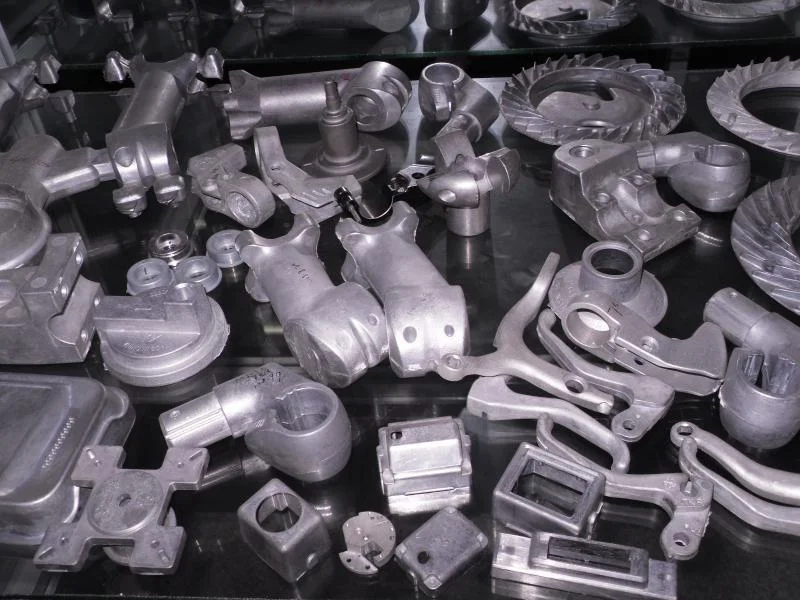
Produced by pouring molten metal into molds, these components can achieve intricate shapes. They are commonly used in applications requiring complex geometries, such as machinery housings and decorative parts.
Benefits and Advantages
Investing in metal forgings and castings offers numerous advantages for businesses looking to enhance their production capabilities.
Key benefits include:
1. Strength and Durability: The forging process enhances the material’s strength, making components more resilient to wear and tear.
2. Complex Shapes: Casting allows for the creation of intricate designs that would be challenging to achieve with other manufacturing methods.
3. Cost-Effectiveness: Bulk production of forgings and castings can lower costs, making them an economical choice for large projects.
4. Versatile Materials: A wide range of metals can be forged or cast, providing options to meet various performance requirements.
5. Customization Potential: Many suppliers offer tailored solutions, allowing businesses to get precisely what they need for specific applications.
6. Improved Performance: The structural integrity of forged parts often leads to better performance in demanding environments.
Buying Guide for B2B Buyers
When sourcing metal forgings and castings, B2B buyers should consider several crucial factors to ensure they make informed decisions.
1. Quality Assessment: Evaluate the quality of materials and manufacturing processes. Look for certifications and compliance with industry standards to ensure reliability.
2. Supplier Verification: Vet suppliers by checking their experience, reputation, and customer reviews. A reliable supplier can significantly impact product quality and service.
3. Pricing and MOQ: Understand pricing structures and minimum order quantities. This knowledge helps in budgeting and planning for large projects.
4. Delivery and Lead Times: Inquire about logistics and delivery schedules. Timely delivery is crucial for maintaining production timelines.
5. Compliance Requirements: Ensure that the products meet relevant regulatory standards and certifications, particularly if operating in regulated industries.
Compliance and Certifications
Compliance and certifications are vital in the metal forgings and castings industry, as they ensure that products meet established quality and safety standards. Key quality standards include ISO 9001, which outlines requirements for a quality management system, ensuring consistent quality in production processes.
Additionally, industry certifications such as CE mark indicate compliance with European safety and health regulations. This is especially important for products exported to European markets.
Manufacturers must also adhere to safety and testing requirements, which may include rigorous inspections and testing protocols to guarantee the integrity of the final product.
Regional compliance considerations may vary, so it is essential for businesses to stay informed about local regulations that may impact sourcing and production.
Why Source Metal Forgings & Castings from Pepagora?
Pepagora provides a trusted platform for sourcing metal forgings and castings, offering several key advantages to B2B buyers.
Verified Supplier Network: The platform features a network of verified suppliers, ensuring that buyers can access high-quality products from reputable manufacturers. This minimizes the risk of substandard purchases.
Streamlined RFQ Process: Pepagora simplifies the request for quotation process, allowing buyers to quickly and efficiently obtain pricing and product information from multiple suppliers. This saves time and helps in making informed decisions.
Trade Assurance and Support: Buyers benefit from trade assurance and support services that protect their purchases. This includes dispute resolution and assistance with any issues that may arise during the transaction process.
Regional Coverage: Pepagora has a wide geographic reach, covering markets in India, the GCC, and Southeast Asia. This extensive network allows buyers to access a diverse range of products and suppliers, catering to various industry needs.

 IN
IN