IN
IN₹
Apparel & Fashion
Description
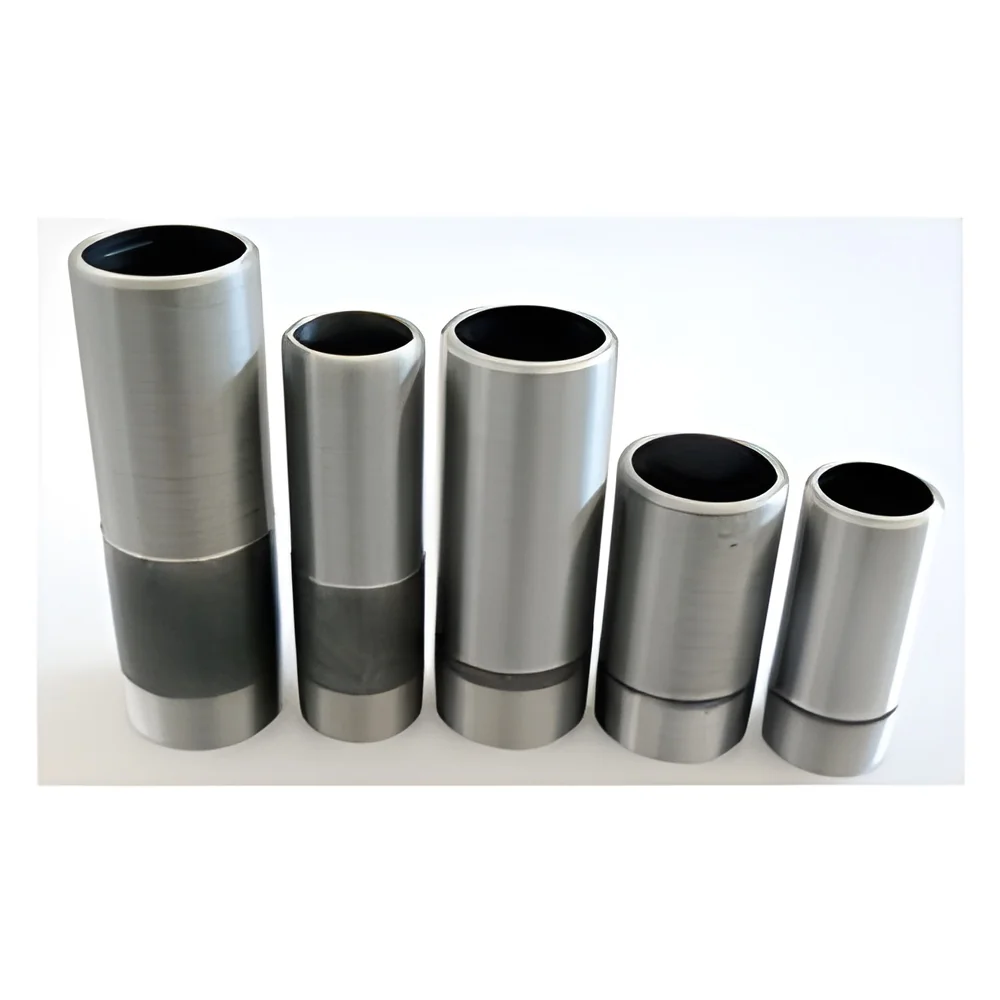
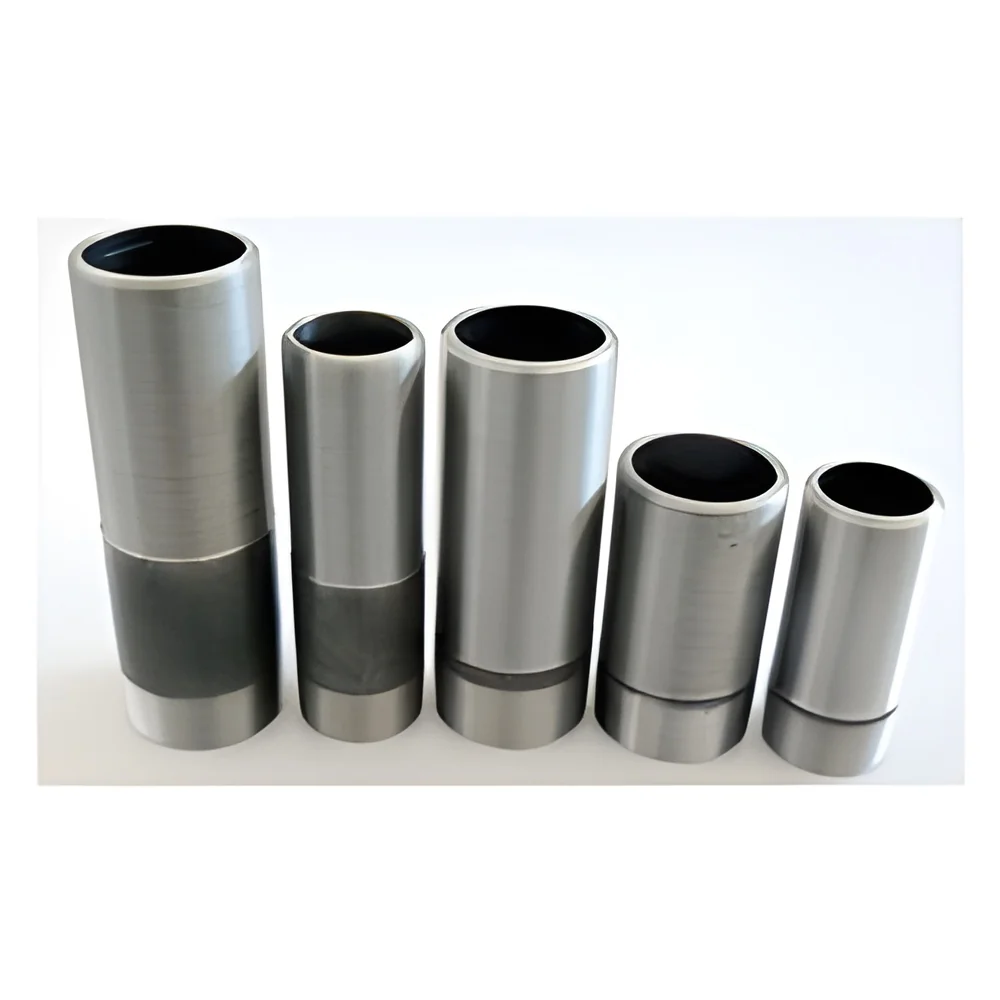
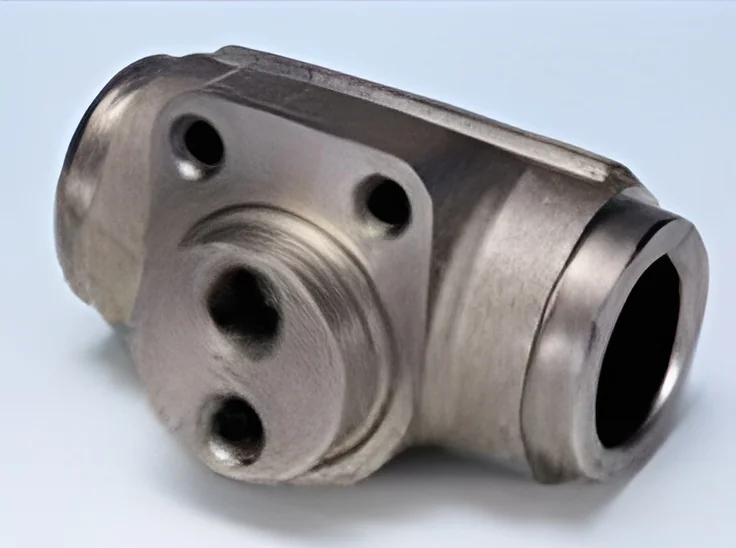
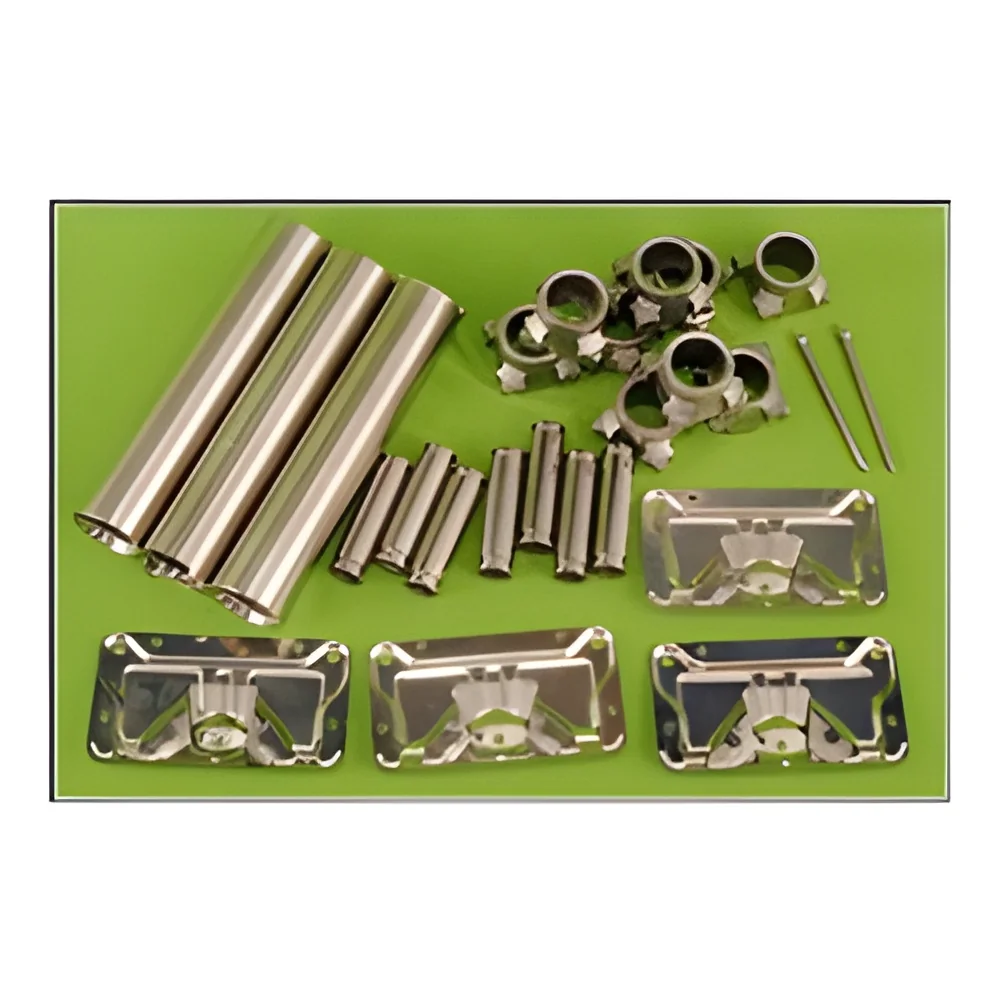
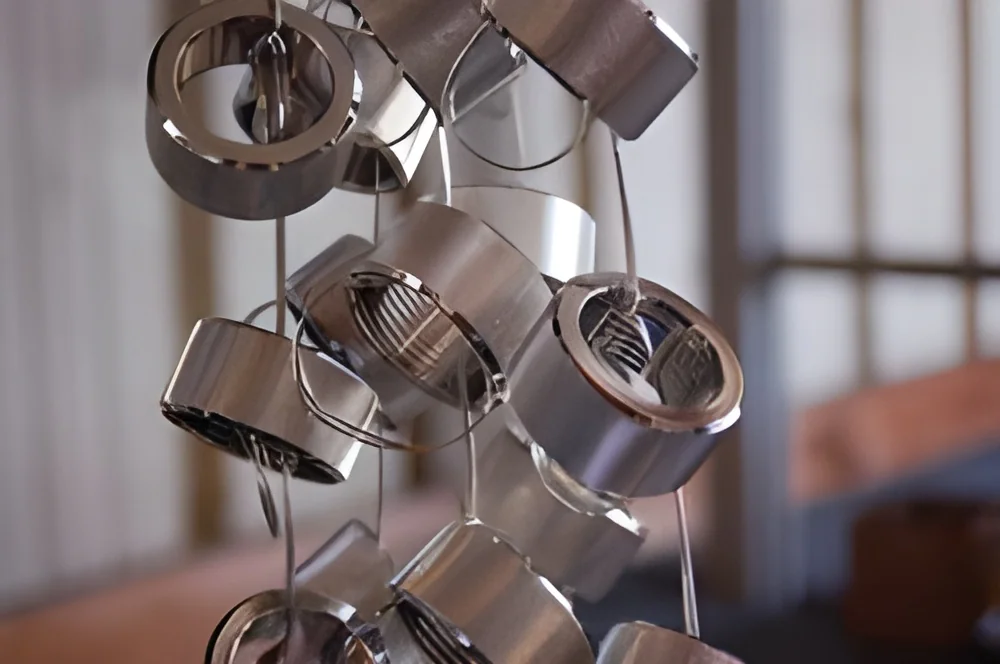
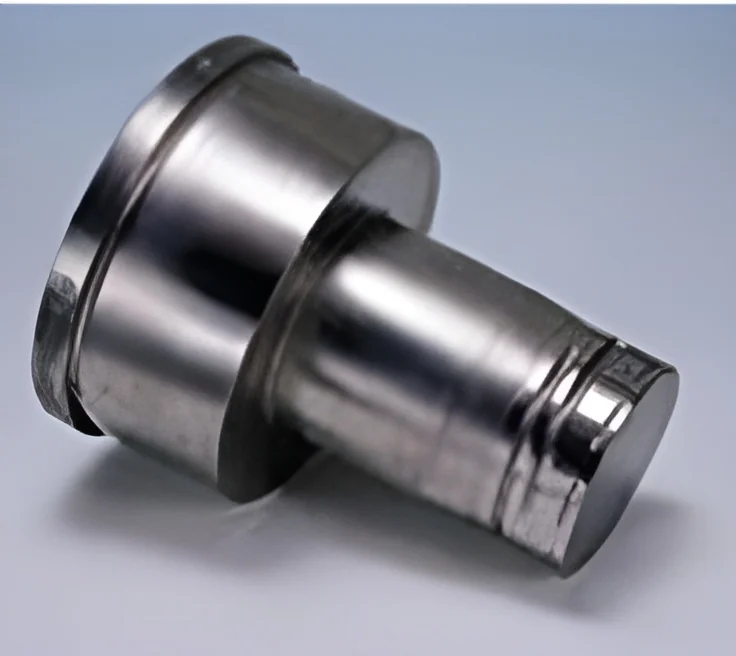
Electroless nickel coating represents an advanced auto-catalytic plating process that deposits a uniform nickel-phosphorus alloy layer onto metal substrates without requiring external electrical current. This innovative method ensures consistent coverage even on complex shapes, internal surfaces, and challenging geometries where traditional electroplating cannot reach effectively. The process provides exceptional corrosion resistance, superior hardness, and reliable wear protection, making it a preferred alternative to conventional plating methods. With highly controllable deposition parameters, manufacturers can achieve precise phosphorus content adjustments to meet specific performance requirements ranging from maximum corrosion resistance to enhanced lubricity and wear characteristics. This technical versatility combined with consistent results makes it the go-to solution for industries demanding reliability and precision in component performance.

Multiple industries depend on elec...
Electroless nickel coating represents an advanced auto-catalytic plating process that deposits a uniform nickel-phosphorus alloy layer onto metal substrates without requiring external electrical current. This innovative method ensures consistent coverage even on complex shapes, internal surfaces, and challenging geometries where traditional electroplating cannot reach effectively. The process provides exceptional corrosion resistance, superior hardness, and reliable wear protection, making it a preferred alternative to conventional plating methods. With highly controllable deposition parameters, manufacturers can achieve precise phosphorus content adjustments to meet specific performance requirements ranging from maximum corrosion resistance to enhanced lubricity and wear characteristics. This technical versatility combined with consistent results makes it the go-to solution for industries demanding reliability and precision in component performance.

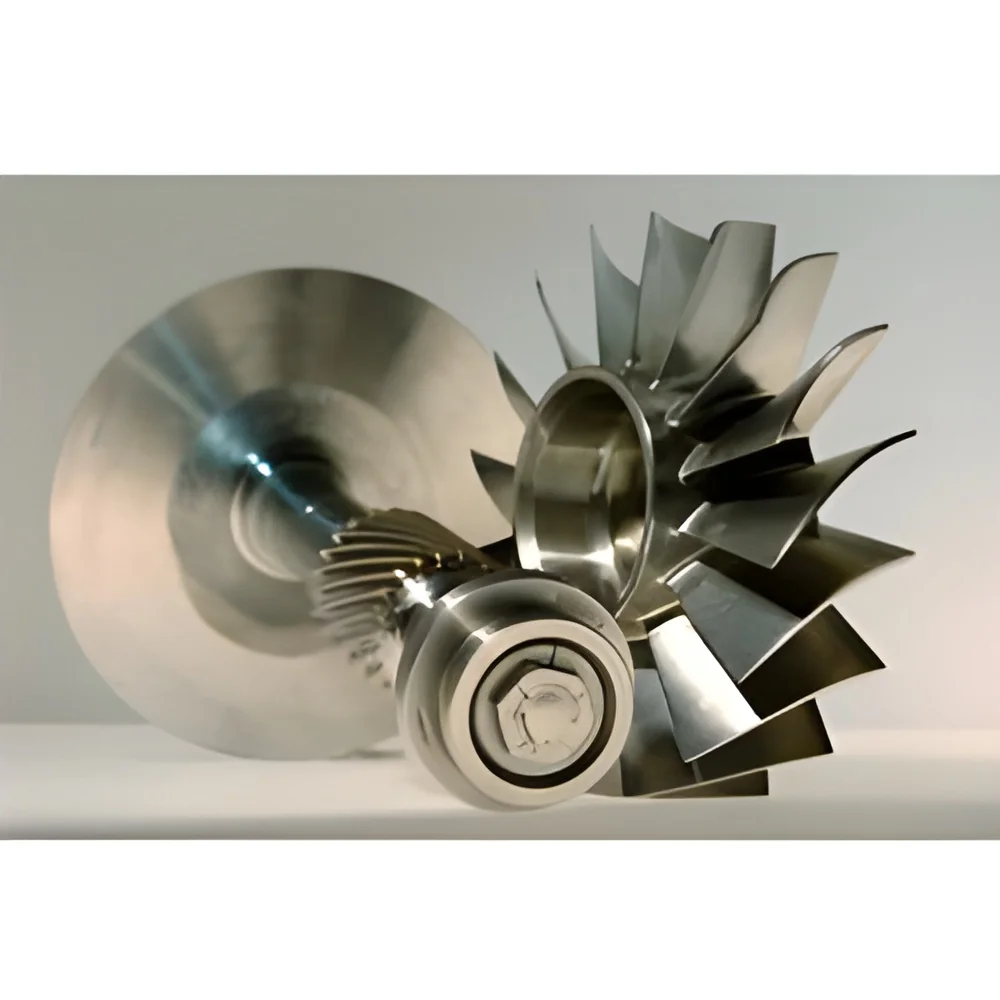
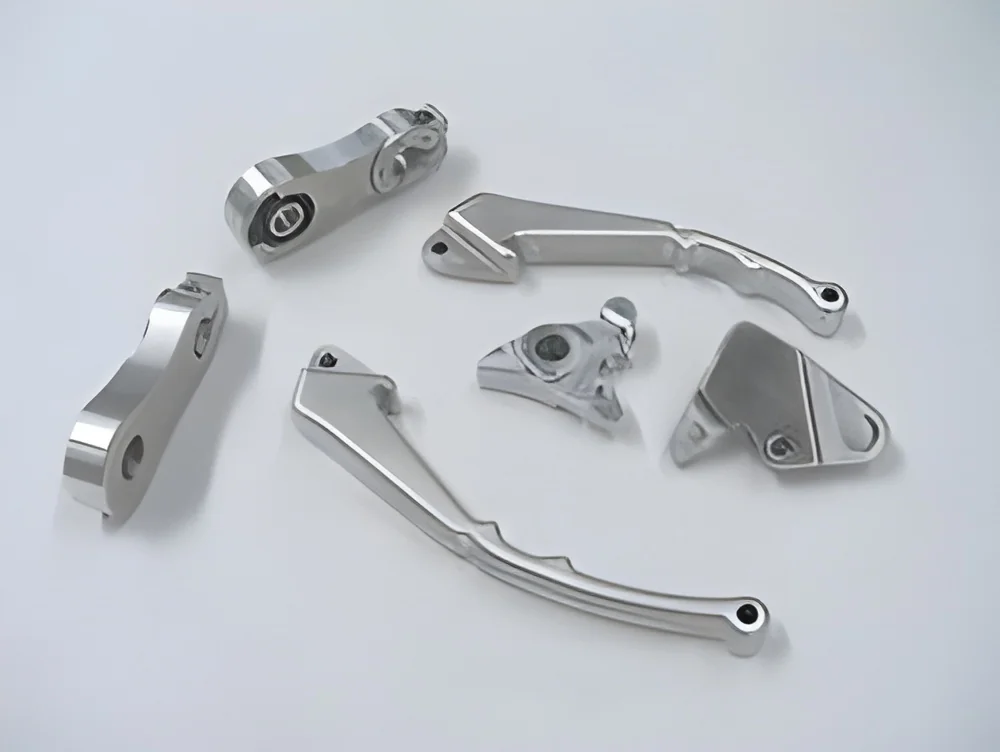
Multiple industries depend on electroless nickel coating for protecting their most critical components against demanding operational conditions. Aerospace manufacturers utilize this coating for landing gear assemblies, turbine blades, and engine components that must withstand extreme temperatures, corrosion, and mechanical stress. Automotive sector applications include brake system components, fuel injection parts, transmission elements, and engine components where durability and reduced maintenance are paramount. The oil and gas industry relies on this coating for valves, pump components, drilling equipment, and pipeline parts exposed to highly corrosive environments and extreme pressures. Electronics manufacturers benefit from its excellent EMI/RFI shielding properties and corrosion resistance for connectors, enclosures, and circuit board components. Medical device manufacturers choose this coating for surgical instruments, implants, and diagnostic equipment due to its biocompatibility, sterilizability, and consistent performance.

Businesses gain substantial value through extended component lifespan, reduced operational downtime, and significantly lower maintenance costs when implementing electroless nickel coating solutions. The uniform deposition characteristic eliminates the need for post-plating machining operations, saving both time and manufacturing resources while maintaining precise dimensional tolerances. The coating's inherent reliability ensures consistent performance in the most demanding applications, dramatically reducing the risk of premature part failure and associated production losses. While offering standard high-performance characteristics, the process also allows for specific adjustments in phosphorus content and coating thickness to address unique operational requirements. This technical adaptability, combined with environmental and operational advantages over traditional electroplating, makes it a cost-effective and sustainable solution for enhancing overall product quality, reliability, and customer satisfaction.

Key Features:
- Uniform coating thickness maintained regardless of part geometry or complexity
- No external electrical current required during the deposition process
- Customizable phosphorus content available for specific performance requirements
- Excellent adhesion achieved on various substrates including steel, aluminum, and copper
- Compatibility with non-conductive materials when properly prepared and catalyzed

Benefits:
- Extended component service life through superior corrosion and wear resistance
- Reduced maintenance costs and operational downtime due to enhanced durability
- Consistent performance across complex geometries and internal surfaces
- Elimination of post-plating machining requirements saving time and resources
- Reliable protection in extreme environments including high temperature and pressure conditions
Specifications
| Additional Information | |
|---|---|
| Country of Origin | India |
Application
Electroless nickel coating delivers exceptional protection for metal components operating in demanding environments. Its uniform deposition ensures consistent coverage on complex geometries, internal surfaces, and intricate parts where traditional plating methods fall short. This makes it ideal for components requiring precise tolerances and reliable performance across various industrial applications.
The coating's superior corrosion and wear resistance properties make it essential for extending component lifespan in harsh conditions. It adheres perfectly to steel, aluminum, copper, and other substrates while providing a hard, smooth finish that reduces friction and prevents galling. Industries including oil and gas, automotive manufacturing, aerospace engineering, and electronics rely on this proven solution for protecting critical equipment.
- Automotive brake pistons and fuel injectors requiring wear resistance and corrosion protection
- Aerospace landing gear components and engine parts exposed to extreme environmental conditions
- Oil and gas valves, pumps, and drilling equipment operating in corrosive, high-pressure environments
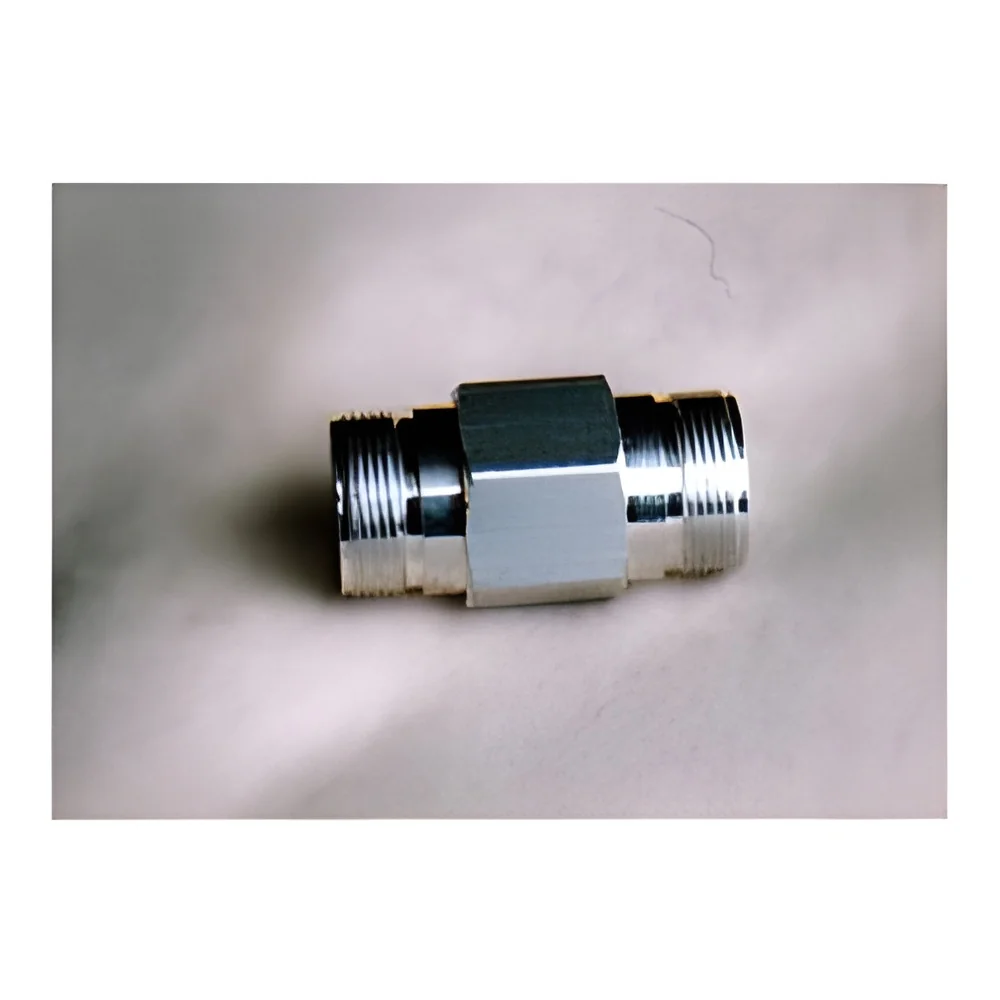
- Electronics connectors, housings, and enclosures needing EMI shielding and corrosion prevention
- Medical instruments and surgical tools requiring biocompatibility and repeated sterilization
Trade Details
| Available Stock | In Stock |
| Sample Availability | No |
Payment Terms
| Payment Terms |
|
Company Profile
A. K. Finishing Technologies, Tamil Nadu
 Tamil Nadu, India
Tamil Nadu, IndiaConstruction•Manufacturer•Distributor / Wholesaler•Importer / Exporter
Factory Details
Factory SizeBelow 1000 sqm
Annual Production Capacity0
Electroless Nickel Coating For Corrosion And Wear Resistance
Electroless nickel coating provides uniform corrosion and wear resistance without electricity for industrial components. Ideal for complex parts in aerospace, automotive, and manufacturing sectors with consistent thickness and durability.
Min. Order Quantity: 1 unit
Shipping
Shipping fee and delivery date to be negotiated. Contact supplier now for more details.
A. K. Finishing Technologies
 Tamil Nadu, India
Tamil Nadu, IndiaConstructionManufacturer