
 IN
Metals
2894 products available
𝗪𝗵𝗮𝘁 𝗮𝗿𝗲 𝗠𝗲𝘁𝗮𝗹𝘀?
Metals are solid materials characterized by their high electrical and thermal conductivity, malleability, ductility, and luster. These elements, typically found in the periodic table, are primarily derived from ores and undergo various processes to extract pure forms. Common examples of metals include iron, aluminum, copper, and stainless steel. Metals are fundamental to various industries due to their strength and durability, making them essential components in manufacturing and construction.
Metals play a vital role in multiple business applications. They are commonly used in the production of machinery, vehicles, tools, and structural components. The versatility of metals allows for their application in sectors such as automotive, aerospace, construction, and electronics. As industries continue to evolve, the demand for high-quality metals remains robust, influencing market trends and competition. Understanding the properties and applications of metals is crucial for businesses looking to leverage these materials effectively.
𝗞𝗲𝘆 𝗙𝗲𝗮𝘁𝘂𝗿𝗲𝘀 𝗮𝗻𝗱 𝗦𝗽𝗲𝗰𝗶𝗳𝗶𝗰𝗮𝘁𝗶𝗼𝗻𝘀
When considering metals for industrial applications, it is essential to understand their key features and specifications. Metals are available in various grades and forms, each tailored to meet specific needs. Factors such as strength, ductility, and corrosion resistance are vital when selecting the right metal for a project.
Key specifications include:
1. Composition:
- Defines the elemental makeup of the metal.
- Can vary significantly between different types of metals.
2. Yield Strength:
- Indicates the maximum stress a metal can withstand without permanent deformation.
- Typically measured in megapascals (MPa).
3. Tensile Strength:
- Measures the resistance of a metal to tension forces.
- Important for applications where stretching or pulling is involved.
4. Hardness:
- Indicates the metal's resistance to deformation and abrasion.
- Measured using various scales, such as Rockwell or Brinell.
5. Corrosion Resistance:
- Determines how well a metal can withstand corrosive environments.
- Critical for applications in chemical and marine industries.
6. Thermal Conductivity:
- Measures the metal's ability to conduct heat.
- Important for applications requiring efficient heat transfer.
7. Electrical Conductivity:
- Indicates how well a metal can conduct electricity.
- Crucial for electrical and electronic applications.
In summary, understanding these specifications allows businesses to select the right metals for their specific applications, ensuring reliability and performance.
𝗖𝗼𝗺𝗺𝗼𝗻 𝗔𝗽𝗽𝗹𝗶𝗰𝗮𝘁𝗶𝗼𝗻𝘀 𝗮𝗻𝗱 𝗨𝘀𝗲 𝗖𝗮𝘀𝗲𝘀
Metals are utilized across a wide range of industries due to their unique properties and versatility.
1. Automotive: Metals like steel and aluminum are used in vehicle manufacturing for structural components, engines, and body panels. Their strength and lightweight nature contribute to fuel efficiency and safety.
2. Aerospace: High-strength alloys and titanium are essential in the aerospace industry for aircraft frames, engines, and components that withstand extreme conditions.
3. Construction: Metals such as steel and copper are foundational materials in building structures, roofing, and plumbing systems, offering durability and stability.
4. Electronics: Copper and aluminum are critical in electronic components, providing excellent electrical conductivity for wires, circuit boards, and connectors.
5. Manufacturing: Metals are integral in producing machinery and tools, ensuring precision and reliability in manufacturing processes.
6. Energy: Metals are used in power generation equipment, including turbines and transformers, due to their ability to withstand high temperatures and pressures.
7. Marine: Stainless steel and aluminum are preferred in shipbuilding and marine applications due to their corrosion resistance.
𝗣𝗿𝗼𝗱𝘂𝗰𝘁 𝗩𝗮𝗿𝗶𝗮𝗻𝘁𝘀 𝗮𝗻𝗱 𝗦𝘂𝗯𝗰𝗮𝘁𝗲𝗴𝗼𝗿𝗶𝗲𝘀
Metals come in various forms and grades, catering to diverse industrial needs.
Aluminum Alloys: Lightweight and corrosion-resistant, aluminum alloys are commonly used in aerospace and automotive applications. They offer excellent strength-to-weight ratios and are easily machinable.
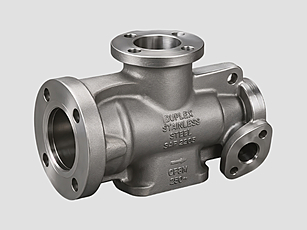
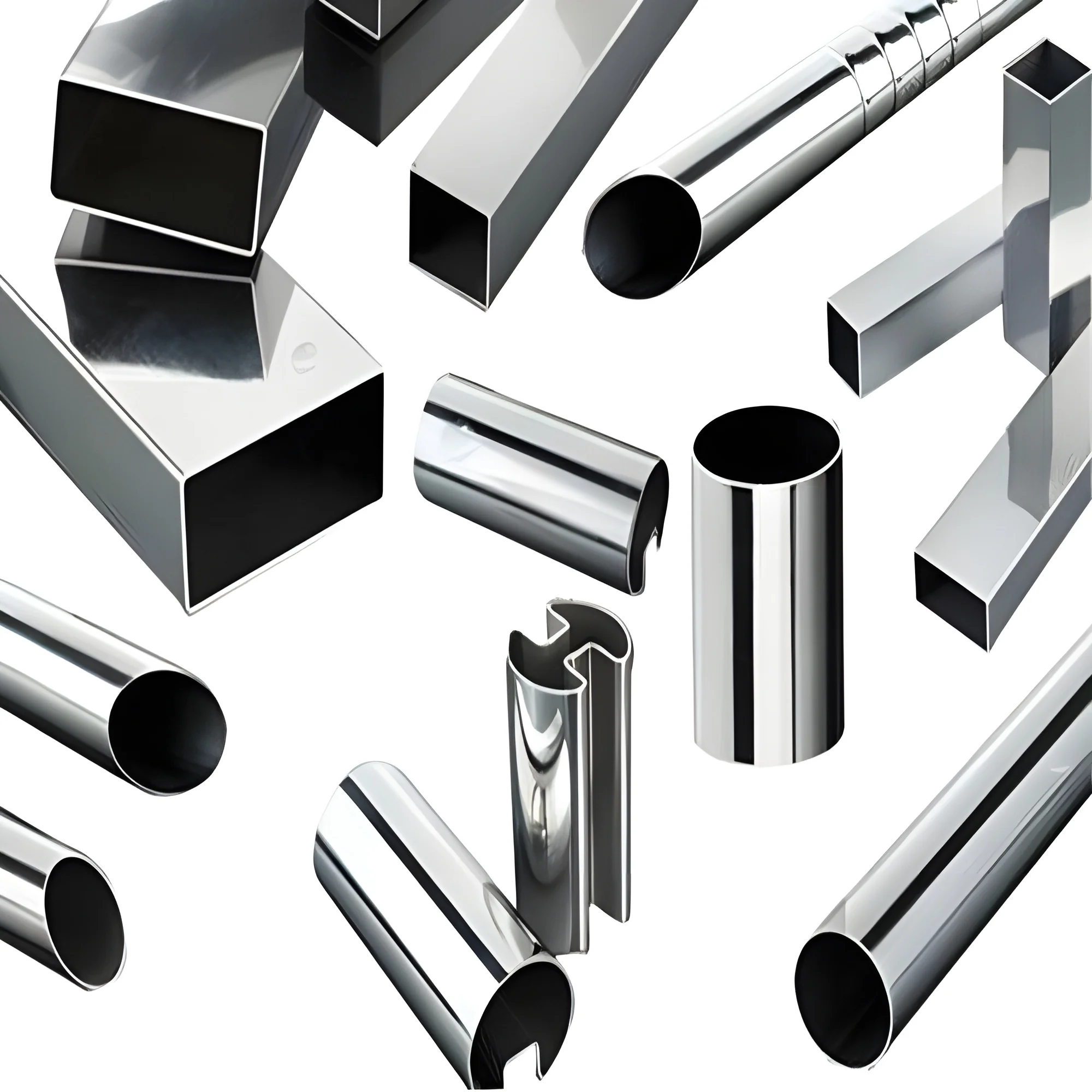
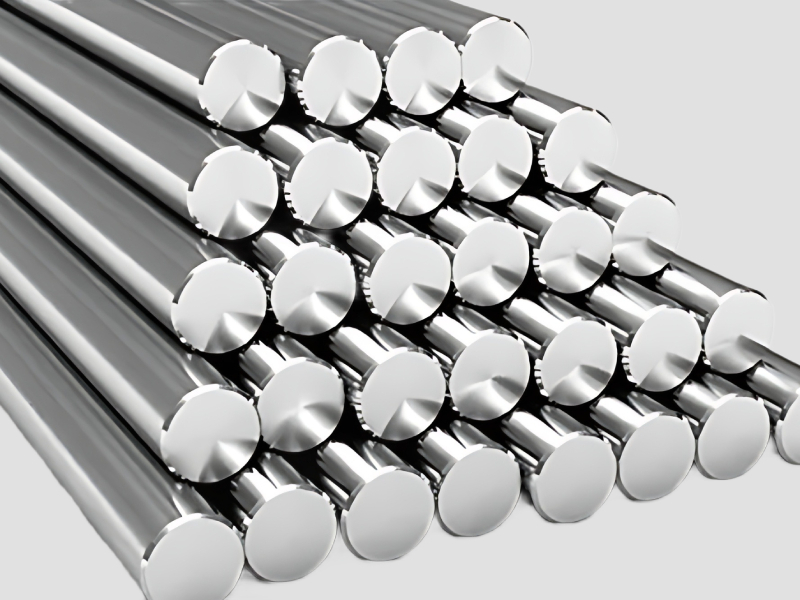
Stainless Steel: Known for its corrosion resistance, stainless steel is widely used in food processing, medical equipment, and construction. Its durability and aesthetic appeal make it a popular choice.
Carbon Steel: This variant is primarily used in construction and manufacturing due to its high strength and affordability. It is versatile and can be treated for various applications.
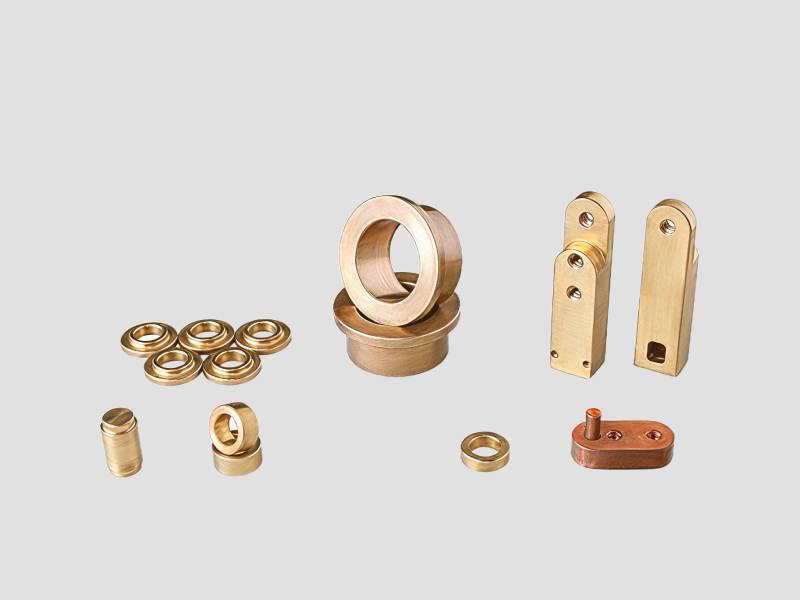
Copper Alloys: Copper and its alloys are essential in electrical applications because of their high conductivity. They are also used in plumbing and roofing materials.
Brass: An alloy of copper and zinc, brass is known for its machinability and corrosion resistance. It is commonly used in fittings, valves, and decorative applications.
𝗕𝗲𝗻𝗲𝗳𝗶𝘁𝘀 𝗮𝗻𝗱 𝗔𝗱𝘃𝗮𝗻𝘁𝗮𝗴𝗲𝘀
Metals offer numerous advantages that make them indispensable in various industries.
1. Strength and Durability: Metals are known for their high strength-to-weight ratios, ensuring long-lasting performance even in challenging conditions.
2. Versatility: Different types of metals can be tailored to meet specific applications, making them suitable for a wide range of industries.
3. Recyclability: Metals can be recycled without losing their properties, promoting sustainability and reducing environmental impact.
4. Cost-Effectiveness: The availability of metals in large quantities often leads to competitive pricing, making them an economical choice for manufacturers.
5. Heat and Electrical Conductivity: Metals like copper and aluminum are excellent conductors, making them essential for electrical and thermal applications.
6. Corrosion Resistance: Many metals can be treated or alloyed to withstand corrosive environments, enhancing their longevity and reliability.
𝗕𝘂𝘆𝗶𝗻𝗴 𝗚𝘂𝗶𝗱𝗲 𝗳𝗼𝗿 𝗕𝟮𝗕 𝗕𝘂𝘆𝗲𝗿𝘀
When sourcing metals for industrial applications, several critical factors should be considered to ensure the right choice.
1. Quality Assessment: Evaluate the quality of metals based on industry standards and certifications. Look for detailed specifications and test reports to ensure the material meets your requirements.
2. Supplier Verification: Vet potential suppliers by checking their credentials, industry experience, and customer reviews. A reliable supplier can significantly impact the quality of your materials.
3. Pricing and MOQ: Understand the pricing structure and minimum order quantities (MOQ) offered by suppliers. Compare quotes to find the best deal while ensuring quality and service.
4. Delivery and Lead Times: Inquire about logistics and lead times for delivery. Timely delivery is crucial for maintaining production schedules and project timelines.
5. Compliance Requirements: Ensure that the metals sourced comply with relevant industry regulations and standards. This includes certifications such as CE and adherence to safety protocols.
𝗖𝗼𝗺𝗽𝗹𝗶𝗮𝗻𝗰𝗲 𝗮𝗻𝗱 𝗖𝗲𝗿𝘁𝗶𝗳𝗶𝗰𝗮𝘁𝗶𝗼𝗻𝘀
Compliance with industry standards and certifications is vital in metal sourcing. Quality standards such as ISO 9001 ensure that manufacturers follow best practices in quality management, which is crucial for consistency and reliability.
Certifications like CE indicate that products meet European safety and environmental requirements. This is essential for businesses looking to operate within regulated markets.
Safety and testing requirements are also critical. Metals should undergo rigorous testing to assess their mechanical properties and performance under specific conditions.
Regional compliance considerations vary depending on the market. For instance, regulations in India may differ from those in the GCC or Southeast Asia, necessitating a thorough understanding of local compliance needs.
𝗪𝗵𝘆 𝗦𝗼𝘂𝗿𝗰𝗲 𝗠𝗲𝘁𝗮𝗹𝘀 𝗳𝗿𝗼𝗺 𝗣𝗲𝗽𝗮𝗴𝗼𝗿𝗮?
Pepagora provides a trusted platform for sourcing metals with several key advantages that cater specifically to B2B buyers.
Verified Supplier Network: Pepagora connects buyers with a network of verified suppliers, ensuring quality and reliability in sourcing. Each supplier undergoes a thorough vetting process, giving buyers confidence in their choices.
Streamlined RFQ Process: The platform features a user-friendly Request for Quotation (RFQ) system that simplifies the procurement process. Buyers can easily submit their requirements and receive competitive quotes from multiple suppliers.
Trade Assurance and Support: Pepagora offers trade assurance, providing buyers with protection against non-delivery and quality issues. This support enhances buyer confidence when sourcing metals.
Regional Coverage: With a broad geographic reach, Pepagora serves markets in India, the GCC, and Southeast Asia. This regional coverage ensures that buyers can access a wide range of metal options tailored to their specific needs.
By choosing Pepagora, businesses can streamline their metal sourcing process while ensuring quality, compliance, and competitive pricing.


















Frequently Asked Questions
What are Metals?
Metals are solid materials that are typically hard, opaque, and have good electrical and thermal conductivity. They are primarily composed of atoms that share electrons, allowing them to conduct heat and electricity efficiently. Common examples include iron, aluminum, and copper.
What are the different types of Metals?
Metals can be broadly categorized into ferrous and non-ferrous metals. Ferrous metals contain iron and are magnetic, while non-ferrous metals, such as aluminum, copper, and lead, do not contain iron and are generally more resistant to corrosion.
How do I choose the right Metals?
Choosing the right metals depends on factors such as the intended application, required strength, weight considerations, and resistance to corrosion. It is essential to consult with suppliers or industry professionals to ensure the selected metal meets specific performance requirements.
What are the standard specifications for Metals?
Standard specifications for metals include properties such as tensile strength, yield strength, ductility, and hardness. Organizations like ASTM and ISO provide guidelines and standards that define these properties for various types of metals.
What is the price range for Metals?
The price range for metals can vary significantly based on the type, quality, and market demand. Generally, prices can range from a few hundred to several thousand Indian Rupees per kilogram, depending on the specific metal and its market conditions.
What quality standards apply to Metals?
Quality standards for metals are often governed by international and national organizations such as ASTM, ISO, and BIS. These standards ensure that metals meet specific performance criteria, including chemical composition, mechanical properties, and surface quality.
Where can I find Metals suppliers in India?
You can find metals suppliers in India through various online B2B marketplaces, trade shows, and industry directories. Websites like Pepagora.com also provide comprehensive listings of verified metals manufacturers and suppliers across the country.
Can Metals be customized?
Yes, metals can often be customized to meet specific requirements in terms of size, shape, and finish. Many manufacturers offer machining and fabrication services to tailor metals for particular applications.
What is the typical minimum order quantity for Metals?
The typical minimum order quantity (MOQ) for metals can vary widely depending on the supplier and the type of metal. Generally, MOQs can range from a few kilograms to several tons, particularly for bulk orders.
What is the typical lead time for Metals?
The typical lead time for metals can vary based on factors such as the type of metal, customization requirements, and supplier capabilities. Generally, lead times can range from a few days to several weeks, especially for specialized orders.
Why Businesses Trust Pepagora
Thousands of companies trust Pepagora to source smarter and sell faster
Expand Your Sales Globally

Source Smarter,Grow Faster
