
 IN
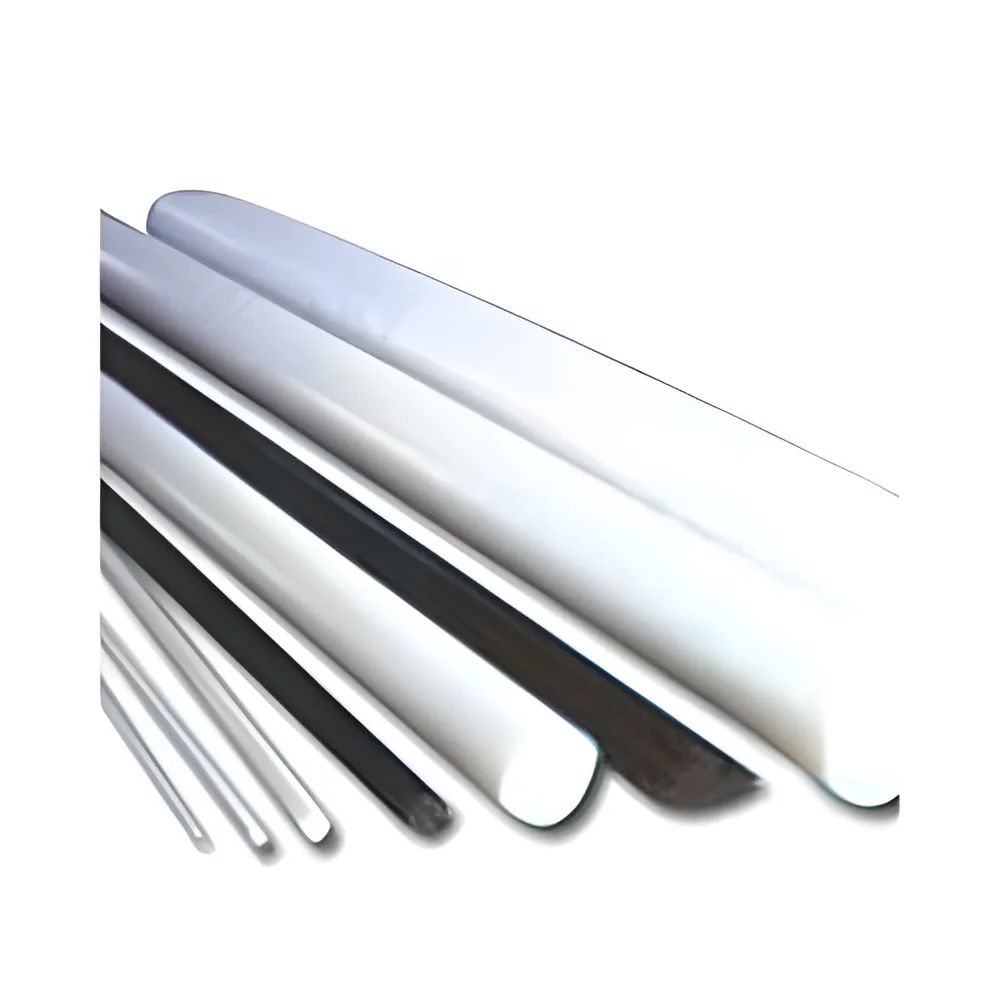
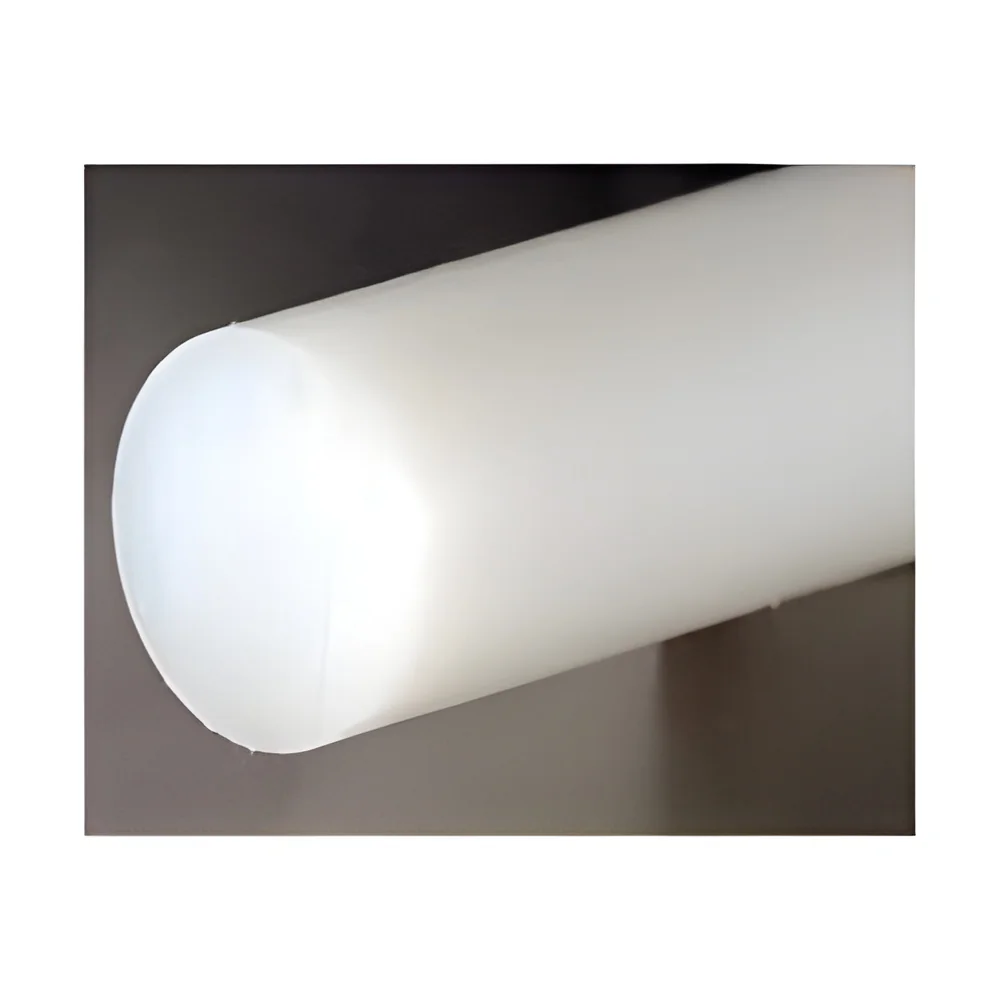
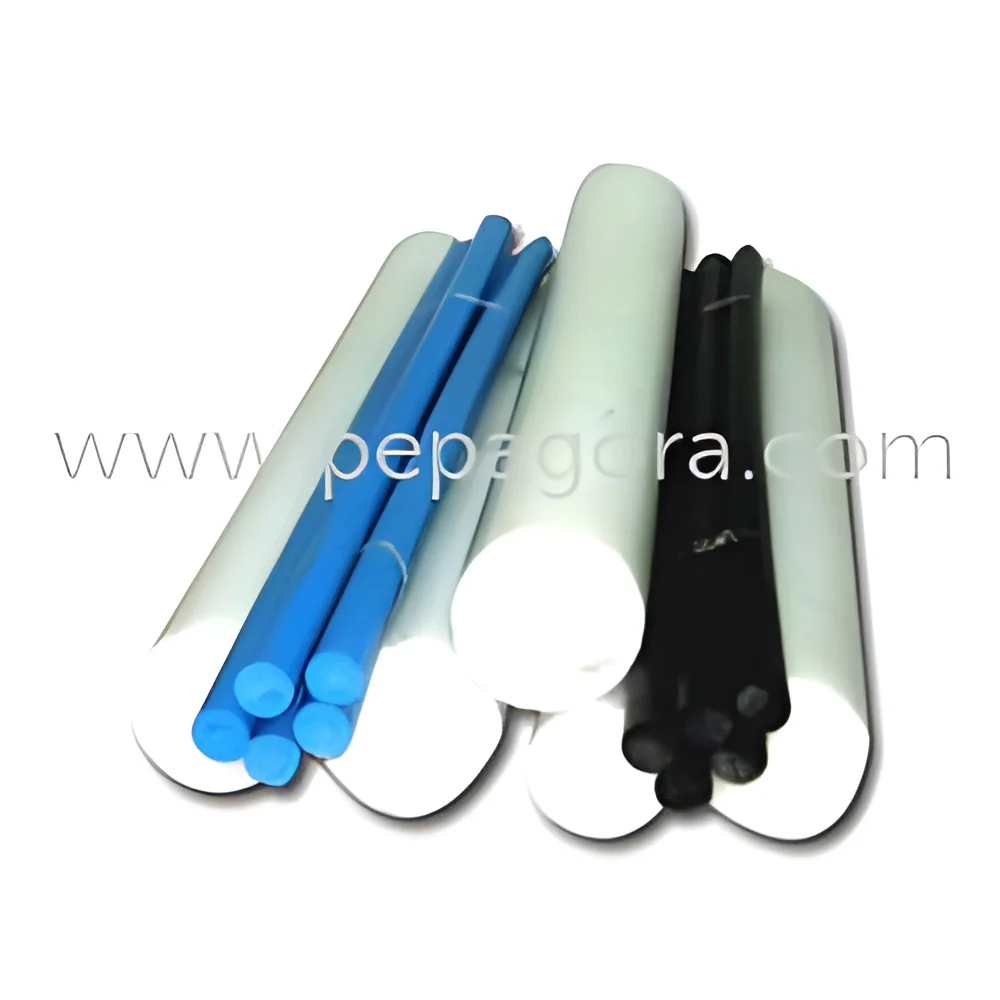
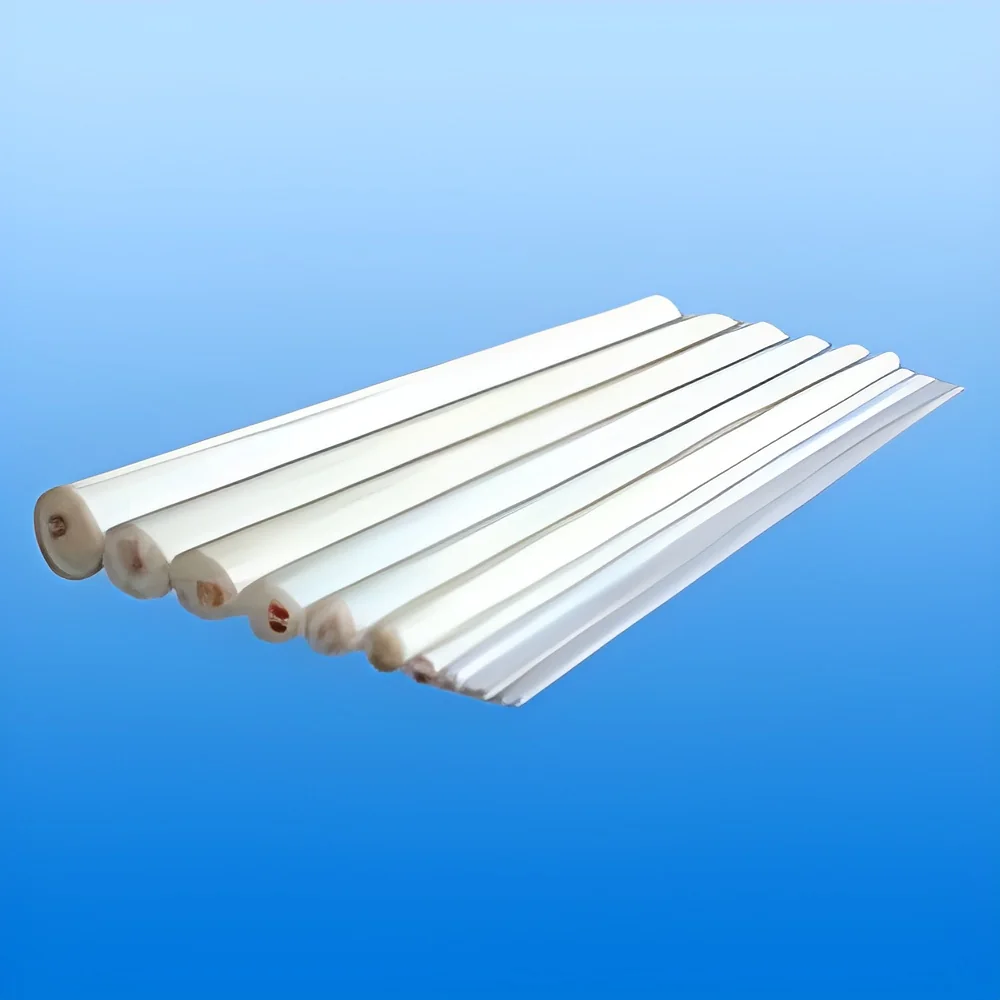
Metal Rods (MS, SS, Copper, Aluminum)
57 products available
Key Features and Specifications
Metal rods are characterized by several key features that define their usage and performance in industrial applications. Understanding these specifications helps buyers choose the right type for their needs.
Key specifications include:
1. Material Type
- Types include mild steel, stainless steel, copper, and aluminum.
- Each material has distinct properties such as strength, corrosion resistance, and conductivity.
2. Diameter
- Common diameter ranges vary based on application, typically from 3 mm to 50 mm or more.
- The diameter affects the rod's strength and suitability for specific uses.
3. Length
- Standard lengths often range from 1 meter to 6 meters.
- Custom lengths may be available based on project requirements.
4. Weight
- Weight is influenced by material type and dimensions.
- Calculating weight is essential for transportation and handling considerations.
5. Finish
- Available finishes include polished, galvanized, and anodized.
- The finish can impact corrosion resistance and aesthetic appeal.
6. Tensile Strength
- Tensile strength values differ by material, affecting load-bearing capacity.
- Typical ranges include 250 MPa for mild steel to over 800 MPa for stainless steel.
7. Certification
- Products often come with industry certifications like CE to ensure quality.
- Compliance with regulations can influence market acceptance.
8. Availability
- Availability can vary based on supplier inventory and market conditions.
- Understanding lead times and minimum order quantities is critical for procurement.
In summary, metal rods are defined by their material properties, dimensions, and finishes, which should be carefully considered during selection.
Common Applications and Use Cases
Metal rods are utilized in a variety of industries, each with specific applications that leverage their unique properties.
1. Construction: Metal rods serve as reinforcement in concrete structures, providing strength and stability. They are also used in scaffolding and framework.
2. Automotive: In the automotive industry, metal rods are used for manufacturing components such as axles, shafts, and suspension parts, where strength and durability are essential.
3. Aerospace: Aerospace applications require precision-engineered metal rods for structural elements in aircraft and spacecraft. Their lightweight properties and strength are crucial in this sector.
4. Electrical Engineering: Copper rods are commonly used in electrical applications due to their excellent conductivity. They are used in wiring, connectors, and grounding systems.
5. Manufacturing: In the manufacturing sector, metal rods are used in machinery and tools, serving as shafts, pins, and other critical components.
6. Marine Industry: Stainless steel rods are popular in marine applications due to their corrosion resistance, making them ideal for boat fittings and hardware.
7. Furniture: Metal rods are often incorporated into furniture design, providing structural support for tables, chairs, and shelves.
Product Variants and Subcategories
Metal rods come in various forms, each tailored to specific applications and industry requirements. This diversity allows for flexibility in usage.
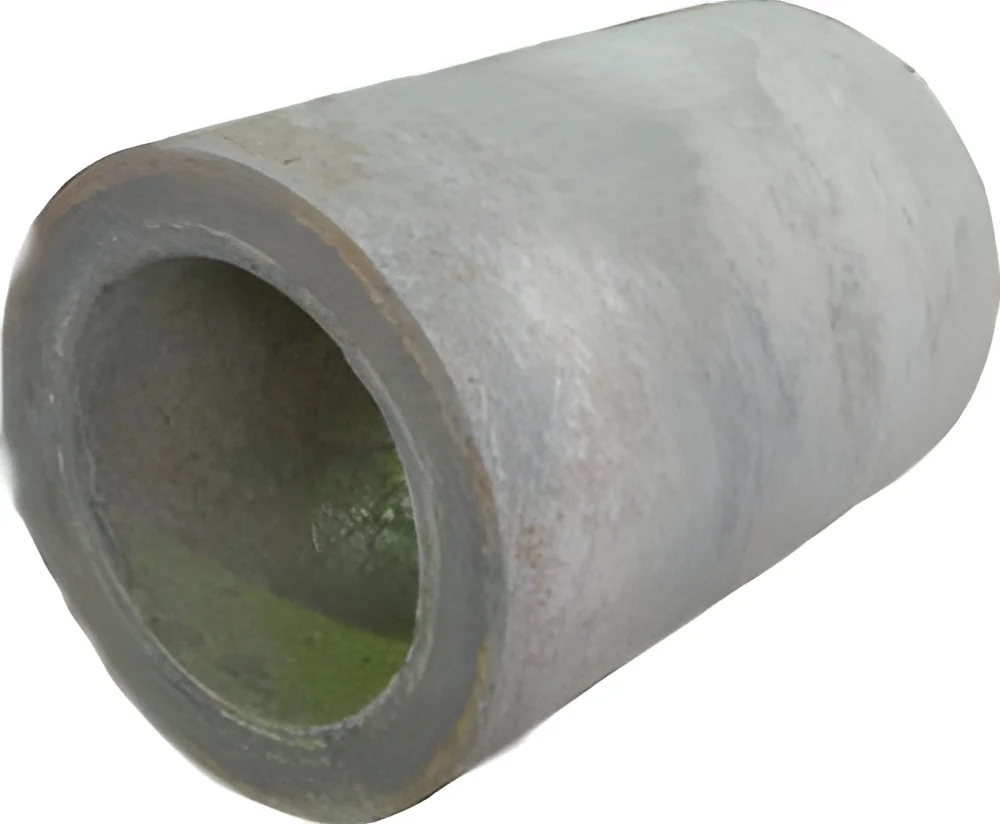
Mild Steel Rods
Mild steel rods are widely used in construction and manufacturing due to their cost-effectiveness and strength. They are often used for structural support and in the fabrication of various components.
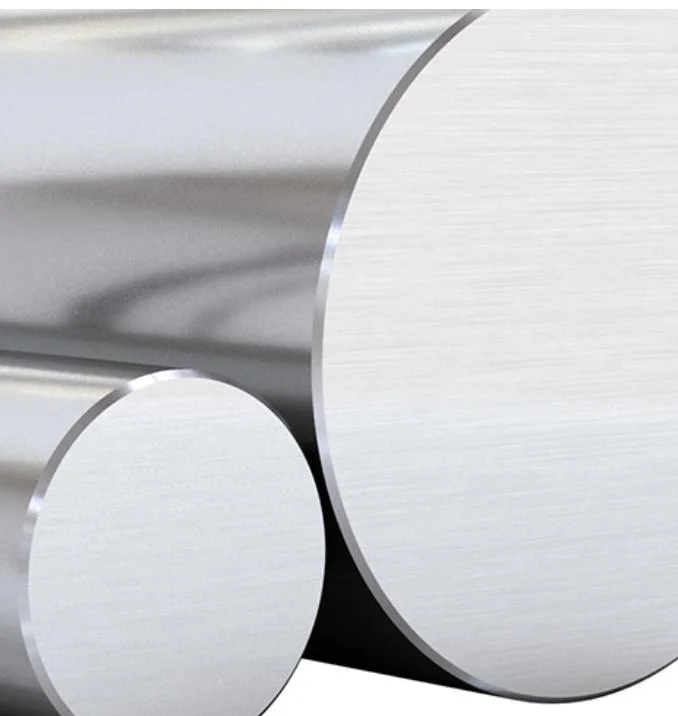
Stainless Steel Rods
Stainless steel rods are favored for their corrosion resistance and aesthetic appeal. They are commonly used in applications requiring hygiene, such as food processing and medical equipment.
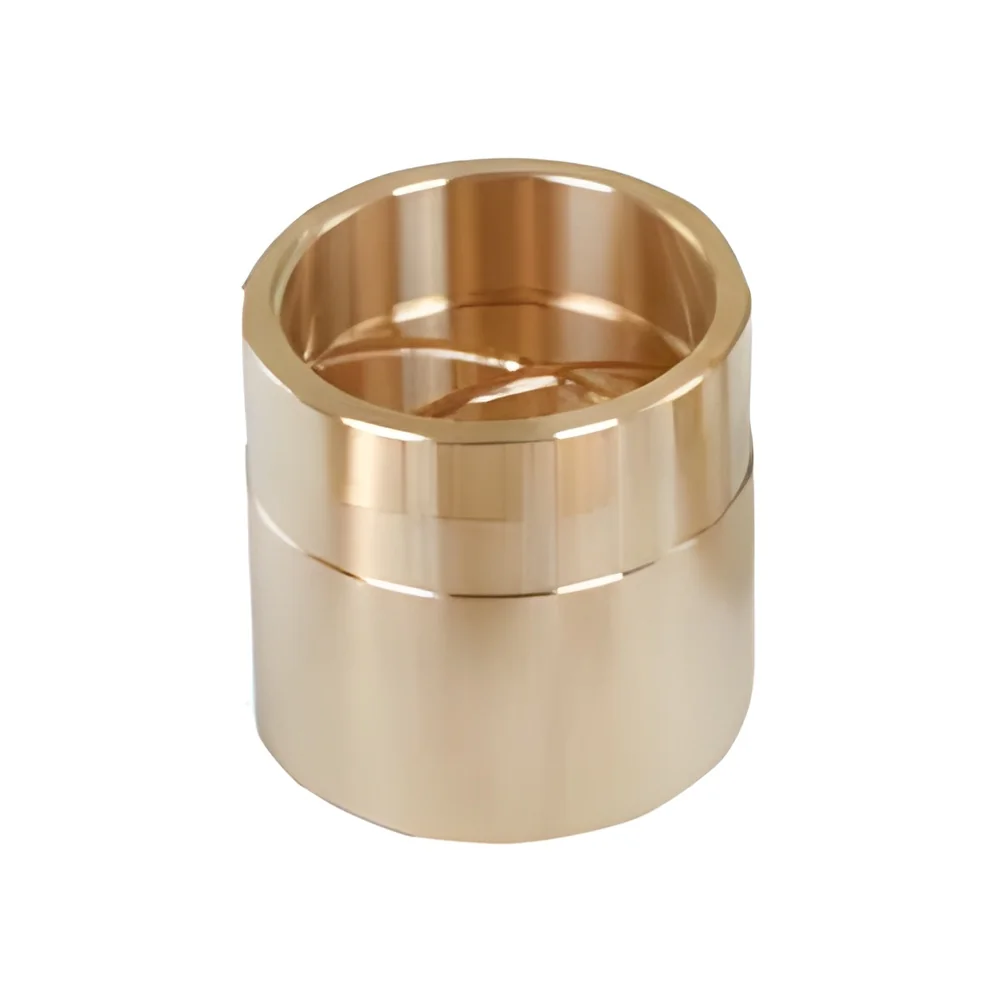
Copper Rods
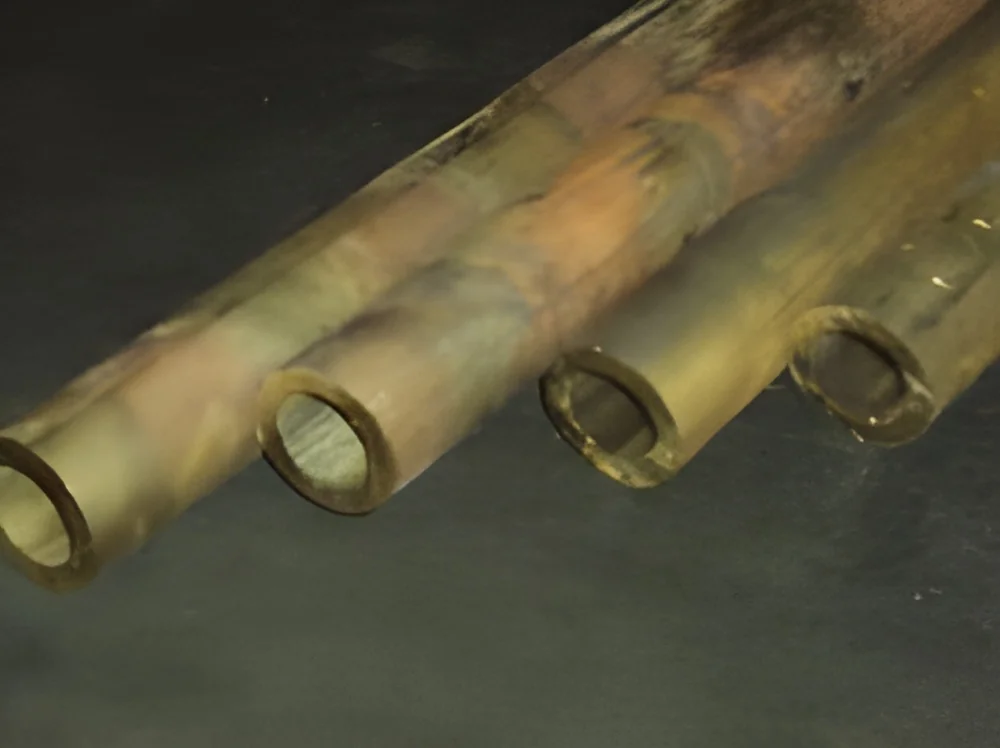
Copper rods are essential in electrical applications because of their high conductivity. They are used in wiring, electrical components, and in the production of copper alloys.
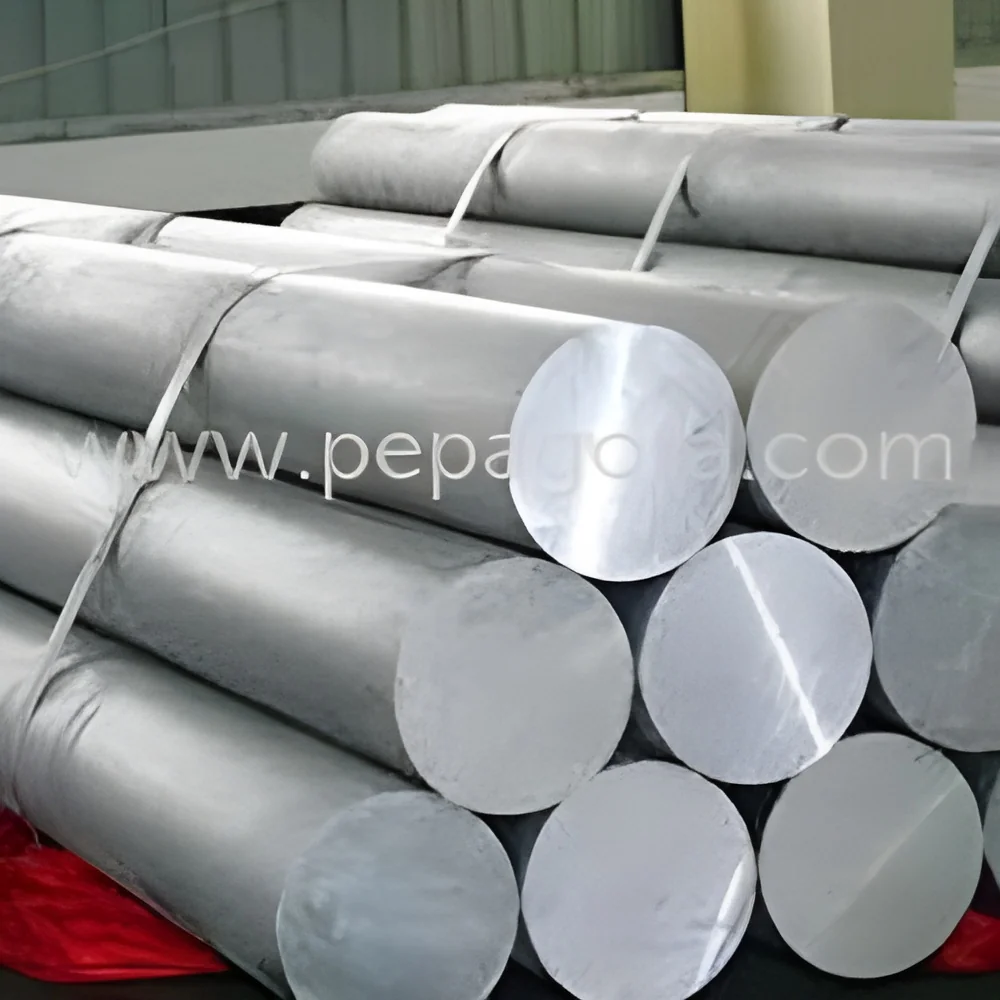
Aluminum Rods
Aluminum rods are lightweight and corrosion-resistant, making them ideal for applications in the automotive and aerospace industries. They are also used in manufacturing parts that require lower weight without compromising strength.
Benefits and Advantages
Choosing metal rods offers several advantages that enhance operational efficiency and product quality.
1. Durability: Metal rods are designed to withstand harsh environments, making them long-lasting and reliable in various applications.
2. Versatility: Available in multiple materials and sizes, metal rods can be used in diverse applications across different industries.
3. Strength: High tensile strength provides structural integrity, essential for construction and manufacturing uses.
4. Corrosion Resistance: Materials like stainless steel and aluminum offer resistance to corrosion, extending the life of products in adverse conditions.
5. Cost-Effectiveness: Mild steel rods provide an economical option without sacrificing performance, appealing to budget-conscious projects.
6. Customization: Many suppliers offer customization options, allowing businesses to obtain rods tailored to their specific requirements.
Buying Guide for B2B Buyers
When sourcing metal rods, B2B buyers should consider various factors to ensure they make informed purchasing decisions.
1. Quality Assessment: Evaluate the quality of metal rods by reviewing material certifications and conducting tests if necessary. Ensure they meet industry standards.
2. Supplier Verification: Vet suppliers by checking their reputation, reviews, and compliance with relevant regulations. A verified supplier can provide reliable and consistent products.
3. Pricing and MOQ: Understand the pricing structure and minimum order quantities. Compare quotes from multiple suppliers to ensure competitive pricing.
4. Delivery and Lead Times: Assess logistics and delivery timelines to align with project schedules. Confirm lead times with suppliers to avoid delays.
5. Compliance Requirements: Ensure that the rods comply with industry regulations and standards, such as CE certification, to avoid legal issues.
Compliance and Certifications
Compliance with industry standards and certifications is paramount for metal rods. Relevant quality standards like ISO 9001 ensure that products meet international quality management requirements. Certifications such as CE indicate that the products adhere to European safety and performance standards.
Additionally, safety and testing requirements must be followed to guarantee the reliability of metal rods in critical applications. Buyers should also consider regional compliance, as regulations can vary significantly between countries and regions. Ensuring compliance not only enhances product quality but also builds trust with customers.
Why Source Metal Rods (MS, SS, Copper, Aluminum) from Pepagora?
Pepagora provides a trusted platform for sourcing metal rods with several key advantages that cater to B2B buyers.
Verified Supplier Network: Pepagora connects buyers with a network of verified suppliers. This ensures that buyers can source quality products from reputable manufacturers.
Streamlined RFQ Process: The platform offers a streamlined Request for Quotation (RFQ) process, making it easy for buyers to obtain competitive quotations from multiple suppliers.
Trade Assurance and Support: Buyers benefit from trade assurance, protecting their investments and ensuring that transactions are secure. Pepagora also provides support throughout the purchasing process.
Regional Coverage: With a wide geographic reach across India, the GCC, and Southeast Asia, Pepagora enables buyers to access a diverse range of suppliers and products tailored to their regional needs.
By choosing Pepagora, businesses can simplify their procurement processes and enhance their sourcing strategies for metal rods.






Frequently Asked Questions
What are Metal Rods (MS, SS, Copper, Aluminum)?
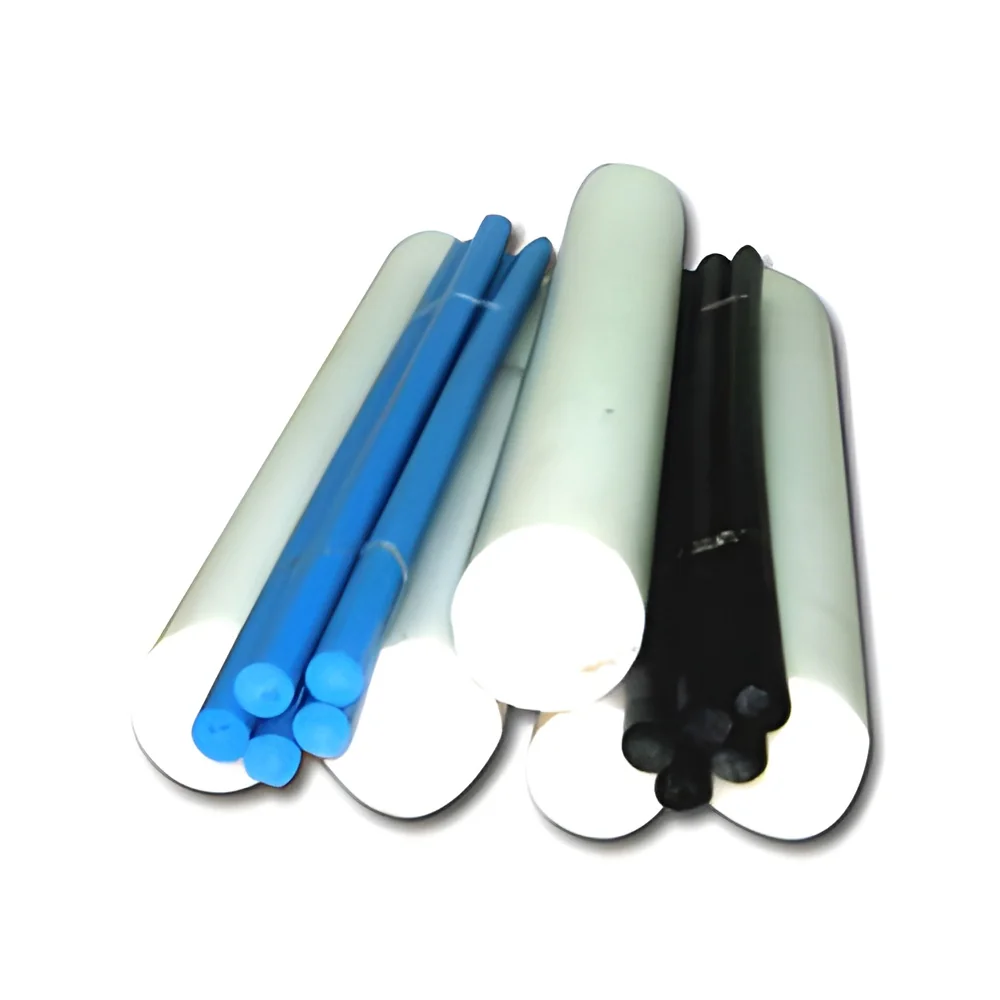
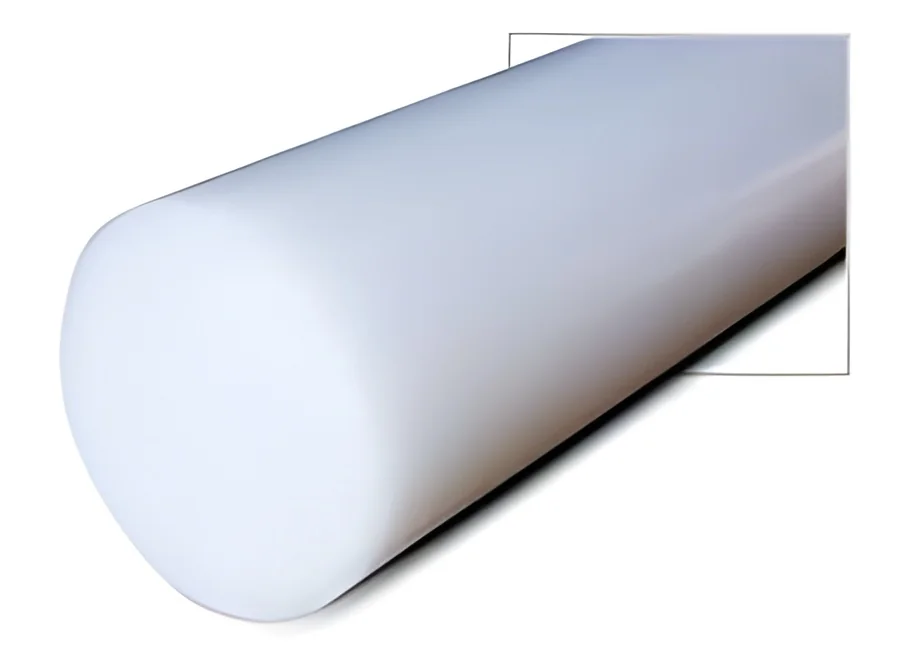
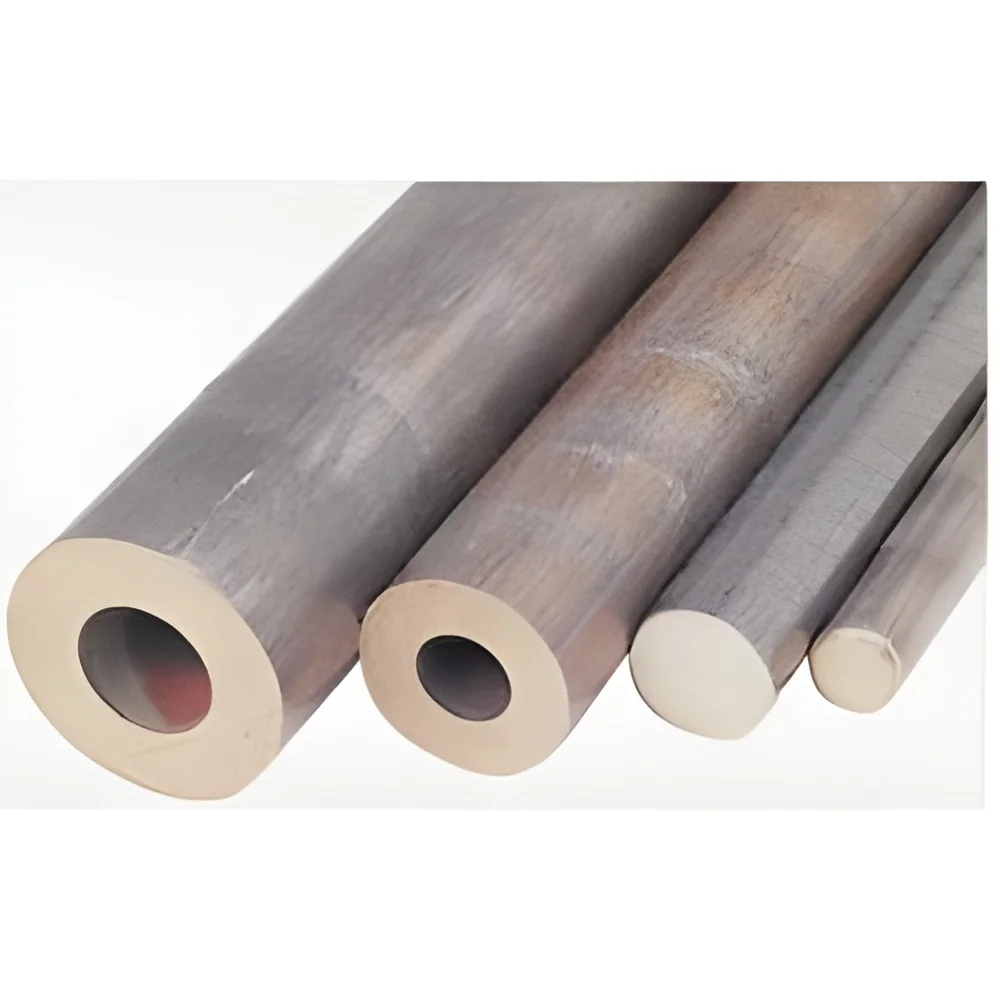
Metal rods are long, cylindrical pieces made from various metals, including Mild Steel (MS), Stainless Steel (SS), Copper, and Aluminum. They are widely used in construction, manufacturing, and various industrial applications due to their strength, durability, and versatility.
What are the different types of Metal Rods (MS, SS, Copper, Aluminum)?
The main types of metal rods include Mild Steel (MS) rods, which are known for their strength and low cost; Stainless Steel (SS) rods, which offer corrosion resistance; Copper rods, valued for their excellent conductivity; and Aluminum rods, which are lightweight and resistant to corrosion. Each type has unique properties suitable for specific applications.
How do I choose the right Metal Rods (MS, SS, Copper, Aluminum)?
Choosing the right metal rods involves considering factors such as the intended application, environmental conditions, and mechanical properties required. It is also important to assess the compatibility of the metal with other materials and the required dimensions to ensure optimal performance.
What are the standard specifications for Metal Rods (MS, SS, Copper, Aluminum)?
Standard specifications for metal rods vary by type but typically include dimensions such as diameter and length, material grade, and tensile strength. For instance, IS 2062 is a common specification for Mild Steel rods in India, while ASTM A36 is often referenced for structural steel applications.
What is the price range for Metal Rods (MS, SS, Copper, Aluminum)?
The price range for metal rods can vary significantly based on the type of metal, grade, and market conditions. Generally, Mild Steel rods are less expensive, while Stainless Steel, Copper, and Aluminum rods tend to be priced higher due to their specific properties and applications.
What quality standards apply to Metal Rods (MS, SS, Copper, Aluminum)?
Quality standards for metal rods are essential to ensure performance and safety. Common standards include ISO 9001 for general quality management and specific standards like ASTM, IS, or EN for different materials, ensuring compliance with industry-specific requirements.
Where can I find Metal Rods (MS, SS, Copper, Aluminum) suppliers in India?
You can find Metal Rods suppliers in India through various channels, including B2B marketplaces like Pepagora, trade shows, and local industrial suppliers. It is advisable to compare multiple suppliers for pricing, quality, and delivery options.
Can Metal Rods (MS, SS, Copper, Aluminum) be customized?
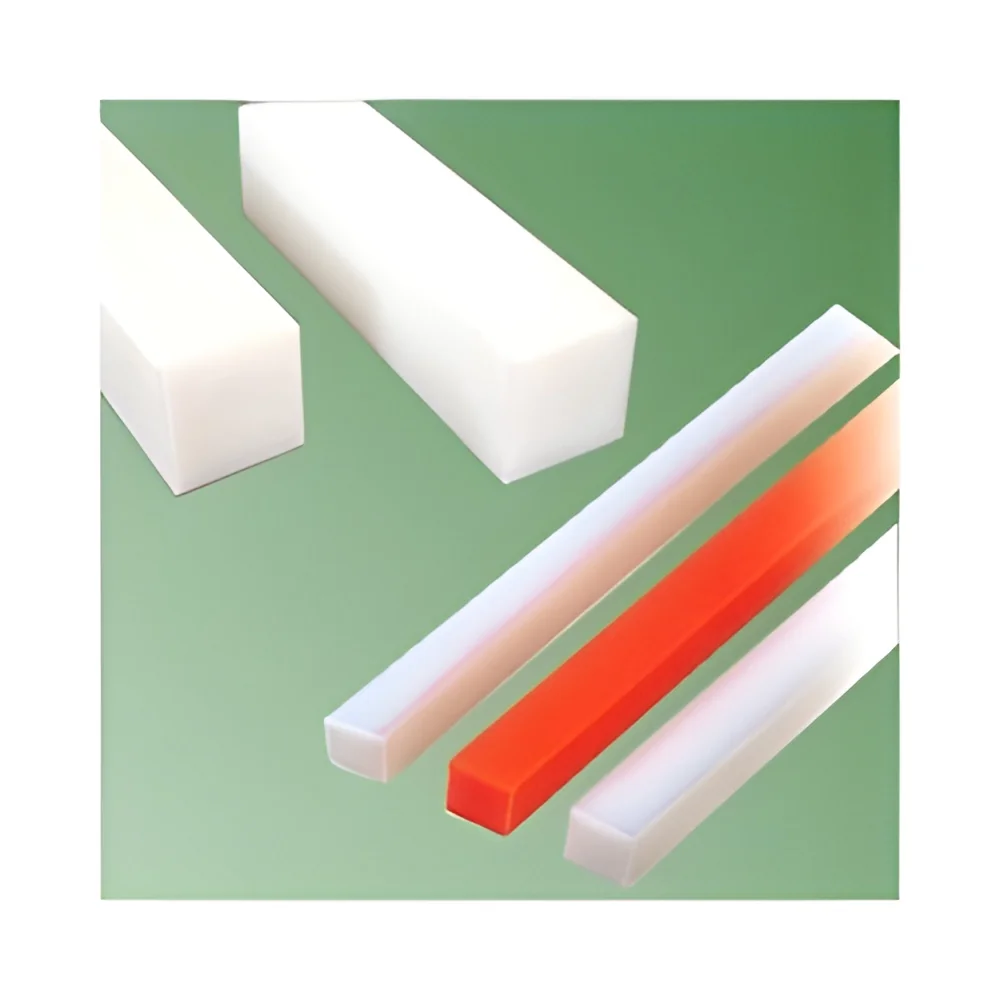
Yes, Metal Rods can often be customized to meet specific requirements such as size, shape, and material grade. Many manufacturers offer customization options based on customer specifications to suit particular applications.
What is the typical minimum order quantity for Metal Rods (MS, SS, Copper, Aluminum)?
The minimum order quantity (MOQ) for Metal Rods varies by supplier and the type of metal. Generally, MOQs can range from a few kilograms to several tons, depending on the manufacturer and the specific requirements of the order.
What is the typical lead time for Metal Rods (MS, SS, Copper, Aluminum)?
The lead time for Metal Rods typically varies based on the supplier and the complexity of the order. Standard lead times can range from a few days to several weeks, especially if customization or large quantities are involved.
Why Businesses Trust Pepagora
Thousands of companies trust Pepagora to source smarter and sell faster
Expand Your Sales Globally

Source Smarter,Grow Faster
