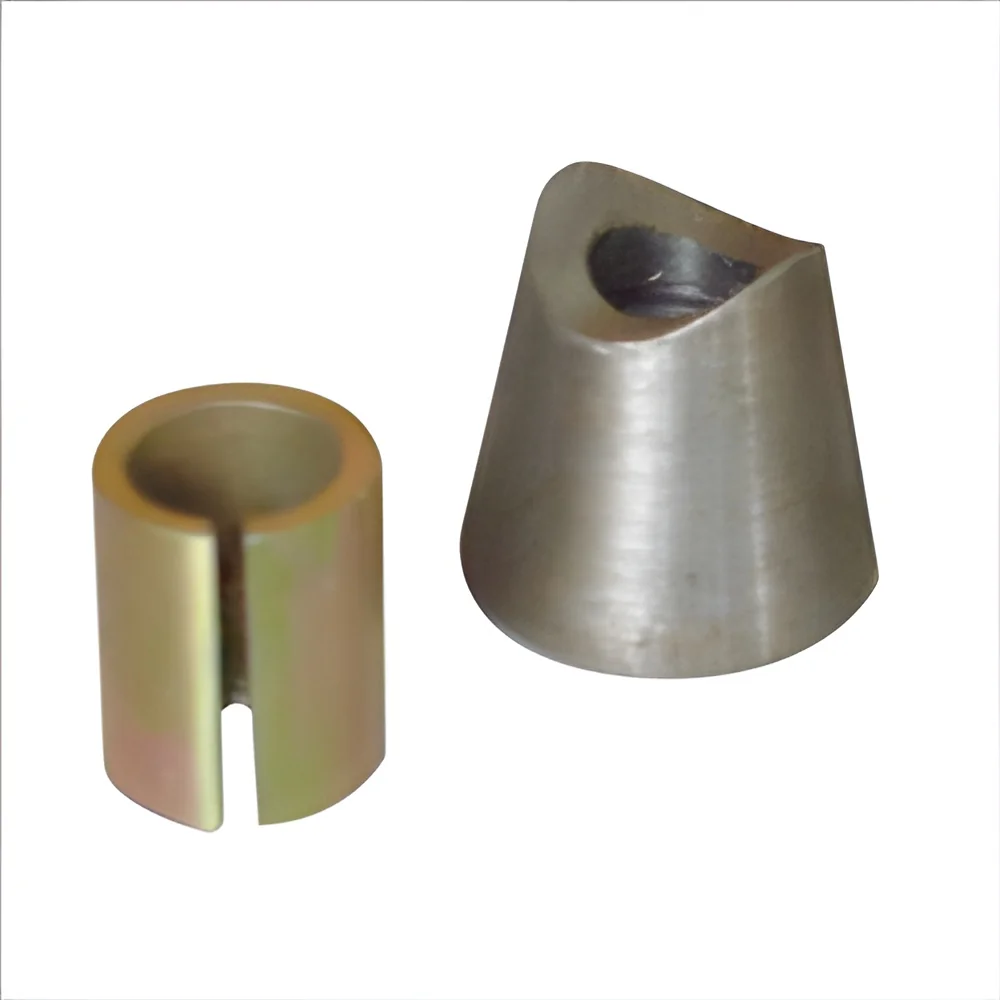
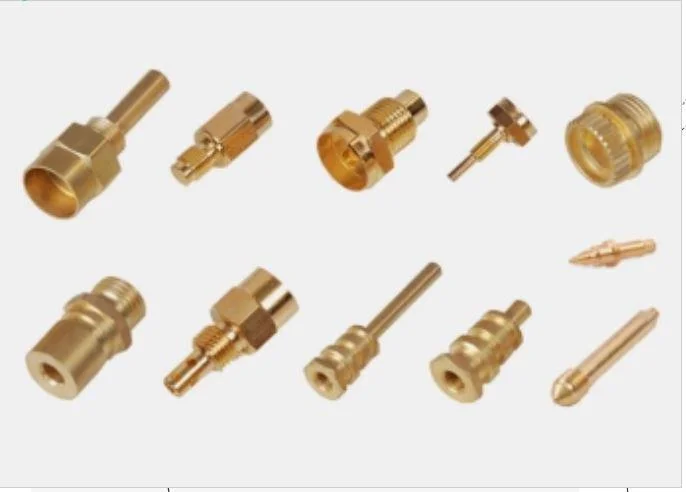
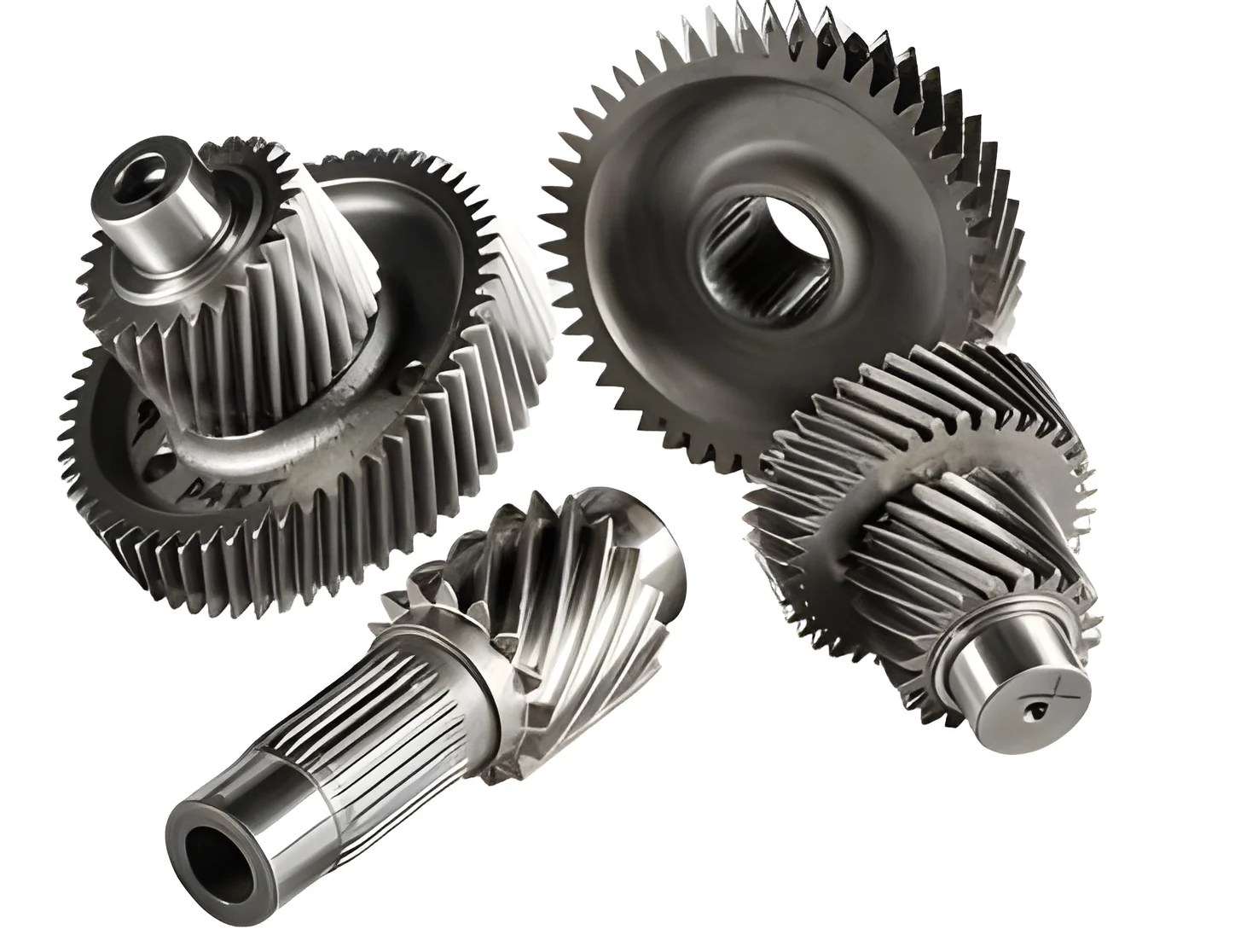
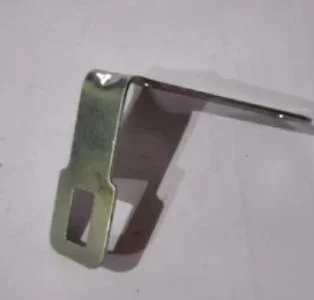
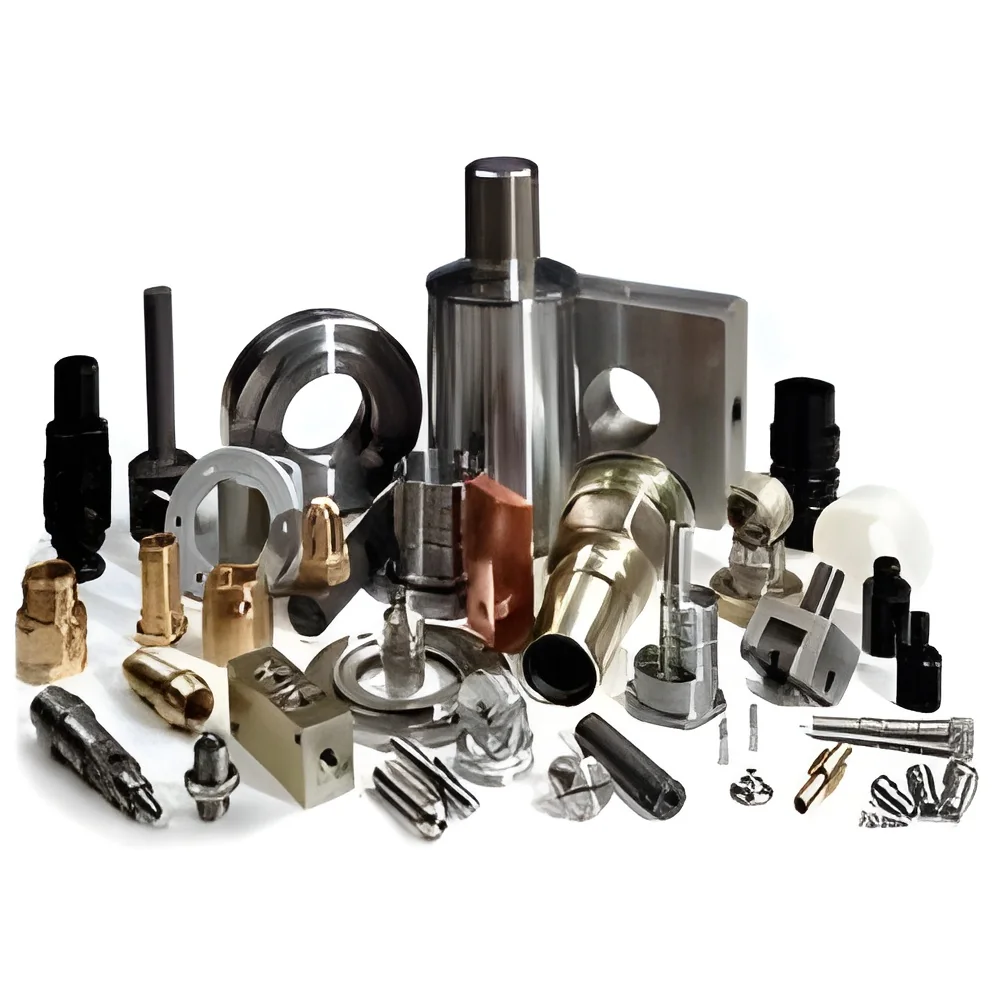
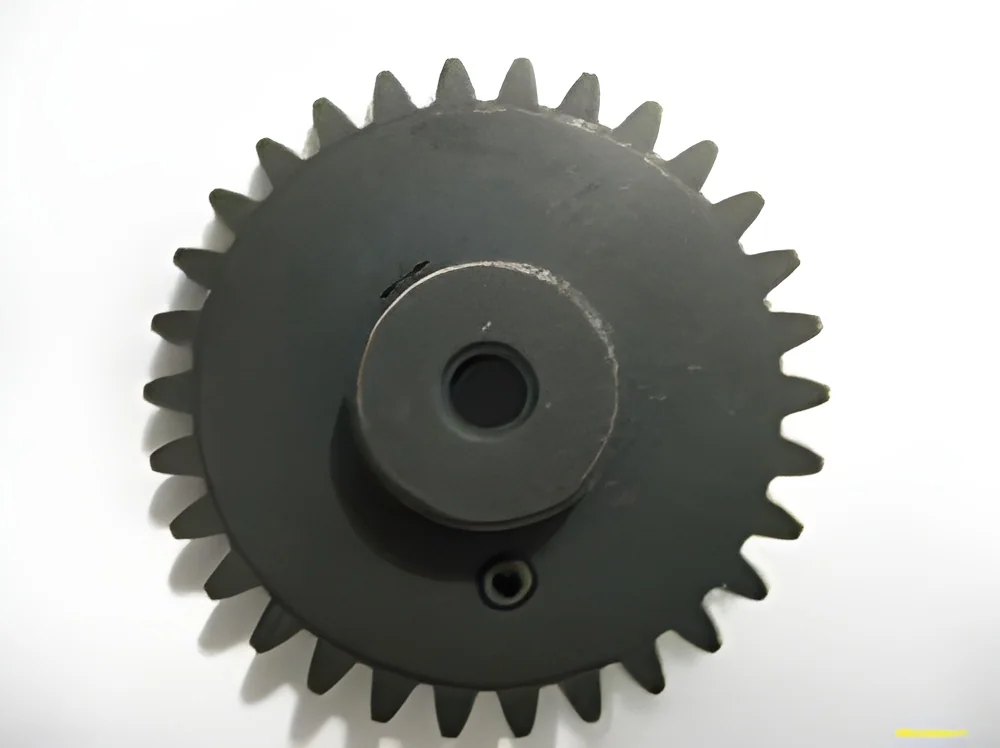
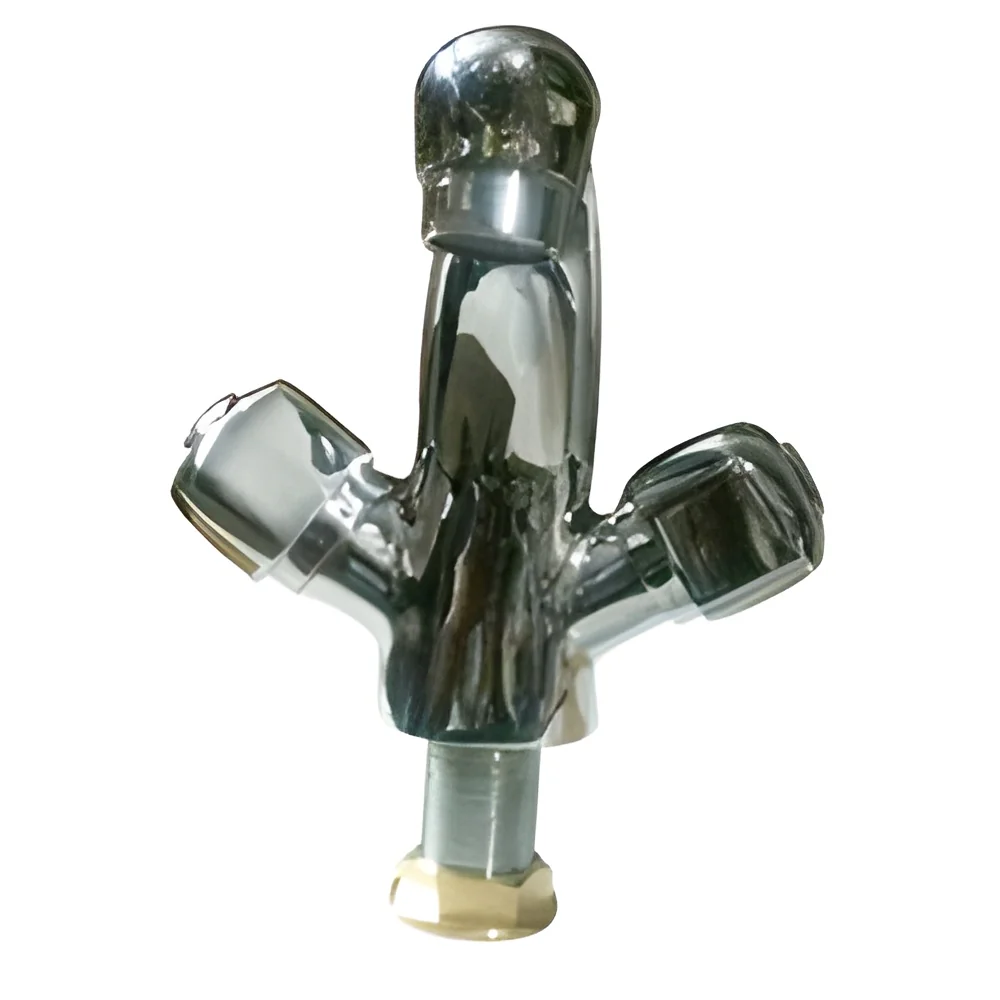
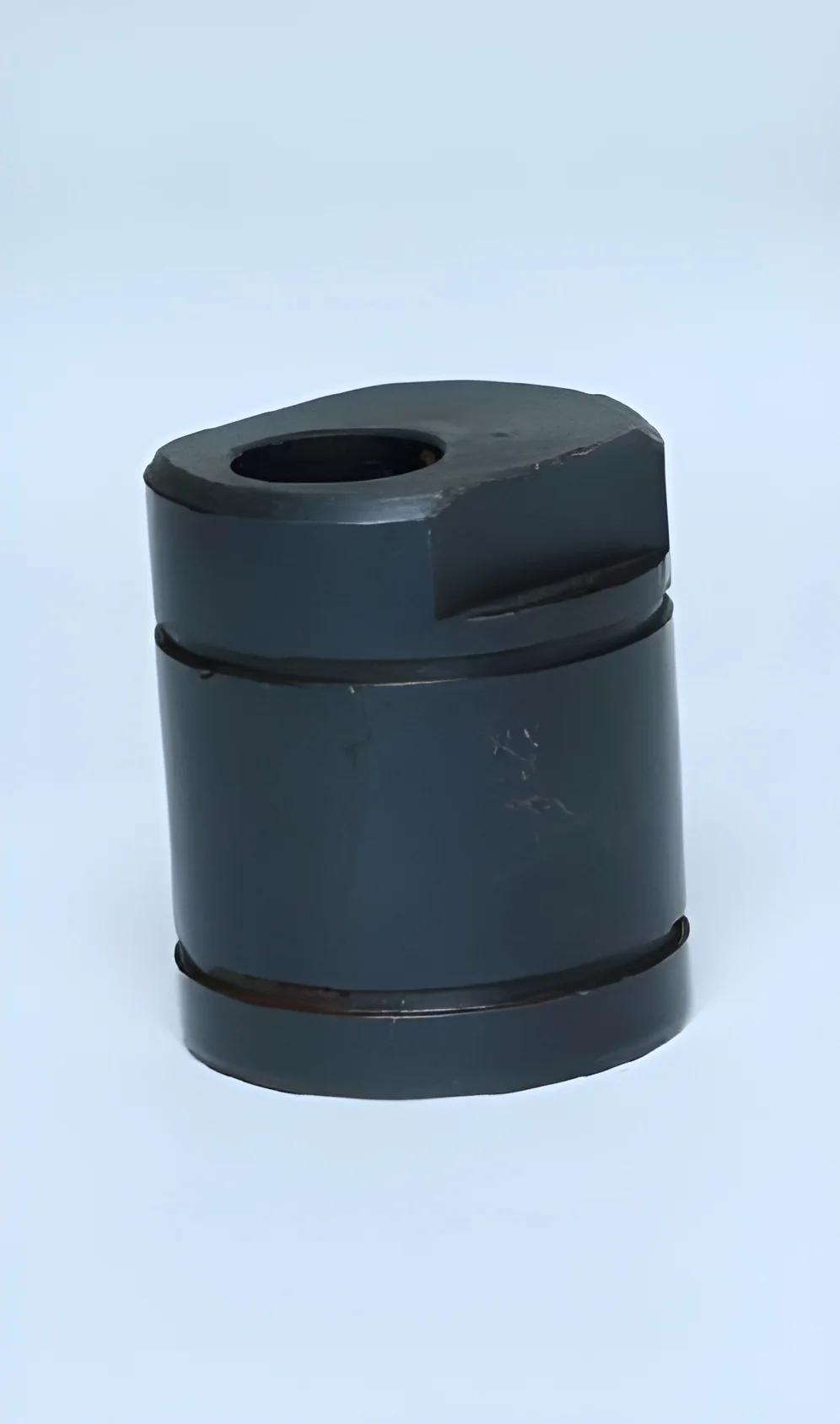
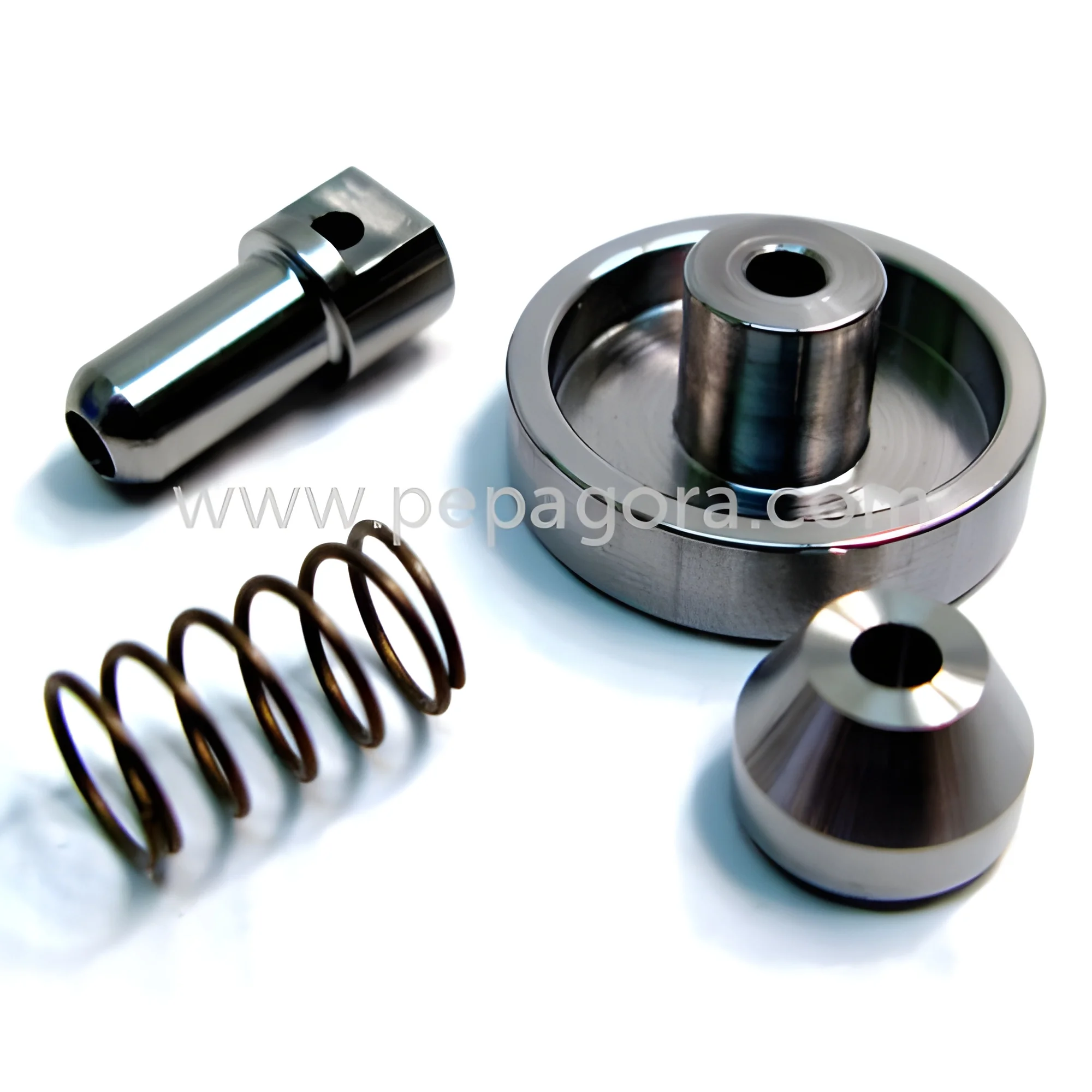
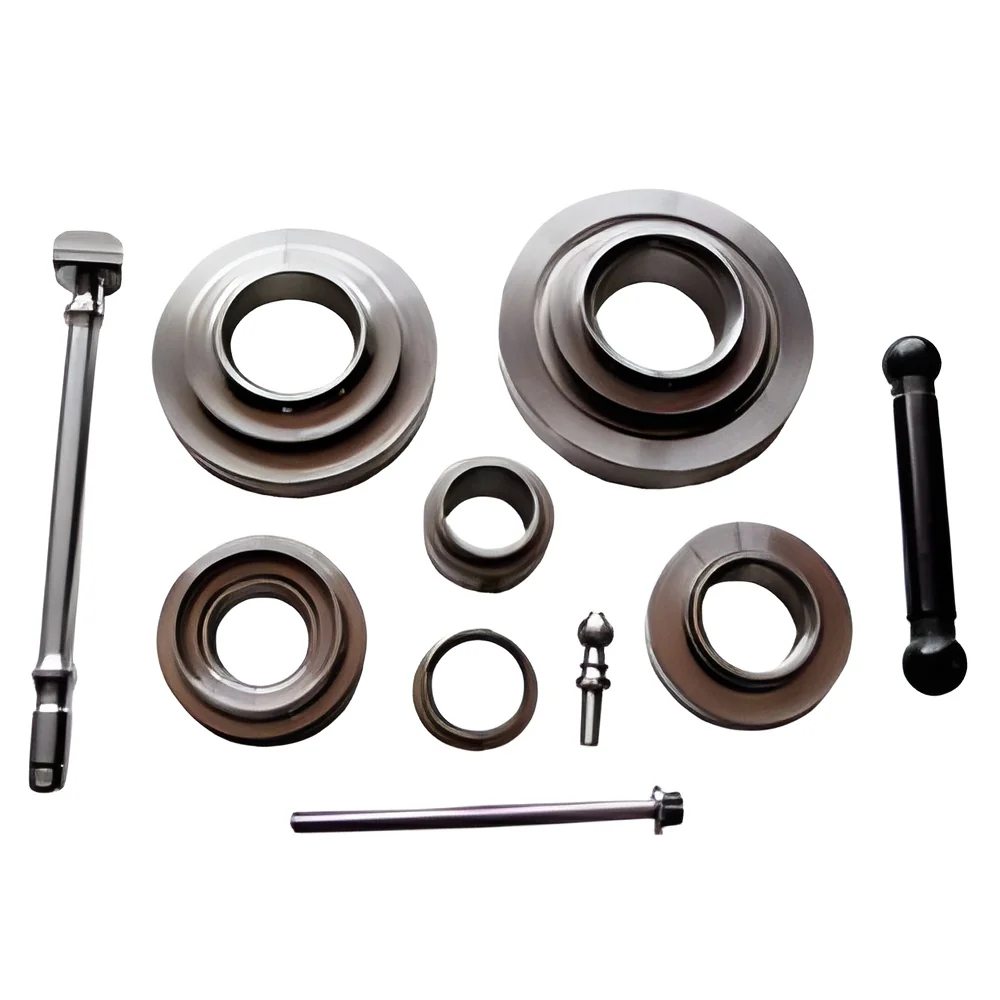
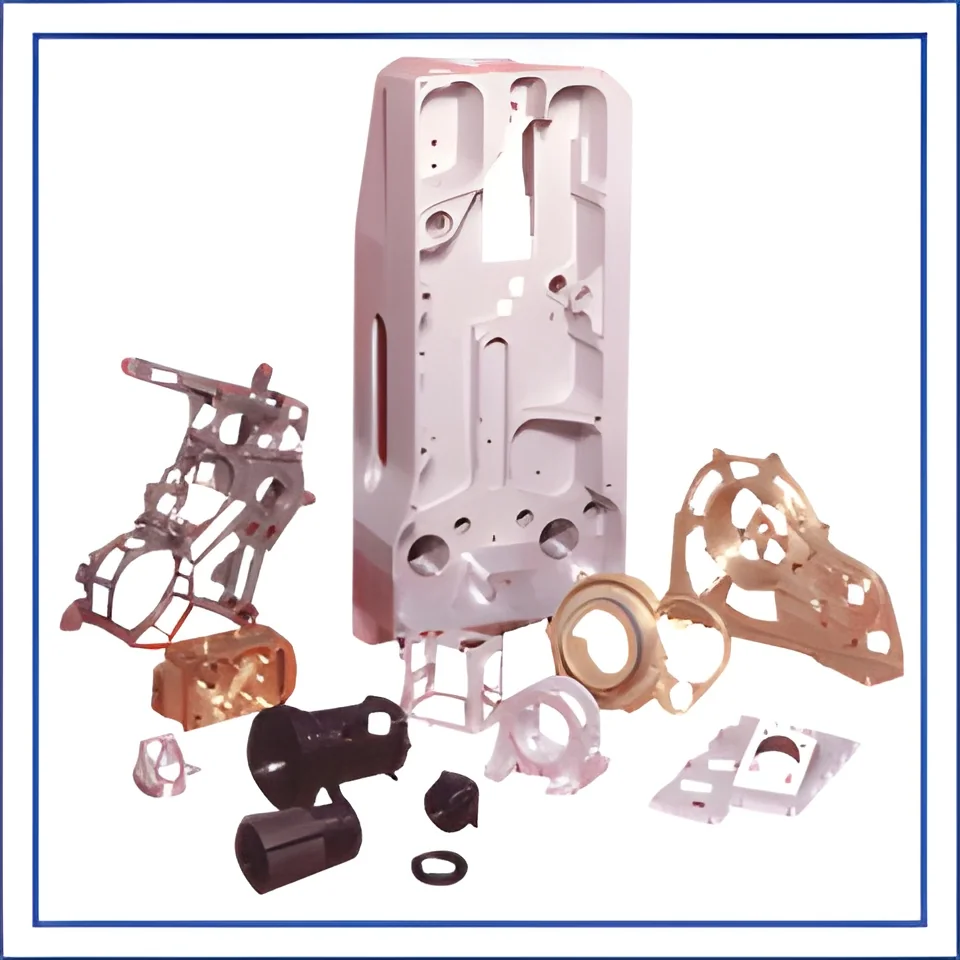
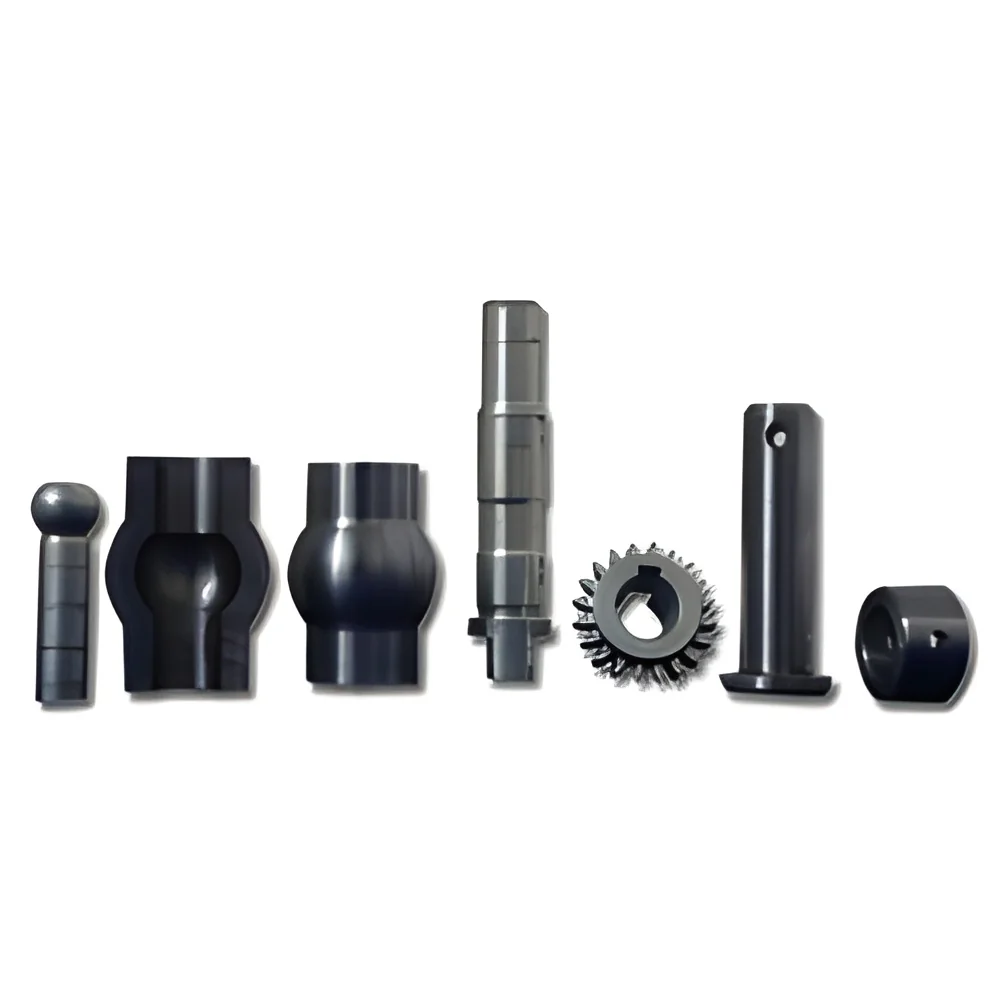
What are Precision Metal Parts?
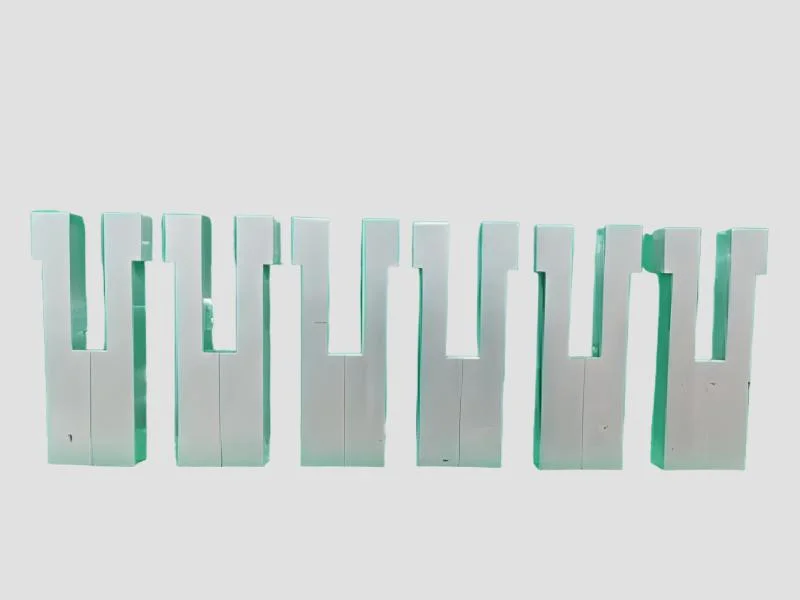
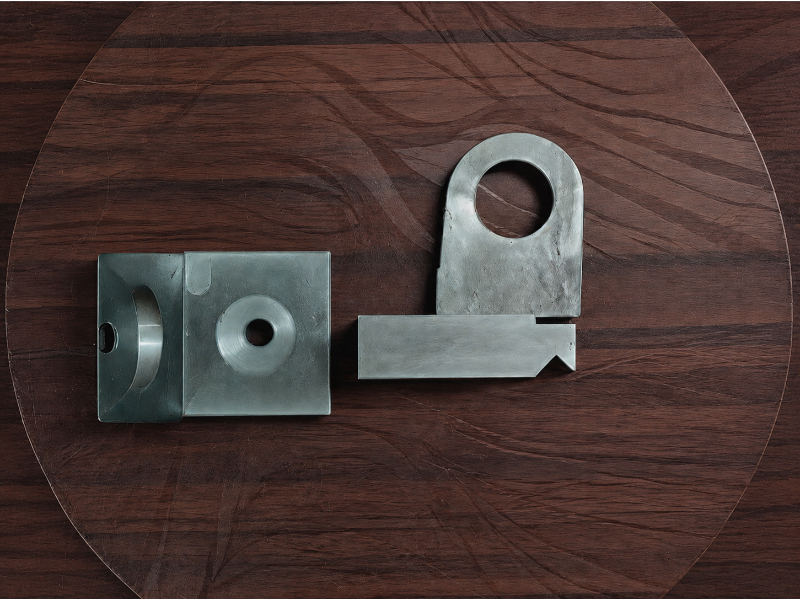
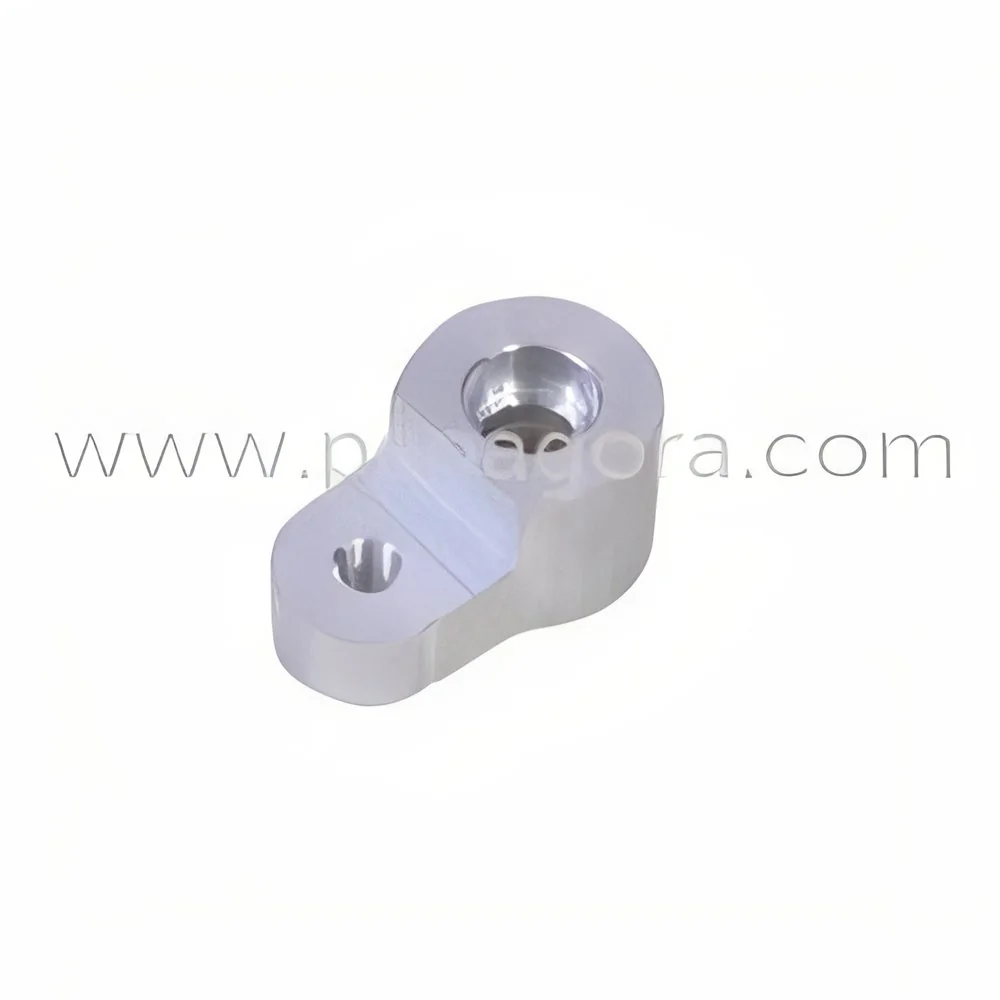
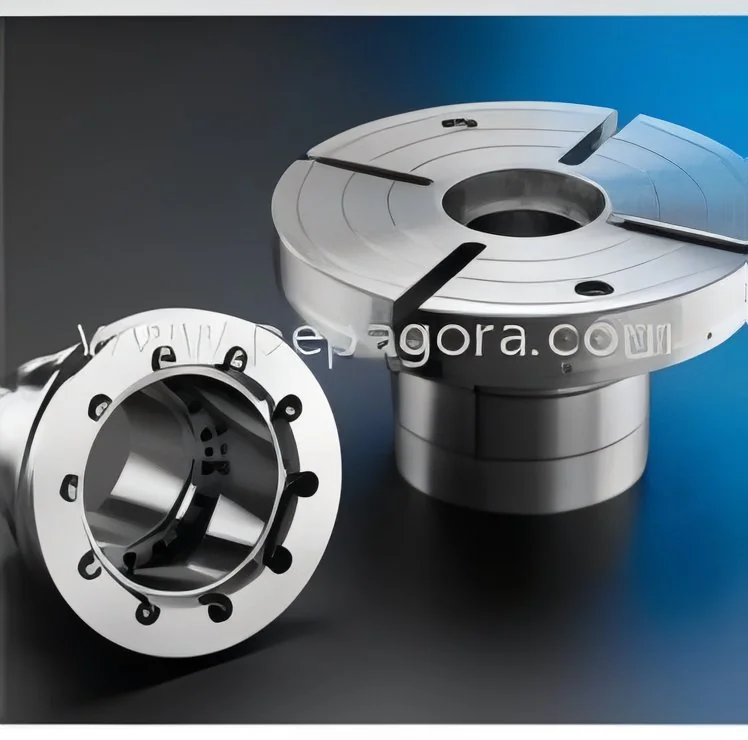
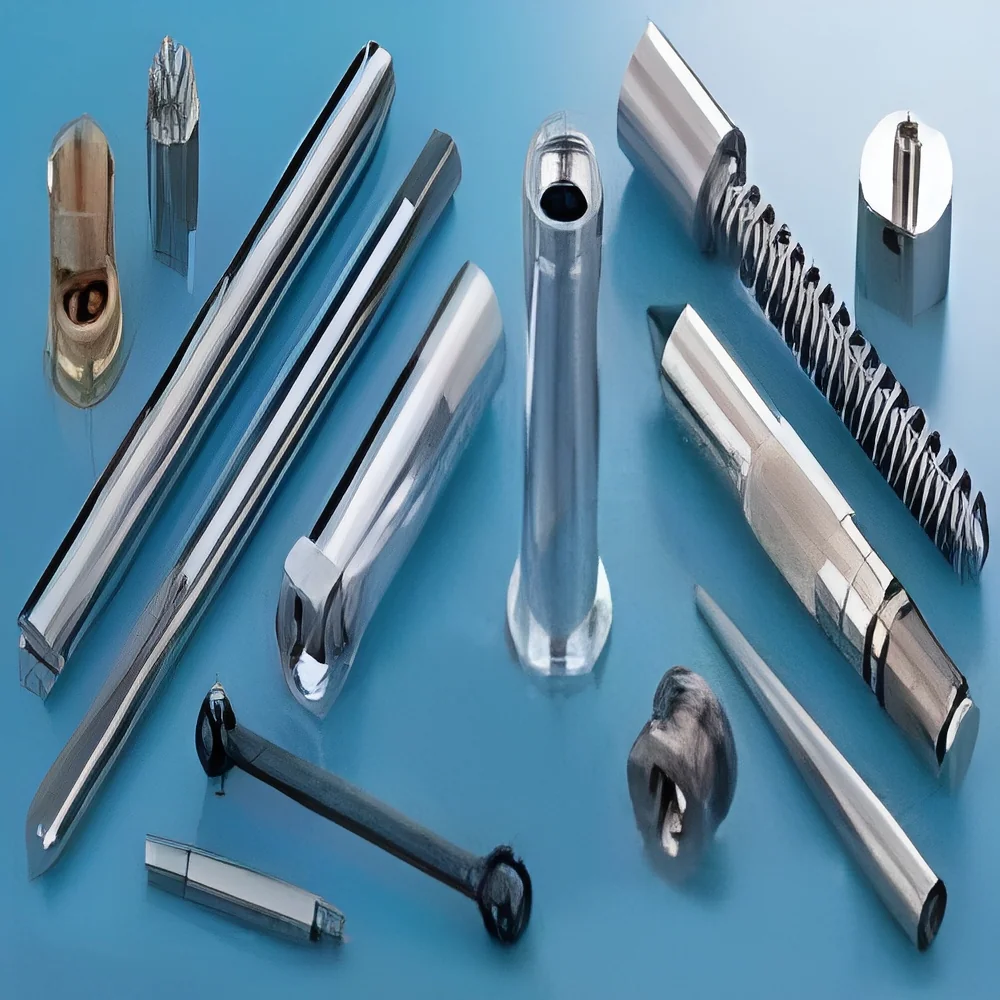
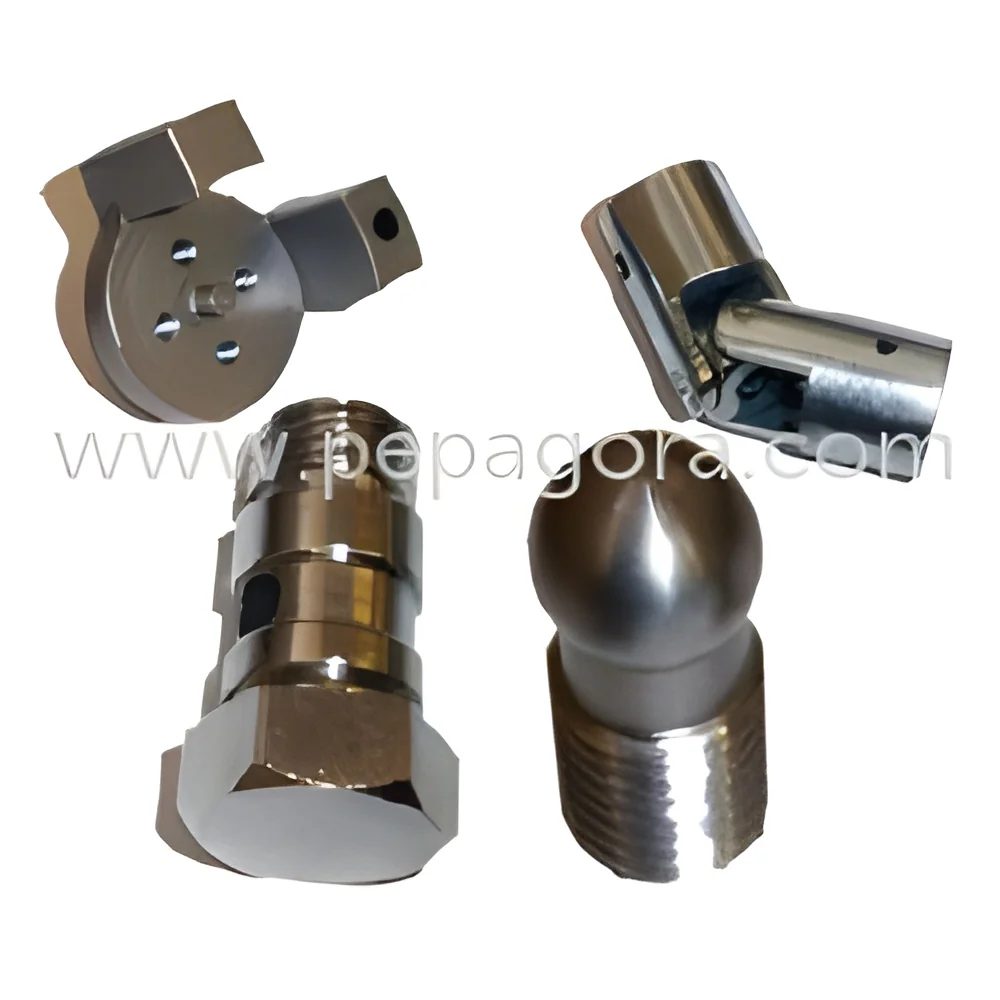
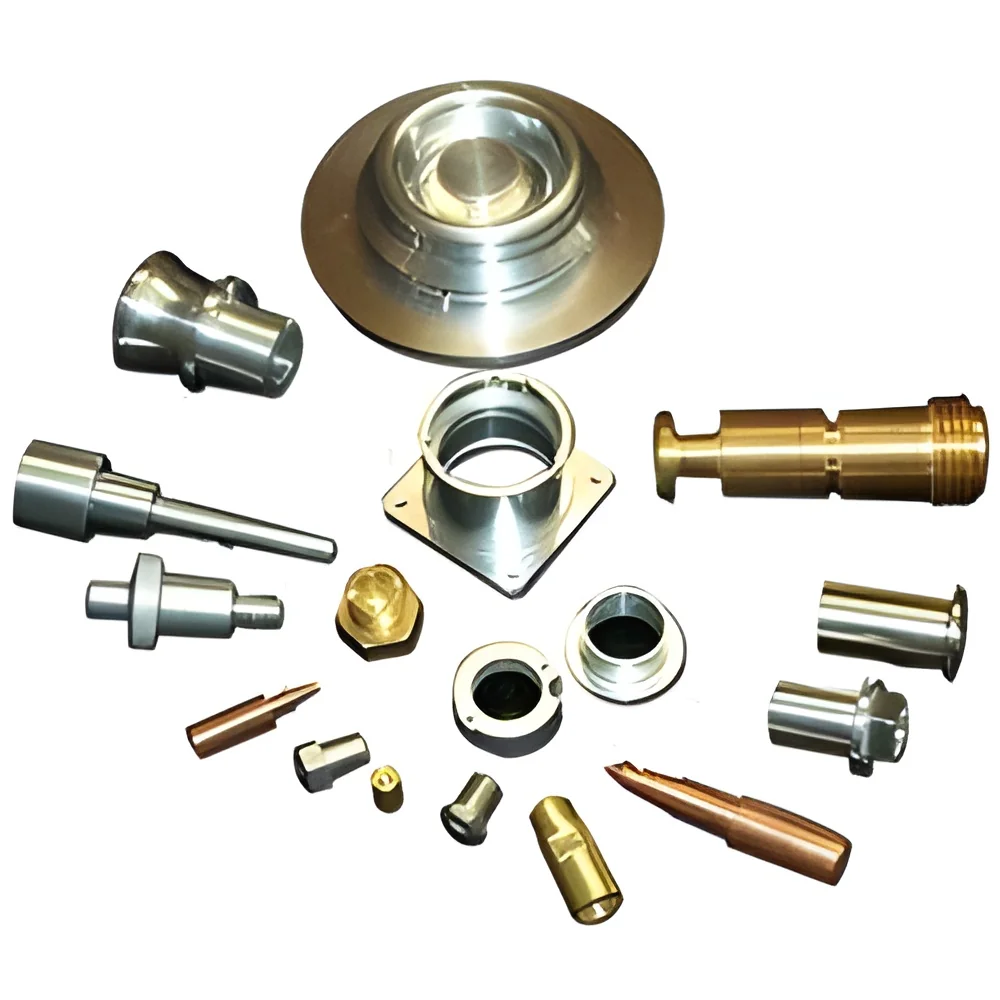
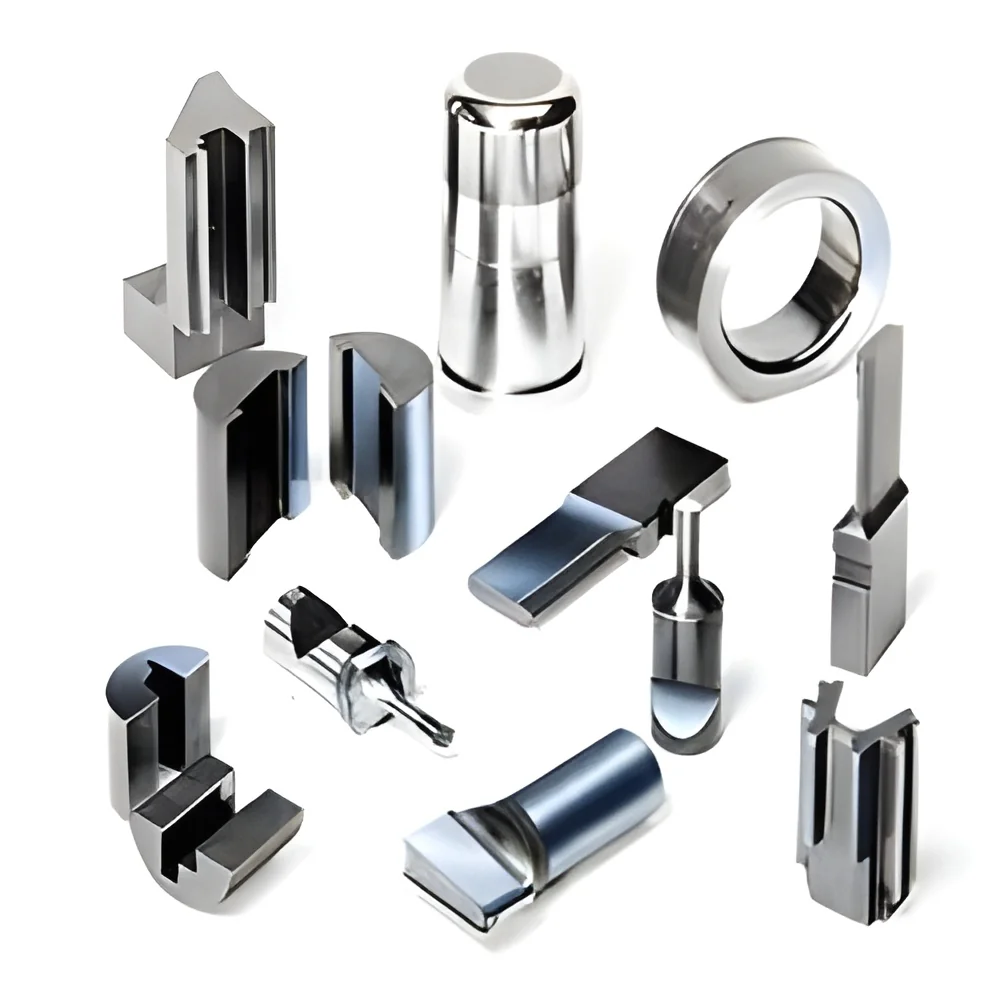
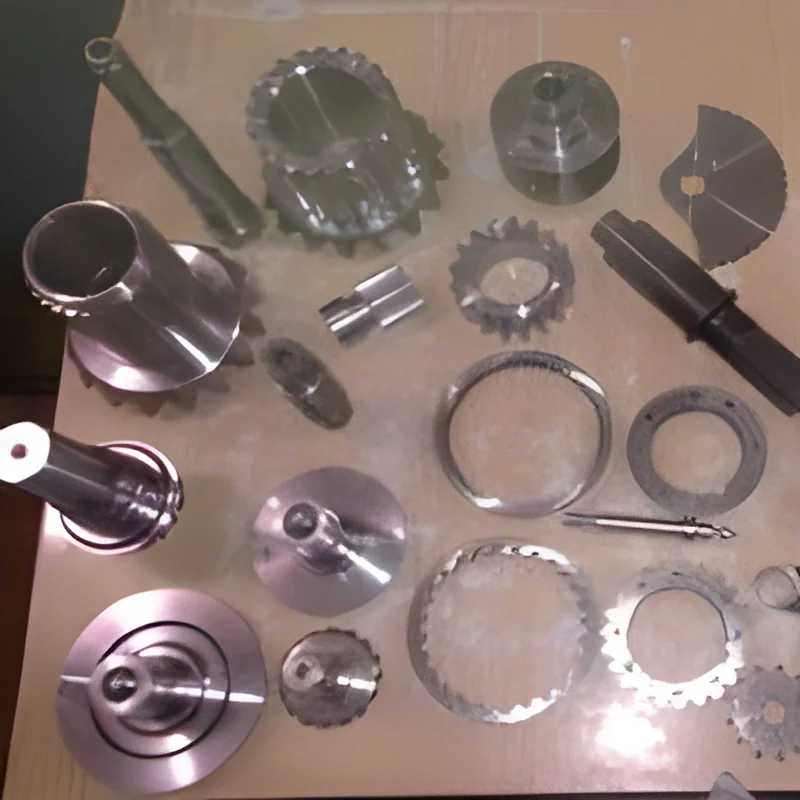
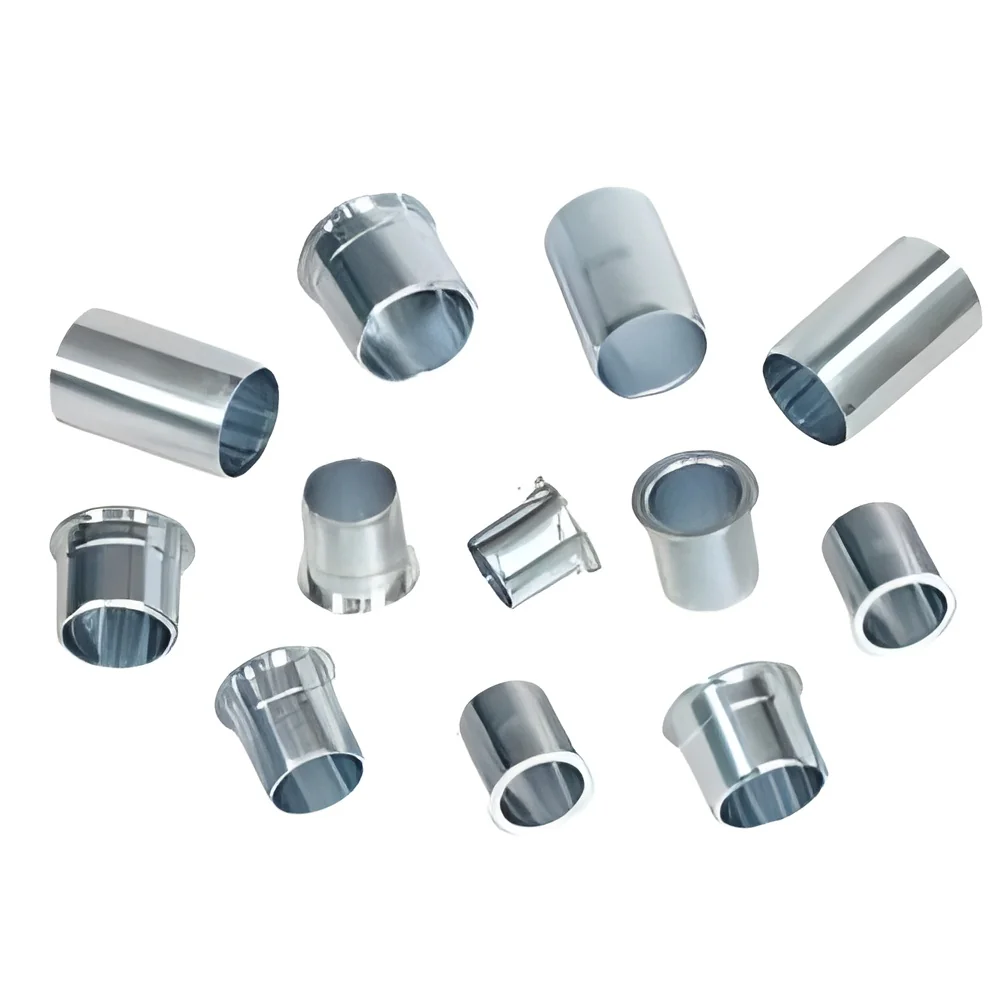
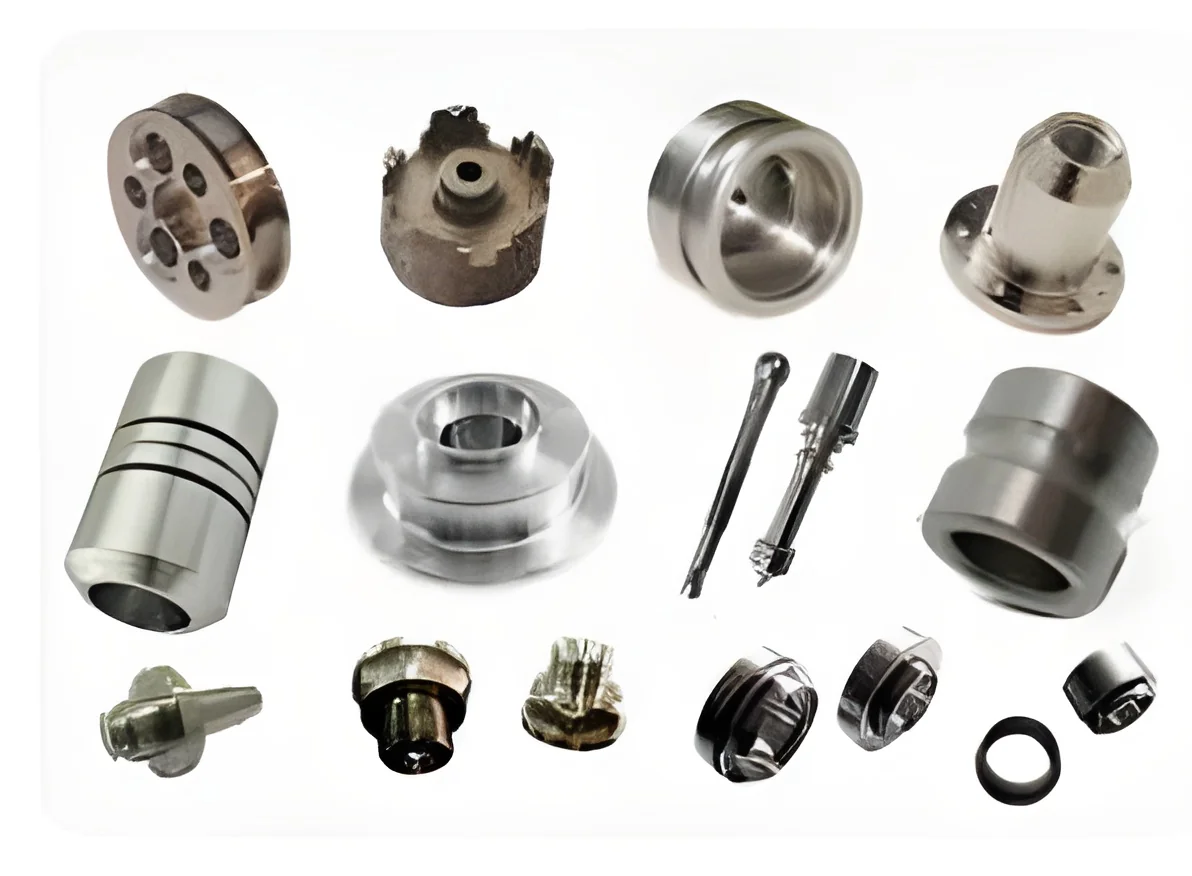
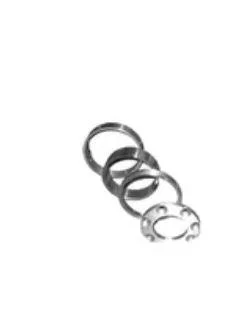
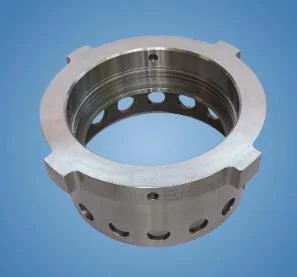
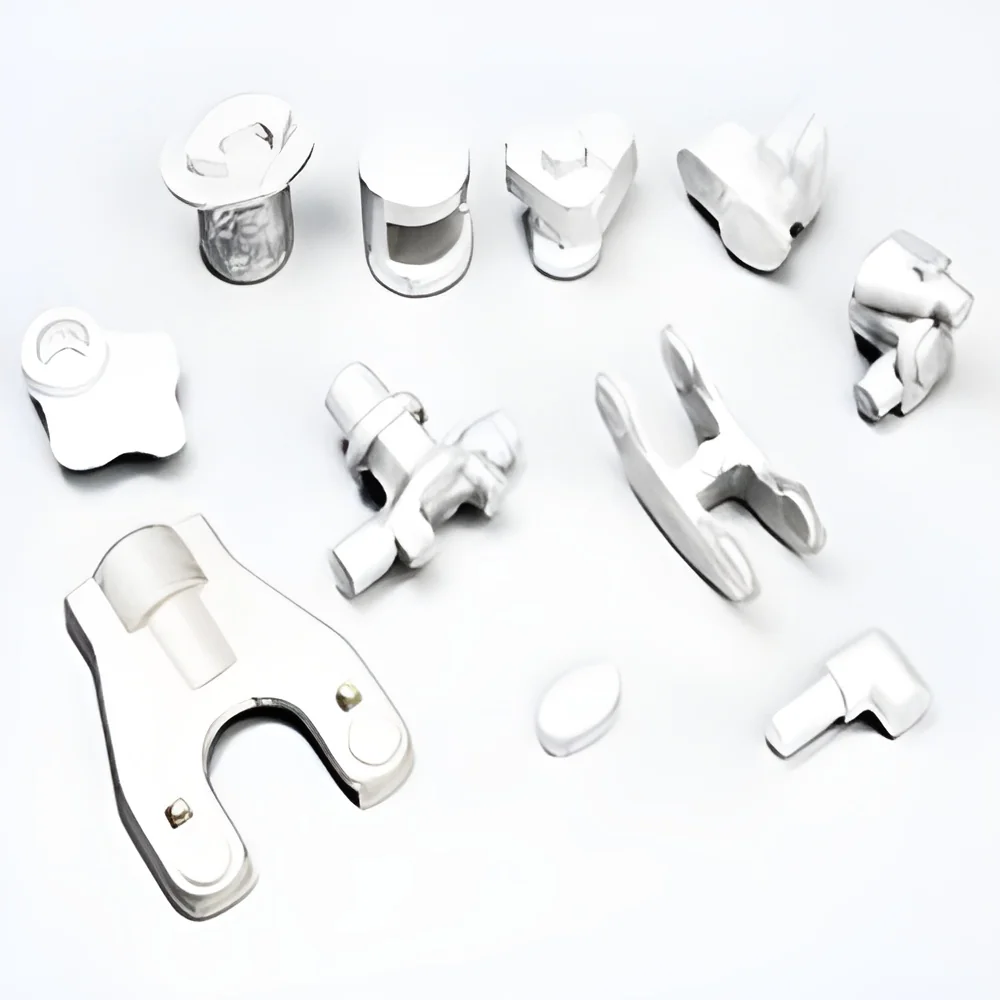
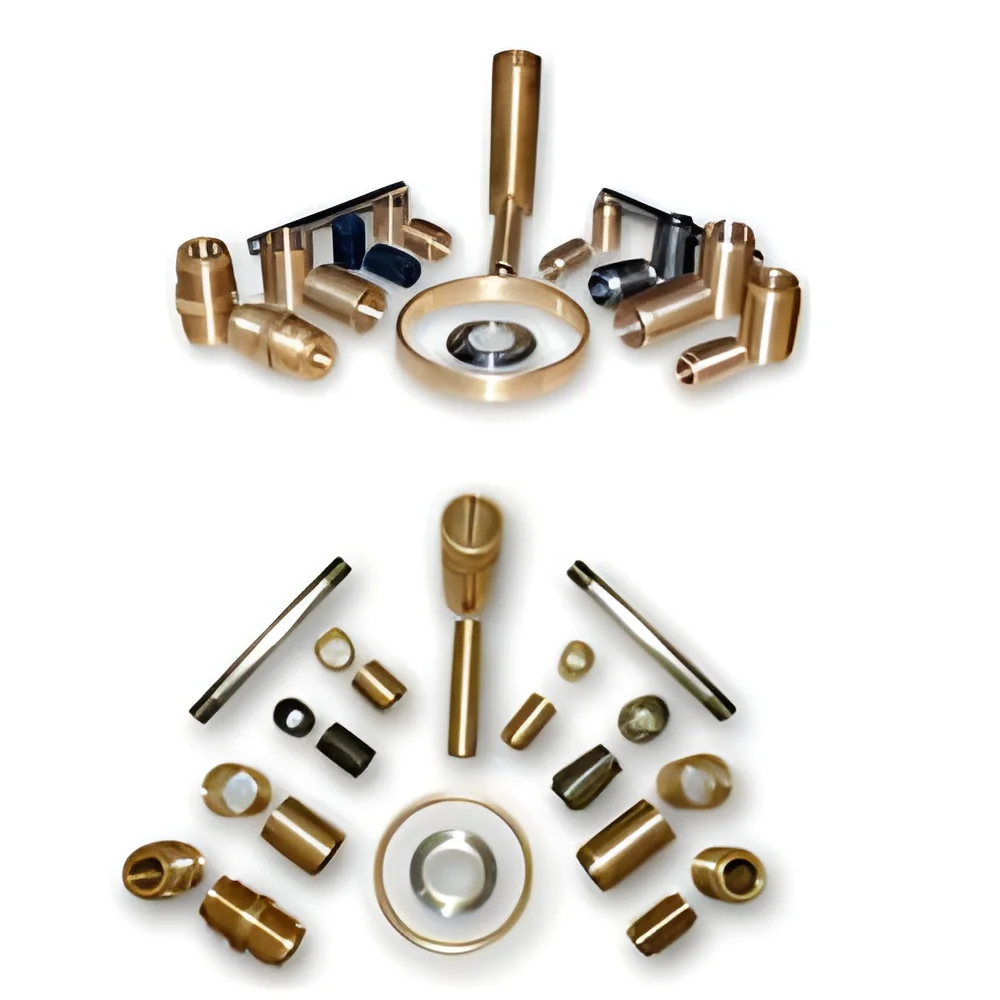
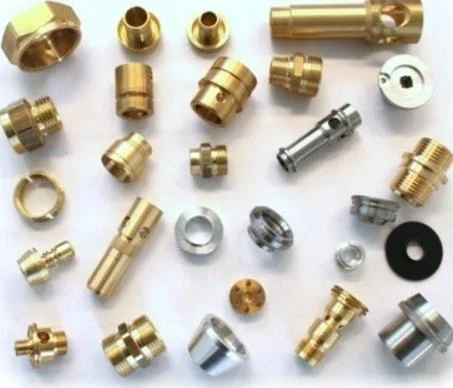
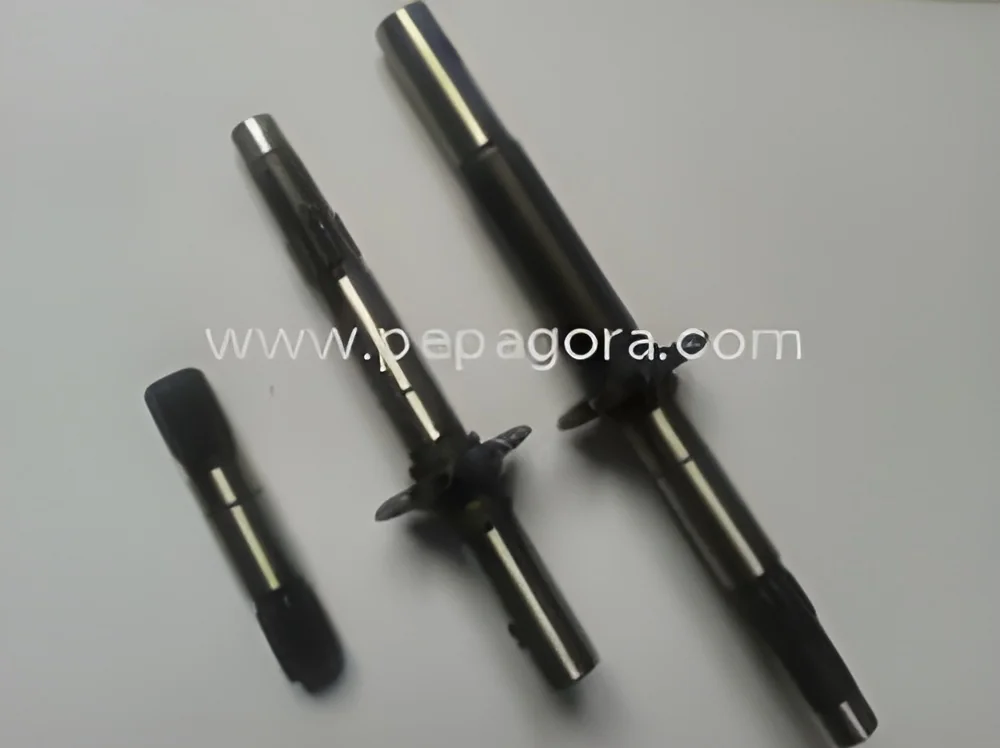
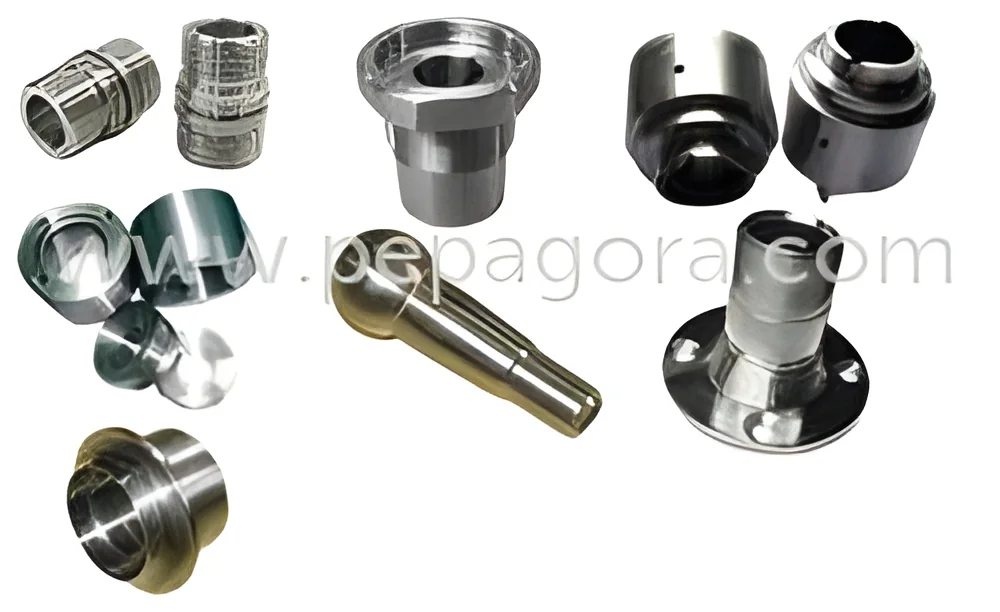
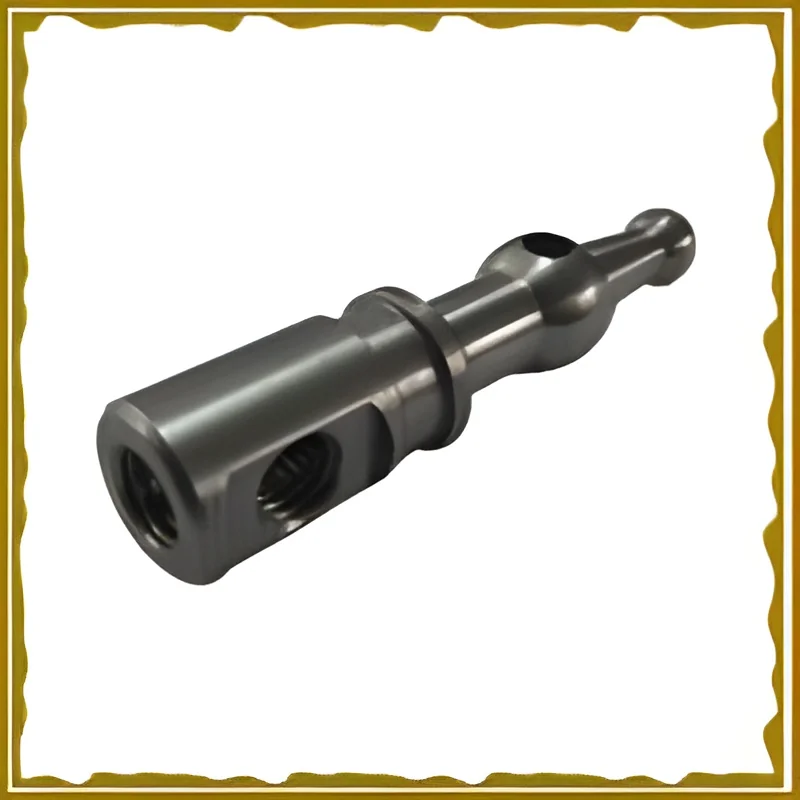
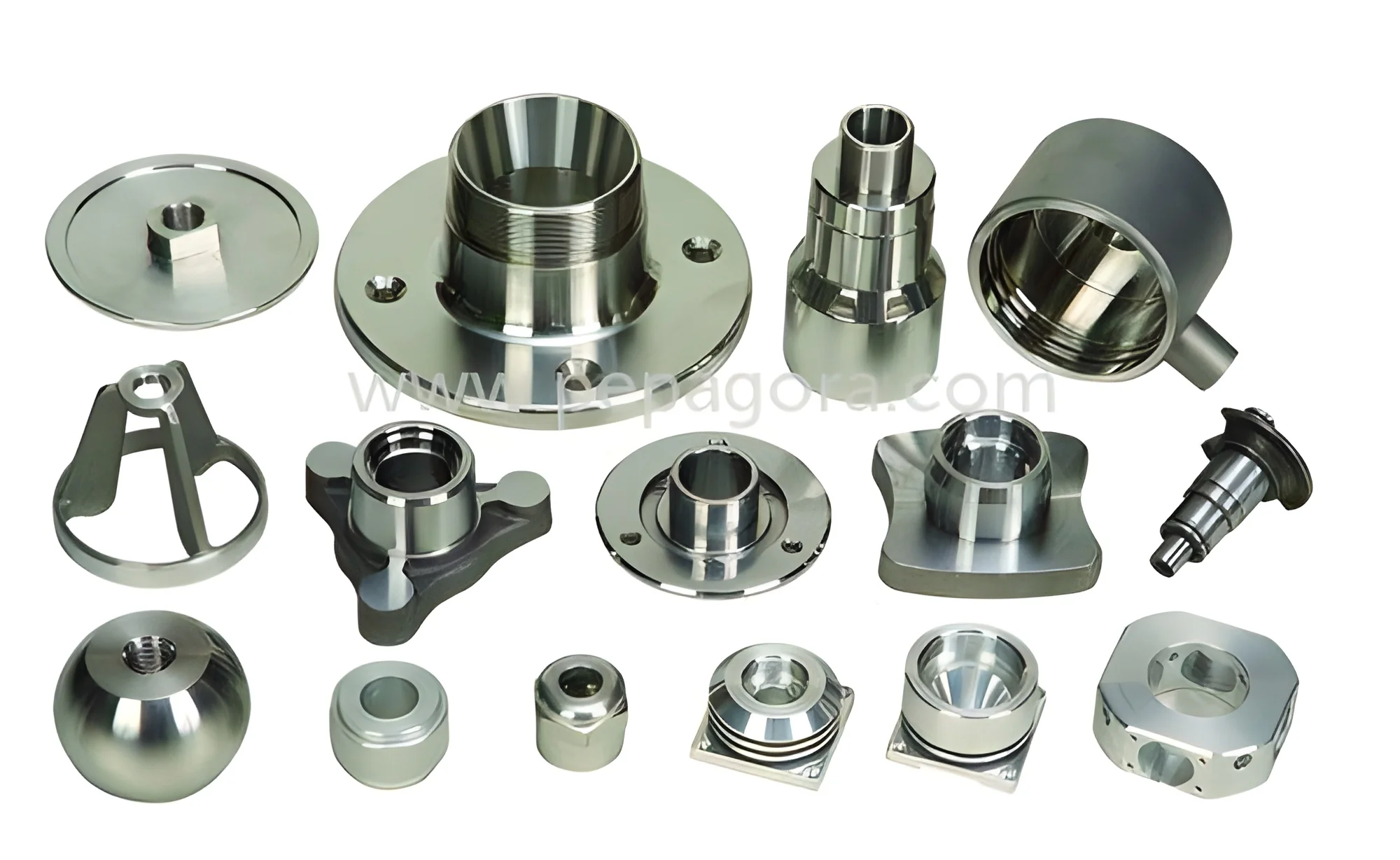
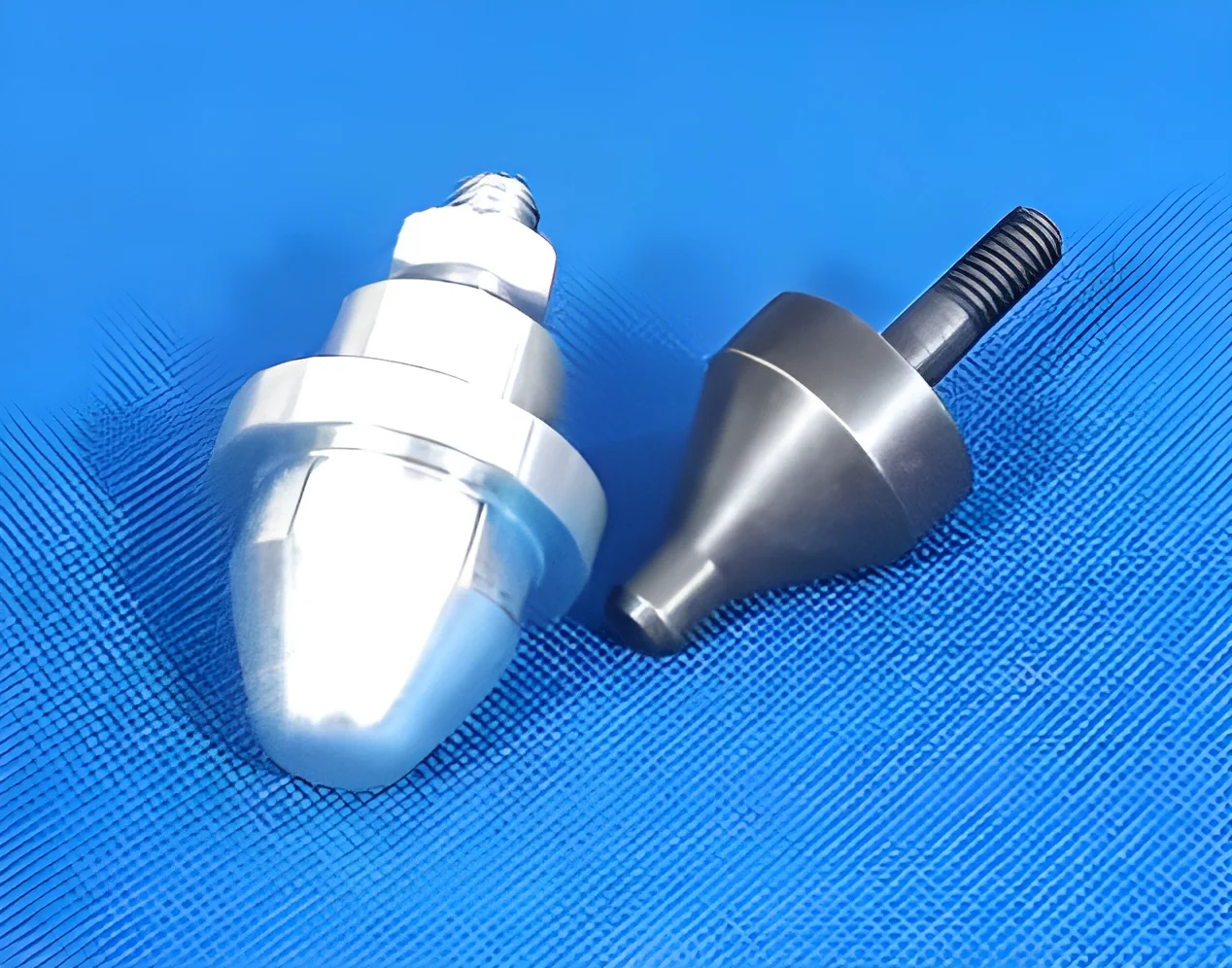
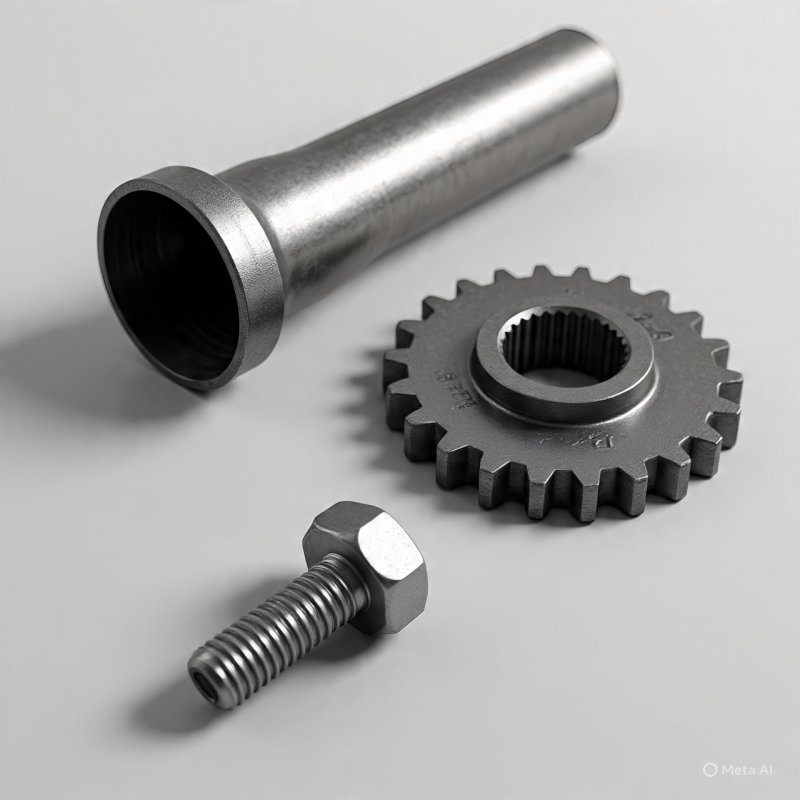
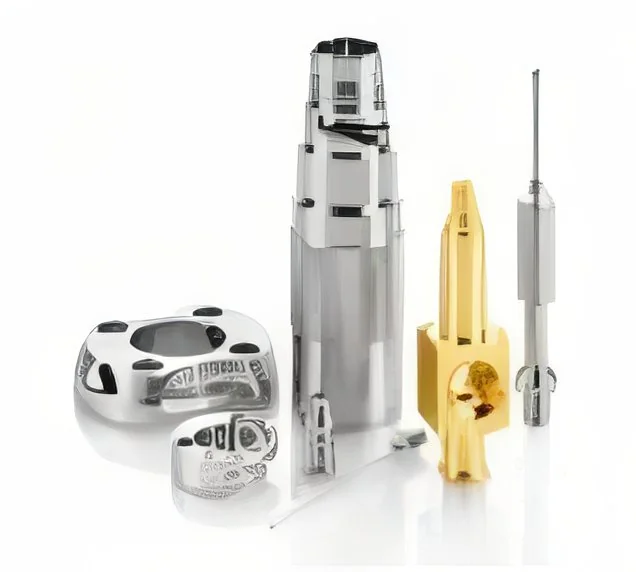
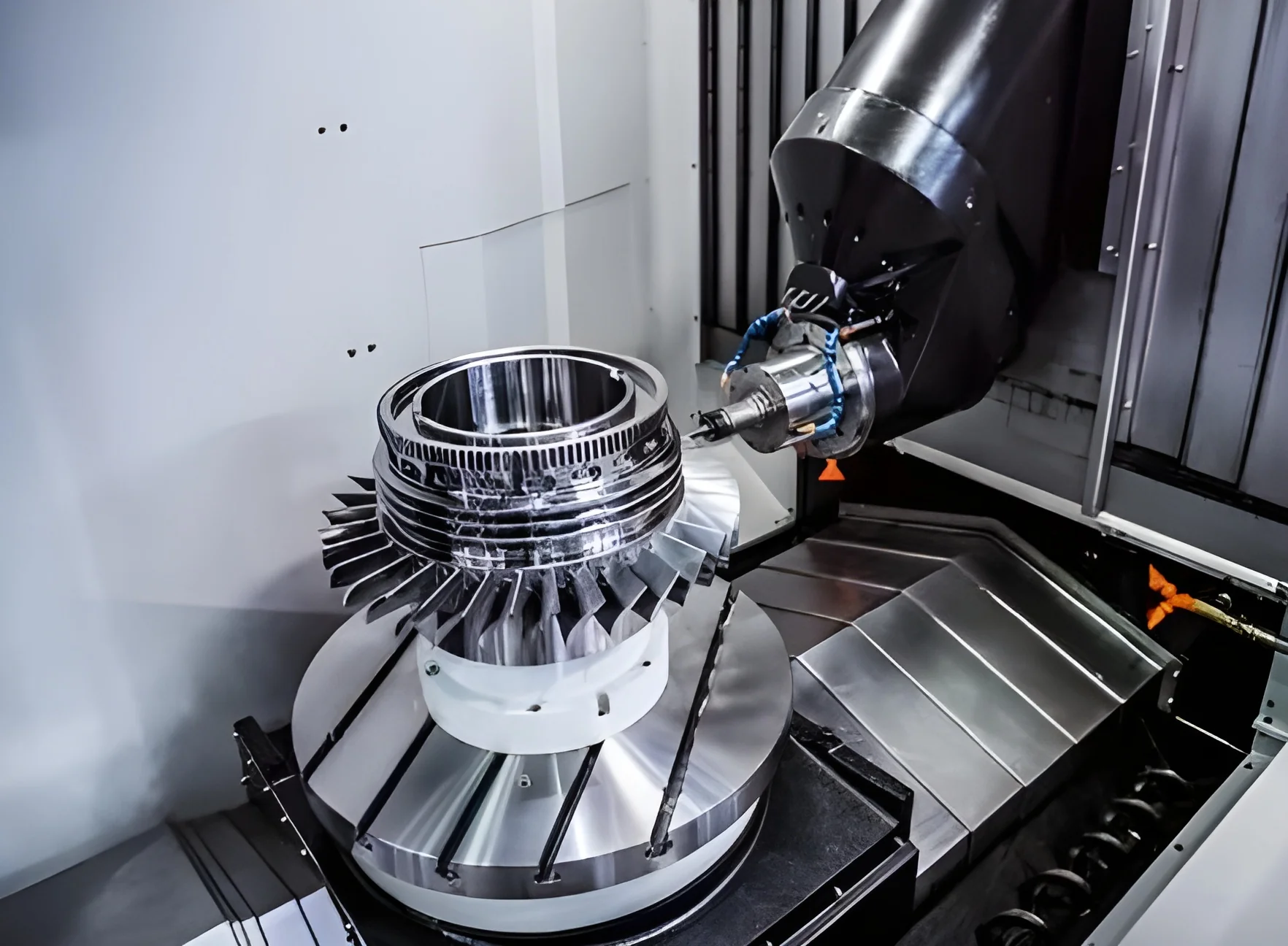
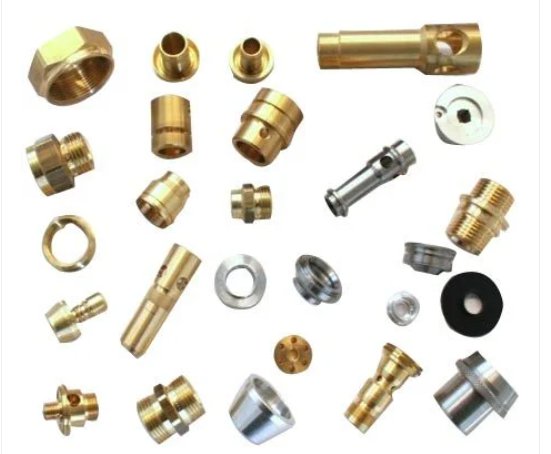
Precision metal parts are components manufactured to exact specifications, ensuring high levels of accuracy and repeatability in their dimensions and performance. These parts are produced using advanced machining techniques and technologies that enable manufacturers to achieve tight tolerances and complex geometries. The production processes often involve turning, milling, grinding, and other machining methods that contribute to the overall quality of the final product.
These components are widely used across various industries, including automotive, aerospace, electronics, and medical devices. In these sectors, precision metal parts are essential for the proper functioning of machinery, equipment, and consumer products. Their reliability and durability make them critical in applications where performance and safety are paramount. In the current market landscape, the demand for precision metal parts continues to grow as industries seek to enhance product quality and efficiency.
Key Features and Specifications
Precision metal parts come with a range of features and specifications that cater to the needs of various applications. Understanding these specifications is crucial for businesses looking to source the right components for their projects.
Key specifications include:
1. Tolerance Levels
- Precision metal parts are often manufactured to tolerances as tight as ±0.001 inches.
- This ensures parts fit together correctly and function as intended.
2. Material Types
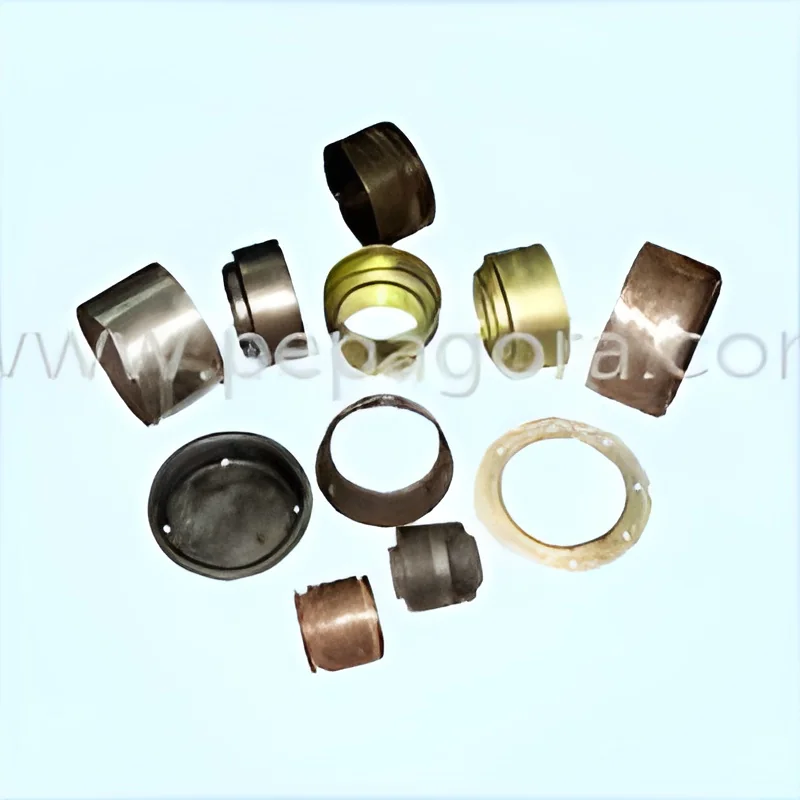
- Common materials include stainless steel, aluminum, brass, and titanium.
- Each material offers unique properties that suit specific applications.
3. Surface Finish
- Surface finishes can range from as-machined to polished or anodized.
- Finish types affect the appearance, corrosion resistance, and wear characteristics.
4. Production Volume
- Parts can be produced in small, medium, or large quantities.
- High-volume production often utilizes automated methods to reduce costs.
5. Customization Options
- Many manufacturers provide customization to meet specific design requirements.
- This can include alterations in size, shape, and material.
6. Lead Times
- Average lead times can vary based on complexity and order volume.
- Standard lead times often range from two to six weeks.
7. Quality Standards
- Compliance with industry standards such as ISO 9001 is common.
- This ensures consistent quality and reliability across products.
8. Certification
- Many precision metal parts come with CE certification.
- This indicates compliance with European safety and health standards.
In summary, understanding the key features and specifications of precision metal parts is vital for making informed purchasing decisions. These specifications influence the selection process and ensure the parts meet the necessary requirements for their intended applications.
Common Applications and Use Cases
Precision metal parts are integral to a variety of industries, showcasing their versatility and essential role in modern manufacturing.
1. Automotive: In the automotive industry, precision metal parts are used to manufacture engine components, transmission systems, and braking systems, ensuring optimal performance and safety.
2. Aerospace: Aerospace applications demand high precision and reliability, with metal parts being crucial in aircraft structures, landing gear, and engine components that must withstand extreme conditions.
3. Electronics: Precision metal parts are fundamental in the electronics sector, used in connectors, housings, and circuit components that require exact dimensions for effective functionality.
4. Medical Devices: The medical device industry relies on precision metal parts for surgical instruments, implants, and diagnostic equipment, where accuracy and sterility are critical.
5. Industrial Equipment: These parts are used in manufacturing machinery, pumps, and valves, contributing to the efficient operation of various industrial processes.
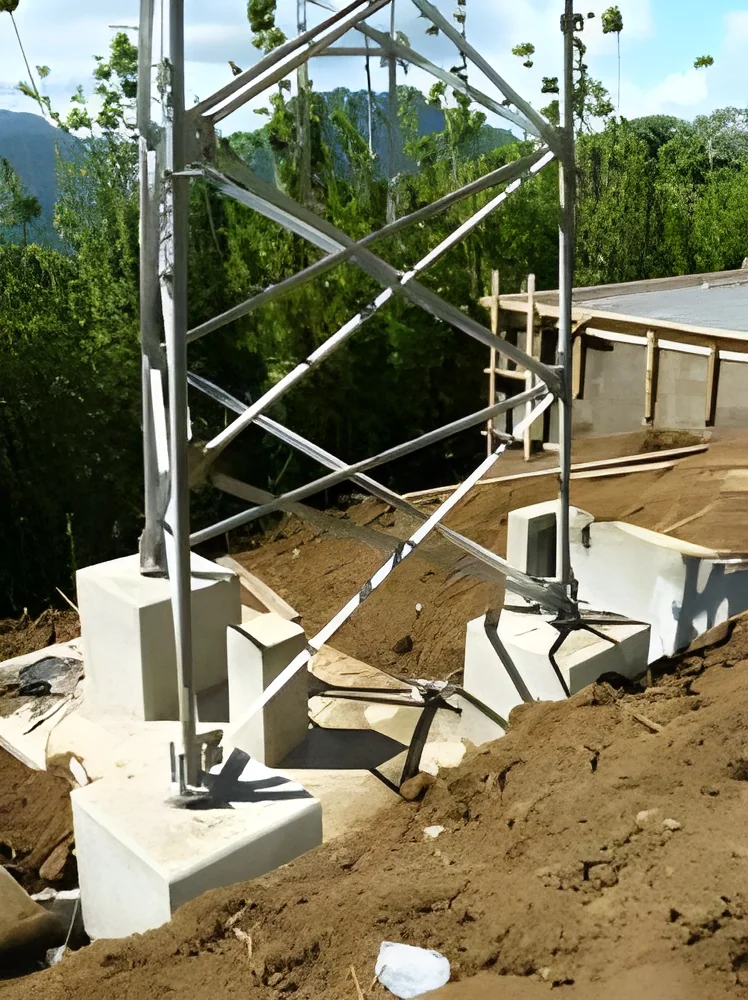
6. Telecommunications: Precision metal parts in telecommunications equipment ensure proper signal transmission and connectivity, playing a vital role in network reliability.
7. Defense: The defense sector utilizes precision metal parts in weapon systems and military vehicles, where durability and precision are non-negotiable.
Product Variants and Subcategories
Precision metal parts come in various forms to meet the diverse needs of different industries. Each variant has unique features and applications that make them suitable for specific tasks.
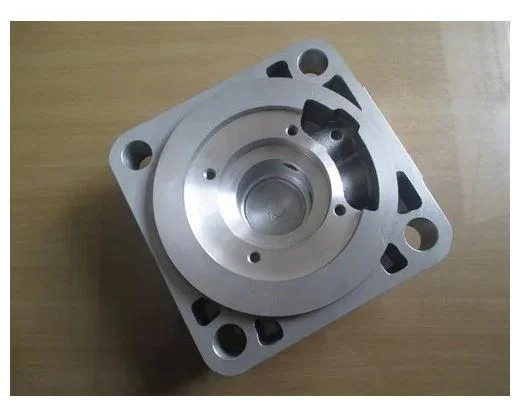
CNC Machined Parts
CNC machined parts are produced using computer numerical control machinery, allowing for high precision and repeatability. They are commonly used in aerospace and automotive applications, where tight tolerances are essential.
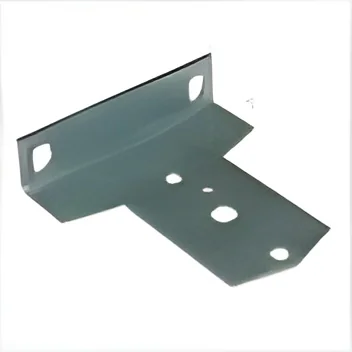
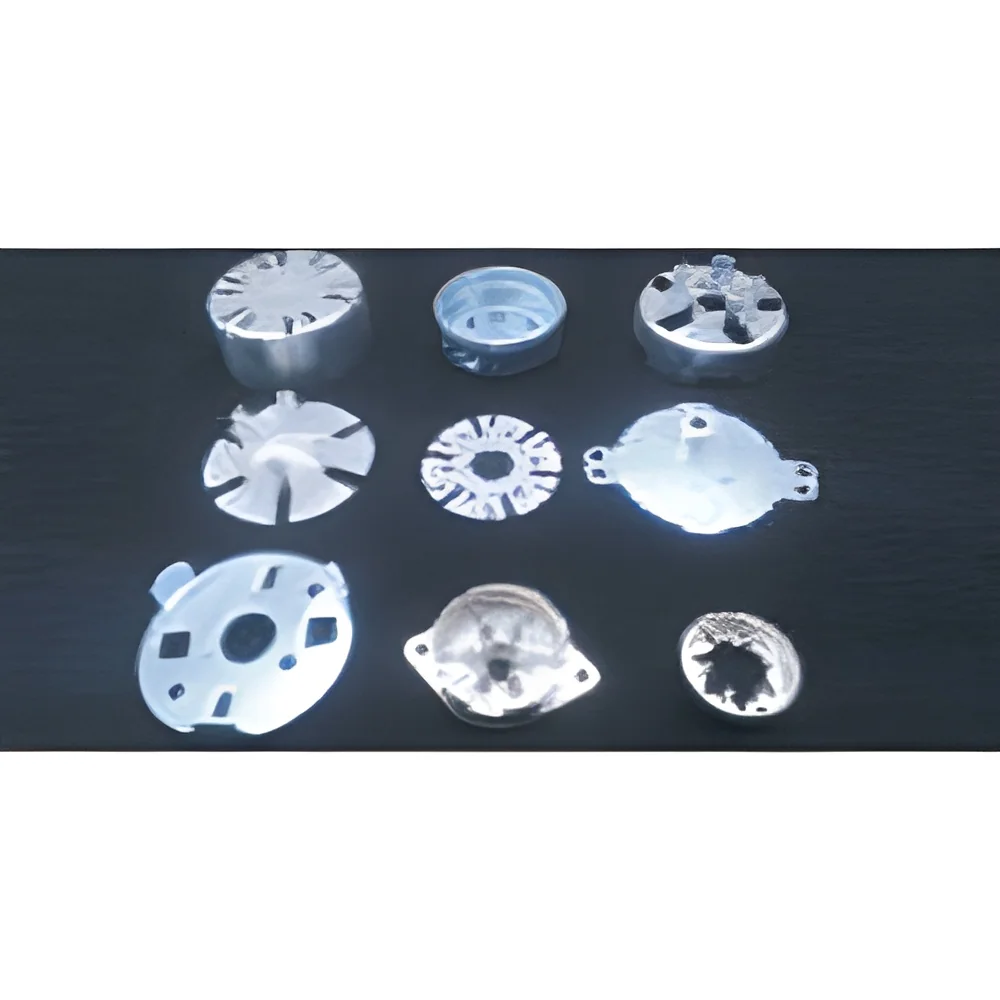
Stamped Metal Parts
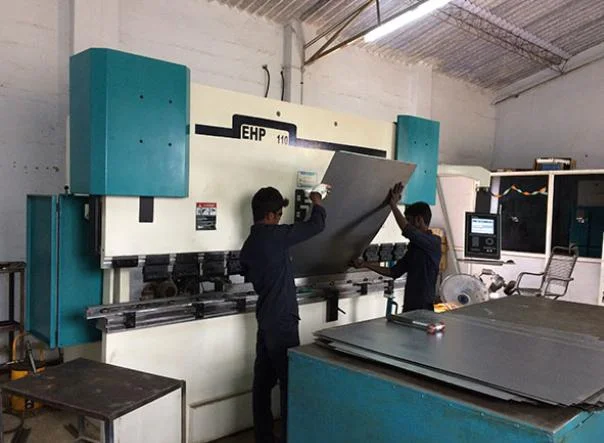
Stamped metal parts are created through a stamping process, making them ideal for high-volume production. These parts are often found in consumer electronics and automotive interiors, providing cost-effective solutions.
Cast Metal Parts
Cast metal parts are made through a casting process, allowing for complex shapes and designs. They are often used in heavy machinery and automotive applications, where robustness is required.
Forged Metal Parts
Forged metal parts are produced by deforming metal under high pressure, which enhances their strength and durability. These parts are widely used in the aerospace and defense industries.
Benefits and Advantages
Precision metal parts offer numerous advantages that can significantly impact the performance and efficiency of products across various industries.
1. High Accuracy: These parts are manufactured to exact specifications, ensuring they fit perfectly and function reliably in their applications.
2. Enhanced Durability: Precision metal parts are often made from high-quality materials, providing long-lasting performance even under demanding conditions.
3. Improved Efficiency: With better tolerances and finishes, these parts contribute to the overall efficiency of machinery and equipment.
4. Customization Capability: Many manufacturers offer customization to meet specific design needs, allowing businesses to tailor parts for unique applications.
5. Compliance with Standards: Sourcing precision metal parts from reputable suppliers ensures adherence to industry standards, enhancing product reliability.
6. Cost-Effectiveness: While precision parts may come at a higher initial cost, their performance and durability can lead to lower long-term operational costs.
Buying Guide for B2B Buyers
When sourcing precision metal parts, it is essential for B2B buyers to consider several factors to ensure they make informed decisions.
1. Quality Assessment: Buyers should evaluate the quality of precision metal parts based on material selection, manufacturing processes, and adherence to industry standards.
2. Supplier Verification: Vetting suppliers is crucial to ensure they have a good track record and can consistently deliver high-quality products. Checking references and certifications can provide insight into their reliability.
3. Pricing and MOQ: Understanding the pricing structure and minimum order quantities is important for budgeting. Buyers should compare quotes from multiple suppliers to find the best deal.
4. Delivery and Lead Times: Buyers need to be aware of delivery schedules and lead times, as these can affect project timelines. Establishing clear communication with suppliers can help ensure timely delivery.
5. Compliance Requirements: It is vital to understand any regulatory compliance requirements relevant to the industry and ensure that the parts sourced meet these standards.
Compliance and Certifications
Compliance and certifications play a significant role in the quality assurance of precision metal parts. Adhering to quality standards such as ISO 9001 ensures that manufacturers maintain consistent quality throughout their production processes. This standard focuses on effective quality management systems, ultimately leading to improved customer satisfaction.
In addition, industry-specific certifications like CE indicate that products meet essential health and safety criteria within the European market. These certifications assure buyers that the parts they source are reliable and safe for use in critical applications.
Safety and testing requirements also contribute to the overall compliance landscape. Manufacturers must conduct thorough testing of their products to ensure they meet performance and safety benchmarks. This often includes stress tests, dimensional checks, and material verification.
Furthermore, regional compliance considerations can vary significantly. Buyers must be aware of local regulations that may impact their sourcing decisions, ensuring that all acquired parts meet necessary legal and safety standards.
Why Source Precision Metal Parts from Pepagora?
Pepagora offers a trusted platform for sourcing precision metal parts with several key advantages that cater to the needs of B2B buyers.
Verified Supplier Network: Pepagora maintains a robust network of verified suppliers, ensuring that buyers can connect with reputable manufacturers who meet stringent quality standards. This verification process provides peace of mind in the sourcing process.
Streamlined RFQ Process: The platform features a streamlined Request for Quotation (RFQ) process, allowing buyers to easily request quotes from multiple suppliers. This efficiency simplifies the procurement process and helps businesses make timely decisions.
Trade Assurance and Support: Pepagora provides trade assurance and support to safeguard buyers during transactions. This includes protection against potential disputes and assistance throughout the sourcing journey.
Regional Coverage: With a strong presence in India, GCC, and Southeast Asia, Pepagora offers extensive geographic coverage. This regional reach facilitates connections between buyers and suppliers, enhancing accessibility and responsiveness in sourcing precision metal parts.

 IN
IN